

Understanding the safety of heating plastic food containers is crucial for any food service business, from bubble tea shops to catering services. With the potential for health risks and the importance of maintaining quality, it’s vital to differentiate safe and unsafe plastics. This article will discuss the safety of heating plastic food containers, identify which materials are safe, highlight the associated health risks, and provide best practices for usage. We’ll also explore alternative materials that ensure safe heating, ensuring your business meets both safety standards and customer satisfaction.
Reading the Heat Threshold: How Markings on Plastic Containers Guide Safe Heating of Food
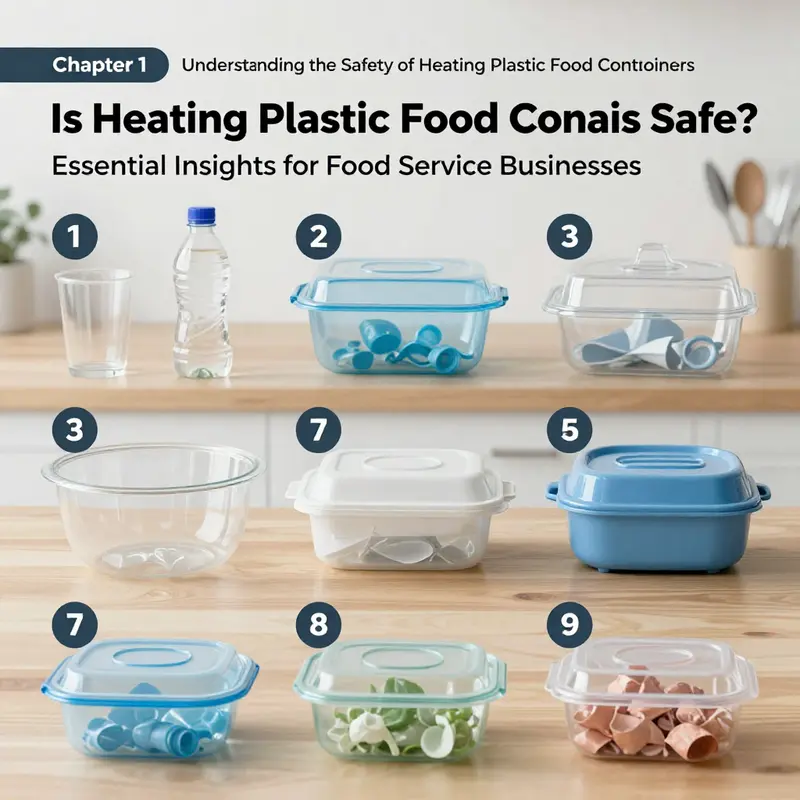
In kitchens around the world, the simple act of heating food in a plastic container can feel routine. Yet beneath the familiar sound of the microwave and the steam that escapes from a hot lid lies a web of chemistry, regulation, and everyday judgment. This chapter weaves together what makes a plastic container safe for heating, which markings truly matter, and how the choices we make in the moment can shape food safety over time. The core message is practical: safety hinges on selecting the right plastic, using it correctly, and recognizing when safer alternatives deserve a closer look.
When we talk about heating plastic, the most critical distinction is the kind of plastic itself. Plastics are not a single material; they are a family of polymers with different properties, especially in how they respond to heat. Among the codes that people see on the bottom of containers, the number five or the letters PP stand out as the most heat-tolerant option designed for repeated heating and hot contents. Polypropylene, identified by the recycling symbol with the number 5 or the letters “PP,” can withstand temperatures up to roughly 120–130°C (248–266°F). That tolerance makes it a common choice for microwave use and for storing hot foods, provided the container is labeled explicitly as microwave-safe. But a crucial caveat applies: the presence of a “microwave-safe” label or the 5/PP marking does not automatically guarantee safety in every situation. The context matters—how old the container is, whether it has scratches or warps, and what you put inside it all influence the outcome.
The broader landscape shows why that caveat is essential. Other plastics—PET (1), PS (6), and PVC (3)—carry risks that become particularly acute when heated. PET is widely used for beverage bottles and some food packaging, but its heat tolerance is limited and it is not recommended for heating or for reuse with hot foods. PS, common in disposable cups and takeout clamshells, can release styrene when heated, and that exposure has raised concerns about nervous system effects and potential carcinogenic risks with repeated or long-term contact. PVC adds another layer of concern with possible release of toxic phthalates and chlorine compounds under heat. In this spectrum, the PP code stands out as the safer anchor for heating, but it is not a blanket guarantee for every plastic labeled with a number 5; it must be paired with a clear “microwave safe” certification and maintained in good condition.
Yet even PP has limits that can creep into daily use through wear and tear. A container’s physical state matters as much as its chemical identity. Scratches, warps, discoloration, and astringent aging process can alter the barrier at the polymer-food interface, increasing the likelihood that chemicals migrate into food. The practical implication is straightforward: avoid using damaged containers for heating, even if they were once labeled microwave-safe. The risk isn’t just theoretical. When heat and fat come together in a compromised container, the potential for chemical transfer rises, reinforcing the point that the label is a guide, not a guarantee, and that condition matters as much as designation.
The regulatory perspective acknowledges the complexity. The FDA, for instance, asserts that microwave-safe plastics approved for food contact are safe when used according to label instructions. Yet the same body recognizes limits in how these standards translate to real-world use. Real kitchens involve repeated heating cycles, aging containers, and frequent exposure to fatty or acidic foods, all of which can influence leaching rates. A voice often cited in this context is that of Dr. Sarah Thompson, a noted environmental health researcher who has warned that even plastics labeled “microwave-safe” may release low levels of chemicals under stress. Her point is not to deter use but to remind readers that long-term exposure, even at low doses, could pose health risks—especially for children. The framing here shifts from absolutes to informed risk management.
In the same vein, regional studies have helped shape practical guidelines. A 2005 joint study by a city’s Food and Environmental Hygiene Department and its Consumer Council examined disposable plastic containers used for hot or fatty foods. The takeaway was nuanced: when used correctly and within specified temperature limits, some of these materials do not pose a food safety risk. But the study also cautioned against materials that degrade at lower temperatures, particularly polystyrene and expanded polystyrene, and it underscored polypropylene as the more heat-resistant choice. The historical emphasis on these findings matters today: it provides a framework consumers can apply without requiring a degree in polymer chemistry. If a container cannot be clearly identified as PP with a readable “5” or “PP” marking, the prudent move is to treat it as not suitable for heating.
A closer look at material composition clarifies why certain plastics behave differently under heat. Styrene monomers, which can be released by polystyrene, have been associated with neurological and developmental considerations in some exposure contexts. Phthalates and bisphenols, such as BPA and BPS, have also drawn attention for their potential endocrine-disrupting effects. The concern is not that every heating event triggers a danger, but that repeated or long-term exposure to certain additives can accumulate in the body, with shifts in metabolism, fertility, and development that researchers continue to monitor. These insights help explain why readers are urged to take a cautious stance with plastic containers and to consider swaps when the situation calls for high heat, acidic, or fatty foods.
The practical guidance that emerges from this knowledge is deceptively simple in form but richer in implication when applied. First, always check the container’s labeling. If it does not clearly indicate microwave compatibility or a PP designation, do not rely on it for heating. Second, inspect containers for signs of damage before each use. A scratched, warped, or discolored surface is a cue that the material’s barrier properties may have weakened, enabling more rapid chemical migration into foods. Third, consider the type of food you heat. High-fat contents and long heating durations tend to elevate chemical transfer more than water-based foods, making the choice of container even more consequential in cases of oily leftovers or fatty sauces. Fourth, do not subject plastic containers to heat beyond their stated limits, and resist using them on stovetops or under broilers, where temperature spikes can quickly bypass the container’s protective design. Finally, when in doubt, choose safer alternatives such as glass, ceramic, or stainless steel for heating and storing hot or highly fatty foods. This last point is not merely precautionary but a practical route to consistency—if your goal is minimize cumulative chemical exposure and simplify kitchen routines, a durable, non-plastic option often delivers without sacrificing convenience.
The discussion would be incomplete without acknowledging that a single healthy choice can align with broader habits. For instance, there is value in keeping a small, well-labeled supply of PP-compatible containers for microwave reheating, while saving non-plastic alternatives for those meals that involve boiling, grilling, or long reheating times. In this sense, choosing the right vessel becomes a rhythm of decision, one that acknowledges the nuance between a container that is technically capable of withstanding heat and a container that remains safe after repeated use. The goal is a practical, real-world standard: use only containers explicitly marked as microwave-safe or labeled with PP, monitor their condition, and opt for glass, ceramic, or stainless steel when the stakes feel higher—such as with hot, acidic, or fatty foods that demand careful handling.
For readers seeking a bridge between the theory of safe heating and the realities of daily meals, consider exploring alternatives that blend safety with convenience. A disposable kraft paper bowl with a lid, designed for food packaging, can serve as a practical, lower-risk option for hot foods in certain settings. This option aligns with a broader, sustainability-minded approach to food storage and serving that reduces reliance on single-use plastics while still enabling heat-enabled mealtime flexibility. For more about paper-based alternatives and related packaging solutions, you can explore a range of options that emphasize safe transfer of hot foods without introducing plastic-based contact layers. disposable kraft paper bowl for food package with lid.
This integration of science, regulation, and practical behavior reflects a broader truth: safety surrounding heating plastics is not a single universal rule but a set of conditional guidelines that adapt to the material, the heat, and the food. The USDA and FDA frameworks, complemented by independent research, emphasize vigilance—checking labels, replacing aging containers, avoiding exposure to fats and acids, and recognizing when to pivot to alternatives that minimize risk. The goal is to empower readers to rehearse more deliberate kitchen choices, to reduce the uncertain exposure that can accumulate over time, and to maintain the continuity of safe cooking and safe storage.
For a deeper dive into official guidance and updates on plastic food-contact materials, reference sources such as the U.S. Food and Drug Administration. Their guidance extends beyond the scope of a single chapter and offers a living map of what is considered acceptable practice in food-contact packaging. You can explore the FDA’s comprehensive materials at https://www.fda.gov/food/food-contact-materials. This resource underscores the ongoing nature of safety research and regulation in a field where chemistry, consumer behavior, and manufacturing practices intersect in everyday meals.
In sum, heating plastic containers can be safe when the container is appropriately designed for heat, clearly labeled for microwave use, and kept in sound condition. The risk emerges most clearly when those conditions are not met: when plastics without heat tolerance are heated, when containers show wear, or when fatty and acidic foods are involved in prolonged heating. The science supports these practical cautions, while the regulation and independent evaluations remind us that “microwave-safe” is a label that should be respected but not taken as a guarantee. The safest path is to read the markings, examine the container’s integrity, and, when feasible, favor non-plastic vessels for hot meals. That approach, anchored in clear markings and thoughtful use, helps ensure that the act of heating food remains a reliable and health-conscious routine rather than a source of unintended exposure.
External resource for further reading: https://www.fda.gov/food/food-contact-materials
Chapter 2: The Safe Heat Dilemma—Decoding Which Plastics Really Reheat Your Food
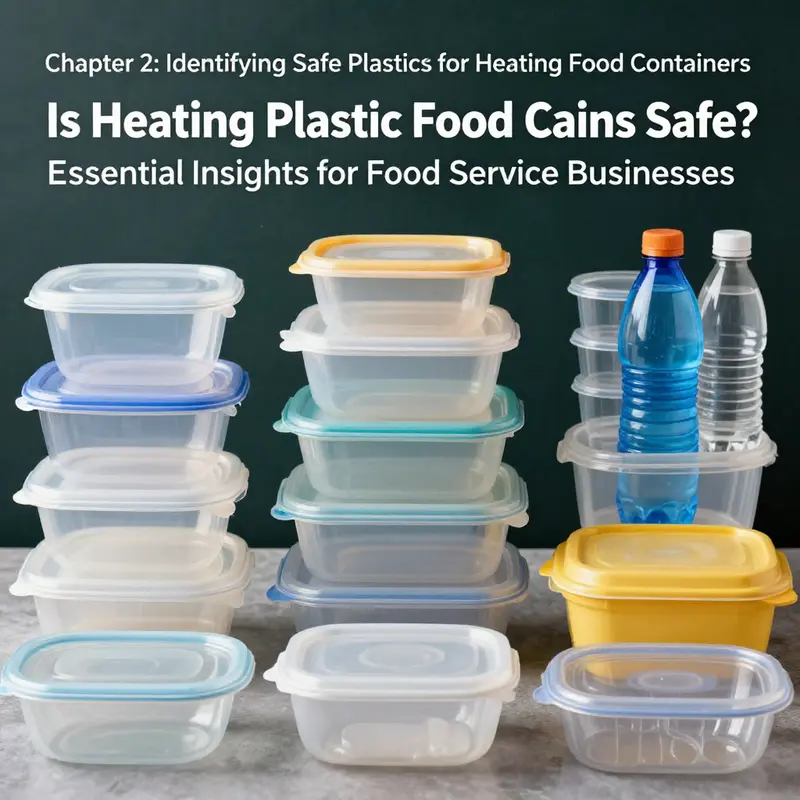
When people rehear leftovers or warm a meal in a container, the instinct to grab the plastic readily available is strong. Yet the safety question behind heating plastic is nuanced. Not every plastic is designed to endure heat, and not every instance of heating is risk-free. The central truth that threads through the research is simple and consequential: heating plastic is safe only when the container is made from a material engineered for high temperatures and used in strict adherence to labeling and guidelines. When those conditions aren’t met, the risk of chemical migration into food rises, sometimes in ways that are small, sometimes in ways that are more noticeable. The task for consumers and for professionals who write about food safety is to translate this nuanced science into practical, reliable guidance that helps people make safer choices in the kitchen and on the go, without abandoning the convenience that plastics offer in many everyday scenarios.
At the heart of the matter lies the resin chemistry behind common plastics. Among the familiar options, polypropylene, identified by the recycling symbol with the number 5 or the letters PP on the bottom, stands out as the safest option for heating or microwaving. PP’s thermally stable nature means it can withstand higher temperatures without deforming or releasing substances into food. In practical terms, containers made from PP are routinely marketed as microwave-safe and suitable for hot foods, with a typical heat tolerance that allows for reheating close to the upper end of household microwave temperatures. However, even within PP, the safety guarantee hinges on clear labeling. The container must carry a label that explicitly indicates microwave safety or a 5/PP designation. Without that certification, the safe handling rule doesn’t automatically apply, and usage becomes a roll of the dice rather than a reliable safeguard.
By contrast, other plastics demand caution. PET, the familiar plastic used for many beverage bottles and some food packaging, is generally not appropriate for heating. While PET is excellent for cold or room-temperature storage, its performance under heat conditions is not aligned with safe food reheating; repeated reuse for hot foods is not recommended. Then there’s PS, commonly found in foam cups and takeout containers. PS can degrade when heated and has been associated with the release of styrene, a compound that is considered a possible human carcinogen by some health authorities. PVC, another common plastic, warrants close scrutiny because heating it can release toxic phthalates and even chlorine gas under certain conditions. These distinctions aren’t just academic. They translate into practical guidance: the mere presence of a plastic recycling number does not guarantee safety for heating. The material must be one that is explicitly designed for heat and explicitly labeled as microwave-safe.
Texture, wear, and age add another layer of complexity. Even plastics that are theoretically safe under heat can become unsafe over time. Scratches, warping, discoloration, or brittle edges can alter the container’s barrier properties, creating pathways for substances to migrate into food. Non-food-grade plastics should never be used in contact with food, and even occasional reuse of single-use plastics can introduce risk once physical integrity has been compromised. The risk is magnified when heating fatty or oily foods. Fats can facilitate the transfer of certain additives from plastic into food more readily than water-based foods, so the risk profile shifts with the type of food being heated. In other words, the safest practice is not only about choosing a safe plastic but also about choosing the right food and monitoring the condition of the container.
The practical takeaway for everyday kitchens is twofold: read and verify, and minimize reliance on plastic for heating whenever possible. The labeling is not merely bureaucratic; it’s a line of defense. Containers that bear a clear microwave-safe designation or the PP symbol should be used for heating. Containers without explicit heat labeling should be avoided for hot foods. And even with labeled PP containers, distance yourself from heating practices that involve scratches, heavy wear, or aging containers. The risk isn’t eliminated by a brand-new container; it’s mitigated by using the correct material, maintaining the container’s integrity, and adhering to temperature limits.
In this landscape, the habit of reusing disposable plastic containers for hot foods deserves scrutiny. The practice may seem economical or convenient, but it complicates safety. The integrity of the container matters just as much as the material. A container that has been microwaved repeatedly, dropped, or exposed to high heat from a broiler or stovetop can degrade in ways that aren’t immediately visible. The microscopic or molecular changes can alter how a container interacts with food, especially when the food is oily or acidic. These realities point toward a prudent approach: for hot, acidic, or fatty foods, consider alternatives that are inherently more stable under heat. Glass, ceramic, and certain types of stainless steel avoid the migration risk associated with plastics altogether, and they do not degrade in the same way under repeated heating. This is why many experts advocate for shifting toward non-plastic heating and storage in the long run, particularly for the daily reheating of leftovers or meals that require extended hot-holding.
Even with the best intentions, consumers face a web of practical questions. How hot is too hot for a given container? How often can a plastic container be used for heating while maintaining its safety? What about the inevitable wear and tear that occurs in real kitchens, where containers are scraped, washed in hot cycles, or stacked in ways that introduce pressure and friction? These questions do not always have precise, one-size-fits-all answers. Instead, they call for careful attention to labeling, material type, and the container’s physical condition. The guidance offered by health authorities emphasizes precaution: rely on containers designed for heat, follow the labeled temperature limits, and replace any container that shows signs of damage.
A growing part of the conversation around safe heating also involves transparency and updated science. While polypropylene emerges as the most suitable plastic for heating in many contexts, the larger discussion acknowledges that all materials have the potential to interact with food under specific circumstances. Even containers marketed as microwave-safe can contribute trace amounts of chemicals under certain use conditions, and some research has highlighted concerns about additives such as phthalates, bisphenol A (BPA), and other compounds that can migrate in small amounts. These findings do not render PP unsafe by default, but they do underscore the importance of cautious use and ongoing monitoring by researchers and regulators. They also reinforce the practical recommendation to favor non-plastic options when feasible, particularly for regular heating of hot, fatty, or highly acidic foods. The goal is not alarm but informed choice grounded in current science.
To translate these insights into daily practice, a few straightforward strategies emerge. First, always check for the container’s explicit microwave-safe labeling or the presence of the 5/PP marking. If the container lacks those cues, do not use it for heating. Second, inspect containers before each use. If you detect cracking, warping, fading, or rough scratches, replace the container. Third, prefer glass, ceramic, or stainless steel for heating, especially when reheating oily or acidic dishes. Fourth, limit heating times and avoid prolonged exposure to high temperatures. When in doubt, heating foods in a non-plastic vessel and transferring to a clean container after warming can reduce risk while preserving the food’s safety and quality. Finally, recognize that packaging choices extend beyond the act of heating. The materials you use for storage, the temperature at which foods are held, and the manner in which foods are heated all contribute to the overall safety profile. In this light, responsible reheating becomes part of a broader approach to food safety that emphasizes label literacy, material awareness, and practical alternatives.
When considering options beyond plastic, there are practical packaging choices that preserve convenience while reducing chemical exposure. For instance, for reheating, a disposable kraft paper bowl take-away package can be a sensible alternative in settings where heating is required but the container’s material risks are uncertain. Such paper-based solutions, including kraft paper bowls with lids, are designed to handle hot contents in many contexts and provide a barrier that does not involve plastic migration. This approach aligns with a broader shift toward safer, more recyclable packaging choices in fast-paced food service and home cooking alike. For readers exploring safer packaging choices, see how a simple shift toward paper-based solutions can change the heat equation without sacrificing practicality. disposable kraft paper bowl take-away kraft paper salad bowl with pet lid.
The accumulating evidence and evolving guidelines from health authorities converge on a clear, albeit nuanced, message. Modern, food-grade PP containers remain a reasonable option for microwave heating when used correctly. The key caveats are not about demonizing plastics but about respecting their limits and the conditions under which they are used. The safest long-term practice is to favor materials that do not require migration to protect your food from potential chemicals: glass, ceramic, and stainless steel. At the same time, when plastic is necessary, prioritize containers with explicit heat resistance labeling, inspect them for wear, and be mindful of the food type and heating duration. This approach helps ensure that reheating remains a convenient, efficient habit rather than an uncertain risk. The guidance from authoritative sources reinforces the idea that accountability starts with the product label and ends with prudent handling in the kitchen.
For readers who want to explore formal, up-to-date guidance on microwaving plastics, the U.S. Food and Drug Administration (FDA) provides a comprehensive overview of which containers are approved for microwave use and how to interpret labeling. The FDA’s latest stance emphasizes that safety hinges on explicit design for microwave or high-heat use and on diligent adherence to label instructions. The guidance also highlights that even under normal conditions, trace chemical migration is possible in some scenarios, which reinforces the recommendation to minimize plastic heating where possible and to lean into non-plastic options when practical. This evolving science is part of a broader effort to ensure that everyday food practices align with current safety standards while preserving the convenience that modern packaging affords.
External resource: For authoritative information, see the FDA’s updated guidance on microwaving food in plastic containers and safety considerations, which outlines the conditions under which PP containers are deemed safe and explains why label literacy matters in reducing exposure: https://www.fda.gov/food/food-contact-materials-regulatory-information/microwaving-food-plastic-containers-safety
Heat, Leach, and Risk: Understanding the Health Hazards When We Heat Plastic Containers

Heat presses the everyday question of safety onto the plastics we routinely handle. When we nudge a container into a microwave or a hot dishwasher cycle, we are not just reheating food—we are testing the material’s resilience and sometimes inviting compounds to migrate from plastic into what we eat. This chapter moves beyond simplistic labels to map the conditions under which heating plastic can become a health concern. It treats plastic not as a monolith but as a spectrum of materials, each with different heat tolerances, different chemical additives, and different lifespans in the kitchen. The guiding thread is clear: safety is less about a single label and more about the interplay between the container’s material, its condition, and the food we put inside it.
At the center of the health concerns is chemical leaching. When plastics are exposed to heat—whether through microwaving, hot water, or the vigorous conditions of washing—certain components can break free from the polymer matrix and migrate into food. The risk is not uniform across plastics, but the pattern is predictable enough to guide everyday decisions. The most discussed chemical family is the one linked to polycarbonate plastics, where bisphenol A (BPA) has long stood as a signaling concern. BPA’s role as an endocrine disruptor is a reminder that some additives are designed to perform in the factory, not inside the human body. Even as many manufacturers have phased BPA out, the replacement partners—bisphenol S (BPS) and bisphenol F (BPF)—are now under scrutiny for exerting similar biological effects. The public health eye remains on these substitutes because structure often predicts function; when a molecule emulates BPA’s endocrine-disrupting capacity, it becomes a stand-in for risk in the eyes of researchers and clinicians.
Alongside the bisphenol story are the phthalates, a broad group of plasticizers used to grant flexibility to plastics. Phthalates are not chemically bound into the plastic’s backbone; they can migrate relatively easily into fatty or hot foods, especially when containers are used repeatedly or subjected to repeated heating. The associations between phthalate exposure and reproductive toxicity, as well as respiratory and developmental issues in sensitive populations, push many households toward minimizing contact with these additives during cooking and storage. The concerns about microplastics—those microscopic fragments released as plastics age, scratch, or degrade—lend a broader worry: tiny bits can enter food and beverages, and, in some cases, have been detected in human tissues. The long-term health implications of microplastic exposure are still under scientific investigation, but the detection of these particles in blood, lung tissue, and even placental tissue signals a need for caution, especially when heating accelerates material breakdown.
Crucially, the risk is not only about what is made into plastics but also how the plastic has aged. A container that begins its life with a clean set of specifications can become a risk once scratched, warped, discolored, or structurally compromised. Degradation changes how chemicals migrate and how readily a container sheds microplastics. Repeated heating compounds this problem: a once-safe container may degrade enough to permit more substantial migration during the next heating cycle. The practical implication for households is simple to state but easy to forget in the rush of daily life: avoid using any plastic that shows visible wear when heating food, and never rely on a container that was never designed for repeated heating in the hot environment of a microwave or a broiler.
The labeling on the package can be a lifesaver—but it is not a guarantee. Labels such as “microwave safe” are tested to ensure the container won’t warp or melt under normal use. Those tests, however, often assume a single-use or typical, non-repeated heating scenario. They do not always account for many cycles of microwaving, aggressive washing, or the presence of fatty, acidic, or hot foods that can accelerate leaching. In other words, a container may pass one set of tests and still pose risk after months of regular use. This is not a call to panic; it is a call to informed use. If a plastic container is labeled microwave safe, it is a strong signal that it is designed for heat, but it remains essential to ensure the best possible usage patterns: heat only to the temperatures the container is rated for, avoid heating oily or fatty foods in plastics designed for light or moderate heat, and keep in mind that repeated cycles can gradually erode the barrier that plastics provide.
For households seeking practical guidance, the most robust approach is built on three pillars. First, choose the right material to begin with. Polypropylene, identified by the number 5 or the letters PP on the bottom, is the plastic most commonly recommended for heating. PP can withstand temperatures around 120–130°C (248–266°F), which covers most household microwave scenarios and hot storage needs. When a container carries a clear microwave-safe label or the “5/PP” marking, it is a strong indicator that the container is designed to handle heat. Second, perform constant vigilance for wear and damage. Scratches, warps, discoloration, or a container that feels brittle or otherwise degraded should be retired from heating use. These physical signs often correlate with higher leaching risk. Third, treat the heating environment as a part of the risk calculation. High-fat foods, acidic dishes, and prolonged heating all raise the likelihood that any leachable chemicals will migrate into your meal. The more the container is stressed by heat, the more careful we must be about its continued use.
If you want a broader perspective on safer packaging alternatives, consider the packaging options that minimize direct heating of plastic. There is growing interest in moving away from plastic for hot foods and beverages, as many households are already doing for other reasons such as sustainability and consumer preference. For a practical example from the safer-packaging world, look at options in paper-based servingware and protective lids that are designed to withstand heat. For instance, disposable white paper lids for hot paper coffee cups offer a barrier that can reduce direct contact between hot contents and plastic surfaces, thereby limiting potential leaching pathways. You can learn more about these paper-based measures here: disposable white paper lids for hot paper coffee cups.
Beyond individual choices, there is a broader public interest in how we reimagine everyday containers. The science clearly shows that heat can provoke the release of chemicals, and that release can be influenced by how much fat is in the food and how long the container sits in a hot environment. It also shows that older or damaged plastics can become riskier than new ones, which is an important reminder for households to reassess their kitchen staples periodically. The takeaway is not that plastic is uniformly dangerous, but that the safety of heating plastic hinges on using the right material, keeping it in good condition, and avoiding repeated, aggressive heating cycles when possible. In a home kitchen, that translates into a simple habit: reserve plastics for foods and temperatures they were designed to handle, and choose alternatives—such as glass, ceramic, or stainless steel—when the situation involves high heat, fatty foods, or long heating times. The glassware option, with its inert and non-porous properties, remains a preferred choice for reheating and storage when maximum safety is desired.
To bridge the science with everyday practice, it is worth reiterating the broader health context in which these conversations take place. The FDA and other national health agencies have long provided guidelines on what constitutes safe contact between food and packaging materials. The core message remains consistent: materials intended for food contact should be used as directed, with attention to labeling and damage. The FDA’s guidance emphasizes that while microwave-safe designations indicate a product can withstand normal heating without visible deformation, this does not guarantee safety over an extended period of repeated use. The stability of the barrier between plastic and food inevitably declines as the container ages and undergoes more cycles of heating. In practical terms, the evidence supports using glass, ceramic, or stainless steel for heating and storage of hot, acidic, or fatty foods. While these guidelines are not prohibitive, they are pragmatic, offering a path to minimize chemical exposure in daily meals while still accommodating convenience and practicality in a modern kitchen.
The message, then, is nuanced. Heating plastic does not automatically spell danger; it becomes risky when the wrong plastic is heated, when the container is damaged, or when the food’s nature amplifies leaching. A simple framework for most households starts with the material choice: prioritize PP (marked with 5/PP) for plastic containers that will meet heat, while avoiding others known to release more problematic compounds under heat, such as certain forms of PET, PS, or PVC. It continues with inspection: discard containers that show scratches, cracks, discoloration, or warping. It ends with a preference for alternatives when the situation is high-heat, high-fat, or high-acidity. This approach aligns with the precautionary principle in public health: minimize exposure when options exist that offer a more inert interaction between food and container, and stay informed about evolving science on plastics and health.
In this light, the science is not a sterile catalog of risks but a practical guide for safer cooking and storage. The decisions we make in the kitchen accumulate into long-term health outcomes, and the pieces of advice—check markings, avoid damage, prefer safer materials for hot or fatty foods, and consider alternatives—are all within reach. The literature is clear that while modern, food-grade PP containers are generally safe for microwave heating when used correctly, the risks associated with improper use are significant and real. The key is ongoing attention: always verify the container’s markings, and never heat any plastic that isn’t explicitly labeled as safe for microwave or high-heat use. In the end, the kitchen becomes a laboratory of prudent choices—where the materials we select, the care we take with them, and the foods we prepare together shape the health outcomes of our daily meals.
External resource: https://www.fda.gov/food/food-contact-materials-ingredients/food-contact-materials-and-microwave-oven-use
Chapter 4: Reading the Heat: Safe Practices for Heating Plastic Food Containers in the Microwave, and When to Reach for Glass
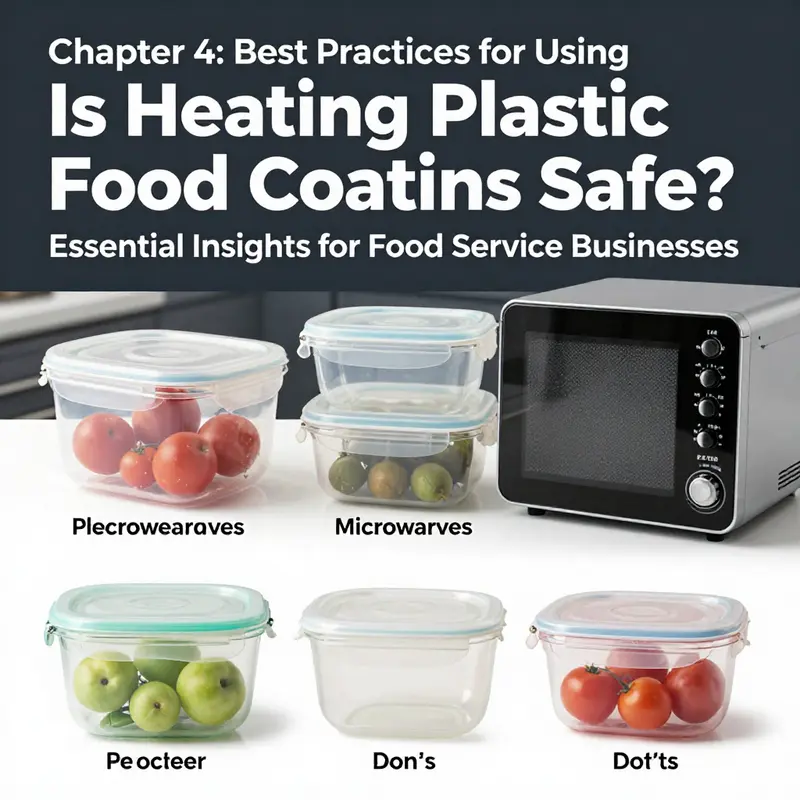
Heating plastic in the microwave sits at a crossroads of convenience and consumer safety. For many households, the microwave represents a quick solution to reheat yesterday’s leftovers, yet at the same time it raises questions about what materials are being heated and what might migrate into food. Plastics are not monolithic; they are a family of polymers with different properties, heat tolerances, and safety assurances. When heat is applied, the urban myths around plastic safety are tested against the realities of polymer science. A container labeled as safe for microwave use is not a universal pass for every kind of food or every reheating scenario, and a cautious approach is still the wisest one.
At the core of the safety conversation is the chemistry of plastics. Most kitchen plastics are synthetic polymers derived from petroleum-based chemicals. They can behave differently under heat depending on their backbone, additives, and how the container is manufactured. The potential concern is not only the container itself but the way heat drives migration of substance from plastic into food. Some additives act as plasticizers or stabilizers, and certain compounds can migrate when exposed to heat, especially if the food is oily or acidic. This is not a blanket verdict that all plastics are dangerous; it is a call to understand when and how heating plastics can be risky and how to minimize that risk through careful choices and proper handling.
Among the plastics, there is a commonly recommended option for heating: polypropylene, identified by the recycling symbol with the number 5 or the letters PP. Polypropylene has a higher heat tolerance than many other plastics and can withstand temperatures around 120 to 130 degrees Celsius (roughly 248 to 266 degrees Fahrenheit). That range aligns with many microwave reheating tasks, particularly when reheating liquids, sauces, or soft foods. When you see a container marked with a clear microwave-safe label or the number 5/PP, it signals that the product has been tested for typical microwave conditions. Still, the label is a starting point, not a guarantee of safety for every scenario. The container’s condition, the nature of the food, and the duration of heating all factor into the final risk.
However, not all plastics deserve a place in the microwave. Common types you’ll encounter—PET (1), HDPE (2), LDPE (4), PS (6), and PVC (3)—carry different cautions. PET is widely used for cold storage and single-use bottles and is generally not recommended for heating. PS, often found in disposable cups and takeout containers, can shed styrene when heated, a compound associated with health concerns. PVC can release phthalates and, under some conditions, chlorine gas. These materials are not ideal candidates for microwave heating, particularly when used repeatedly or with hot, fatty meals. The message here is practical: identify the material, understand its heating limits, and avoid using plastics that are not explicitly designed for hot foods or microwave use.
Beyond material type, there are hidden risks that can undermine even a seemingly sturdy option. Degradation is a quiet menace. Scratches, warping, cloudiness, or discoloration are not merely cosmetic flaws; they can alter the barrier properties of the plastic and increase the likelihood of chemical migration. Non-food-grade plastics should never be used for heating or storing food. And while a container may be labeled microwave-safe, the safety margins can shrink with repeated use. Reusing containers beyond their useful life can introduce microcracks or micro-pits that accelerate leaching, especially when the container has been damaged or heavily used. In those moments, the risk rises not because of intent but because the material has aged and its integrity has diminished.
The composition of the food itself matters as well. Lipophilic, high-fat foods present a higher potential for chemical transfer than water-based foods. Fats can dissolve certain additives more readily, leading to greater migration from the plastic into the meal. The same heating process that makes hot food safe and appealing can also underline a paradox: making the food taste better may come with a small, cumulative increase in exposure to plastic-derived compounds. For this reason, many health-conscious recommendations advocate reducing reliance on plastic for high-fat reheating tasks. If the meal is fatty or acidic, transferring the food to glass, ceramic, or stainless steel for reheating is a prudent step.
There is also the simple, practical guardrail of vigilance. Even with a sturdy PP container, the safest course is to avoid heating on the stovetop or under a broiler where temperatures can spike well beyond the container’s rated limit. A microwave is designed for rapid, controlled heating, but the environment inside a microwave can still vary with container size, food volume, and moisture content. The pressure of a busy kitchen sometimes tempts shortcuts—reheating a large portion in a single takeout container, for example—but those shortcuts can push the material well outside its comfort zone. The bottom line is that temperature and duration matter just as much as the label.
The best practical guidelines begin with verification. Always check for a microwave-safe label or the Pennsylvanian-sounding but practical shorthand: the 5/PP marking. This designation is your first line of defense, signaling that the container is designed to tolerate higher heat than many other plastics. When the container shows wear—scratches, cloudiness, or warping—safeguards erode. A scratched surface is more permeable to substances that could migrate into food, and a warped container may not seal properly, increasing the chance of leaks. In those moments, the prudent choice is to replace rather than reuse. It is not a matter of superstition but a matter of protecting health where the variables of heat, fat, and time intertwine.
For everyday reheating tasks, the simplest rule is to minimize direct heating of plastics and maximize the use of non-plastic alternatives whenever feasible. If you can transfer the meal to glass, ceramic, or stainless steel before heating, you reduce the number of variables that influence chemical migration. It is not necessary to abandon all plastic use; rather, reserve plastic for brief storage and non-heat applications, and reserve hot heating for containers that specifically tolerate it. When you do use plastic, follow the practical steps: ensure the container is clearly labeled as microwave-safe, remove any nonessential lids that aren’t designed for vented microwaving, and consider venting films or lids to allow steam to escape without pressure buildup. The goal is to heat evenly without forcing the plastic to perform beyond what it was designed to do.
A helpful nuance in everyday practice is to be mindful of what is being heated and how long. Short, even heating periods minimize sharp temperature spikes that can stress the plastic. If you must reheat for longer durations, check the container periodically to ensure it remains intact and free of cracks. Rotating meals during reheating can promote even heating, reducing the likelihood that the outer edges overheat while the center remains cool. And while it may be tempting to reuse a container saved from a previous meal, keep in mind that repeated microwaving accelerates wear and tear. If the surface shows micro-scratches, clouding, or a rough texture, it is time to discard and replace rather than to reuse.
For households seeking additional guidance beyond this practical approach, consider non-plastic alternatives as part of a broader strategy for food safety. Glass and ceramic options offer remarkable stability under heat, and stainless steel is another robust choice for reheating or steaming foods in a dedicated appliance. The transition to non-plastic containers does not have to be abrupt. It can be gradual, starting with the most heat-sensitive tasks—such as reheating fatty sauces or dishes with a long reheating time—and expanding as familiarity and comfort grow. A practical transition step is to explore paper-based or compostable options for takeout and storage that are designed to handle heat differently from plastics. For a practical non-plastic alternative, see this kraft paper bowl page, which highlights containers designed for takeout that can temporarily serve as reheating vessels in some contexts: disposable Kraft paper bowl take-away with PET lid. This kind of option underscores a broader trend toward materials that can withstand heat in everyday usage while avoiding some of the migration concerns that accompany plastics.
In the end, the question of whether heating plastic is safe does not yield a single yes or no answer. It yields a set of practices crafted from the realities of polymer science and kitchen routines. Modern, food-grade PP containers can be safe for short microwave sessions when used correctly and when they remain in good condition. The recurring caveat is to avoid heating any plastic that is not explicitly labeled for microwave or high-heat use. When in doubt, favor alternatives and keep your practices grounded in observation: inspect containers, respect temperature limits, reduce fat-heavy reheating in plastic, and reallocate heat-intensive tasks to glass or ceramic when possible. The reader should carry these principles forward across meals, because the cumulative effect of careful choices is a measurable improvement in safety without sacrificing convenience.
For authoritative information and ongoing guidance, refer to recognized health authorities that regularly update recommendations on plastic food contact materials and microwave safety. External resources provide a safety net for those who want to explore the topic further and align their practices with official standards. As you navigate the kitchen, the aim remains clear: heat with awareness, minimize risk, and choose the safest path for your family’s meals.
External resource: FDA guidance on plastic food contact materials and microwave safety provides essential context and official recommendations to complement this chapter’s practical guidance. See https://www.foodsafety.gov/food-safety-topics/plastic-food-containers for more details.
Chapter 5: Safer Heat Ahead—Exploring Alternatives to Heating Food Without Relying on Plastic
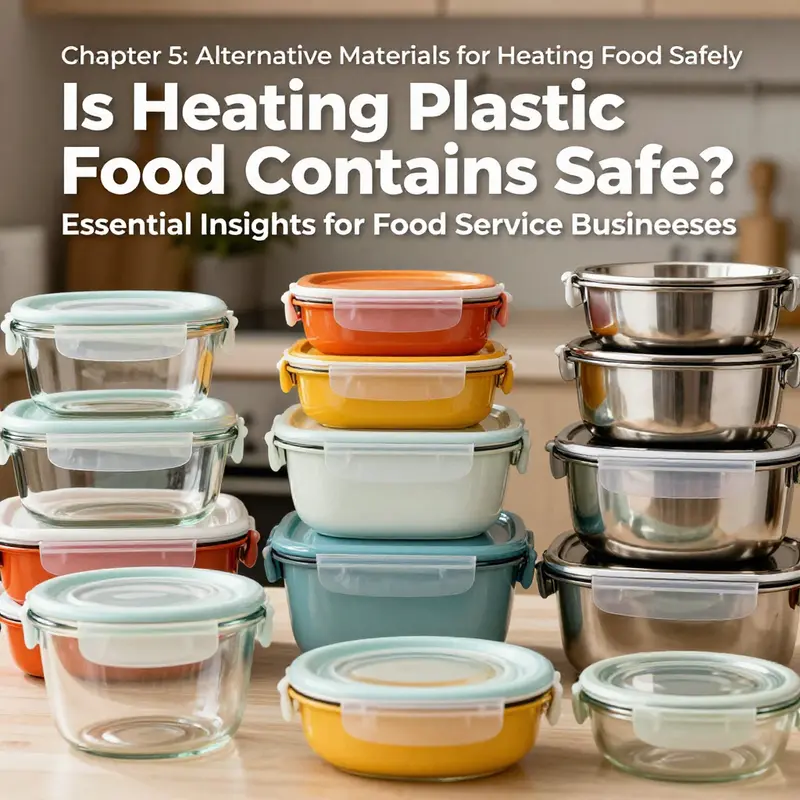
Heating food in containers that contain plastic prompts a basic and persistent question: how safe is it, really? The simplest answer is that safety hinges on the material itself and on how it is used. Plastic is not a single substance but a family of polymers, each with its own heat tolerance, chemical behavior, and risk profile. The overarching message across reputable guidance is clear: heating is safe only when the container is specifically designed for high temperatures and used in accordance with labeling. In practice, this means recognizing that some plastics are clearly off-limits for heating, while others are engineered to withstand microwave or oven conditions. But beyond suitability, the real leverage point lies in the search for safer and more reliable materials that perform well under heat, minimize chemical migration, and reduce environmental impact. This chapter follows that line of thinking. It asks not only what is permissible in a microwave or under a broiler, but what alternatives exist that can deliver heat through the food without introducing avoidable risks from the container itself. In doing so, it widens the lens beyond plastic and toward a broader material ecosystem that includes ceramic, glass, stainless steel, paper-based packaging, and even innovative self-heating concepts. The aim is to offer a narrative that is cohesive and practically useful, guiding readers toward choices that balance safety, performance, and sustainability while staying grounded in current evidence.
First, it helps to set out the limits of common plastics. Polypropylene, marked with the number 5 or the letters PP, remains the most heat-tolerant among widely used consumer plastics. It can withstand temperatures approaching 120–130°C (248–266°F) and is often labeled as microwave-safe. Yet even PP is not foolproof. Scratches, warps, or age can degrade its integrity and increase leaching potential. In addition, high-fat foods can facilitate the transfer of any residual chemicals, especially if the container is not a true food-contact grade or has been damaged. When the heat crosses the intended threshold or when a container lacks clear safety labeling, the risk profile shifts decisively toward potential harm. This context invites a careful, even cautious, approach to food heating that privileges materials with consistent performance under heat and clear safety assurances.
The perennial alternative that many households consider is ceramic, a material that stands out for its stability and inertness at high temperatures. Ceramic cookware and bakeware generally do not volatilize toxic substances when used properly, and their heat distribution can be more uniform than some plastics. This makes ceramics a natural partner for heating tasks in the kitchen. The safety comparison between ceramic and Teflon-coated surfaces is particularly instructive. Teflon, a PTFE coating, can emit hazardous gases when overheated, with significant risk appearing above roughly 350°C (662°F). The practical takeaway for everyday cooking is that most home heating tasks do not approach those extremes, but accidental overheating can occur, especially in high-heat recipes or unattended cooking. Ceramic, by contrast, does not release such fumes, offering a margin of safety that appeals to cautious cooks. A broader, evidence-based discussion of these materials highlights why many professionals and informed consumers prefer ceramic for high-heat cooking and for scenarios where the risk of emitting fumes must be minimized. For readers seeking a deeper dive into this material safety comparison, a comprehensive analysis is available in the ScienceDirect Topics literature.
Beyond ceramics, the emergence of self-heating packaging marks an intriguing shift in how we think about heat and food, especially in contexts where electricity or an external heat source is unavailable. These systems rely on simple chemical reactions to generate heat, either through water-activated or air-activated mechanisms. Water-activated packs commonly employ reactive minerals such as calcium oxide. When water is added, they generate heat through exothermic reactions that can warm meals without a stove or microwave. Air-activated packs use iron powder in an oxidative process, driven by ambient oxygen, to produce heat gradually over time. In military rations, emergency kits, outdoor expeditions, and disaster-response scenarios, such self-heating designs offer a practical solution for keeping meals warm where conventional heating is inaccessible. While these technologies demonstrate the potential for safe, self-contained heating, they also come with limitations: the heat is often localized, the duration can be variable, and the packaging itself can be relatively bulky. Nonetheless, as research and industrial development continue, self-heating systems may become more compact, efficient, and widely adopted in appropriate use cases. This area underscores a broader principle: alternative materials and technologies can decouple heat from traditional cookware and plastics, enabling safer, more flexible heating options in diverse environments.
In the realm of plastics that do touch food but are designed with heat in mind, low-density polyethylene (LDPE) emerges as a noteworthy case. LDPE-based microwave-safe plastic bags have gained popularity for reheating or cooking in a microwave. They combine robust sealing, tear resistance, and practical flexibility, especially for heating fatty foods, soups, and meals that require higher-end temperatures. The caveat remains that even microwave-friendly plastics must be used as labeled. Clearance for high-fat or fatty-acid-rich foods does not guarantee indefinite safety; it simply reflects the material’s behavior under standard conditions. In practice, LDPE microwavable bags should still be used in accordance with the product labeling and should not be reused beyond their intended single-use or as directed by packaging guidelines. The broader point is not to cast LDPE as dangerous, but to recognize that any plastic’s heating safety derives from specific formulation, intended application, and adherence to labeling.
If we broaden the lens further to everyday, non-plastic alternatives, glass and stainless steel containers stand out for their reliability and longevity. Glass is inert, easy to clean, and compatible with a wide range of heating methods, including microwaving in many cases where the glass is tempered and labeled for microwave use. Stainless steel, while non-microwave compatible, excels in oven heating and stovetop reheating, offering excellent durability and resistance to staining or odor retention. The trade-off with these materials tends to be practicality and the user experience: glass and metal can be heavier, may heat unevenly, and can be prone to thermal shock if not handled with care. Yet these concerns are often outweighed by safety margins, since neither glass nor metal is prone to the same leaching risks that can accompany degraded plastics. The evolving discussion around materials emphasizes that there is no one-size-fits-all solution. The right choice depends on the heating method, the food type, and the priorities of safety, convenience, and sustainability.
Paper-based packaging presents another compelling pathway, particularly for applications where heat is gentler or shorter in duration. Kraft paper bowls, cups, and lids—crafted from responsibly sourced fibers and designed for hot foods—offer a biodegradable or recyclable alternative to many plastics. They are commonly treated to resist moisture and to maintain structural integrity during heating, while also reducing plastic-associated waste. In practice, these options can be well-suited to single-serve meals and take-away formats where heating is brief and the primary goal is to deliver warmth with minimal environmental impact. For readers interested in concrete examples of such packaging, consider exploring kraft paper bowls and lids designed for take-away use. A representative option can be found at the disposable kraft paper bowl for food package with lid page, which illustrates how modern paper packaging can balance heat tolerance with practical serving needs. This internal link provides a tangible connection to real-world packaging choices without stepping outside the chapter’s focus on safer materials. disposable kraft paper bowl for food package with lid
The environmental dimension of material choice also matters. Reusability factors prominently for ceramics, glass, and stainless steel, offering long service lives when cared for properly. Paper-based options shine in end-of-life scenarios thanks to compostability or recyclability, though the full environmental footprint depends on sourcing, processing, and consumer behavior. For many households, a balanced approach can involve a mix of reusable metal or glass containers for daily heating tasks, supplemented by paper-based packaging for specific, short-duration heating needs or convenience-based meals. The overarching message is not to demonize plastics outright but to recognize that safer, more sustainable pathways exist and are increasingly feasible. This is especially important when cooking fatty or acidic foods or when heating durations extend beyond typical quick reheats, as those conditions intensify the potential for chemical interaction between food and container.
To translate these ideas into practical guidance, it is essential to align choices with labeling and usage instructions. The chapter has underscored the principle that modern, food-grade polymers can be safe when used properly and when labeling is clear and trustworthy. Yet the safer choices—ceramic, glass, stainless steel, paper-based packaging, and well-designed self-heating systems—provide robust alternatives that reduce dependency on plastics for heating tasks. They also offer distinct advantages in terms of heat distribution, surface safety, and end-of-life outcomes. The upshot is a more nuanced decision framework for consumers: ask what method will heat the food most evenly, what structure can endure repeated use, and what packaging allows for responsible disposal or recycling after heating is complete. In other words, heating safety is not a single property of a container, but an ecosystem of materials, designs, and practices that together determine risk, convenience, and sustainability.
For readers seeking a deeper dive into the comparative safety dynamics of heat-tolerance across materials, a detailed external resource provides a rigorous analysis of ceramic versus Teflon under high heat. This resource offers technical insights into the thermal stability and potential emissions of coatings when heated, enriching the practical considerations outlined here. External link: https://www.sciencedirect.com/science/article/pii/S004789712600001X.
In sum, the question of heating plastic containers safely cannot be answered with a blanket yes or no. It requires attention to the specific plastic type, the presence of safety labeling, the condition of the container, and the nature of the food being heated. Yet the broader landscape of alternatives—ceramic, glass, stainless steel, LDPE in controlled contexts, and innovative self-heating systems—provides a robust toolkit for reducing reliance on plastics and for enhancing safety. The shift toward safer materials is not merely about avoiding risk; it is about expanding the options for everyday cooking and convenience in a way that respects health, performance, and the environment. When readers choose containers or packaging with clear safety assurances and appropriate heat tolerance, they advance a practical, evidence-based approach to heating food that aligns with the best-informed guidelines and minimizes avoidable exposure to potentially harmful substances. The goal is to empower readers to move beyond the default of heating in plastic when the alternatives offer comparable performance with clearer safety margins, while still acknowledging that responsible use of heat-tolerant plastics remains a valid option when labels are explicit and accuracy is guaranteed.
Final thoughts
Ensuring the safety of heating plastic food containers is vital for food service businesses to protect both their customers’ health and their own brand integrity. By understanding the different types of plastics, their safety certifications, and the potential health risks involved, operations can avoid harmful practices. Following best practices and considering alternative materials help maintain high standards of food safety and quality. Ultimately, informed choices in packaging will lead to safer heating practices, enhancing customer satisfaction and trust.