
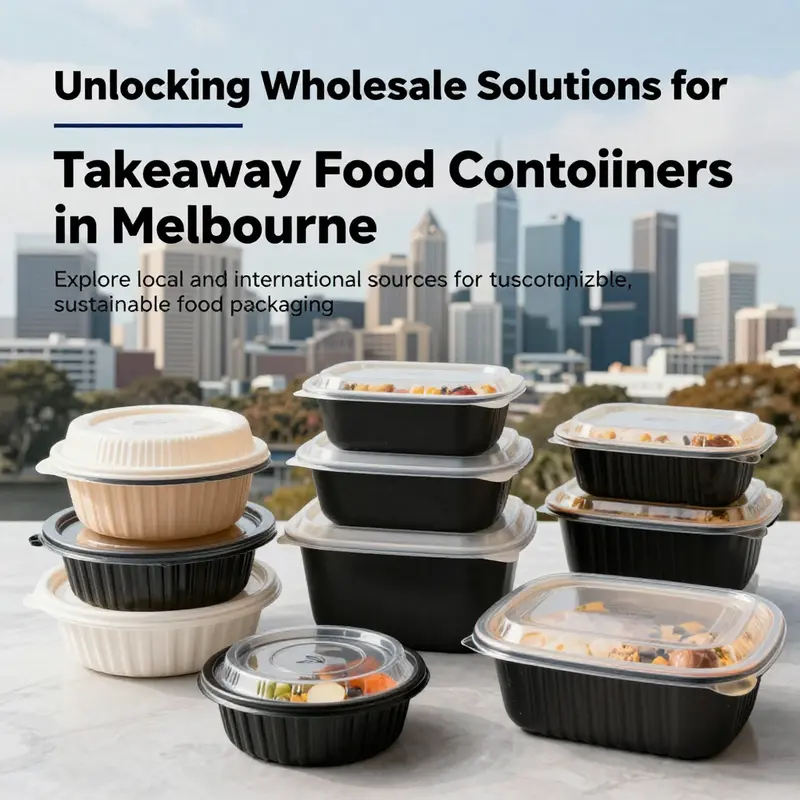
Melbourne’s vibrant food scene, from busy bubble tea shops to dynamic food trucks, relies heavily on efficient and appealing takeaway food containers. In this bustling market, understanding the options available—both locally and online—can empower beverage chains, restaurants, catering services, and corporate procurement teams to make informed decisions. The demand for quality takeaway containers continues to rise, driven by consumer preferences for sustainability and convenience. This article delves into three core areas: the local wholesale landscape of food packaging, the role of online platforms for international sourcing, and an analysis of the various types and applications of takeaway containers that cater to Melbourne’s diverse culinary offerings. Each chapter will provide valuable insights to help stakeholders streamline their procurement processes while aligning with market trends.
本地批发商的包装生态:在墨尔本缔造高效与可持续的外卖容器市场
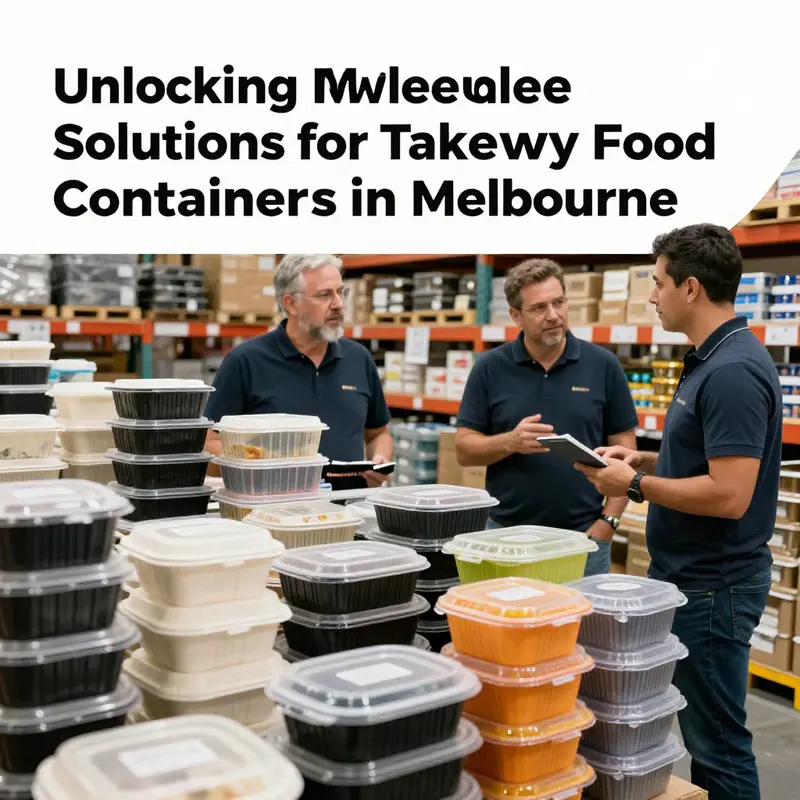
墨尔本的外卖文化以速度、味道与创新并重而著称。街角小店、连锁咖啡馆、夜市摊位和校园食堂构成了这座城市对外卖容器的稳定需求网。站在供需两端看,墨尔本的本地批发商与供应商不仅仅是包装的分发者,更像是一个生态系统的催化剂,帮助餐饮业在合规、成本和可持续之间找到平衡点。透过他们的承诺,墨尔本的外卖包装正朝着更高效的供应链、更透明的材料来源,以及更清晰的再利用或降解路径迈进。随着消费者对环保意识的提升以及政府在塑料使用方面的政策引导越来越明确,本地市场的包装供应也在悄然重塑,形成一个以本地化生产、快速交付与灵活订购为核心的新常态。
在墨尔本及维多利亚州,存在一批专注于外卖容器的本地批发商与供应商,他们覆盖从塑料、纸板到生物基材料的广泛材质,并且提供从小批量到中大批量的多样采购选项。这种灵活性对初创餐饮品牌尤为重要,因为它允许他们在起步阶段以较低的库存压力试错菜单、包装风格与品牌定位,同时也能够在业务稳步扩张后,快速实现规模化采购。对成熟的连锁商户而言,本地供应商的优势在于更短的交货周期、对区域法规的熟悉度,以及对定制化和品牌化包装的快速响应能力。对于顾客而言,本地化的供应链在物流时效和售后沟通上也更具优势,遇到问题时能更快完成替换或调整,降低因包装不符导致的运营阻滞。
在讨论具体渠道之前,先把“本地化”这一核心放在放大镜下审视。墨尔本市场的可持续包装趋势并非孤立现象,而是与全澳、甚至全球的材料技术进步相呼应。自2023年起实施的禁止一次性塑料餐具的法规,以及政府对餐饮行业减废、降塑的持续推动,促使本地供应商加速向可降解、可回收与可重复使用的解决方案转型。对许多餐饮商而言,选择本地供应商不仅是对环境负责的选择,也是对合规性与风险管理的主动投资。因为本地供应商在了解澳大利亚食品安全法规、卫生标准与堆肥或回收认证体系方面,往往比跨境采购更熟悉,能够在设计阶段就把法规合规性嵌入到材料选择、印刷工艺和运输环节中。
从材料角度看,纸质与生物基材料正在成为本地市场的主流选项。Bagasse(甘蔗渣)、竹纤维、木浆等材料不仅具备较好的耐热性和日常使用安全性,还具备更清晰的降解路径。对追求“零废弃”或“最小化塑料使用”的餐饮商来说,这些材料在工业堆肥条件下的快速降解能力,为门店提供了明确的环境绩效指标,同时也有利于提升品牌的环境信誉。此外,部分供应商开始尝试可重复使用的外卖盒系统,通过智能回收柜、集中清洗与再配送网络,将容器循环利用,既降低了单次包装的长期成本,也为品牌建立可持续的运营叙事提供了现实路径。这种模式在墨尔本的若干连锁餐厅和高等教育机构中已进入试点阶段,显示出未来扩大应用的潜力。
定制化与品牌化包装在本地市场同样占据重要位置。餐饮商家往往希望包装本身传达品牌价值、提升顾客就餐体验和口碑传播效果。本地供应商能够提供印刷定制、颜色管理及标签信息对齐等服务,使外卖包装不仅仅是一个运输容器,更成为品牌传播的一部分。这种服务在成本与灵活性之间取得了相对平衡,尤其对中小型业态而言,它可以在不承担高额前期投资的情况下实现品牌一致性与视觉辨识度的提升。
然而,渠道选择并非简单地“就近取材就好”。尽管本地采购在交付速度、沟通便利和法规遵从方面具有明显优势,但在成本比较与供应稳定性方面,企业仍需谨慎权衡。国际电商平台的大规模采购往往以价格优势著称,但需要额外计算运费、关税以及清关时间。对很多墨尔本餐饮业者而言,尤其是在高峰期,等待跨境物流的时间成本可能对日常运营造成压力。因此,越来越多的商家选择实现“本地+全球”的混合采购策略:核心日常需求由本地批发商提供,以确保稳定的供应与快速响应;而对某些特定材料或新型降解技术,可能会通过国际渠道进行试点性采购,以测试市场反馈与成本效益。
在这一切的背后,市场结构也在不断演化。维多利亚州内有多家本地批发商专注于外卖容器领域,他们的产品线覆盖纸质、塑料以及生物基材料,从单层纸碗到多材质组合的餐盒、从日常托盘到专用容器,力求在不同餐饮场景中提供合适的解决方案。这些 supplier 们不仅着眼于大批量供给,同样也重视小批量、灵活订货的能力,以配合初创企业和中小型商户的成长节奏。对于那些在创业初期就确立环保承诺的品牌,本地供应商甚至会提供定制化服务,如餐盒印刷餐厅名称、标志或宣传信息,以在实现包装美观与功能性的同时,提升顾客对品牌的记忆度。
在墨尔本,区域性市场的密集度也为包装供给创造了独特的优势。靠近 Queen Victoria Market 和 Elizabeth Street Market 的中小型包装批发商,通常与本地食品生产者、烘焙坊和街头小吃摊保持紧密合作关系,提供一站式的包装与配送服务。这种近距离的协作关系不仅提高了供应链的鲁棒性,也使得商家在季节性波动、促销活动或新菜单上线时,能够更快速地调整包装方案,保持菜单与包装的一致性。对新进入市场的创业者而言,这样的本地网络意味着更低的进入门槛和更高的灵活性,能够更好地把握市场节奏与顾客偏好。
在采购策略层面,建议餐饮商家在进入墨尔本市场时进行系统性评估。第一,明确菜单的包装需求:考虑不同菜品的热度、油水分离、耐温范围和防漏性能,确保选用的容器能稳定承载日常使用过程中的温度变化与物流冲击。第二,建立合规性筛选:对可降解或可堆肥材料,需核验认证资质和适用的回收或堆肥体系,确保在本地城市的废弃物管理制度下能实现规范处置。第三,进行成本对比:尽管国际采购的单位价格可能更低,但需将运输、关税、关税清关、最低订货量和潜在的滞期成本纳入总成本核算。第四,关注供应商的质量控制与生态承诺:从原材料来源、生产过程的环境影响到最终产品的卫生与安全,都应有可验证的标准与证书。
对已经在当地市场站稳脚跟的商家而言,灵活性与持续改进仍是核心。小批量采购与快速迭代能力,使他们能够在不断变化的口味偏好与季节性菜单中维持竞争力。与此同时,品牌化包装成为提升顾客忠诚度的重要工具,尤其是在以体验为导向的餐饮模式日益普及的背景下。包装不仅在外观上承载品牌形象,更在功能层面承担保温、密封、便携和易处理等多重任务。将包装设计与供应链管理整合到菜单规划与运营流程中,能够帮助商家减少浪费、提升效率,并在顾客心中构建统一的品牌叙事。
从消费者行为角度看,墨尔本的外卖客户群体对包装的期望正在从“便宜、方便”向“环保、可追溯、品牌化体验”转变。这一转变促使本地供应商持续探索更具创新性的材料与工艺,例如在保证食品安全的前提下,探索更高比例的可降解成分、改良的纸基复合材料,以及对回收体系更友好的印刷技术。对于餐饮企业而言,理解供应商的材料结构、回收与堆肥路径,以及不同包装对食品品质的影响,是做出明智采购决策的关键。这需要供应商、餐饮商和监管机构之间建立更高效的对话机制,以确保包装选择不仅符合成本与美观,更符合健康与可持续的长期目标。
在市场的宏观层面,墨尔本的本地批发商生态正在与学术界、行业协会和监管机构共同推动行业标准的完善。认证体系、材料来源透明度、以及对堆肥或回收设施的对接,是未来几年行业需要共同面对和解决的议题。对于正在筹划进入墨尔本市场的新商家而言,理解并遵循这些标准,不仅有助于降低合规风险,也能在市场声誉上获得加分。对于那些希望以“本地优先、可持续优先”为核心经营理念的企业,选择与本地供应商建立长期合作关系,往往意味着更稳定的供应、更加透明的材料信息以及更高的响应速度。
在这一切的叙述背后,市场的细节往往决定成败。举例来说,某些可降解餐盒在湿热环境中的表现、在微波炉使用时的安全性、以及包装本身的耐用性,都会直接影响到餐饮商的顾客体验与口碑。墨尔本的本地供应商深知这一点,他们在材料测试、灌装工艺、印刷工艺和运输包装的设计中,都会考虑到澳大利亚的气候条件、交通状况与餐饮业的高峰运营节奏。通过持续的测试与反馈循环,供应商能够不断优化产品组合,减少因包装问题导致的退货、换货或投诉,从而让餐饮商更加聚焦于食物品质与服务体验。
对那些希望在墨尔本市场站稳脚跟的企业,另一个重要的方面是对供应链风险的管理。疫情期和运输波动曾经暴露出跨境采购的潜在脆弱性,因此本地化采购的价值在近年显著提升。与此同时,智能化的库存与订单管理系统也逐步成为行业标准,帮助商家在需求波动时保持稳定的库存水平,降低成本并提升周转效率。对供应商而言,这意味着需要建立更灵活的生产计划、更透明的库存信息以及更高效的物流协同,确保能够在高峰季节保持交付速度与产品质量。
在本地市场生存与成长的核心,往往不是单一因素,而是多维度的协同作用。材料创新、法规合规、品牌化包装、供应链韧性以及物流响应速度共同构成了一个互相支撑的系统。对于餐饮商家来说,选择本地批发商与供应商,就是选择一个更接地气的生态链,在这个链条上,餐饮品牌可以更快地从概念走向现实,从纸上蓝图变成桌前的美好体验。通过与本地供应商建立信任关系,餐饮商不仅获得了稳定的供应,更获得了对创新的快速访问权——例如新型降解材料、改良的纸基包装、以及可重复使用系统等,这些都可能在未来成为差异化竞争的关键。
无论你是正在筹划开设第一家店铺的创业者,还是在墨尔本拥有多年业绩的餐饮品牌,走近本地供应商、聆听他们的专业建议,都会让你的外卖包装更具竞争力。因此,建立一个清晰的采购路径、制定明确的材料选择标准、并保持与供应商的持续沟通,都是今天就应当着手的工作。你可以请求样品、进行实地评估、并用实际配送场景测试不同容器在热渡、密封性、携带便利性、耐用性等方面的表现。通过这样的实证过程,企业不仅能优化成本,还能在顾客心中树立一个对环境负责、对品质执着的品牌形象。
在本地化的生态系统中,知识的分享也扮演着重要角色。许多本地供应商乐于与餐饮企业共同探讨包装设计的最佳实践、材料认证的获取路径,以及如何在遵守法规的前提下实现更高效的运输与回收。这种协作精神推动行业向更高的标准靠拢,也为墨尔本市场带来持续的创新动力。对于正在研究外卖容器采购的读者来说,了解本地供应商的实际运作、如何评估材料性能、以及如何将包装与品牌策略整合,都是值得深入的方向。
若要获得更广阔的视角,可以参考澳大利亚可持续包装协会等机构对墨尔本及全国市场的趋势分析。他们对法规影响、环保材料技术进展、以及主要供应商名单的整理,能够帮助企业把握行业脉动,做出更明智的采购决策。该分析指出,在未来几年,材料创新与回收体系的完善将成为行业发展的关键驱动力。对本地企业而言,这意味着在选择包装材料时,除了成本和美观,还应评估其对废弃物管理体系的兼容性,以及在本地回收网络中的实际可行性。可持续性并非一个口号,而是需要通过供应链的具体环节来实现的长期承诺。
总而言之,墨尔本的本地批发商与供应商在外卖食品容器市场中的作用,已从简单的供应链转向一个更完整的生态系统。这个系统以本地化的生产与交付、可持续材料的应用、以及对品牌化包装的支持为核心,帮助餐饮业在竞争激烈的市场中实现差异化与高效运营。对于寻求在墨尔本市场拓展的企业而言,理解并融入这一生态,是获得长期成功的关键。通过与本地供应商建立稳固的伙伴关系、在样品评估与合规审核中保持严谨、并在成本与质量之间找到最佳平衡点,你将更有能力把握市场动态、应对未来的不确定性,并将包装作为推动品牌成长与可持续发展的重要杠杆。
如需进一步了解与本地市场相关的趋势和法规背景,可参考以下权威资源,了解更广阔的市场趋势、法规影响及可持续材料技术的发展方向。外部资源链接: https://www.sustainablepackaging.org.au/australia-food-service-packaging-market-trends
此外,在内部资源方面,可以通过以下本地渠道深入了解具体包装选项及可定制服务,并评估是否符合自身的品牌战略与菜单需求: disposable-700ml-kraft-paper-bowl-take-out-octagonal-rectangle-paper-bowl。该链接指向一个具体的可降解纸质餐盒产品页面,供企业在对比材料、容量和微波兼容性时做初步参考。请在实际采购前获取样品并与供应商沟通,以确保选型符合澳大利亚食品安全法规及本地废弃物处理体系的要求。
随着市场的不断发展,墨尔本的外卖容器供应链将继续向着更高的透明度、可追溯性与灵活性迈进。对于餐饮品牌而言,选择本地批发商并与之建立长期合作关系,往往意味着更稳健的供应、快速的响应以及更清晰的环境绩效指标。你将有机会在未来的采购中,平衡成本、合规与品牌诉求,在持续变化的市场环境中稳步前进。下一章,我们将把焦点转向在线平台与跨境采购的角色,探讨在墨尔本市场中如何有效地将全球资源与本地需求结合起来,形成更具韧性的采购策略。
From Portals to Plates: Navigating Melbourne’s Wholesale Takeaway Container Landscape Through International Channels
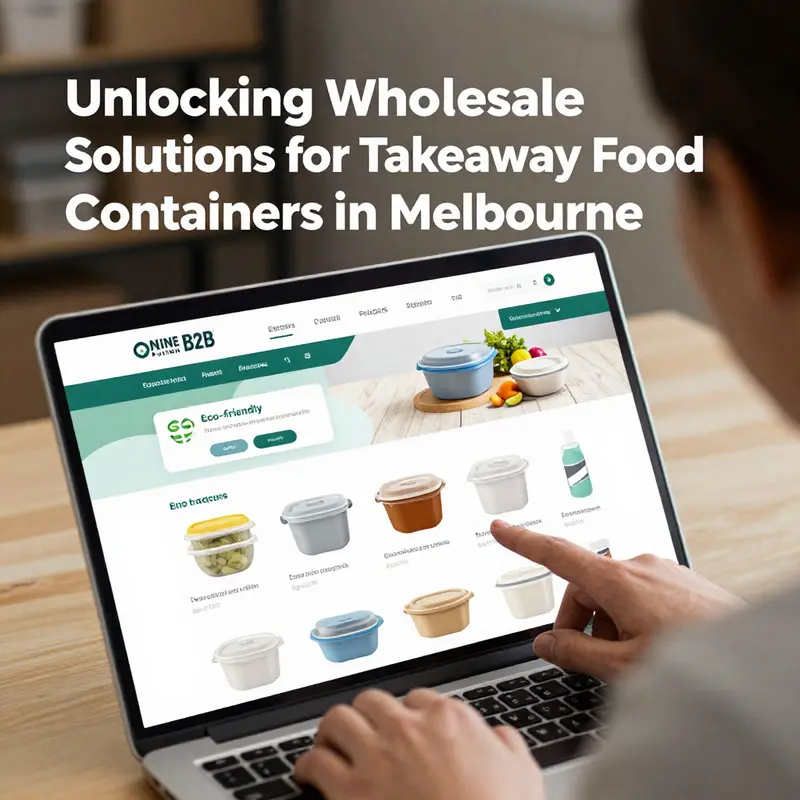
Melbourne’s thriving food scene—its laneway cafés, bustling dumpling houses, and evolving chef-driven concepts—demands more than standout menus. It requires reliable, compliant, and cost-effective takeaway containers that can withstand busy service, preserve food quality, and reinforce a restaurant’s brand. The wholesale channel landscape for these containers in Melbourne is a web of local suppliers who understand the city’s tempo and international platforms that offer scale and variety. The path a business chooses affects not just immediate costs but also lead times, regulatory compliance, and the ability to pivot as menus shift with seasons and trends. The chapter that follows threads these realities together, guiding a business through the practical decisions of sourcing, whether from local wholesalers who speak to the nuances of Victoria’s market or from far-flung factories that can supply at scale via online portals. The core idea is simple: the right container is a strategic ingredient in a restaurant’s operational recipe as much as salt or spice is in a dish. It is the interface between what sits on the plate and what travels to the customer, and it deserves the same deliberate care as any other core supply decision.
A first checkpoint for Melbourne operators is the local landscape. Local wholesale suppliers, concentrated across Melbourne and the wider Victoria region, bring a depth of familiarity with Australian food-safety regulations and the country’s packaging requirements. They offer a spectrum of materials—from plastics that keep costs low and performance predictable to paper-based and biodegradable options aimed at reducing environmental impact. Importantly, local suppliers can accommodate flexible ordering patterns, a critical advantage for smaller outfits like neighborhood cafés or pop-up concepts that may not yet commit to high-volume contracts. They often provide containers that cover common takeaway needs: lids for secure transport, vented containers for steam-prone items, and specialized shapes designed for bowls, salads, or dumplings. Because these products move through a shorter and more predictable logistics chain, lead times are typically shorter than importing, and communication remains onshore, tailored to the city’s time zones and business rhythms. The closer the vendor, the quicker a chef or manager can assess quality through a tangible sample before ink dries on any large order. It is not uncommon for Melbourne buyers to prioritize suppliers who can offer branding options—imprinting logos or restaurant names on the container sleeve or lid—because packaging is an extension of a restaurant’s visual identity and a silent ambassador in the customer’s hands.
But the decision to source locally does not close the door on international procurement. In a city with a cosmopolitan dining fabric, leveraging global suppliers can unlock access to a broader material palette, newer designs, and sometimes more favorable unit economics at certain volumes. The main channels here are B2B online platforms, especially those that aggregate factories in high-production regions. The most notable dynamic is that these platforms connect Melbourne buyers with suppliers in major manufacturing hubs, with the Guangdong and Zhejiang regions in China frequently featured as the source of a large portion of disposable and semi-durable food container products. What Melbourne buyers discover on these platforms is breadth: an array of options from simple, cost-effective paper-based containers to high-grade, microwave-safe plastic solutions, along with biodegradable alternatives made from bagasse (sugarcane fiber), corn starch, or recycled paper. These materials reflect a growing trend toward sustainability that Australian retailers increasingly prioritize, driven by consumer expectations and regulatory cues around eco-friendly packaging. The procurement journey through these platforms is not only about price; it is about balancing cost with lead time, quality, and the assurance that products meet Australian Food Standards and local environmental directives.
In practical terms, the core procurement dynamics on international platforms tend to present several distinct product families. One family comprises disposable paper containers, such as kraft paper bowls and sandwich boxes in a range of sizes. These are popular for their perceived sustainability and recyclability, and they often carry a price tag that makes them attractive at higher MOQs. On the same platforms, biodegradable options—crafted from bagasse or corn starch—offer a stronger alignment with environmental goals, though at slightly higher unit costs. Then there are high-density polyethylene or polypropylene-based plastic containers, valued for their clarity, strength, and microwave compatibility. These containers come in a spectrum of sizes, including common take-away volumes like 10-14 ounces for soups or salads, and they can be found with pre-printed branding or clear, minimalist designs that allow a restaurant’s own labeling to stand out. Aluminum-based containers also appear on these platforms, providing excellent heat conduction and the chance to present a food offering in a way that signals premium quality and robust packaging.
The procurement language on these platforms is clear about the economic calculus. A typical single-paper encounter reveals price ranges that illustrate the scale of difference between materials and functionalities. For instance, one category—disposable paper bowls and lids in sizes around 500 to 1500 milliliters—often appears priced in the range of a few tenths of a cent per unit, with minimum order quantities that reflect the realities of mass manufacturing. Translating those unit costs into a Melbourne-specific total cost requires attention to freight, duties, and insurance. A rough, illustrative breakdown from these international channels suggests that sea freight to Melbourne for door-to-door delivery can stretch into 30 to 50 days, and the landed cost includes more than just the base price. Buyers must factor in shipping, customs clearance, intermediate handling, and domestic delivery to a warehouse or business address. It is a reminder that unit price is only part of the total cost of ownership when containers originate overseas.
Among the strategic considerations, compliance emerges as a central pillar. Australian and state food-safety regimes require clear documentation about the materials used in packaging, particularly for items that touch hot food or liquids. The standard AS/NZS 4976 serves as a touchstone for assessing whether a given container is fit for purpose in Australian markets. When sourcing from international vendors, it is essential to obtain material declarations and conformity statements that verify the absence of harmful additives and confirm food-contact suitability. The sourcing playbook must include due diligence on supplier certifications, including any certifications that verify compostability or recyclability in a local context. This is particularly important for the biodegradable categories, where consumer-facing claims about compostability can influence brand value but must be backed by credible certification. The goal is not only to comply but to preserve trust with customers who have begun to actively scrutinize packaging claims.
Prices and lead times set a rhythm for decision-making. A careful analysis of total cost structure reveals that even lower unit prices on international platforms can be offset by high shipping costs and lengthy lead times. Conversely, the security of shorter lead times and the reliability of a domestic or regional freight chain can yield savings from reduced inventory carrying costs and faster product-to-plate cycles. This is where the local supply base remains compelling: it offers speed, easier return processes, and closer collaboration on brand customization. For small and mid-sized Melbourne eateries, the practical path often involves a hybrid approach: maintaining a core set of locally sourced, routinely used containers while testing occasional new designs or materials through international suppliers to gauge performance before broader adoption.
The decision to blend channels requires disciplined supplier evaluation. A recommended practice is to start with a concise requirements brief that maps menu items to container types, sizes, and functionalities. The brief should specify whether a container must be microwave-safe, if steam venting is necessary, and whether the packaging should permit branding on the lid or body. Once these criteria are established, a short list of potential suppliers—balancing domestic reliability with international flexibility—can be contacted for samples and quotations. Samples are more than physical checks; they are a chance to verify how a container behaves under real service conditions: does it leak, does it maintain heat, is the lid secure, and does the printing withstand microwave exposure? Language in the supplier’s documentation is another indicator: clear labeling about material safety, allergen statements, and country of origin helps a buyer feel confident in the product and its provenance. If a decision leans toward biodegradables, the testing should extend beyond durability to include compostability certifications and any regional standards that govern end-of-life disposal in Australia. Such due diligence reduces the risk of supply disruption and protects a venue’s reputation.
One practical way to visualize what the global catalog can offer is to consider a representative spectrum of container types and their likely use cases. Paper-based options are frequently chosen for quick-service operations emphasizing sustainability and brand clarity. They pair well with salads, wraps, and hot sandwiches, where strong insulation and moisture management are essential. If a venue emphasizes a premium, eco-conscious image, biodegradable options may become a central pillar, particularly for take-out meals that emphasize natural materials and minimal environmental impact. For hot meals and those with robust sauces or broths, high-density plastic containers provide the reliability of heat resistance and leak control, while robust aluminum variants may suit baking or ready-to-serve meals that require superior thermal conduction. Across these choices, the market also offers configurations that merge convenience with branding, such as customized lids or containers that accept logo imprints. An internal example of this concept can be found in the range of kraft paper take-away bowls with printed or embossed branding, which makes a façade of quality and sustainability while fulfilling functional demands—an option that aligns with many Melbourne operators’ marketing goals. To provide a concrete reference point, a vendor portfolio that illustrates the practical shape of these options can be glimpsed through a product listing such as the disposable kraft paper bowl take-away kraft paper salad bowl with PET lid, which demonstrates how a single packaging item can bridge function, aesthetics, and brand storytelling. disposable kraft paper bowl take-away kraft paper salad bowl with PET lid.
This chapter’s broader frame acknowledges a fact that every Melbourne operator knows well: packaging is a frontline touchpoint between a meal and a customer’s experience. The container’s design can influence perceived freshness, warmth, and value. It can also affect the speed and ease of service in a high-volume setting. The best wholesale strategy thus integrates a robust understanding of local demand with a flexible approach to international suppliers. For some operators, this means maintaining a trusted local distributor who can offer rapid reordering, on-the-ground quality checks, and a degree of customization tied to the store’s branding. For others, it means a structured, project-based approach to testing new packaging formats—small pilot orders that validate performance before scaling. In either path, the core objectives remain constant: ensure food safety, protect the integrity of the product during transport, communicate the brand clearly, and keep costs predictable enough to sustain profitable operations.
The logistical scaffolding around international procurement deserves explicit attention because it often determines whether a business can capitalize on favorable unit prices. The typical sequence begins with a sourcing plan that quantifies monthly usage by container type, followed by a request for quotation that captures the landed cost components: the base unit price, sea freight or air freight, insurance, export and import duties, clearance fees, and domestic delivery charges. The inclusion of a freight forwarder with cross-border food-grade experience is highly recommended. A capable forwarder can consolidate shipments, navigate quarantine and inspection formalities, and arrange inland distribution with insurance coverage that protects against loss or damage in transit. The goal is to minimize the risk of delays that could interrupt service, particularly in peak periods when demand for take-out packaging spikes.
While the art of choosing between local and international channels may seem technical, it is best approached as a layered decision-making process. Start with demand clarity—what items are most frequently used, in what volumes, and under which temperature regimes. Then assess the reliability and responsiveness of local suppliers versus the scalability and breadth of international options. From there, map the total cost of ownership for each pathway, including the intangible yet important factors like lead time predictability and the ease of returns for defective or unsuitable products. The picture becomes clearer when you couple this analysis with a policy for samples and testing. You might begin with a handful of samples from a local supplier and a handful from an international partner, using real kitchen trials with functional criteria—seal integrity on the lid, leak resistance under holding times, and performance under reheating in a microwave. It is a practical, hands-on way to separate wishful thinking from operational realities.
In the evolving Melbourne market, packaging decisions are increasingly seen as a strategic lever rather than a purely tactical purchase. The city’s independent eateries, food halls, and caterers depend on packaging that can withstand the rigors of delivery, support consistent portion control, and convey a sense of care that matches the culinary experience. The interplay between local and international sourcing options supports a flexible procurement posture: businesses can lean into local suppliers when speed and branding are paramount, and they can explore international catalogs when a new container design promises a meaningful difference in performance or sustainability. The most successful buyers are those who treat packaging as they would treat a core ingredient—they specify the exact material properties they need, test for real-world performance, and make incremental improvements based on feedback from kitchen staff and customers alike.
As this chapter closes, the practical message is clear. Melbourne’s wholesale containers landscape is not a singular path but a spectrum of options. It invites a balanced approach that respects regulatory obligations, understands cost structures beyond the unit price, and leverages the best features of both local and international sources. The best choices emerge from disciplined supplier vetting, thoughtful design of a testing regime, and a willingness to adapt as new packaging technologies and consumer expectations evolve. In the end, the container that travels with a dish can become as memorable as the dish itself, reinforcing quality, safety, and brand promise every time a customer takes food away. The journey from platform to plate in Melbourne is thus a narrative of careful calibration, where the channels selected, the materials chosen, and the expectations set for performance together define the restaurant’s capacity to deliver consistent, compelling experiences to diners.
External resource: for additional guidance on Australian packaging compliance and food-safety considerations that relate to packaging, see https://www.foodstandards.gov.au.
From Material Choices to Market Demands: Navigating Melbourne’s Wholesale Takeaway Container Landscape
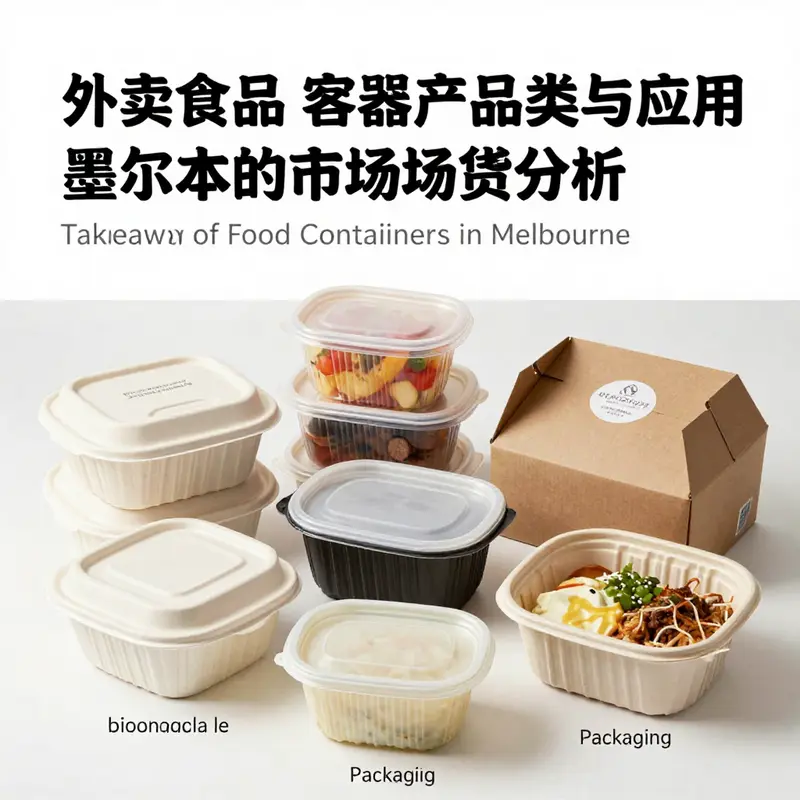
Melbourne’s takeaway culture is not simply about food; it is a conversation between menus, packaging, and the expectations of a city that prizes both convenience and responsibility. The wholesale container market that serves this city has become a reflection of broader shifts in consumer preference, regulatory posture, and the economics of scale. To understand what works in Melbourne, one must look beyond price alone and consider how container types align with menu needs, how suppliers balance local agility with global sourcing, and how the city’s evolving environmental standards steer choices. At the heart of this landscape lies a spectrum of materials and designs that cater to different culinary narratives—from steaming bowls of soup to crisp salads and hearty wraps—paired with the practical realities of transport, heat retention, and leak resistance. The result is a marketplace that rewards clarity of purpose: knowing the menu, predicting demand, and selecting containers that protect quality from kitchen to customer while reinforcing brand values in every lid, sleeve, and seam.
In Melbourne, the materials that dominate the wholesale aisle map closely to both performance and sustainability. Plastic containers—primarily made from polypropylene (PP) and polystyrene (PS)—remain a practical choice for many operators. They are lightweight, economical, and durable enough for the transit time of most deliveries. Yet the tradeoffs are visible. Some plastics have limited high-temperature tolerance and may not be suitable for microwaving or for hot, long-range delivery without compromising integrity. This reality has nudged many businesses to weigh alternatives that can meet safety standards while supporting a cleaner profile overall. Paper-based containers, including kraft paper boards and molded fiber options, have grown in visibility as consumer demand for eco-friendly packaging intensifies. The rising interest in compostable or biodegradable options—crafted from materials such as bagasse (sugarcane fiber) or corn-starch—reflects both public sentiment and a regulatory environment that increasingly scrutinizes single-use waste. These choices are not merely ethical preferences; they influence the restaurant’s ability to participate in recycling streams, meet waste diversion targets, and maintain a favorable brand story in a market where green credentials are increasingly a decision factor for customers.
One of the defining characteristics of Melbourne’s wholesale ecosystem is the balance between local suppliers and international procurement channels. Local distributors and restaurant supply companies in Victoria have built robust networks that cater to small and mid-sized operators—cafés, intimate bistros, and growing quick-service restaurants alike. These local partners typically offer flexible order quantities, access to a broad spectrum of container choices, and, crucially, faster turnarounds. They are particularly valuable when a restaurant wants to test a new packaging format or needs a reliable supply of lids, seals, and compatible add-ons that ensure a smooth service flow during peak periods. In this context, the ability to source ready-made or lightly customized packaging with quick delivery gains practical importance. The local edge is often most evident in service reliability, real-time stock visibility, and the capacity to support quick iterations as menu items rotate seasonally or as promotions demand a fresh packaging look.
At the same time, Melbourne operators increasingly turn to online wholesale platforms to augment local supply. International B2B marketplaces offer a wider array of materials and shapes at competitive price points, which can be particularly compelling for larger orders or for options that are not readily stocked locally. The upside includes access to recyclable, compostable, or innovative designs that may not yet be common in the domestic market. The flip side calls for careful due diligence: lead times, freight costs, import duties, and the need to validate certifications that ensure food safety and environmental compliance. For Australian buyers, the guarantee that products meet local regulatory expectations is not optional. It becomes a deciding factor in whether a container can be used for a given menu, in whether it can be microwaved or reheated, and in whether it truly aligns with a business’s sustainability commitments. In short, online platforms broaden options, but they demand careful total-cost analysis and a clear specification of use cases.
Within this mixed sourcing environment, understanding product types is essential. Plastic containers remain a staple for many operators who prize cost efficiency and proven performance for everyday takeout. They are typically designed to hold fare ranging from soups and stews to salads and noodles, with a simple lid system that minimizes leakage during transit. Yet, as consumer expectations tilt toward better environmental stewardship, many restaurants view plastic as only part of the story. Paper-based and molded-fiber containers, including kraft paper bowls and clamshells, offer a narrative that resonates with eco-conscious diners. These containers often feature better compostability credentials and can be printed with brand imagery to enhance market visibility. For some operators, hybrid approaches work best: a paper-based outer shell with a plastic liner for high-moisture dishes, or a laminated structure that balances moisture control with recyclability claims.
Beyond single-use options, there is a rising appeal for reusable or microwave-safe containers among segments of Melbourne’s dining community. Consumers increasingly favor systems that enable reuse or longer lifecycles, and some operators experiment with containers designed for cold and hot meals that can tolerate repeated use. These choices are often linked to broader sustainability programs, loyalty incentives, or in-house dining schemes that reduce waste while offering a premium customer experience. While not yet ubiquitous in fast-service formats, the momentum toward reusable and durable containers signals where the market may head in the next few years.
The applications for these container types in Melbourne are diverse and telling. Quick-service restaurants, fast-casual venues, and food-service retailers rely on containers that are leak-resistant, rigid enough to withstand bumping during delivery, and capable of maintaining food quality over time. For hot dishes, insulation and heat retention become deciding factors; for cold items, structural integrity and moisture resistance take precedence. Transport hubs—airports, train stations, and busy transit corridors—present strict expectations for reliability and safety, often requiring containers that perform consistently across high-volume shifts. Institutions such as schools, hospitals, and corporate offices purchase food packages in bulk, where economy of scale and durability intersect with predictable performance and storage efficiency. And as e-commerce and on-demand delivery continue to scale, the packaging must support fast packing, efficient stacking, and minimal space consumption in courier vehicles.
Branding and consumer engagement weave through these functional decisions. Many operators want packaging that acts as a silent salesperson—brand colors, logos, taglines, and even QR codes that link to loyalty programs or nutritional information. This is where customization becomes more than aesthetic; it is a strategic marketing instrument that can reinforce a menu’s narrative and improve recall. A well-designed kraft paper box or a branded clamshell can communicate values such as simplicity, sustainability, or local sourcing, depending on how it is printed and finished. The economics of customization are nuanced: some suppliers offer cost-effective options for small runs with quick turnarounds, while others may require larger orders to amortize setup and printing costs. In Melbourne’s competitive scene, the ability to tailor packaging to a specific restaurant identity often translates into stronger customer loyalty and a more cohesive brand experience.
The market’s directional shifts are reinforced by regulatory and environmental expectations that touch every level of packaging choice. Victoria’s policies have nudged many operators to seek out recyclable, compostable, or biodegradable options and to verify that those options carry credible certifications. For the most forward-thinking brands, the question is not only whether a container keeps food hot or cold, but whether its lifecycle aligns with the business’s environmental commitments. Certifications, supplier declarations, and supply chain transparency become essential checks at the procurement stage. In practice, this means that a decision on a takeout box or bowl involves a triad of factors: performance for the dish, environmental credentials, and the total cost of ownership across the product’s life—from procurement and storage to transport and end-of-life handling.
To connect these strands in a concrete way, consider the packaging formats that Melbourne kitchens might explore when expanding or diversifying their wholesale pathways. A round or oval kraft paper bowl with a secure lid can pair with warm soups or noodle dishes, matching the vessel’s insulation with the heat of a steaming bowl. A hexagonal or octagonal paper box can frame a sandwich, salad, or mixed-bowl meal, offering a crisp surface for branding while delivering reliable performance for cold and mildly warm offerings. A molded-fiber or bagasse-based container—while sometimes at a premium price—can communicate a strong sustainability story, an angle increasingly valued by diners who want their meals to align with eco-conscious values. When a menu relies on delicate sauces or moisture-sensitive fillings, inner liners or laminated barriers become an important design detail to prevent sogginess and leakage without sacrificing the clean, premium feel of the packaging. The interplay between outer shell, inner lining, and lid is where packaging engineers and kitchen managers must collaborate closely to ensure a seamless customer experience from the first bite to the last.
From a procurement perspective, Melbourne operators are well advised to start with clarity about their menu architecture. What are the core dishes? Which items travel best in which formats? What temperatures are typical, and how long do meals spend in transit? And how does the brand story want to be communicated through packaging? By answering these questions, buyers can create a short list of container specifications—dimensions, material families, lid types, moisture controls, and microwave compatibility—that can guide conversations with both local distributors and international suppliers. The goal is not to lock into a single solution, but to establish a reliable portfolio of options that can be deployed across peak times, seasonal menus, and promotional campaigns. In this sense, Melbourne’s wholesale channels are not purely transactional; they are a collaborative ecosystem where brand strategy, kitchen practicality, and waste management objectives converge.
A practical note for operators navigating this landscape is the careful evaluation of total costs. Local purchases may command higher unit prices but offer faster replenishment cycles, easier returns or exchanges, and smoother communication. International sourcing can yield lower unit costs but requires accounting for freight, tariffs, and import compliance—the kind of calculations that can swing the overall savings by the time a container reaches Melbourne docks and enters a warehouse. In addition to price, the decision matrix should include considerations of lead times, minimum order quantities, and the supplier’s track record for quality control, especially for items designed to handle hot foods or high-moisture content. The reliability of packaging supply has a direct bearing on a restaurant’s service consistency. A shortage or delay can disrupt service and erode customer trust, even if the product is otherwise well suited to the menu. The best operators maintain a diverse network of suppliers to hedge against disruption, while continually testing new formats in small pilots before committing to broader adoption.
Against the backdrop of this dynamic market, the role of brand and consumer perception should not be underestimated. Packaging is a transactional artifact that carries the brand’s message during a customer’s moment of decision and again during the unboxing or disposal phase. If a restaurant’s mission emphasizes sustainability, it makes sense to highlight compostable or recyclable credentials on the packaging itself and to align with waste programs that make reuse or recycling straightforward for customers. If a restaurant wants to convey a premium, contemporary vibe, the choice of containers with clean lines, matte finishes, and bold branding can reinforce that identity. In Melbourne, where coffee culture and casual dining intersect with a robust street-food scene, packaging becomes part of the theater of dining—the visible extension of the brand’s hospitality.
The external environment also nudges practice. The city’s transport corridors and high-density neighborhoods produce a distinct demand for containers that minimize leakage, protect heat or cold, and remain sturdy through handling by riders, couriers, and pedestrians. Consumers increasingly expect packaging that supports on-the-go consumption without creating a mess. In response, suppliers have innovated with smart design features: secure lidding, venting for steamed foods, and barrier systems that dampen moisture migration. These refinements, while often incremental, add up in a market where margins are tight and customer satisfaction hinges on practical performance as much as aesthetic appeal. For operators, the strategic implication is clear: invest in container options that deliver reliable performance at scale, and treat packaging choices as a long-term lever for brand differentiation, waste reduction, and operational efficiency.
Within this extended context, Melbourne’s wholesale container market is not a single path but a landscape of converging options. Local distributors provide immediacy and tailored support for small businesses seeking to meet evolving menu demands. Online platforms widen the aperture for material choices and customization capabilities, while still requiring due diligence on certifications and end-use constraints. Product types fragment into plastics, paper-based and molded-fiber alternatives, and increasingly, reusable or hybrid solutions that may emerge from sustainability initiatives or circular economy collaborations. The common denominator across these pathways is the intention to preserve the integrity of the food from kitchen to customer while aligning with the city’s evolving expectations around environmental stewardship and branding. For operators, the practical takeaway is straightforward: translate menu needs into container specifications, test potential formats through small batches, and invest in a diversified sourcing plan that can adapt to both demand surges and policy developments. As Melbourne’s wholesale market continues to mature, those who combine culinary clarity with packaging discipline will find themselves better positioned to deliver reliable, compelling experiences that shoppers remember and those green values they increasingly expect.
For readers who want to explore concrete packaging options that align with these ideas, consider a kraft paper packaging format that has gained attention for its versatility and branding potential. For example, a disposable octagonal box of kraft paper packaging can accommodate a range of dishes while presenting a bold canvas for logos and messaging. You can learn more about this type of option here: disposable octagonal box kraft paper packaging. This kind of format illustrates how design, material choice, and practical performance meet in a single packaging solution that can support a restaurant’s narrative and its operational realities. In Melbourne, such formats are part of a larger conversation about how to balance practicality, sustainability, and brand expression in a highly competitive market.
External resource: For a broader look at wholesale container possibilities and supplier options, you may consult industry references such as Alibaba’s multi-functional takeout food container listings, which illustrate the breadth of choices, materials, and configurations available to buyers navigating global supply chains. See for reference: https://www.alibaba.com/product-detail/Multi-functional-takeout-food-container_1600784329132.html?spm=a2700.7724857.0.0.5e5f3a4dWzHjLX
Final thoughts
As the demand for takeaway food containers continues to grow in Melbourne, understanding the various sourcing options—from local suppliers to international platforms—can significantly enhance business efficiency. By choosing the right types of containers that align with sustainability goals and consumer expectations, food businesses can not only ensure food safety and quality but also elevate their brand presence. With a myriad of choices available, stakeholders are encouraged to explore collaborations with suppliers that best meet their unique needs. Remember, the right packaging not only serves as a functional necessity but also plays a pivotal role in your branding strategy.