
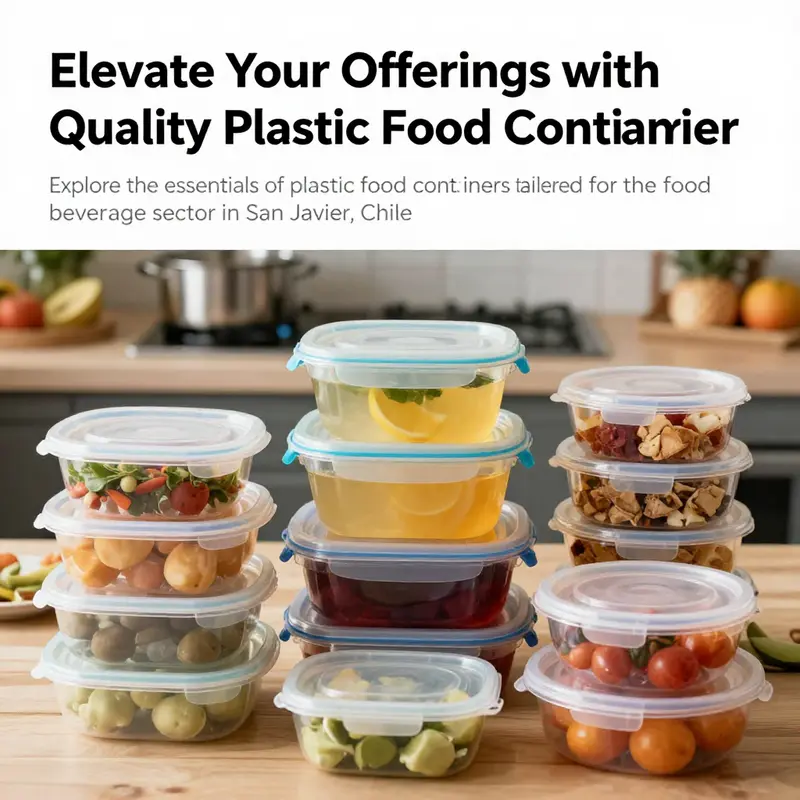
In San Javier, Chile, the demand for quality food packaging solutions is soaring, especially among bubble tea shops, restaurants, food trucks, and catering services. These businesses rely on safe, reliable plastic food containers to maintain the integrity and presentation of their offerings. This article delves into the regulatory standards that shape the market, highlights key manufacturers and suppliers, examines the impact of chemical regulations, and identifies emerging trends that are influencing purchasing decisions. Whether you’re looking to enhance your brand’s packaging or ensure compliance with local standards, understanding these elements will arm your business with the necessary insights to thrive in a competitive landscape.
Safeguarding the Table: Navigating Law 21.368 for Plastic Food-Contact Containers in San Javier
In the agricultural heart of Chile, San Javier sits at the crossroads of local produce and a global demand for safe, responsibly packaged food. Law 21.368, published in the Official Gazette at the start of 2026, marks a pivotal step in Chile’s move to curb single-use plastics and strengthen safety for materials that touch food. For San Javier, this means packaging decisions must align with migration limits, positive lists, documentation, and traceability throughout the supply chain. The core pillars include migration limits (SM of 0.01 mg/kg for substances not on the list), a total migration cap for certain foods, and a tiered approach to positivity and compliance timelines. Documentation and traceability become foundational, with records from accredited labs and supplier declarations enabling recalls and market confidence. Recycled plastics are permissible only if they meet the regulation in full, with health reports for facilities using recycled content. Practically, manufacturers have 24 months to comply with basic migration auditing and 48 months to fully establish SM/TSM compliance. For San Javier, the result is a packaging ecosystem focused on safety, transparency, and sustainable practices, where collaboration with international testing bodies and local health authorities supports a resilient local economy. External resources, including the official publication, remain essential references for designers and suppliers navigating the transition.
Sourcing and Supply Realities for Plastic Food Containers Serving San Javier, Chile
Sourcing and Supply Realities for Plastic Food Containers Serving San Javier, Chile
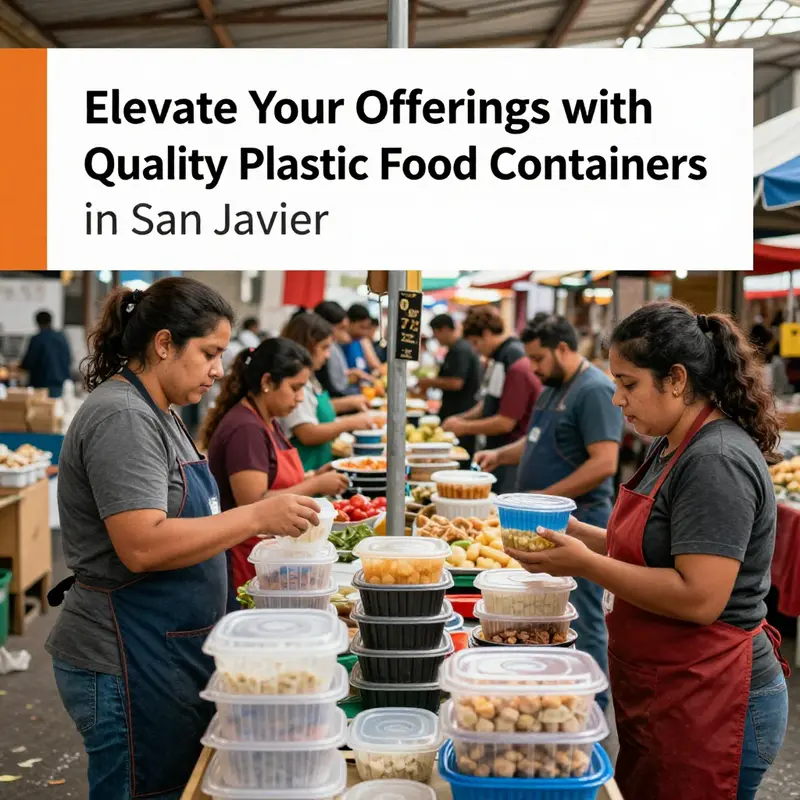
When a business or food operation in San Javier needs plastic containers, the choices are shaped as much by regulation and quality expectations as by geography. San Javier itself offers no obvious cluster of manufacturers for plastic food containers. That absence changes the sourcing conversation. It shifts focus away from local vendor lists and toward careful selection of remote manufacturers, import logistics, material safety, and compliance with Chilean food-contact rules. This chapter walks through those realities and their practical implications, so procurement decisions are grounded in supply-chain realities rather than assumptions.
Start with the fact that production of plastic food containers is heavily concentrated in manufacturing hubs outside Chile. Large-scale output often comes from specialized clusters that combine resin suppliers, mold-making workshops, tooling expertise, and freight infrastructure. These clusters bring advantages. They reduce unit costs for large orders, enable rapid prototyping, and shorten lead times through dense supplier networks. But they also mean that sourcing for San Javier frequently involves import steps, customs procedures, and the need for more rigorous quality verification before stock reaches shelves.
Material choice is the foundation of any reliable procurement strategy. Polypropylene (PP), polyethylene terephthalate (PET), and high-density polyethylene (HDPE) are common choices for food-contact containers. Each delivers different benefits. PP is heat resistant and suited to hot and microwavable foods. PET offers excellent clarity for display packaging and good barrier properties. HDPE delivers chemical resistance and toughness for storage. There is also growing interest in bioplastics and compostable polymers, but these require careful validation for food-contact safety and local disposal infrastructure. Selecting the base polymer must account for the intended food type, temperature exposure, and the expected life cycle of the container.
Beyond polymer choice, manufacturers must meet safety standards. Chilean regulation requires that food-contact materials not transfer harmful chemicals to food. International standards such as those from the United States Food and Drug Administration and corresponding European Union frameworks provide widely recognized baselines for safety. When choosing overseas manufacturers, require documented compliance with one or more of these frameworks. Certificates, testing reports, and material declarations should accompany samples. Look for third-party testing results showing migration limits, absence of restricted additives, and stability under use conditions.
Because local manufacturing options are limited in San Javier, importing from well-established production regions is common. China hosts several dense manufacturing clusters in provinces known for plastics and mold making. The advantages include competitive pricing, a broad range of product types, and advanced tooling capabilities. Manufacturers in these regions can usually offer custom molds, stackable designs, and rapid prototyping. However, quality varies between factories, so buyer diligence is essential. Vet manufacturers by reviewing factory audits, requesting independent inspection reports, and confirming production capacity against order size.
When importing, lead times and minimum order quantities influence procurement strategy. Larger factories often offer reduced unit costs but set higher minimum orders. Smaller suppliers or traders may accept lower quantities but can add middleman margins and complicate quality control. Negotiate a clear production and delivery schedule, and plan for buffer stock to cover shipping variability. Freight time reductions of 15–30% are feasible when sourcing from clusters with direct freight links, but always factor in customs clearance, inland transport to San Javier, and potential seasonal slowdowns.
Quality control must be built into every step. Begin with pre-production samples and material certifications. Validate sample performance under realistic use conditions. For food packaging, check visual defects, lid fit, seal integrity, and leak resistance. Confirm dimensional tolerances against the final mold. Where possible, require a pilot run to test production consistency. Before shipment, insist on a third-party inspection to verify quantities, packaging, and product standards. Inspections should include random sampling and lab verification if claims of regulatory compliance are critical to market access.
Packaging design and stackability are practical considerations for transportation and retail. Stackable, modular containers reduce shipping volume and cost. They also improve shelf presentation and storage efficiency in kitchens and retail outlets. When working with distant manufacturers, incorporate packaging optimization into contract terms. Ask for folded, compact packing configurations that protect product integrity while maximizing container loads. Clear labeling for traceability is equally important. Labels that show production batch, material type, and compliance declarations simplify any recall or quality investigation.
Regulatory compliance in Chile touches several areas. Food-contact materials must meet safety criteria and labeling rules. Importers should confirm any required documentation with Chilean authorities or their customs broker. Documentation often includes certificates of origin, material safety data, and test reports proving compliance with migration limits and banned substances. Working with a customs broker experienced in food-contact packaging simplifies the clearance process and helps avoid delays that can add cost or disrupt supply.
Sustainability expectations are rising among consumers and regulators. Chilean buyers increasingly seek packaging that supports recycling or reduced environmental impact. While traditional plastics remain dominant for performance reasons, suppliers should be prepared to discuss recyclability, recycled content, and end-of-life routing. Offering containers compatible with existing local recycling streams can be a market advantage. If considering alternatives like compostable bowls, validate that local waste collection supports those materials. In some cases, a hybrid approach works best: plastic for durability where needed, and recyclable paper-based options for single-use scenarios. For such paper-based alternatives, consider reputable designs that pair food-grade liners with secure lids; these can be a pragmatic answer where composting infrastructure is limited. One example of paper-based options designed for food service use is the disposable kraft paper bowl for food package with lid.
Cost considerations extend beyond unit price. Total landed cost includes manufacturing, tooling, sampling, inspection, freight, customs duties, inland transport, and inventory carrying costs. Small mistakes in estimating duties or underbudgeting inspection fees can erode margins. Build a transparent cost model that isolates fixed setup expenses like mold making from variable per-unit costs. This clarity helps when evaluating multiple suppliers or negotiating terms.
Supplier relationships matter. Treat the supplier selection process as more than a one-time purchase. Strong partnerships yield better responsiveness, improved design collaboration, and more reliable scheduling. Evaluate potential partners on communication clarity, export documentation experience, responsiveness to samples and corrections, and willingness to accept clear quality agreements. Where possible, visit the facility or engage a local representative to audit operations. If visits are impractical, insist on independent factory audits and consistent inspection reports.
Logistical planning must reflect the realities of moving goods to San Javier. Port selection, shipping terms, and last-mile transit to the region influence timelines and costs. Coordinate delivery windows with inventory and promotion plans. For urgent needs, air freight can reduce lead time at much higher cost. For ongoing supply, consider sea shipments with scheduled frequency and safety stock in a nearby regional warehouse to absorb transit variability.
Finally, anticipate evolving regulation and consumer preferences. As Chile continues to strengthen food safety and environmental policy, packaging standards may tighten. Choose suppliers who can adapt quickly. Prefer partners with flexible tooling, clear compliance records, and strong testing practices. That adaptability protects your ability to meet new requirements without costly redesigns.
Sourcing plastic food containers for San Javier is not about finding a local list of manufacturers. It is about assembling a supply approach that aligns materials, testing, logistics, and compliance into a coherent plan. That plan should favor certified suppliers, robust quality checks, and shipping strategies that match the rhythm of your business. With the right partners and controls, importing from established manufacturing clusters can deliver containers that meet Chilean standards and serve customers reliably.
External resource: https://www.alibaba.com
Shifting Ground: How Chile’s Chemical Regulations Reframe Plastic Food Containers in San Javier
San Javier, a agricultural heartland in Chile, sits at a crossroads where spatial simplicity and regulatory complexity converge. On the surface, plastic containers for food might seem like straightforward tools—materials that hold, protect, and transport meals from farm to table. Yet the regulatory landscape in Chile turns packaging into a more deliberate instrument of public health, environmental stewardship, and trade readiness. This chapter follows the thread from field to shelf, showing how chemical regulations shape what is permissible, who can supply it, and how businesses in a town like San Javier navigate the evolving expectations of consumers, regulators, and global markets. The story is not only about the containers themselves but about the chemistry of safety, the logistics of compliance, and the social contract that binds food safety to everyday life.
At the core of this transformation is a clear public policy stance: reduce plastic waste while ensuring that packaging materials do not compromise the safety of food. Chile has moved decisively toward restricting most single-use plastic products. This regulation, though ostensibly targeted at waste management, reverberates through every step of the packaging supply chain. In practice, it means retailers and food-service operators in San Javier must evaluate not only the functional properties of a plastic container—how well it resists leaks, maintains temperature, or preserves flavor—but also its lifecycle implications. A container that cannot be recycled or reused effectively becomes a liability in a marketplace tasked with environmental accountability. The impact on choice is tangible: fewer one-and-done plastic options, more emphasis on reusables, and a growing preference for materials that can be recycled or returned through established take-back programs. In municipalities like San Javier, this translates into a cascade of operational adjustments, from kitchen practices to consumer-facing policies, each designed to align with broader environmental objectives.
As regulations tighten, the emphasis on chemical safety intensifies. Policymakers frame packaging as a potential vector for chemical migration into food, translating health concerns into concrete testing and compliance requirements. The public good hinges on materials that do not leach hazardous substances under expected conditions of use, including varying temperatures and contact with acidic or fatty foods. To suppliers and manufacturers, this creates a clear mandate: packaging claims must be substantiated, and material compositions must be traceable. For San Javier-based buyers, the implication is a more rigorous due diligence process. They must scrutinize supplier certifications, migration test results, and compatibility data for the specific food categories they serve—fresh produce, prepared meals, dairy products, and beverages. The regulatory language may not spell out every practical scenario, but the intent is unmistakable: protect public health by ensuring that the chemical profiles of containers remain within established safety margins across their lifecycle.
The practical consequences ripple through the local market in several directions. First, there is a visible shift in which materials are favored for certain applications. Conventional single-use plastics, once common in takeout boxes and cold-storage clamshells, face increasing scrutiny. Recyclable and reusable alternatives rise in prominence, not merely as aspirational ideas but as regulatoryly aligned choices that satisfy waste reduction goals while maintaining safety standards. This shift often leads to a blended approach in which a given supplier offers both recyclable plastic options and reusable container systems that can be returned, cleaned, and reused in compliance with sanitary standards. In a regional economy like San Javier’s, such a dual offering helps restaurants, markets, and institutions manage risk and cost more predictably while aligning with environmental targets.
Second, the supply chain becomes more deliberate about origin and certification. Chile’s regulatory culture prizes compliance with internationally recognized safety frameworks, and many local buyers look beyond the border for materials that meet or exceed global standards. This does not automatically exclude local production, but it does require a robust quality assurance infrastructure. Suppliers are expected to maintain consistent material formulations, provide documentation on polymer identity, additives, and any potential residues, and demonstrate that their products perform as claimed under real-world conditions. For San Javier, this may mean engaging with manufacturers that can demonstrate end-to-end traceability—and, when possible, leveraging regional suppliers who understand local climate, storage, and logistics realities. The net effect is a market that rewards transparency, reliability, and a demonstrated commitment to consumer safety.
The regulatory environment also influences how packaging is sourced and who bears responsibility for compliance. In many cases, food businesses assume a portion of the regulatory risk by selecting packaging that carries clear safety credentials and by validating supplier declarations through third-party testing. This is especially relevant when considering the migration of chemicals into food under heat, oil, or acid exposure. The role of third-party validation becomes more prominent as markets tighten. San Javier businesses, though small in scale, increasingly adopt formalized supplier audits, batch-level documentation, and periodic product testing as standard operating practice. Such measures are not mere bureaucratic rituals; they are pragmatic strategies to sustain food safety, protect brand reputation, and maintain uninterrupted access to both domestic and export markets.
The broader environmental objective—minimizing plastic pollution—complements safety concerns by encouraging material substitution and improved end-of-life management. Here, the regulatory conversation naturally converges with consumer expectations. A growing segment of the population seeks products that are not only safe but also responsible. They expect packaging to be recyclable, compostable, or at least part of a return-and-reuse system. In San Javier, where agriculture and agri-food processing anchor livelihoods, this consumer sentiment translates into a demand for packaging designs that minimize waste and maximize recovery. Retailers and food-service operators respond by prioritizing packaging that can be efficiently collected, sorted, and processed within local or regional waste management streams. The practical outcome is a packaging ecosystem that favors materials with well-established reuse or recycling pathways, alongside a robust safety profile that stands up to regulatory scrutiny.
One practical way this regulatory-intent materializes is in how containers are designed, labeled, and handled across the supply chain. From a design perspective, considerations extend beyond aesthetics and cost to include chemical migration risk, temperature performance, and compatibility with cleaning processes. Containers intended for hot-fill or reheating must demonstrate thermal stability, while those used for cold storage must retain integrity at low temperatures without becoming brittle. Labels and closure systems must avoid components that could fracture or detach during handling, posing hygiene or contamination risks. In the San Javier context, where markets may experience variable storage conditions, these design criteria become part of a larger risk management framework that seeks to protect food quality and safety from harvest to plate.
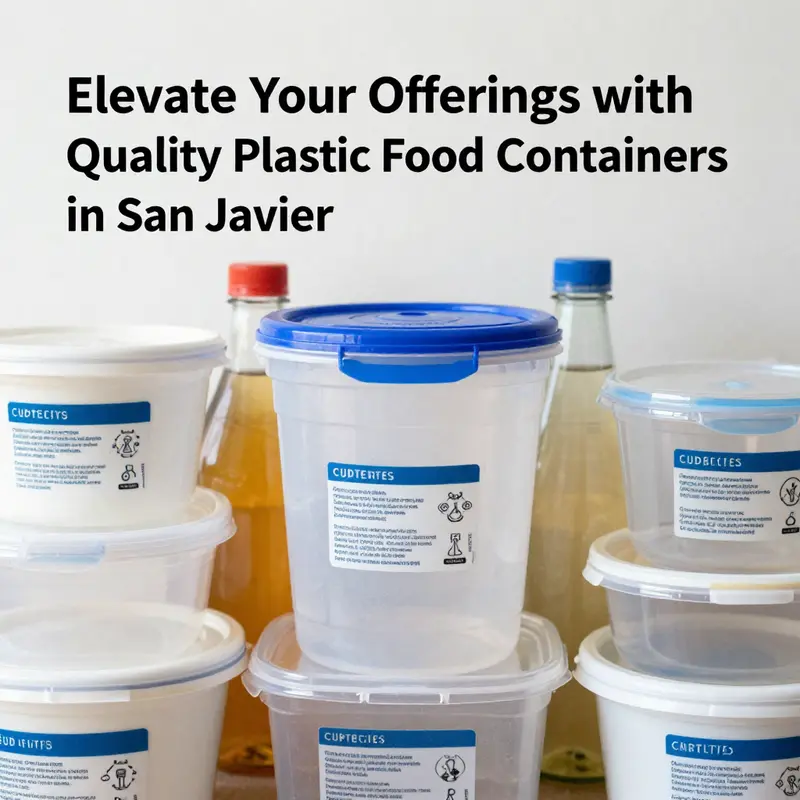
Labeling, too, carries regulatory weight. Transparent documentation about material identity, additives, and recyclability helps food businesses meet regulatory expectations and support consumer trust. Such documentation often includes compliance statements, batch numbers, and contact information for the producer. In a world where supply chains frequently cross borders, clear labeling facilitates due diligence for importers, distributors, and even local schools and institutions that require standardized procurement criteria. The cumulative effect is a packaging landscape where safety, environmental responsibility, and practical usability converge in a way that supports sustainable business models in San Javier and beyond.
Another layer of complexity emerges when considering international suppliers. Chile’s regulatory climate accepts materials from a wide range of sources, provided they meet safety and environmental standards. South American, Asian, and European manufacturers are all possible partners, each with different certification ecosystems and testing regimes. The potential for importing containers that meet Chilean safety criteria is real, but it demands careful alignment of regulatory expectations with supplier capabilities. For buyers in San Javier, this means not only verifying certifications and documentation but also ensuring that any imported product aligns with local waste management capabilities and recycling streams. The practical implication is a preference for containers whose materials are recognized in the local waste infrastructure and whose supply is resilient against disruptions in global logistics. In short, compliance becomes a central criterion in supplier selection, alongside performance and cost.
The information landscape for these decisions often points to a combination of regulatory guidance, market options, and best-practice resources. For operators who need to navigate this space, it helps to view packaging decisions through the lens of three interlocking pillars: safety, sustainability, and supply resilience. The safety pillar anchors decisions in chemical risk assessments and migration testing, ensuring that any container in contact with food respects established thresholds. The sustainability pillar looks to lifecycle considerations, recyclability, and the feasibility of reuse schemes within the local waste framework. The supply resilience pillar assesses supplier reliability, geographic reach, and the ability to source material without compromising compliance or continuity of service. Together, these pillars guide San Javier-based businesses toward packaging choices that withstand regulatory scrutiny while meeting the practical demands of daily operations.
To illustrate how this plays out in practice, consider the broader shift from purely disposable packaging to reusable and recyclable systems. Chile’s policy environment creates incentives for retailers to implement take-back programs or to partner with suppliers who can offer returns, cleaning, and reprocessing services. For many operators, this means rethinking how meals are packaged for takeout or catering events. It also invites innovation in packaging formats—containers designed for multiple uses, with durable materials and straightforward cleaning protocols. In the same breath, it encourages investment in education and outreach so that consumers understand how to participate in these programs, return containers, and properly dispose of others. In a community like San Javier, where trust and relational ties are key, such programs can gain traction quickly when they are perceived as extending the life of valuable resources rather than simply imposing new rules.
The regulatory environment thus acts as both a constraint and a catalyst. It constrains by narrowing the field of acceptable options, particularly for single-use plastics, and it catalyzes by prompting operators to seek safer, more sustainable solutions and by encouraging suppliers to demonstrate robust compliance and quality management. In this context, a growing emphasis emerges on the alignment between local practice and global standards. Although the immediate regulatory focus is national, the practical competencies being developed—chemical safety testing, lifecycle thinking, transparent documentation, and supplier due diligence—are transferable across borders. This is especially relevant for San Javier’s businesses that engage with export-ready supply chains or that encounter international buyers who demand documented compliance. The result is a packaging ecosystem that, while rooted in local regulation, aspires to global credibility.
For readers seeking a concrete glimpse into how packaging alternatives are evolving in line with these pressures, consider the broader spectrum of environmentally responsible options that many operators are exploring alongside plastic containers. One such avenue is the use of disposable kraft paper bowls and related fiber-based packaging for takeout and short-term service. These options illustrate how a shift away from conventional plastics can align with safety and sustainability goals while remaining compatible with the operational realities of food-service providers. In this context, a widely available product line of disposable kraft paper bowls and related items demonstrates how packaging can balance performance, cost, and environmental considerations in a way that resonates with local regulations and consumer expectations. For readers exploring this path, the following product range provides a practical reference point: disposable kraft paper bowls with lids for takeaway and salad applications. disposable kraft paper bowl with lid. This linkage offers a tangible example of how packaging choices can evolve without sacrificing safety or usability, while staying mindful of the regulatory and logistical realities described above.
In sum, San Javier’s packaging decisions unfold within a regulatory milieu that prioritizes health, environmental integrity, and predictable supply. The ban on most single-use plastics is not a solitary rule but a lever that reshapes risk, investment, and consumer behavior. It nudges businesses toward materials and systems that can be proven safe, recovered, and reused. It invites suppliers to demonstrate end-to-end compliance and to offer configurations that fit local waste infrastructure. And it invites communities to participate in responsible practices that extend the life of resources and reduce environmental footprints. As these dynamics play out, the chapter of San Javier’s plastic container story becomes a chapter of Chile’s broader commitment to safe, sustainable, and resilient food packaging.
External reference: For a comprehensive overview of the regulatory context shaping single-use plastics in Chile, see the analysis by UL Solutions at https://www.ulsolutions.com/insights/ban-on-single-use-plastics-in-chile. This resource provides official context and helps connect national policy to practical implications for packaging suppliers, manufacturers, and food-service operators across regions similar to San Javier.
Shifting Currents: Navigating Plastic Food Container Trends in San Javier, Chile
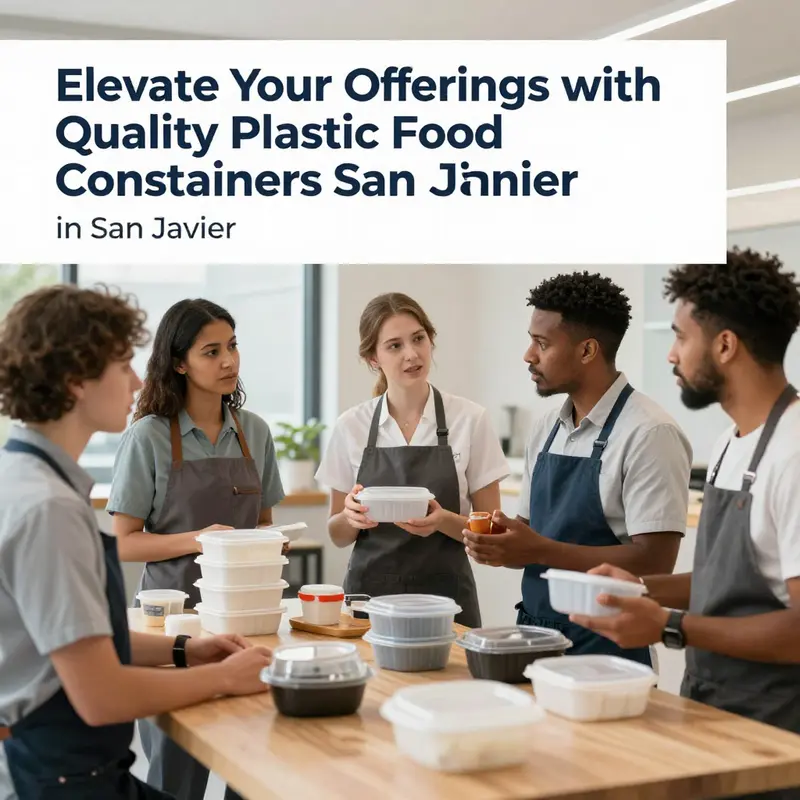
In the rural heart of central Chile, San Javier sits at the intersection of farming abundance and a growing appetite for packaged foods that travel from field to fork with reliability. The market for plastic food containers in this region does not exist in a vacuum; it moves with broader regional currents that shape how retailers, processors, and households think about convenience, safety, and sustainability. The storyline here is less about a single product or supplier and more about a system evolving to balance demand for practical, durable packaging with the rising expectations of safety, environmental responsibility, and cost efficiency. What seems local in San Javier is, in truth, part of a continental shift toward packaging that must perform under pressure—literally and figuratively—yet minimize waste and risk to public health. The absence of granular local statistics notwithstanding, several threads weave through the Chilean packaging landscape and pull San Javier’s market into a broader fabric of supply, regulation, and consumer choice.
First, the regulatory atmosphere cast by Chile’s rigorous agricultural and phytosanitary standards continues to shape every decision about food-contact materials. Chile’s authorities maintain strict controls to ensure that food packaging materials do not compromise the integrity of the products they encase. For producers and retailers in San Javier, this means prioritizing packaging that adheres to robust safety profiles and traceable supply chains. While many local firms rely on suppliers who meet global benchmarks, the guiding principle remains clear: packaging must guard against contamination, preserve product quality, and withstand the thermal and handling conditions typical of fresh-farm and prepared-food environments. In practice, this elevates the bar for material safety and creates a stronger emphasis on testing, documentation, and supplier qualification. Consequently, even when sourcing from international manufacturers, buyers in San Javier tend to prefer partners with demonstrated compliance histories, quality certifications, and transparent material declarations.
That preference for validated safety standards dovetails with a broader industry tendency to look beyond local borders for scalable options. Chilean market participants often consider suppliers who operate under international safety norms, including recognized standards for food contact plastics and certified quality management systems. The logic is straightforward: products that travel across borders or sit on shelves in multiple regions must be resilient to varying regulatory expectations while remaining cost-competitive in a tightly regulated market. This has the practical effect of widening the search radius for San Javier buyers, making imports from Asia or neighboring South American markets a common feature of the packaging landscape, especially for plastic containers that promise strength, moisture resistance, and reliable barrier properties. Yet proximity remains valuable. Local distributors and manufacturers in the Maule region benefit from shorter lead times, easier quality checks, and the ability to respond quickly to seasonal demand spikes in fruit and vegetable packaging or ready-to-eat offerings.
Within this framework of safety and flexibility, sustainability has become a second axis guiding decisions about plastic containers. The global shift away from single-use plastics, amplified by local and national campaigns to reduce waste, is reshaping how San Javier businesses view packaging efficiency and lifecycle. Consumers are increasingly mindful of the environmental footprint of the last mile—from production to disposal—and Chile’s national ambitions around waste management and circular economy practices filter into the procurement choices of retailers and food services. In practical terms, this translates into a growing interest in recyclable plastics, recycled-content resins, and even a cautious foray into biodegradable or compostable alternatives where appropriate. The market recognizes that plastic remains advantageous for its barrier performance, durability, and low weight, but it also demands solutions that can be recycled in existing streams or accepted into post-consumer recycling programs. For many processing and retail operations in San Javier, the challenge is to identify plastic containers that marry technical performance with clear end-of-life pathways.
As a result, the trend toward lightweighting and material efficiency has taken hold. Packaging designers are focusing on reducing resin use without compromising seal integrity, impact resistance, or heat tolerance. Innovations in film structures, multi-layer barriers, and smart design enable better product protection with less material. These advances matter on farms and in distribution centers here, where produce and prepared foods must cross long, sometimes rugged supply chains to reach homes and businesses. Lightweight containers that maintain product freshness while lowering transport emissions are particularly appealing for cold-chain fruit and vegetable packaging, dairy-like products, and ready-to-serve meals—the kinds of items that move quickly through San Javier’s supply chain and onto dinner tables.
To keep pace with evolving consumer expectations, producers and packagers in San Javier are also weighing the viability of alternative materials and blends. Plant-based plastics, such as polylactic acid (PLA) variants, and post-consumer recycled (PCR) or recycled PET (rPET) content offer potential paths to reduce reliance on virgin resin while delivering acceptable barrier properties and clarity for consumer appeal. The choice among these options depends on end-use requirements, regional recycling capabilities, and the cost structure of the supply chain. In several Latin American contexts, these materials are gaining traction where waste management programs support segregated collection and efficient processing. The Chilean regulatory environment, though not mandating a particular material type, rewards packaging that minimizes environmental impact and aligns with waste reduction aims. This alignment helps to steer the market toward options that can be integrated into circular economy strategies without compromising safety or performance.
For San Javier, the practical import of these trends is a dual-edged reality. On one side, the region benefits from a steady demand for dependable plastic containers that can handle the rigors of farming, distribution, and retail. On the other, it must navigate the growing scrutiny of plastic waste and the push for more sustainable solutions. The tension between maintaining a cost-effective, reliable packaging system and adopting greener alternatives is not unique to San Javier; it mirrors the experiences of many Latin American markets as they scale up their food processing and distribution networks. Yet there is cause for measured optimism. Advances in materials science and packaging design are not just theoretical; they translate into tangible benefits for local producers who require containers that perform consistently, preserve product quality, and minimize waste. When combined with a regulatory environment that rewards quality and safety, these innovations become a lever for competitiveness rather than a cost burden.
To illustrate the breadth of this shift, consider the broader market dynamics that shape procurement choices in San Javier. The growth in out-of-home dining, school and workplace cafeterias, and convenience-focused grocery formats drives demand for easy-to-stack, leak-resistant, and freezer- or microwave-compatible containers. The desire for packaging that can withstand heat during service, yet remain safe for cold storage or freezing, is a common thread across Latin America, including the central Chilean corridor where San Javier sits. At the same time, retailers are increasingly mindful of the total cost of ownership. This includes not just the upfront price of containers but also the reliability of supply, the frequency of ordering, the degree of packaging customization available, and the level of service attached to each supplier relationship. In markets like San Javier, where agriculture is a core economic activity, these considerations are interwoven with seasonal fluctuations in harvests, export windows, and domestic demand cycles.
From a sourcing perspective, the region’s buyers are often guided by the balance between domestic production capabilities and the realities of international trade. Chile’s geographic position and trade agreements enable access to a wide range of plastic packaging solutions, yet the cost of import logistics, currency movements, and compliance documentation must be managed carefully. Many food producers and distributors in San Javier explore a mix of local and imported containers to optimize performance and price. The decision isn’t simply about opting for the cheapest option but about selecting packaging that integrates smoothly with existing filling lines, labeling requirements, and shelf-life expectations. In practice, this means evaluating heat resistance for hot-filled products, the robustness of seals during transport, and the ease of stacking and storage in smaller retail environments typical of regional towns.
An additional layer of complexity arises from consumer behavior and the preferences of local households. In San Javier, as in many parts of Latin America, there is a growing appetite for food products that are convenient, portable, and safe to consume on the go. Plastic containers that can tolerate reheating or freezing, while preserving flavor and texture, are increasingly valuable to families and food-service operators who emphasize value and reliability. At the same time, a segment of consumers remains sensitive to environmental concerns, especially as waste collection and recycling infrastructure evolve. Packaging decisions in this context are not simply mechanical choices; they reflect an engagement with the broader values of the community and the waste-management ecosystem in which San Javier operates. For manufacturers, this implies a demand for transparent material disclosures, clear recycling guidance, and packaging solutions that minimize the footprint without sacrificing performance.
In terms of the supply chain, the interplay between local logistics capabilities and international sourcing options matters. San Javier’s inland location benefits from established distribution networks within Chile and the broader central-southern corridor, where road transport remains the backbone of daily commerce. This accessibility supports just-in-time replenishment for fresh produce and prepared foods, while also enabling area-wide coverage for regional grocers and food-service outlets. However, the inclination toward importing containers from abroad remains a practical strategy to achieve scale, secure more favorable unit economics, and access newer material technologies. The trade-off hinges on lead times, customs procedures, and the reliability of suppliers who can consistently meet safety and performance benchmarks. For buyers in San Javier, the decision calculus includes an assessment of supplier certification, the auditability of the supply chain, and the ability to respond to regulatory updates or shifts in consumer demand.
From a design and functionality standpoint, plastic containers must perform across a spectrum of use cases—fresh produce, prepared meals, sauces, and snacks—each with its own requirements for barrier protection, moisture management, and mechanical durability. The packaging engineer’s task is to align material choice with end-use performance while keeping an eye on waste and recyclability. Achieving this balance often means embracing modular container designs that can be used across multiple product formats, reducing the number of SKUs and simplifying logistics. It also means selecting materials with predictable behavior under temperature cycling, which is particularly relevant for San Javier’s climate and the seasonal variations in agricultural production. In practical terms, this translates to choosing container systems that resist cracking under impact, maintain seal integrity during transport, and tolerate the geothermal and mechanical stresses encountered in retail distribution.
Amid these technical and regulatory considerations, the market for plastic containers in San Javier also prompts a critical look at alternatives. While plastics offer unmatched barrier properties and lightness, there is value in evaluating coexisting packaging formats and the lifecycle trade-offs they entail. The region’s buyers are increasingly open to hybrid strategies that combine plastic with other materials in a way that preserves product safety while enabling recycling through established municipal streams. Even as some retailers and manufacturers experiment with paper-based packaging or compostable options for specific applications, the broad appeal of plastics persists for products with stringent shelf-life or temperature-control needs. The challenge, then, is to identify plastics that meet performance requirements and align with evolving environmental expectations, without sacrificing cost competitiveness or supply reliability.
Sitting at the crossroads of policy, market demand, and practical deployment, San Javier’s plastic-container market can benefit from cross-regional partnerships and knowledge exchange. Local buyers can gain from industry-wide learnings about best practices in material qualification, supplier auditing, and end-of-life considerations. Meanwhile, international suppliers can tailor offerings to a Chilean context by providing clear material declarations, robust compatibility data for food-contact uses, and flexible lot sizes that accommodate the rhythms of regional farming cycles. For those who pursue this path, the strategy is not simply to transact; it is to co-create packaging solutions that integrate seamlessly with San Javier’s supply chains, respect regulatory obligations, and respond to consumer expectations for safety, convenience, and responsibility.
As a practical note for practitioners navigating this landscape, it helps to keep in view the broader shift toward sustainable, traceable, and resilient packaging ecosystems. The goal is not to eliminate plastics but to optimize their use in ways that strengthen food safety, reduce waste, and support efficient distribution in a regional economy that values both agricultural productivity and smart packaging. The convergence of safety standards, environmental concerns, and market demand creates a compelling mandate for thoughtful packaging choices in San Javier. It invites manufacturers, suppliers, and retailers to build partnerships grounded in quality, transparency, and continuous improvement. In this way, the plastic-container market in San Javier becomes a small but meaningful theater where global trends, regulatory rigor, and local needs meet, producing packaging solutions that are not only fit for purpose but also aligned with the community’s longer-term ambitions for health, sustainability, and prosperity.
For readers exploring packaging options beyond plastics, consider this linked example of take-out packaging formats that illustrate the spectrum of conventional alternatives used in similar markets. disposable kraft paper bowl for take-out. While not a plastic container, it highlights how the packaging ecosystem is increasingly layered, with retailers weighing performance alongside end-of-life considerations and consumer preferences. The choice between materials is rarely binary; it is a calculated mix that aims to maintain product integrity, control costs, and align with waste-management realities on the ground in Chile’s central heartland.
External resource: for a broader, data-informed view of market dynamics in Chile’s plastic packaging space, see the industry statistics compiled by a leading market analytics provider: https://www.statista.com/statistics/1234567/plastic-packaging-market-chile/
Final thoughts
With a clear understanding of regulatory standards, supplier landscapes, chemical impacts, and market trends, businesses in San Javier, Chile can make informed decisions regarding their plastic food container needs. Prioritizing compliance with local regulations not only assures quality and safety but also builds trust with customers. By tapping into the right suppliers and staying abreast of evolving trends, food service providers can elevate their offerings and enhance their brand presence. As packaging continues to play an integral role in the food industry, let this guide serve as a helpful resource in navigating the complexities of choosing the right products for your business.