
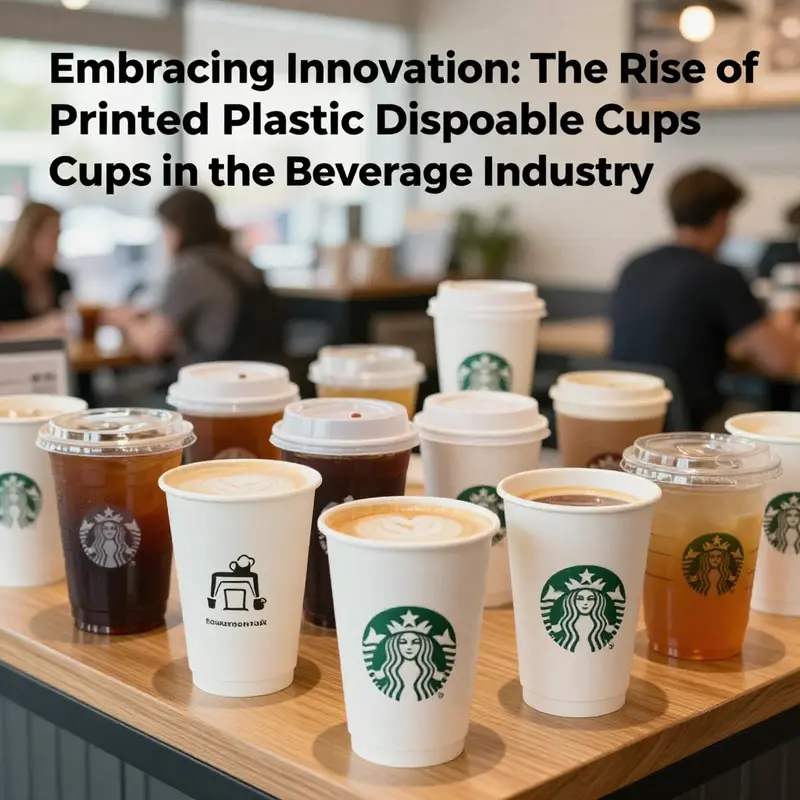
As the beverage industry grows, the significance of printed plastic disposable cups continues to rise, especially among bubble tea shops, restaurants, and catering services. These cups not only offer practical solutions for serving drinks but also present unique branding opportunities that can enhance customer loyalty and visibility. By exploring the customization options available, understanding the environmental impacts, and examining the economic considerations of sourcing these cups, businesses can make informed decisions to align their services with consumer expectations and sustainability goals. Each chapter delves deeper into these aspects to provide a comprehensive overview of how printed plastic disposable cups can play a pivotal role in the modern food and beverage landscape.
Printing Possibilities and Brand Impact: Customization Options in Printed Plastic Disposable Cups
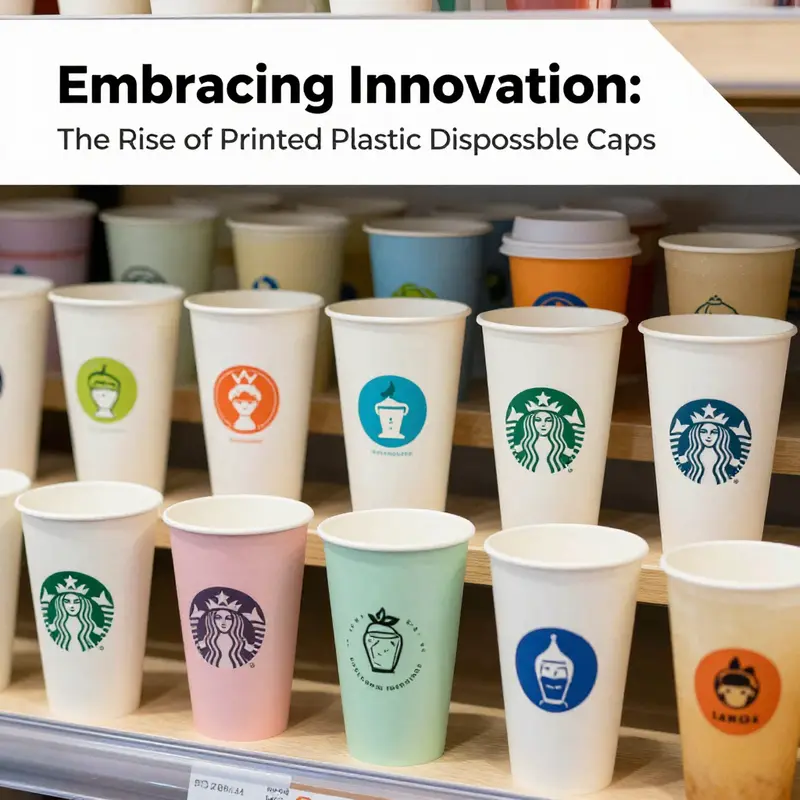
Every sip taken from a cup that bears a brand’s logo, color, and message is a miniature moment of engagement, a chance to convey values, quality, and personality in a single, fleeting interaction. In the world of quick-service outlets, cafes, and beverage chains, the printed plastic disposable cup is more than a vessel; it is a portable billboard. The customization options available for these cups are extensive, and when used thoughtfully, they transform a utilitarian item into a strategic branding asset that travels with the consumer from the counter to the chair to the street and back again in a circular journey of recognition. The most compelling aspect of customization is how it blends form and function. The cup must perform under real-world conditions—hot beverages, cold beverages, leaky lids, rough handling—while delivering a surface that can faithfully reproduce a logo, a color palette, and a design language. This dual demand—durability and print fidelity—drives the selection of materials, the printing methods, and the finish options that suppliers offer. At the core of these decisions are choices about volume and shape, which influence both the visual impact of a design and the cost of production. Standard sizes such as 12oz, 16oz, and even larger 24oz cups are common, each with slightly different diameters and wall thicknesses. For precise fit with lids and sleeves, some buyers specify exact diameters like 85mm or 90mm, ensuring that the printed surface aligns cleanly with the cup’s geometry. A well-executed print on a cup with a smooth, uniform surface can reproduce gradients and intricate patterns with a clarity that rivals other printed media, thanks to flexographic, screen, and offset printing methods. Flexography excels at consistent linear repetition across high volumes, making it a workhorse for brands deploying solid colors, bold logos, and messages that need repeatability across millions of units. Screen printing, with its ability to render opaque whites and dense inks on curved surfaces, gives brands the option of heavier textures and more pronounced color blocks. Offset printing, though less common for very short runs, can yield high-fidelity reproductions of photographs and elaborate brand illustrations when the runs justify the setup. The choice of printing method often hinges on quantity, design complexity, and the expected print area. A logo that spans the cup’s curved surface may demand careful planning to avoid distortion, while a simple emblem may benefit from the crisp edges that offset printing provides. For many operators, a design that emphasizes a strong, legible wordmark and high-contrast imagery translates best from concept to consumer. The surface treatment also matters. Clear cups are a dominant choice because they showcase the beverage within and can be paired with luminous, color-rich designs that pop from the transparency. Yet colored or tinted cups offer another axis of customization, allowing a brand to align with seasonal campaigns, product lines, or a distinctive aesthetic. Even within clear cups, finishes such as a subtle gloss or a matte effect can alter perceived value and readability. A striking option that draws consumer attention is an interior finish—such as a rainbow holographic film—that creates a glimmering, shifting effect as the cup is rotated. This inside-out approach keeps the visible design intact while producing a captivating, almost kinetic display as the beverage moves. The possibilities extend beyond color and image to functional features that reinforce the brand experience. Lids come in several forms, from snap-on to screw-top designs, and even dome or foil-sealed variants for certain beverages or promotional campaigns. Some customers pair their cups with straws or with strawless lids that reduce plastic waste and simplify the handoff at the counter. Double-wall insulation is another feature that combines practical benefits with branding opportunities. A double-wall design not only improves heat retention and user comfort but also creates more surface area for branding on the outer wall, enabling larger logos or multiple color palettes to be displayed without compromising grip or temperature. In many cases, the structural details of the cup—the ribbing, the shoulder, the base geometry—play a role in how a design reads from a distance. A ridged surface, for instance, can break up light and create shadow lines that make a printed message more legible, particularly in a busy counter environment. The material choice matters as well: PET and PP are common, food-grade plastics known for clarity, recyclability, and reliable performance. PET’s transparency makes it an attractive canvas for vibrant imagery, while PP’s chemical resistance and sturdiness can help preserve print integrity through varied beverage temperatures. There is also growing interest in biodegradable options such as PLA-based cups, which offer compostability in industrial facilities and appeal to brands seeking a more sustainable narrative. It is important, however, to balance environmental claims with practical realities. PLA’s performance characteristics, end-of-life options, and the specific composting infrastructure available to a consumer market can affect the overall sustainability math. In a branding context, this means a careful conversation with suppliers about lifecycle benefits, print compatibility, and regulatory compliance. The economics of customization also shape what is feasible on a given project. Bulk orders often start at high volumes, with per-unit costs ranging in a broad band that reflects material choices, printing complexity, and whether lids are included. For brands planning large campaigns, the economics can be favorable, with unit costs dipping as volumes rise and design complexity remains controlled. Conversely, smaller brands or startups may find that suppliers offer lower minimum orders, enabling them to test concepts and refine branding without prohibitive upfront investment. The numbers that begin to surface in conversations with suppliers—such as price per unit, minimum order quantities, and the incremental costs of adding a lid or a secondary feature—become the practical constraints around what a cup can deliver visually and functionally. Yet price is only one piece of the equation. The relevance of a cup’s customization goes beyond immediate aesthetics; it shapes customer recall and brand equity. A well-branded cup can act as a portable advertisement, a shareable social moment when a bright logo catches the eye in a photo, and a reminder of a beverage’s origin and quality. The synergy between design clarity and production practicality is essential here. A brand that prioritizes legibility over elaborate gradients may achieve more reliable reproduction and more consistent in-store results. Likewise, a design that keeps the message simple—ensuring high contrast between text and background—tends to read well across lighting conditions and from different viewing angles, which increases the likelihood of a customer remembering the brand after the beverage experience ends. Color choice, too, has practical implications. While experiments with vivid hues can yield striking visuals, they can also complicate color matching across batch runs. A color system that is easy to reproduce consistently from batch to batch is invaluable for maintaining brand fidelity across thousands or millions of cups. This is where design best practices intersect with manufacturing realities. Brands that plan ahead, providing print-ready files that account for curved surfaces, bleed margins, and safe zones for logos near the cup lips, maximize the chances of a flawless result. They also reduce the risk of misalignment once the cups are formed and printed. In addition to the direct visual appeal, the tactile experience of a cup matters. Finishes such as textured or ribbed surfaces can complement a brand’s aesthetic and create a more premium feel that customers associate with quality. The tactile dimension reinforces the visual identity and can influence a guest’s perception of a beverage’s value. This multi-sensory branding is a core reason why customization has become such a central proposition in the disposable cup market. While the focus is often on what the cup communicates, how it communicates—through the resonance of ink on plastic, the way colors sit against the white or colored base, and how the print holds up under heat and condensation—determines whether a design actually lands with impact. On the environmental side, many brands are weighing the lifecycle implications of color and print on disposable cups. Clear plastic cups may be recyclable, but the recycling stream for printed surfaces can vary by jurisdiction and infrastructure. Some manufacturers now offer compostable alternatives, including PLA cups, to align with sustainability narratives; but these options require careful consideration of end-of-life pathways and consumer behavior. In practice, a brand may decide to pair a standard PP or PET cup with a robust, high-contrast design to maximize legibility and recognition, while also exploring eco-conscious narratives that resonate with customers who value responsible packaging. A practical takeaway for businesses considering customization is to engage suppliers early in the design process. Collaboration can clarify what is technically feasible within the desired aesthetic and the intended volume. It can also surface ideas for integrating branding with cup features—such as color blocks that guide the eye toward the logo, or a lid color that reinforces the brand palette without requiring a separate ink layer. For brands exploring an alternative path to branding, consider paper-based customization as a complementary or transitional option. There, the design constraints and production workflows differ, but the underlying principle remains: how the surface tells the brand story in a single, disposable moment. disposable custom double-wall hot paper cups with lid offers an example of how functionality and branding intersect in a different material class, while still centering on the core idea that design is not merely decorative but practical, legible, and durable in the contexts where cups live—from the shelf to the hand to the table. The modern customization ecosystem for printed plastic disposable cups also includes a repertoire of color and finish options meant to capture attention without compromising readability. A “rainbow holographic” interior or foil accents, for instance, can create a memorable counterpoint to the beverage’s color and aroma, drawing the eye toward the cup’s surface without overwhelming the design. These effects are not merely cosmetic; they contribute to a brand’s perception of modernity and novelty, and they can become synonymous with an experience that customers seek out again and again. It is also worth noting that customization is about coherence across touchpoints. The cup is often part of a larger packaging and branding system that might include lids, sleeves, and promotional inserts. A cohesive system makes the cup a natural extension of the brand’s physical identity, reinforcing recognition across channels and moments. As outlets consider future developments, trends in customization will likely blend technological advances with sustainable messaging. For instance, advances in digital inkjet or high-definition flexo could enable even finer gradients and more faithful color reproduction on curved surfaces, while still keeping production costs scalable for large campaigns. At the same time, brands may increasingly demand transparency about materials and end-of-life options, seeking cups with clear recyclability credentials or easily compostable alternatives that do not compromise print fidelity. The conversation about customization is not limited to aesthetics or function; it is also about strategic storytelling. A well-designed cup communicates a narrative about quality, consistency, and care for the consumer’s experience. It signals that every choice—down to the ink, the finish, and the lid design—was made with the customer in mind. It signals reliability, reminding patrons that their beverage is supported by a brand that values presentation as much as content. In envisioning the ideal customization program, a business should weigh efficiency against expression. The efficiency comes from standardized cups, reliable printers, and well-defined color systems that ensure predictability across production runs. The expression comes from evolving designs that remain legible and impactful when scaled to different cup sizes, manipulated for seasonal campaigns, and adapted to emerging beverage categories. The most effective customization strategies balance these forces, providing a stable foundation for branding while leaving room to innovate as consumer expectations shift. Ultimately, customization is about creating a memorable moment within a brief interaction. A well-executed printed plastic disposable cup does more than hold a drink; it frames the drink with identity, quality, and a story that travels with the consumer. The cup becomes a portable ambassador for a brand, a brief but powerful touchpoint in a crowded marketplace. For businesses wanting to explore this potential, the conversations with suppliers will often begin with practical questions about materials, print methods, volumes, and costs, then expand to how the design can be optimized for readability, durability, and visual impact across diverse settings. In the end, the conversation about customization is a conversation about brand experience. It is about translating the brand’s values into a tangible asset that customers can hold, notice, and remember. The printed plastic disposable cup, when approached with intentional design and thoughtful material choice, can serve as a quiet, continuous ambassador that supports growth and loyalty in a crowded, competitive landscape. External reading on sustainable materials and management can provide additional context for brands weighing environmental considerations as part of their customization strategy: https://www.epa.gov/smm/sustainable-management-materials
Branding at a Price: The Environmental Footprint of Printed Plastic Disposable Cups
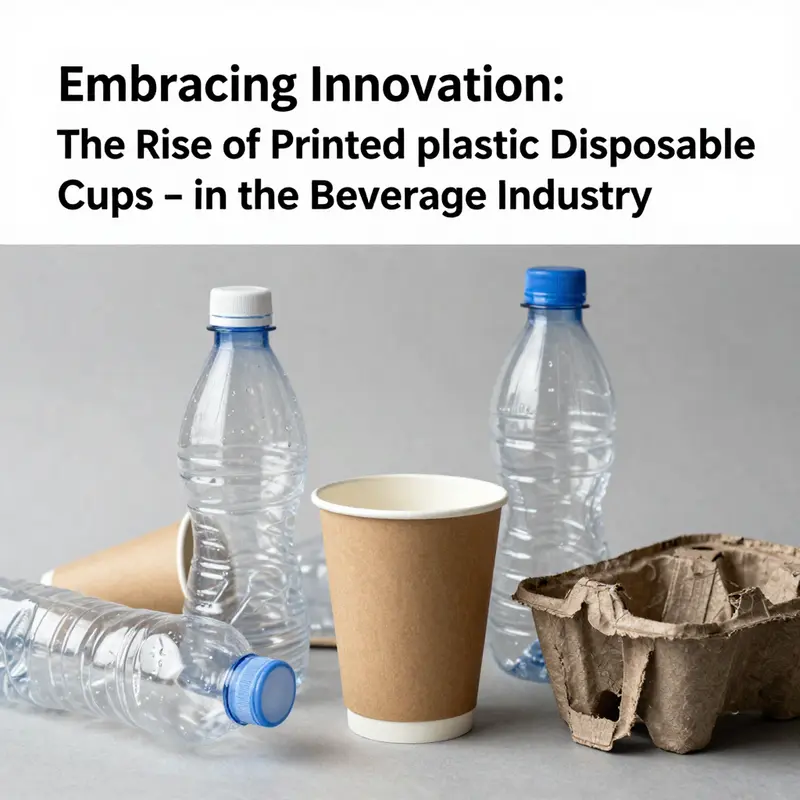
Printed plastic disposable cups carry an air of everyday practicality. They look clean, offer clarity or vibrant branding, and carry beverages from a café to a street side stall with ease. Yet beneath their functional charm lies a complex and mounting environmental footprint. The very factors that make these cups attractive—their durability, printability, and affordability—also anchor them to a path of resource use and waste that is increasingly burdensome for ecosystems, economies, and, in some cases, public health. To understand the full picture, one must follow the life cycle from raw material extraction to end-of-life fate, while also considering the social and logistical contexts that shape how these products are produced, used, and disposed of in the real world. This is not a simple ledger of emissions; it is a narrative of choices, trade-offs, and the stubborn inertia of systems that reward convenience over long-term resilience.
The primary materials commonly used for these cups are polypropylene (PP) and polystyrene (PS). Both are derivatives of fossil fuels, and their production demands energy and raw materials on a scale that translates into a sizable carbon footprint at every stage of manufacture. PP offers a useful balance of rigidity and low weight, while PS provides excellent barrier properties and cost efficiency. However, the fossil fuel basis of these polymers situates them squarely within broader energy and climate discussions. As economies push for lower emissions and more circular material flows, the intrinsic alignment of PP and PS with single-use consumption becomes a central tension. Each cup embodies a decision about energy, feedstock, and land or offshore resources used to extract and convert raw materials into a finished product ready to hold a beverage.
Beyond the basic composition, the printing and decoration that transform a plain cup into a brand ambassador introduce additional layers of environmental consideration. Inks, coatings, and adhesives used to adorn the surface may contain volatile organic compounds (VOCs) and other chemicals that complicate recycling streams. The ink systems chosen to render logos, brand colors, and message designs can increase the likelihood that a cup will fail recycling tests due to residue or incompatible materials. Even when a cup is labeled recyclable, the practical reality depends on the ability of local facilities to separate and process the various components. Printing is not an incidental detail; it is a central driver of end-of-life outcomes. The more intricate the design, the more likely it is that contaminants will accumulate in the recycling stream, diminishing the value of the recycled material and the probability that it can re-enter the production cycle.
A widely cited statistic helps frame the recycling challenge: only about a fraction of plastic ever produced is ultimately recycled. The Environmental Protection Agency reports that roughly 9 percent of all plastic ever produced has been recycled. This figure, however modest, does not capture the full variance across communities, streams, and processing methods. Cups that appear recyclable may still contribute to waste when inks, dyes, or laminates cross-contaminate the feedstock, reducing the quality and market value of the recovered plastic. In practice, many printed cups are diverted to landfills or become litter after a short life in consumer hands. This is not merely a hypothetical risk; it reflects real-world outcomes shaped by consumer behavior, municipal collection practices, and the economics of recycling facilities.
The journey to disposal begins at the moment a beverage is poured into a cup and ends long after the last sip. In the meantime, the production phase stands as a major contributor to greenhouse gas emissions. The extraction and processing of fossil fuels for polymers, coupled with energy-intensive manufacturing steps, pushes carbon footprints higher than those of many alternative packaging options. The energy mix used by producers—whether powered by coal, natural gas, or renewable sources—also colors the total environmental impact. In regions where electricity grids rely heavily on non-renewable sources, the climate implications of cup production intensify. Conversely, plants that operate under cleaner energy regimes can deliver measurable emissions reductions, illustrating how regional energy landscapes influence the overall footprint of printed cups.
Printing and decoration add a further layer of environmental complexity. Inks and coatings may contain VOCs and other chemicals that pose challenges not only to air quality during manufacturing but also to end-of-life processing. Some of these substances can complicate recycling or even render a cup non-recyclable in certain facilities. In more comprehensive terms, every decorative element—whether a bright color, a gradient, or a metallic finish—can become a contaminant that undermines the value of recovered material. The cumulative effect of multiple small decisions in the printing process can reverberate through the recycling system, making it harder to recover the material in a form suitable for reuse.
When end-of-life considerations are uncertain, the waste stream for printed cups tends to reflect a broader pattern: products designed for single use leave behind a trail of materials that require management long after their utility is used up. The typical end-of-life pathway for many of these cups is a landfill or street litter, where decomposition can take hundreds to thousands of years. As they weather in the environment, these plastics can fragment into microplastics that infiltrate marine ecosystems, agricultural soils, and even human tissues. The presence of microplastics raises concerns that extend beyond aesthetic degradation or landfill capacity; researchers are increasingly examining potential health implications for wildlife and people, particularly when plastics degrade into fine particles capable of migrating through food chains and ecological systems.
Health considerations intersect with environmental concerns in subtle and nuanced ways. A central issue is the potential for chemical leaching when cups come into contact with hot liquids. Some users may worry about substances like bisphenol A (BPA) and phthalates, historically linked to endocrine disruption. Even though many manufacturers have moved to BPA-free formulations, the replacement chemicals themselves may not be benign. The long-term health implications of these substitutes are an active area of study, and consumer confidence often hinges on transparent communication about material choices and testing standards. In short, the health dimension of printed plastic cups is not just about safety in the moment of drinking; it is about the ongoing assessment of chemical exposure across the product’s life cycle and the regulatory environment that governs packaging materials.
From a systems perspective, environmental impact is not solely about material choice. It is also about how packaging fits within consumer behavior and the logistics of commerce. The fast-paced demands of quick-service outlets, cafes, and beverage chains reward convenience, consistency, and branding visibility. Branded cups do more than hold drinks; they carry a promise of familiarity and quality. But that branding comes at a cost if it reinforces disposable habits without offering a clear path toward reuse or responsible disposal. The challenge is to marry the benefits of branding with strategies that reduce environmental harm. A growing body of practice in the packaging field suggests that material innovation, design for recyclability, and end-of-life infrastructure must advance in tandem with marketing objectives if meaningful progress is to be achieved.
Biodegradable or compostable alternatives, such as polylactic acid (PLA) cups, present a potential route to mitigating some environmental pressures. These options can be designed to break down under industrial composting conditions, decreasing the long-term persistence of discarded cups in landfills. Yet these solutions are not without caveats. Availability of suitable composting facilities, higher unit costs, and the need for clear labeling and consumer guidance complicate their widespread adoption. The reality is that shifting toward greener options requires a coordinated approach that aligns material science with waste management infrastructure, consumer education, and the economics of scale. In many markets, encouraging the use of compostable cups without ensuring the presence of industrial composting capacity could simply relocate the problem rather than solve it.
As brands wrestle with these trade-offs, one recurring question remains: how can a brand’s desire for strong visual identity coexist with a robust, responsible approach to packaging? The answer lies not in a single miracle material or a single policy, but in an integrated strategy that considers life-cycle thinking, supply-chain responsibility, and consumer engagement. Designers can opt for simpler, fewer-ingredient inks and coatings that ease the downstream separation and processing of materials. Manufacturers can pursue processes that reduce energy intensity and shift toward renewable energy. Regulators and municipalities can invest in improved collection, sorting, and recycling infrastructure that accommodates a wider range of packaging formats, including those with decorative features that historically hinder recyclability. At the consumer level, education and convenient options for proper disposal, segregation, and, where feasible, reuse can slowly recalibrate consumption patterns toward reduced waste. None of these changes alone will be sufficient. Together, they form a pathway toward packaging that sustains brands without compromising environmental integrity.
The conversation about printed plastic cups, then, is a conversation about systems. It is about how choices at the design table ripple through production lines, how municipal waste streams respond to evolving packaging formats, and how consumers perceive and participate in recycling and disposal. It is also about the competing pressures of cost, reliability, and performance that have historically underwritten the dominance of PP and PS in disposable cup formats. In this context, the materials and processes that once seemed purely technical acquire social, economic, and ethical dimensions. The environmental impact of these cups is not a single data point; it is an ecosystem of factors that intersects with climate change, biodiversity, urban waste management, and public health.
To illustrate the broader implications, consider the lifecycle perspective. In the extraction phase, the energy and resources required to obtain feedstocks set the stage for subsequent emissions. In production, energy use, process emissions, and the handling of additives and inks contribute further. In distribution, transportation influences carbon footprints, especially when cups are shipped across long distances or manufactured in regions with high energy intensity. In use, the cups perform their primary function but also determine how easily they can be recycled. Finally, in disposal, the materials’ properties—such as whether they are laminated, coated, or colored—shape recyclability and the ultimate fate of the material. Each step offers opportunities for improvement, but the most meaningful gains arise when the entire chain is aligned toward cleaner energy, lower waste, and greater material circularity.
From the standpoint of policy and industry practice, it is essential to recognize that consumer demand for branded, visually appealing cups will persist. The strategic challenge is to balance that demand with a pathway that reduces environmental harm. Solutions may include simplifying print schemes to maximize recyclability, investing in inks and coatings that are easier to separate, and promoting post-consumer collection systems that keep cups out of landfills. Public awareness campaigns can complement technical changes by clarifying which cups are recyclable, where to recycle them, and how to prepare them for processing. These steps require collaboration across multiple stakeholders, including designers, manufacturers, retailers, waste-management authorities, and local communities. Only through such collaboration can the promised branding advantages coexist with genuine progress toward sustainability.
For readers who want to explore related packaging choices, a useful example lies in the broader family of eco-friendly paper-based cups and bowls that some markets promote as alternatives to plastic. These options, while not a direct substitute for all beverage formats, illustrate how packaging ecosystems can diversify away from fossil-based plastics. The idea is not to prescribe a single substitute but to illuminate a spectrum of possibilities that can reduce reliance on non-renewable materials while preserving the practical benefits customers expect. When evaluating these alternatives, it is important to consider performance, sanitation, and lifecycle impacts. Materials such as kraft paper and other biodegradable or compostable options may offer different trade-offs in moisture resistance, heat tolerance, and end-of-life handling. A thoughtful assessment helps brands choose packaging that aligns with their sustainability objectives and the realities of local waste infrastructure.
In sum, the environmental footprint of printed plastic disposable cups is a composite of material choices, production practices, printing complexities, end-of-life outcomes, and the broader system in which these products circulate. The path toward reducing that footprint demands attention to design for recyclability, reductions in energy use, improvements in waste management, and informed consumer behavior. It asks brands to weigh branding power against environmental responsibility and to recognize that small changes in materials, inks, and processes can yield meaningful gains when scaled across millions of units. It invites policymakers to harmonize standards and infrastructure with the realities of modern consumption. And it invites readers to see packaging not merely as a container for a drink, but as a signal—one that can point toward a more sustainable, circular future if the design, production, and end-of-life phases are aligned with that goal.
For further exploration of related packaging approaches that aim to reduce environmental impacts while maintaining consumer appeal, consider a landscape of eco-friendly, paper-based beverage cups with designs that still effectively perform in real-world use. See this resource on eco-friendly paper beverage cups for a practical example of how branding can be integrated with material choices that support more sustainable end-of-life outcomes. eco-friendly paper beverage cups.
External resource: for a broader policy-oriented view on plastic waste management and the role of consumer packaging, the U.S. Environmental Protection Agency provides a comprehensive overview that contextualizes these issues within waste-stream dynamics, recycling rates, and regulatory considerations. This external perspective helps illuminate the systemic nature of the challenges and the kinds of solutions that have shown promise at scale. https://www.epa.gov/epawaste/nonhazardous/msw/plastic-waste
The Economics Behind Printed Plastic Disposable Cups: Costs, Value, and Market Forces
The Economics Behind Printed Plastic Disposable Cups: Costs, Value, and Market Forces
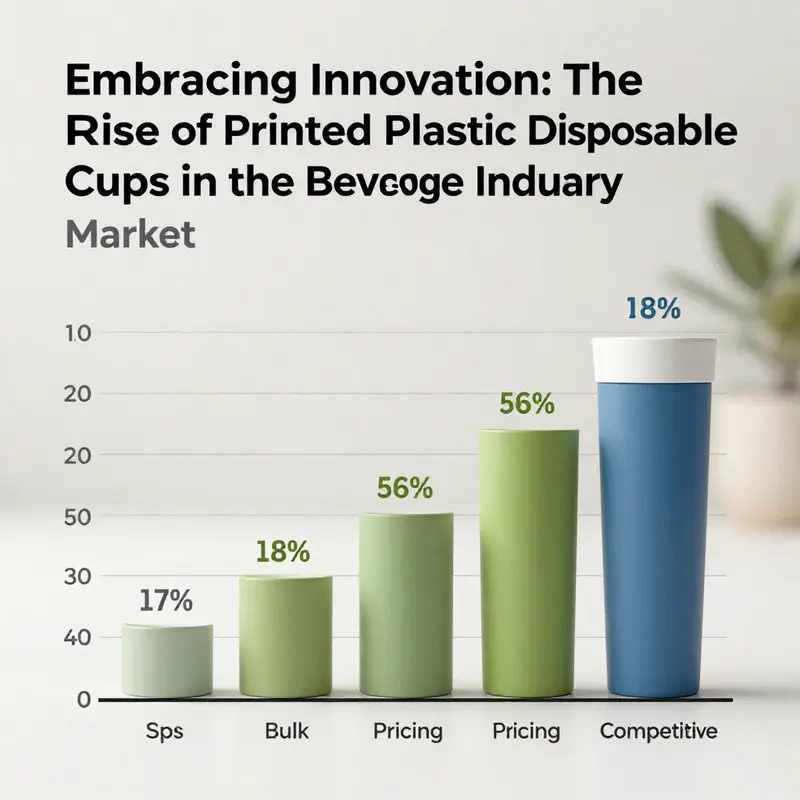
Printed plastic disposable cups occupy a distinct place where cost control, branding, and practicality intersect. Their economics rest on predictable unit costs, scalable manufacturing, and a marketing utility that small and large foodservice businesses pay for willingly. Demand remains steady across quick-service outlets, beverage chains, and event caterers because these vessels deliver durability and printable surfaces for branding. Yet beneath this apparent simplicity sits a web of cost drivers, sourcing strategies, and regulatory risks that shape buyer decisions. This chapter examines those forces, explains how price and value are determined, and outlines the trade-offs companies face when they choose printed plastic cups over alternatives.
Growth in beverage consumption and takeaway culture feeds volume demand. Global market valuations reflect this trend. Forecasts show steady expansion and a compound annual growth rate near the mid-single digits over the coming decade. Volume growth brings important economic effects. Manufacturers lower per-unit costs as production scales. Buyers benefit from reduced unit prices, lower inventory carrying costs, and improved margins on beverage sales. The effect is strongest where supply chains are concentrated and production methods are mature, enabling rapid tooling, short lead times, and consistent print quality.
Material choice drives the basic cost structure. Polypropylene (PP) and polystyrene (PS) are typical for cold and hot applications. PET is common for clear, rigid cups. Each material presents a distinct price point and performance profile. PP tends to offer a good balance of cost and heat resistance. PS delivers excellent clarity at competitive rates. PET provides superior transparency and high perceived value for premium cold drinks. Producers price each material according to raw material commodity markets, energy costs, and recycling value. When resin prices rise, the entire supply chain feels the effect within weeks.
Print technology and customization add layers to pricing. Simple single-color logo printing has a small incremental cost. Full-wrap, multi-color designs increase complexity. Screen printing, flexographic printing, and pad printing each carry different setup and per-unit costs. Digital printing has lower setup costs for short runs, but its per-unit expense can be higher than traditional screens at scale. Design complexity can trigger additional charges for artwork conversion, plate creation, and color matching. Many manufacturers recover these fixed costs by applying setup fees or minimum order quantities (MOQs). Economies of scale are therefore crucial. Larger orders amortize setup costs and reduce the unit price significantly.
MOQ strategies shape the buyer landscape. Traditional bulk thresholds often start in the tens of thousands. Competitive suppliers can reduce MOQs for smaller brands, but at a price. Lower MOQs typically mean higher per-unit costs, longer lead times, or restricted print options. For startups and local cafés, balancing upfront investment with marketing value becomes a strategic choice. Some buyers opt for generic stock cups initially, then switch to fully printed solutions once volume supports the economics of customization.
Manufacturing clusters create tangible cost advantages. Industrial regions with mature plastics industries support injection molding, printing, and packaging services in close proximity. These clusters reduce freight between production stages, compress lead times, and enable rapid tooling iterations. Local availability of skilled labor and specialized machinery lowers overhead. Buyers who source from these centers often secure better pricing and flexible payment terms. The clustering effect also fosters supplier competition, which can lower prices further and encourage quality improvements.
Logistics and packaging matter as much as raw material pricing. Shipping plastic cups in bulk is space-efficient, but fragile print finishes require protective packaging. Dome lids, flat lids, and sealing foil lids increase freight volume and complexity. Buyers must consider the landed cost per unit, not just factory-gate prices. International orders add duty and shipping time. Consolidated shipments and optimized palletization reduce per-unit transport costs. For many buyers, the decision to import depends on whether shipping savings offset price differences among local suppliers.
When assessing economic value, one must consider the marketing return on investment. Printed cups act as low-cost billboards. Every beverage becomes a brand touchpoint. The visual impact of a well-executed design can increase perceived value, justify a small price premium, and encourage repeat purchases. For event marketing or limited-time campaigns, printed cups offer measurable visibility at relatively low cost. Small businesses often find that the marginal cost of printing is outweighed by the marketing benefit. For larger chains, volume discounts turn printed cups into a routine line item with predictable impact on brand consistency.
Total cost of ownership extends beyond production and printing. Quality controls, testing for food safety, and compliance with local regulations add cost. Heat-resistance testing for hot beverages or drop testing for rigid PET cups matters for product liability. Suppliers that offer certificates of compliance reduce buyer risk, but may charge for testing documentation. Extended warranties or guarantees on print durability can be negotiated, and these assurances often come with price premiums.
Environmental economics complicate the picture. Single-use plastic scrutiny is rising, prompting regulators and consumers to demand greener options. Some brands face bans or fees on single-use plastics. Others implement take-back programs or invest in recycling infrastructure. Bioplastics like PLA offer an alternative. PLA is compostable under industrial conditions, but its cost remains higher than conventional resins. In addition, compostability requires appropriate waste streams to deliver the intended environmental benefit. If such infrastructure is absent, customers may pay a premium for a product whose sustainability claims cannot be realized locally.
The trade-off is clear. Conventional printed plastic cups remain cheaper and more durable. They perform better for certain beverages and printing techniques. Alternatives cost more, and may complicate supply chains. Yet sustainability concerns affect demand and pricing indirectly. Consumers often favor brands that adopt visible eco-measures. So businesses sometimes accept higher cup costs to signal environmental responsibility. This marketing calculus can justify the use of compostable or paper-based cups for specific product lines.
Paper-based and molded fiber solutions create new economic dynamics. Manufacturing and material costs can be higher than basic plastic cups. However, when paired with wide consumer acceptance and regulatory incentives, these alternatives may deliver longer-term savings. For instance, taxes on single-use plastics raise the comparative cost of conventional cups. Conversely, subsidies or favorable procurement rules for compostable products can tip the balance in their favor. Buyers must assess regional policy landscapes in any sourcing strategy.
Procurement strategies therefore emphasize flexibility. Smart buyers negotiate flexible MOQs, staggered shipments, and shared setup fees across multiple product SKUs. They combine stock and custom inventories to hedge risk. They trial designs with smaller digital-printed runs, shifting to screen-printed bulk runs once demand stabilizes. They also prioritize suppliers with transparent costing and robust quality audits. These strategies reduce waste, limit cash tied up in inventory, and preserve marketing agility.
Risk management also addresses supply chain resilience. Price volatility in commodity resins can surge production costs. Labor disputes, power outages, and shipping bottlenecks can delay deliveries. Buyers mitigate these risks through multi-sourcing, safety stock, and contractual clauses for lead times. Some choose to work with manufacturers located closer to end markets to lower transport risk and shorten replenishment cycles. Others accept longer lead times for lower unit costs but maintain buffer inventories.
Value-added options influence contract economics. Reusable lids, tamper-evident seals, and heat-insulating features can raise selling prices. These features also allow operators to position beverages differently in the market. For example, a premium cold drink in a clear, printed PET cup with an attractive dome lid can command a higher price and better margins than the same drink in a plain cup. The incremental cost of enhanced lids is often small compared to the possible uplift in perceived quality.
Accounting for long-term trends is essential. Producers who invest in automation, efficient molds, and eco-friendly materials will see lower unit costs over time. Investments in recycling or composting initiatives can reduce regulatory exposure and appeal to sustainability-minded customers. Meanwhile, packaging consolidation and material science advances may narrow the cost gap between traditional plastics and greener alternatives. Buyers who monitor these trends and adapt sourcing policies gain competitive advantage.
From the buyer’s perspective, printed plastic cups offer a clear value proposition. They combine low unit cost, strong printability, and functional advantages. For businesses focused on cost control and branding, these cups deliver measurable returns. However, buyers must remain agile. Material prices, regulations, and consumer preferences shift. Effective procurement balances immediate price advantages with long-term reputational and regulatory risks. Companies that adopt flexible MOQs, staggered production runs, and selective use of compostable alternatives often achieve the best overall economics.
Finally, the broader market context amplifies these choices. As demand grows, competition among manufacturers intensifies. That competition reduces prices, improves print quality, and diversifies options. It also pushes some suppliers to offer sustainable alternatives and enhanced services. Those offers influence how buyers allocate budgets between advertising, packaging, and product quality. In practice, smart beverage operators treat printed cups not as a mere commodity, but as a strategic asset. They use them to reinforce brand identity while managing costs, compliance, and supply risk.
For guidance on market size and forecasts, reference the industry report at Markets and Markets: https://www.marketsandmarkets.com/Market-Reports/disposable-cups-market-1934.html
For a related eco-friendly option that pairs with packaging strategies, consider an example product: eco-friendly recyclable pulp cup holder. It shows how small packaging choices can affect overall sustainability claims and procurement costs.
Final thoughts
The journey through the world of printed plastic disposable cups reveals their vital role in shaping the beverage landscape. With extensive customization options, businesses can effectively promote their brands while ensuring they adhere to growing environmental standards. Understanding the economic aspects allows companies to navigate competitive pricing and sourcing, ensuring a balance between cost-efficiency and quality. As consumer preferences shift towards both sustainable practices and brand identity, investing in printed plastic disposable cups presents an opportunity for businesses to elevate their offerings and meet market demand effectively.