
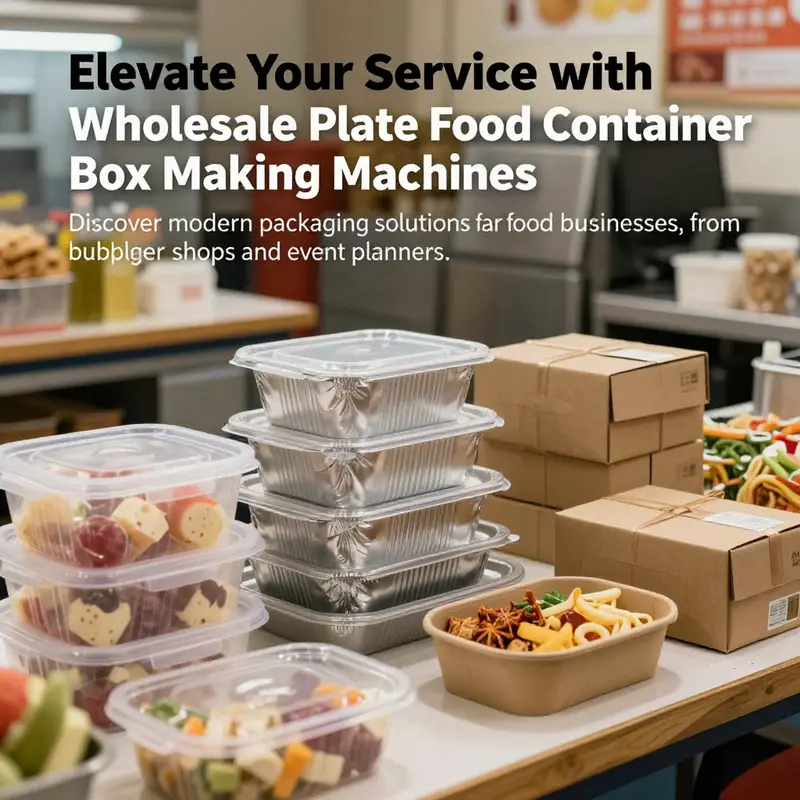
In today’s competitive food service landscape, efficient and innovative packaging solutions are essential for appealing to customers while meeting operational demands. The rise of takeout dining and food delivery has spurred significant advancements in mass production technologies for food containers. This article delves into the nuances of wholesale plate food container box making machines, exploring thermofoming, cartoning, and aluminum foil tray machines with a focus on how they serve bubble tea shops, restaurants, food trucks, catering services, and event planners. Each chapter offers insights into machinery options, supplier recommendations, and ways to boost efficiency and sustainability in your business operations.
From Sheet to Serviceware: Scaling Wholesale Plate and Container Box Production with Thermoforming
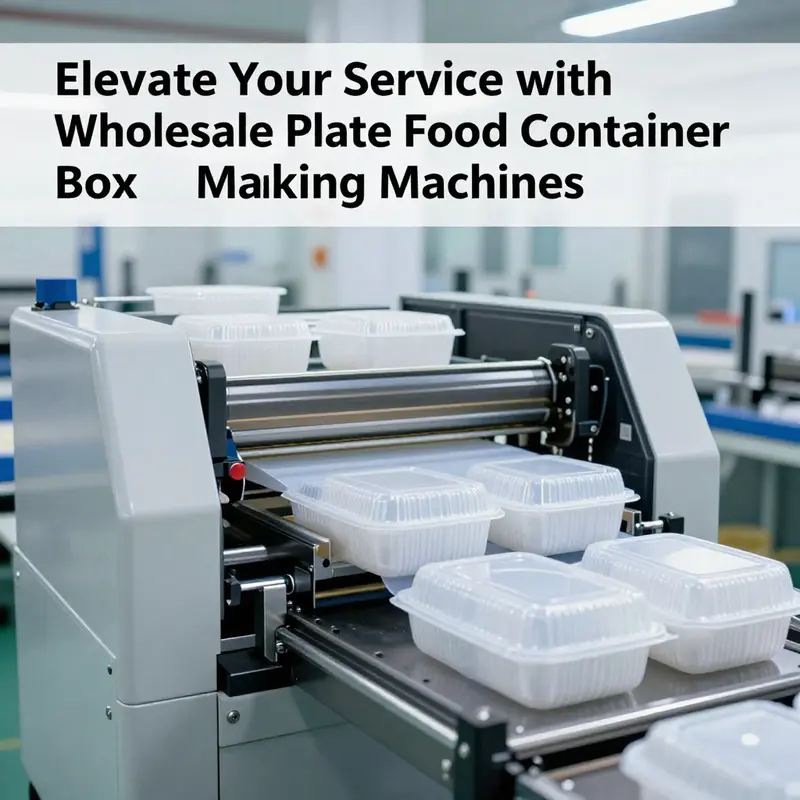
The backbone of wholesale plate and food container box making is the thermoforming line, a mature yet continually evolving technology that translates flat polymer sheets into rigid, hygienic, and highly stackable serviceware. In markets where speed, consistency, and cost-per-unit matter as much as material choice, thermoforming offers a singular blend of versatility and throughput. Plants designed around these machines move large volumes with a compact footprint, turning rolls of raw sheet into finished trays, clamshells, lids, plates, and related shapes with a rhythm that seems almost choreographed. The essence of this capability lies not only in the machine’s physical form but in the orchestration of material, heat, vacuum, trimming, and downstream handling into a seamless production line. For wholesale manufacturers, that orchestration must be reliable, adaptable, and predictable enough to justify the investment and the ongoing operating costs that come with high-volume output. Three elements dominate the decision-making process: the machine’s ability to handle multiple materials and geometries, its automation level and speed, and the downstream integration that makes packaging finished goods as automatic as the forming itself.
At the core, automated thermoforming machines are designed to heat thermoplastic sheets to precise temperatures, form them under vacuum into predetermined cavities, and then trim and finish the parts into usable containers. The most common forms produced in high-volume facilities are plastic clamshell boxes, plates, bowls, and lids. Modern lines can work with a broad spectrum of thermoplastics, including polypropylene (PP), polystyrene (PS), polyethylene terephthalate (PET), polyvinyl chloride (PVC), and increasingly, bioplastics such as polylactic acid (PLA) and crystal polylactic acid (CPLA). Each material brings a unique balance of rigidity, heat resistance, clarity, and environmental profile. PP, for instance, offers toughness and chemical resistance suitable for hot-delivery scenarios, while PS provides excellent clarity and stiffness for display-oriented packaging. PET gives a strong moisture barrier and recyclability appeal, whereas bioplastics are winning favor where compostability or reduced carbon footprint is a strategic objective. In practice, many manufacturers operate lines that can switch among several of these materials, depending on customer demand, regulatory requirements, and the end-use environment.
A representative, workhorse configuration in the wholesale segment is a multi-station, automatic thermoforming line capable of producing a range of shapes—from shallow plates to deeper clamshells and even lids. These systems feature a forming area that accommodates substantial sheet sizes, with typical platforms offering a forming window in the neighborhood of 710 by 520 millimeters. That size allows efficient nesting of trays and plates, enabling a high yield of finished parts per sheet while still leaving adequate room for trimming and finishing operations. Material thickness ranges on these lines commonly span from about 0.15 millimeters up to 2.2 millimeters, a spread that covers everyday takeout ware as well as more robust serviceware developed for harsher handling or microwavable applications. The thickness envelope is critical because it governs not only the strength of the final piece but also the energy profile of the heating cycle, the cooling regime, and the trimming strategy. A line that is too tightly configured for a single thickness will suffer from waste when a different job arrives, whereas a wide tolerance can complicate control and raise scrap rates. In well-tuned systems, servo-driven indexing, precise clamping, and controlled cooling work in concert to maintain consistent wall thickness and edge quality across thousands of units per hour.
The automation stack on these machines is essential for scale. Unwinding and feeding sheets, accurate heating, forming under vacuum or with plug-assist techniques, trimming of flash, and demolding are all integrated steps. Sophisticated lines incorporate automatic stacking and downstream packaging to reduce manual handling and labor costs, a factor that becomes a multiplier when production runs push into the tens or hundreds of thousands of units per day. The result is a continuous, end-to-end process where a batch of sheets enters, yields are sorted by part number and material, and finished pieces exit directly into cartons or onto conveyors for downstream cartoning or bagging. In a mature wholesale operation, the line’s uptime and changeover speed are as important as the raw speed. Quick changeover capabilities for different shapes, sizes, and materials allow plants to respond rapidly to customer mix without sacrificing throughput.
Material choice remains C-suite level in decision-making, as it directly affects not only performance but also regulatory compliance and end-of-life considerations. PLA and CPLA are increasingly attractive for brands seeking compostable or certified bioplastics, even as the supply and cost curves for bioplastics can be volatile. In practice, the industry has learned that bioplastics often require careful handling during forming to prevent crystallization or brittleness in finished parts. This has driven the development of tailored heating profiles and more precise cooling circuits within thermoforming machines. For wholesale providers, the ability to process conventional polymers alongside bioplastics within a single line becomes a major competitive advantage. The capability to switch materials without reconfiguring the entire line, or at least with minimal downtime, translates into shorter lead times for customers who demand a rapid response to packaging trends or seasonal variations in demand.
As with any high-volume equipment, the economics hinge on total cost of ownership. Upfront capital is only one piece of the puzzle. The price of a fully automatic, multi-station line can vary widely depending on the number of forming stations, the complexity of the tooling, the size of the forming area, and the level of automation integrated into downstream handling. A basic three-station setup might range into the lower six figures, while larger, more capable lines with dedicated trimming stations, auto-stacking, and integrated cartoning or packaging solutions can push well into the six-figure realm. Yet these figures must be weighed against the efficiency gains, scrap reduction, and labor savings achieved at scale. For wholesale operations, the goal is to maximize uptime and minimize changeover time so that the line remains productive for as many hours per day as possible. In this context, servo-driven, precision-controlled motion systems, robust automation interfaces, and modular tooling become not just features but core determinants of profitability.
The market for thermoforming lines also reflects a clear trend toward integration and compatibility. Modern wholesale facilities often look for machines that can connect to downstream packaging solutions—whether that means cartoning lines capable of forming and inserting into cardboard shells or conveyors that deliver finished pieces directly into boxes. This kind of integration reduces manual handling, ensures more consistent packaging, and lowers the risk of contamination or damage during transfer between operations. A line that can go from sheet to sealed, labeled packaging with minimal human intervention offers a compelling value proposition, particularly in markets with strict hygiene standards and high throughput expectations. Even so, the choice of configuration will depend on a company’s strategic focus: some operators prefer compact layouts with highly automated trimming and stacking, while others opt for broader forming areas and deeper cavities to accommodate more complex shapes and larger plates.
In practice, the decision to adopt thermoforming at wholesale scale often begins with a rigorous assessment of part geometry and material strategy. A plant might need to produce a range of containers—from shallow plates used for salads to deep, secure clamshells used for hot meals. Each geometry imposes specific demands on the forming tool, the mating die, and the trimming process. The tooling set is a significant line item; it defines the potential yield, wall thickness consistency, and edge quality that customers will experience. The tooling also determines the speed at which jobs can be changed, because a productive line must be able to switch from one shape to another with minimal downtime. In some cases, suppliers offer modular tooling that can be swapped with quick-change features, enabling a facility to diversify its product mix without sacrificing cycle time.
All of these considerations—material compatibility, forming area, thickness range, automation depth, and downstream integration—come together in a wholesale strategy that aims to balance capacity with flexibility. The most successful suppliers are those who can provide not only the machine but also the process engineering expertise to customize heating curves, dwell times, forming pressures, and trimming strategies to the customer’s specific material and product range. In a market where a single customer can account for a significant portion of a plant’s throughput, this level of customization becomes essential. It is also where sustainability and regulatory compliance come into sharper focus. The ability to demonstrate a traceable material supply and a predictable end-of-life pathway for the finished products adds a level of assurance that many buyers crave when committing to a long-term equipment investment.
For manufacturers evaluating wholesale thermoforming options, the question often reduces to whether to pursue a dedicated line for a fixed range of products or a more flexible system that can adapt to changing packaging designs and materials. In the latter case, emphasis should be placed on a line architecture that supports rapid changeovers, multi-material capability, and integrated downstream handling. The industry’s trajectory clearly favors lines that can evolve with packaging trends—whether that means embracing clearer PET trays for premium display, sturdy PP clamshells for hot-delivery scenarios, or plant-based bioplastics that align with sustainability goals. This adaptability is not a luxury; it is the basis for sustaining margins in a market where customers increasingly expect both price competitiveness and packaging performance.
As a practical note for wholesale buyers, it is worth contemplating the broader ecosystem surrounding thermoforming lines. The highest-value conversations often involve tooling partners, material suppliers, and after-sales service networks that can reduce downtime and accelerate changeovers. A line is not just a machine; it is a production ecosystem. When this ecosystem is properly aligned, a factory can move from batch production to continuous throughput, printing large-scale results in days rather than weeks and delivering consistent quality across thousands of melt, mold, trim, and stack cycles.
To illustrate how packaging variants intersect with thermoforming capability, consider the wide array of packaging designs that retailers and brands demand. Even within the same machine family, a plant may run octagonal or rectangular shapes, shallow plates, and clamshells, sometimes requiring a blend of sheet materials and thicknesses. The packaging choices customers make—whether for efficiency, consumer experience, or brand differentiation—are a driver of machine selection as much as the mechanics of heat and vacuum. A wholesale operation that understands this dynamic can position itself as a reliable partner capable of delivering both the economies of scale and the design flexibility customers expect. For instance, a particular packaging option gaining traction in the marketplace is octagonal paper packaging designed for takeout meals, a form that speaks to brand storytelling as well as functional performance. See a related packaging option here: disposable-octagonal-box-restaurant-food-kraft-paper-packaging.
In sum, thermoforming machines for wholesale plate and container box making sit at the intersection of engineering precision, material science, and supply-chain practicality. They enable high-volume production with consistent quality, while offering the adaptability needed to respond to evolving packaging trends and sustainability priorities. When chosen and configured with attention to part geometry, material compatibility, and downstream integration, these lines become the heartbeat of a packaging operation—delivering reliable throughput, controlling costs, and supporting a broad portfolio of product forms that meet the needs of restaurants, retailers, and food-service providers across the globe. For organizations navigating the transition to automation or expanding an existing operation, the path forward is less about chasing the latest single feature and more about building a cohesive, scalable system that can absorb new shapes, new materials, and new customers without compromising speed or quality. External resources and industry exchanges can illuminate options, but the most compelling decisions emerge from a clear view of the part families to be produced, the materials that best satisfy performance and regulatory criteria, and the manufacturing discipline that sustains performance under peak demand.
External resource: https://www.alibaba.com
Cartoning Machinery as the Bulk Engine for Wholesale Plate Food Container Packaging
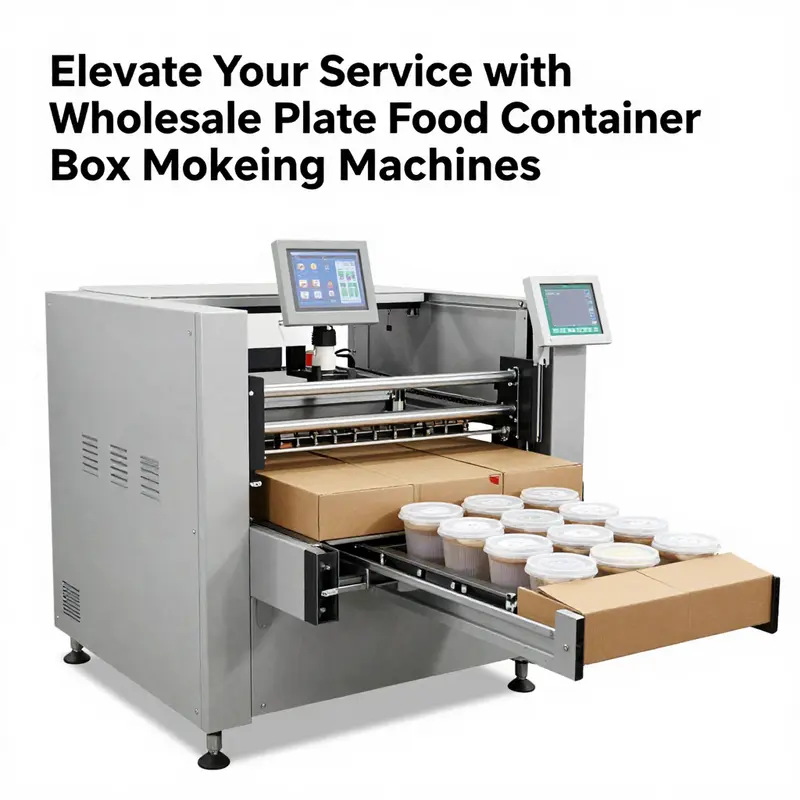
Cartoning machinery is the bulk engine for wholesale plate food container packaging, converting sheets of paperboard into high-throughput cartons that protect meals from factory to consumer. In wholesale contexts, lines are engineered for material compatibility, dimensional accuracy, and rapid changeover to support a wide catalog of carton formats. The result is not just speed but reliability, with automated cutting, creasing, folding, and alignment systems that minimize waste and ensure uniform product presentation across thousands of cycles. Space, energy, and maintenance efficiency are critical, so modern lines emphasize compact footprints, modularity, and easy access for cleaning and sanitation. When integrated with upstream thermoforming or die-cutting and downstream sealing, labeling, and palletizing, cartoning lines become a cohesive packaging platform that scales with demand, reduces downtime, and supports sustainability goals through recyclable carton designs and reduced plastic content.
From Roll to Ready-to-Ship: The Precision and Promise of Aluminum Foil Tray Lines in Wholesale Plate Container Production
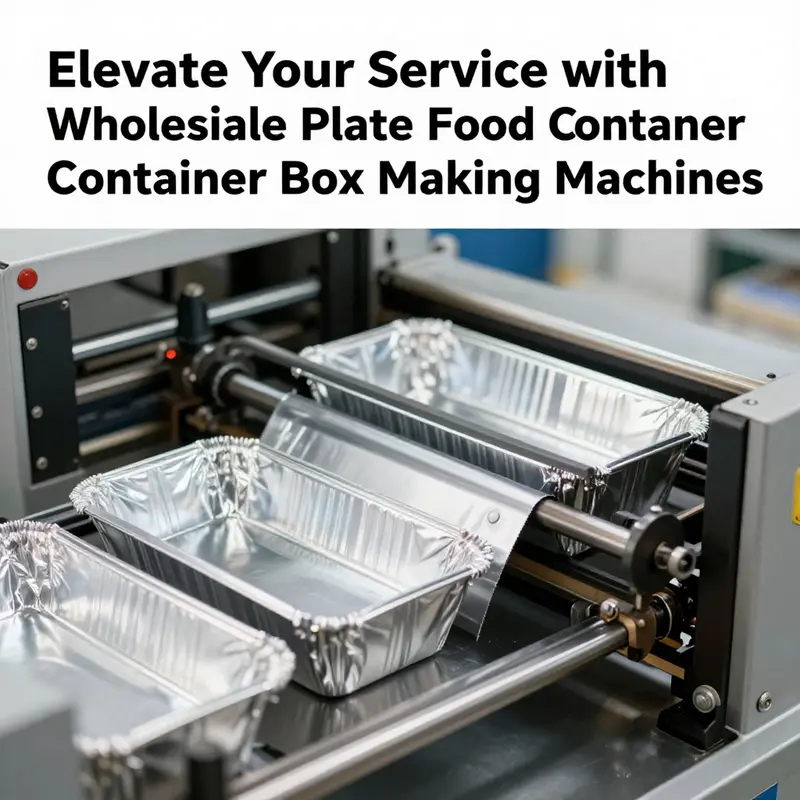
Across the fast-paced world of takeout meals, airline service, and large-scale catering, aluminum foil trays stand out as a durable, heat-ready, and recyclable option that helps keep costs predictable while preserving food quality. The wholesale plate container market increasingly leans on automated aluminum foil tray making machines to turn raw rolls into finished, stackable portions that can bear the rigors of busy kitchens and logistics networks. In this chapter, we explore how these lines operate as integrated systems, what they deliver to manufacturers, and why they have become a cornerstone of scalable packaging strategies. The conversation begins with the undeniable appeal of aluminum foil trays: they are light, rigid, and capable of withstanding heat, cold, microwaving, and freezing. When manufacturers adopt high-precision, fully automatic tray lines, the benefits extend beyond simple containment. Throughput climbs, labor requirements shrink, and consistency—every edge, every fold, every emboss—becomes a reliable attribute of the product. The machines at the heart of these lines are designed to take a raw roll of aluminum foil and transform it, through a sequence of forming, punching, trimming, and stacking operations, into a finished tray that is ready for filling, sealing, and dispatch. The core value proposition is straightforward: enable large volumes with repeatable quality at a cost per unit that aligns with wholesale pricing models. Yet the path from foil to finished container is anything but simple, and understanding the flow helps manufacturers choose the right investment and reap the expected returns. A typical aluminum foil tray line begins with a unwind system that feeds a continuous strip of foil into a forming station. Modern lines use servo-driven drives and CNC controls to pace the material precisely, maintaining consistent web tension and aligning the foil with forming dies that carve out the tray geometry. The forming process is a dance between heat, pressure, and steel: the foil is heated to a controlled temperature, pressed into a die, and allowed to spring into the three-dimensional shape with crisp corners and defined rims. It is here that the line’s speed choreography comes into play. High-speed lines achieve impressive outputs by coordinating several forming stations in sequence, creating a cadence where each tray advances through a cycle of forming, punching, and trimming without a pause that would necessitate operator intervention. In these systems, multi-station configurations are common because they reduce handling steps and improve cycle times. The punching operation, often pneumatically actuated, adds a layer of precision. It creates vent holes, venting patterns, or reinforcement features that enhance stackability and heat distribution. Precision is critical; even small deviations in hole placement can ripple through the stack and hamper packing efficiency or cause misalignment in downstream automation. After forming and punching, trimming removes flash and creates uniform edges that enable reliable stacking and uniform cooking performance. Trimming is more than cosmetic; it ensures the trays meet strict dimensional tolerances that matter in bulk packaging and shelf presentation. Some lines also incorporate embossing or logo stamping to customize trays for brand identity without adding extra handling steps. The result is a uniform, food-grade container ready for coating lines or direct application in certain markets where a simple, uncoated metal surface suffices. The finishing steps, though sometimes modular, can include surface treatments, protective coatings, or selective lacquer applications designed to improve barrier properties or ease of cleaning after serving. While the visually simple result may look like a common disposable tray, the underlying manufacturing system is a genomically complex assembly of mechanics, controls, and process knowledge. Each tray is a product of tightly synchronized actions: unwind, feed, heat, form, punch, trim, stack, and dispatch. Subtle variations in foil thickness or rolling quality can influence forming accuracy and edge integrity, so the supply chain for foil material remains a critical input. High-grade aluminum foil lines are designed to accommodate a range of foil thicknesses and finishes, from lighter weights used for cost-sensitive applications to heavier gauges reserved for premium, heavier-duty trays. The line’s adaptability is a major selling point for wholesale producers who need to switch between sizes, shapes, and even a mix of trays in a single run. Shapes themselves matter for market fit. Square, rectangular, and round trays are common, but demand often requires more specialized geometries to optimize heat distribution, stacking efficiency, or portion control. Some manufacturers pursue unique designs—snail-shaped or lobster-shaped trays, for example—when a client market expects novelty or brand alignment in its takeout packaging. Although the forms vary, the forming process remains anchored in consistent tooling and die wear management. The reliability of the dies and the precision of servo or hydraulic controls govern the uniformity across tens or hundreds of thousands of units per shift. In a wholesale operation, uptime becomes the dominant metric. The best lines are engineered with redundant systems and modular components that simplify maintenance. They include quick-change tooling, standardized spare parts, and diagnostic interfaces that help technicians identify wear or misalignment before it impacts production. Energy efficiency is another crucial dimension. The forming and punching steps consume the majority of the line’s electrical load, so manufacturers value drives and servo systems that optimize torque, speed, and energy use. Modern lines often feature energy recovery schemes and high-efficiency electric drives that minimize heat generation and reduce the overall carbon footprint of the operation. From a safety perspective, aluminum foil tray lines are designed with guards, interlocks, and remote stopping capabilities. Operators interact with the line in a controlled manner, but automated lines minimize the need to handle hot dies or sharp tooling directly. A well-designed line reduces the likelihood of manual handling accidents and ensures a safer working environment while maintaining productivity. The broader benefits tie back to the wholesale market’s focus on scalability and reliability. When a producer invests in a turnkey aluminum foil tray line, they are often securing a network of capabilities that extends beyond raw forming. Some suppliers offer integrated packages that include rolling mills for foil supply, coating lines to improve barrier properties, and finishing units that provision edge sealing or decorative finishes. The promise is a synchronized ecosystem where each module complements the others, delivering a predictable, end-to-end packaging solution. This is especially valuable for wholesalers who must service venues with strict packaging requirements, whether in the high-volume environment of a busy airline kitchen or the controlled conditions of a large catering facility. The procurement considerations for these lines go beyond machine price. Capacity planning becomes a matter of understanding batch size, cycle time, and line efficiency. A line’s throughput is the product of tray count per cycle and the number of cycles per hour, tempered by downtime for maintenance and tooling changes. The footprint of the line and the power demands are practical realities that influence factory layout and energy costs. Operators weigh automation level against skill requirements; fully automatic lines reduce the need for skilled labor per unit produced, but they demand robust control systems, reliable electrical supply, and an efficient maintenance plan. In wholesale settings, the minimum order quantity for a complete line can be a factor, as some suppliers prefer to ship in modules or segments rather than as a single, large installation. The supplier landscape reflects the breadth and depth of the market. Buyers typically gravitate toward manufacturers who can deliver a turnkey solution, including installation, commissioning, training, and after-sales support. A credible supplier will provide clear process flow diagrams, material compatibility data, and preventive maintenance guidelines. They will also offer spare parts quickly to minimize downtime and provide service contracts that assure ongoing performance. Given the nature of the industry, many buyers also evaluate the environmental footprint of the equipment and its compatibility with recycled or secondary foil stock. The aluminum foil itself is highly recyclable, and efficient lines minimize waste by optimizing cut patterns and trimming accuracy. Waste management and recycling programs are not afterthoughts; they are integrated into the facility’s sustainability goals. When evaluating total cost of ownership, manufacturers look at the depreciation schedule, maintenance costs, energy consumption, and the line’s flexibility to switch between tray shapes or sizes without major retooling. The ROI hinges on achieving a favorable balance of higher throughput and lower labor costs against the capital outlay and ongoing maintenance. In this context, the turn of a roll into a tray becomes a story of efficiency, consistency, and reliability. The best lines are designed to operate with minimal manual intervention while maintaining strict quality control. They are easy to clean, resistant to corrosion, and built to stand up to continuous operation. The health and safety of food-contact surfaces remain paramount; lines must meet food-grade standards and avoid cross-contamination through hygienic design and readily accessible cleaning processes. The market narrative for wholesale plate containers is increasingly interwoven with notions of lean manufacturing, where automation seeks to eliminate waste in every step—from material handling to packaging. Aluminum foil tray lines align well with lean goals by reducing handling steps, improving yield, and enabling shorter changeovers between tray formats. They also position manufacturers to respond rapidly to customer demand, whether it comes from a chain of quick-service locations or from a network of food-service distributors. The eventual fate of these lines, once installed, is not a static achievement but a platform for ongoing optimization. As foil suppliers adjust alloy compositions or coating technologies, lines can be recalibrated to accommodate new material properties without a full rebuild. Operators can fine-tune heat settings and die pressure to maintain edge quality as foil formulations evolve. The wholesale advantage rests on being able to adapt quickly to market shifts while maintaining consistent quality at high volumes. For those evaluating the path forward, it helps to consult a spectrum of suppliers who can offer not only the core forming and punching capabilities but also integration with downstream packaging and logistics systems. In many cases, this means building a network of partners who can align production lines with the broader supply chain needs—storage, fulfillment, and distribution—so trays move smoothly from the factory floor to distribution hubs and, finally, to customers. The external market data underscores how this equipment has matured into a practical, scalable solution. Automated aluminum foil tray production lines now offer precise forming, fast cycle times, robust tooling, and standardized interfaces that support quick changeovers. The economics reflect a balance of capital investment and long-term savings in labor and waste management. The result is not merely a machine out of a spec sheet; it is a strategic asset that enables wholesale plate container manufacturers to meet rising demand with dependable, high-quality, and cost-effective packaging. For readers who want to explore concrete options in broader terms, industry literature and supplier catalogs emphasize the flexibility of these lines and the importance of choosing modular, upgradeable systems. The ability to expand capacity, swap to new shapes, or upgrade control software is central to protecting the investment over a multi-year horizon. As sustainability requirements gain prominence, the focus on minimizing scrap and maximizing foil yield becomes not only a cost consideration but a market differentiator. High-performing lines demonstrate that even small improvements in shear cut patterns or corner radii can yield noticeable material savings over thousands of trays produced daily. The final takeaway is that wholesale plate container production through aluminum foil tray lines embodies a practical convergence of material science, mechanical design, and process control. The line is more than a sum of its components. It is a carefully choreographed system designed to deliver repeatable, high-quality packaging that supports the logistics, branding, and sustainability goals of modern food service. In this sense, the journey from roll to tray mirrors the broader arc of packaging engineering: small improvements accumulate into meaningful advantages, and disciplined integration across processes turns a simple disposable product into a reliable part of a complex value chain. External resource for deeper technical context and supplier landscape: https://www.alibaba.com/showroom/Aluminum-Foil-Tray-Making-Machine.html
Charting Scale and Reliability: Sourcing Wholesale Plate Food Container Box Making Machines for Modern Takeout Packaging
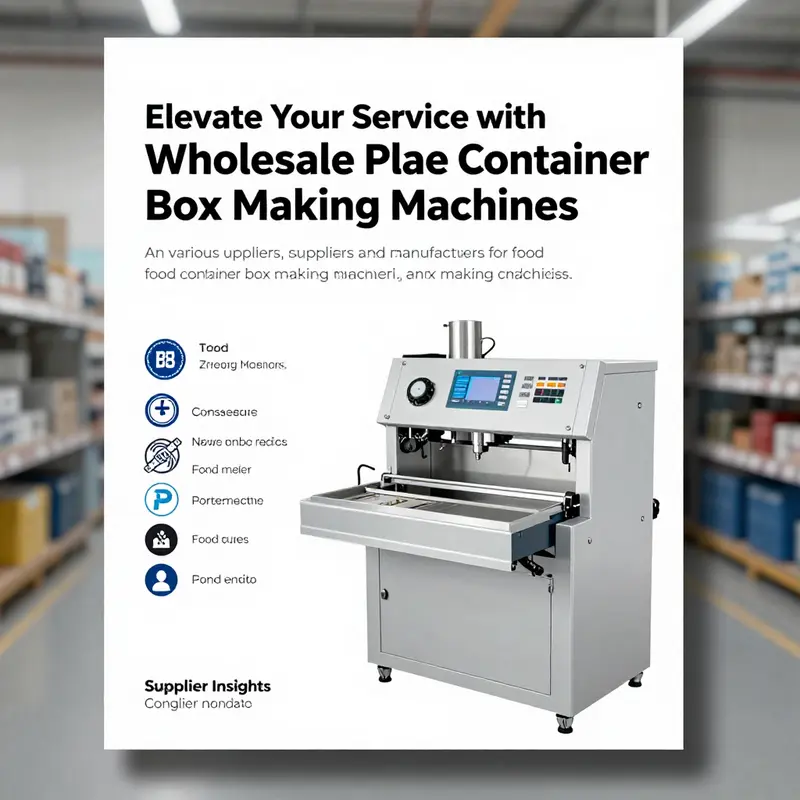
The demand for fast, hygienic, and sustainable packaging has become a defining driver of modern takeout and food-service operations. As brands seek to keep pace with rising order volumes while maintaining quality and a lower total cost of ownership, the choice of wholesale plate food container box making machines becomes more than a purchase decision; it is a strategic commitment to throughput, consistency, and long-term resilience. The landscape of these machines is populated by a spectrum of technologies and configurations, each designed to address different production needs, material compatibilities, and business scales. At the core of this landscape lie thermoforming systems, cartoning lines, and specialized equipment for aluminum foil trays, all of which can be integrated into a single production footprint or deployed as modular units across multiple facilities. Thermoforming remains the backbone for forming rigid plastic clamshells, trays, and plate-style shallow containers. These machines heat plastic sheets—commonly polypropylene, polyethylene, PET, or even biodegradable alternatives—and use vacuum pressure to pull the sheets into the desired geometry. In practice, a three-station or multi-station vacuum forming thermoforming line enables continuous production: forming, trimming, and cooling occur in sequence, with the potential for in-line features such as counting, sealing, stacking, and even integrated marking. The promise of high throughput comes with the need for robust tooling, precise mold design, and careful material handling to prevent defects that can ripple through the packaging line. In this context, buyers confront trade-offs between automation level, material compatibility, and the flexibility to shift quickly between product formats. A fully automatic, multi-station system can deliver impressive output, but it demands a deeper investment in mold sets, turnkey control software, and reliable after-sales service. For many manufacturers, the optimal choice sits along a continuum, where an efficient three-station thermoforming setup is paired with downstream cartoning or lid-sealing modules to create complete packaging solutions—clamshells, lids, and base containers all produced with synchronized timing. Prices in this space reflect not only the sophistication of the forming stations but also the reliability of the downstream equipment, the rigidity of the tooling, and the capacity for material changes without lengthy conversions. While basic or semi-automatic models can serve smaller outlets or pilot lines, scaling to regional or national distribution requires investment in automation, process control, and integrated maintenance regimes. In the same family of capabilities, cartoning machines wrap and fold paperboard or cardboard around food items, creating a protective shell that can be paired with thermoformed inserts or used to form entirely stackable, nestable packaging. For operators seeking to expand into sustainable packaging formats, the availability of eco-friendly cartons and recycled content options becomes a critical selection criterion, adding a layer of complexity to machine compatibility, die-cutting, and adherence to evolving environmental standards. A different but complementary track is the automatic aluminum foil tray line, which produces heat-resistant, durable takeout containers. These systems are well-suited to premium or specialty applications where product integrity under heat and extended service life is paramount. Similar to thermoforming and cartoning, aluminum foil tray lines demand careful attention to tooling, material handling, and downstream compatibility, especially when the goal is to create end-to-end packaging that minimizes waste and optimizes cooling and sealing performance. Across these machine families, a unifying thread is the commercial and logistical reality of procurement in a global market. The initial price band often reflects a combination of automation, capacity, and compatibility with a range of materials. Basic or entry-level configurations can start in the lower twenty-thousand-dollar range, while fully automatic and multi-station systems tailored for plastics can span into the six-figure territory. The practical reality, however, is that the total cost of ownership extends beyond the sticker price. Maintenance, spare parts, energy consumption, and downtime recovery all weigh heavily on long-term economics. In this light, buyers should not only appraise the immediate output of a machine but also the reliability of its support network. The supplier ecosystem for wholesale plate container box making machines is deeply rooted in regional manufacturing clusters, with China playing a pivotal role in global supply. Three provincial hubs repeatedly surface in supplier analyses: Guangdong, Fujian, and Shandong. Each region brings a distinct value proposition to different business models. In Guangdong, especially around manufacturing districts near major ports, the emphasis tends to be on high-speed automation, precision engineering, and seamless integration with digital manufacturing ecosystems. The appeal here is twofold: rapid prototyping and the capacity to scale within a well-connected logistics framework. For buyers aiming to compress lead times and accelerate time-to-market, the ability to coordinate large orders and to push products through a near-shupply chain trench can translate into meaningful competitive advantage. Fujian focuses on flexibility and mid-volume output, offering agile component supply chains and shorter lead times that are well suited for small to medium-sized enterprises and export-focused producers. The region’s ecosystem supports faster customization cycles, allowing customers to iterate on mold design, die-cutting profiles, and process parameters without incurring prohibitive delays. This flexibility helps businesses tailor their packaging lines to evolving product formats, seasonal demand, and regulatory requirements without committing to a heavy upfront investment in large-scale automation. Shandong, by contrast, is known for robustness and heavy-duty equipment designed to run at scale for long hours. Facilities in this region tend to emphasize uptime, durability, and the ability to sustain continuous operation—traits that align with large-volume food processing facilities and high-demand manufacturing environments. In practice, many operators complement automated thermoforming with durable downstream systems to ensure that high throughput is matched by reliable packaging quality. Buyers who anticipate steady, high-volume production often lean toward suppliers who can deliver complete lines with integrated control systems, standardized maintenance plans, and clear spare parts supply. Importantly, material compatibility remains a central consideration. The choice of plastic or biodegradable materials influences not only forming parameters but also cutting, trimming, and sealing strategies. Thermoforming lines must accommodate a range of sheet materials, from common polypropylene to PET and PLA-based bioplastics. Each material has distinct forming temperatures, shrinkage characteristics, and barrier properties. The ability to switch materials without extensive downtime is a crucial capability for manufacturers who must adapt to customer preferences or regulatory shifts. In addition, the shift toward sustainability has elevated the importance of recyclability and compostability. For managers charting a path to greener packaging, the ability to handle biodegradable films and to integrate recycling streams into the production cycle can reduce waste and diversify supplier options. That strategic nuance often shapes the decision to pursue modular equipment that can be upgraded or reconfigured as packaging standards evolve. On the operational side, effective supplier evaluation rests on a structured framework. Buyers examine four core dimensions: production capacity, technical flexibility, material integrity, and post-sales service. Production capacity is a straightforward metric but must be interpreted in the context of line efficiency, uptime, and the ability to support planned growth. Technical flexibility refers to how easily a line can switch between formats, profiles, and materials. In a market where a single facility may produce multiple box styles for different brands, this flexibility becomes a competitive advantage. Material integrity concerns not just the mechanical aspects of forming but the end product quality, including edge defect rates, flange accuracy, and seal strength. For operators who must maintain consistent performance across thousands of cycles, even small deviations in a box’s dimensions can cascade into handling issues in downstream packaging lines. Post-sales service ties everything together. A supplier’s willingness to provide commissioning, technical training, spare parts, and ongoing maintenance is often the deciding factor in total cost of ownership. This is especially true for buyers who operate across borders and rely on international vendors for parts and expertise. To illustrate the breadth of options in the market, consider the procurement journey as a blend of strategic planning and practical testing. Platforms that aggregate equipment offerings can provide a starting point, but direct engagement with suppliers is essential to validate capabilities such as mold design, die-cutting accuracy, and automation reliability. In many cases, buyers request sample units or pilot runs to assess performance before committing to a full-scale order. The availability of affordable sample units—sometimes as low as a few dollars per test piece—enables hands-on assessment of material behavior, cycle times, and finish quality. The economics of scale also influence decisions about minimum order quantities. While some suppliers quote MOQs at the level of a single set, others prefer larger commitments to justify tooling and logistics investments. This divergence reinforces the importance of negotiating terms that align with business plans, capacity, and risk tolerance. Beyond the mechanics and economics, the procurement story is framed by the broader ecosystem of online marketplaces and supplier networks. Major B2B platforms host thousands of options, provide product specifications, and enable cross-border transactions. Buyers are well advised to cross-check certifications, track records, and user feedback to reduce exposure to underperforming equipment or unreliable service. In practical terms, this means requesting ISO, CE, or equivalent compliance indicators, confirming warranty terms, and asking for references from similar production environments. A buyer’s due diligence should extend to the physical layout of the facility, the planned automation level, and the ability to integrate new machines with existing control architectures and ERP systems. The strategic value of a well-chosen machine line grows over time as the packaging program expands. A line that can accommodate additional lids, inserts, or nested packaging configurations without retooling can sustain throughput in the face of product diversification. It can also simplify maintenance scheduling, as common components and spare parts reduce the risk of extended downtime when replacements are needed. In this regard, the supplier’s in-house capabilities for die-cutting, mold design, and prototyping can yield faster turnaround and tighter fit-for-purpose outcomes. A standout capability for sophisticated buyers is integrated silk handling and printing options, which enable branding directly on packaging components and help streamline downstream processes. While these capabilities are impressive, they underscore the need for careful alignment between marketing goals and production realities. Packaging aesthetics, color fidelity, and durability must be balanced with cycle times, material costs, and the stability of the finished product under transport and heat. The procurement journey is thus as much about culture and collaboration as it is about machines. Buyers who cultivate transparent communication with suppliers—sharing product specifications, anticipated volumes, and quality benchmarks—tend to achieve smoother rollouts and fewer bottlenecks. This collaborative posture also helps when navigating the often complex logistics of cross-border sourcing, including import duties, lead times, and after-sales service coverage. In this sense, the supplier landscape, while rooted in manufacturing capability, is ultimately about partnerships that sustain performance over the life of the equipment. To bring these ideas into sharper practice, consider a practical example that illustrates the breadth of options without naming specific product lines. An enterprise planning to scale a mid-size takeout operation must select a thermoforming line capable of producing a family of containers in several sizes, with compatible downstream modules for sealing, stacking, and edge finishing. The system should support at least two material families, enabling a switch from standard PP to a biodegradable option when requested by a client. The supplier should offer a clear service package: onboarding training, installation support, on-site maintenance, and a defined spare parts program with readily available stock. The ability to test formats quickly, with a designed pilot program, can shorten the path to full-scale production and help validate ROI early in the engagement. In such decisions, the regional strengths discussed earlier matter. Guangdong’s expertise in rapid integration and high-speed lines can help a business move from pilot to large-scale production with minimal disruption. Fujian’s nimble ecosystem supports customization and fast iterations when the product mix evolves. Shandong’s durability-focused equipment can anchor a long-running operation where uptime is the top priority. Acknowledging these regional profiles helps buyers calibrate expectations, plan capital expenditure, and design a supply chain that respects both speed and stability. When formulating a sourcing strategy, it is useful to reference the broader market data available on reputable platforms. These channels list thousands of options, with price ranges and MOQ guidelines that provide a reality check for budgeting and negotiations. While the landscape is rich with opportunity, it also demands disciplined evaluation criteria and a candid assessment of operational goals. For readers who want to explore verified suppliers and contemporary specifications directly, a widely used marketplace channel aggregates a broad set of options and provides access to product sheets, customer reviews, and secure transaction options. For a practical entry point into the supplier universe, you can start with a search for wholesale food box making machines, and you will encounter a spectrum of configurations, from compact, single-function machines to comprehensive lines designed to produce molded containers in multiple sizes and materials. As you navigate this space, a simple test of the market is to request detailed quotations that itemize forming stations, mold configurations, downstream accessories, and service terms. The ability to compare apples with apples—through consistent specifications and documented performance data—will greatly improve the credibility of each proposal and reduce the risk of misaligned expectations. In all of these considerations, a simple but powerful heuristic emerges: prioritize suppliers who can demonstrate end-to-end readiness, with an ability to deliver improved process control, consistent quality, and reliable after-sales support. This triad—throughput, quality, and service—often determines the long-term success of a packaging program in an increasingly competitive market. To make the search tangible, consider bookmarking a representative entry point that provides access to verified suppliers, detailed product specifications, and secure transaction options. This resource is designed to be a practical starting point for B2B buyers seeking wholesale plate container box making machines and related equipment. For readers who want a tangible example of the broader packaging ecosystem, the linked resource exemplifies the kinds of supplier networks that underpin modern takeout packaging operations and supports informed decision-making across design, procurement, and production. If you wish to explore further, you can consult the external resource listed at the end of this chapter for a comprehensive overview of verified suppliers and current pricing trends. As a final note, remember that the journey from concept to production is iterative. The best outcomes come from a deliberate blend of market insight, technical capability, and collaborative partnerships that span suppliers, manufacturers, and customers alike. A well-structured approach to evaluating automation level, material compatibility, customization potential, and post-sales service will help you select a machine line that not only meets today’s demands but adapts to tomorrow’s packaging innovations. Internal links can anchor this broader narrative within your ongoing content strategy. For instance, a practical example of eco-friendly packaging options—such as kraft paper bowls that complement sustainable lineups—can be found in case-ready content that highlights design and material choices in wholesale packaging. See the related resource here: disposable kraft paper bowls. This reference provides concrete context for how packaging components can align with machine capabilities, from die-cutting and mold design to printing and finishing that reinforce a brand’s sustainability story. In closing, the path to scalable, reliable, and cost-effective plate container production is less about chasing a single best machine and more about assembling a capable, adaptable production system. The chapters ahead will continue to unfold how such systems integrate with packaging design, supply chain coordination, and market trends to deliver consistent value for manufacturers and their customers. External resource: Alibaba shows a broad selection of wholesale food box making machines, with details on specifications, pricing, and supplier profiles. https://www.alibaba.com/showroom/food-box-making-machine.html
Final thoughts
In conclusion, investing in wholesale plate food container box making machines is critical for businesses in the food sector looking to innovate and stay competitive. By understanding the various types of machines available—thermoforming, cartoning, and aluminum foil tray making—you can equip your shop, restaurant, or catering service with the right tools to meet growing consumer demands. Staying ahead means choosing the right suppliers and optimizing operations for efficiency and sustainability. The opportunity to enhance your service with these machines is within reach; don’t miss out on the potential to elevate your business.