
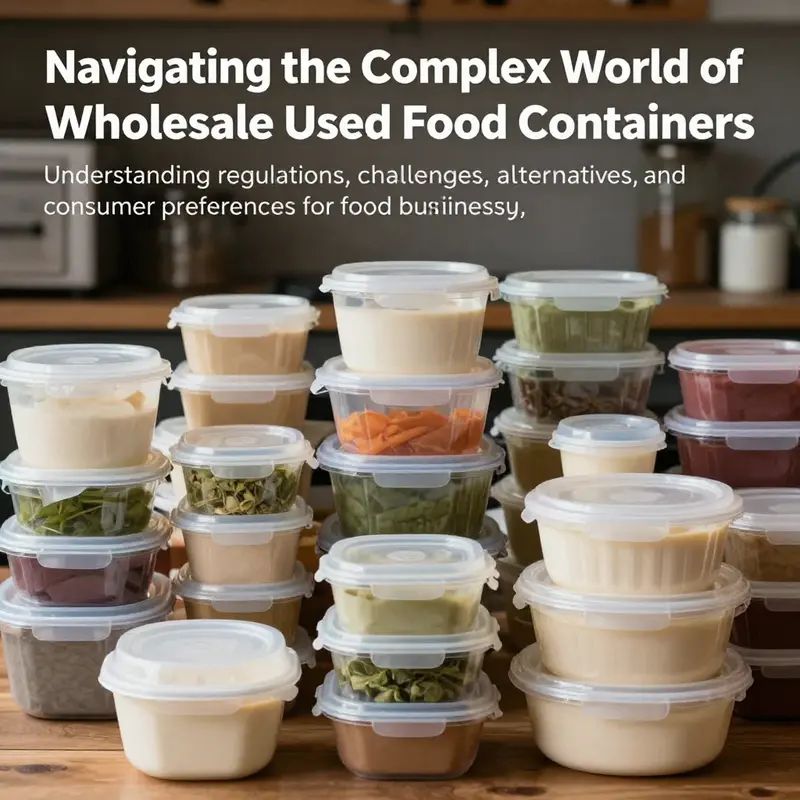
The food and beverage industry is constantly evolving, with businesses seeking cost-effective and sustainable solutions. While the idea of wholesale used food containers may seem appealing due to potential cost savings, the reality is filled with complexities related to food safety and legal compliance. This article explores key considerations such as regulatory frameworks surrounding food safety, the current state of the market for used containers, viable alternatives that adhere to eco-friendly principles, and how consumer preferences shape industry practices. Each chapter will provide vital insights that contribute to a holistic understanding of the challenges and opportunities in the realm of food container procurement.
在法规边界上交易:批发二手食品容器的法律框架与合规之路
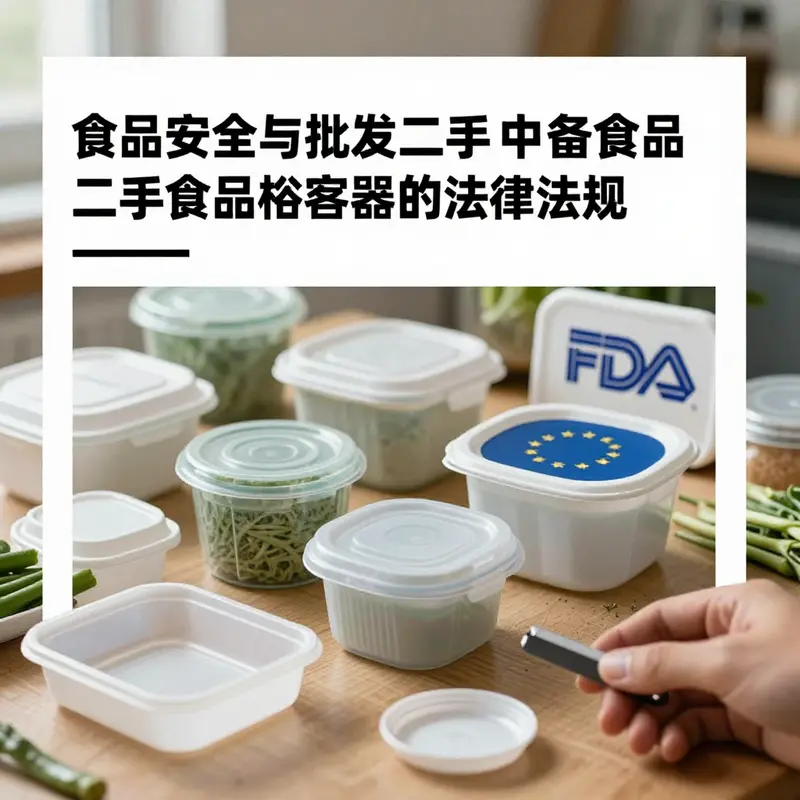
批发市场常以成本效益和供应稳定性为驱动,但在“二手食品容器”这一细分领域,法规与卫生标准像一道不可逾越的门槛。对于追求低成本的采购方来说,二手容器似乎提供了一条看似直线的成本缩减路径;但从实际操作与法律合规的角度来看,这条路并不直达目标,而是充满了风险与责任。本文在对现有研究材料的梳理基础上,试图用一个统一的叙事把现状、法律框架、合规路径以及可行的替代方案串联起来,呈现一个在食品安全优先原则下的批发实践图景。围绕“批发 used food containers”的核心议题,法律与监管成为 Chapter 的主线,而成本、流程与可追溯性则是需要企业共同承担的日常难题。\
核心规则首先来自食品安全法及其配套规定对食品接触材料的基本要求。无论容器是新料还是二手,必须具备安全无害、易于清洁、能够满足食品接触的温度与物理条件,以及在流通过程中防止混装或污染的能力。这些原则并非针对某一材料类别设定的特权,而是对任何进入食品供应链的包装材料的底线要求。换言之,二手容器在制度层面并不享有“特殊豁免”,它们能否进入市场,取决于是否能在源头、加工、运输和再加工各环节实现全流程的可控性与可验证性。\
在“二手容器”的特殊语境下,法律的关注点聚焦于来源、状态与处置链条的透明度。核心要点不是简单的再使用,而是来源合法、物理状态完好、化学残留可控、清洗消毒符合食品安全标准,并且具有可追溯性。对批发企业而言,最直接的风险点在于若二手容器来自未知或不合规的渠道,或曾用于存放有害物质,即便经过清洗也可能留存不可清除的污染物,最终导致食品安全事件。这也是为何许多监管框架强调对二手容器的严格审查与可追溯制度的建立。\
更具体地讲,批发企业需要执行一系列严谨的内控流程。首先是来源审查,确保容器来自合法渠道并具备可验证的来源证明。其次是状态评估,任何存在物理损伤、裂纹、残留物或污染物的容器都应被剔除出市场。再次是清洗与消毒,只有在经过符合食品安全标准、并可验证的清洁过程后,容器才有机会进入下一阶段的再加工或再分配。不可混装的原则也同样适用于二手容器;如果其在一个批次中曾被用于非食品领域的物质,须有严格的分离与再认证路径。最重要的是,批发企业要建立完整的记录体系,将采购来源、检查结果、清洗消毒凭证、批次信息以及验证报告逐条留存,以实现对整条供应链的可追溯性。\
在规范性文本的框架内,2025 年修订的《中华人民共和国食品安全法》对违规行为的惩处力度明显增强,这对批发市场的合规性提出了更高要求。若涉及未获许可的运输、虚假或伪造的清洗凭证,以及未履行查验义务,监管机关可以实施高额罚款乃至其他行政或刑事责任。对二手容器的监管并非简单的“禁令”,而是强调合规证据的建立与维护,并要求企业在批发环节中以可追溯的方式证明所用容器的安全性。换句话说,合规的二手容器批发并非完全不可行,但其前提条件是建立透明、可验证的供应链和严格的操作规范。\
与此同时,实践层面的现实情况也在提醒行业:正规市场上并不存在一个广泛推荐的“ wholesale used food containers”市场。原因并非单一标准,而是包括卫生、品牌信誉、法律合规、质量可控性及消毒工艺等多方面的综合考量。二手容器的来源多样且难以统一评估,跨区域流通往往还涉及不同法域的合规性要求。通过对法规文本的解读,可以看出,任何试图将二手容器作为商业性食品包装的行为,若不能提供充分且符合标准的证据,实施起来就会触及违法边界。这也是行业普遍的共识:严格的前置审查、持续的清洗与再消毒、完整的批次和检验记录,是避免风险的核心。\
在此基础之上,行业也在探索合法且可持续的替代路径。对很多企业而言,降低成本与提升环保性之间的平衡点往往落在选择可重复使用的全新容器与可降解、可堆肥的包装材料之间。可重复使用的食品容器,若选用高质量材料并设计以便长期耐用,可以在使用周期上显著降低单位包装成本,同时降低环境压力。与此同时,市场上也出现了大量以可降解材料为基底的一次性包装产品,这些材料在生产阶段即强调可持续性,并且声称在废弃环节具备较好的生物降解性或堆肥性。对于企业而言,重要的是在采购时明确材料的食品接触安全标准、认证体系、回收与处理方案,以及是否存在特定的出口或国内市场认证要求。若要在现有框架内实现成本优化和绿色转型,企业应更关注材料的耐用性、回收路径与品牌合规性,而非追逐暂时性的低价二手选项。\
在描述替代方案时,需关注的是可行性与合规性的一致性。比如,一些企业可能会通过定制化的全新包装来实现品牌统一性和成本控制,同时确保符合 FDA、EU 1935/2004 等国际标准,以及国内法的相关规定。这类解决方案往往能够提供可追溯性、稳定的清洁、以及更高的品牌信任度。若企业需要引导采购流程的改造,参考具体的批发采购页面和信息资源,可以让决策者在成本、合规与供应稳定之间做出权衡。此处给出一个可参考的外部线索,帮助读者了解市场中合规、可追溯的一次性包装选项及其批发销售模式,作为替代路径的直观案例:disposable-700ml-kraft-paper-bowl-take-out-octagonal-rectangle-paper-bowl。通过对该类产品的理解,采购方可以在不触及二手容器风险的前提下,获得比较明确的合规性和环境友好性。这一路径并非简单的替代,更是一种将成本、合规与品牌价值整合的现代包装策略的体现。\
从合规路径的实际落地来看,企业需要建立系统的采购与审核机制。第一步,明确采购目标与法域适用范围,确保所有操作在国内法规框架内进行。第二步,建立供应商资格审查流程,确认供应商具备合法资质、清洗与消毒能力、以及可提供相应的检测或验证报告。第三步,设立入厂检验与出货验收制度,对每批次的容器进行外观、材质、耐温性能等检查,必要时进行微生物与化学残留检测。第四步,完善批发记录与可追溯性体系,记录包括供应商资质、容器来源、批次、清洗消毒流程、检测报告等信息,以便在发生问题时实现快速溯源。第五步,建立应急处置机制,一旦发现安全隐患,能够迅速回收、处置并向监管部门报告,确保供应链的透明度与可控性。这些步骤并非仅仅应对合规要求,更是企业对消费者健康与市场信誉的一种长期承诺。\
在叙述合规路径的同时,还需呼应与前文同样重要的理念:可持续发展与合规并非对立面,而是相互促进的双轮驱动。对于批发市场而言,建立一个以安全为底线、以透明为前提、以可追溯性为保障的流程体系,是实现长期成本控制和品牌信任的关键。企业在评估成本结构时,应将潜在的违法风险、召回成本以及信誉损失等隐藏成本计入总成本模型之中。这种思维方式有助于从根本上改变采购文化,从“追求最低价”转向“追求可控风险下的最优性价比”。\
在未来的行业演进中,法规的动态性也不应被忽视。随着全球市场对食品接触材料安全标准的不断更新,企业需要持续关注监管变化、检测方法的更新以及跨境贸易的合规要求。对企业而言,建立一个与法规同频的内部合规文化,比单纯依赖外部合规证书更为重要。这要求采购、法务、质量控制等职能部门密切协作,将法規变动快速转化为内部操作规范的更新。只有在这种共同演进的模式下,才可能在成本、合规与可持续性之间找到稳健的平衡点。\
外部资源与进一步阅读将有助于读者把握法规的最新动向与实际操作细节。对于那些需要了解官方法规文本及监管要求的读者,推荐对中华人民共和国食品安全法及其配套规定进行系统化梳理,以便在实际采购中实现“证据驱动的合规性”。此外,读者也可以参阅上述可替代的包装解决方案页面,以获得关于可持续包装的实际案例与供应选项的洞察,这些信息对企业在合规框架内进行成本优化与品牌升级具有直接的启发作用。最后,关于法规的权威解读与最新修订,读者应以官方发布为准,确保在快速变化的监管环境中采取与之相符的采购策略。外部阅读链接在文末列出,便于快速查阅。\
外部参考链接(权威法规文本与解读): 进一步阅读中华人民共和国食品安全法(2025 年修订)以获取对食品相关容器的最新监管要求与合规要点。
null
null
From Compliance to Circularity: The Rise of Wholesale New Eco-Friendly Food Containers
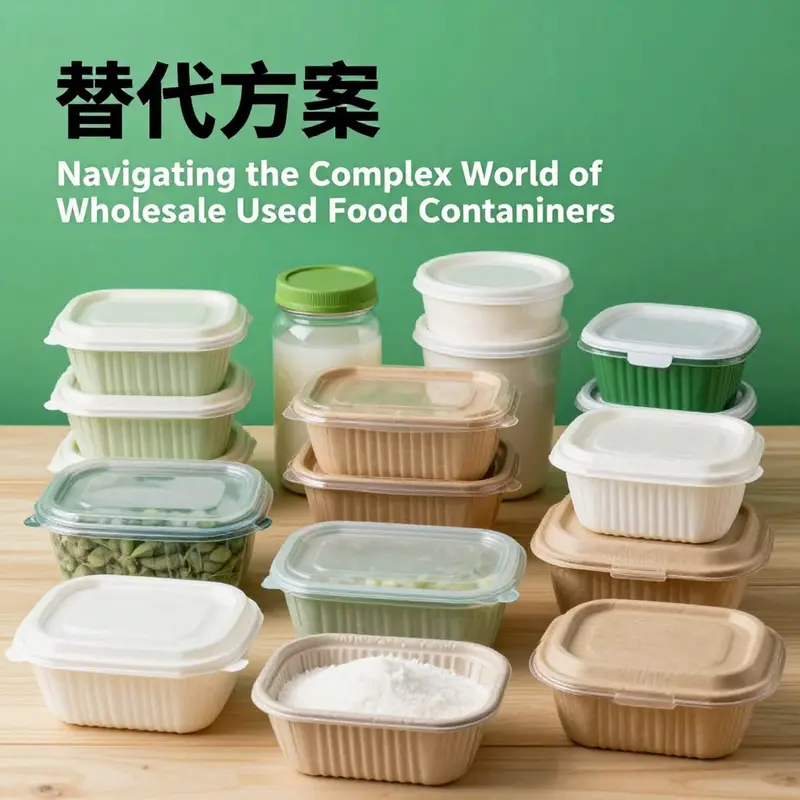
The wholesale conversation around packaging has shifted decisively from a focus on cost alone to one that places environmental responsibility and regulatory alignment at the center of decision making. In the realm of wholesale procurement for food services, the choice landscape is expanding beyond the familiar realm of brand-new packaging that simply meets basic safety standards. Today, many operators are embracing wholesale streams of new, eco-conscious containers as a centerpiece of their sustainability strategies. This shift is not merely a reaction to public concern about waste; it reflects tangible signals from policymakers, retailers, and diners who increasingly judge a business by the fingerprints it leaves on the planet. In practice, wholesale buyers are seeking a reliable supply of containers that are not only compliant with food contact safety requirements but also aligned with ambitious environmental goals, brand narratives, and resilient supply chains. The momentum is clear: the market is tilting toward wholesale new eco-friendly containers as a core capability, rather than a peripheral option, for those who want to balance operational efficiency with responsible stewardship.
The first driver of this trend is the diversification of materials and the accompanying technology that makes eco-friendly options more viable at scale. Paper pulp molding has grown from a niche choice to a mainstream alternative in many sectors. This approach uses plant fibers and a heat-press process to form sturdy, oil-resistant, and heat-tolerant vessels that can serve hot meals without compromising functional performance. The natural advantage here is a material that behaves much like traditional plastics in the kitchen while opening a clear pathway to compostability under appropriate industrial or home composting conditions. While not all pulp-molded options are equally rapid in their decomposition, many are designed to degrade faster than conventional plastics and to leave fewer residues behind. Alongside pulp molding, biodegradable and bio-based plastics—such as those derived from corn or sugarcane—offer high clarity and strong shaping capabilities, particularly for cold or ambient-temperature foods. These materials tend to command a premium, but buyers are increasingly willing to shoulder the premium if the packaging complements transparent labeling, traceability, and a credible environmental narrative.
Aluminum and steel containers have also gained renewed attention in wholesale channels. The appeal of metal lies in its performance longevity and recyclability. In many cases, metal packaging offers a longer shelf life and superior barrier properties, making it a practical option for cold beverages, ready-to-eat meals, and shelf-stable products that require dependable containment. The prospect of a closed-loop recycling system strengthens the business case for metal, as do consumer expectations around premium presentation and brand consistency. In sectors where premium look and feel matter—such as certified organic or premium ready-to-eat offerings—metal substitutes for plastic can reinforce a message of quality and responsibility. Glass remains a steadfast option in contexts where a high-end, inert packaging experience is essential, although its weight and fragility pose logistical challenges that buyers must manage with careful supply chain planning.
The ongoing expansion of fiber-based packaging—particularly molded fiber products and paperboard laminates—reflects a broader industry commitment to sustainable composition and end-of-life options. Fiber-based containers can perform impressively in hot-fill, oil-rich, and fatty foods when designed with appropriate coatings and barrier properties. The public perception of fiber as a renewable, compostable solution helps brands distinguish themselves in a crowded market while meeting stricter environmental regulations that either limit or ban certain single-use plastics. For wholesale buyers, the key is to balance performance with cost, ensuring that the chosen fiber-based formats align with expected demand, retail channels, and the lifecycle expectations of customers who demand clear recycling or composting instructions.
A parallel thread in this narrative is awareness of regulatory pressures and green-supply-chain expectations that have become de facto purchasing criteria. Governments and regional authorities continue to tighten plastic usage policies, with many places introducing or strengthening ban lists, standards, and incentives aimed at reducing single-use plastics. Wholesale buyers increasingly look for packaging that not only passes safety tests but also demonstrates a credible environmental profile through recognized certifications. Certifications and standards—ranging from environmental management systems to forest and material-sourcing credibility—are now used as decision aids in supplier selection. In practical terms, this means asking for traceable material origins, verified supply chains, and third-party assessments that reassure customers and retailers alike that the packaging aligns with broader corporate sustainability commitments.
The move toward wholesale eco-friendly containers also reflects a broader strategic shift in how buyers approach procurement. A growing trend is to treat packaging as a solution rather than a sum of parts. Rather than simply purchasing containers in bulk as a static cost, forward-thinking operators are investing in a packaging ecosystem that includes data, design, and supplier collaboration. Digital tools that provide real-time inventory visibility, order forecasting, and lifecycle analysis enable teams to plan more accurately, minimize waste, and tailor packaging choices to market segments. Customization—where brands can imprint logos, colors, and messaging onto eco-friendly formats—is increasingly seen as a value-add that can strengthen consumer engagement without compromising sustainability goals. The digital thread also supports end-to-end traceability, allowing brands to document the lifecycle of a container from production to deployment to end-of-life, which is particularly important for retailers who must demonstrate due diligence to customers and regulators.
Within this ecosystem, a practical and increasingly common option is wholesale delivery of fully new, eco-friendly containers that are ready for immediate market use. Such offerings typically emphasize that while the packaging is new, its material base and finish are chosen to minimize environmental impact and to comply with globally recognized food-contact safety standards. The appeal is straightforward: operators can scale quickly, maintain consistent quality, and project a credible green image to customers who crave transparency about packaging choices. Importantly, these wholesale solutions are not about replacing safety with sustainability; they are about harmonizing both aims—ensuring food safety, consumer health, and environmental responsibility in one cohesive package. When shopping for wholesale eco-friendly containers, buyers weigh factors such as heat resistance, oil resistance, barrier properties, and tear strength, all while evaluating the supplier’s record on responsible sourcing and waste management.
A practical consequence of this wholesale shift is the emerging preference for packaging that can support a genuine circular economy without sacrificing convenience or performance. The idea of a true circular system—where containers are designed for reuse, strong end-of-life processing is available, and return or take-back programs are feasible—appears increasingly in strategic planning, even as many operators still rely on single-use formats for certain channels. The compromise, where needed, is to implement durable, reusable containers for high-frequency use in catering or delivery services, combined with compostable or highly recyclable options for one-off meals or events. In many cases, the wholesale approach integrates both worlds: durable, reusable options for ongoing use in a given venue, and serviceable, eco-friendly disposables for peak demand or seasonal spikes. This blended model helps businesses manage risk, optimize logistics, and uphold a consistent sustainability narrative across all customer touchpoints.
For organizations exploring these options, a concrete example of wholesale eco-friendly capacity is seen in the availability of disposable kraft paper bowls and other fiber-based serveware. While the exact product mix varies by supplier and region, the underlying trend remains consistent: a scalable, ready-to-deploy line of eco-conscious containers that can be customized to reflect a brand’s environmental story. These items illustrate how a wholesale strategy can pair practical performance with green credentials, offering a credible path for kitchens and retailers seeking to reduce plastic use without compromising operational efficiency. To give readers a tangible sense of how this looks in practice, one can explore wholesale listings that feature kraft-paper-based takeout bowls and related fiber products. Such items often highlight features like oil resistance, heat tolerance, and straightforward disposal or composting pathways, making them a pragmatic bridge between daily operations and longer-term sustainability goals. In the broader sense, this approach shows how the industry is moving toward a more intentional packaging portfolio—one that treats sustainability as a driver of efficiency, rather than a cost center to be managed at the edges of procurement.
The emergence of these wholesale eco-friendly options is also supported by a broader shift toward standardized green credentials in the supply chain. Brands and retailers are increasingly seeking packaging that can be verified through certifications and stakeholder audits. The alignment with recognized environmental management frameworks and forest-and-material-sourcing standards helps create a cohesive narrative for customers who want to see evidence of responsible procurement. The result is not only a more credible environmental footprint but also greater resilience in the face of policy changes and supply disruptions. When suppliers can demonstrate consistent quality, traceability, and ethical sourcing, buyers gain confidence to scale their use of eco-friendly containers across multiple channels—from dine-in and takeout to retail packaging and food service deliveries.
This evolving landscape also invites a consideration of how to extend the value of wholesale eco-friendly containers beyond mere compliance. Brands that embed sustainability into their packaging choices often discover improvements in customer loyalty and perceived brand value. The choice of eco-friendly formats can signal a company’s long-term commitment to responsible business practices, which in turn resonates with audiences who prioritize environmental stewardship. Moreover, the flexibility of wholesale channels supports experimentation with new formats and coatings that further enhance performance while maintaining eco-credentials. For example, suppliers can offer different barrier breakthroughs or coatings that optimize moisture management and product integrity, enabling a wide range of foods to be packaged in eco-friendly vessels without compromising shelf life or taste. This convergence of performance and principle is at the heart of the wholesale new eco-friendly container movement—an approach that recognizes that sustainability is not a trade-off but a strategic enabler of growth.
To bring a concrete, actionable thread into the narrative, consider the practical pathway a food-service operation might follow when embracing wholesale eco-friendly containers. Start with a review of core menu items and service channels to identify which packaging formats offer the best balance of performance and environmental profile. Engage with suppliers who can provide full documentation on material composition, sourcing, and end-of-life options, and request samples to assess real-world performance. Run a pilot across a subset of outlets, tracking metrics such as waste diversion, return rates where applicable, and customer feedback regarding packaging. Use this data to adjust the mix of materials over time, while maintaining the capability to scale as demand grows. In parallel, develop a supplier collaboration plan that emphasizes continuous improvement, transparency, and shared responsibility for lifecycle outcomes. When these pieces come together, wholesale eco-friendly containers become more than a purchase decision—they become a foundational element of a brand’s sustainability mission and a durable lever for long-term competitive advantage.
As a closing note, readers should view wholesale new eco-friendly containers not as a single product line to be added, but as a holistic approach to packaging strategy. It’s about building a supplier ecosystem, a data-informed procurement process, and a clear environmental narrative that customers can trust. The bulk supply of new eco-friendly packaging, paired with thoughtful design and lifecycle thinking, can unlock efficiencies, reduce risk, and reinforce a company’s commitment to a resilient, low-impact future. For readers seeking a concrete example of wholesale kraft paper-based options, exploring discretely the markets that offer disposable kraft paper bowls in bulk can provide a tangible starting point. disposable kraft paper bowls wholesale This approach anchors the broader discussion in practical reality while preserving the strategic emphasis on safety, sustainability, and scalable impact. External resources support this direction as well, highlighting how eco-friendly product categories are gaining traction in e-commerce and retail contexts, reinforcing the value of wholesale investments in green packaging. For further reading on how eco-friendly packaging trends translate into e-commerce growth and consumer demand, refer to external insights on the topic.
External reference: Shopify insights on eco-friendly products for ecommerce, which outlines the growth potential and consumer preferences driving green packaging decisions (https://www.shopify.com/insights/eco-friendly-products-for-ecommerce).
Value, Trust, and the Question of Salvage: Consumer Preferences in the Realm of Wholesale Used Food Containers
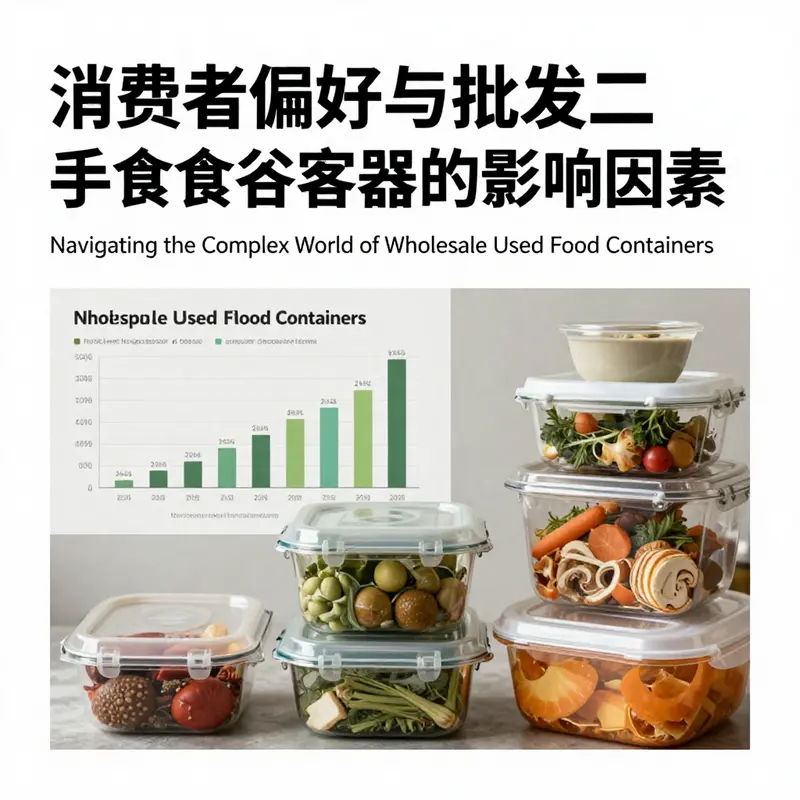
In markets that move with the tempo of supply chains, the idea of wholesale used food containers sits at a curious crossroads. On one side, there is a legitimate hunger for cost reductions and circular economy narratives; on the other, a wall of safety, hygiene, and regulatory standards that makes the formal wholesale market for used food-contact packaging elusive, if not non-existent. The research landscape mirrors this tension: mainstream platforms emphasize new, food-contact–compliant packaging made from plastics, glass, metal, or paper, all designed to meet stringent safety certifications. Yet consumer culture, packaging technology, and sustainability discourse are quietly shifting the ground beneath those standards. The result is a chapter of market behavior where the question of salvage is tempered by the weight of trust, traceability, and the realities of what it means to handle packaging that will touch food. This is not merely a procurement dilemma; it is a window into how modern buyers weigh cost against safety, how they interpret brand responsibility, and how the packaging ecosystem negotiates value in an era of heightened transparency.
The most salient thread weaving through consumer behavior today is a move away from sheer price as the sole determinant of value. Demographic shifts—the aging population, the rise of smaller, multi-person households, and a growing cohort of value-conscious, emotionally intelligent shoppers—produce a demand signal that favors products and processes aligning with long-term usefulness and responsible sourcing. This trend aligns with the broader dynamic described by leading market observers: consumers are increasingly guided by emotional value, practical utility, and a credible story about sustainability rather than by price alone. In other words, the decision calculus for packaging is no longer a simple equation of cheapest versus best quality. It now includes considerations of how packaging communicates a brand’s ethics, how much waste is created, and whether a product contributes to a more circular economy. When viewed through this lens, wholesale used containers become more than a cost-cutting option; they risk becoming a reputational liability if they do not clearly meet safety expectations and if their provenance remains opaque.
From a behavioral perspective, the repurposing impulse—an appeal to environmental stewardship—appears most robust in contexts where risk is minimized and outcomes are predictable. People want to feel that their purchases reflect a rational calculus of value: not wasteful spending, but prudent use of resources with clear assurances about safety. The literature on consumer preferences in sustainability contexts emphasizes three pillars: environmental impact, price-to-performance ratio, and trust. The first pillar—environmental impact—has become a baseline expectation for many buyers, particularly in food service and retail supply chains that present themselves as responsible to customers and communities. The second pillar—price-to-performance—remains critical, but it is increasingly nuanced. Buyers are willing to pay a slight premium for containers that last longer, perform better under heat and cold stress, or offer superior barrier properties. The third pillar—trust—has perhaps become the most decisive. In any exchange involving food-contact materials, buyers demand documentation, third-party verification, and clear indicators of cleanliness and suitability for reuse or resale. When these elements are absent or unclear, the allure of “cheap” recedes as quickly as a sour note in a tasting panel.
The reality of wholesale used food containers, however, is constrained by safety and compliance. The risk calculus is not hypothetical; it is embedded in legal frameworks, health guidelines, and audit-driven procurement processes. Even if a container has been cleaned, residuals, micro-contaminants, or unseen wear can complicate compliance with food safety laws and international standards. Conversely, the cost savings from reusing or reselling containers that once held food substances are overshadowed by potential liability and the costs of verification, sanitation, and certification. In practical terms, the market has not crystallized into a formal, scalable wholesale ecosystem for second-hand food-contact packaging. The absence is not a failure of demand, but a testament to the magnitude of risk management required to guarantee safety across diverse food operations, from street food vendors to large-scale catering.
Yet the conversation around wholesale used containers is not a call to abandon reuse. It is an invitation to reimagine what responsible reuse might look like within a controlled, transparent, and certifiable framework. Reuse can exist; it simply must be embedded within a closed-loop system that ensures traceability, rigorous cleaning protocols, and verification of material integrity. In the absence of such a system, the consumer-facing narrative about sustainable packaging tends to elevate new, high-quality, reusability-friendly options—sturdy containers that endure repeated use, and packaging solutions designed for longevity rather than for single-use discard. This reframing does not negate the appeal of savings from second-hand options; it simply relocates the focal point from a broad, informal salvage market to a formalized, auditable approach to reuse.
In the meantime, the industry has strong incentives to steer buyers toward alternatives that satisfy both cost constraints and safety expectations. For businesses seeking to lower packaging costs while preserving safety and brand integrity, several paths are increasingly compelling. First, durability and reusability can be prioritized in new products. Containers crafted from robust materials—where the lifecycle cost is reduced due to extended use—can deliver long-term savings and cut waste without compromising safety. Second, the market for more sustainable disposable options remains vibrant. Biodegradable or compostable packaging options, especially those rooted in agricultural byproducts or recycled fibers, offer a way to reduce post-use environmental impact while meeting regulatory and consumer expectations for cleanliness and safety. These solutions give brands an opportunity to market their packaging as part of a broader environmental promise, rather than as an afterthought to product quality.
Third, customization emerges as a lever for value creation. The ability to tailor packaging to brand aesthetics, functional requirements (such as stackability, microwave safety, or leak resistance), and consumer experience can foster a stronger brand narrative and greater willingness to invest in packaging that signals quality. In practice, this means partnering with manufacturers that can deliver bulk orders of new, compliant packaging at scale, while offering design flexibility that aligns with brand identity. A practical route in this direction is to explore legitimate, safe packaging options that are designed for reuse or extended single-use life cycles. For instance, there is growing interest in high-quality, durable materials that support repeated use in controlled environments, or in compostable options that minimize end-of-life waste. When packaging communicates care for the user and the environment, customers are more likely to perceive value in the product itself, which can offset higher upfront costs and reduce resistance to investing in safer, more sustainable choices.
A practical route in the conversation about second-hand options is to consider a targeted, safety-focused approach to salvage. Rather than pursuing a broad wholesale market for used containers, buyers can look for sources that implement rigorous cleaning, material testing, and documentation. These are the elements that elevate a salvaged item from a hazardous curiosity to a compliant part of a modern supply chain. Importantly, the emphasis on safety does not preclude innovation or sustainability; it reframes reuse as an opportunity to demonstrate responsible procurement, not as a shortcut that sidesteps regulations. For buyers, this means that any conversation about salvage must begin with transparency—clear provenance, explicit material composition, and independent testing results—before any price advantage is weighed against risk. In such a setting, the value proposition becomes less about the price tag and more about the total cost of ownership, including potential liabilities and the time needed for verification.
To reference a concrete pathway, consider the possibility of safe reuse within a closed-loop system. Large food-service operators and institutional kitchens can design programs where containers are owned by the operator, cleaned to standardized norms, and tracked through digital certificates of sanitation. In this model, the container is not a market commodity but an asset managed under strict quality control. The advantage is clear: it preserves the potential cost savings of reusing high-grade containers without compromising safety. It also creates a credible story for consumers, who increasingly value transparency in the journey of their food—from farm to fork and back again to a cleaned, ready-for-use container. In such scenarios, the packaging becomes part of the brand’s promise, rather than a forgotten afterthought in the supply chain.
For buyers who are exploring cost-effective packaging while maintaining high standards, the literature suggests coupling the strongest aspects of reuse philosophy with the most robust forms of packaging technology. This means favoring materials with well-documented safety profiles, sources with traceable supply chains, and packaging that withstands repeated use without degradation of barrier properties or aesthetics. It also involves embracing design for durability, easy cleaning, and modularity, so that containers can be refurbished rather than discarded. Such attributes convert packaging into a durable asset rather than a disposable commodity, aligning with a consumer culture that prizes value and responsibility in equal measure. It is also worth noting that consumer expectations around packaging experience—how a product feels when unboxed, the sensory cues of material quality, and the story a package tells about a brand—have become pivotal. A well-considered package can elevate perceived value and brand trust even when the product itself sits at a moderate price point. In fact, the unboxing moment has become a social signal, a cue of quality and care that resonates with customers who are sensitive to both value and ethics.
As buyers navigate this landscape, a practical question arises: how to maintain the balance between cost, safety, and brand experience when discussing wholesale used containers? The answer lies in a continuum of options rather than a binary choice. On one end is the careful, certified salvage route—containers that are cleaned, tested, and documented to meet food-contact safety standards, offered in limited volumes or within a closed-loop program. On the other end lies a broader adoption of new, sustainable packaging solutions designed to optimize lifecycle costs, consumer satisfaction, and environmental performance. Between these poles, there is room for innovative procurement strategies that leverage high-quality, customizable new packaging while exploring smarter reuse policies within regulated ecosystems. And in that middle ground, the need for rigorous supplier qualification, standardized cleaning protocols, and transparent documentation becomes non-negotiable. In short, consumer preferences push for value that is more than price; they demand packaging that is trustworthy, traceable, and aligned with a modern environmental ethos.
For readers who want a tangible sense of how the market is currently structuring these choices, there is a growing corpus of wholesale offerings that highlight new, compliant packaging designed for scale, with design flexibility and sustainability features built in. One pathway worth exploring is to consider new-design kraft paper take-away bowls with lids, which illustrate how biodegradable or recycled-content options can meet modern expectations for both function and environmental responsibility. For reference, see this example of wholesale packaging that showcases compliance with international standards while offering customization opportunities that support branding and consumer appeal. new-design kraft paper take-away bowls with lids. This kind of collaboration between design, material science, and supply-chain logistics demonstrates how buyers can achieve meaningful cost improvements without compromising safety or brand trust.
In sum, consumer preferences are reshaping how wholesalers and packaging manufacturers think about used versus new packaging in the food sector. The appetite for value is real, but it remains tethered to safety, cleanliness, and transparency. The path forward favors a robust framework for reuse that can be audited and certified, integrated with closed-loop systems, or complemented by high-quality, sustainable single-use options that reduce risk while preserving environmental goals. By centering trust, clear information, and practical design, businesses can navigate the tension between salvage potential and regulatory obligations. And as consumer expectations continue to evolve, the most resilient procurement strategies will be those that can articulate the full value proposition—cost savings, environmental responsibility, and an uncompromising commitment to safety—without forcing a hard compromise among these pillars.
External reference: https://www.made-in-china.com/products/Wholesale-Disposable-Kraft-Paper-Lunch-Box-Takeaway-Food-Container-with-Lid.html
Final thoughts
While the idea of using wholesale used food containers may appear beneficial at first glance, the implications regarding food safety and legal regulations make it a risky choice for businesses in the food sector. Instead, exploring reliable, eco-friendly alternatives will not only ensure compliance with safety standards but also cater to the growing consumer demand for sustainable practices. Investing in new, environmentally friendly food containers provides a path forward that supports both business goals and public health. It’s essential for food businesses to prioritize safety, legality, and customer preferences as they make procurement decisions.