
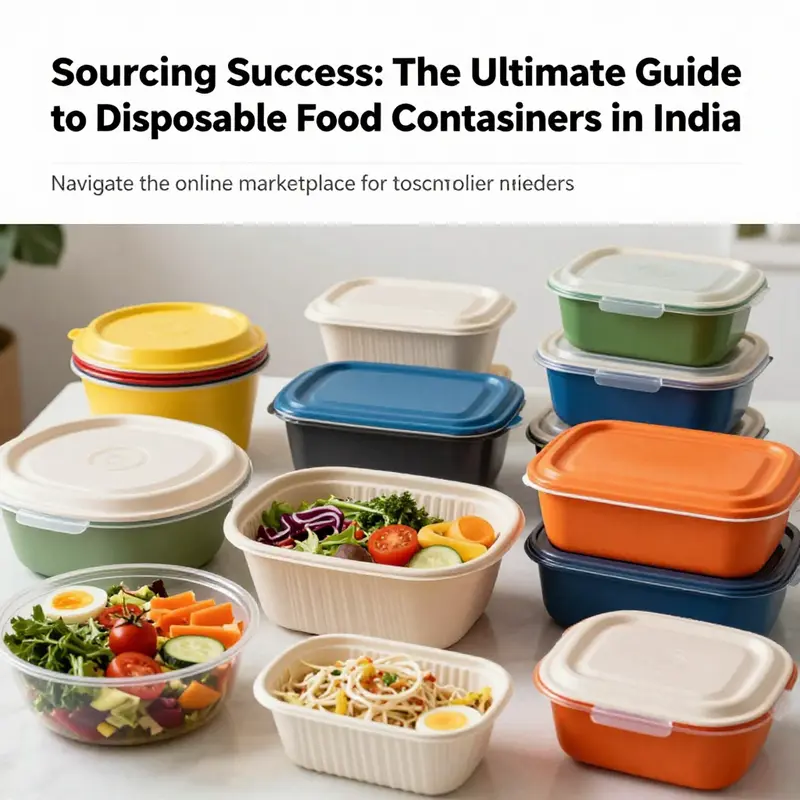
In the bustling world of food service, the choice of disposable food containers can significantly impact your business’s efficiency and customer satisfaction. Whether you’re running a bubble tea shop, a catering service, or a restaurant, having reliable packaging solutions is essential. This guide will help you navigate the process of purchasing disposable food containers online in India, analyzing suppliers, understanding costs, and exploring current market trends. Each chapter is crafted to provide you with the necessary insights to empower your procurement decisions effectively.
Sourcing Disposable Food Containers Online in India: A Practical Guide to Choices, Compliance, and Cost-Effectiveness
Sourcing disposable food containers online in India has evolved from a peripheral procurement task into a strategic layer of operations for kitchens, caterers, delivery services, and even home-based ventures. The shift is driven by the need for hygienic, convenient packaging that holds up under transit, preserves taste and texture, and aligns with evolving expectations around sustainability. As buyers navigate a landscape that spans global sourcing platforms and local marketplace ecosystems, the question becomes less about availability and more about balancing material performance, regulatory compliance, supplier reliability, and total cost of ownership across order sizes that range from modest daily needs to bulk programmatic buys for events or multi-city food services. In this sense, the Indian online market mirrors a global shift toward packaging as a service—where the container is not just a protective shell but a facilitator of brand experience, food safety, and waste reduction strategies.
A foundational reality for buyers is the broad spectrum of materials currently offered, each with its own advantages and trade-offs. Eco-friendly options are increasingly visible, with areca palm leaf-based containers becoming a popular choice for those who want minimal processing and a natural end-of-life. These are naturally biodegradable and compostable, and their heat tolerance often supports both hot meals and cold dishes, making them versatile for take-out, delivery, and catered events. The appeal goes beyond environmental credentials: palm leaf products tend to be lightweight, aesthetically distinctive, and capable of holding moderate temperatures without warping. Indian suppliers and regional exporters frequently present wholesale arrangements with MOQs that scale to both small operators and larger operations, reflecting the demand for flexibility in sourcing for restaurants and events alike.
Aluminum foil containers with lids present another widely used category, prized for durability, heat retention, and compatibility with oven-ready or microwave-ready workflows. They are well suited to catering, batch cooking, and longer transport windows where maintaining temperature is critical. The shapes—mostly round and rectangular trays—offer a pragmatic approach to portioning and stacking. For buyers managing peak periods, these options translate into predictable performance and ease of use, with customization often limited to size and lid design rather than a full redesign of the container. The practical reality is that aluminum trays, while more expensive per unit than basic plastics, typically deliver strong value through resilience, ease of disposal, and minimal leakage risk, especially in busy service environments.
Plastic and paper-based disposable containers still underpin everyday use across households, cafeterias, and quick-service formats. High-quality PET- or PP-based options with sealed, compartmentalized designs support meal prep, daily lunches, and take-away packaging that can be safely reused or recycled depending on local waste streams. Their affordability makes them a staple for routine operations, but buyers increasingly weigh them against eco-conscious alternatives that can blend practicality with environmental responsibility. Brown kraft paper trays and biodegradable composites emerge as notable contenders in this space, offering a balance between performance and sustainability. The appeal here is twofold: a lower environmental footprint when managed properly and a packaging aesthetic that aligns with modern consumer expectations for responsible sourcing.
Within India’s online procurement landscape, buyers can engage with a mix of global sourcing platforms and domestic marketplaces. This dual approach reflects a practical strategy: leverage international catalogs for volume-driven, cost-optimized deals on standardized formats, while also cultivating relationships with local suppliers who understand regulatory nuances, delivery logistics, and fast replenishment cycles that suit domestic kitchen networks. For instance, global platforms often present very low unit prices at bulk MOQs, enabling brokers or larger institutions to renegotiate terms for long-run supply. Yet the lead times, minimum order quantities, and payment terms can be substantial, necessitating careful planning and forecasting. On the other hand, Indian e-commerce platforms and B2B marketplaces provide closer proximity to buyers, faster delivery windows, and a more straightforward path for small-to-medium scale purchases. They also play a crucial role in enabling rapid prototyping of packaging formats—letting a restaurant test a new container style with a limited order before scaling up.
When it comes to making a choice, the decision matrix is not merely price or appearance. It starts with material safety and regulatory compliance. Food-grade standards matter, and in India, this often translates into ensuring that the chosen containers meet relevant safety and labeling expectations. Buyers must verify that the materials are suitable for contact with food, withstand the typical temperatures of the meals they serve, and do not impart unwanted flavors or contaminants. In many cases, packaging suppliers will present documentation or certifications that attest to compliance, but diligence remains essential. A well-informed buyer will also consider FSSAI-related implications for packaging materials and the overall supply chain, ensuring that the containers align with both national standards and the operations of the kitchen or service model for which they are intended.
Customization capabilities are another practical lever. Some suppliers offer a broad menu of sizes, shapes, and print options, while others simplify the offer to a core set of formats with limited customization. For operations seeking to reinforce branding or optimize portion control, customization can deliver measurable benefits in customer recognition and efficiency. The trade-off often involves higher MOQs, longer lead times, or higher per-unit costs. Buyers should map their usage patterns, seasonal peaks, and the typical batch sizes to determine whether customization yields a favorable return on investment. In many cases, a phased approach—starting with standard formats and then expanding to customized variants as volumes grow—can provide a balanced path forward.
Shipping and logistics are the practical backbone of online sourcing. The terms of delivery—whether domestically within India or from international suppliers—shape total cost and reliability. Importantly, shipping terms influence not just the landed price but the maximum permissible handling time, which affects freshness and product integrity, especially for perishable or temperature-sensitive meals. Buyers should inquire about packaging protection during transit, the supplier’s ability to track shipments, and the process for handling damaged goods. In bulk procurement, packaging itself may require additional protective packaging or a particular pallet configuration to optimize warehouse handling and transport safety.
Supplier reliability is not merely a matter of a low price. It rests on a track record of consistent quality, clear communication, and robust post-purchase support. Buyers should examine supplier certifications, customer feedback, and the capacity to scale up in response to demand spikes. A reliable supplier should be able to provide samples for evaluation, confirm material safety data, and outline clear timelines for re-orders. The complexity of sourcing packaging online in a large and diverse market like India means that building a dependable supplier relationship is often as valuable as securing a favorable unit price.
In practical terms, a buyer embarking on this journey can begin with a structured approach to evaluation. Start by listing the core formats required for the business: eco-friendly areca leaf-based options for events or specialty meals; aluminum trays for takeaway and catering; and plastic or paper-based containers for daily use and quick-service operations. Next, define the order sizes and rhythm—monthly or quarterly volumes, seasonal spikes, and potential promotional campaigns. Then assess whether a global supplier’s MOQs align with your budget and cash flow, or whether a local supplier’s shorter cycle and faster restock better suit your operational tempo. This planning forms a backbone for intelligent negotiation—whether negotiating price breaks at higher volumes, favorable payment terms, or quicker shipping options that minimize downtime in kitchen operations.
For teams seeking a practical example of how this plays out in the real world, consider the case of a mid-sized caterer expanding into delivery services. The operator might source eco-friendly, palm-leaf containers for a portion of their menu—balancing sustainability claims with a cost premium that remains acceptable given customer willingness to pay for green packaging. Simultaneously, they could maintain a reliable supply of sturdy aluminum trays for large orders and a stock of sealed plastic or paper containers for everyday meals and quick-service runs. The decision to mix formats reflects a nuanced understanding of the menu, the customer base, and the throughput required on peak days. In this mode, online procurement becomes not just a method of buying but a strategic lever for service quality, sustainability, and brand consistency.
An important yet often underappreciated factor is the ability to quickly access samples before committing to larger orders. Ordering is frequently driven by a need to validate fit with the kitchen workflow, the ease of heat-and-serve processes, and the consumer experience at the point of receipt. Having access to sample quantities helps reduce the risk of investing in a format that underperforms in real-world use. Buyers should seek suppliers who can provide a small, representative batch of multiple formats for side-by-side evaluation, allowing kitchen teams to assess heat resistance, leak resistance, ease of stacking, and compatibility with common dishware. This approach reduces the likelihood of costly misfires and accelerates the path to scalable procurement.
In addition to functional evaluation, the conversation about online sourcing increasingly intersects with sustainability narratives. Eco-conscious buyers assess not just the performance of containers but their life cycle implications. Areca leaf-based products may offer a strong composting story, yet buyers should confirm local end-of-life options and community waste streams. Aluminum trays, while durable, still prompt questions about recycling and recycling infrastructure in various Indian cities. Paper and plastic options often come with certifications or labeling that communicate recyclability or compostability, but the practical reuse or disposal realities differ by region. Buyers benefit from aligning packaging choices with broader corporate sustainability goals, customer expectations, and regulatory guidance, so the container becomes a visible and credible part of a responsible food service program.
To weave these threads into a coherent sourcing strategy, it helps to think in terms of a lifecycle of the packaging—from selection to usage to disposal. The initial choice sets up the operation: a mix of formats enables flexibility for different menu items, service models, and event scales. During service, the containers must perform reliably under heat, moisture, and handling by staff and customers. After service, waste management practices and local disposal capabilities determine how well the packaging aligns with sustainability commitments. The best online sourcing decisions translate into a simple equation: match performance and safety with cost, ensure reliable supply chains, and align packaging choices with environmental and regulatory expectations while maintaining operational agility.
Embedded in this approach is an awareness of the specific online environments that Indian buyers use. Global platforms can offer breadth and cost advantages for large, standardized container formats, but they often require careful coordination to manage MOQs, lead times, and international shipping considerations. Domestic marketplaces provide speed and a better alignment with Indian logistics, customs, and payment norms, frequently offering more flexible terms for smaller orders and faster restocking. For many buyers, this dual-path approach is not a contradiction but a deliberate strategy to optimize for both scale and speed, depending on the format and the period in the business cycle. The ultimate goal is a steady, predictable supply of packaging that supports quality food service without imposing unnecessary risk or complexity on the operation.
A practical reminder for buyers is to verify materials and compliance before finalizing any order. Clear, accessible product specifications help kitchens avoid choices that could compromise safety or violate local guidelines. It is wise to request documentation, confirm certifications, and verify that the containers are compatible with the intended food types and service temperatures. This diligence pays dividends in the form of smoother operations, better customer feedback, and a more resilient supply chain that can weather demand fluctuations and supplier challenges alike.
For readers looking to explore a specific example within the broader supply ecosystem, a practical reference is available through one of the widely used packaging product pages that showcases disposable kraft paper bowls and related take-away solutions. This resource illustrates how an eco-friendly format can be positioned for quick adoption by restaurants and events, highlighting design variations, sizes, and lid options that align with practical use cases. You can explore a representative detail here: disposable kraft paper bowl take-away and salad bowl with lid.
As buyers continue to navigate this evolving landscape, the key takeaway is that online sourcing for disposable food containers in India is not a one-size-fits-all exercise. It requires a thoughtful blend of durability, safety, cost, and sustainability considerations, tailored to the specific menu, service model, and geographic footprint of the business. The most effective procurement practices are those that merge disciplined evaluation with flexible supplier partnerships—and that recognize packaging as an active enabler of service quality and customer trust rather than a mere afterthought. With the right approach, online sourcing becomes a reliable lever for improving operational efficiency, expanding delivery capabilities, and advancing environmental goals while keeping the customer experience front and center.
External reference: https://www.alibaba.com/showroom/disposable-food-containers.html
Sourcing Wisely: Navigating the Online Aisles for Disposable Food Containers in India
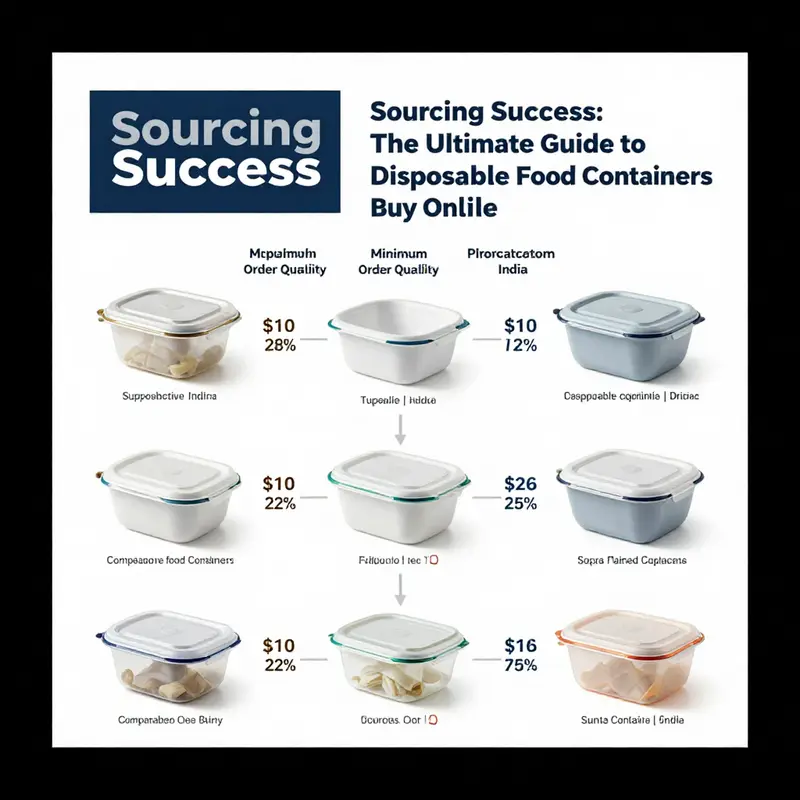
The Indian market for disposable food containers has matured as urban eating and delivery ecosystems expand. Online procurement is now essential for cafés, cloud kitchens, street-food vendors, and caterers who seek reliable, cost-effective packaging. Buyers balance price with quality, lead times, customization, and environmental considerations. Online platforms offer a wide spectrum of options—from basic take-away containers to airtight, microwave-safe solutions. Domestic platforms speed delivery and simplify returns, while overseas manufacturers can offer bulk pricing and broader size ranges.
Key decision factors include material quality, food-contact safety standards, and recyclability. Virgin PET and PP provide durability and heat resistance, while ensuring compatibility with local waste streams. Build quality—lid seals, wall stiffness, and base integrity—affects leakage risk and handling in transit. Customization options such as various sizes, lid configurations, and branding help maintain a cohesive customer experience.
Eco-friendliness is increasingly central: buyers look for recyclable or compostable packaging and transparent disposal guidance. Suppliers with robust export capability and certifications (ISO, FDA where relevant) inspire confidence for larger orders and regulated markets. A balanced sourcing strategy often pairs domestic suppliers for everyday needs with selective overseas partners for scaled or unique SKUs. Finally, practical procurement signals such as sample testing, clear specifications, and agreed MOQs help stabilize inventory and lead times.
In practice, buyers are advised to compare material performance, alignment with branding, compatibility with labeling and hot/cold-chain equipment, and end-of-life outcomes. A well-chosen supplier portfolio can deliver reliable performance, predictable pricing, and sustainable packaging that supports brand value across delivery channels.
Beyond the Price Tag: Navigating Cost, Compliance, and Confidence in India’s Online Market for Disposable Food Containers
Cost considerations for disposable food containers in India unfold as a woven tapestry of material science, procurement strategy, regulatory currents, and consumer perception. Businesses in the country that rely on take-away, delivery, or packaged meals must look beyond the sticker price of a single container. The online landscape amplifies price visibility, but it also layers in costs that arrive with bulk discounts, shipping, and the sometimes opaque terms of international suppliers. When you examine this landscape in detail, the story of cost becomes a story about total ownership: the sum of purchase price, logistics, compliance, waste management, and, crucially, the value a packaging choice adds to a brand. In the current market, you can find airtight plastic options at remarkably low unit costs, with price points that tempt high-volume operators to optimize per-unit economics. For example, vendors in global sourcing networks often quote around the mid-hundreds of a cent per unit for basic sets, with minimum order quantities stretching into the millions. Such figures illustrate a fundamental truth: online procurement excels at reducing per-unit cost only when the buyer is prepared to commit to scale. The real calculus, therefore, hinges on how much scale you truly need, how quickly you can absorb the inventory, and how well you can forecast demand to avoid overstock or stockouts.
Material choice sits at the heart of this calculus. Plastic families, notably polypropylene and polyethylene terephthalate, dominate the market because they strike a balance between lightness, strength, moisture resistance, and cost. These materials enable cold and room-temperature servings without leaking, and their manufacturing ecosystem supports high-volume production with predictable batch consistency. Yet the long shadow of environmental concerns shadows every choice. Paper-based and molded-fiber alternatives have gained traction precisely because they align with sustainability narratives that resonate with customers, regulators, and investors. While the per-unit cost of eco-friendly options is typically higher—often by margins that reflect the costs of sustainable raw materials, certification, and compostability infrastructure—their value can accrue in ways that go beyond the receipts. The question for most buyers, then, is not only what is cheapest today but what is most viable tomorrow as regulatory pressures tighten and consumer expectations tilt toward responsible packaging that can feature in CSR reporting and marketing narratives. In practice, the price gap between plastic and paper-based containers becomes a strategic decision rather than a mere arithmetic one. A sensitive balance must be found between immediate budget constraints and the potential long-term benefits of aligning packaging choices with corporate sustainability goals, which can drive customer loyalty and price premium in certain segments.
Online procurement channels amplify the transparency of pricing and the speed of acquiring containers, but they also introduce a new dimension to cost accounting: the economics of scale. When you compare online options, one recurring theme is how bulk discounts interact with minimum order quantities. In many platforms, the lowest unit costs arrive only when you push into very large batches. For example, examples of tight MOQs in global supply networks illustrate a continuum where the per-unit price drops as the quantity climbs, but the up-front capital commitment and the risk of obsolescence must be weighed. This is where the broader financial picture matters: storage costs, the risk of price swings in material inputs, currency fluctuations, and the logistics of moving bulky shipments from port to warehouse. The online purchasing experience has evolved to provide powerful pricing analytics, enabling buyers to simulate scenarios—whether they intend to place repeated orders monthly or quarterly, or whether they need sporadic large orders to bridge peak periods. Such simulations help to uncover the true total cost of ownership, which may reveal that a seemingly higher per-unit price on an eco-friendly option actually yields lower total cost when waste, regulatory risk, and reputational value are bundled into the calculation.
In India, the online marketplace ecosystem supporting disposable containers also couples price with speed and reliability. Large consumer platforms offer a breadth of options—from single-use snack cups to larger take-away bowls—often accompanied by straightforward payment terms and rapid delivery. These platforms create a compelling case for small-to-medium operators that need to keep stock fresh with minimal lead times and predictable replenishment cycles. The convenience of online ordering translates into reduced inventory risk and a leaner working capital footprint, particularly for businesses that operate several outlets or run delivery-centric services where stock needs to be replenished frequently. Yet, the online environment also imposes discipline: variable shipping costs, potential import duties for imported materials, and the need to navigate different packaging standards and certifications. For a buyer, that means cost models must explicitly incorporate freight terms, insurance, and any duties that could affect landed cost. When planning a procurement strategy, it is prudent to outline scenarios for local versus imported materials, then quantify how each scenario affects unit economics, cash flow, and strategic risk.
Beyond the immediate purchase price, long-term cost considerations demand thoughtful attention to regulatory trajectories. India’s regulatory stance on single-use plastics has evolved, with measures aimed at reducing environmental impact and encouraging alternatives. The possibility of tighter restrictions or new taxes on certain plastics introduces a future-facing cost—not just a compliance expense, but a driver of product redesign cycles and supplier innovation. Foreseeing these shifts invites brands to consider a packaging mix that balances cost, performance, and regulatory resilience. The long-range value of adopting compostable or recyclable options lies not only in avoiding penalties but in building a reputation that attracts customers who are willing to pay a premium for sustainable packaging. The cost differential between a conventional plastic container and a compostable or recycled-content option can be managed through supplier negotiations, multi-material bundles, or lifecycle financing that amortizes the higher upfront cost over a longer period of use, while preserving the brand’s sustainability narrative. In essence, the cost calculus becomes a narrative about risk management and strategic positioning as much as it is about immediate receipts.
From a brand perspective, packaging is a story you tell to your customers. An eco-conscious packaging strategy can extend beyond the container to the entire packaging ecosystem—labels, liners, and lids—that together communicate a message about responsibility and care. In practice, the perceived value of a container is often amplified by the broader story it supports: a supplier network that demonstrates traceability, recycled-content inputs, and end-of-life considerations can translate into stronger customer trust and repeat business. The intangible asset here is credibility. Consumers increasingly evaluate the packaging they encounter as part of a larger brand promise: if a business signals environmental stewardship through packaging choices, customers may respond with greater loyalty, higher willingness to pay, and advocacy that extends beyond the meal itself. This dynamic creates a cycle in which short-term cost savings can be offset by longer-term gains in market share and customer retention. For decision-makers, the challenge is to quantify these intangible benefits and to weave them into the financial model alongside the conventional cost metrics. In practical terms, it means building a cost framework that accounts for supply reliability, regulatory exposure, CSR impact, and the potential for premium pricing in segments that value sustainability as part of the value proposition.
A pragmatic sourcing approach in this online milieu is to assess not only the per-unit price but also the supplier’s stability, responsiveness, and quality control practices. When you evaluate options, consider the total landed cost under different shipping terms and incoterms, the reliability of suppliers to meet tight lead times, and the availability of samples to validate performance under real-use conditions. It is also prudent to simulate demand curves for peak periods and verify how inventory buffers affect service levels and waste. A well-structured sourcing plan often involves a mix of container types and materials to hedge against fluctuations in price and supply. For instance, plastic containers may dominate during regular periods, while eco-friendly variants can fill strategic demand during CSR-driven campaigns or seasonal promotions. The goal is to design a packaging portfolio that aligns with cost targets, regulatory expectations, and the brand’s sustainability commitments while maintaining flexibility to adapt to shifting market signals.
To illustrate how a packaging choice translates into a tangible procurement decision, consider the lifecycle from supplier negotiation to customer perception. A basic plastic container may deliver the lowest upfront cost but can expose a business to higher regulatory risk and potential reputational costs if customers perceive the packaging as unsustainable. On the other hand, a paper-based or molded-fiber option typically costs more per unit, yet it can reduce regulatory exposure and bolster a green image that resonates with value-driven consumers. The cost difference can be justified if the higher-priced option unlocks benefits such as eligibility for sustainability certifications, stronger brand partnerships, or preferential placement in channels that favor eco-friendly packaging. In short, cost effectiveness in India’s online market for disposable containers arises not from chasing the cheapest option but from constructing a balanced mix that minimizes total cost of ownership while maximizing alignment with strategic objectives. A disciplined approach—integrating supplier evaluation, demand forecasting, regulatory risk assessment, and brand strategy—empowers businesses to make decisions that withstand price volatility and regulatory shifts, while strengthening stakeholder trust across customers, regulators, and investors.
When it comes to practical execution, one can adopt a disciplined decision framework that respects the realities of online procurement. Start by detailing your requirements: sizes, sealing properties, compatibility with hot or cold foods, and whether a lid is required. Then map MOQs and unit costs from several suppliers, including the true landed cost that accounts for shipping, insurance, and any duties. Run scenarios for monthly demand volumes to identify break-even points and the payback period for switching to a more sustainable option. Include waste disposal costs and potential savings from compostable or recyclable streams. Evaluate the reliability of delivery windows and the potential impact on operations if shipments are delayed. Finally, incorporate a qualitative dimension: how does the packaging choice influence the customer experience, and how does it fit within your CSR commitments and marketing narrative? This integrative approach helps ensure that the online purchasing decision supports not only the bottom line but also long-term business resilience and brand equity.
For context and practical illustration, consider a design option that demonstrates a strong alignment with sustainability while remaining adaptable to online sourcing. disposable kraft paper bowl take-away kraft paper salad bowl with pet lid serves as a concrete example of a packaging category that many Indian buyers find compelling. Such an option offers a pathway to communicate a green message without sacrificing functional performance. It represents a packaging family that can be scaled through online channels, while also allowing for customization in terms of capacity, branding surfaces, and lids. The key is to treat this choice as part of a broader packaging strategy rather than a one-off purchase. Consolidating orders for multiple outlets, negotiating for trimmed MOQs, and planning alignment with promotional cycles can help optimize the cost trajectory while maintaining the sustainability narrative that customers increasingly expect.
As you close the loop on cost considerations, the conversation inevitably points to the broader ecosystem in which packaging decisions live. The online space in India rewards clarity, consistency, and the ability to forecast demand accurately. It rewards suppliers who can deliver reliably, maintain consistent quality across batches, and adapt to evolving regulatory requirements. It rewards brands that can communicate a compelling sustainability story that resonates with modern consumers, while still delivering practical packaging performance. The challenge is to strike a balance that yields robust cost control today and resilience tomorrow. In practice, that means building a procurement approach that blends smart use of bulk discounts with careful attention to landed costs, regulatory risk, and long-term brand value. It means recognizing that a disposable container is not just a vessel for food; it is a touchpoint in a customer journey, a signal of your values, and a lever for operational efficiency. With thoughtful planning, online sourcing can deliver a cost profile that aligns with business goals, supports responsible packaging choices, and reinforces a trusted, sustainable image in a fast-moving market.
External resource: Sustainable consumption and production is a core pillar for aligning packaging decisions with global standards and long-term business resilience. Learn more at https://www.un.org/sustainabledevelopment/sustainable-consumption-production/ to understand how responsible packaging fits into broader development objectives and how emerging guidelines can shape cost and strategic choices for online procurement in India.
Trends, Trade, and Trust: How Indian Online Buyers Navigate Disposable Food Containers
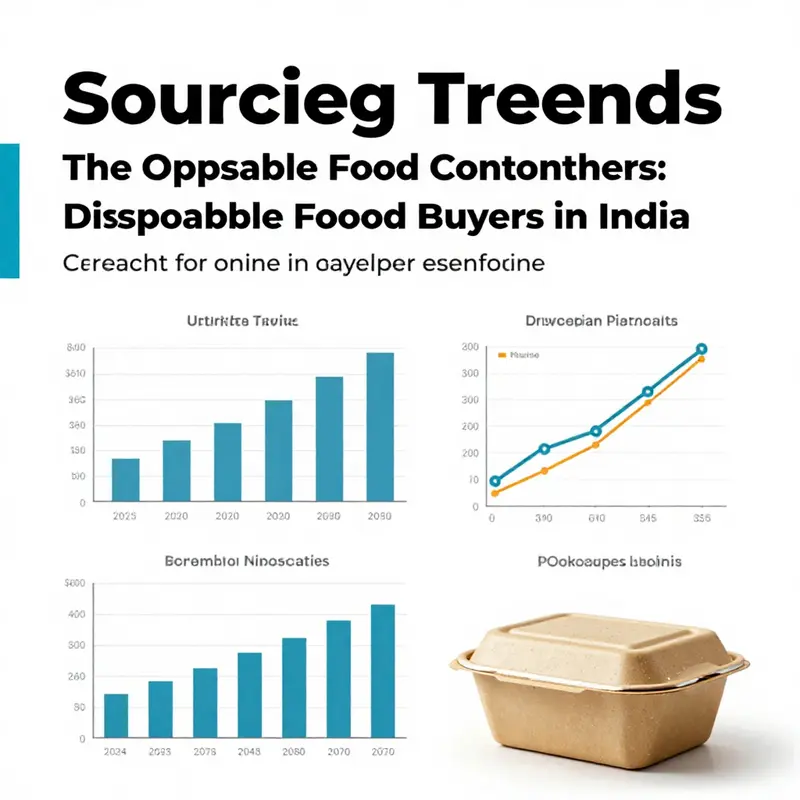
The market for disposable food containers in India is more than a catalog of boxes and bowls. It is a mirror of how urbanization, evolving dining habits, and the rapid expansion of food delivery reshape procurement, logistics, and sustainability choices. For online buyers, the terrain combines price sensitivity with a growing appetite for materials that perform well in a crowded delivery ecosystem while minimizing environmental impact. In recent analyses of the broader India Food and Beverage Packaging landscape, the sector is identified as a steadily expanding arena. The overall packaging market was valued at a substantial level in 2025 and is expected to maintain a steady upwards trajectory into 2026, with the disposable segment alone projected to generate nearly ten billion dollars by 2030. A nearly eight percent annual growth rate underscores both opportunity and competition, inviting online buyers to balance scale, quality, and responsibility in their sourcing decisions.
That opportunity is inseparable from the logistics of online sourcing. Indian buyers increasingly rely on digital marketplaces and global sourcing platforms to access a wide spectrum of options—from airtight takeout containers to single-use bowls designed for salads, soups, noodles, and other quick-service meals. The online route offers advantages that are difficult to realize through traditional procurement: breadth of choice, transparent pricing, and the possibility to compare specifications side by side. Yet the path from a catalog listing to a reliable, on-time delivery is paved with considerations about lead times, minimum order quantities, and the nuances of material performance in real-world use. For many, the temptation of low per-unit prices must be weighed against long-term supply reliability and the evolving expectations of downstream customers who value both hygiene and sustainability.
One practical implication of this shift is the growing attention to materials that can deliver a balance of strength, moisture resistance, and environmental benefits. Among the most discussed options are molded fiber and other eco-friendly alternatives made from sugarcane bagasse, bamboo pulp, or recycled paperboard. These materials often claim industrial compostability, aligning with global sustainability mandates and helping brands meet certifications that customers increasingly seek in North American and European markets. The idea is not to pretend that compostable materials solve every challenge; moisture sensitivity and cost differentials remain real constraints. However, the narrative around greener packaging resonates with consumers and business partners who associate cleaner packaging with better hygiene, stronger brand values, and reduced landfill impact.
In the Indian context, the growth story also rests on how quickly online platforms can connect local and regional suppliers with a diverse set of buyers. Sourcing from regional manufacturers in China has long been a strategic decision for many Indian buyers due to scale, cost efficiency, and the breadth of options. Industrial clusters in major Chinese hubs offer integrated logistics, modern converting technologies, and access to base materials such as polypropylene and bioplastics. For buyers planning to scale, full container loads with lead times of roughly two to four weeks are a feasible reality, allowing procurement teams to align inventory with peak demand windows. At the same time, these buyers learn to navigate the tradeoffs between standardized products and customized configurations. The ability to specify container sizes, lid designs, and coating options—whether kraft board, PLA-coated paper, or sugarcane pulp—gives online buyers the chance to tailor packaging to menu formats, branding, and regulatory expectations.
The strategic value of online sourcing grows when it is coupled with domestic platforms that resonate with the Indian market. Marketplaces and e-commerce channels such as those widely used within India enable small-to-medium enterprises to access a wide range of disposable packaging options without the friction of traditional imports. The convenience of one-stop discovery, user reviews, and straightforward payment terms helps these buyers manage risk and build supplier relationships over time. It also matters that many suppliers in this ecosystem offer both standard products and customized configurations, providing flexibility for diverse restaurant concepts, cloud kitchens, and meal-kit services. The ability to order in relatively modest quantities for test runs or regional launches, while also having the option to scale, is a compelling feature that online channels uniquely enable.
A nuanced part of this landscape is the cost structure. While base materials and manufacturing efficiencies have driven per-unit costs downward, eco-friendly options frequently command a premium due to the specialized feedstock, processing steps, and the need to maintain performance under moisture exposure. For many buyers, the calculus hinges on total cost of ownership rather than upfront price alone. Factors such as shelf life, void space in packaging for branding, customer satisfaction with food temperature and integrity during transit, and end-of-life disposal considerations all influence supplier selection. In practice, buyers may forecast demand across buckets of meal formats and environmental commitments, then align with suppliers who can deliver a stable mix of standard and custom solutions.
Against this backdrop, the role of platforms that facilitate cross-border sourcing remains significant. Global sourcing networks provide Indian buyers with access to a broad array of takeout boxes and bowls, including those that carry certifications relevant to hygiene and safety. For many, these platforms offer a pragmatic path to acquiring tested packaging before committing to larger runs. They also offer security in payment and documentation, critical when the stakes involve large volumes and long-term supplier relationships. The financial terms—letters of credit, telegraphic transfers, and other secure methods—help manage risk as buyers scale their purchasing programs. Nevertheless, online buyers must assess quality assurance practices and supply chain reliability, since the success of a packaging program depends as much on upstream processes as on product specifications.
An important anchor in this discussion is the way branding and customization are evolving in the Indian online space. In a market where quick-service concepts proliferate and consumer expectations grow, packaging becomes a canvas for signaling cleanliness, sustainability, and value. Brands increasingly seek packaging that can bear logos, color schemes, and messaging aligned with corporate sustainability statements. Suppliers that offer flexibility in size, shape, and print capabilities enable Indian buyers to translate brand identity into functional packaging without sacrificing performance. This trend integrates with the broader movement toward eco-conscious packaging, where even subtle choices—such as selecting a fiber-based material over purely plastic alternatives—can reinforce a brand narrative around responsibility and quality.
Within this evolving setting, a practical example of how sustainability and performance intersect can be found in the realm of kraft-based bowls and compostable alternatives. A disposable kraft paper bowl with a lid, designed for takeaway meals and compatible with various coatings, can illustrate how a brand balances grab-and-go convenience with environmental considerations. Such offerings—whether standard or customized—demonstrate how packaging can support both operational needs and a commitment to greener practices. For buyers exploring sustainable options that align with compostable packaging, a practical example of a kraft paper bowl with lid can be accessed through the following resource: disposable kraft paper bowl with lid for food packaging. This link serves as a tangible reference point for evaluating the interplay between material choice, barrier properties, and branding potential in real-world applications.
As buyers weigh these options, the regulatory and certification landscape also frames decision-making. In the broad, global context, many suppliers emphasize FDA or EU compliance for their materials, signaling a baseline of quality and safety that resonates with Indian buyers who export or distribute to multinational networks. While India-specific packaging regulations continue to evolve, aligning with established international standards can reduce friction for supply chain partners and expedite entry into markets that prize consistent performance and traceability. The emphasis on compliance supports confidence in vendor partnerships and helps purchasers justify higher upfront costs when the downstream benefits include smoother audits and enhanced customer trust.
A critical theme in the sourcing conversation is the balance between speed and sustainability. Fast-evolving consumer expectations mean that restaurants and delivery platforms need packaging that withstands transit, protects food integrity, and remains attractive upon arrival. The industrially compostable options, while appealing from an environmental standpoint, may require more careful supply chain planning to ensure consistent quality and moisture management. For many buyers, the solution lies in a blended strategy: core lines that deliver reliable performance at scale, supplemented by a rotating selection of eco-friendly options that showcase a brand’s commitment to sustainability. The online marketplace ecosystem supports such experimentation by enabling rapid testing of new materials, sizes, and configurations with relatively modest initial investments.
In thinking about the broader trajectory, the next few years are likely to shape how online buyers in India manage risk and harness opportunity. The disposable packaging segment is projected to grow, aided by rising urbanization, the expansion of food delivery networks, and a growing consumer emphasis on hygiene and sustainability. As the sector matures, buyers will increasingly seek suppliers who can offer end-to-end value—from material science and testing data to reliable logistics and scalable customization. This means stronger partnerships with manufacturers who can provide clear packaging performance data, quality assurances, and transparent lead times. It also means leveraging digital tools to keep precise tabs on inventories, forecast demand, and coordinate with suppliers in ways that reduce waste and energy use across the supply chain.
The import dynamic remains a defining feature of this market. China’s central role in the global disposable packaging supply chain continues to offer cost advantages, technology access, and breadth of options that Indian buyers value when planning for growth. Yet this dynamic is balanced by attention to risk management, including diversification of supplier bases, attention to quality assurance practices, and staying attuned to shifts in trade policy and logistics costs. The sourcing story thus becomes a negotiation among price, lead time, material performance, and the reputational value that stems from responsible packaging choices. For buyers who aim to align with higher sustainability targets while maintaining scalability, the challenge is to design a procurement approach that embraces innovation without compromising reliability.
In sum, online buyers in India sit at a crossroads of scale and conscience. The market’s growth metrics suggest a fertile environment for experimentation, ranging from traditional containers to next-generation eco-friendly packaging. The ongoing push toward sustainable materials, combined with the efficiency gains from online sourcing and the breadth of supplier networks, creates a context where intelligent procurement can deliver both competitive advantage and meaningful social impact. The path forward involves selecting partners who can demonstrate consistent performance, offer relevant certifications, and support a brand’s narrative about hygiene, safety, and environmental stewardship. It also involves embracing the capabilities of global sourcing while staying rooted in India’s distinctive market needs, from logistics realities to consumer expectations. As online buyers navigate this landscape, the most successful strategies will weave together cost control, quality assurance, and an enduring commitment to packaging that respects both customers and the planet.
External context can be gained through industry analyses that illuminate the broader supply chain dynamics. For a deeper perspective on how a country like India can leverage a global supply network while meeting local demands, see the discussion on China’s role in the disposable food packaging ecosystem: the insights explore sourcing strategies, capacity, and market pressures that inform procurement decisions across borders.
External resource: https://www.supplychain247.com/insights/china-disposable-food-packaging-supply-chain-2026
Final thoughts
Choosing the right disposable food containers is not just about functionality; it’s about enhancing your brand image and ensuring customer satisfaction. By understanding the purchasing process, comparing suppliers, and keeping an eye on market trends, you can make informed decisions that align with your business goals. This guide serves as a stepping stone to finding the best packaging solutions for your food service needs in India—empowering you to stay competitive and efficient in an ever-evolving marketplace.