
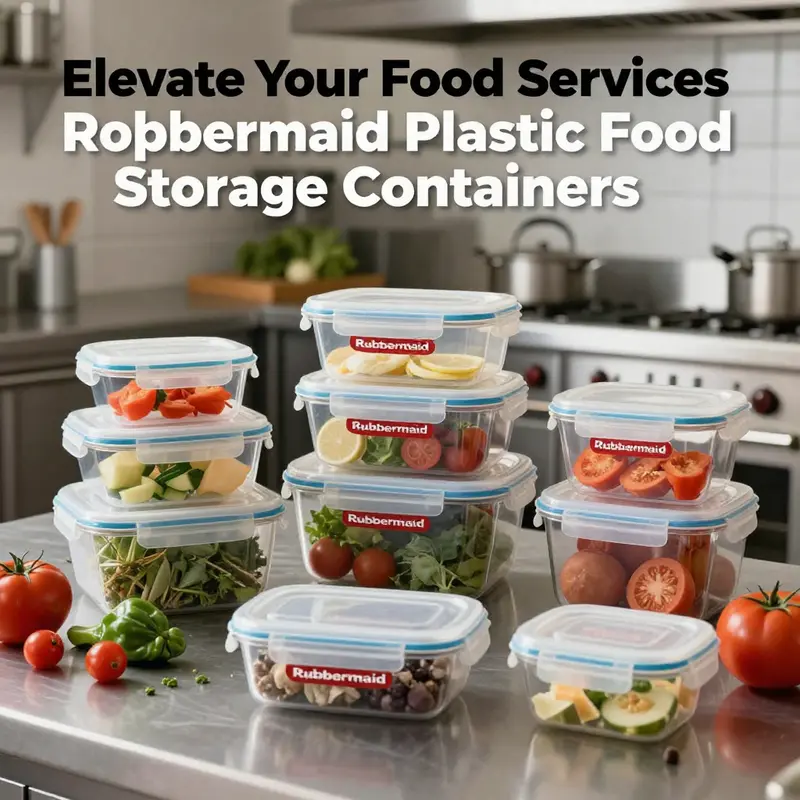
In the culinary world, maintaining the quality and freshness of ingredients is paramount, especially for bubble tea shops, restaurants, food trucks, and catering services. Rubbermaid offers a diverse range of plastic food storage containers designed to enhance food preservation and streamline operations. This article delves into three key product lines: the FreshWorks Produce Saver, the Brilliance series, and the TakeAlongs containers. Each chapter explores the unique benefits of these containers, providing food service professionals with insights to optimize their storage solutions.
Preserving Freshness: How Advanced Plastic Storage Transforms Produce and Meal Prep in Everyday Kitchens
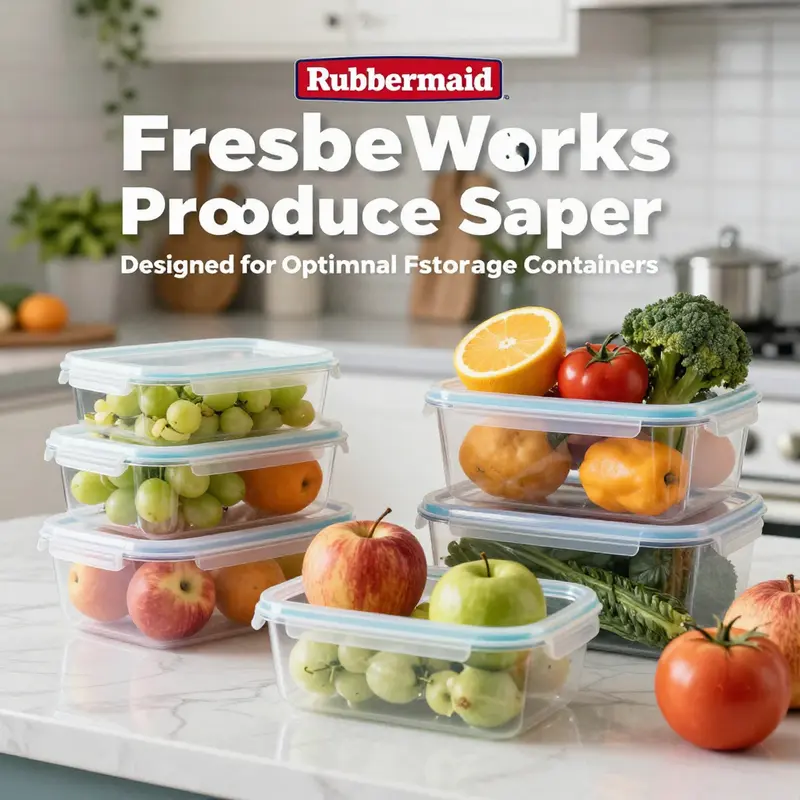
Fresh, vibrant produce and well-planned meals begin with a simple choice: the container that guards what you store. Across kitchens big and small, plastic food storage containers have become more than just a convenient box for leftovers. They are the everyday tools that shape how long fruits stay crisp, how vegetables retain color, and how leftovers become tasty meals a day or two later. The shift from opaque, single-use tubs to purposefully designed, feature-rich containers reflects a deeper understanding of food’s fragile life cycle. In a world where fresh ingredients often compete with busy schedules, a thoughtfully designed storage system can extend freshness, reduce waste, and simplify routines without adding clutter. What makes these containers more effective is not just sturdiness or a secure seal, but a careful orchestration of materials, ventilation, moisture management, and modular design that aligns with how we use food from market to plate.
Begin with the core challenge every kitchen faces: keeping produce fresh long enough to avoid waste while still maintaining safety and convenience. Freshness hinges on a delicate balance of gases inside the container, humidity levels, and the presence of a barrier against unwanted contaminants. A family of containers that addresses this balance leverages a built-in gas-regulation mechanism—often described as a venting system—that moderates how oxygen and carbon dioxide move in and out of the container. This is not merely about letting air in. It is about shaping a microenvironment that discourages ethylene buildup and slows the onset of enzymatic browning and moisture-related spoilage. When done well, this system helps delicate berries hold their color and plumpness a bit longer, while sturdier greens maintain their texture. It is a quiet, almost invisible technology, but its effect is tangible in the quality of the produce you pull from the fridge or grab for a quick snack.
Beyond gas exchange, the design of a produce-friendly container often includes an elevated base. The raised platform creates a small buffer between the produce and any condensation that could collect at the bottom. Condensation is not inherently bad, but when it pools, it can promote sogginess and accelerate spoilage. By keeping items slightly elevated, the container encourages air circulation and reduces direct contact with moisture on the bottom surface. This simple geometric choice—an honest nod to practical physics—translates into a meaningful difference in how long fruits stay fresh. The effect is especially noticeable with berries and leafy greens, which are prone to mushiness and color loss when exposed to damp, stagnant air. In this way, a well-considered base design works in concert with the venting mechanism to maintain a balanced, moderate atmosphere inside the container.
Material safety is another anchor of effective storage. Consumers rightly seek products that are free from harmful chemicals and easy to clean. In practice, that means containers made from food-safe, BPA-free plastics that resist staining and odors. The trade-off between clarity and durability is real: clear containers let you see contents at a glance, but the material must withstand daily use, frequent handling, and repeated trips through dishwashers. A quality design recognizes this and uses plastics that resist cracking and warping under cold storage and repeated temperature changes. It also avoids coatings or linings that could chip or degrade, ensuring the container remains safe for repeated exposure to the fridge, pantry, and dishwasher.
An often overlooked but crucial feature is how a storage system handles lids and seals. An airtight, leak-resistant seal reduces the risk of spills and prevents the transfer of strong odors between foods. A practical approach is to design lids that fit multiple base sizes, enabling a modular setup that grows with your needs. When a lid can snugly accommodate different bases, space in cabinets and the refrigerator becomes easier to manage. The result is a sense of efficiency in both storage and use: you can grab a perfectly fitting set without wrestling with mismatched pieces or searching for compatible tops after the dishwasher has finished its cycle.
The versatility of these containers makes them adaptable to a wide range of foods. For produce and fresh produce-centric households, flexible configurations mean you can create a compact, produce-forward section in the fridge, with containers sized for berries, greens, or cut fruit. For meal prep and leftovers, a spectrum of volumes—from compact portions to larger batch storage—lets you plan ahead and portion meals for the week. The glassy transparency that many containers offer doubles as a practical feature: you can identify contents quickly, reducing the temptation to overstock or forget items at the back of the fridge. The combination of visibility, durable construction, and a reliable seal turns storage from a passive act into an active component of healthy eating.
A practical kitchen also benefits from space-saving strategies that a well-designed container family can enable. Nested bases, where smaller units fit neatly inside larger ones, reduce clutter and make pantry and fridge organization easier. A single lid that covers multiple bases is a small but powerful efficiency gain. It lowers the cognitive load of keeping track of lids and bases and simplifies the reassembly after washing. The modular approach mirrors broader culinary workflows: you measure, you portion, you store, and you reuse. The ability to mix and match sizes allows households to tailor their system to the week’s menu—whether you’re batch-cooking for several days, prepping components for grab-and-go lunches, or storing a variety of fresh produce purchased in season.
From a practical standpoint, everyday use of plastic storage containers is a study in balance. You want something sturdy enough to withstand the knocks of a busy kitchen, but light enough to be comfortable to handle. The containers should resist odors and stains so that flavors from yesterday do not linger and transfer to today’s ingredients. They should be dishwasher safe for easy maintenance, which in turn supports consistent hygiene practices in the kitchen. The best designs also account for ease of labeling and readability. A flat lid surface can accommodate custom labels or wipe-off markers for quick portion tracking, a feature that becomes particularly valuable in meal-prep routines or when coordinating family meals.
Yet it is not enough to consider features in isolation. The value of a storage system lies in how well its benefits align with real-world routines. A family with a busy morning rush will appreciate a system that is easy to open, snaps closed securely, and stacks neatly in the fridge. A home that prioritizes sustainability will favor pieces that minimize waste, resist scratching, and last through years of daily use. In all cases, the goal is to reduce the number of times food is discarded because it spoiled before its time. By extending freshness through intelligent gas regulation, moisture control, and stable, safe materials, storage containers become a kind of ally in the kitchen—quiet, reliable, and always ready when hunger calls.
The design approach also speaks to the psychology of cooking and eating. When you can see fresh produce clearly, you are more likely to incorporate it into meals rather than letting it languish in the crisper. When leftovers are easy to organize and reheat without transferring flavors, you are more inclined to plan and prepare meals in advance. This psychological ease is not a minor perk; it underpins healthier eating patterns and less food waste. The containers that support this behavior do not force a rigid regimen. Instead, they gently reinforce sensible habits by being intuitive, durable, and adaptable. They fit naturally into the rhythm of grocery shopping, weeknight cooking, and weekend meal planning, turning storage from a chore into an integrated, almost invisible, part of daily life.
One aspect that often goes underappreciated is the long-term environmental impact of the storage choice. Durable, reusable plastic containers with integrated features like gas regulation and moisture management contribute to less waste over time. Their longevity means fewer replacements, less plastic clutter, and less dependence on disposable alternatives. By choosing a system designed for repeated use, households reduce the footprint associated with frequent shopping for single-use containers or plastic bags. Of course, responsible use also means mindful recycling at the end of a container’s life, and selecting products made from materials that are widely accepted in local recycling streams supports broader environmental goals. In a market that often promotes short-lived conveniences, durable containers that emphasize performance, safety, and longevity offer a meaningful, practical alternative.
When we examine the broader kitchen ecosystem, it becomes clear that these containers are part of a continuum of design choices aimed at optimizing freshness, safety, and simplicity. They work in concert with fresh produce handling practices—from choosing produce at peak ripeness to washing and drying thoroughly before storage. They support meal-prep strategies, enabling portion control and reducing the impulse to overprepare. They also simplify the daily routine of packing lunches and storing leftovers, turning what used to be a chaotic juggling act into a streamlined workflow. The resulting kitchen becomes not a space of clutter but a well-orchestrated system where each element—from container to lid to base—plays a precise role in maintaining the integrity of the food inside.
The narrative of plastic storage is not a single triumph but a series of incremental improvements that respond to real kitchen demands. The best systems weave together multiple design ideas: gas-exchange management to sustain produce, raised bases to minimize moisture damage, durable and safe materials, and modular, space-conscious geometry. Add to that a user-friendly seal and lid architecture that accepts a range of sizes, and you have a family of containers that can adapt as your cooking and shopping patterns evolve. It is this adaptability, more than any single feature, that makes modern plastic storage an indispensable tool for home cooks. In a world of fluctuating groceries and busy schedules, the most valuable containers are the ones that disappear into the background, letting you focus on the food you love rather than the containers that hold it.
External resource: https://www.amazon.com/Rubbermaid-Brilliance-Tritan-Plastic-Storage/dp/B01N4QYK3F
Clear Confidence: The Durability and Safety Standards Behind Premium Plastic Food Storage Systems
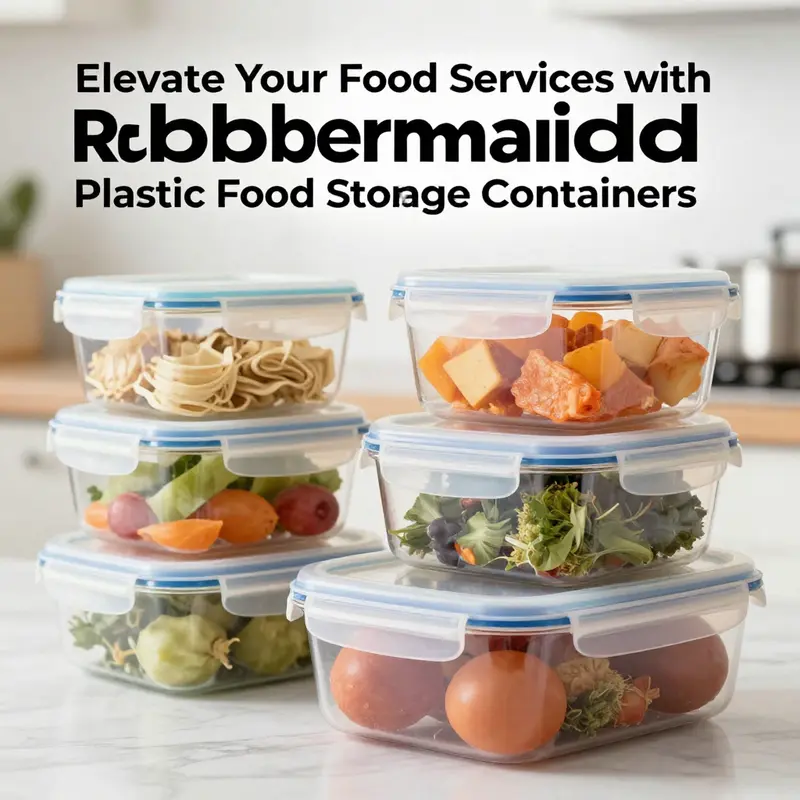
In modern kitchens, the rhythm of daily meals hinges on more than flavor and timing. It rests on a quiet but essential decision—how we store, protect, and reuse our food containers. The best storage systems fuse durability with safety, clarity with practicality, and longevity with ease of use. They are designed to travel through the lifecycle of a pantry, a refrigerator, and the occasional countertop spill with the same calm efficiency. This chapter delves into what makes a premium plastic storage lineup stand out in real life use, focusing on durability under pressure, safety for the whole family, and the thoughtful design choices that keep a kitchen organized rather than overwhelmed by waste or doubt. It is a look at how the right materials and interfaces translate into everyday trust, turning a simple plastic box into a reliable partner for meal prep, leftovers, and kid-approved lunches without dramatic overhauls to routines or settings. The core idea is that durable, safe storage is less about dazzling novelty and more about steady performance, predictable behavior, and a design ethic that respects the food it meets and the hands that use it daily.
The material foundation is crucial. In a premium plastic storage family, the plastic is engineered to resist stains and odors that otherwise cling stubbornly after colorful produce or pungent preparations. StainShield plastic, a feature highlighted in product briefs and consumer testing alike, is not merely a marketing claim. It represents a deliberate choice to limit the kinds of marks and smells that can set into the container walls after repeated use. When a container can remain visually clear and feel clean long after a dozen meals, that is not luck; it is a product of chemistry and processing that prioritizes long-term appearance and usability. For families who juggle apples, onions, soy sauce, curry splashes, and even baby foods, this resistance translates into less scrubbing, fewer lingering odors, and a more inviting experience when opening the fridge. The practical upshot is a system that can stay legible and bright, helping users quickly identify contents and trust the container to do its job without a constant sense of maintenance.
The safety profile is equally consequential. In kitchens where children are present or meals are prepared for at-risk individuals, the absence of potentially concerning chemicals is not optional; it is foundational. The lines of premium containers in this category are widely described as BPA-free, addressing a core consumer concern about bisphenol A and its potential health implications. BPA-free design reduces uncertainty about food contact, especially for items that sit in the freezer, venture into the microwave, or accompany a child’s lunch in a school bag. This safety stance does not end with the absence of a single chemical. It extends to the overall approach to food contact polymers, migration concerns, and the way the product is tested against real-world recipes and temperatures. Users are often relieved to know that a container can be part of a family meal—whether it holds a steaming hot soup or a delicate fruit salad—without compromising safety credentials or requiring a separate set of cleaning rules.
Beyond the chemistry, the physical architecture of these containers embodies durable design. The seal that guards freshness is not a cosmetic feature; it is a robust system built to be reliable across countless cycles. A 100% leakproof and airtight seal with secure latches is more than a promise on a label. It is the practical guarantee that liquids will stay contained in transit, on the bus ride to work, in the backpack, or tucked inside a lunch bag. When a container claims leak resistance, it should prove its mettle in the kitchen’s most common tests: a tipped sauce, a child’s dropped lunch, a refrigerator shelf jostle, and an accidental tilt during storage. The design achieves this through latches that grip firmly, while the lid has a carefully engineered edge and a precise fit that minimizes gaps where moisture or aromas might escape. The built-in venting features further enhance safety by allowing safe microwave use without removing the lid, reducing the risk of splatter and steam exposure to hands and surfaces. This is not just convenience; it is about enabling a safer workflow in a busy kitchen, where timing and multitasking often collide with safety practices.
In terms of usability, the lids themselves are thoughtfully integrated. The so-called Smart Lid System—an approach that promotes compatibility of lids across containers of the same size regardless of material type—speaks to a broader design ethos: reduce clutter, minimize waste, and maximize the meaningful use of a single resource. When lids can be swapped or shared without confusion, the kitchen becomes less a collection of mismatched parts and more a streamlined system. This level of interoperability matters in households where a single lunchbox can become the centerpiece of a day’s routine, from school to office to a weekend picnic. The consequence is a more predictable experience, where a user can grab the lid that fits without hunting through a drawer or fearing a mismatch that leads to leaks or lost seals. It is not a flashy feature, but it contributes to the overall confidence a family places in their storage choices and their willingness to repurpose containers for multiple tasks.
Durability at scale is not only about the containers themselves; it extends to the way they weather care routines. In real kitchens, containers face a range of temperatures, exposures, and cleaning practices. The dishwasher does not always cooperate with the most delicate items, and the microwave is not a free pass for every container to endure repeated cycles. A premium storage system acknowledges this reality by being explicitly compatible with common care routines. Top-rack dishwasher safety is a practical expectation that spares hands from endless scrubbing and minimizes the risk of warping from high heat. Microwave safety—with venting when needed—emerges as a feature that lowers the cognitive load on cooks who need to reheat leftovers without removing the lid. Freezer safety rounds out the cycle, allowing users to stock prepped meals in bulk and minimize waste, secure in the knowledge that the container materials will not crack or degrade with cold exposure. These capabilities become especially valuable in households that prize meal prep and batch cooking, where preserving texture and moisture is as important as keeping flavors intact.
The performance story is reinforced by the way the design addresses odors and tastes that otherwise migrate between containers. The Odor and Stain Resistance’ principle is not just about aesthetic cleanliness; it is about maintaining the integrity of flavors from one meal to the next. When a container holds a vibrant curry or a citrusy marinade, the ability to return to a neutral baseline after washing is a telling sign of enduring durability. It reduces the cognitive load of memory—the mental tally of how many times you’ve stored a tempting but potent dish—by offering a surface that feels as fresh as new. Consumers have long cared about presentation, especially when transparency is a feature. A clear container that remains visually pristine after repeated use offers peace of mind that the contents will stay visible and appetizing, not cloudy or stained. The transparency, in synergy with the stain-resistant material, builds a practical narrative: you can see what you stored, you can trust what you stored, and you can reuse without hesitation.
In the broader context of packaging and kitchen logistics, the choice of a high-clarity, safe storage system interacts with other materials and practices in meaningful ways. Even as technology advances toward smarter home ecosystems, the core act of protecting and preserving food remains stable when the right materials and designs converge. The link between quality storage and less food waste is direct. When lids seal reliably and containers resist odors, leftovers are consumed more quickly and with less anxiety about quality. This dynamic reduces the frequency with which ephemeral plastic bags, foil, or makeshift wrappers are used, thereby contributing, in small but steady ways, to a more sustainable kitchen routine. And because these containers are built to last, they offer long-term value that extends beyond the first year of use. Durability lowers the total cost of ownership, as the need to replace damaged or poorly performing containers is diminished and the number of fragments in the cabinet decreases as well.
From a practical standpoint, choosing a premium storage collection involves balancing capacity, shape, and compatibility with daily rituals. A versatile lineup often includes an array of sizes designed to nest for storage efficiency, stack neatly for easy stacking in the fridge or pantry, and mix-and-match well with the overall system so that home cooks do not need to over-accumulate. This approach is especially helpful for families who manage diverse meals, from bulk-prepped proteins to fresh produce that benefits from a short stay in a breathable, clear container. The ability to see contents at a glance reduces the impulse to open multiple containers in search of a snack, which in turn minimizes the temptation to overfill or reheat too aggressively. The net effect is a kitchen that behaves with greater order and a user experience that feels predictable, even when the day’s schedule is not.
For readers who are curious about packaging options beyond plastic storage, several related resources explore how choices in materials and designs reflect broader values such as sustainability, recyclability, and product life cycles. For a glimpse into related packaging categories that intersect with kitchen storage—such as durable, family-friendly containers in alternative materials—this octagonal Kraft paper packaging resource offers a complementary perspective on how designers think about boundary conditions, usability, and waste reduction. It provides a sense of how the same design principles translate across material families, even when the medium changes. You can learn more here: octagonal Kraft paper packaging.
The narrative around durability and safety is not static. It evolves as new materials, testing methods, and culinary habits emerge. The best storage systems stay ahead of consumer concerns by combining empirical performance with transparent communication about safety and compatibility. When a container earns broad consumer trust, it does so not by a single feature but by the steady, reliable orchestration of multiple ones: a clear, stain-resistant body; a secure, airtight seal; a vent-enabled lid for safe microwave use; and a lifecycle that invites reuse rather than quick disposal. In households where meals are prepared, stored, and reheated across a week, these attributes translate into fewer headaches and more time for the activities that bring people together around food. The result is not merely a container that holds leftovers; it is a dependable partner that respects flavor, preserves texture, and reduces waste. The experience, in other words, becomes part of a broader philosophy of mindful kitchen living.
As this chapter closes the loop on durability and safety, it is worth reflecting on how a well-designed plastic storage system supports the overall goals of home cooking and nourishment. It reduces the friction of meal planning and rewarming, it protects the integrity of ingredients, and it provides a reliable, sanitary surface for prepping and serving. It is a reminder that good design in the kitchen is not glamorous in the same way as new appliances or trendy gadgets, but it is indispensable in the quiet, repetitive work of feeding a family. The choice to invest in a storage system with a proven safety profile, a durable build, and a thoughtful lid ecosystem is, at its core, a choice to respect the food, the cook, and the shared meals that define daily life.
For readers who want a broader sense of how this approach fits within the wider landscape of packaging and home storage, a range of external resources offer consumer-focused validation and practical guidance. One widely cited reference collects user experiences and durability assessments that echo the themes described here: a trusted brand standard built on real-world performance and long-term reliability. You can explore this external resource at: https://www.wayfair.com/brands/rubbermaid-brilliance/.
null
null
Final thoughts
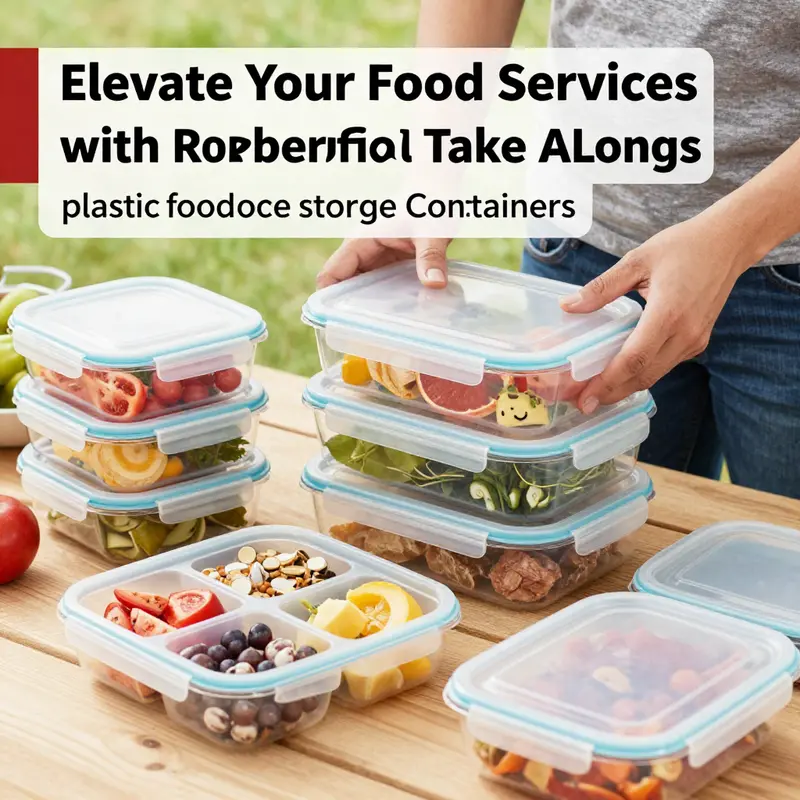
Rubbermaid’s plastic food storage solutions cater to the diverse needs of the food service industry. From optimizing the freshness of produce with the FreshWorks series to ensuring durability and safety with the Brilliance containers, and offering portable options with TakeAlongs, these containers provide reliable solutions suited for various culinary applications. By integrating these efficient storage options into your operation, you can enhance food quality and customer satisfaction.