
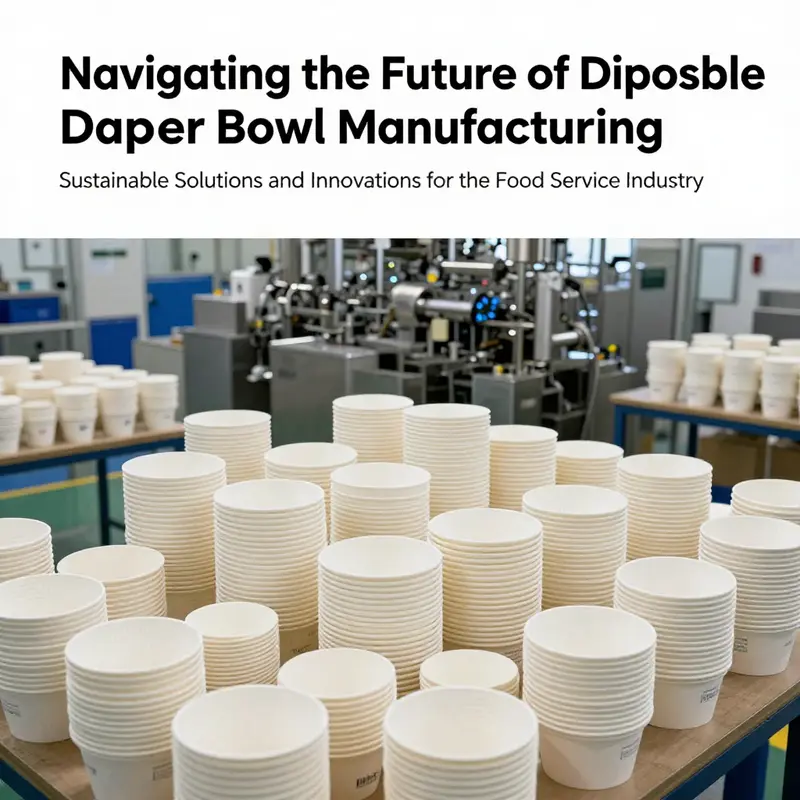
As the demand for eco-friendly packaging continues to rise, disposable paper bowl machine factories are becoming crucial players in the food service industry. This article explores the significance of sustainable production practices, the latest technological advancements, and market dynamics at play. We’ll evaluate the best practices for selecting suppliers and take a forward-looking glance at the trends shaping this sector. From bubble tea shops to catering services, understanding these factors can help businesses make informed decisions and enhance their service delivery.
Green Production Lines: Scaling Sustainable Disposable Paper Bowl Manufacturing
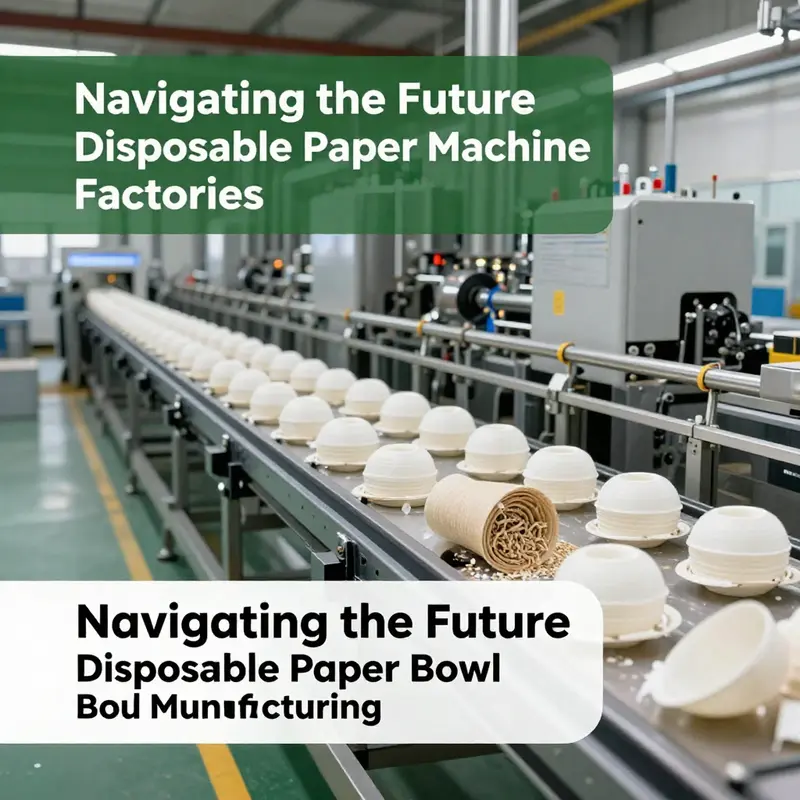
Sustainable production in disposable paper bowl machine factories weaves technology, materials science, and operational discipline into a single purpose: produce functional food containers with minimal environmental cost. The momentum behind this purpose comes from foodservice trends, regulatory shifts, and consumer preference for compostable alternatives. To meet demand, factories are rethinking every step of the line — from raw pulp selection to final packaging — and turning sustainability into a measurable outcome.
Automation forms the backbone of modern sustainable lines. High-speed machines now perform feeding, forming, gluing, folding, and drying as one synchronized process. This integration reduces manual handling and idle time, which lowers scrap rates. When a single machine controls multiple stages, tolerance mismatches fall and material usage tightens. That efficiency translates to less paperboard per bowl and fewer rejects per shift. Advanced control systems, including PLCs and servo drives, keep machine cycles stable and minimize sudden spikes in energy use. Ultrasonic sealing and precision gluing replace variable heat-based methods, cutting energy consumption while improving leak resistance.
Material choice is equally transformative. Factories are moving away from virgin forests and petrochemical coatings. Renewable feedstocks like molded sugarcane pulp or agricultural residue offer high strength without competing with food crops. These fibers often require less intensive processing than bleached wood pulp, and they integrate well with mechanical forming methods on automated lines. Where coatings are necessary for barrier performance, manufacturers prefer recyclable or compostable layers. PE-free coatings, biodegradable polymers, and water-based dispersions provide moisture protection with a smaller end-of-life impact. Designing the bowl and coating as a single compostable system enables municipal or industrial composting streams to accept the product without separation.
Energy efficiency is no longer an optional improvement. It is a selection criterion for new equipment and a key metric for retrofit projects. Factories track energy per thousand pieces and set targets for year-on-year reductions. Simple changes deliver measurable returns: variable frequency drives reduce motor consumption during lower loads; waste heat recovery systems reclaim energy from drying zones; LED lighting and smart HVAC reduce facility overhead. Beyond hardware, software plays a role. Predictive maintenance systems, driven by sensor data and early anomaly detection, lower unplanned downtime and avoid energy-intensive restarts. AI models predict motor failures or belt wear, enabling planned interventions that keep machines running at optimal efficiency. This predictive approach reduces spare part inventories and extends component life, indirectly cutting resource consumption.
Waste reduction is both a design consideration and a daily practice on modern lines. Nesting optimization reduces paperboard scrap by improving blank layouts before feeding. Real-time monitoring flags deviations in web tension or die alignment, while automatic trim choppers collect and bale scrap for return to pulping. Water use is minimized through closed-loop systems and targeted cleaning routines. When water is discharged, treatment processes focus on returning fibers to the process or ensuring effluent meets discharge standards. Many factories partner with local recyclers and pulpers to create circular flows for off-spec product and returns from customers.
Operational changes match technological advances. Training programs emphasize lean manufacturing principles and environmental KPIs. Operators learn to recognize conditions that increase waste or energy draw. Cross-functional teams analyze rejects and trace them back to upstream causes. This continuous-improvement culture encourages small, iterative changes that add up to substantial environmental gains. Procurement practices also shift: suppliers are evaluated on life-cycle impacts, transparency in material sourcing, and the ability to provide certification for compostability or recycled content. Buyers increasingly request chain-of-custody documentation to ensure feedstocks meet sustainability claims.
Factory location and supply chain logistics influence sustainability outcomes as much as machine design. Clusters of equipment and suppliers near pulp mills reduce transportation emissions. Many manufacturers optimize inbound logistics by ordering larger, less frequent shipments of pulped or coated board, which reduces the per-unit freight footprint. On the outbound side, stackable, nested bowl designs lower transport volume. Where possible, factories design packaging for the bowls that uses less material and is itself recyclable or compostable. These steps reduce the product’s cradle-to-gate carbon intensity and improve overall competitiveness.
Certification and transparency matter to clients. Third-party validation — such as compostability standards, FSC chain-of-custody, and ISO energy management — gives downstream brands the confidence to switch to paper bowls. Factories that secure certifications often see faster adoption by institutional buyers and global chains. Beyond certificates, accessible environmental product declarations and life-cycle assessments provide the quantifiable data procurement teams require. Clear metrics allow buyers to compare paper bowls and machine technologies on common grounds: energy per thousand units, water use, and end-of-life pathways.
The manufacturing base remains concentrated in regions with deep industrial know-how. High-volume lines and precision engineering expertise often come from established clusters, which offer economies of scale and specialized supply chains. Yet sustainability demands widespread adoption of best practices. Machinery makers export automation packages and energy-saving modules, enabling newer factories to leapfrog older, less efficient setups. Collaboration between equipment makers and material suppliers has accelerated. Co-development programs yield tailored coatings and forming methods that balance speed and compostability.
Design innovation continues at the product level. Engineers optimize bowl geometry to use less board without sacrificing stiffness. Stackable features reduce transport and storage impacts. Lid designs that lock in place enable safer delivery and reduce spills, indirectly cutting food waste during takeout. Some factories test multi-material systems where the bowl and lid are designed to compost together, eliminating mixed-material separation problems in waste handling.
Looking ahead, two trends are poised to reshape the sustainability profile of factories. First, integration of AI-driven predictive maintenance will become standard. These systems extend equipment life, reduce maintenance waste, and keep energy consumption closer to optimal values. Second, continued material innovation will move machines toward full compatibility with compostable coatings and recycled feedstocks. When machines routinely process high-fiber, low-refinement pulps, overall embodied carbon drops. That will open markets for certified compostable bowls in jurisdictions with strict single-use plastics bans.
Practical examples help illustrate the outcome. A well-tuned production line running at high efficiency can produce leak-resistant bowls while cutting raw material use through better blank registration. Complementing that line with recyclable coatings and energy recovery systems reduces lifecycle impacts further. For brands seeking ready-made options, a range of compostable bowl formats exists, from small soup bowls to larger salad containers. One such example is a biodegradable eco-friendly take-away kraft paper bowl that meets compostability expectations while supporting large-scale manufacturing practices (biodegradable eco-friendly take-away kraft paper bowl).
For those evaluating machinery or planning factory upgrades, market analysis and industry reports provide a broader context on growth, technology adoption, and supplier landscapes. Reports compile data on machine throughput, regional manufacturing hubs, and forecasted demand for sustainable packaging solutions. These resources help planners prioritize investments and benchmark performance against peers. External analysis can also reveal emerging regulatory pressures and opportunities that affect long-term asset planning. For further technical context and market trends, see this detailed industry report: https://www.researchandmarkets.com/reports/624850/disposable-paper-bowl-making-machine-market-global-industry-analysis
Sustainable production in disposable paper bowl factories is not a single project. It is a continuous, measurable shift in how lines are designed, how materials are chosen, and how operations are managed. When technology, materials, and culture align, factories deliver containers that meet performance needs while reducing environmental impact across the product life cycle.
Smart Lines, Green Materials, and the Rising Pace of Disposable Paper Bowl Manufacturing
Across the food service landscape, disposable paper bowls are increasingly seen as more than convenient disposables; they are a proving ground for how automation, intelligent control, and sustainable materials can converge to redefine scale and reliability. The market’s shift toward greener packaging is no longer a niche preference but a baseline expectation, driven by regulators, brand norms, and the rhythms of delivery and takeout commerce. In this context, the factory floor has become a living laboratory where high-speed lines, precise controls, and careful material choices collaborate to produce bowls that are not only leak-resistant and stackable but also compatible with compostable or recyclable streams. The chapter you read now traces how manufacturing technology, not just raw materials, is shaping the future of disposable paper bowls.
Automation sits at the core of this transformation. Modern lines are built around computer-based control systems that monitor a tapestry of parameters in real time. Temperature profiles, pressure tolerances, feed rates, and cycle timing are continuously tuned, with sensors feeding data into centralized logic that guards quality while squeezing efficiency. This is not merely about speed; it is about reproducibility. In a market where a slight deviation in thickness or sealing integrity can lead to waste or customer dissatisfaction, the ability to maintain consistent product metrics—bowl diameter, wall thickness, seal strength—becomes a competitive differentiator. Beyond human oversight, PLCs and closed-loop controls translate operator intent into precise mechanical actions, reducing variance and enabling predictability across shifts and seasons.
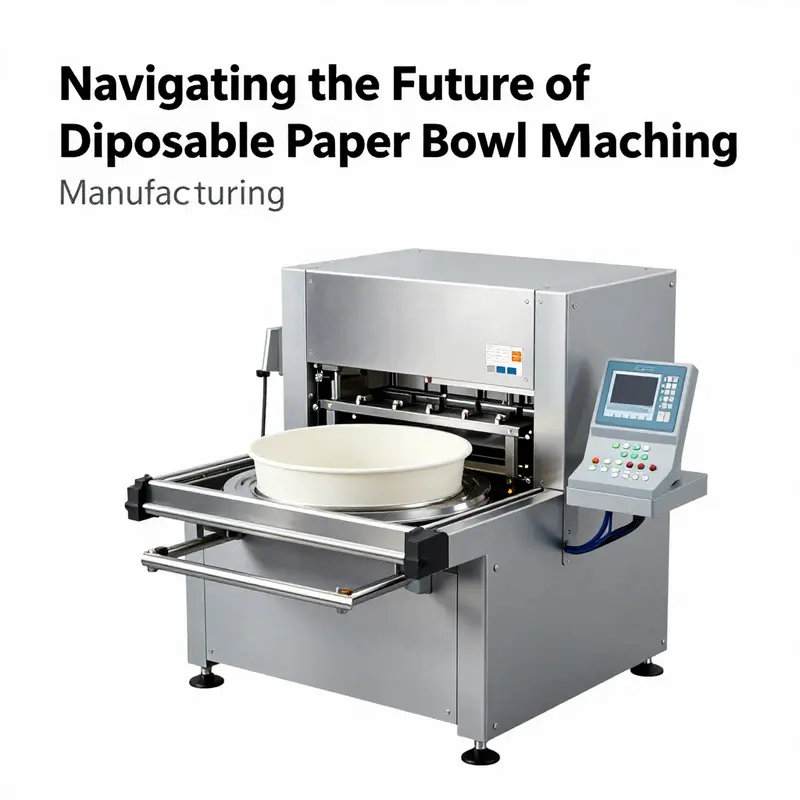
A closer look at the actual line architecture reveals why throughput and quality can advance in tandem. A representative fully automatic configuration integrates a sequence of coordinated stations: automated paper feeding that tension-stabilizes sheets before forming, preheating to condition the board, precise sealing operations, oil or adhesive injection for moisture barriers, bottom cutting to define the bowl footprint, a heating or curing stage to set the seal, knurling to create grip texture on the rim, and curling or forming to finalize the geometry. Each function is a node in a tightly choreographed dance, designed to minimize idle time and keep material flow steady. When these elements are tuned in harmony, lines can exceed forty-five finished pieces per minute without sacrificing dimensional accuracy or leakage resistance.
The evolution of the mechanical design itself plays a pivotal role. Engineers have pushed for smoother paper handling, more rugged seal interfaces, and faster, cleaner cut-and-form cycles. The result is a line that not only runs fast but also resists common reliability bottlenecks such as misfeeds, torn plies, or imperfect seals. This is where automation meets material science: the forming and sealing stages must accommodate board variability while preserving the geometry that guarantees a leak-tight structure. In practice, this means more intelligent nip control, adaptive feed pressure, and seal interfaces calibrated for different grades of paperboard. The net effect is a plant capable of large-scale production with less scrap and more uniform bowl performance across a day and across product families.
Sustainability remains inseparable from these technical feats. As the industry moves toward compostable and recyclable materials, manufacturers face the challenge of aligning processing techniques with the chemical and structural properties of greener boards. Many lines now incorporate sensors and process analytics that verify thickness uniformity, surface finish, and barrier performance in real time. Quality becomes a data story rather than a solely sensory one: the system flags a drift in barrier integrity or a slight shift in surface gloss that could herald later performance issues. In addition, the materials themselves are chosen with end-of-life in mind. Natural fibers and biodegradable coatings are increasingly compatible with composting or recycling streams, while adhesive systems are reformulated to minimize environmental impact without compromising sealing quality.
Artificial intelligence enters this arena as a powerful ally to traditional automation. AI modules analyze historical and streaming data to forecast maintenance needs, detect subtle process drifts, and optimize energy usage. Instead of relying on calendar-based maintenance, the line can trigger predictive interventions that prevent unplanned downtime and reduce waste. For operators, AI insights translate into clearer decision support: when to adjust preheating temperature to accommodate a different material batch, or how to fine-tune the curling mechanism to maintain rim integrity on varying board grammages. This predictive mindset extends the benefits beyond uptime. Energy, water, and heat usage become more efficient as AI correlates process profiles with material and ambient conditions, trimming the environmental footprint while preserving product performance.
The human element on the floor remains essential, but it is transformed. Technicians and engineers shift from routine, manual oversight to monitoring and tuning advanced cyber-physical systems. They interpret AI-generated alerts, calibrate sensors for new material streams, and supervise automatic quality checks that flag any deviation from target geometry or surface characteristics. In this environment, training emphasizes data literacy and cross-disciplinary collaboration—mechanical engineering, materials science, and software analytics converge to sustain high-output, consistent quality. Buyers seeking suppliers are advised to value not only certifications but also after-sales support that includes regular software updates, remote diagnostics, and fast access to spares for critical line components. The better the support ecosystem, the more quickly a factory can adapt to shifts in material supply or regulatory expectations while keeping lines running.
Material choices are increasingly strategic. The industry is embracing natural and biodegradable alternatives that meet performance criteria, including moisture resistance, heat stability, and mechanical resilience. The challenge is to harmonize these materials with automated processes so that speed and quality are not compromised. In practice, this means designing forming and sealing stations that tolerate a range of board properties, as well as selecting coatings and laminates that maintain barrier performance during handling and transport. In this sense, the equipment itself becomes a partner in sustainability, not merely a conduit for production. The result is a portfolio of line configurations capable of switching between materials with minimal retooling, reducing downtime when transitioning from standard to eco-friendly formulations.
For readers who want a tangible sense of what advanced lines can deliver, consider a modern, fully automatic forming and sealing cell described in industry literature. It illustrates how integrated control panels, automated feeding, and multi-stage processing deliver speed without compromising integrity. It also demonstrates how a single line can support a family of products—from compact bowls for single-serve applications to larger capacity designs for hot foods—through modular station design and adaptable tooling. The underlying message is clear: as control systems and mechanical design advance, the factory becomes more capable of meeting diverse customer needs while sustaining a tight environmental profile.
Even as these lines push toward higher throughput and smarter maintenance, the industry remains mindful of supplier quality and service ecosystems. Buyers assess not only the machine’s immediate performance but also the reliability of after-sales support, the availability of spare parts, and the supplier’s track record with certifications and continuous improvement practices. In markets where regulatory frameworks encourage or require compostable materials, the ability to demonstrate process stability and waste reduction becomes a key differentiator. That is why the integration of AI—not as a flashy add-on but as a foundational capability—consistently appears in credible industry roadmaps. It anchors both short-term efficiency gains and long-term resilience as materials evolve and markets tighten their sustainability standards.
In this context, a practical takeaway for industry participants is to look for lines that offer modularity and adaptability. A plant designed to accommodate different board grammages, coatings, and forming geometries without a complete retooling reduces changeover times and material waste. It also enables rapid experimentation with greener materials, a critical capability for manufacturers seeking to align with evolving regulations and consumer expectations. With the right combination of automation, AI-driven analytics, and sustainable materials, a disposable paper bowl line can stay nimble in a market that rewards both precision engineering and responsible stewardship.
For readers exploring practical, eco-friendly packaging options, see the disposable-700ml kraft paper bowl take-out octagonal options, which illustrate how product design and material choices converge across a single family. disposable-700ml-kraft-paper-bowl-take-out-octagonal-rectangle-paper-bowl.
Looking ahead, the trajectory is clear. The convergence of AI, automation, and green materials will produce lines that not only run faster but also learn and improve over time. Predictive maintenance will become more refined as data science matures, reducing unplanned downtime and extending equipment life. Digital twins and remote monitoring may enable manufacturers to simulate line changes before they happen, further safeguarding continuous production while experimenting with new materials. The result is a more resilient, sustainable, and responsive manufacturing ecosystem—a narrative that begins on the shop floor and flows through the supply chain to the consumer’s table. As markets continue to demand eco-friendly packaging, the factory of the future will be defined not solely by its speed but by its ability to integrate intelligent controls, adaptable mechanical design, and responsible material choices into a single, coherent system. External reference: https://www.made-in-china.com/products/309862385517.html
Navigating Market Currents: Demand, Supply Challenges and Compliance for Disposable Paper Bowl Machine Factories
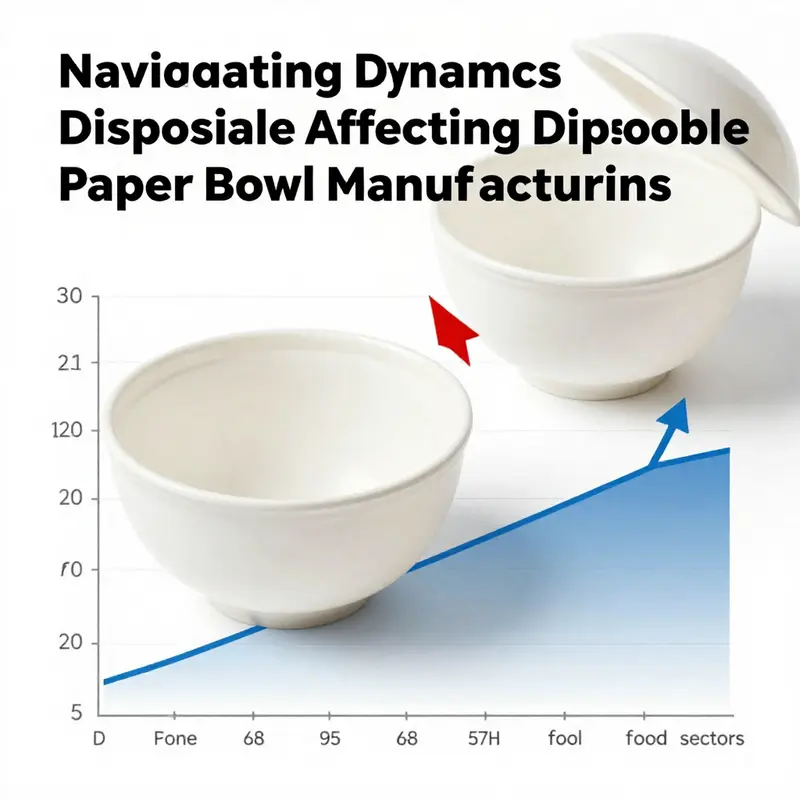
The market dynamics shaping disposable paper bowl machine factories are complex and tightly interwoven. Global demand has shifted the industry from niche production into a mainstream manufacturing sector. Growth in fast-casual dining, food delivery, and heightened hygiene expectations has expanded volume requirements. At the same time, sustainability regulations and buyer preferences now demand credible environmental performance. Machine factories must manage rising order volumes while meeting stricter proof-of-performance and material standards.
Clusters of manufacturers in Zhejiang and Wenzhou, including Ruian, have become centers of competitive advantage. These clusters combine mold shops, automation specialists, component suppliers, and final assembly under one regional roof. That proximity reduces lead times for prototypes and custom builds. Standard machines can move from order to shipping in 30–45 days in these ecosystems. The arrangement supports quick iterations when buyers request new bowl sizes, shapes, or sealing options. It also lowers transport costs and simplifies vendor management for machine builders.
Supply chains, however, are under stress. Shifts in the raw paperboard market have tightened availability for certain non-coated premium grades. Several North American mill reductions and closures have reduced domestic capacity. That has pushed buyers and machine factories toward imported paperboard and alternative suppliers. Rising material prices have followed, increasing input costs across the value chain. For factories that rely on local paper supply, the immediate effects may be muted by inventory buffers. But prolonged contractions force strategic choices: accept higher costs, qualify new suppliers, or redesign products to use more readily available substrates.
European markets tell a contrasting story. Investment in renewable corrugated and sustainable packaging lines is growing across Austria, Italy, and France. That continental momentum signals healthier regional raw material investment. It also suggests future opportunities for machine exporters who can demonstrate compatibility with European material specs and regulatory frameworks. Factories that can adapt machine designs to handle a broader array of paperboard grammages and coatings will find more export pathways available.
Buyers now evaluate suppliers with a broader checklist than price or headline speed alone. Performance test reports are essential in many markets. Buyers expect microwave-stability results, grease-resistance ratings, and independent biodegradability or compostability verification. Certifications such as FSC-chain-of-custody for fibers and third-party compostability marks are often non-negotiable for sustainability-focused customers. This trend compels machine factories to partner with material certifiers, testing houses, and third-party auditors to substantiate claims. The era of unverifiable assertions about recyclability or compostability is ending.
Operational transparency has moved up the priority list. Prospective buyers commonly request factory walkthrough videos, audit reports, and third-party inspection records before committing. After-sales arrangements matter equally. Warranties, spare-parts availability, and remote-diagnostics capabilities influence purchasing decisions. Modern buyers expect machine suppliers to offer not only equipment but also a predictable service ecosystem. Remote PLC parameter guidance, spare-parts kits tailored to wear patterns, and expedited shipping for critical components are all differentiators.
Technological maturity now competes directly with price. High-speed lines integrating PLC controls, ultrasonic sealing, and precision tooling can reach throughputs beyond 45 pieces per minute. But raw speed alone is insufficient. Predictable uptime, maintainability, and compatibility with compostable barrier coatings carry equal weight. Buyers often want modular lines that allow incremental upgrades. Factories that design machines with accessible control panels, standardized electrical architectures, and clear diagnostic readouts reduce operator training time. That translates into lower total cost of ownership.
The competitive landscape has therefore broadened into several dimensions. Cost competitiveness still matters, particularly for volume-oriented purchasers. However, regulatory compliance, testing credentials, environmental accountability, and robust after-sales services increasingly decide vendor selection. Small or new machine builders can compete by offering rapid customization and shorter lead times. Larger, technologically advanced manufacturers compete on reliability, certification support, and global service networks. Machine factories that align their commercial offerings around these buyer expectations stand a better chance of winning long-term contracts.
Risk mitigation has become a routine part of factory planning. Diversified supplier bases for critical components and raw materials reduce single-source vulnerabilities. Strategic inventory policies—safety stocks for die components, molds, and key electronic parts—smooth short-term disruptions. Many factories now explore nearshoring options for spare parts to shorten replacement cycles in key export markets. Others invest in qualification processes to approve alternative paperboard suppliers quickly. Investing in staff who can run accelerated qualification protocols for new substrates has become a practical hedge against raw-material volatility.
Material innovation is another active response. Demand for fully compostable or home-compostable bowl substrates pushes material developers and machine designers to collaborate closely. Machines must handle new pulp blends and coatings without compromising forming accuracy or seal integrity. Ultrasonic sealing and heat-sealing technologies must be tuned to the thermal and mechanical properties of these materials. Factories that maintain close R&D ties with material suppliers gain early access to emerging substrates. This proximity speeds up machine calibration for new material grammages and coating chemistries.
Data and digital services are now part of the factory value proposition. Predictive maintenance powered by machine data reduces unplanned downtime. Sensors on critical bearings, motors, and seal heads feed simple analytics that flag trends before failures occur. Machine suppliers offering remote monitoring and periodic health reports help buyers plan production windows. Over time, blended service agreements that include uptime guarantees and scheduled maintenance create more stable revenue streams for factories and more predictable operations for buyers.
Compliance with varying regional standards also shapes design choices. For North American and EU markets, buyers require verifiable test outcomes under real-world conditions. Machines must reliably produce bowls that meet those tests. That means tool durability, repeatable forming, and consistent sealing pressure. Suppliers that can provide documented sample runs, independent lab reports, and production metrics reduce buyer risk. The best vendors include sample validation runs in their commercial proposals for large orders.
Custom design requests remain common. Restaurants, food delivery platforms, and brand-conscious chains ask for unique bowl shapes, sizes, and lid fitments. Rapid prototyping capabilities within manufacturing clusters enable these customizations without extensive lead times. When a factory can prototype a new octagonal or rectangular bowl quickly, it shortens time-to-market for the buyer. That agility has commercial value that often offsets a higher equipment price.
In this environment, successful machine factories adopt a multi-pronged strategy. They strengthen supply-chain visibility, diversify material partners, formalize certifications and testing relationships, and expand service offerings beyond installation. They design machines for maintainability and modular upgrades. They embed digital health checks for predictive maintenance. And they invest in transparent, verifiable claims about performance and sustainability.
Those strategies align with buyer expectations and regulatory trends. As markets continue to favor environmentally credible, high-performing single-use containers, machine factories that balance speed, quality, and proof-of-compliance will dominate. For manufacturers and buyers seeking deeper technical details on machine specifications, production flows, and applications, a comprehensive guide is available here: https://www.made-in-china.com/products-detail/189627521884.html.
For practical product examples that illustrate how bowl design, lid fitment, and sustainability features come together, see this disposable kraft paper bowl for food package with lid.
Partners in Precision: Navigating Supplier Evaluation for Disposable Paper Bowl Machines
The shift toward sustainable packaging has turned disposable paper bowl production into a strategic capability for food-service operators and manufacturers alike. Choosing a supplier for the underlying machinery is not merely a transaction; it is a decision that shapes efficiency, compliance, and the pace at which a business can respond to a changing market. The most effective supplier evaluation reads like a careful synthesis of location, quality discipline, technical depth, and service commitment. When these elements align, a factory can convert a design brief for eco-friendly, single-use containers into a robust, scalable operation that meets regulatory expectations and customer needs in equal measure.
Geographic clustering matters, and the logic behind it is as practical as it is strategic. In the context of disposable paper bowl manufacturing, certain Chinese industrial hubs have emerged as ecosystems that shorten cycles from concept to finished line. Regions that host raw material processing, forming-mold fabrication, automation integration, and final assembly within a compact geography reduce logistics friction dramatically. The result is not just faster builds but a more coherent pipeline of parts and expertise. For buyers, this means shorter lead times and clearer paths for iteration when testing new thicknesses, coatings, or curling patterns that influence strength, leak resistance, and stackability. In one cluster, suppliers tend to prioritize premium, food-grade quality lines designed to meet stringent CE and FDA standards, catering to European and North American markets. In another cluster, manufacturers emphasize scalable, mid-range automation crafted for emerging markets seeking cost-effective entry into disposable-container production. These regional specializations are not merely about price points; they reflect a distributed knowledge base that accelerates prototyping, integration, and on-site commissioning. An advantage, then, of evaluating suppliers within these clusters is the ability to observe how the ecosystem handles the entire lifecycle of a machine—from servo-driven forming molds and ultrasonic sealing modules to PLC-based control sequences and lubrication systems.
Yet location alone does not guarantee success. A rigorous assessment of a supplier’s quality framework is indispensable. Reputable suppliers typically operate under an ISO 9001 quality management framework, with documented quality control checkpoints at every stage—from raw material intake through final commissioning. This discipline helps ensure consistent performance and long-term durability under commercial operating conditions. It also signals a willingness to engage in ongoing improvement, not merely to deliver a machine but to sustain its productivity through upgrades and predictable maintenance needs. When a buyer reviews documentation, the presence of traceable testing records, calibrated measurement results, and clear acceptance criteria for critical components—molds, ultrasonic units, sensors, and drive systems—serves as a reliable needle to gauge reliability.
Technology, however, remains the heartbeat of modern disposable-bowl production. The most capable suppliers offer lines that balance speed, precision, and quiet operation while maintaining ease of maintenance. A full automatic line designed for high-output environments may be capable of substantially higher throughput, with speeds reaching into the range of 70–80 pieces per minute on premium configurations. Beyond raw speed, the allure lies in closed-loop automation and design choices that reduce downtime and extend equipment life. Features such as open cam designs, robust gear-motor drives, and full-automatic lubrication with integrated filtration significantly lower friction and wear while reducing the risk of contamination in food-contact zones. A separated curling and knurling mechanism can minimize vibration and noise, improving operator comfort and prolonging machine life. The practical takeaway for buyers is not simply the existence of these features but how they integrate into a cohesive line that maintains consistent quality as output scales. It also matters how readily a supplier can provide performance data, installation references, and after-sales insights from existing clients, enabling a buyer to forecast maintenance intensity, spare-parts consumption, and eventual retrofit options.
Lead times illuminate another dimension of supplier evaluation. A well-coordinated industrial cluster, with mature supplier networks and in-house component capabilities, can typically complete standard machine builds within 30 to 45 days. Shorter cycles enable a plant to test new designs, adjust to market feedback, and shrink time-to-market for new packaging formats. The ability to prototype rapidly is not a luxury; it is a practical driver of competitiveness in a market where packaging compliance, sustainability claims, and consumer expectations evolve quickly. When a supplier touts a full suite of in-house capabilities—ranging from mold fabrication to automation integration—buyers gain not only faster delivery but a more predictable risk profile. The risk is mitigated because critical components are sourced nearby, reducing the vulnerabilities associated with long-haul logistics and overseas disputes, and enabling faster responses to field issues.
Quality, reliability, and speed are complemented by an emphasis on long-term partnerships. A supplier who views the relationship as an ongoing collaboration rather than a one-off sale tends to deliver the highest value over the life of the line. After-sales service becomes a central pillar of this relationship. Remote diagnostics can provide early warnings about performance deviations, enabling proactive maintenance rather than reactive fixes. A well-structured after-sales program often includes a well-stocked spare-parts catalog, on-site technical training for operators and maintenance staff, and a clear escalation path for critical faults. The most durable supplier partnerships also offer knowledge transfer on process optimization, such as optimizing sealing parameters to improve leak resistance without sacrificing speed or increasing material waste. The outcome is a production line that remains productive through evolving product specs and material selections, rather than forcing a business to repeatedly repurchase capital equipment.
Of course, the industry is evolving. The frontier remains wide open for innovations that push disposable paper bowls toward fully compostable materials and AI-driven maintenance. A future-oriented supplier understands that today’s lines must be adaptable to future compositions, including multi-layer, bio-based substrates and new adhesives that preserve performance while promoting end-of-life options. In parallel, predictive maintenance—through AI and machine learning analytics—holds promise to reduce unplanned downtime and optimize part replacement schedules. For buyers, this translates into greater certainty around uptime, lower total cost of ownership, and a clearer roadmap for capital planning as sustainability and regulatory demands continue to intensify.
Evaluating suppliers with these dimensions in mind yields a more robust, future-ready procurement process. It is not enough to compare price or peak production capacity alone; the most resilient decisions hinge on a supplier’s ability to integrate material science, precision engineering, and service excellence into a coherent value proposition. The buyer benefits from a well-supported platform that can adapt to growing volumes and changing formats while maintaining strict quality standards and responsible manufacturing practices. To illustrate how these principles translate into practical buying decisions, consider a supplier network that leverages regional strengths to shorten cycles, maintains a transparent quality-control narrative, and demonstrates a track record of reliable performance under diverse conditions. The result is not only a machine but a working ecosystem that sustains productivity and quality across the product lifecycle.
For readers seeking context on supplier profiles and market expectations, industry references and buyer guides offer an consolidated view of regional capabilities, compliance benchmarks, and service models. These resources help frame the due-diligence process—defining what to ask, what data to request, and how to verify claims made by suppliers. In practice, verifying a supplier’s documentation, validating performance claims with references, and requesting a staged acceptance plan before full-scale commissioning are prudent steps. A well-managed evaluation process reduces the risk of mismatches between supplier capabilities and plant objectives, ensuring that the chosen partner can scale with demand, support evolving materials, and uphold environmental commitments over the long term. This approach supports a sustainable growth path for a disposable paper bowl operation while maintaining the reliability that customers and regulators expect.
Internal link reference: disposable kraft paper bowl with lid.
External resource for broader industry context: https://www.made-in-china.com/products-search/Disposable-Bowl-Making-Machine.html
Charting the Next Era of the Disposable Paper Bowl Machine Factory: Automation, Sustainability, and Global Clusters
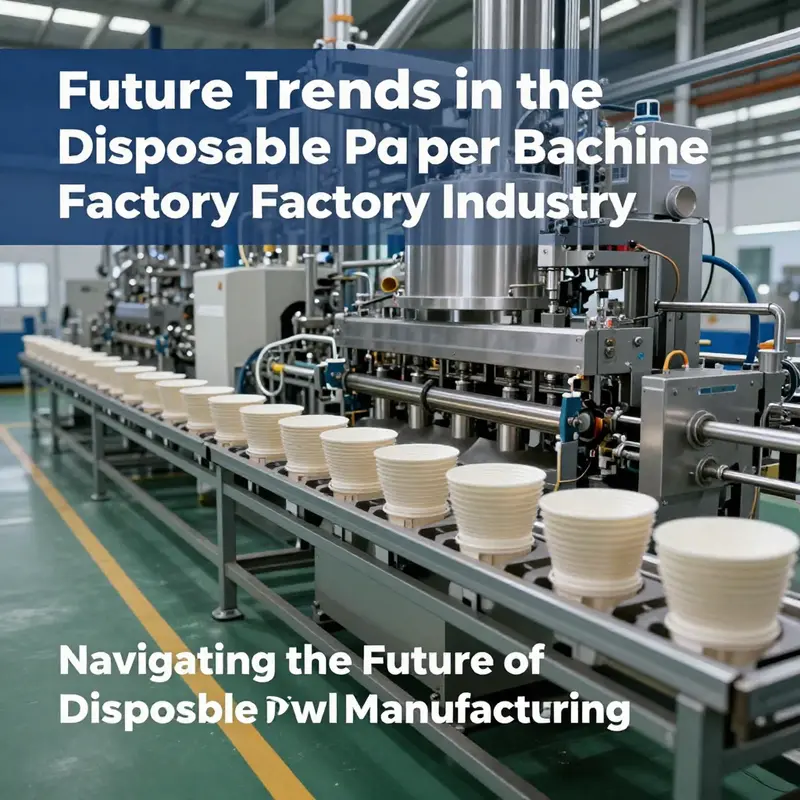
The next era of the disposable paper bowl machine factory will likely be defined not merely by speed, but by a coherent blend of sustainability, intelligence on the shop floor, and regional specialization that aligns with shifting regulatory and consumer expectations. As the industry scales to meet rising demand from fast-casual, takeout, and food delivery platforms, manufacturers are recalibrating their priorities. The dialogue now moves from “How fast can we produce bowls?” to “How can we produce bowls that are safer, cleaner, cheaper to recycle, and easier to source responsibly?” In this transition, three intertwined currents shape the trajectory: sustainable materials and clean-label processes, deeper automation with intelligent controls, and a geography of manufacturing clusters that balances cost, quality, and lead times. Together, they form a coherent narrative about what the factory of the future will look like and how it will operate in a global context that prizes environmental responsibility as much as efficiency.
Sustainability is no longer a marketing angle; it is a design constraint that infiltrates every stage of the production line. The shift toward compostable and biodegradable bowls, often made from recycled or sustainably sourced paperboard, requires equipment that can handle more complex material streams without compromising integrity. Machines must manage a wider variety of inputs while sustaining high-quality, leak-resistant finishes. This pushes manufacturers to innovate beyond simply sealing a cup or bowl. They are adopting design features that facilitate end-of-life processing, such as materials that align with composting standards or simple separation for recycling. The industry recognizes that a clean-label mindset—where the components and processes are transparent and traceable—translates into more predictable outcomes on the line and better acceptance by regulators and customers alike. In practice, this means equipment capable of more precise material handling, gentler forming cycles to prevent delimination of recycled content, and sealing methods that preserve the compostability of the final product.
Technology is the bridge between sustainability and scalable production. Modern disposable paper bowl lines increasingly integrate open cam designs and gear-driven mechanisms that deliver quieter operation and improved stability. Such configurations reduce vibration and wear, extending machine life while enabling higher, more consistent throughput. Ultrasonic sealing remains a critical technology for achieving strong seals without excessive heat or pressure that could compromise biodegradable or recycled materials. Yet the real leap is in the control layer: programmable logic controllers (PLCs) tied to sensors and real-time data streams give operators a window into process health, enabling rapid adjustments before waste compounds or quality dips occur. With intelligent control, a plant can shift production in response to material variability, ambient conditions, or even forecasted demand, all while maintaining tight hygiene standards required for food-contact applications. This convergence of mechanical design and digital oversight supports a manufacturing tempo that is both brisk and reliable, two attributes crucial to winning in a market that rewards consistent performance and predictable delivery windows.
The global supply chain landscape further compounds how future factories will be organized and sourced. China remains a dominant hub, particularly in regions renowned for manufacturing precision lines and integrating the full spectrum of supply chain activities—from resin and paperboard to molds and final assembly. Zhejiang stands out for high-precision, CE/FDA-compliant lines designed for premium markets in Europe and North America. In contrast, Henan offers scalable, cost-efficient solutions that cater to growing markets and demand volumes in the rest of the world. This geographic specialization does more than shave costs; it streamlines sourcing, reduces lead times, and improves quality assurance through established ecosystems where suppliers and manufacturers operate under compatible quality management systems like ISO 9001. Buyers who can navigate these clusters benefit from shorter development cycles and clearer pathways to compliance. The clustering also means that the industry can sustain rapid iteration cycles for new designs and process upgrades, aligning new material innovations with the capabilities of the machines that will process them.
A practical implication of this specialization is the need for robust after-sales support and shared engineering knowledge. When a plant in Zhejiang refines an open cam design for better tolerance with recycled fiber, nearby suppliers can replicate and optimize the approach quickly, turning a localized improvement into a regional standard. Such dynamics make it essential for buyers to assess a supplier’s ability to provide consistent upgrades, remote monitoring, and spares availability across the cluster. The overall effect is a more resilient value chain where knowledge transfer accelerates, and risk from single-sourcing is mitigated by a distributed, well-integrated manufacturing network. In parallel, the industry leans into predictive maintenance enabled by PLCs and sensor networks, allowing plants to anticipate equipment wear and schedule proactive interventions. This kind of intelligence reduces unplanned downtime, limits scrap, and maintains hygiene by preventing abrupt process changes that could compromise sanitation or seal integrity.
From a product design perspective, the drive toward circular packaging ecosystems shapes how bowls are formed and finished. Designers balance aesthetic and functional criteria with end-of-life considerations. For example, lids and nesting features are now optimized to minimize material use while preserving stackability and leak resistance. The result is a symbiotic relationship between mold making, machine programming, and packaging design—where each improvement on the line unlocks new possibilities in materials and finishes. This holistic approach helps ensure that innovations in automation do not come at the expense of recyclability or compostability. It also supports the broader clean-label movement by simplifying material tracing and reducing the need for additives that could complicate disposal streams.
Industry observers also note that the maturation of AI-driven predictive maintenance will reshape procurement and capital planning. With data streams from PLCs, ultrasonic seals, and motor controllers, factories can forecast the lifespan of components and optimize maintenance windows to minimize disruption. This creates opportunities for more nuanced equipment leasing and service models, where uptime guarantees and performance metrics are tied to ongoing optimization rather than one-off machine purchases. Financial planning thus becomes as important as technical design. Operators can align capital expenditure with measurable improvements in reliability, waste reduction, and energy efficiency, which in turn strengthens the environmental case for upgrading lines rather than expanding capacity with older, less efficient equipment.
For buyers, evaluating a supplier is increasingly about a holistic capability set rather than a single specification. Beyond throughput and seal strength, prospective partners are assessed on material versatility, compatibility with recycled feedstocks, and the robustness of quality management systems that underpin repeatable performance. ISO 9001 certification remains a useful baseline, while CE and FDA compliance signals readiness for global markets. The ability to source equipment that can handle a wider range of input materials without compromising output quality becomes a crucial differentiator. In practice, this means choosing lines that offer modularity and upgrade paths as new materials and standards emerge. The goal is long-term adaptability: a plant that can respond to new regulatory frameworks, new consumer expectations, and evolving market demands without a costly, disruptive retrofit.
As the industry looks ahead, the convergence of sustainable technology, deep automation, and geographic specialization suggests a future in which the factory floor becomes a living integration of design, data, and delivery. The most successful operators will not simply chase higher speeds; they will cultivate a coordinated ecosystem in which material sourcing, machine performance, and packaging design align within a region that supports rapid iteration and shared standards. This alignment makes it possible to deliver high-quality, safe, and eco-friendly bowls at scale and with the reliability demanded by modern food service operations. The end result is a more predictable supply chain, less waste, and a clearer path to circular economy goals that resonate with regulators, customers, and communities alike.
For readers seeking a concrete example of the kind of eco-conscious packaging solutions that inform these trends, a practical reference is available here: disposable-kraft-paper-bowl-for-food-package-with-lid. This link illustrates how design choices, material compatibility, and finish quality come together to support both performance and disposability without compromising hygiene or aesthetics. The broader external perspective on market dynamics and technology roadmaps can be explored in depth in industry analytics, which project continued momentum in sustainable packaging and automated production as the core drivers of growth over the next decade: https://www.globaldata.com/industry-insights/disposable-paper-bowl-machine-market-trends-2026/.
In sum, the forthcoming era of disposable paper bowl manufacturing will be defined by a disciplined integration of sustainability, automation, and regional specialization. Plants that harness intelligent control systems, embrace adaptable material strategies, and participate in geographically robust supply networks will lift throughputs while maintaining high standards of hygiene and environmental responsibility. The chapter of this industry is shifting from a period of rapid scale to a period of intelligent scale—where resilience, transparency, and ecological stewardship accompany every roll of fiber and every seal on a finished bowl.
Final thoughts
In conclusion, as the disposable paper bowl machine factory industry evolves, embracing sustainable production and innovative technologies will be imperative for businesses in the food service sector. By understanding market dynamics, evaluating suppliers effectively, and anticipating future trends, businesses can not only stay competitive but also contribute positively to environmental sustainability. This holistic approach to disposable paper bowl manufacturing will undoubtedly play a pivotal role in shaping a greener future for the food service industry.