
In today’s vibrant food and beverage industry, the essential role of disposable food containers cannot be overlooked. From bubble tea shops to catering services, the demand for reliable, high-quality packaging solutions is at an all-time high. As businesses strive to maintain freshness, enhance presentation, and foster sustainability, understanding your options becomes critical. This guide dives into the world of disposable food container suppliers, specifically focusing on China’s dominant market presence, quality assurance practices, the rise of eco-friendly alternatives, and the best platforms for sourcing these essential products. With this knowledge, businesses can make informed decisions that elevate their service and meet modern consumer demands.
China’s Silent Factory of Takeout: How a Global Leader Shapes Sourcing, Standards, and Strategic Risk in Disposable Food Containers
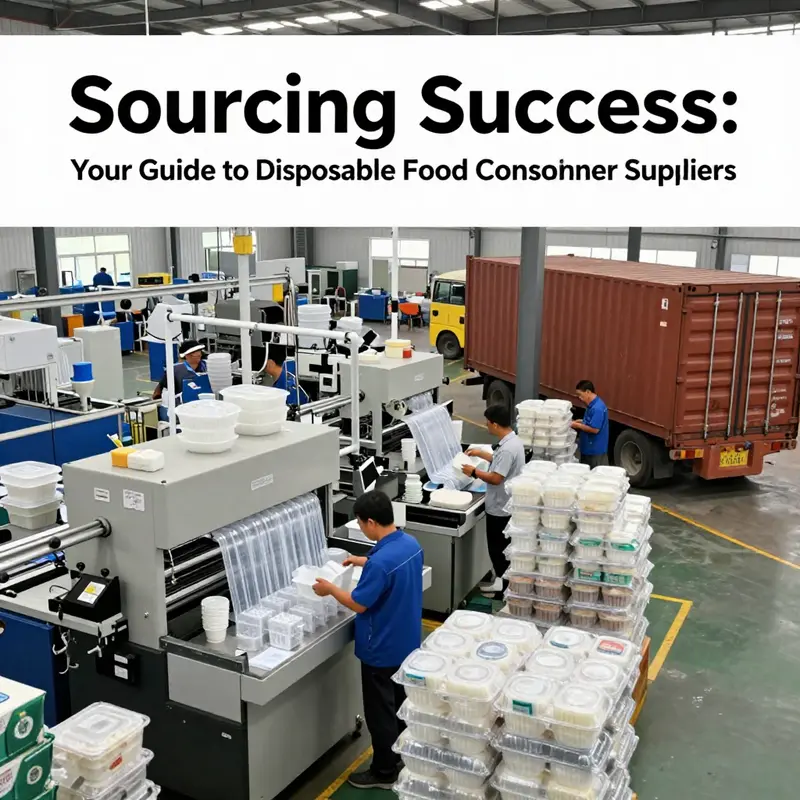
China’s ascent to the pinnacle of the disposable food container market is not a mere tale of cheap plastics and quick turnarounds. It is the product of a dense, coordinated ecosystem that stretches from the engineering floors of Guangdong’s industrial hubs to the efficiency calculations of global buyers hungry for scale, reliability, and regulatory alignment. In places like Guangzhou, Dongguan, and Shanghai, a mature injection molding and thermoforming infrastructure sits alongside integrated logistics networks and highly automated production lines. These centers achieve efficiencies that translate into rapid lead times and familiar order quantities that range from small trial batches to multi-million unit runs. For companies that want to deliver hot meals, cold beverages, and ready-to-eat bowls to a diverse customer base, this convergence of capabilities makes China a compelling source. The result is a market where millions of units can be produced monthly, and where supply chains are built not merely for speed, but for flexibility: the capacity to switch between private labels, co-maked products, seasonal designs, and sustainability-focused lines without sacrificing throughput or consistency in form and function. While cost is a powerful incentive, the real differentiator lies in a carefully curated blend of supplier depth, process sophistication, and a willingness to tailor solutions to specific foodservice needs. The inputs—polypropylene for heat tolerance and a growing array of eco-friendly materials—are part of a broader decision framework that emphasizes compatibility with temperature, acidity, and the physical demands of a busy kitchen. Polypropylene, with temperature resilience often cited around the 120°C mark, remains a staple for many hot-food applications. Yet the market is expanding beyond simple plastics toward greener options such as molded fiber, bagasse-based pulp, bamboo composites, and PLA-lined substrates. The practical implications are clear: buyers must match container performance to the product it will carry, ensuring safety, stability, and user experience under real-world conditions. The 15–25 day lead times commonly cited for standard orders reflect both the maturity of the manufacturing base and the breadth of the supplier network. In regions like Guangdong and Shanghai, every step of production—from design and tooling to molding, quality assurance testing, packaging, and logistics—can be tightly choreographed to minimize dwell time and maximize consistency. This orchestration supports not only domestic demand but also robust export activity to North America, Europe, and other growth markets where regulatory expectations are rising in parallel with consumer scrutiny of packaging materials. The ability to scale private label programs, to execute large-volume custom runs, and to provide reliable inventory management solutions has long been a strategic advantage for Chinese suppliers. It is also a reminder that the decision to source globally is rarely driven by price alone. Value is increasingly defined by control over supply chain risk, the capacity to meet evolving standards, and the ability to deliver compliant, traceable products across the entire lifecycle of use and disposal. In this sense, China’s dominance rests on a three-layer advantage: a deep, technically capable manufacturing base; a logistics and distribution network designed for speed and resiliency; and a supplier culture that values collaboration, transparency, and the continuous improvement of processes and materials. The first two layers are visible to buyers in the form of cost competitiveness and predictable delivery windows. The third layer, however, is where quality begins to separate leaders from laggards. Across this vast landscape, the most consequential questions for buyers revolve around material safety, regulatory compliance, and the evolving expectations for eco-friendly packaging. The materials portfolio is varied: PP remains a mainstay for its heat resistance and chemical stability, while EPS, PS, and PET offer lower-cost alternatives for less demanding applications. Each material comes with a distinct set of temperature and acidity tolerances, as well as migration concerns that can influence flavor, aroma, and safety. A conservative sourcing strategy therefore begins with a clear mapping of the product’s use case, the thermal profile of its contents, and the end-use environment. This approach reduces the risk of incompatibility, which can undermine consumer trust and trigger costly recalls or supply interruptions. The broader sustainability agenda is no longer a peripheral concern. North American and European regulatory regimes increasingly reward packaging innovations that minimize environmental footprints and maximize recyclability. In practice, this means Chinese suppliers have responded by expanding capabilities in sugarcane pulp (bagasse), bamboo fibers, molded fiber, and PLA-laminated papers. The shift is not simply about substituting one material for another; it is about rethinking supply chains to accommodate compostability, post-use collection, and the avoidance of harmful additives. While some stakeholders still associate eco-friendly options with premium pricing, the overall equation is shifting toward total cost of ownership. A more comprehensive view considers not only unit price but also waste disposal costs, end-of-life stewardship, and the regulatory penalties that can accompany non-compliant packaging. Against this backdrop, buyers operate in a landscape that now includes heightened scrutiny of materials, particularly when shipments cross borders. The U.S. market, in particular, has seen a tightening of enforcement and a willingness to apply antidumping and countervailing duties to imported disposable containers. A late-2025 development by the U.S. administration introduced sweeping AD and CVD orders targeting disposable containers from China and Vietnam. The U.S. International Trade Commission concluded that American industries were materially injured by imports believed to be dumped at prices below fair market value and subsidized by foreign governments. The resulting duties were substantial, with tariffs that in some cases could reach as high as 540 percent, including a 477 percent allocation specifically connected to dumping practices. Legally binding and enforceable by U.S. Customs and Border Protection, these measures are expected to persist for at least five years, reshaping the calculus of sourcing, especially for buyers who rely heavily on a steady flow of containers for takeout, delivery, and foodservice operations. The implications extend beyond price tags. Tariffs amplify the total landed cost, compress the feasible margins for private label programs, and encourage buyers to diversify their supplier base or to explore alternative geographies that can offer competitive pricing with comparable levels of reliability and safety compliance. Even as these measures test the bandwidth of Chinese exporters, the country’s leadership in innovation remains a potent counterweight. Investment in plant-based, compostable materials and greener manufacturing processes continues to advance, signaling a response that blends environmental stewardship with competitive performance. The capacity to develop and certify materials that meet stringent safety standards while also satisfying environmental criteria is increasingly recognized as a differentiator among suppliers. This ongoing evolution matters for buyers who weigh speed to market against the risk of regulatory friction, supplier non-compliance, or reputational harm. The market functionally rewards transparency—traceable supply chains, clearly documented testing, and real-time visibility into production conditions. Platforms that connect buyers with Chinese manufacturers have long served as efficient conduits for sourcing, especially for basic PP containers, molded fiber packaging, and a growing suite of sustainable options. The key for buyers is to look beyond price and to evaluate suppliers on quality assurance, process controls, and compliance readiness. A systematic approach to supplier evaluation, with explicit criteria for QA, food-contact safety, and environmental certifications, will reduce the likelihood of costly downstream issues. In practice, this means engaging with suppliers who can provide documentation such as third-party testing results, material safety data, and evidence of compliance with recognized standards. It also means validating that a supplier’s capacity aligns with demand forecasts and seasonal peaks. The pressure points become more acute when shipping to the U.S. or other markets with strict import requirements. For buyers, this has underscored the value of relationships built on reliability and ongoing dialogue about regulatory expectations and product stewardship. It is here that the practical advantages of sourcing from complex ecosystems—where engineering talent, tooling, and a mature plastics and fiber base converge—become apparent. The ability to rapidly iterate on container designs, adjust to evolving consumer preferences, and demonstrate provenance becomes as important as price competitiveness. In turn, the conversation about sourcing strategies draws attention to tangible products and formats that can adapt to diverse menus, dietary trends, and service styles. Packaging formats such as kraft paper octagonal packaging—an option often encountered in the repertoire of Chinese suppliers—exemplify how design considerations intersect with sustainability goals. For readers who want a concrete example of how form and function intersect, this packaging format illustrates a practical balance between aesthetics, stacking efficiency, and end-of-life considerations. Kraft paper octagonal packaging is a useful touchstone for buyers evaluating whether a supplier can deliver on both performance and eco-conscious credentials, while still offering competitive pricing and scalable production. The broader takeaway is that sourcing in this complex market carries more nuance than a simple cost-to-quantity calculation. To navigate it successfully, buyers should pursue a strategic, multi-dimensional approach that pairs rigorous supplier vetting with a clear understanding of regulatory landscapes and environmental expectations. That means aligning with partners who can demonstrate robust process controls, reliable delivery performance, and a track record of compliance in the markets that matter most. It also means recognizing that the U.S. regulatory environment is not a static backdrop but an active force shaping how, where, and under what conditions containers are manufactured and shipped. In this sense, the current friction should be viewed as a catalyst for building more resilient sourcing models—models that balance cost with risk, speed with safety, and scale with sustainability. For B2B buyers, the path forward lies in leveraging verified Chinese manufacturers and reputable platforms to access certified biodegradable containers, molded fiber packaging, and other innovative solutions, while maintaining heightened diligence, especially for shipments destined for the U.S. market. The result is not just a supply chain that can withstand tariff shocks but a more thoughtful, quality-driven approach to disposable packaging that anticipates regulatory change, meets evolving consumer expectations, and supports a broader transition toward environmentally responsible packaging without sacrificing reliability or performance. External sources remain a critical reference point for any buyer navigating this landscape. For a comprehensive regulatory update, see the official U.S. ITC determination that underpins these developments and tariff levels, which provides essential context for how policymakers view foreign competition in this sector: https://www.usitc.gov/pressroom/news/2025/202512232025-12-23fiberproductsfinaldetermination.htm
Quality Assurance for Disposable Food Containers
A concise overview of QA for disposable food containers, covering material safety, in-process QC, traceability, testing, sustainability, customization, and supplier collaboration. This summary highlights how a rigorous QA framework protects consumer safety, enables regulatory compliance, and supports sustainable packaging at scale.
Green by Design: How Eco-Friendly Trends Shape Modern Disposable Food Container Suppliers
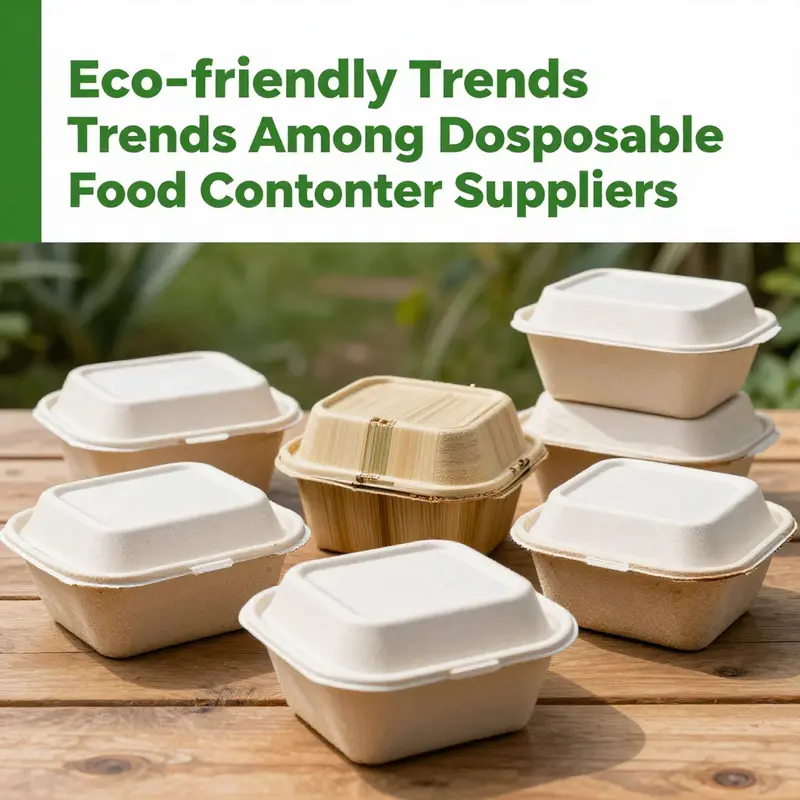
A shift is underway in the world of disposable food containers. The market no longer pivots solely on price or shelling out for convenience. Instead, it leans toward sustainability as a core capability. Consumers increasingly expect packaging that reduces waste, minimizes environmental impact, and still performs reliably in busy kitchens and on crowded event floors. For suppliers, this means rethinking materials, processes, and even business models. The result is a more resilient, responsive, and responsible ecosystem that blends eco credentials with practical performance. In this evolving landscape, the eco-friendly trend is not a niche option but a strategic priority that reshapes how every link in the supply chain operates, from raw material sourcing and product design to manufacturing capacity and global distribution networks. The broader implications ripple through sourcing hubs, regulatory environments, and the expectations of both commercial clients and end consumers. As buyers seek to align packaging with green initiatives, suppliers respond with a blend of material innovation, process modernization, and service breadth that makes sustainability commercially viable at scale.
Material innovation lies at the heart of this transformation. Traditional plastics remain entrenched in many sectors for their cost advantages and strong barrier properties. Yet the tide is turning toward renewable and compostable alternatives that can deliver comparable performance. Sugarcane fiber, bamboo fiber, molded fiber, and plant-based coatings on paper are now common in the form of bowls, clamshells, and take-out boxes. Polylactic acid (PLA), derived from cornstarch, offers a familiar form factor while claiming a less burdensome end-of-life profile in industrial composting facilities. These materials are designed to break down under controlled conditions, reducing landfill burden and mitigating microplastic leakage. Crucially, they must also withstand typical service temperatures. Many compostable options are engineered to perform in microwave and refrigeration environments, with heat resistance up to about 120°C (248°F). This compatibility is essential for meals that travel hot from the kitchen to the table and then to a consumer’s home or office.
The embrace of sustainability is not just about the chemistry of the material. It includes a rigorous focus on lifecycle performance and reliability. Contemporary buyers scrutinize how long a container lasts during handling, how well it seals to prevent leaks, and how it behaves under the rigors of real-world service. A robust compostable solution must preserve taste and moisture, maintain structural integrity during transport, and resist deformation during stacking and hot-fill scenarios. To meet these demands, many suppliers invest in advanced testing protocols that simulate the stress points of a busy service environment. They also seek certifications that authenticate compostability and safety. Standards such as ASTM D6400 and certification bodies like BPI become part of the conversation, offering credible signals to distributors, restaurants, and retailers that a packaging solution meets recognized environmental and performance benchmarks. In practice, this means fewer compromises between ecology and function. A high-performance, eco-friendly container is not an optional upgrade but a feature that can be marketed to appeal to value-conscious brands seeking greener footprints without sacrificing reliability.
Beyond material choice, the eco-friendly transition elevates the importance of design and integration. Suppliers are expanding their value proposition with end-to-end capabilities, including in-house design, mold development, and full-color printing. This vertical integration accelerates product development, reduces lead times, and enables rapid prototyping. For buyers, the implication is clear: they can move from concept to sample to full production with fewer handoffs and less risk. A practical example of this shift appears in the way suppliers handle branding without compromising recyclability or compostability. Customization enables brands to maintain their visual identity while signaling environmental stewardship. The design process now considers branding, material compatibility, and end-of-life pathways in a single workflow. The outcome is packaging that carries brand equity and environmental integrity in equal measure.
Geography matters in this eco-forward equation. The global supply network for disposable containers leans heavily on concentrated manufacturing hubs that offer mature injection molding ecosystems, integrated logistics, and automated production lines capable of enormous scale. In many cases, these hubs are located in regions of China where industrial clusters provide a dense ecosystem of suppliers, tooling shops, and logistics providers. The advantages are tangible: economies of scale, steady improvement in process controls, and the ability to deliver large volumes with relatively fast turnarounds. For a buyer seeking efficiency and resilience, that means shorter lead times, predictable quality, and the ability to react quickly to shifting demand. The flip side is the need for robust supplier evaluation. Strategic sourcing now demands more than cost attention; it requires verification of quality assurance processes, compliance with safety standards, and supply chain resilience. A supplier that can demonstrate traceable sourcing, consistent performance, and reliable after-sales support becomes a more attractive partner in a market where regulations, customer expectations, and ESG goals tighten the criteria for partnership.
The regulatory and business environments in North America and Europe increasingly favor sustainable packaging, reinforcing the market pull toward greener options. Policies that encourage or mandate recyclability, compostability, or reduced single-use plastics create a pathway for eco-friendly containers to compete on more than price. For many buyers, a pivotal question is how to navigate these rules without sacrificing speed or scale. The answer lies in choosing suppliers that blend material innovations with process efficiencies and global reach. End-to-end service capabilities help here: in-house design, rapid prototyping, scalable manufacturing, and integrated logistics. By consolidating these functions under one partner, a brand can accelerate its transition to sustainable packaging while maintaining control over quality, cost, and timelines. The narrative is no longer about choosing between eco and economy. It becomes a careful alignment of environmental objectives with practical business metrics such as lead time, defect rates, and total cost of ownership.
From a product development perspective, the eco-friendly trend compels thoughtful material selection and coating strategies. For example, plant-based coatings on paper can provide a moisture barrier without compromising compostability. Barrier properties are essential for foods with higher moisture content or fats, where leakage or sogginess can undermine consumer experience. The design challenge is to balance barrier performance with end-of-life considerations. Some coatings are engineered to break down during industrial composting, leaving no toxic residues. Others rely on separable components that simplify recycling streams. The aim is to create a packaging system that not only performs well in the kitchen but also integrates smoothly with waste management infrastructure. In practice, this requires suppliers to stay current with regional composting capabilities and to communicate clear end-of-life guidance to customers. As the market matures, the best packaging solutions will offer a transparent, actionable path from shelf to compost facility, rather than from shelf to landfill.
The role of business-model innovation should not be overlooked. Eco-friendly packaging changes the economics of procurement, especially for brands pursuing private-label and co-branding opportunities. The ability to customize sizes, prints, and branding while ensuring compostability means more brand identity with less environmental compromise. For events, food service chains, and retailers, this value proposition translates into streamlined supply agreements, consolidated orders, and predictable waste outcomes. Suppliers increasingly promote value-added services—ranging from in-house mold development to full-color labeling and bulk inventory management—to reduce the friction of adoption. In a market where speed is critical, the capacity to deliver trial batches quickly and scale up to private-label runs is a decisive differentiator. When a supplier can deliver samples, refine a design, and move into production within a few weeks, the risk associated with switching to more sustainable packaging diminishes significantly.
A practical guideline for buyers navigating this terrain is to treat sustainability as a continuum rather than a binary choice. Start with a core set of eco-friendly options that meet performance requirements and align with regulatory expectations. Validate these options through testing that mirrors real-world use—thermal resistance, seal integrity, leak testing, and microwave compatibility. Then expand your portfolio to include diverse materials that serve different menu profiles, climates, and logistical needs. The growth path should emphasize supplier partnerships that can scale with demand, support global export markets, and maintain transparency about material sourcing and end-of-life pathways. This is where the concept of end-to-end service becomes a strategic asset. A supplier with in-house design capabilities can tailor a solution to a brand’s identity, while integrated production and logistics ensure consistent quality and timely delivery across geographies. In an era of rapid menu changes and evolving consumer preferences, the ability to iterate quickly and ship efficiently is a key competitive advantage.
The narrative of eco-friendly trends in disposable containers also intersects with consumer education and public awareness. When brands communicate clearly about the compostability or recyclability of packaging, they empower customers to participate in sustainable waste streams. Education, however, must be accurate and practical. It is not enough to claim that a container is biodegradable; buyers must specify whether it is certified industrially compostable and what disposal pathways are appropriate in different regions. This clarity reduces confusion and increases the likelihood that packaging will be properly processed after use. It also helps build trust with customers who are increasingly vigilant about the sustainability claims brands make. In this context, suppliers act as partners in transparency, offering documentation, testing results, and clear labeling that support responsible consumer behavior.
For buyers looking to test and scale eco-friendly packaging, a pragmatic step is to begin with modular, easy-to-implement options that can be integrated into existing operations. A practical sample of a compostable paper-based container, such as a kraft paper bowl with a compatible lid, can serve as a low-risk test case. See a representative option here: disposable-700ml-kraft-paper-bowl-take-out-octagonal-rectangle-paper-bowl. This kind of test facilitates internal validation of performance, branding feasibility, and end-of-life handling before committing to larger private-label runs or regional rollouts. It also helps stakeholders across procurement, operations, and marketing align on the goals of the transition. As buyers gain confidence in the reliability of eco-friendly options, they can broaden their supplier base to incorporate additional materials and formats that fit different segments of the business—from quick-service restaurants to large corporate catering programs.
The broader picture is a packaging ecosystem that is increasingly capable of delivering sustainability without sacrificing efficiency. In many markets, the infrastructure to support industrial composting, recycling, and waste-to-energy pathways is growing. Suppliers recognize that their responsibility extends beyond the warehouse door. They contribute to waste-management conversations, invest in education, and partner with waste-stream operators to improve recovery rates. This collaborative approach helps close the loop, ensuring that green packaging delivers tangible environmental benefits in practice, not just in theory. When buyers see this level of collaboration—between material scientists, process engineers, and logistics teams—the appeal of eco-friendly packaging strengthens. It becomes a strategic lever for brand differentiation, regulatory compliance, and long-term value creation.
In sum, the most significant eco-friendly trends among disposable food container suppliers center on material innovation, performance parity, and end-to-end service integration. The move toward renewable, compostable, and non-toxic materials is matched by a willingness to invest in design, mold development, and full-color customization. Geographically, suppliers leverage clustered manufacturing ecosystems to scale, while buyers gain resilience through reliable quality, faster lead times, and clear end-of-life pathways. Regulatory and CSR pressures amplify the case for green packaging, turning sustainability from an ethical choice into a competitive business imperative. For sourcing teams, success hinges on selecting partners that can deliver fast, testable prototypes; meet safety and compostability standards; and support global distribution with an eye on lifecycle outcomes. The future of disposable food containers will be greener, but more importantly, it will be smarter—precisely because the suppliers behind the scenes are building the capabilities to save resources, protect the planet, and keep service highly responsive in a world of rising expectations.
External reference: https://www.ecofriendlypackaging.com/eco-friendly-disposable-soup-containers/
Where to Find and Verify Suppliers: A Practical Guide to Sourcing Disposable Food Containers
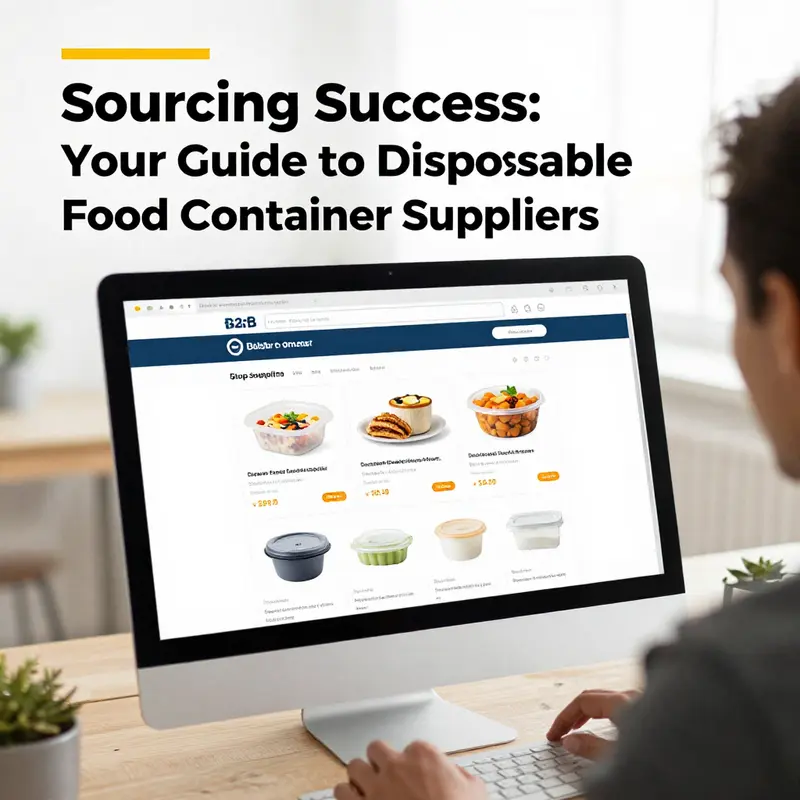
Where to Find and Verify Suppliers: A Practical Guide to Sourcing Disposable Food Containers
Sourcing disposable food containers effectively requires more than finding the lowest price. The right platform shortens discovery time, reduces risk, and connects buyers with partners who can scale, customize, and meet regulatory demands. This chapter maps out the types of sourcing platforms that dominate the market and explains how to use each one to evaluate suppliers, confirm capabilities, and secure competitive terms without sacrificing quality or compliance.
Start by thinking in platform categories. One group focuses on trade and buyer matchmaking. These portals collect verified manufacturer profiles, display production capabilities, and provide enquiry tools that streamline initial contact. They are particularly useful when buyers want a trusted introduction to suppliers that meet basic vetting criteria. A second category comprises broad B2B marketplaces. These lists host thousands of manufacturers and exporters, often with searchable SKUs, MOQ details, and user reviews. They are ideal for price discovery, sample ordering, and comparing product options. A third category is market intelligence and research. Reports from industry analysts reveal market share, regulatory trends, and the identities of major brand manufacturers. That insight lets buyers prioritize outreach to suppliers that already serve large customers and can support large-scale private label runs. Finally, direct supplier websites and specialized directories remain indispensable. They let you review certifications, download technical sheets, and assess whether a supplier offers the production lines and secondary services you need, such as custom printing or inventory management.
A practical sourcing workflow blends these platform types. Use a trade matchmaking portal to find a shortlist of vetted manufacturers that match your product category. Then, cross-check those names on B2B marketplaces to compare pricing and MOQ. Next, consult market research to confirm whether shortlisted companies have an established global footprint and the production capacity to support growth. Finish by visiting the suppliers’ own websites to verify certifications and to collect contact details for technical and commercial discussions.
When using matchmaking portals, focus on data points that indicate reliability. Look for production capacity numbers, the presence of automated lines, and stated lead times for standard and private-label orders. Shortlisted suppliers should list relevant certifications that address material safety and hygiene. For plastic containers, verify whether the manufacturer documents the polymer grades used, the maximum service temperature, and testing against migration or acidity exposure. For biodegradable or molded fiber options, check for compostability certifications and any third-party environmental claims. A portal that enables instant enquiry and provides a clear supplier profile accelerates the vetting process. Always use the enquiry feature to ask for a factory tour video or a recent audit report.
B2B marketplaces are excellent for price benchmarking, sample ordering, and seeing the breadth of a supplier’s SKU range. Use the search filters to narrow by material, capacity, and MOQ. When comparing listings, pay attention to unit prices at different quantities. Many suppliers publish tiered pricing that rewards larger commitments. Also examine lead times; established manufacturing centers often advertise 15–25 day turnaround for standard orders, but private-label runs or peak-season bookings can extend that window. Messaging tools on these marketplaces let you request samples and negotiate terms. When a listing appears overly cheap, ask for detailed cost breakdowns and production photos to guard against misrepresentation.
Market research reports supply the context that prevents costly mistakes. They reveal which manufacturers supply global brands and which geographic hubs control volume. This helps you prioritize suppliers who already meet export markets’ hygiene and safety standards. Reports also spotlight shifts in material demand. Knowing which materials are trending—such as sugarcane pulp or PLA-lined paper—lets you ask suppliers directly about production readiness for eco-friendly alternatives. Use these insights to approach manufacturers with a prepared list of technical and regulatory questions.
Supplier websites and specialized directories are where due diligence becomes concrete. A manufacturer’s own site usually hosts product datasheets, quality-policy documents, and contact details for technical managers. Look for production photos and videos, detailed specifications for material grades, and audit or certification scans. If a supplier claims compliance with international hygiene standards, request a copy of the certificate and confirm its validity with the issuing body. For export-ready suppliers, verify export volumes, sample shipping policies, and whether they work with third-party inspection services. Suppliers that offer warehousing, pick-and-pack, or vendor-managed inventory demonstrate a higher level of commercial maturity.
No single platform will answer every sourcing question. The smart approach is iterative: use matchmaking portals to reduce the list, marketplaces to benchmark, research reports to prioritize by risk and capacity, and supplier websites to confirm certifications and manufacturing capabilities. This layered approach reduces the chance of surprises at scale.
At every stage, prioritize verification through concrete proof. Ask for recent factory audit reports and third-party inspection results. Request sample batches produced on the actual production line you will use. Confirm that the supplier performs in-line testing for weight, sealing integrity, and temperature resistance for plastics. For fiber-based and compostable products, request test reports showing compostability and biodegradability under recognized standards. For microwaveable or hot-hold containers, require heat-resistance data and migration tests where applicable. If the supplier is reluctant to share these documents, treat it as a red flag.
Communication and logistics are part of platform selection. Choose suppliers listed on platforms that support multiple communication channels. This reduces delays and misinterpretation. When you move into contract talks, use the platform’s record of communications. That creates a traceable trail for quotations, sample approvals, and changes to specifications. Platforms that facilitate sample ordering and escrow-style payments can also mitigate early-stage financial risk. Be mindful of MOQs; some manufacturers allow trial orders or pilot runs at higher per-unit prices. These runs are invaluable for testing packaging performance and market acceptance.
Pricing and negotiation tactics differ by platform. On marketplaces, price competition is visible and frequent. Use multiple quotations to drive down costs, but don’t trade away essential testing or certification requirements. On matchmaking portals, suppliers may value long-term relationships more than one-off sales. In those cases, negotiate flexible MOQs or a phased pricing schedule tied to order volume. Use research reports to support your negotiation points. For example, if a report shows rising demand for a particular material, use that to justify a contract for phased expansion rather than a single large order.
Finally, aim for resilience. Platforms should not only help you find a supplier but also support supply chain continuity. Look for suppliers who document alternative material sources and have contingency plans for seasonal demand spikes. Platforms that list multiple factories under the same ownership or that show a supplier’s export history provide useful signals. When possible, diversify across two or three vetted suppliers found on different platforms. That reduces single-point-of-failure risk.
Sourcing disposable food containers is a process of informed trade-offs. Use portals to narrow your options quickly. Use marketplaces to test price and to order samples. Use market intelligence to prioritize suppliers with proven export capabilities. And use supplier websites to verify certifications and production specifics. A short, iterative cycle across these platform types delivers both speed and confidence. For a practical example of an eco-friendly product line to evaluate during sourcing conversations, consider reviewing a biodegradable round kraft paper bowl offering for design and material references: biodegradable eco-friendly take-away round kraft paper bowl.
For additional sourcing support and verified supplier listings geared to international buyers, the regional trade sourcing portal is a useful starting point: https://sourcing.hktdc.com
Final thoughts
Navigating the versatile world of disposable food container suppliers is essential for food and beverage businesses to thrive in today’s competitive market. China leads as a reliable hub, offering diverse options that range from traditional plastic to innovative eco-friendly materials. By prioritizing quality assurance and exploring sustainable trends, establishments can select providers that resonate with their values and operational needs. Leveraging reputable sourcing platforms further ensures access to the best suppliers in the industry. By taking these considerations into account, businesses like bubble tea shops, food trucks, and restaurants can elevate their services significantly while meeting consumer preferences for safety and sustainability.