
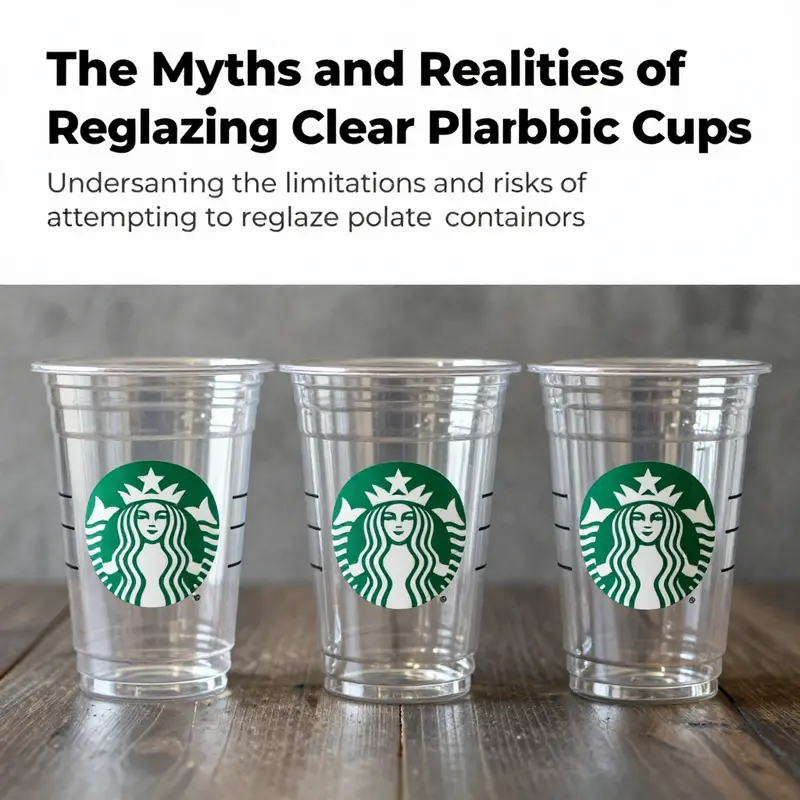
As beverage businesses strive to meet customer demands for quality and sustainability, the consideration of packaging integrity becomes paramount. Among popular items in cafes and food trucks are clear plastic Starbucks cups, which, while aesthetically pleasing, often fall prey to scratches and cloudiness over time. This has led to the misconception that these cups can be reglazed to restore their clarity. In the following chapters, we will delve into the limitations of reglazing clear plastic, discuss the associated risks, explore viable alternatives, and highlight official recommendations from Starbucks that can guide businesses in making informed packaging choices.
The Glass-Coating Mirage: Why Reglazing Clear Plastic Cups Isn’t Feasible—and What Really Works
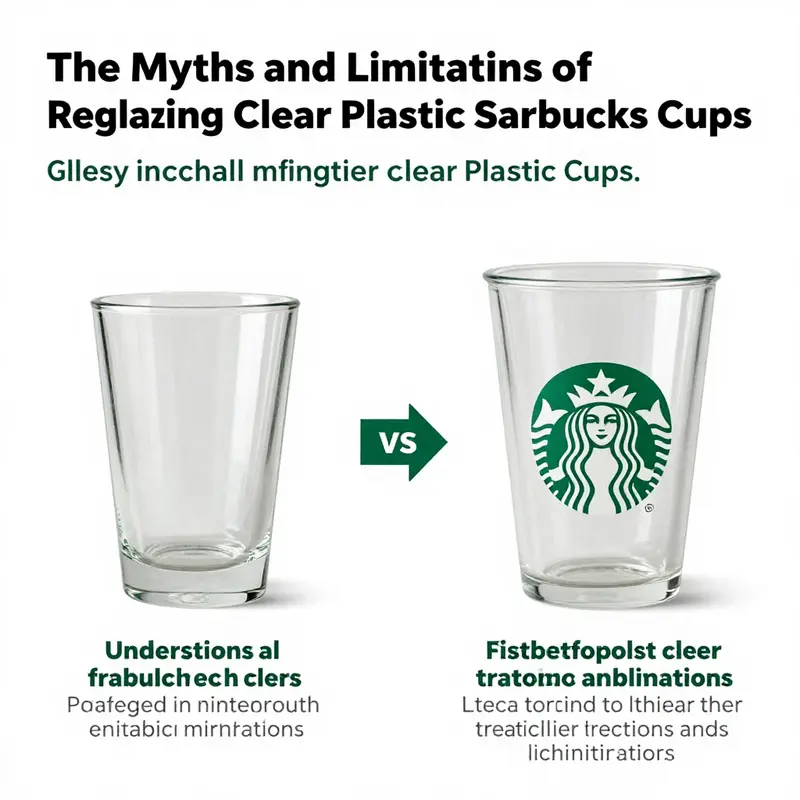
The idea of reglazing a clear plastic cup from a popular coffee-leaning brand may sound appealing to someone chasing a fresh look without buying a new container. Yet the reality rests on material science, safety considerations, and practical limits that almost always derail such a project. Reglazing, in the traditional sense, conjures images of ceramic or glass surfaces being coated with a new glaze to restore shine or to add a protective layer. Plastics do not follow that same rule book. The plastic used for many clear beverage cups is selected for clarity, light weight, and food safety, not for accepting a glaze or resin that would adhere reliably under heat and repeated washing. When we translate the glaze concept to plastic, we encounter a cascade of problems that render the idea not just impractical but potentially hazardous. This chapter examines those limitations in a cohesive way, drawing on what is known about the materials involved, the behavior of coatings on plastics, and the safety standards that govern consumer drinkware. The takeaway is clear: for the vast majority of clear plastic cups, reglazing is not a viable option, and exploring safer, more durable alternatives is the wiser route.
At the heart of the limitation lies the material composition of clear plastic beverage containers. These cups are designed to be lightweight, shatter-resistant, and compatible with hot or cold beverages while staying BPA-free or free of other concerning additives. The exact resin can vary, but common families include polycarbonates and other clear, food-grade plastics. Some versions rely on materials that are inexpensive to manufacture and transparent, ensuring the user can see the beverage clearly. Unlike glass or ceramic, these plastics are not structured to hold a glaze that fuses with the surface through a firing process or a chemical reaction within a kiln. A glaze for ceramics relies on a glassy matrix that melts and fuses at high temperatures to form a continuous, glossy layer. Plastics, by contrast, respond poorly to heat at the temperatures required to cure many glaze systems. Even if a glaze could be applied to a plastic surface, the next challenge would be adhesion. The surface energy, the presence of any release agents, and the polymer’s own chemistry would determine whether such a coating would stick long enough to withstand everyday use—or simply peel away with the first wash.
Beyond adhesion, heat and chemical exposure introduce safety concerns that are not just theoretical. A coating designed for ceramics or glass may not be food-safe once applied to a plastic substrate. The coatings could contain solvents, plasticizers, or curing agents that would migrate into beverages or into the mouth during use. The interior of a drink cup is not an inert environment; it experiences fluctuating temperatures from hot coffee to cold ice water, and a reglaze layer must tolerate repeated contact with acidic beverages, sugars, and cleaning agents. If any component of the coating leaches, the user’s health could be at risk. Even a seal that seems intact in a dry state might fail once hot liquid is poured, exposing the underlying plastic or creating microchannels where bacteria could thrive. In other words, the coating would need to be simultaneously hard, non-porous, chemically inert with respect to common beverages, and impervious to repeated washing, all while not altering the cup’s recycling or safety profile. The bar for such a coating is high, and plastics are not the right substrate for standard glazed finishes.
Safety certifications compound the problem further. A cup marketed as food-safe or BPA-free carries a set of certifications determined by regulatory bodies and independent testing. Introducing a glaze or coating could void these certifications and trigger warnings about proper use, storage, or disposal. The regulatory landscape around food-contact coatings is stringent, precisely because coatings can interact with contents or leach substances under use conditions. Reglazing a plastic cup would left-fieldly challenge these certifications, potentially creating a hazardous mismatch between the cup’s intended purpose and the coating’s actual performance in real-world scenarios. The risk is not merely theoretical: perceived durability might tempt consumers to reuse a cup more than it is designed to sustain, increasing the chance of coating failure, particulate shedding, or unexpected chemical exposure.
From a maintenance perspective, the surface behavior of a coated plastic would likely be compromised by routine wear. Even if an initial reglaze appeared glossy, it would gradually dull with handling, dishwashing, and thermal cycling. Micro-abrasions could become pathways for liquid penetration or micro-scratches that harbor bacteria. Over time, the coating might delaminate or craze, creating rough patches that not only look unsightly but also trap residues and microbes near the mouth of the cup. In short, the long-term performance of any glaze-like system on clear plastic is uncertain at best and unreliable at worst. Commercially available plastic cups are designed to be replaced when scratched or clouded, not rebuilt with a coating that has to endure the same daily routine as the beverage itself. The implied advantage of reglazing—to extend a cup’s usable life—simply isn’t supported by the current material realities of consumer plastics.
The practical takeaway, then, is not a DIY guide but a commitment to safer, more sustainable options. If a clear plastic cup has become scratched, cloudy, or loses its visual appeal, the recommended path is straightforward: replace it with a fresh, food-safe option. This recommendation aligns with safety best practices and avoids introducing new risks associated with coatings that were never intended for plastics that contact hot liquids. In fact, a replacement strategy often yields a better environmental outcome when aligned with a proper lifecycle plan. Reusable, durable tumbler systems—especially those designed for hot beverages and featuring double-wall insulation—tend to offer a longer service life than a fragile plastic cup, reducing waste over time. These tumblers are built to withstand more aggressive handling, more frequent washing, and more intense temperature swings. While the upfront cost might be higher than a single disposable cup, the long-term benefits—fewer replacements, lower environmental impact per use, and improved insulation—often justify the investment for dedicated users.
If the visual aspect is your primary concern—such as a scratched surface or a hazy appearance that dulls the drink’s presentation—there are safe, low-risk approaches to refresh that look without altering the interior surfaces. One option is to adopt exterior customization methods that do not compromise the food-contact area. Removable decorative skins or skins designed for plastics can change the cup’s appearance without altering any interior surface chemistry. These skins are designed to adhere to the exterior while remaining removable, minimizing the risk of contaminating the beverage and preserving the cup’s original food-safe characteristics. Another route is to opt for a brand-new cup with a clear exterior and a clean interior, ensuring the drink remains visually appealing and safe for consumption. If aesthetics are tied to branding or a consistent look, consider exchanges or official accessory items—like lids or sleeves—that can refresh the presentation without touching the beverage-contact surface.
For readers who are curious about safer alternatives inside the broader ecosystem of cup design, note that there are abundant options that emphasize safety, durability, and sustainability. The literature surrounding reusable cups highlights materials that survive long-term use, including metal and high-grade polymers with robust thermal resistance. These designs often incorporate insulation and easy cleaning protocols, enabling frequent reuse that aligns with eco-conscious goals without compromising safety. When exploring these options, ensure any accessory or cup you choose is explicitly labeled as food-safe for contact with hot liquids and suitable for repeated washing in conventional dishwashers or hand cleaning. This approach preserves the integrity of the product and protects user health, while still satisfying the desire for a crisp, clear, and aesthetically pleasing drinking vessel.
In this context, one small but meaningful step is to educate oneself about the real limits of reglazing plastics and the rationale for choosing safer options. The allure of a glossy glaze on a plastic cup is understandable; it promises a revived surface with new life. But the science does not support a reliable reglazing pathway for clear plastic drinkware, and the safety and regulatory implications make it a risk not worth taking. Instead, focus on a well-considered replacement strategy and on external methods to refresh appearance, while investing in durable, food-safe alternatives for everyday use. If you’re exploring eco-friendly packaging and surface choices more broadly, you may find value in reviewing options like eco-friendly printed-logo cold beverage paper cups with lids, which illustrate how brands can maintain aesthetic appeal while prioritizing safety and recyclability (https://greendispopack.com/product/eco-friendly-printed-logo-cold-beverage-cup-with-lid/).
For readers who want to cross-check practical guidance with broader resources, there is merit in consulting external authorities that discuss reusable cup options and safe materials for everyday beverage use. The official guidance and product information about reusable cup systems from major brands can offer a baseline for what to expect in terms of durability, safety, and user experience (https://www.starbucks.com/shop/reusable-cups).
Why Reglazing a Clear Plastic Cup Isn’t Safe—and What to Use Instead

A clever impulse often surfaces when a clear plastic cup from a busy coffee run starts to look cloudy or scratched: could a glaze deliver a glassy, lasting finish that makes it feel like a premium, reusable vessel? The honest answer is that reglazing this kind of plastic cup isn’t just impractical; it’s unsafe for everyday beverage use. The material this cup is made from—typically polystyrene or another thermoplastic—was chosen for clarity, lightness, and cost, not for withstanding the conditions that glazing demands. Coatings designed for ceramic or glass surfaces rely on high heat, chemical bonding, and surface chemistry that simply don’t translate to plastics. When you introduce those variables to a plastic cup, you invite a cascade of problems: deformation, chemical migration, and a coating that quickly loses its integrity with heat, moisture, or cleaning agents. In short, the glaze you might imagine would be a barrier ends up being a liability, compromising safety and taste alike.
The first hurdle is heat. Glazes in ceramics demand firing or curing at temperatures that plastic substrates cannot tolerate. Polystyrene begins to soften well before such temperatures, and many coatings require longer cure times or higher heat to reach a hard, durable finish. On a plastic cup, those conditions don’t just blur the line between glossy and dull; they can melt the cup, soften the walls, or warp the geometry that keeps the lid secure and the contents contained. The risk isn’t theoretical. Deformation can create gaps where heat and liquid creep in, inviting leaks or spills. Even if a glaze appears to set, its long-term behavior under repeated washings and hot beverages is unpredictable. A coating that adheres only weakly to plastic will peel or craze, creating micro-scratches and surface irregularities that trap bacteria and resist cleaning. That is not a hypothetical hazard—it’s a concrete pathway to compromised hygiene and consumer risk.
Beyond the mechanical issues lies the chemistry of compatibility. A glaze intended for stoneware or glass assumes a substrate with a particular surface energy and a predictable interaction with solvents and water. A flexible polymer like polystyrene presents a very different surface landscape. The adhesive chemistry that might work for ceramic glazes simply does not translate to plastic in a way that remains stable under heat, abrasion, and exposure to coffee, sugar, citrus, or dairy. Even coatings marketed as “food-safe” or “nontoxic” can fail when the substrate is a polymer that has absorbed heat and moisture across dozens or hundreds of uses. In the worst cases, chemicals from the coating can migrate into the beverage, especially when hot liquids are involved. The safety data that accompanies many coatings is generated for specific substrates and conditions; apply the same coating to a plastic cup, and you invalidate those safety assumptions. The bottom line is that any glaze-like coating on plastic is inherently a high-risk, low-reward proposition.
A broader caution that extends beyond the particular cup in your hand comes from observations about polymer-based food contact materials in the wider beverage landscape. While much attention centers on coating paper cup linings or other packaging, the underlying message is consistent: even materials considered safe in certain contexts can pose exposure risks when subjected to heat, moisture, or abrasion. Public and peer-reviewed discourse increasingly emphasizes never assuming that a surface modification will retain its safety profile after being used repeatedly with hot liquids and aggressive cleaners. In addition, safety certifications like BPA-free labeling carry specific assurances tied to particular materials and manufacturing processes. Altering the surface with an added glaze voids those assurances, because the altered item has not been tested under the conditions consumers actually use it in—hot coffee, ice, detergents, dishwashers, and constant handling.
For anyone weighing the environmental or budgetary appeal of “saving” a single-use cup, consider the lifecycle perspective. A glaze-decorated plastic cup would be a fragile artifact that demands careful handling to avoid failure. That fragility translates into more waste, not less, if the cup becomes unsafe to use or must be discarded after the coating begins to fail. In contrast, a durable, purpose-built reusable cup is designed to survive hundreds of uses and a wash cycle or two, often with a warranty or guarantee from manufacturers who test for repeated exposure to heat and moisture. The design philosophy shifts from a quick cosmetic patch to a long-term, health-conscious solution that aligns with responsible consumption and waste reduction.
This isn’t merely a personal decision; it’s a matter of public health and consumer protection. If you watch the physics and chemistry at play, the safest path is a transition away from attempting to alter the surface of a plastic cup toward selecting a vessel built from materials intended for repeated contact with hot liquids. Stainless steel and double-walled insulated tumblers have matured into reliable options that resist denting, maintain beverages at the right temperature, and tolerate rigorous cleaning without sacrificing safety. Their durability is matched by a growing array of ergonomic shapes, lids, and finishes that offer the aesthetic appeal many seek without compromising safety or performance. Coffee drinkers who want the ritual of a premium cup can achieve it through design-conscious, long-lasting vessels rather than risky surface modifications.
Alongside durability, usability matters. A reusable cup should feel comfortable in the hand and perform well in daily routines. Weight, grip, and lid security influence how often a cup is used and how care is administered. A thoughtful choice balances these practicalities with a surface finish that remains intact after repeated dishwashing, whether by hand or in a machine. The emphasis on a robust, easy-care option makes single-use waste less likely to accumulate in the first place. When taken together, the arguments for avoiding reglazing are not merely about avoiding risk; they are about embracing a more sustainable, predictable drinking experience that serves health, hygiene, and environmental goals alike.
For readers exploring safer, more responsible alternatives—without resorting to brand-specific language—the market offers a spectrum of options that emphasize safety, durability, and environmental stewardship. An eco-conscious route involves selecting a cup designed for reuse that is made from materials known to be food-safe and tested for repeated exposure to heat and cleaning agents. If you still crave a surface with a glossy feel or a particular look, you can pursue decorative options manufactured for the chosen material (metal, reinforced glass, or food-grade plastics) that are applied in accordance with safety data and testing designed for those substrates. The focus should be on the container’s overall integrity and the reliability of its seals, rather than the allure of a surface treatment that cannot stand up to everyday beverage use.
To help readers navigate toward practical, real-world choices, consider these points as you evaluate options. First, assess the intended use: how hot are your drinks, how often will you clean the cup, and what environment will it endure (home, office, travel, dishwasher, or outdoor activities)? Second, review material choices that have established safety profiles: stainless steel for durability and heat resistance, glass for a clear, non-reactive surface, and certified food-grade silicone for certain components like stoppers or sleeves. Third, look for design elements that enhance longevity: tight-fitting lids, solid seals, and finishes that resist micro-scratches and scuffs. Fourth, consider the lifecycle narrative: how many uses can you realistically expect, and what is the end-of-life plan for the cup? These considerations together paint a coherent path toward safe reuse rather than DIY risk.
In terms of practical consumer guidance, there is no credible method to reglaze a clear plastic cup intended for beverages. The chemistry, heat considerations, and regulatory implications all converge to make reglazing an inadvisable project. If you insist on a glossy or polished aesthetic, pursue a product that is purpose-built for that look and that life cycle. Seek cups with finishes and decorations designed for food contact and repeated use, and select models that come with clear maintenance guidelines and consumer protections. The goal is to enjoy a hot beverage safely while aligning with long-term environmental goals, not to chase a fleeting cosmetic improvement that invites risk.
For readers who want a straightforward path to a safer, more durable option, the route is simple: replace a scratched or cloudy cup with a new one and transition to a reusable cup designed for long life. The savings aren’t only about one cup; they accumulate over time as you avoid the costs of replacements and the risks associated with coatings that degrade under normal use. If you want a practical example of how the market supports such decisions, the broader retail landscape now includes a wide range of durable, reusable cups that pair with convenient lids and travel-friendly designs. These options deliver the experience and aesthetic you might be chasing with a reglaze attempt, but with a predictable safety profile and a reduced environmental footprint.
For readers who wish to explore further, there are resources describing how to select cups with strong lids, durable finishes, and designs that minimize waste while maximizing usability. The goal remains clear: prioritize surfaces and materials tested for food contact and repeated heat exposure, and avoid DIY strategies that modify safety-critical surfaces. The next segment of this article will guide you through evaluating these options in your own life and choosing a vessel that aligns with both your personal preferences and public health considerations. In this way, you can enjoy hot beverages safely, sustainably, and with confidence in the materials that touch your drink.
Internal link: For disposable alternatives that emphasize safety and eco-friendliness without racing against a glaze, consider this option: eco-friendly printed-logo single-wall paper coffee cup with lid.
External resource: https://www.starbucks.com/reusable-cups
From Reglaze to Replace: Safe, Practical Alternatives for Clear Plastic Cold Cups
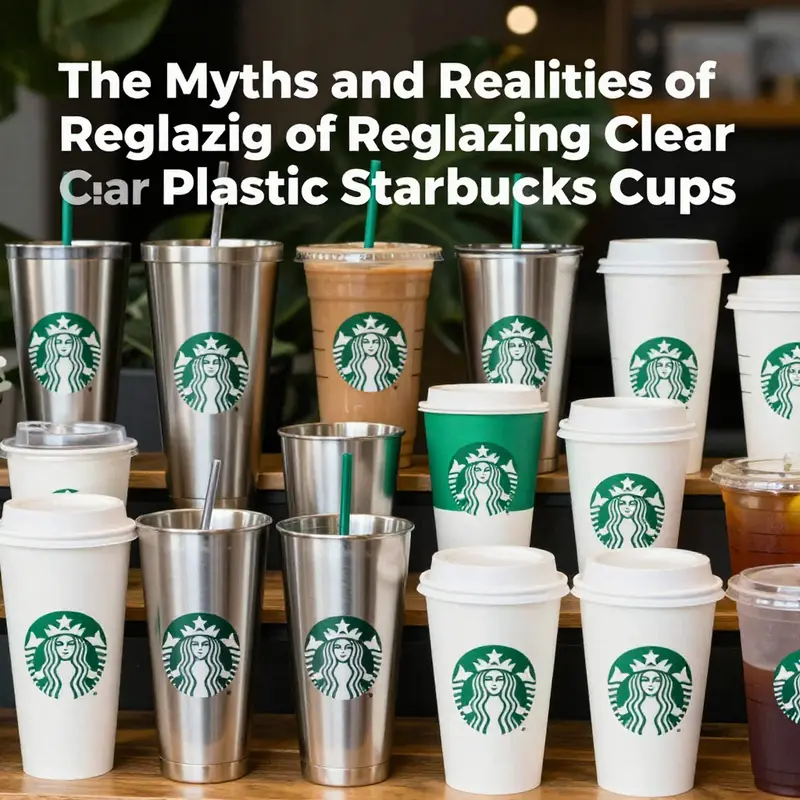
When a clear plastic cold cup shows scratches, clouding, or general wear, the impulse to “fix” it is natural. Reglazing—reapplying a glass-like finish or coating—sounds like a neat solution. In practice, however, it is not a safe or realistic option for clear food-grade plastic drinkware. These cups are molded from food-safe plastics formulated for clarity and light weight. They do not carry a true glaze layer that can be sanded, fused, or recoated in a way that restores original factory performance. Attempts to apply paints, resins, or hard coatings can compromise safety and function. Coatings may not adhere evenly, they can soften or delaminate with temperature changes, and some contain solvents or additives that migrate into liquids. This chapter moves past the idea of reglazing and lays out practical, safer alternatives, showing how to choose and care for replacements that meet your needs while avoiding risks.
Start by accepting that a damaged clear plastic cold cup is a finished part of its service life. The plastic structure may still hold liquid, but a scratched or cloudy surface often signals micro-abrasions that trap residue and make thorough cleaning difficult. A surface treated with paint or resin can hide damage briefly, but the applied material will age differently than the substrate. With repeated washing, contact with ice, and temperature swings, coatings can crack or separate. Worse, coatings not certified for food contact can introduce chemicals into your drink. The simplest, safest response is replacement with an appropriate alternative rather than attempting a cosmetic fix that may create new hazards.
The most straightforward alternative is to switch to a purpose-built reusable vessel. Metal and glass drinkware offer long-term durability and predictable safety. Stainless steel tumblers and double-walled insulated cups resist dents, stains, and temperature stress. They maintain hot or cold temperatures more effectively than thin plastic and do not develop the same clouding or crazing that causes plastic to look worn. Glass options provide clarity without the risk of chemical migration and are often dishwasher safe. Both stainless steel and glass are available in many sizes and styles, so you can match capacity, lid type, and insulation performance to your routine. When selecting a reusable cup, look for food-grade materials and certifications that confirm the product meets safety standards for beverages.
If you prefer a lighter, inexpensive option that still reduces single-use plastic waste, modern paper cups with innovative linings deserve attention. Recent developments replaced traditional polyethylene linings with water-based acrylic coatings. These “no-plastic” paper cups are designed to be recyclable or compostable in appropriate facilities. They withstand hot temperatures and meet food-safety benchmarks set by regulatory bodies. For cold beverages, similar fiber-based cups with water-based barriers reduce reliance on conventional plastic linings while offering familiar handling and comfort. These solutions are not a perfect substitute for long-term reusables, but they represent a meaningful step away from single-use plastic when reuse is not feasible.
Another practical route is to build a rotation of durable reusable options tailored to different occasions. Keep an insulated stainless steel tumbler for commuting and outdoor use. Use a glass or ceramic cup at your desk to enjoy clarity and flavor neutrality. Have a lighter-weight BPA-free reusable plastic cup for short errands. This approach reduces the wear on any single item and limits the need to decide between immediate convenience and long-term sustainability. It also makes it easy to replace one item without a large cost, while still cutting down single-use cup consumption.
Choosing the right alternative requires attention to a few simple factors. First, consider the beverage temperature you typically carry. If you switch between iced and hot drinks, an insulated double-walled tumbler reduces condensation and preserves temperature. Second, think about lid style and sealing. A leak-resistant lid matters if you commute or carry drinks in bags. Third, account for cleaning and maintenance. Dishwasher-safe materials lower the friction of reuse, but some coatings and printed finishes can degrade in high-heat cycles. If handwashing is necessary, pick a design with few crevices to avoid trapped residue.
Environmental impact and end-of-life options should also guide your decision. Reusable stainless steel or glass cups have higher up-front manufacturing impacts than single-use cups. However, their lifespan offsets that initial footprint quickly when used many times. Paper cups with water-based linings can be an intermediate choice when reuse is challenging, especially in systems where composting or paper recycling is available. If you choose paper-based disposables, verify local waste processing capabilities. A biodegradable lining that is compostable in industrial facilities may not break down in a standard landfill. Making decisions with waste infrastructure in mind helps ensure the intended environmental benefits are realized.
Practical care tips will extend the life of whatever alternative you choose. Rinse cups soon after use to prevent sugars and oils from setting. Use gentle, non-abrasive brushes and cleaners to avoid creating micro-scratches that trap residue. Avoid strong solvents and abrasive pads on printed or painted surfaces. For stainless steel, dry thoroughly after washing to prevent water spots and maintain finishes. For glass, inspect for chips and cracks regularly, and retire any vessel with structural damage. These simple steps preserve function and appearance and reduce the temptation to attempt unsafe cosmetic repairs.
If you are replacing several single-use clear cups used in a business or event setting, explore bulk paper cup options designed to lower plastic lining use. Many suppliers now offer single-wall or double-wall paper cups with water-based barriers and compatible lids. These are available in standard sizes and can be customized with logos or printing if branding matters. Choosing double-wall or corrugated options improves hand comfort for hot beverages without adding plastic. For organizations, combining reusable mug programs with responsibly sourced disposable options closes the gap between convenience and sustainability.
There are also simple behavioral changes that reduce the need for replacements. Encourage customers or household members to bring a personal cup by offering small incentives. Keep spare reusable cups at home, work, or the car so a clean option is always available. Where regulations allow, request that beverages be served in a bring-your-own cup. For events, provide clearly labeled recycling and composting bins and inform attendees about the types of cups being used. These measures reduce dependency on single-use containers and the cycle of constant disposal and replacement.
Cosmetics and personalization are understandable motivators for attempting a reglaze. If aesthetics are important, consider decorative reusable options designed for longevity rather than trying to coat or repaint food-contact surfaces. Many suppliers offer reusable cups with durable, food-safe finishes and decorative prints engineered to endure washing. If you want a one-off decorative project, limit it to exterior surfaces that never contact drinkable liquids, and use food-safe materials only where interior contact could occur. Even then, exercise caution: many craft finishes are not tested for repeated food contact and may fail unpredictably.
Replacing clear plastic cups with better-suited alternatives reduces risk and often improves user experience. The right choice balances safety, convenience, environmental goals, and budget. A durable stainless steel or glass cup will outlast countless single-use cups and avoid the pitfalls of ill-advised surface treatments. Paper cups with modern water-based linings provide a lower-plastic disposable option where reuse isn’t practical. And simple maintenance habits keep any cup performing well for longer. Instead of attempting to reglaze, choose the replacement path that meets your needs and supports safer, more sustainable consumption.
For businesses or individuals sourcing compostable or plastic-free paper options, consider suppliers of plastic-free single-wall paper cups that offer reliable water-based barrier performance and compatible lids. An example of such a supplier page describes plastic-free single-wall paper cups suitable for hot and cold beverages and is useful when comparing disposable alternatives and their specifications: https://greendispopack.com/product/best-price-8oz-double-plastic-free-single-wall-paper-cup/
For official information about manufacturer-supplied reusable cup programs and product details from major coffee retailers, consult the official reusable cup retail page. It provides an overview of reusable cup options, materials, and purchase guidance: https://www.starbucks.com/shop/reusable-cups
Clear Plastic Cold Cups: Official Use, Limits, and Safer Alternatives
Design Intent and Everyday Use
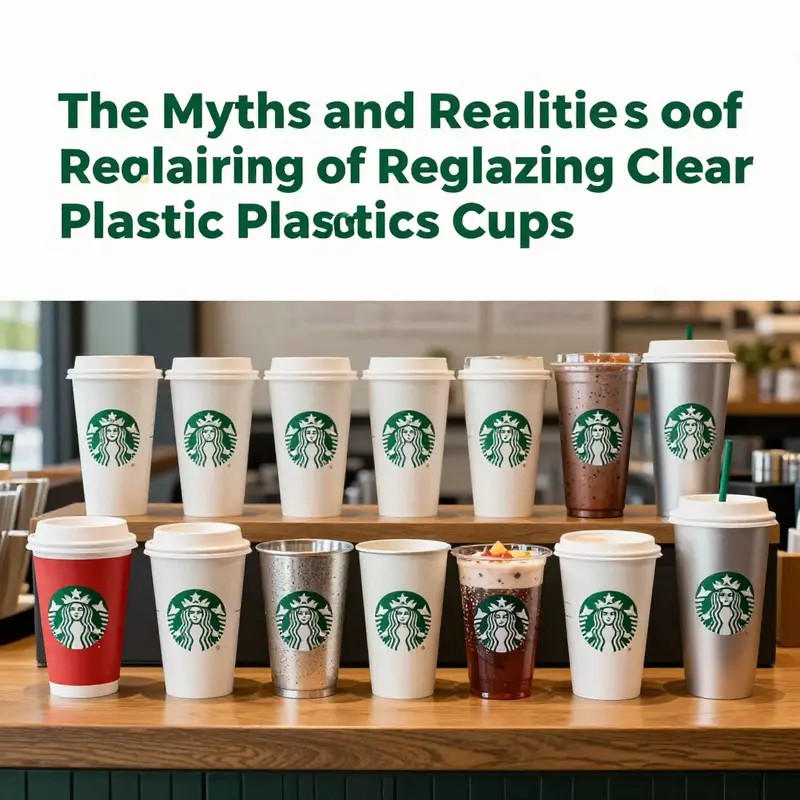
Clear plastic cold cups are engineered for one primary purpose: to hold cold beverages safely and visibly. Their clarity showcases the drink inside. Their lightweight construction makes them easy to carry. Many are offered in a 24-ounce size that fits common cup holders and backpacks. The design usually includes a snap-on lid and a straw port to reduce spills during casual use. These features reflect a simple goal: convenience for cold drinks outside the home.
Manufacturers design these cups with limited reuse in mind. They are durable enough for repeated short-term use when cared for, but they are not built to endure heavy, long-term wear. Scratches, clouding, and stress cracks can appear after repeated dishwashing or repeated use with abrasive cleaning. Because of this, it is practical to treat them as semi-disposable items rather than permanent glass or metal drinkware.
Materials, Safety, and What ‘Food-Safe’ Means
The clear material used is typically a high-clarity, food-contact plastic. Many versions are labeled BPA-free and meet regulatory food-safety standards for cold beverages. Those labels mean the product was tested and cleared for contact with food and drink, under the conditions described on the packaging.
Food-safe labeling applies to specific use cases. If a cup is described for cold beverages only, using it for hot drinks can void safety assumptions. Heat can warp the plastic and increase the risk of chemical migration from the material into the liquid. That is why the manufacturers explicitly advise against hot liquids in these cups. If longevity and safety matter to you, look for care instructions on the packaging and follow them.
Why ‘Reglazing’ Is Not an Official Option
The term “reglaze” suggests applying a new glass-like coating or finish to restore clarity and shine. For clear plastic cold cups, there is no safe or endorsed way to reglaze. The reasons are practical and safety-focused. First, plastics used for drinkware are not formulated to accept glass or ceramic coatings. Those coatings need a surface that can bond chemically or thermally, which plastic does not provide reliably.
Second, applying coatings, paints, or resins risks altering the cup’s original food-contact properties. A foreign coating can contain solvents, catalysts, or monomers that remain on the cup. These substances may leach into beverages. The risk increases if the cup is exposed to heat, sunlight, or acidic liquids. Third, attempts to refinish or chemically treat the plastic can compromise its structure. Acrylates, epoxy resins, or spray paints can soften or stress the base material. Structural weakness is a safety concern when handling a filled cup.
Because of these risks, the responsible recommendation is not to reglaze or resurface clear plastic cups. If the cup is scratched, cloudy, or damaged, replacing it is the safest choice.
Care, Cleaning, and Extending Use Without Risk
If you plan to reuse a clear plastic cold cup for a while, some practical care habits extend its safe life. Always follow manufacturer care labels first. If no label exists, adhere to cautious practices: avoid hot liquids, clean with mild dish soap and a soft cloth or sponge, and rinse thoroughly. Avoid abrasive scrubbing pads and harsh cleaners. They accelerate scratching and clouding.
Handwashing is the safest cleaning method when you want the cup to last. If you use a dishwasher, place the cup on the top rack only, and use a low-heat drying cycle, if available. Repeated dishwasher cycles may degrade clarity and cause stress cracking. Inspect the cup regularly. Replace it when you notice deep scratches, glazing loss, or any crack that could leak or cut your lip.
Environment and Responsible Choices
There is a tension between convenience and environmental responsibility with disposable or semi-reusable plastic cups. Many people prefer to switch to more durable reusable drinkware for both safety and sustainability. Double-walled insulated tumblers in metal or thicker recyclable plastic offer longer life and better thermal properties. They can reduce waste and often come with warranties or clearer care instructions.
If reusability is not feasible for you, look for options that minimize environmental impact. Some brands sell recyclable cold cups or cups made from recycled plastics. Others promote take-back or recycling programs. Choosing a reusable alternative where possible reduces the number of cups that enter the waste stream.
For those who still need single-use or limited-use options, consider eco-conscious paper or compostable cups. There are cold-beverage paper cups designed with compostable linings and lids. If you want a readily available alternative that emphasizes environmental design, review labeled, eco-friendly cold beverage paper cup offerings to compare materials and disposal paths. One such option is an eco-friendly printed cold beverage cup that balances visibility with compostable features and a compatible lid: https://greendispopack.com/product/eco-friendly-printed-logo-cold-beverage-cup-paper-cup-with-lid/
Choosing Replacements and Authorized Sales Channels
When you decide to replace a worn or damaged clear plastic cold cup, buy from authorized sellers. Buying through legitimate channels helps ensure product quality and accurate labeling about materials and care. Authorized e-commerce listings backed by credible sellers are more likely to deliver the product as described. Avoid secondhand or unverified sources when you need food-contact safety.
Pay attention to the product description. Look for clear statements on intended use, such as “cold beverages only,” and check for BPA-free or food-grade certifications. Authentic listings also include care instructions and return policies. If hygiene and safety are priorities, prioritize sellers who provide transparent product information.
Practical Alternatives and When to Choose Them
If you want an everyday reusable cup, choose one made for repeated use. Insulated stainless-steel tumblers excel at temperature control and durability. They do not require reglazing and tolerate rough handling. Ceramic travel mugs offer a glass-like drinking surface and can be more comfortable for hot drinks. If you prefer the look of clear cups, consider durable plastic options with thicker walls that explicitly state they are dishwasher safe and reusable.
For gatherings or events where single-use is preferred, select compostable paper cups or recyclable plastics, depending on local waste infrastructure. If recycling is available in your area, choose cups that specify recyclability. Otherwise, compostable or biodegradable options may be the more responsible choice.
A Practical Checklist for Safe Use and Replacement
- Confirm the cup is labeled for cold beverages before use.
- Avoid hot liquids and prolonged heat exposure.
- Handwash with mild soap to extend clarity.
- Skip abrasive cleaners and rough scrubbing.
- Inspect for cracks or deep scratches regularly.
- Replace a cup that shows structural damage.
- Prefer reusable stainless steel or thicker plastic for frequent use.
- Buy from authorized sellers to ensure accurate labeling.
Final Practical Note
There is no endorsed or safe reglazing process for clear plastic cold beverage cups. The safest approach is to use them as intended, care for them gently, and replace them when they degrade. If durability and safety matter to you, invest in a purpose-built reusable tumbler. If minimizing waste is your priority, choose compostable or recyclable alternatives that fit your local disposal systems.
For official product details and manufacturer recommendations, consult the brand’s product page for the specific cup model you own. External resource: https://www.starbucks.com/shop/reusable-cups
Final thoughts
In light of the insights presented, it becomes evident that attempting to reglaze clear plastic Starbucks cups not only presents significant risks but lacks practical benefits. Instead, beverage businesses should focus on sustainable alternatives such as reusable or environmentally friendly containers. By prioritizing safety and clarity in sourcing packaging solutions, businesses can continue to provide high-quality beverages while also aligning with customer values on sustainability. Making informed choices on packaging can enhance customer satisfaction and contribute to a more responsible future.