
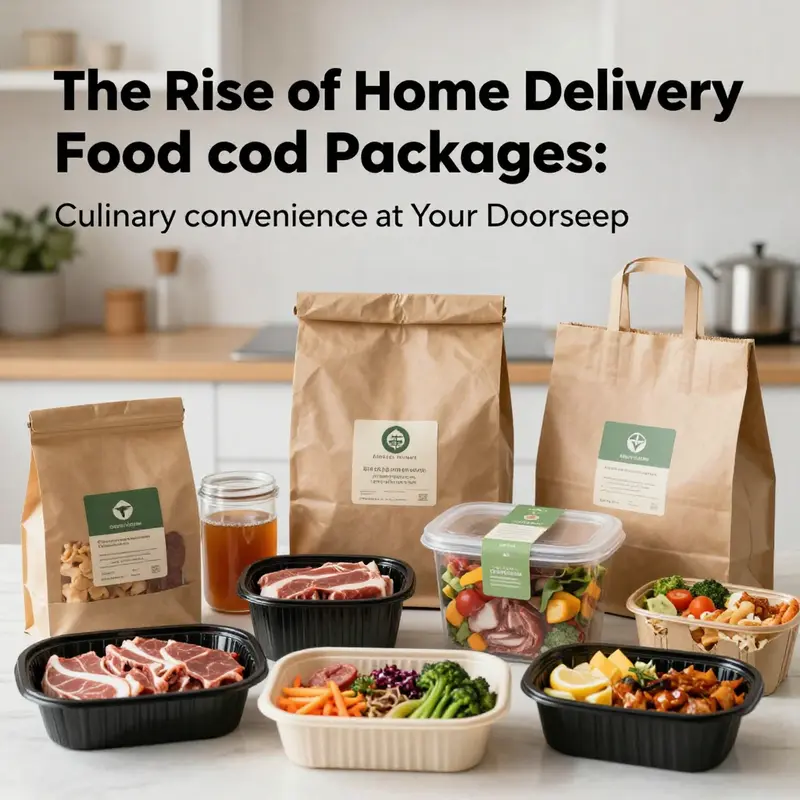
Home delivery food packages have emerged as a vital resource for many businesses, ranging from bubble tea shops to catering services. These packages are designed not only for effortless convenience but also for satisfying the diverse culinary needs of modern consumers. As businesses look to adapt, offering gourmet meat gifts can elevate dining experiences, while meal delivery services can engage families in healthier eating habits. Furthermore, understanding environmental implications is crucial in aligning with consumer values. This article will unfold in three chapters: first, exploring gourmet meat gift packages; second, discussing the impact of delivered meal boxes on family dynamics; and lastly, considering environmental impacts of these packaging solutions. Together, these insights serve to inform and foster integration into existing food service strategies.
Deluxe at Your Doorstep: Crafting Gourmet Meat Gift Packages That Redefine Home Dining
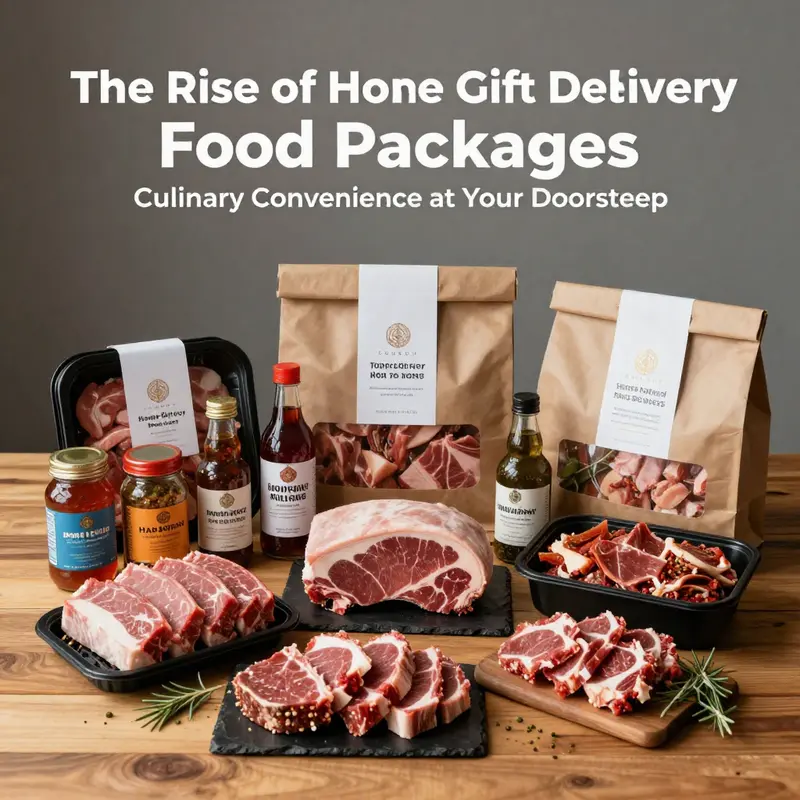
The arrival of a gourmet meat gift package is more than a delivery. It is an invitation to pause the everyday and enter a space where craft, provenance, and anticipation mingle. In a world where meals are increasingly modular and experiences are personalized, these curated boxes offer a sensory journey that begins with the story of the animal, moves through the hands that cut and package, and ends with the cook’s first impression of texture, aroma, and potential. They are not merely about what arrives in the box; they are about what happens when it lands on the table. A well-designed package carries a promise: that the meat within was raised with care, selected with intention, and handled with a commitment to delivering peak flavor to the consumer’s home kitchen. The best programs treat the package as an extension of the dining experience itself, pairing the artistry of sourcing with the ritual of preparing a meal that feels celebratory even on a weeknight. This chapter explores how gourmet meat gift packages have evolved from simple meat delivery into a holistic culinary offering that blends ethics, variety, freshness, and presentation into a reliable, memorable event for households choosing home delivery as a primary way to access fine dining.
Quality sourcing lies at the heart of every compelling gourmet meat gift package. A discerning provider frames the selection process around transparency and traceability. They emphasize ethically raised animals, with clear statements about farming practices such as grass-fed or pasture-raised methods, hormone-free rearing, and sustainable husbandry. This emphasis is not merely a marketing line; it guides every decision from farm partnerships to processing methods and, ultimately, to flavor profiles. When a box arrives, the consumer already senses that what matters here is not only taste but responsibility. The best programs insist on a narrative behind each cut, explaining where the animal spent its life and how the meat was handled from harvest to freezing. Without naming specific brands, one can imagine the care that accompanies a dry-aged ribeye, a tender filet, or a robustly marbled steak crafted for a special occasion. The goal is to offer a spectrum of origins—from widely familiar domestic regions to more distinctive, traceable backgrounds—that together tell a cohesive story of craft and care. Quality sourcing then becomes part of a larger promise: the assurance that every piece was selected for its potential to deliver a dining moment that feels personal and luxurious.
The array of options within gourmet meat gift boxes amplifies this sense of intention. A curated assortment might include iconic steaks alongside unique or exclusive cuts, each chosen for a particular texture, flavor nuance, or aging process. Prime muscles with their classic tenderness can sit beside dry-aged options that carry a richer, nuttier profile. There can also be more adventurous inclusions—wild game or specialty cuts—that invite seasoned cooks to experiment. The narrative that accompanies these selections matters as well. It frames the collection not as a random assortment but as a curated journey through culinary technique and terroir. The language used by responsible purveyors often echoes the sentiment that gourmet isn’t merely about luxury; it’s about deliberate choice and storytelling. Vacuum-sealed portions, flash-freezing, and careful portioning all serve the same end: preserving texture and aroma until the moment the package is opened and the cooking begins. In practice, this means that a well-assembled box can accommodate a variety of cooking goals—grilling a weekend feast, searing a flawless steak for a quiet dinner, or assembling a quick but indulgent weeknight plate—without sacrificing quality or consistency.
Freshness and reliable shipping are non-negotiable in the premium meat gift space. The journey from farm to doorstep is a careful choreography, guided by temperature-controlled logistics and robust packaging. Insulated containers paired with dry ice or gel packs maintain the ideal environment across transit times, while strict handling guidelines ensure the meat remains within safe temperature thresholds throughout its journey. The science behind these logistics matters as much as the artistry of the cuts themselves. Temperature-controlled shipping is not just about keeping meat cold; it is about preserving the delicate balance of moisture, aroma, and texture that defines a premium product. Reviews and ongoing quality checks across reputable services consistently highlight consistent arrival conditions, dependable delivery windows, and courteous customer service as essential components of the experience. A package that arrives late or warm can undermine even the most exciting selection, so the emphasis on dependable logistics reinforces the gift’s value and the sender’s thoughtfulness. In this sense, the delivery experience itself becomes part of the seduction: a well-timed arrival with crisp cold packs and pristine packaging can heighten anticipation and set the stage for an unforgettable cooking session.
Packaging design plays a crucial role in transforming meat gifts into memorable experiences. Beyond the freshness of the contents, the presentation communicates care, provenance, and a sense of occasion. Thoughtful packaging shields fragile items, but it also tells a story about sustainability and responsibility. Insulated liners, sealed vacuum portions, and compact, orderly layouts reflect a discipline that respects both the product and the recipient. The outer packaging often carries branding and messaging that reinforces the quality promise, while interior inserts may offer cooking tips, suggested pairings, or background on sourcing practices. The result is a gift that feels tailor-made: the anticipation of opening a box that not only looks luxurious but also speaks to a shared value system about food, craft, and ethical stewardship. In some instances, these experiences extend to sauces, rubs, or accessory items that complement the meat, providing a more complete culinary moment. The packaging thus becomes a conduit for storytelling—an elegant wrapper that primes the palate for the first sniff of seared fat, the first bite of a beautifully marbled slice, and the sense that every bite has been prepared with intention.
The environmental considerations surrounding packaging are an increasingly important facet of consumer decision-making. While it is true that ready-to-cook kits and meat gift boxes generate additional packaging waste, several studies indicate a nuanced trade-off. When paired with pre-portioned ingredients and precise guidance, these packages can reduce household food waste by minimizing the leftovers that often accompany grocery purchases. In practice, this means a smaller ecological footprint per meal, even if the packaging itself is more substantial. The key driver is the alignment between packaging design and supply chain efficiency: insulated, protective materials that minimize spoilage and the need for return trips, coupled with streamlined logistics that lower energy expenditure during transport. Consumers are more likely to value packaging that balances protection with recyclability or compostability and that communicates a clear end-of-life plan. For gourmet meat gift providers, this translates into a packaging philosophy that blends performance with responsibility—materials that insulate and protect, while also offering recyclable or compostable options where possible. The contemporary buyer often weighs presentation against sustainability, seeking a package that communicates value without appearing wasteful. A well-executed approach satisfies both appetites: a premium product delivered with care, and a packaging system that aligns with evolving consumer ethics and environmental awareness.
From a logistics perspective, the weight and fragility of each item, the number of components in a box, and the total order’s footprint shape both cost and reliability. A carefully engineered box uses space and insulation efficiently, reducing the total cubic space needed in transit while safeguarding perishable contents. The design considerations extend to the user experience at delivery: legible instructions for storage, clear labeling for unpacking, and calm, confident communication about what to expect on day-of-delivery. These factors influence not only the initial satisfaction but also the post-purchase perception of quality. When a consumer feels confident that the vendor has anticipated potential issues and has solved them in the packaging and routing, trust accrues. This trust is essential in the premium segment, where repeat purchases and gifting behavior depend on ongoing reassurance that the product will arrive in peak condition, ready to cook and share.
A well-executed gourmet meat gift package also supports social and familial engagement around meals. For many households, meat is a centerpiece for gatherings, celebrations, and shared rituals. The experience of receiving a carefully selected assortment—complete with curated cooking tips or suggested serving ideas—invites conversation, experimentation, and collaboration in the kitchen. It can catalyze a family’s cooking confidence, particularly for parents looking to involve older children in meal preparation. A robust set of guidance materials, whether printed notes, QR-coded recipes, or online resources, can help maintain momentum well beyond the unboxing moment. In this way, the gift becomes an educational opportunity as well as a culinary indulgence. The social dimension matters because it expands the value proposition from a single meal to a recurring, shared activity that strengthens family bonds and reinforces healthier, more intentional cooking habits. When households discover that these kits are not disposable experiences but gateways to sustainable routines, the appeal broadens beyond the initial surprise of the gift.
The consumer’s journey with gourmet meat gift packages is anchored in trust and consistency. A successful program earns credibility through a combination of transparency about sourcing, precision in aging and preparation, reliable shipping, and exemplary customer service. Reviews and feedback often highlight how the process feels seamless: you order, the package arrives on time and in excellent condition, and the accompanying information helps you prepare a precisely timed, restaurant-like meal at home. The reliability of the experience matters just as much as the quality of the cuts themselves. When this trifecta—quality sourcing, thoughtful selection, and dependable delivery—coalesces, the package becomes a reliable anchor in a home dining routine. It supports not only the appetite for fine foods but also the desire to create meaningful, shared meals around the table. The resulting effect is a shift in how households perceive premium meat products: instead of occasional splurges, they become a familiar, trusted option for elevating ordinary evenings and marking special occasions with elegance and ease.
For those seeking the ultimate in gourmet meat gifting, the emphasis should be on sustainability, transparency, and presentation. The strongest offerings are those that articulate a clear farm-to-fork narrative, demonstrate a rigorous approach to freshness, and present an experience that is as aesthetically pleasing as it is flavorful. The container and the content together should communicate the chef’s mindset: restraint in portioning, precision in preparation, and joy in serving. The art of the gift, in this sense, is not only the selection of the meat but the choreography of its delivery—from the moment the parcel is handed to the courier to the moment the knife meets the marbled surface of the steak. When executed well, gourmet meat gift packages become more than a meal; they become a ritual of hospitality and a shared opportunity to savor the craft of responsible production and thoughtful consumption. It is this alignment of care, quality, and delivery that builds lasting value for households, turning a single purchase into a thoughtful habit and a long-term relationship with food that respects both people and the planet.
In sum, gourmet meat gift packages have evolved into a sophisticated, multi-dimensional offering that aligns culinary artistry with responsible production and dependable service. They satisfy a craving for exceptional flavor while speaking to the values shaping modern food culture: provenance, minimal waste, and meaningful dining experiences at home. The best programs honor each link in the chain—from farm to box to table—with equal care. They acknowledge that food is more than sustenance; it is a conduit for memory, celebration, and everyday nourishment that feels special. For consumers, the invitation is clear: seek a package that promises not only taste but also transparency, not only freshness but also trust, and not only a moment of delight but a pathway to richer, more connected home dining. And for providers, the challenge remains constant: design packaging that protects and impresses, optimize logistics to minimize waste and cost, and continually refine the storytelling that makes every gift feel like a carefully orchestrated culinary moment. When these elements converge, gourmet meat gift packages transcend the transactional and become a recurring ritual that redefines what it means to bring fine dining to the home.
Internal link note: a packaging-focused resource that illustrates how durable, eco-conscious food packaging can support premium products at home can be found here: kraft-paper packaging.
External resource: for broader context on premium meat gift offerings and the expectations they set for quality and delivery, see the external overview of gift packages from a leading purveyor at https://www.omahasteak.com/gift-packages.
How Meal Boxes Reshape Family Life: Nutrition, Roles, and Shared Kitchen Confidence
How meal boxes change what happens at the family table
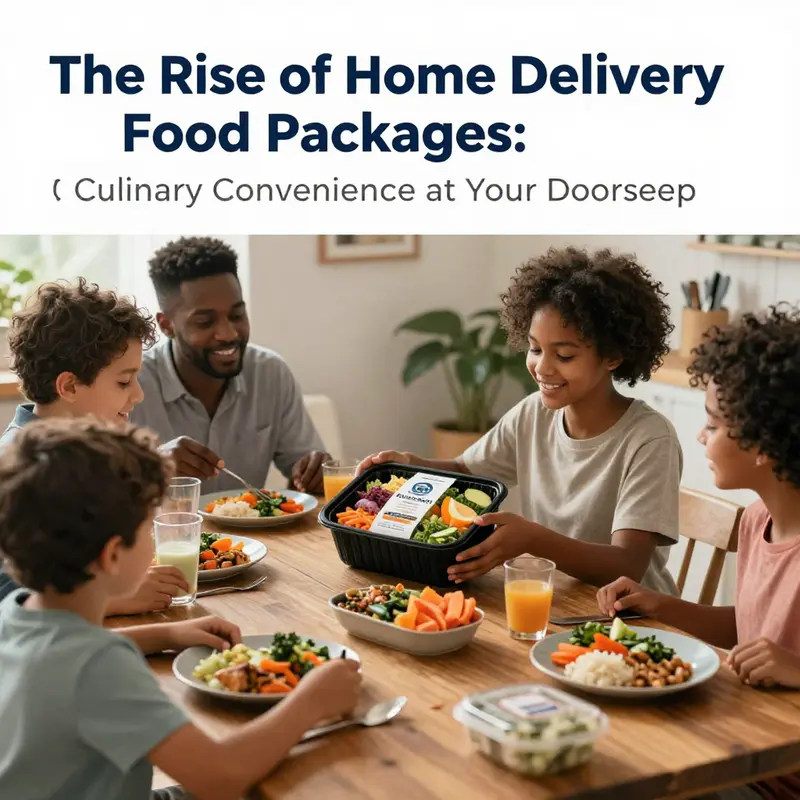
Home-delivered meal boxes do more than arrive at the door with pre-measured ingredients. They quietly reconfigure how families plan, prepare, and relate around food. For many households, a box becomes a scaffold for predictable evenings, a learning tool for novice cooks, and a shared project that invites different family members into the kitchen. The effects are practical and social. They touch routines, health behaviors, and how responsibility and pleasure are distributed across ages.
Families choose meal boxes for clear reasons: value, freshness, and ingredient quality. Those practical attractions matter because they remove barriers that often block home-cooked meals. When shopping, measuring, and menu-deciding are outsourced, parents regain time and mental bandwidth. That freedom has ripple effects: parents report greater willingness to experiment with recipes, to try vegetables they might have avoided, and to involve older children in meaningful ways.
One consistent outcome is an increase in parental cooking confidence. When steps are spelled out with a sequence of measured actions, the kitchen becomes less intimidating. Parents learn by following recipes whose parts are already on hand. This format reduces the cognitive load of constructing a meal from scratch. With fewer unknowns, parents are more likely to cook regularly. Repeated success builds a sense of competence that transfers to other meals, even without the kit.
Cooking confidence is not merely personal satisfaction. It reshapes everyday choices. A parent who feels capable will choose home-cooked options more often than takeout. They may substitute processed items with fresh ingredients. Over time, these choices stack into dietary patterns that favor vegetables, lean proteins, and balanced portions. Meal boxes play a role by nudging portion sizes and introducing diverse produce in appealing combinations. The result is often a tangible improvement in what families eat.
Children’s involvement is another important shift. Meal boxes make participation concrete. Older children, typically teenagers, can follow written steps, measure ingredients, and operate simple kitchen tools. They take on tasks that contribute meaningfully to the finished meal: chopping, seasoning, or plating. This hands-on involvement fosters useful life skills and a sense of contribution. It also creates moments of connection between parents and older children that are structured around a shared objective.
Younger children contribute in different ways. For ages six to twelve, involvement often centers on simpler tasks: washing vegetables, arranging greens, or stirring. These tasks are shorter and less risky, yet they still communicate inclusion. Parents often report that when children participate, the meal gains social value. A child who helped prepare a dish is more likely to eat it. The experience can reduce mealtime battles and foster curiosity about food.
Shared kitchen work also changes family roles. Meal boxes encourage co-operation rather than unilateral responsibility. Parents who have carried the entire burden of dinner find it easier to invite help. Siblings can trade tasks. A teenager might take responsibility for one night a week. When roles are clear and expectations manageable, meal preparation becomes a scheduled family contribution rather than a last-minute scramble.
These dynamics have social benefits beyond the meal itself. Shared responsibility teaches planning, time management, and communication skills. It provides a structured context for praise, feedback, and problem-solving. When a recipe doesn’t turn out as expected, the group can troubleshoot the next time. These small cycles of iteration cultivate resilience and shared accomplishment.
Nutrition outcomes deserve attention. The pre-portioned nature of meal boxes enforces appropriate serving sizes. Parents frequently report that these kits help them control portions without constant weighing or guesswork. Portion control supports calorie balance and reduces overeating. It also aligns with teaching children about reasonable plate compositions—how much of the plate should be vegetables, protein, or starch.
Another advantage relates to vegetable exposure. Meal boxes often pair vegetables with attractive flavors and preparation techniques. Brightly seasoned vegetable sides or creative incorporations of greens into mains normalize plant consumption. Over time, adults and children become more open to vegetarian dishes and unfamiliar produce. For families seeking to expand their palate or increase plant-forward eating, the boxes act as a gentle curriculum.
Meal boxes also reduce household food waste, which indirectly supports healthier eating. Pre-measured ingredients mean fewer forgotten partial ingredients in the refrigerator. When families open a box, the ingredients have a particular purpose and time window. This clarity reduces the friction of deciding what to use and when. Less waste saves money and reduces the frustration of letting food spoil—an outcome that reinforces meal preparation rather than discouraging it.
The social and psychological impacts are subtle but meaningful. Reducing the cognitive burden of planning lowers mealtime stress. Parents describe fewer frantic grocery runs and less agonizing over “what’s for dinner.” When stress declines, mealtimes become more relaxed and conversational. The table becomes a predictable place for connection instead of a battleground of competing schedules.
Regular family meals themselves have documented benefits: better communication, improved emotional wellbeing in children, and healthier dietary patterns. Meal boxes facilitate that regularity. When dinner preparation is less onerous, families are more likely to sit down together. Even if a parent or child has limited time, a boxed meal can serve as common ground that anchors a short, meaningful gathering.
Yet meal boxes are not a panacea. Some families report limitations. Portion sizes designed for adults can feel small for growing teenagers. Menus can become repetitive for those who subscribe long term. Cost can also be a barrier—especially for larger households where per-person prices add up. Recognizing these constraints allows families to adapt. Supplementing a kit with extra sides, rotating providers, or using boxes selectively for busy nights preserves benefits while mitigating downsides.
Engagement varies by developmental stage. Teenagers frequently relish the autonomy that comes with taking charge of a meal. Middle-school children enjoy tactile tasks and the pride of contribution. For older adults in intergenerational households, meal boxes can offer both convenience and opportunities for shared cultural exchange, as older family members introduce traditional techniques or seasoning preferences.
Packaging and logistics also influence family choices. Meal items must survive transit without losing quality. Good packaging protects fragile produce and maintains freshness. It also affects preparation flow; boxes that are well-organized reduce time spent sorting ingredients. Sustainable packaging is increasingly important to families mindful of their environmental footprint. Compostable or recyclable materials and portion-efficient packing are valued for aligning convenience with responsible consumption. For families that reuse or repurpose packaging for storage or serving, durable and thoughtfully designed containers add long-term utility. Businesses that provide food packaging options, such as disposable kraft paper bowls with lids, can complement meal boxes by offering responsible single-use solutions when needed: disposable kraft paper bowl for food package with lid.
Meal boxes also play a role in nutrition education. Recipes with clear steps teach timing, flavor balancing, and kitchen safety. When parents cook with children, they explain why ingredients are chosen and how flavors work together. These micro-lessons translate into better food literacy. Children who learn to read a recipe, measure ingredients, and judge doneness develop transferable skills. Over time, they can plan and execute meals independently.
Technology shapes the experience too. Many services provide recipe cards with visual steps and mobile instructions. Some offer adjustable serving sizes or dietary filters, enabling families to align meals with allergies or preferences. This adaptability helps ensure meal kits fit a range of dietary needs, from plant-forward plans to protein-rich diets. When families can tailor selections, engagement and satisfaction increase.
Cost considerations deserve a practical lens. Meal boxes can be economical when they reduce impulse grocery purchases and food waste. The convenience of a kit may offset higher per-serving costs if it saves a parent time better spent on other productive activities. Families often evaluate cost in terms of total household benefit—healthier eating, less stress, and more family time. For tight budgets, selective use of boxes—for teaching nights or compressed weeks—maximizes value without committing to full-time subscriptions.
To leverage meal boxes effectively, families can adopt several strategies. Plan rotation weeks where boxed meals cover weekdays and traditional cooking covers weekends. Use box nights as teaching nights, gradually increasing children’s responsibilities. Supplement kits with simple staples—extra salad or grains—to satisfy larger appetites. Rotate menus to avoid fatigue and to expose the family to a broader range of foods. Finally, treat packaging as an asset: reuse sturdy containers, compost appropriate materials, and choose providers that emphasize recyclable options.
Another practical tip is to involve children in planning. Letting older children choose a recipe builds buy-in. When a child selects a meal, they are more invested in preparing and trying it. This ownership is a powerful motivator for both participation and consumption. When parents scaffold tasks to match skill levels, participation becomes rewarding rather than stressful.
Meal boxes also intersect with cultural transmission. Families can use them to blend traditions—pairing a familiar family dish with a new side dish from a different cuisine. Parents can use a kit as a launching point for conversation about food origins and cultural practices. These moments expand culinary horizons and deepen cultural appreciation.
Finally, the cumulative effect of meal boxes is behavioral. Small, repeated acts—cooking a vegetable-forward meal twice a week, involving a teenager in preparation, choosing a balanced portion—accrue into habits. Over months, these habits alter the family’s food landscape. They change what is typical on the plate, who is responsible in the kitchen, and how meals function as social anchors.
The influence of home-delivered meal boxes on family dynamics is measurable and meaningful. They increase cooking confidence, encourage child participation, support healthier portions, reduce waste, and make shared meals more frequent. When thoughtfully integrated, they become more than convenience items. They serve as tools for education, connection, and better eating. As families adapt the model to their routines, they preserve the best parts of home cooking: shared work, shared meals, and the quiet satisfaction of creating something together.
For a detailed look at the study that informed many of these findings, see the full report on BMC Public Health: https://bmcpubhealth.biomedcentral.com/articles/10.1186/s12889-024-18795-2
Green Footprints at the Doorstep: Navigating the Environmental Footprint of Home-Delivered Food Packages
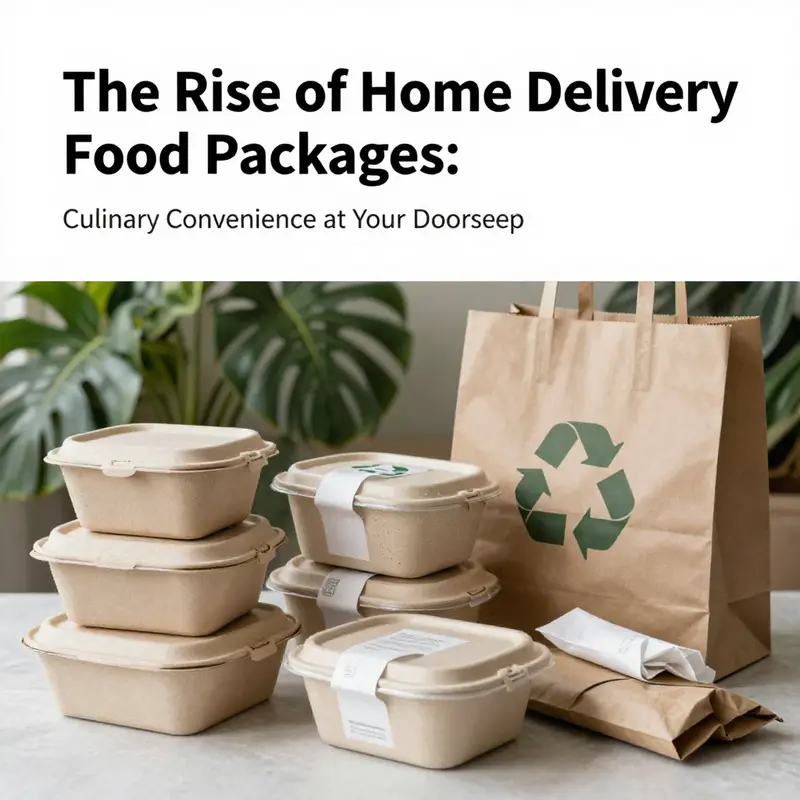
Every time a box arrives at the kitchen doorstep, it tells a story about the modern dining plate. Home delivery has transformed meals into curated experiences, from gourmet indulgences to quick service favorites that fit a busy calendar. Yet the same convenience that makes these packages appealing also pushes a complex environmental frontier onto the doorstep. This chapter traces how packaging choices, transportation logistics, and everyday consumer behavior converge to shape the ecological footprint of home-delivered meals. It is not a sermon against convenience, but a careful examination of how design choices influence waste, energy use, and resource depletion long after the last bite is taken. In this sense, the environmental conversation around home-delivered food is a design conversation, inviting producers, retailers, and households to see packaging not as a disposable shell but as an active component of sustainability that interacts with supply chains, consumer routines, and the pace of modern life.
At the heart of the environmental considerations for home-delivered food packages are three intertwined threads: packaging waste, carbon emissions, and material sustainability. Each thread speaks to a different phase of a package’s life—from raw materials to end-of-life fate, and from the moment a consumer clicks to order to the moment that box is recycled or discarded. The literature consistently shows that material choice matters as much as packaging volume: materials that rely heavily on non-recyclable plastics and composites tend to accumulate in landfills or ecosystems, creating persistent waste streams. In contrast, materials designed for recyclability or compostability can shift the end-of-life equation, but only if waste management systems and consumer habits align with those designs. This triad of drivers—material choice, waste volume, and recyclability—frames a practical approach to reducing the footprint of a meal package. The goal is not to eliminate packaging but to reimagine it with a systems mindset so that each box, bottle, or bag contributes less and recovers more at the end of its useful life.
The interplay between packaging and waste is nuanced in meal kits and delivery boxes. Pre-portioned ingredients and curated contents can reduce household food waste because consumers receive exact quantities needed for planned meals, with less leftover produce that spoils. Yet, if packaging becomes waste itself, the net environmental effect can tilt toward a larger footprint unless packaging is minimized, redesigned, or better managed at end of life. Emerging evidence suggests that meal kits can offer a form of waste reduction at the household level, but the packaging system must be optimized for recyclability, compostability, or reuse. A shift toward lighter, compact packaging that protects product integrity during transit while enabling efficient recycling streams can yield meaningful environmental gains. This requires balancing protection to preserve freshness with not creating a symbol of waste.
A guiding principle is the material lifecycle: the choice between single-use plastics, multi-layer films, and more sustainable composites is a spectrum of trade-offs. Single-use plastics can offer barrier properties and moisture control, which help extend shelf life and reduce spoilage, but they pose end-of-life challenges. Recyclable or compostable materials promise better end-of-life outcomes but may demand more complex sorting and processing. Manufacturers are exploring packaging solutions that harmonize performance with recyclability, such as fiber-based cartons, paperboard laminates designed for recycling, and bio-based films compatible with industrial composting streams. The shift toward materials that align with existing waste management systems is essential because the environmental advantage of sustainable packaging only materializes when the packaging is actually recovered and processed in the intended way. In other words, the best packaging is the packaging that does not end up as waste, or that cycles through recycling or composting channels with minimal residuals.
One avenue of innovation that guards against waste while maintaining shelf stability is dried meal packages. Dehydrated formats can offer ecological advantages: reduced packaging volume, lighter shipping weights, and lower energy consumption during transport. Dry products typically occupy less space, enabling more efficient loading and reduced fuel use per shipment. The absence or reduction of moisture in these products tends to lower microbial risk during transit, potentially shortening cold-chain requirements and further reducing energy use. That said, the production of dried formats still demands energy and resources. The life-cycle benefits depend on the balance between these inputs and the downstream outcomes in households, including consumer acceptance and the ability to rehydrate meals quickly and effectively. In short, dried meal packages illustrate how redesigning product formats can curtail some environmental costs, provided that the changes are accompanied by sensible packaging and consumer guidance that prevents wasteful rehydration practices or spoilage. In practice, a thoughtful blend of format innovation with robust end-of-life pathways offers a credible route to greener meal delivery options.
The academic literature on express food delivery in urban environments underscores the critical role of consumer behavior in shaping environmental outcomes. A 2020 study in the Journal of Cleaner Production highlights that CO2 equivalent emissions linked to express delivery are concentrated in dense urban centers where packaging use is intense and deliveries are frequent. A striking finding from this work is that simple consumer actions, such as choosing to walk to a nearby pickup point rather than using delivery, can cut the carbon footprint of food delivery by roughly 68 percent. While this percentage is contingent on context—distance to pickup, urban density, and availability of safe, convenient alternatives—it powerfully demonstrates that even small shifts in everyday routines can collectively yield substantial emission reductions. The implication for home-delivery services is clear: when possible, encouraging local pickup, bundling orders to reduce trips, and offering attractive in-store or curbside options can complement packaging redesigns and logistics optimization to lower emissions across the system. It also invites a broader reflection on the decision points that consumers face: convenience against climate, speed against sustainability, and the personal trade-offs that become important when scale transforms individual choices into a regional carbon signal.
Meanwhile, other research emphasizes the life-cycle reality of packaging waste. A 2019 study from the University of Michigan found that meal-kit packaging waste, while substantial, can be offset by reduced household food waste and more efficient use of resources compared with traditional grocery shopping. In that analysis, the net environmental footprint depends on how much food is wasted at the consumer level and how efficiently packaging is produced, transported, and recycled. The takeaway is nuanced: if households maintain rigorous portion control, proper storage, and disciplined use of ingredients, the overall burden of waste can shrink even if packaging volume remains high. This insight invites a more integrated view of sustainability, one that does not demonize packaging per se but rather asks how the entire system—from supplier to consumer—can be tuned to minimize waste, maximize recyclable content, and support responsible disposal. It also points to the need for better guidance, labeling, and consumer education so households can make choices aligned with environmental goals without sacrificing the benefits of convenience.
The logistics of delivery itself add another layer of complexity. Total order weight, the weight of individual packages, and the fragility of certain ingredients all shape not only the cost of delivery but also how packaging is designed and employed. Heavier boxes require sturdier materials, potentially increasing energy use in production and transport, while fragile items demand protective inserts that add volume. In this regard, packaging design becomes a logistical optimization problem with environmental consequences. When a system is optimized for weight reduction, material reuse, and efficient stacking, the delivery footprint can shrink without compromising product integrity. Conversely, if packaging becomes bulkier to protect delicate items or to accommodate a wide array of products, the same trip becomes less efficient and emissions per unit of food rise. The practical implication for operators is to pursue modular, standardized packaging that can handle diverse product lines while maintaining high recyclability and low material intensity. Consumers can participate by selecting delivery options that minimize trip frequency, opting for bundles where feasible, and by supporting packaging that is clearly labeled for recycling.
Beyond material choices and delivery dynamics, the end-of-life pathway remains crucial. Recyclability is an aspirational goal, but not sufficient by itself. The effectiveness of recycling depends on the presence of clear infrastructure and consumer discipline. Packaging that is easily separable, widely accepted by local recycling streams, and accompanied by simple disposal instructions stands a much better chance of being recovered than packaging that is opaque to sorting facilities or that requires specialized processing. In addition to recycling, compostable options offer alternative routes to waste reduction when residential composting is not feasible. The challenge lies in aligning product design with the realities of local waste management. If a city or region lacks the necessary facilities, even well-intentioned compostable packaging can end up in landfill. This is why the most promising developments in sustainable packaging are those that consider regional waste ecosystems as an intrinsic part of product design. When packaging can be processed by existing municipal systems, the environmental benefits multiply because the recovery rate increases and the likelihood of mismanaged waste decreases.
In practical terms, achieving a lower environmental footprint for home-delivered meals requires coordinated alignment of design, logistics, and behavior. Designers and manufacturers can pursue several guiding principles: minimize material thickness and weight without compromising safety or shelf life; prioritize fiber-based or recyclable alternatives that fit typical municipal recycling streams; incorporate clear, actionable disposal guidance on packaging; improve packaging durability to reduce damage during transit and the need for replacement materials; explore packaging ecosystems that enable reuse or return programs with incentives; and support transparency about the lifecycle of packaging so consumers understand the trade-offs of their choices. A tangible step toward more sustainable packaging lies in design choices that reduce reliance on unnecessary components. For instance, a packaging approach that uses a single, sturdy, recyclable container with minimal lids and inserts can simplify sorting and recycling, while maintaining product protection through smarter engineering, such as using corrugated fibers with higher crush resistance or moisture barriers made from recyclable materials. The selection of adhesives, coatings, and barrier layers also matters because some components can complicate recycling streams or contaminate recyclables. Streamlining the material stack toward a simpler, more uniform composition increases the likelihood that a package will be recovered. The end result is a packaging system that respects the integrity of the food while guiding households toward responsible disposal practices. The design challenge is not merely to shrink packaging but to reconfigure it into a coherent solution that harmonizes product safety, waste management, and environmental stewardship.
The conversation about environmental footprints in home-delivered meals cannot ignore the social and behavioral dimensions that shape outcomes. Consumer preferences for convenience, speed, and variety influence the frequency and size of packaging households receive. When sustainability features, such as clear labeling of recyclability, visible carbon footprints, or incentives for choosing pickup, are presented in a transparent, non-coercive way, households are more likely to respond in ways that lower the system-wide impact. At the same time, policy and infrastructure play supporting roles. Municipal recycling rates, curbside collection programs, and the availability of community composting can either enable or hinder the environmental advantages of sustainable packaging. In this sense, the environmental footprint of home-delivered meals emerges from a dynamic interaction among product design, supply chain engineering, consumer behavior, and public services. Reading these interactions together reveals a path forward that embraces both innovation and practical realities.
To illustrate the practical potential of these ideas, consider a packaging option that integrates recyclability with robust performance and a practical disposal path. A disposable octagonal box made from kraft paper packaging, designed for takeout and delivery, exemplifies how a simpler, more recyclable form can align with efficient logistics and consumer reuse patterns. The packaging choice matters because it signals the importance of end-of-life considerations to the consumer and can influence how households manage their waste. For more on this class of packaging, see the option described here: https://greendispopack.com/product/disposable-octagonal-box-restaurant-food-kraft-paper-packaging/. Such designs remind us that the environmental gains of home delivery hinge on the entire life cycle from raw material extraction to disposal. They also remind us that packaging can be a platform for education, guiding households toward better practices without compromising the convenience that defines modern meals.
In closing, the environmental footprint of home-delivered food packages is not a fixed verdict but a moving balance sheet. It captures the trade-offs between freshness, packaging integrity, and waste, while acknowledging the energy and emissions embedded in every leg of a product’s journey. The evidence converges on a hopeful practical takeaway: sustainable outcomes emerge not from a single solution but from a portfolio of strategies that blend design finesse, smarter logistics, and informed consumer choices. When households opt for more efficient pickup options, when manufacturers invest in simpler, more recyclable packaging systems, and when waste management infrastructure evolves in step with packaging innovations, the door-to-door meal becomes a conduit for environmental progress rather than a culprit in ecological degradation. In this sense, every box becomes an opportunity, an opportunity to reduce waste, save energy, and reimagine dining in a way that honors both appetite and the planet. The path is iterative, collaborative, and precise, requiring attention to the details of materials, processes, and behaviors that determine whether a package simply arrives or finally disappears into a waste stream with dignity and clarity.
Further reading and reference points for this topic include the external study that documents the environmental dynamics of express delivery and the role of personal consumption choices in shaping emissions. For a deeper understanding of the China-focused findings and their implications for consumer behavior, see Environmental Impact of Express Food Delivery in China: The Role of Personal Consumption Choice. This peer-reviewed article provides empirical data and nuanced discussion that complement the perspectives offered here and help frame policy and corporate decisions in a broader sustainable context. https://www.sciencedirect.com/science/article/pii/S095965262030475X
Final thoughts
The landscape of home delivery food packages—from gourmet meats to versatile meal kits—offers an abundance of opportunity for food and beverage businesses. Understanding their appeal to families seeking convenience, quality, and sustainability can help in creating tailored services that resonate with today’s consumers. As businesses strive to enhance their offerings, considering the balance between deliciousness, convenience, and environmental impact will become increasingly critical. With the right strategies, food service providers can undoubtedly flourish in this evolving market.