
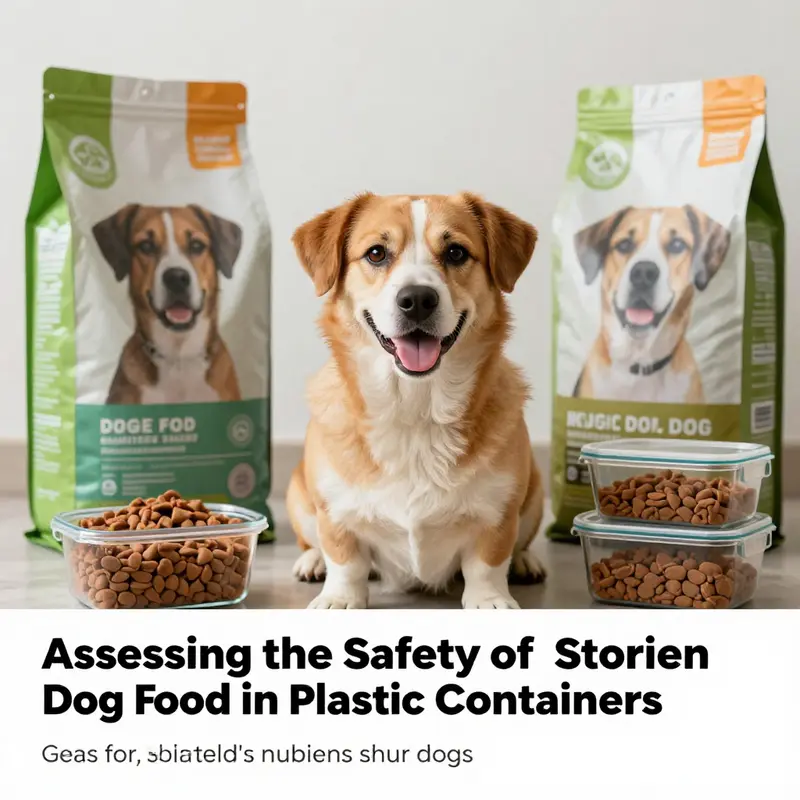
As pet owners, ensuring the safety and quality of our furry friends’ food is paramount. The convenience of storing dog food in plastic containers may seem appealing, but hidden risks could jeopardize their health. Delving into the chemical leaching risks, contamination, spoilage, and potential loss of nutrients associated with plastic storage sheds light on these concerns. In this discourse, we explore the growing evidence against the use of plastic containers for dog food, equipping pet and food service industry professionals, like bubble tea shops, restaurants, and catering services, with essential knowledge for healthier storage practices that ultimately safeguard pet health. Understanding these components prepares you to make informed decisions in supporting dog nutrition.
Guarding the Diet: The Hidden Dangers of Plastic Storage for Dog Food and Pathways to Safer Options
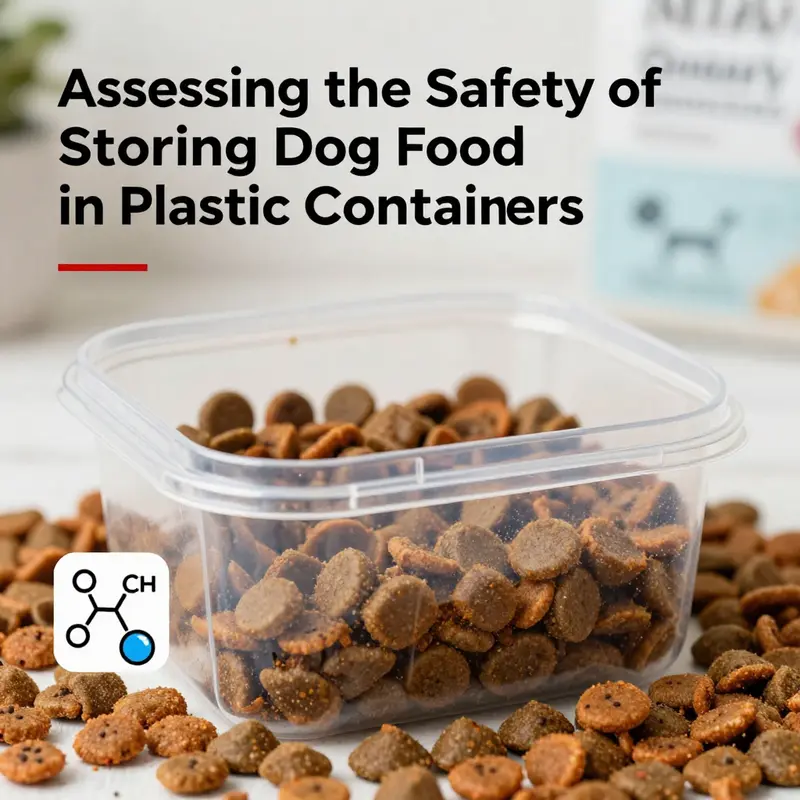
When a question about dog food storage appears, the mind often defaults to convenience: a sturdy plastic bin with a tight lid, tucked under a counter or in a pantry. The logic seems sound at first glance. Plastic is lightweight, inexpensive, and easy to clean. It promises pest resistance and a tidy, uniform space for dry kibble. Yet a growing body of research presses a cautionary note against storing dog food directly in plastic containers for extended periods. This is not a sweeping argument against all plastics; it is a careful appraisal of how certain plastics interact with fat-rich pet foods, how residues can accumulate, and how even well-intentioned storage decisions can erode the freshness, safety, and nutritional value of what a dog eats day after day. The core concern centers on chemical leaching, a process that can occur gradually, especially when temperature, fat content, or prolonged contact come into play, and the consequences can be hard to overlook in a pet’s health and behavior.
To understand the risk, it helps to start with the chemistry of plastic and the composition of dog food. Dry dog kibble is a mosaic of grains, proteins, fats, and micronutrients designed to supply energy and nutrition. The fats in kibble, often high in lipids, are precisely the type of compounds that plastics can slowly release when in contact. Plastics are long chains of polymer molecules that can act like sponges for lipophilic substances. Over time, fats and oils can draw certain additives from the plastic into the food. Some of these additives—used to make plastics flexible or durable—are not intended to enter consumed products. When they do migrate, they can accumulate in a pet’s body after repeated exposure.
Among the chemicals most discussed in this context are the bisphenols, including BPA and its substitutes such as BPS, and phthalates, commonly used as plasticizers. Bisphenols have earned wide attention for endocrine-disrupting properties. In laboratory and animal studies, bisphenols can affect hormone signaling, potentially influencing metabolism, reproductive development, and other physiological processes. A 2013 study from a respected research institution highlighted how substitutes like BPS may impair cellular function and contribute to metabolic dysfunction. The concern is not only about BPA itself but about the broader family of bisphenols and their activity in biological systems. In the realm of pet health, these influences are not merely theoretical; they can shape how a dog processes sugars, stores fat, and responds to insulin, all of which bear on energy balance and long-term well-being.
Adding to the complexity is the fact that not all products marketed as BPA-free are automatically benign. Some research published in leading environmental health journals has shown that BPA-free materials can exhibit estrogenic activity, sometimes comparable to or even higher than BPA-containing counterparts. For a pet owner, this means the search for a safer plastic option is not as simple as swapping one label for another. The regulatory landscape around plastics used for pet food contact materials is inconsistent across regions and products; comprehensive, universal testing for every plastic storage option is not mandated by major authorities in ways that would guarantee complete safety. This regulatory gap reinforces a cautious stance toward relying on plastic as a long-term storage solution for dog kibble.
Phthalates, historically used to impart flexibility to plastics, bring another layer of concern. In wildlife and humans, phthalates have been linked to reproductive and developmental effects, metabolic disruption, and other adverse outcomes. While the most dramatic concerns in wildlife have involved exposure through contaminated environments, the same logic applies to household storage: residues can migrate into food, especially when fats are involved. For dogs that nibble, savor, and chew, repeated exposure over months and years becomes a calculable risk, not merely a hypothetical one. Even the plastics marketed as thicker or more durable can harbor microenvironments where fat from the food settles and slowly oxidizes. The result can be a combination of chemical exposure and decreased food quality, a double whammy that undermines both safety and enjoyment of meals.
Beyond the chemical angle, the physical biology of plastic storage raises additional concerns. Microcracks and surface imperfections can develop in containers over time, especially with frequent handling and washing. Those tiny fissures become hidden reservoirs for old fat residues and moisture, creating microenvironments where oxidation proceeds more quickly. Oxidized fats, of course, carry off flavors and aromas that are unappealing to dogs and can signal spoilage to human observers as well. More importantly, oxidized fats can contribute to the growth of mold, bacteria, and even parasitic mites in some environments. The presence of mold or bacteria in dog food is already a red alert for pet health; when the barrier material supporting the food also harbors contaminants or facilitates their growth, the risk is amplified rather than mitigated. The original packaging of dog food—designed for moisture, light, and air barriers—often remains, at least in part, the better protective layer, when treated with sensible external storage.
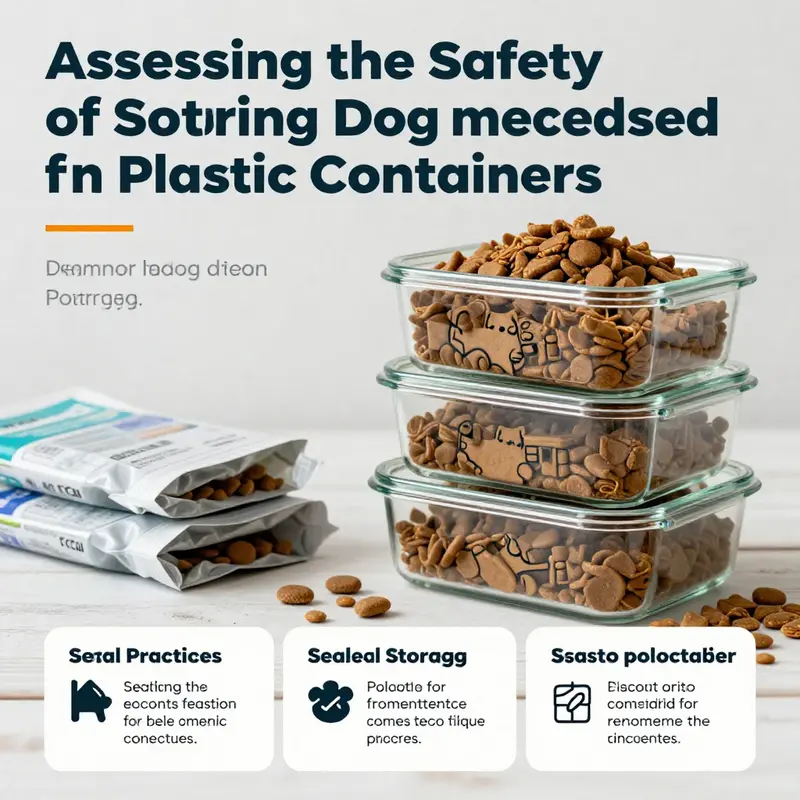
Given these intertwined chemical and physical risks, the practical question becomes one of protecting a dog’s health without sacrificing convenience. The recommended approach that emerges from careful synthesis of the available research is straightforward, even if not always intuitive: keep the dog food in its original sealed bag and place that bag inside a clean, airtight outer container. This strategy preserves the integrity of the packaging designed by the manufacturer to shield against oxygen, moisture, and light while offering an additional barrier against pests and physical contamination. In this arrangement, the original packaging handles the primary protective role, and the outer container provides the practical benefits of pest resistance and tidiness without introducing new sources of chemical migration.
If an outer container is preferred or required for reasons of affordability, pest control, or convenience, the material choice becomes the focal point of risk management. The best outer containers are glass or stainless steel. These materials are inert, non-porous, and do not leach significant chemicals into the food. They also present an impermeable barrier to air and moisture challenges better than many plastics, thus helping to preserve freshness and nutritional value over time. For households with strong commitments to minimizing waste or avoiding glass or metal entirely, the next best option is a high-quality food-grade plastic that is explicitly designed for dry food storage. In that case, the container should be scrupulously clean before each use, thoroughly dried, and kept away from heat sources and direct sunlight. Temperature is not a mere detail in this discussion; it governs the rate at which any residual chemicals may migrate and the pace at which fats oxidize. A cool, dry, dark storage space complements the integrity of the food and reduces the likelihood of spoilage or unwanted chemical migration.
Even as one negotiates between different materials, a consistent thread runs through the guidance: the outer container should not be the weak link in safeguarding a dog’s nutrition. The original bag is not a flavor pouch; it is a protective envelope designed with barrier properties that target the very challenges that plague dry dog food once it leaves the manufacturing facility. The inner bag plus the outer container, if chosen, create a layered defense against air, moisture, light, and pests. This layered approach is not only about keeping the dog’s meals tasting fresh; it is about reducing the risk of chemical exposure and microbial growth that could compromise health over time. The message is clear: convenience should never trump safety when it comes to the food that fuels a pet’s daily life.
Yet the decision to avoid plastic is not a blanket condemnation of all plastic products. It is a call to discriminate among plastics, to consider their intended use, and to recognize the limits of any single material. If one insists on using a plastic option, it must be a model of food safety by design. It should be explicitly labeled as food-grade and intended for storage of dry products, and it should be kept impeccably clean. The caveat remains strong and practical: even with a food-grade plastic, the barrier to freshness and stability is thinner than the barrier provided by glass or stainless steel. Repeated opening, washing with detergents, and exposure to heat or sunlight can degrade the integrity of the container and increase the potential for chemical migration and spoilage. In short, the most reliable approach preserves the original packaging and uses the outer container as a protective, pest-resistant shell rather than as the primary shield against chemical migration.
For readers who want a sense of how storage choices play out in everyday life, the literature and expert guidance converge on a simple, testable idea: the outer container should minimize or eliminate contact with the food’s fatty components, and it should not participate in the chemical economy of the food it houses. A thoughtful consumer will assess the outer container not by its price or its color but by its material stability, its inertness, and its ability to keep air and moisture at bay. It is also prudent to ensure the food is stored in a cool, dry environment, away from heat sources and direct sun. Even the most stable container cannot compensate for a hot kitchen, a humid pantry, or a space where a dog might routinely access the food in a hurry and then leave behind crumbs or residue that become a magnet for pests.
In weaving together these threads of chemistry, material science, and practical pet care, one arrives at a coherent, actionable conclusion. If you want to maximize safety and freshness, keep dog food in its original packaging and store the bag inside a clean, airtight outer container made of glass or stainless steel. If a plastic outer container is your only option, insist on a product designed specifically for food storage, maintain scrupulous cleanliness before every refilling, and avoid exposing the storage to heat or direct sunlight. Whatever your choice, make a habit of inspecting containers for scratches, cracks, or other signs of wear that could harbor residues or compromise barrier properties. And remember that the most robust protection for a dry pet food is a thoughtful, layered approach that respects the science of food storage as much as the instinct to keep a beloved companion fed, happy, and healthy.
As you consider next steps, a practical path forward is to explore storage options that blend convenience with safety. A category of storage options designed for food use offers durable, safe, and inert choices that can house the original bag while providing an outer shield against the elements. If you want to see a concrete example of packaging concepts tailored to food storage and a broader range of practical supplies, you can explore related products that emphasize safety and storage efficiency, such as kraft paper food storage solutions that are designed for household use. This approach aligns with a cautious, health-first mindset for pet nutrition, keeping the focus on the dog’s well-being while acknowledging the realities of daily life and the need for orderly, pest-resistant storage.
For further reading on safe material choices for pet feeding and storage, you may find valuable context in resources that discuss BPA-free and other safer material options and their limitations. A well-regarded external resource offers a broader perspective on choosing safer feeding containers and bowls, including considerations of materials, coatings, and how they interact with pet diets across different life stages. This broader discussion complements the storage-specific guidance and helps readers make informed decisions that extend from the bowl to the pantry. https://www.dogfoodadvisor.com/bpa-free-dog-bowl/
Internal link note: for an example of a product category focused on secure food storage that translates well to home pet care, see kraft paper food storage solutions here: kraft paper food storage bowls. This link anchors the discussion in practical, everyday storage options while keeping the emphasis on safety and material quality. The goal is not to promote a single brand or product but to illustrate a general path toward safer, more durable storage that aligns with the protective logic outlined above.
The take-home message remains steady: while plastic offers practical benefits, it is not the most reliable defense against chemical migration, spoilage, or nutrient loss for dog kibble over time. Prioritizing barrier integrity, minimizing exposure to heat and oils, and choosing inert container materials when possible are the best bets for maintaining a dog’s nutrition and health. In the end, the care we invest in the pantry echoes the care we give to our dogs at mealtime, ensuring that every bowl is not just convenient but genuinely safe and nourishing through the days, months, and years ahead.
How Plastic Triggers Contamination and Spoilage in Dog Food — What Every Owner Should Know
Why plastic storage raises real contamination risks for dog food
Plastic containers are convenient, stackable, and easy to clean, but convenience hides important risks when storing dog food. Dry kibble and wet mixes contain oils, fats, and organic matter. Those components interact with many plastics. Over time, fats can break down a container’s chemistry and invite contamination. Once contamination starts, it accelerates spoilage and reduces nutritional value. That puts your dog’s appetite, digestion, and long-term health at stake.
Plastic is not a single material. Different polymers vary widely in their resistance to heat, light, and oil. Low-quality plastics can degrade under repeated use, allowing air and moisture to enter. Oils and fatty residues from kibble are lipophilic — they attract and dissolve certain plastic additives. That process can transfer unwanted chemicals into the food. Even if the plastic itself seems intact, invisible microscopic cracks and worn seals compromise the barrier that keeps food stable.
Fats in dog food are especially problematic. They oxidize when exposed to oxygen. Oxidation produces rancid odors and flavors and destroys essential fatty acids and vitamins. Rancidity is driven by temperature and oxygen exposure. A container that breathes a little, or that has been exposed to heat or sunlight, speeds this chemical breakdown. Once a batch of food begins to go rancid, it often spoils the rest of the supply because the rancid oils spread through the entire contents.
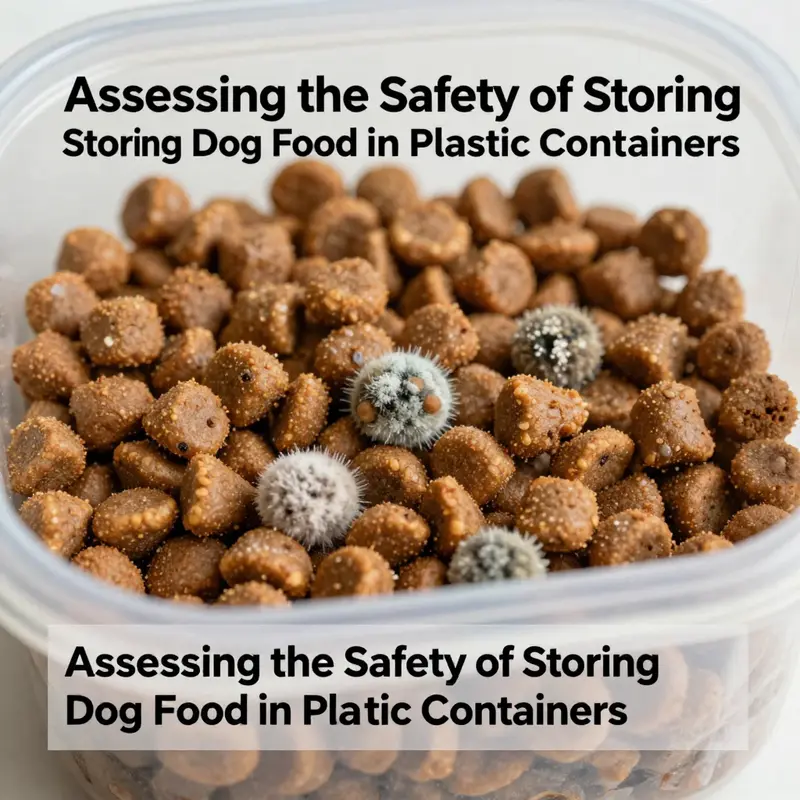
Moisture is another primary driver of contamination. Even tiny amounts of humidity can allow mold spores and bacteria to take hold. Mold growth is not always obvious at first. It may appear as faint discoloration, a chalky dust, or an off smell. Dogs can develop digestive upset, allergic reactions, or, in severe cases, mycotoxin exposure from moldy food. Plastic containers stored near heat sources, or in garages and attics, are at higher risk. Heat raises the container’s internal temperature and promotes condensation when it cools, drawing moisture into the food.
Pests and microscopic invaders compound the problem. Mites, beetles, and pantry insects thrive in dry food environments. Many species are so small they go unnoticed until infestation is advanced. Plastic containers without airtight seals allow insects to enter. Even containers that appear sealed may have tiny gaps at lids or between parts. Insects contaminate food with feces and shed skins, which contribute to spoilage and trigger allergic or digestive issues.
Chemical contamination is a less visible but serious threat. Some plastics contain plasticizers and stabilizers designed to make the material flexible or durable. Those compounds can leach into fatty foods over time, especially under warm conditions. The concern is twofold: chemical residues reduce the purity of the dog food, and long-term exposure to some additives has been linked to health risks. While regulation differs across regions, the safest approach avoids unnecessary exposure by limiting direct contact between fatty food and generic plastic.
Cleaning and residue build-up create another hidden route for contamination. Even with careful handling, crumbs and oil cling to corners, seams, and the undersides of lids. Residual food oxidizes and becomes rancid. When fresh food is added to a container with old residues, the new batch picks up off-flavors and contaminants. Regular cleaning is essential, but many plastic bins are awkward to disassemble and dry. Trapped moisture during cleaning creates a repeat problem. Thorough drying is often the weakest link in the cleaning routine.
Even when plastic is certified food-grade, limitations remain. Food-grade plastics resist many contaminants but do not eliminate oxidation or moisture problems. Many commercially sold dog foods are packaged in metallized bags or multi-layer film designed to limit oxygen exposure. Those original packages often maintain freshness better than everyday plastic bins. When owners pour kibble into unlabeled containers, they may be discarding the protective barrier the manufacturer provided.
Practical habits that reduce contamination and spoilage risks are straightforward and effective. Keep the food in its original bag and place that bag inside a clean, airtight outer container. The inner bag was designed to be a barrier. The outer container protects against pests, physical damage, and light. If you must transfer food out of the original bag, choose an inert material such as glass or stainless steel for the storage container. Those materials do not interact chemically with food and provide strong barriers to oxygen and moisture.
If plastic is the only available option, pick wisely. Look for containers labeled food-grade, BPA-free, and phthalate-free. High-density polyethylene (HDPE) and polypropylene (PP) are more resistant to oils and UV light than many other plastics. Choose opaque containers to block light. Prioritize containers with reliable gasketed lids that create airtight seals. Replace worn seals and inspect containers for scratches, cracks, or sticky residues. Avoid storing dog food in soft or thin plastics that warp under heat.
Cleaning routines matter. Empty the container and wash it with hot water and a mild detergent after each bag is finished. Rinse thoroughly to remove all soap. Dry completely before adding a new bag. Moisture left behind is one of the main causes of quick spoilage. If you suspect an infestation or see visible residue, sanitize the container with a diluted bleach solution, rinse well, and allow it to air-dry in direct sunlight if possible. Avoid using strong scented cleaners that can leave odors absorbed by the plastic.
Stock rotation and portion control protect freshness. Buy amounts that match consumption rates. Large quantities stored for months are more likely to lose nutrients and attract pests. Use a first-in, first-out approach. Label containers with the date the bag was opened. Consider single-bag storage rather than pouring multiple bags into the same bin. For long-term protection, vacuum-sealing unopened portions or resealing the original bag with a clamp reduces oxygen exposure.
Freezing newly purchased bags for 48–72 hours can kill potential insect eggs and larvae. After freezing, let the bag return to room temperature before opening to avoid condensation. Freezing does not prevent oxidation, but it does help prevent infestations that often begin inside packaging. For travel or short-term feeding, disposable paper bowls with lids can reduce cross-contamination from shared dishes or uncertain storage sites. A suitable option is a disposable kraft paper bowl with lid that keeps servings covered and reduces the need to transfer food into uncertain containers: disposable kraft paper bowl with lid.
Recognizing spoilage early saves dogs from harm. Look, smell, and feel the food before serving. Signs of spoilage include an off or rancid odor, oily residue on the surface, clumped kibble, visible mold, insect presence, or an unusual taste to wet food. If your dog refuses normally favored food or shows digestive upset after eating, suspect spoilage. When in doubt, discard the food. The cost of replacement is small compared with veterinary bills and the risk to your pet.
In everyday practice, the simplest and most effective strategy is conservative: keep food in its original packaging, protect that bag in a clean, well-sealed outer container, store in a cool, dry, dark spot, and inspect regularly. When plastic is used, choose high-quality, food-grade materials, clean and dry between uses, and replace containers that show wear. Those steps limit oxygen, moisture, pests, and chemical interaction — the four main pathways that turn safe dog food into a contamination or spoilage problem.
For owners who want detailed storage standards and more guidance on material safety and best practices, consult a veterinary-endorsed storage guide. The following resource offers practical, research-backed tips for keeping pet food safe and fresh: detailed storage guidelines.
Guarding Nutrition and Freshness: The Hidden Costs of Storing Dog Food in Plastic Containers
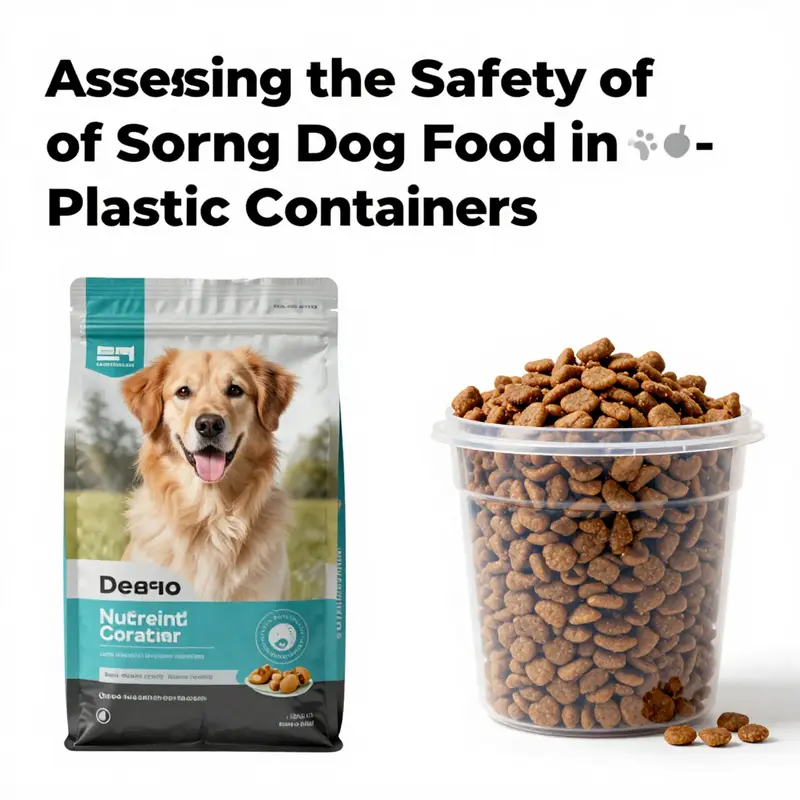
The question of how we store dog food sits at the intersection of convenience, safety, and the continuing health of a pet who depends on us to safeguard what reaches their bowl. Everyday routines often push us toward quick, inexpensive storage solutions, and plastic containers frequently appear as the easiest option. Yet a closer look at the science and storage realities reveals a more nuanced picture: plastic may offer ease, but it can compromise both freshness and nutritional integrity over time. This is not merely a matter of scent or taste; it is about the chemical and physical processes that unfold quietly behind the lid, influencing what your dog ultimately ingests and absorbs. Understanding these processes helps us make informed choices that protect long-term health rather than trading short-term convenience for subtle, cumulative risks. In this chapter, we explore how plastic interacts with dog food, why that interaction matters, and how to chart a storage path that preserves flavor, nutrients, and safety without sacrificing practicality.
At the heart of the concern is the simple fact that most plastics are lipophilic, meaning they are somewhat inclined to mingle with fats and oils. Dog food, with its appreciable fat content, presents a tempting target for any plastic that can release chemicals into fatty matrices. Among the chemicals most discussed in this context are phthalates and related plasticizers. These substances are designed to soften plastics, but they can migrate into fatty foods under certain conditions. The regulatory landscape for phthalates and similar compounds in food-contact materials varies by country, and in some jurisdictions, oversight may be less stringent than consumers expect. The potential consequence is not a sudden toxic shock but a gradual, cumulative exposure that could stress a dog’s liver or endocrine system over months or years. While one single exposure is unlikely to produce dramatic effects, repeated, low-level ingestion of these substances merits serious consideration, especially given the vulnerability of developing animals and older pets.
Chemical leaching is only one part of the equation. The physical properties of plastic containers also shape the fate of the food they hold. Even when a container is marketed as food-grade, its barrier properties are not foolproof. Plastic tends to be more permeable to oxygen than the sealed environment of the food’s original packaging. Over weeks and months, oxygen seeps into the container and interacts with fats and oils in the dog food. This is the process of oxidation, which manifests first as rancidity—a stale, metallic, sometimes sour smell that betrays the food’s altered state. But rancidity is more than an aroma; it accompanies a cascade of nutritional losses. Fat-soluble vitamins such as A and E are particularly susceptible to oxidative damage, along with other essential nutrients that support immune function, skin and coat health, and overall vitality. The rate of these changes accelerates when the container is not perfectly airtight, when the storage environment is warm or humid, or when the food has been exposed to light that can further energize oxidative reactions. In practical terms, even if a plastic bin looks clean and seals tightly, the food inside may be quietly losing stability long before the bag’s printed “best by” date arrives.
Contamination and spoilage add another layer of risk. The outer plastic shell can trap fats and residues from previous batches in places that are hard to reach during cleaning. Micro-porous textures of some plastics, combined with imperfect cleaning, create pockets where oils accumulate and become rancid. That rancidity can then transfer to new portions when fresh food is scooped, effectively creating a cycle of ongoing degradation. Microbial growth is another real concern, particularly if moisture slips into the container or if the seal is compromised. Mold, bacteria, and even tiny pests can take advantage of warm, fatty residues and imperfect barriers. Even when visible spoilage is absent, the presence of oxidized fats and microbial activity can erode the food’s sensory appeal and nutritional value, diminishing palatability and sometimes contributing to health issues that owners want to avoid.
The American Association of Feed Control Officials and other veterinary nutrition authorities emphasize that storage quality is a foundational element of maintaining a pet food’s nutritional integrity. When dog food is not stored properly, a portion of its freshness—often including sensitive vitamins and fatty acids—can be lost over months. The term “months” is worth highlighting: the degradation is not a dramatic, overnight event but a gradual process that erodes what the dog relies on for energy, coat condition, and immune support. In the face of this reality, the practice of transferring food from its original, protective packaging into a generic plastic bin is ill-advised as a routine solution. The original bag is designed to shield the product from air, moisture, and light in a controlled way, and that protective advantage can be compromised by a secondary container that does not meet the same barrier standards.
Color, odor, and texture offer practical, everyday cues. If you notice a rancid or off-putting smell when you open the container, that is a sign that oxidation has altered the fats and often the vitamins as well. If the food looks visibly dull or greasy, or if there is a chalky or gritty residue around the edges, these are flags that the food has experienced some form of quality decline. For pet guardians, such signals provide a reminder that the outer storage vessel is not a mere decorative shell but a functional component of the food’s stability. Even more insidious is the possibility that a dog may be less enthusiastic about a meal because the reformulated flavors and aromas betray the fat oxidation or subtle chemical changes that have occurred. Consistency of taste and texture matters, not only for enjoyment but also for ensuring proper digestion and nutrient uptake.
What then are practical steps that align with both science and responsible pet care? The simplest, most effective approach is to keep the dog food in its original sealed bag and place that entire bag inside a clean, airtight outer container. This method leverages the best of both worlds: it preserves the original packaging’s protective properties while providing the convenience and pest resistance of an external vessel. When the external container is chosen, materials matter. Glass and stainless steel stand out as inert and non-reactive options with excellent barriers against air and moisture. They do not leach chemicals and retain their integrity over time, making them robust allies in the daily routine of feeding. If glass or steel cannot be used, a high-quality, food-grade plastic container can be the fallback. In such cases, it is essential to ensure the container is explicitly designed for food storage, thoroughly cleaned before each use, and kept in a cool, dry, dark place to minimize exposure to heat, light, and humidity. Yet even with these precautions, plastic remains an imperfect outer shell when it comes to preserving freshness and nutrient density over extended periods.
The environmental conditions surrounding storage also play a significant role. Heat accelerates oxidation and can compound the leaching concerns associated with plastics. Light, especially UV light, can catalyze chemical reactions that degrade fats and vitamins. Humidity invites moisture-related spoilage and mold growth, particularly if the outer container’s seal is compromised. A steady, cool, dry, and dark environment is ideal, and routine checking of the container for cracks, warping, or any signs of wear should be a regular habit. The bottom line is that the best possible scenario for maintaining nutrient integrity is to minimize the time between opening and consumption, keep the container pristine, and rely on outer vessels that offer a true barrier to air and moisture.
There is also a useful cautionary note about how we interpret “food-grade” plastic. While these containers may pose fewer immediate risks than non-food-grade options, they still do not offer the airtight, moisture- and oxygen-impervious performance of glass or stainless steel. The promise of convenience should not eclipse the goal of long-term freshness and nutrient preservation. In some cases, households facing space or budget constraints may feel compelled to store dog food in plastic because it is lightweight, inexpensive, or readily available. In those scenarios, the prudent path is to select a clearly labeled, food-grade option and to commit to very strict hygiene: wash hands and containers thoroughly, dry completely, and avoid mixing batches or refilling containers with food that has already changed in texture or aroma. The thinking should remain anchored in prevention—prevent chemical exposure, prevent contamination, and prevent nutrient loss.
Further, an important practical implication arises when considering how long dog food can safely remain in storage. Even in a well-sealed environment, the degradation of fats and some vitamins is not negligible over time. The science points toward a gradual decline rather than a sudden failure, which means that the longer the storage duration, the greater the risk of diminished nutritional value. This truth reinforces a habit many owners find helpful: rotate supplies so that older bags are used first, and avoid keeping large quantities beyond what will be consumed within a reasonable period. This approach aligns with general best practices for pet nutrition, ensuring that the dog’s intake remains aligned with the product’s intended nutrient profile. It also reduces the chance that accumulated exposure to oxygen and moisture in a flawed container will accumulate and cause unseen losses.
All of these considerations underscore a broader theme: packaging is not a mere sleeve around food. It is an active component of the product’s safety and nutritional integrity. The original bag often represents the most sophisticated barrier, designed to preserve aroma, moisture, and nutrient densities during transport and on the shelf. Transplanting the contents into a separate container can disrupt that balance if the outer vessel does not match the original’s protective qualities. The guidance, therefore, is cautious but clear: preserve the original packaging as long as possible and use a secondary outer container only as a pest- and moisture-control measure, with glass or stainless steel as the preferred choices whenever feasible. When plastic must be used, treat it as a temporary, supplementary measure rather than a primary storage solution.
This approach is not merely theoretical. It has tangible implications for daily pet care, grocery planning, and long-term health outcomes for dogs. The goal is to sustain the dog’s nutritional intake in a form that remains faithful to the product’s intended balance of macronutrients, vitamins, and minerals. It is also about eliminating the unseen variables that can undermine that balance: oxidative rancidity, chemical migration, and microbial growth. While the allure of a single, affordable plastic bin is understandable, it should not be mistaken for the best choice when the priority is a dog’s sustained vitality. The safest, most robust path remains to keep the food in its original packaging and use a secondary outer container that provides a true barrier to air, moisture, and contaminants. In short, preserve the integrity of the food from bag to bowl by choosing materials and methods that minimize exposure to the elements that degrade freshness and nutrient content.
For readers who want a quick reference to concrete storage tips and a broader discussion of safe dog-food storage practices, a practical example of packaging considerations and how they translate into everyday decisions can be found here: disposable-kraft-paper-bowl-for-food-package-with-lid. This resource offers a lens into how exterior containers are designed to complement the protective features of primary packaging, reinforcing the notion that outer vessels should safeguard against oxygen and moisture as thoroughly as possible while remaining compatible with the food inside.
In closing, the choice to store dog food in plastic containers is not a binary verdict of right or wrong; rather, it is a spectrum of risk management. The chapter’s throughline is simple: if you value long-term freshness, nutrient preservation, and the avoidance of chemical exposure, your best practice is to retain the original bag, place it inside a clean, airtight outer container made of glass or stainless steel, and reserve plastic as a secondary, limited-use option with careful cleaning, strict sealing, and mindful environmental controls. By honoring the nuanced science behind storage, you protect not only the dog’s immediate meals but also their ongoing health and well-being, ensuring that the bowl remains a source of nourishment rather than a mirror of time and exposure housed in a plastic shell.
External resource: https://www.cals.cornell.edu/extension/dog-food-storage-tips
null
null
Final thoughts
Storing dog food in plastic containers poses significant risks, from chemical leaching to nutrient loss and spoilage. Recognizing these dangers empowers pet owners and food service professionals to choose safer storage practices that protect the health and vitality of their pets. Transitioning to glass or stainless steel containers that accommodate the original bags of dog food offers a reliable solution. By understanding these risks and adhering to best practices, you not only ensure your dog’s well-being but also reflect a commitment to quality in your food storage choices.