
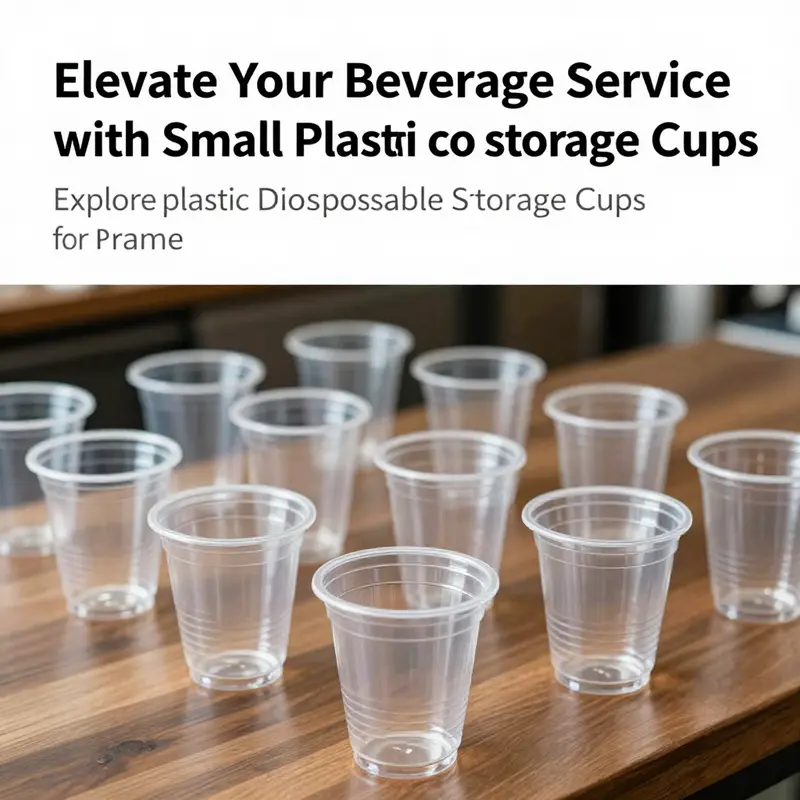
Small plastic disposable storage cups have become indispensable tools in culinary businesses, offering significant advantages in convenience, portioning, and hygiene. Featuring materials like polypropylene and polystyrene, these cups are not just economical but also safe for a variety of food applications. Used widely by bubble tea shops, restaurants, food trucks, catering services, and event planners, the adaptability of these cups meets diverse needs, from serving sauces to cold beverages. Each chapter of this article will delve into specific aspects of these cups: their versatility in culinary applications, market trends shaping their usage, environmental considerations, customization and branding opportunities, and consumer preferences that influence purchasing decisions. Together, these insights will provide a comprehensive understanding of how small plastic disposable storage cups can enhance service, promote hygiene, and reflect sustainability efforts across the food and beverage landscape.
Versatile Portions: How Small Plastic Disposable Storage Cups Elevate Culinary Prep and Service
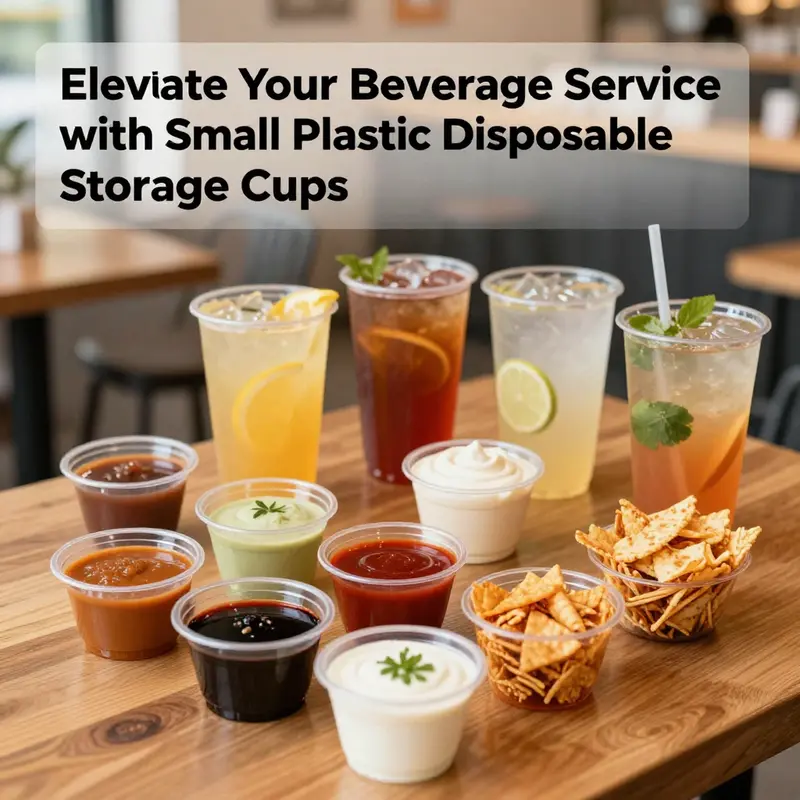
Small plastic disposable storage cups have quietly reshaped how kitchens manage portions, transport food, and present small servings. Their adaptability spans from home meal prep to busy catering lines. In compact form, they solve problems of hygiene, portion control, and efficient service. This chapter explores how these modest containers become indispensable tools across culinary settings, and how to select and use them wisely for the best results.
Made from food-grade plastics such as polypropylene and polystyrene, these cups strike a balance between light weight and durability. The material choice matters. Polypropylene offers good thermal stability and is resistant to common kitchen temperatures. Polystyrene can be crystal clear, which helps with presentation. Both materials are suitable for sauces, dressings, and small desserts when they meet food-safety standards.
Size range is a core strength. Tiny 25 ml cups are perfect for single-condiment portions, tasting samples, and allergen-controlled servings. Mid-range sizes, like 2 to 4 ounces, hold dips, side sauces, and individual desserts. Larger options approach 16 ounces for cold drinks or bulk storage. Because sizes are consistent across suppliers, kitchens can standardize recipes and scale servings without guesswork.
Lids transform these cups from simple holders into transport-ready vessels. Snap-on lids prevent spills and guard freshness. They also enable safe stacking for efficient storage. Some lids are designed to seal tightly enough for short-distance transport, while others focus on easy removal at service. Choosing the right lid depends on whether the priority is leak resistance or rapid access.
Temperature tolerance is a practical concern. Many polypropylene cups tolerate a wide range of temperatures, often from below freezing to over 100°C. This allows chilled components, frozen prep, and limited reheating in microwave ovens when the cup is labeled as microwave-safe. Still, caution is necessary. Avoid exposing disposable cups to direct oven heat and to very hot fats that exceed the material’s safe range. Reheating in a microwave should be brief and monitored to prevent warping or leaching.
Hygiene and food safety are primary reasons kitchens favor disposable cups. Single-use containers reduce cross-contamination risks. They work well for allergy-conscious environments and for serving items that require high hygiene standards. In busy service periods, they cut down on washing time and the potential for routing errors that arise with reusable containers.
Small cups also streamline mise en place. Chefs who pre-portion spices, garnishes, and sauces into labeled cups save time during service. Prep teams can assemble dozens of identical portions in minutes. This reduces variability and helps maintain consistent plating. The small footprint of these cups makes them easy to arrange on trays, inside refrigeration units, or on prep tables.
For catering and off-premise service, portability is critical. Disposable cups with secure lids let caterers deliver clean, leak-free condiments and dressings with plated items or boxed meals. They reduce the need for bulky bottles or jars. In event setups, cups reduce waste from unused bulk portions by providing exact servings.
Presentation is another advantage. Clear cups showcase colorful sauces and layered desserts. Restaurants and food trucks can use transparency to entice customers. Even opaque or frosted versions work well when paired with labels, stickers, or tamper-evident seals. Custom printing and logo placement are common in wholesale orders, offering a low-cost branding opportunity for small businesses.
Cost-effectiveness drives adoption too. Buying in bulk reduces per-unit cost sharply. For operations managing thousands of small servings, disposables can be cheaper than purchasing, tracking, and washing reusable alternatives. However, total cost should factor in environmental impact and local disposal fees.
Sustainability is an evolving consideration. Biodegradable and recyclable alternatives are increasingly available. Some suppliers now offer cups made from plant-based plastics or recyclable polypropylene. Where recycling infrastructure exists, clear labeling and staff training can ensure proper disposal. Another approach is hybrid use: choose disposable cups for high-risk contact items and reusable or compostable options for less risky applications.
Reusability warrants careful thought. While some cups survive multiple uses, repeated washing and heating can degrade the plastic. Scratches and stress points may harbor bacteria. If a kitchen elects to reuse cups, implement strict cleaning protocols and limit reuse to non-fat, low-acidity items to preserve integrity. A better option for repeated use might be investing in reusable containers designed for long-term sanitation.
Design features matter more than they appear. U-shaped rims improve grip and reduce spillage when opening lids. Stackable designs save storage space. Ribbed walls add strength without extra material. Wide mouths help filling and scooping, while narrow profiles are easier to carry. Consider the interaction of design with the intended use when selecting sizes and shapes.
Labeling and organization transform small cups into reliable tools for food safety. Use waterproof labels to mark contents, prep dates, and allergen information. Color-coded lids or labels speed identification under heat-lamp pressure. For freezer storage, write directly on the cup with freezer-safe markers. Clear documentation helps avoid waste and protects diners who face allergies.
Practical tips for kitchen use reduce mistakes and damage. Fill cups to predictable levels to avoid spills. Leave headspace when freezing sauces to allow for expansion. Avoid sudden temperature shocks; thaw frozen cups gradually in refrigeration. Keep lids secured during transport, and place cups upright in containers or racks to prevent tipping.
Beyond food service, these cups support sampling and R&D in culinary development. Chefs test small batch recipes and gather team feedback without producing large batches. They also work well for tasting flights and portion-controlled sampling at farmers markets and pop-up events.
Child-friendly uses expand their appeal. Reliable lids and manageable sizes make these cups a good option for school lunches, snack packs, and family outings. They minimize mess and help caregivers pack measured portions of sauces, dips, and fruit.
When choosing a supplier, inspect material certifications and ask about food-grade assurances. Confirm available temperature ratings and verify lid compatibility. If branding matters, check custom printing options and minimum order quantities. For environmentally focused operations, request compostability or recyclability test results and certification.
Small plastic disposable storage cups are far more than cheap holders. They are precise tools for portion control, sanitation, and efficient service. Their design and material attributes allow kitchens to streamline prep and delivery while protecting food quality. By selecting sizes, lids, and materials that match specific needs, culinary teams can leverage these cups to save time, reduce waste, and maintain consistent results.
For kitchens seeking durable, compostable alternatives for larger takeaway options, consider reviewing the supplier’s disposable kraft paper salad bowl with a PET lid as a compost-friendly complement to plastic cups: https://greendispopack.com/product/disposable-kraft-paper-bowl-for-food-package-with-lid/
For a specific product listing referenced in design and specification discussions, see the external product page here: https://www.amazon.com/Galashield-100-Pack-4-Ounce-Plastic-Containers/dp/B07Z5KXN8Q
Small Cups, Big Currents: Navigating Market Growth and Economic Realities of Disposable Storage Cups
The small plastic disposable storage cup has evolved from a simple, inexpensive vessel into a trusted indicator of how modern food service, healthcare, and logistics prioritize speed, hygiene, and portability. In markets where every second counts and shelf space is precious, these cups behave as both tools and signals. They signal a shift toward portion control, standardized service, and the willingness of operators to embrace solutions that keep operations clean, predictable, and scalable. The result is a market that, while modest in its annual growth rate, penetrates a broad spectrum of settings and reveals much about the economics of short term use. Across regions and channels, the demand for compact, reliable storage and serving options reflects a broader preference for convenience without sacrificing safety or throughput. As more venues adopt grab-and-go models, the cups become a quiet backbone of everyday efficiency, reinforcing how simple items can have outsized impact on service pace and customer experience.
Projected growth in the global disposable cups market sits in the neighborhood of a mid single digits CAGR, with a forecast of about 2.5 percent from 2025 to 2030. This rate, while not dramatic, translates into sustained volume and steady revenue for manufacturers and distributors who can balance cost control with quality. It is important to note that the growth is not monolithic; it is uneven across subsegments and geographies, reflecting local preferences, waste management frameworks, and regulatory climates. Yet the overall trajectory remains upward, driven by a persistent demand for disposable solutions in fast-casual dining, buffets, and mobile food stalls where speed, portion control, and hygiene combine to create operational value. The cups also serve a quieter but persistent role in healthcare and light industrial settings, where small, sterile-appearing containers are needed for samples, medications, or tiny quantities of consumables. In each of these contexts, the economics of these cups—low upfront costs, minimal handling, and compact storage—converge with a broader push toward efficiency and reliability in supply chains that must move quickly and predictably.
Product versatility is the linchpin of their economic appeal. Sizes ranging from roughly 3 to 9 ounces allow operators to tailor portions to the dish, the customer, and the moment. In practice, this means single-serve condiments, spice samples, dipping sauces, or tiny tasting portions can be offered with minimal waste and maximum consistency. For consumers, the simplicity of pre-portioned servings reduces decision fatigue and supports accurate budgeting in both commercial and institutional settings. On the design front, the lighter weight and stackable form factor help minimize shipping costs and storage real estate. In some models, an ergonomic U-shaped grip improves handling, especially when cups travel through crowded lines or are carried by customers who are balancing multiple items. This blend of practicality and user-friendly design is a core driver of steady demand, even as buyers increasingly weigh environmental considerations.
Economic advantages sit at the heart of the story. The low production cost of these cups, coupled with their lightweight construction, makes them economical to stock and transport in large volumes. Short-term use underpins a favorable depreciation profile for operators who need reliable serving ware without long-term capital investment. The combination of durability for quick-service cycles and the absence of heavy cleanup burdens translates into tangible savings in labor and time—two critical inputs for any operation aiming to maximize throughput and consistency during peak periods. In many markets, the affordability of these cups supports menu innovations that rely on customization and rapid service, from sauces and dips to bite-sized samples that encourage impulse choices. Across sectors, the tradeoffs between upfront price, performance, and end-of-life handling create a nuanced landscape in which buyers must weigh current costs against longer-term environmental and regulatory risks.
Sustainability concerns form a growing counterweight to affordability and convenience. The same properties that make disposable cups attractive—their light weight and single-use nature—also raise questions about resource use and waste. Environmental costs associated with short-lived goods have pushed manufacturers to explore biodegradable materials, recyclable plastics, and more efficient production methods. Biodegradable and recyclable options are increasingly marketed as responsible choices, but they come with their own set of challenges, including performance under real-world conditions, compostability standards, and the realities of recycling streams. In this context, the industry faces a dual imperative: maintain the functional advantages that drive widespread adoption while advancing materials and systems that reduce environmental footprints over the products’ life cycles. End-of-life management emerges as a critical consideration for operators who want to align procurement with waste diversion goals and local disposal capabilities. This evolving landscape nudges buyers toward packaging ecosystems that integrate cup design with compatible lids, liners, and sorting streams, enabling more efficient recovery and reducing contamination in recycling processes.
Regulatory and consumer trends likewise shape the economics of these cups. As jurisdictions tighten packaging waste rules and impose stricter standards for material provenance, manufacturers and buyers are compelled to rethink sourcing and accountability. The move toward responsible sourcing—favoring materials with verifiable suppliers, reduced emissions, and clearer end-of-life pathways—becomes part of the operational calculus. At the same time, consumer awareness of waste issues has risen, influencing procurement choices in schools, offices, healthcare facilities, and hospitality venues. Buyers increasingly seek transparency around composition, recyclability, and disposal options, and they favor suppliers who can demonstrate compliant, traceable supply chains. All of these forces tend to smooth a path toward more sustainable designs while preserving the core performance attributes that make these cups indispensable for fast-paced operations.
Looking forward, the balance between economic viability and environmental stewardship will define how the market adapts. Innovations aimed at extending the environmental friendliness of single-use containers are not merely about replacement; they are about rethinking how a simple cup can fit into a circular economy. Life cycle thinking, better waste sorting, and investment in recyclable or compostable materials are becoming standard considerations as buyers mature in their sustainability expectations. For businesses, this means that procurement decisions will increasingly weigh not only price and performance but also the ability to align with local disposal infrastructure and corporate responsibility goals. The ongoing dialogue among regulators, manufacturers, and end users is pushing the industry toward more robust standards and more consistent product specifications. In this sense, the chapter on market trends and economic impact becomes not only a snapshot of current practice but also a forward-looking map of how convenience packaging can evolve without sacrificing the very benefits that make it a staple of modern service.
For readers exploring packaging options that balance function with sustainability, a related discussion on kraft paper bowls offers insights into alternative forms of portioning and serving ware that share the same goals of efficiency and hygiene. See the related resource here: disposable-700ml-kraft-paper-bowl-take-out-octagonal-rectangle-paper-bowl.
Taken together, market growth, sector dynamics, and the evolving material landscape reveal a nuanced picture. Small plastic disposable storage cups are not just a price point in a catalog; they are an intervention that enables rapid service, portion control, and reliable handling across diverse environments. The economic narrative centers on cost efficiency, lightweight logistics, and the capacity to scale operations without heavy capital commitments. The sustainability narrative acknowledges the costs of disposable solutions and channels those costs into research, development, and industry-wide collaboration aimed at reducing waste and improving end-of-life outcomes. In that synthesis lies the future of these cups: a steady, practical tool whose continued relevance depends on thoughtful design, responsible sourcing, and supportive waste management systems. As the market continues to evolve, buyers and suppliers will increasingly converge around solutions that honor performance, affordability, and responsibility in equal measure, ensuring that the simple cup remains a durable and adaptable component of the modern food and service landscape.
External resource for broader market context: https://www.marketsandmarkets.com/Market-Reports/disposable-cups-market-1687.html
Tiny Vessels, Big Footprints: Navigating the Environmental Realities of Small Plastic Disposable Storage Cups
Small plastic disposable storage cups have become a quiet backbone of modern food service and everyday kitchen organization. They are the kind of tool you notice only when it is missing, a reminder of how utility can slip into ubiquity. Yet beneath their convenient economies lies a tangled web of environmental considerations that complicates their seemingly simple value proposition. The cups are typically light, inexpensive, and effective at keeping portions neat, which makes them indispensable in restaurants, cafes, catering operations, schools, and homes where portion control matters. They can hold sauces, condiments, and small portions of cold foods, and in many cases they are stacked, transported, and discarded with remarkable speed. The appeal is practical: low cost, predictable performance, and broad availability. The downside, however, sits just beneath the surface of routine use. When a product is designed for single use, its end of life becomes the critical hinge on which its overall impact turns. And for small plastic cups, that hinge often leans toward environmental reckoning rather than convenience alone.
The practical benefits that have driven widespread adoption are easy to enumerate. Their lightweight form reduces shipping weight and fuel use during transport, a factor that compounds when these cups are purchased in bulk for large events or busy food service operations. They also accommodate cold or room temperature applications without the need for heavy insulation or specialized packaging. In environments like fast paced kitchens, take out counters, or school cafeterias, the sheer simplicity of a disposable cup helps keep lines moving and portions consistent. This functional value is not inherently negative; it becomes a question of scale and responsibility as consumption patterns evolve and waste management infrastructures vary across regions.
But there is no avoiding the shadow cast by disposal. The environmental concerns linked to small plastic disposable storage cups are inseparable from the broader plastic pollution crisis. In many parts of the world, single use plastics end up in landfills because recycling streams are incomplete or too contaminated to salvage. A cup that once concealed a condiment now sits at the edge of the waste system, where it may persist for hundreds of years in a landfill, slowly breaking down into microplastics that migrate through soil and waterways. The microplastic story is not only about the visible refuse but about the insidious fragmentation that accompanies degradation. Microplastics infiltrate soils, freshwater systems, and oceans, becoming pervasive contaminants that are difficult to track and even harder to remediate. The persistence of polypropylene and polystyrene, the plastics most commonly used for these cups, makes the problem stubborn: these materials resist natural breakdown and invite a long tail of environmental consequences. The literature on this topic is consistent in underscoring that while a single cup might seem inconsequential, the aggregate effect in a world of high turnover is substantial.
The lifecycle of a disposable cup — from raw material extraction and resin production to manufacturing, distribution, use, and end of life management — brings into focus several critical pressures. First, material sourcing and energy use in manufacturing can be significant, especially when production occurs at scale and under demanding speed requirements. The design choices embedded in a cup, such as its thickness, clarity, and rigidity, influence how readily it can be recycled or repurposed later. In many regions, recycling systems are optimized for containers and packaging that are easy to sort and segregate; PP and PS containers that are small and opaque frequently face lower recovery rates. A cup may be technically recyclable, yet if it becomes contaminated with food residues or mixed with other materials, it can derail an entire batch of recycled material. The end of life path for these cups is therefore as important as their functional performance at the point of sale.
A holistic evaluation requires looking at the entire chain of stewardship. If a community or business operates with a well functioning recycling stream and accessible collection, the environmental impact might be mitigated to some degree. But in places where waste management infrastructure is underdeveloped, the cup’s fate tends toward landfills or informal dumping. In those contexts, the environmental cost multiplies: oxygen and moisture can break down some plastics into smaller fragments, increasing microplastic load in ecosystems. Even in places with robust recycling programs, there is still the challenge of contamination. Small cups often hold sauces or condiments, which introduces organic matter and grease that can compromise recycling efficiency. That is where the phrase dispose properly becomes not a generic exhortation but a concrete procedural guideline that links consumer behavior to environmental outcomes.
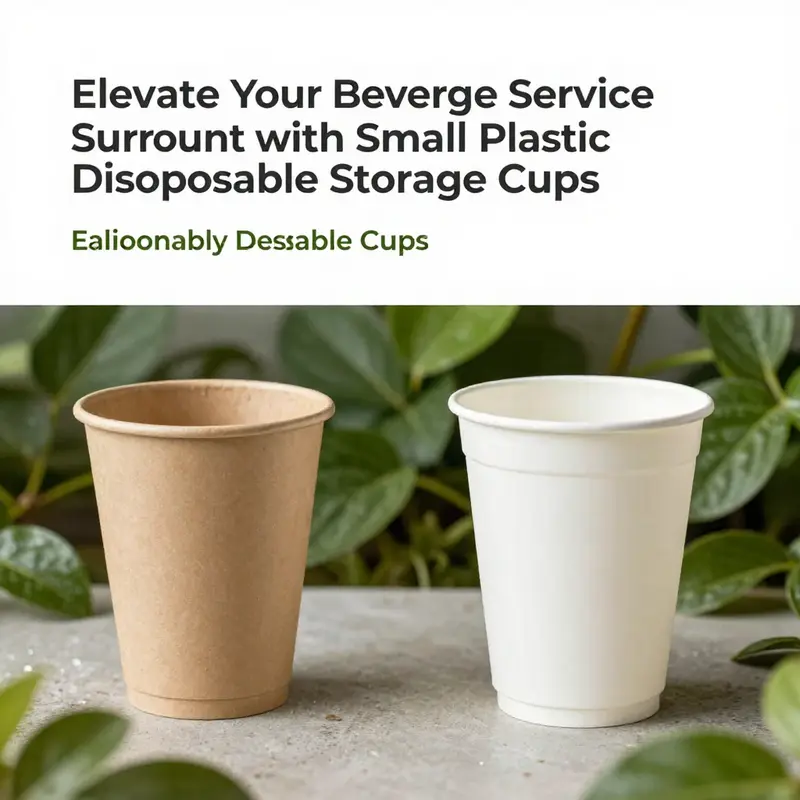
The search for alternatives inevitably enters the conversation. Substituting with paper based solutions is a frequent consideration, yet the story does not end there. Paper cups are not automatically environmentally friendlier when a plastic or wax coating is used to prevent leakage. Those coatings complicate recycling, sometimes making the whole cup unsuitable for standard processing. In other words, a switch to paper can introduce a new set of recycling challenges, and in some cases, lead to more landfilling if the paper cannot be efficiently processed. The broader implication is that substitutions must be evaluated through a life cycle lens, not simply on surface level material differences. The aim is to find pathways that preserve function while reducing environmental risk. The literature suggests that material choice matters, but the infrastructure that handles end of life matters even more.
There is a case for more nuanced material options that balance performance with recyclability. Polyethylene terephthalate, PET, offers advantages in strength and clarity and is widely recycled in many regions, but its sustainability is tightly bound to the presence of an accessible and effective collection and processing network. PET can be a viable option when accompanied by robust sorting facilities, consumer participation, and municipal or private sector commitment to post consumer recovery. Biodegradable or compostable plastics, often marketed as solutions to single use waste, present their own set of complexities. Many require industrial composting facilities to break down efficiently, which are not universally available. If compostable plastics end up in ordinary landfills or curbside recycling streams without appropriate facilities, the expected environmental benefits may not materialize. Thus, the promise of a green alternative hinges on the specifics of local waste systems, consumer behavior, and the consistency of post consumer processing.
The push toward sustainability also crosses into the realm of design and use behavior. If the ultimate goal is to reduce environmental harm, the most effective long term strategy is to reduce reliance on disposable options altogether. Reusable containers, properly sanitized and maintained, can dramatically shrink the per use footprint when organizations and households commit to a culture of reuse. In everyday settings, this often involves rethinking portion control strategies with durable, washable accessories that support both hygiene and efficiency. When reuse is not feasible, a layered approach to disposal can help: selecting materials with higher recyclability, improving packaging seals to minimize leakage and contamination, and providing clear, accessible disposal guidance to end users. Education matters. Consumers, servers, and managers who understand how their choices affect recovery rates and pollution levels can make better decisions about when a disposable cup is truly the most responsible option.
The broader conversation about environmental responsibility is not solely a matter of technology or policy. It is a matter of system design, from how cups are manufactured to how they are collected, sorted, and recycled. In this sense, sustainability is not a single product feature but a set of integrated practices that guide every stage of use. Some suppliers and designers are exploring pulp based or recycled content options that can integrate into the take away ecosystem with reduced environmental impact, though the ultimate success rests on how these materials behave in real world waste streams. For those seeking a bridge between convenience and responsibility, there is value in selecting packaging that offers both a usable portion system and a credible end of life story. Considerations should include whether a given option can be recycled in the local system, whether it avoids contaminating other recyclables, and whether it can be feasibly integrated with existing operations without sacrificing safety or hygiene.
The ongoing research into disposable packaging has yielded a central takeaway: no single material or strategy resolves the environmental challenges of the plastic use era. Instead, it is the combination of material choice, waste management infrastructure, and responsible consumer practices that determines outcomes. The small plastic cup, seemingly minor in isolation, becomes a test case for how communities navigate the tension between practicality and planetary health. As the discourse evolves, stakeholders from manufacturers and distributors to retailers and households are increasingly urged to weigh the full lifecycle of these cups. The aim is to balance the needs of today with the health of ecosystems tomorrow, recognizing that even small choices ripple outward through waste streams, waters, and soils.
In exploring solutions, one notable thread is the potential of alternative materials and integrated design for better end of life performance. A notable example that reflects broader industry trends toward sustainable packaging ecosystems highlights eco friendly pulp based options that can function within take away contexts. This example underscores how even within a highly disposable system, thoughtful choices and partnerships can foster greater compatibility with recycling and reuse frameworks while preserving user needs.
If we look to the path forward, we see a multi layered strategy that blends material science with smart logistics, community engagement, and policy alignment. It involves designers who optimize for recyclability, suppliers who transparently communicate material content and end of life options, and waste managers who invest in capacity to recover value from post consumer streams. It also requires that businesses reimagine their packaging as a component of a larger sustainability narrative, not merely as a peripheral cost. In classrooms, cafeterias, and fast service counters, a shift toward systems thinking can turn the tide on plastic waste without sacrificing the efficiency that customers rely on. The small plastic disposable storage cup, when viewed through this broader lens, becomes an artifact of a transitional era, one that challenges us to craft a future where convenience and responsibility coexist rather than collide.
For those who want to dig deeper into the scientific and policy dimensions of these concerns, a wider body of research underscores the magnitude of the challenge and points toward practical improvements in waste management and material choice. External reading: https://www.sciencedirect.com/science/article/pii/S030147972030586X
Turning Tiny Cups into Big Impressions: Customization and Branding Strategies for Disposable Plastic Storage Cups
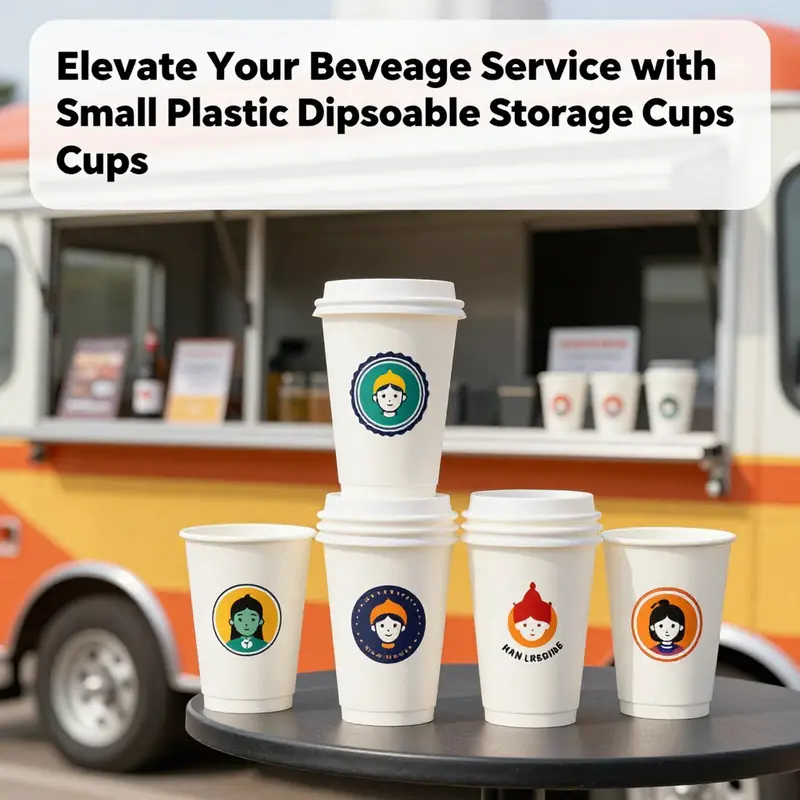
Customization turns a simple plastic cup into a brand touchpoint. Small plastic disposable storage cups offer a low-cost canvas that businesses can use to extend identity, drive recall, and enrich customer experience. When thoughtfully designed, a modest 25 ml or a larger 480 ml cup can do more than hold product. It can reinforce values, support campaigns, and act as a portable advertisement. This chapter examines practical customization options, design choices that matter, cost and logistics realities, and strategic uses across industries.
Customization begins with clear goals. Ask what the cup must do: boost brand visibility, provide information, or create an emotional connection. The answers shape materials, printing technique, and features. For visibility, high-contrast colors and a bold logo placement work best. For informational purposes, choose surfaces and prints that support small text and icons. For emotional resonance, consider tactile finishes, colors tied to campaigns, or limited-edition runs.
Materials and printing methods define what is possible. Common materials include food-grade polypropylene (PP) and polystyrene (PS). Each accepts different inks and labels. Screen printing yields vivid, durable colors and is cost-effective at scale. Pad printing can reproduce detailed logos on curved surfaces. Pressure-sensitive labels allow full-color artwork and can be applied selectively to create sleeve-like effects. Heat-transfer printing and digital direct-to-object printing provide flexibility for short runs and photographic designs. Select the method that balances visual fidelity, durability, and budget.
Size and form are part of the message. A tiny 25 ml cup communicates precision and portion control. A sturdier 16 oz cup communicates value and generosity. Custom shapes and ergonomic features change the user interaction. An inward lip or U-shaped design improves grip and reduces spills. Adding a lid transforms a cup into transportable packaging and widens use-cases. Handles, snap lids, and nestable designs influence perceived quality and functionality. Design the form to match both product use and brand voice.
Color choices require more than aesthetic sense. Colors influence perception and readability. A translucent cup with a printed logo provides a modern, minimalist look. Opaque colors or solid color bands can create strong shelf presence. Always test prints against the actual cup material under real lighting. Pantone matching helps ensure consistent brand color, but printing on plastic can shift tones. Order physical proofs, not just digital mockups, to confirm expected results.
Placement of brand elements matters. The main logo should sit where users expect to look: front and center on single-use drinkware, or near the rim on sampling cups. Secondary messaging, such as website or a campaign hashtag, should be legible at typical viewing distances. Consider printing subtle use instructions, recycling guidance, or allergen icons on the bottom or interior rim. These small touches enhance trust without cluttering the primary design.
Think beyond the cup surface to packaging and presentation. Custom inner boxes, divider trays, and shrink-wrap with a brand label create a cohesive unboxing experience. For events or retail, consider bundled packs that feature seasonal artwork or co-branding. Well-designed bulk packaging can reduce handling damage and ensure the first interaction is positive. Packaging also affects shipping costs, so optimize for space and protection.
MOQ and cost dynamics dictate many choices. Manufacturers often require minimum order quantities for custom runs. Screen printing typically has lower unit costs at high volumes but higher setup fees. Labels and digital printing reduce setup costs, making them suitable for smaller runs and frequent redesigns. Balance the desire for uniqueness with inventory risk. Short-run digital customization allows testing designs in-market before committing to large investments.
Sustainability influences buying and messaging. Many customers now expect clarity about disposability and recyclability. Offer options in recyclable PP or in compostable alternatives where feasible. Use inks and adhesives that align with environmental claims. Clearly print recycling instructions to reduce contamination. When substituting paper-based packaging, ensure moisture-resistant coatings meet food-safety standards. Sustainable choices can become a feature in marketing assets printed on the cup.
Quality control cannot be an afterthought. Establish color targets, adhesion tests, and food-safety verifications with suppliers. Request certificates for food-contact compliance and for any compostability claims. Inspect samples for print alignment, smudging, and lid fit. A predictable supply of consistent quality safeguards brand perception and avoids costly returns or waste.
Legal and regulatory considerations shape content. Avoid unverified environmental or health claims. Ensure allergen and safety icons meet local regulations. Trademark and logo use across co-branded or licensed designs require proper authorization. For international distribution, confirm language requirements for nutritional or handling information. Clarity prevents reputational risk and potential fines.
Creative strategies amplify value. Limited-edition series tied to events create urgency and shareability. Using cups as part of a loyalty program — for instance, a collectible design series — encourages repeat purchases. For sampling campaigns, small cups work well for product trials paired with clear call-to-action text. For corporate events, co-branded runs build partnerships and extend reach when attendees reuse or share images.
Measuring impact combines quantitative and qualitative metrics. Track distribution numbers and estimate impressions at events. Include QR codes or short URLs to measure engagement driven by the cup. Gather customer feedback on aesthetics and usability. Monitor social media for unprompted shares and photos. These indicators guide future design and spending.
Operational realities shape how customization scales. Lead times vary by printing process and by season. Communicate deadlines clearly with suppliers. Maintain buffer stock for peak seasons. Work with vendors who provide clear proofs, color swatches, and predictable turnaround times. Negotiate terms for reorders, spoilage allowances, and tooling retention to reduce future costs.
Small cups also enhance multi-channel strategies. They function in brick-and-mortar, pop-ups, or delivery. A design that reads well in person and online extends visibility. Use cohesive artwork across cups, lids, and takeaway containers to present a unified brand identity. For businesses that use paper bowls or cups, coordinated materials create a signature presentation that customers remember. See an example of custom printed takeaway options for inspiration here: custom logo kraft coffee cup with lid.
When planned with intent, customization elevates a commodity into a brand asset. Small plastic disposable storage cups become portable billboards, practical tools, and memory triggers. Thoughtful choices in printing, material, design, and messaging yield better engagement and a clearer return on investment. Consider customization a strategic channel, just like signage or social media, that deserves measurement, iteration, and alignment with broader brand goals.
Choosing with Confidence: Consumer Preferences and Quality in Small Plastic Disposable Storage Cups
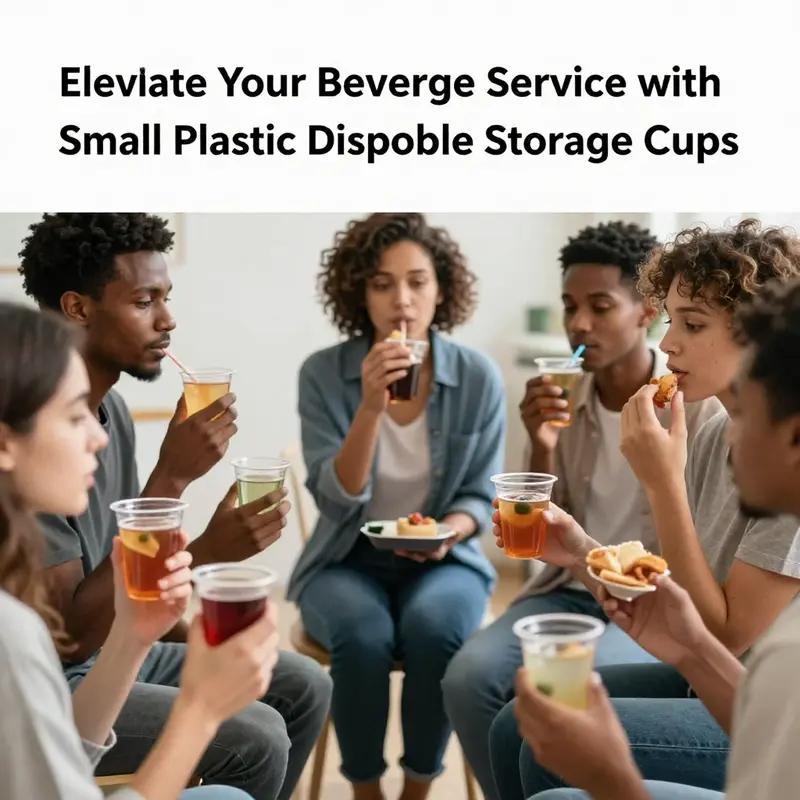
Consumers approach small plastic disposable storage cups through a lens that blends function, value, and values. In fast-service kitchens, catering setups, and home pantries, the choice is rarely about a single attribute but a balance of what the cup can do, how it feels, and what it signals about a brand’s stance on stewardship. Convenience and cost remain paramount, yet more buyers now expect packaging to reflect a broader commitment to sustainability. These cups are small in size but large in impact because they shape meal experiences, influence portion control, and carry the first tangible impression of cleanliness and care.
At the heart of consumer choice is the material story. Polypropylene (PP) cups are frequently favored for their heat resistance and robust handling: they stand up to both hot and cold contents, resist scalding when used for dipping sauces or warm entrees, and maintain shape under short-term reuse. The ability to withstand microwaving adds practical value for households and event settings that rely on quick service and reheat cycles. Polystyrene (PS) cups are often cheaper to produce and help keep upfront costs low for bulk purchases, but PS can be perceived as brittle and raises concerns about performance with oily or high-temperature contents. PET variants offer clarity and a premium feel that can elevate presentations in upscale settings, though they demand higher clarity and resistance to color fading after handling.
Design and functionality extend beyond material choice. Lids are a critical facet of quality perception, particularly for transport, take-away, and self-serve stations. A well-fitted lid prevents leaks, preserves freshness, and makes the cup easier to stack for storage and display. Stackability communicates quality and consistency; lids that are easy to seal but hard to misalign reduce spills and streamline service. Ergonomic forms improve grip and help prevent accidents, translating into more reliable portion control in the hands of servers, drivers, or parents.
The trade-off between price and sustainability shapes many procurement decisions. Wholesale buyers weigh unit cost against performance, with PP and PET offering higher performance at a premium while PS remains attractive where budget and volume dominate. For businesses that brand their packaging or prioritize presentation, the per-unit premium for PET or PP may be acceptable. Branding—logos, color schemes, distinctive lids—becomes a signal of care and quality even before a cup is used.
Environmental concerns are reshaping expectations. Eco-conscious buyers increasingly seek options labeled as recyclable, biodegradable, or derived from renewable materials. Manufacturers face the challenge of translating environmental claims into tangible products that remain affordable and reliable. Certifications, clear disposal guidance, and transparent life-cycle information can help reconcile convenience with environmental responsibility. However, green attributes do not automatically override immediate priorities such as hygiene and convenience in all segments.
Quality assessment therefore synthesizes material composition, design intent, and real-world performance. Practitioners evaluate whether a cup will hold up during transport, withstand intended temperatures, and behave appropriately with different contents. Functionality features—leak-proof lids, ease of dispensing, neat stackability—are judged by how they interact with utensils, pumps, or serving workflows. Surface durability and resistance to dulling or staining after handling also influence perceived quality, particularly when reusability or premium presentation is considered.
From a business perspective, optimal choices balance performance with cost and align packaging with usage patterns. Restaurants handling hot sauces may favor PP or heat-stable PET. Caterers hosting formal events might choose clear PET for presentation. Bulk purchasing can narrow price gaps, but risk management remains central: the wrong cup can cause spills, create extra cleanup, and harm reputation. Customization and branding add value by reinforcing identity and signaling investment in quality.
For buyers exploring greener alternatives, emerging biodegradable or recyclable options can preserve convenience while addressing waste concerns. It is essential to scrutinize compostability and biodegradability claims, since performance varies under real-world conditions. The market continues to rely on traditional materials while gradually expanding toward greener formulations where feasible.
Reliable data and third-party guidance make quality assessment more robust. Material standards and evolving recyclability expectations shape consumer confidence. The practical takeaway for producers and buyers is consistent: a well-chosen cup should perform reliably, feel appropriate in the hand, and align with a credible environmental promise without compromising safety or value. A thoughtfully selected cup can quietly enhance the customer experience, reinforce brand associations, and contribute to a more responsible approach to packaging.
To illustrate these dynamics, consider a typical small-portion cup lifecycle in catering or retail: choose material (PP, PS, PET) based on temperature and storage needs; select a secure lid for transport; account for ergonomics and stackability for back-of-house efficiency; and weigh clarity and finish for presentation. The environmental narrative then influences disposal perception and brand positioning. The most resilient strategies weave robust material performance with credible sustainability messages supported by clear branding.
External resources for further reading include product examples that demonstrate how design, branding, and material selection interact: https://greendispopack.com/product/disposable-takeaway-paper-cup-custom-logo-kraft-coffee-cup-with-lid/ and market overviews such as the Grand View Research report on the Disposable Plastic Cup Market: https://www.grandviewresearch.com/industry-analysis/disposable-plastic-cup-market
Final thoughts
The integration of small plastic disposable storage cups into your food service operations can significantly enhance both efficiency and customer satisfaction. Their versatility allows businesses to adapt to varying service requirements while maintaining hygiene and brand identity. As trends continue to evolve regarding consumer preferences and environmental challenges, making an informed choice in your sourcing can position your business favorably in a competitive market. Investing in quality disposable cups is not just practical—it’s a strategic move that aligns with modern dining expectations. Embrace these tools to elevate your service and reinforce your commitment to quality.