
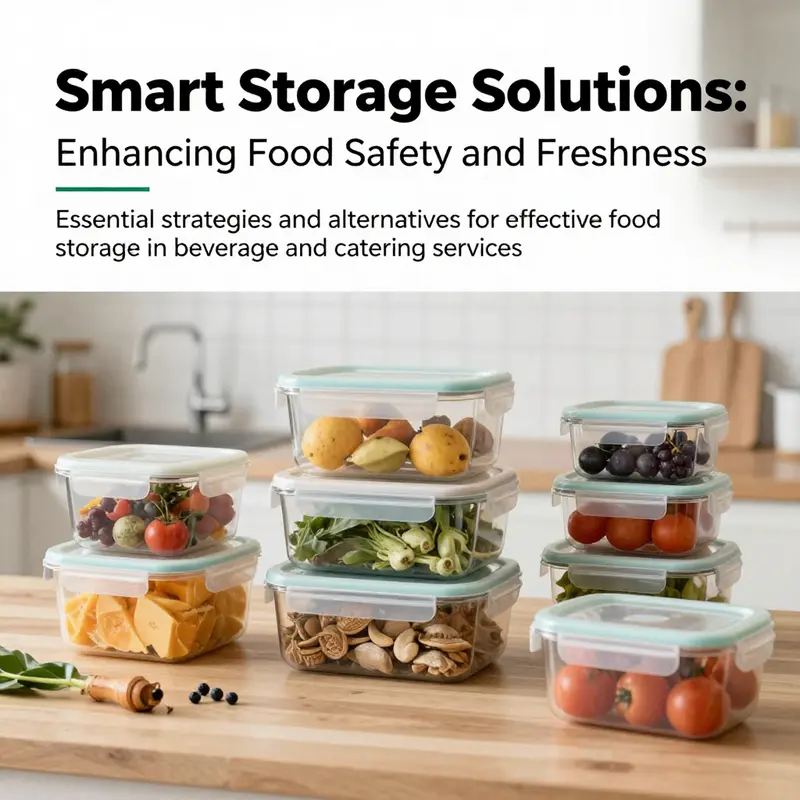
Effective food storage is crucial for Bubble Tea shops, beverage chains, restaurants, food trucks, and catering services. This article emphasizes the importance of proper food container usage to ensure food safety and retain the quality of your offerings. Each chapter delves into specific practices for managing food in plastic containers, from avoiding high temperatures to suggesting safer alternatives. You’ll learn how to best utilize storage techniques, consider further considerations, and ultimately protect both your customers’ health and the integrity of your products.
Cooling the Truth: Safe Storage Ideas for Hot Foods Beyond Plastic Containers
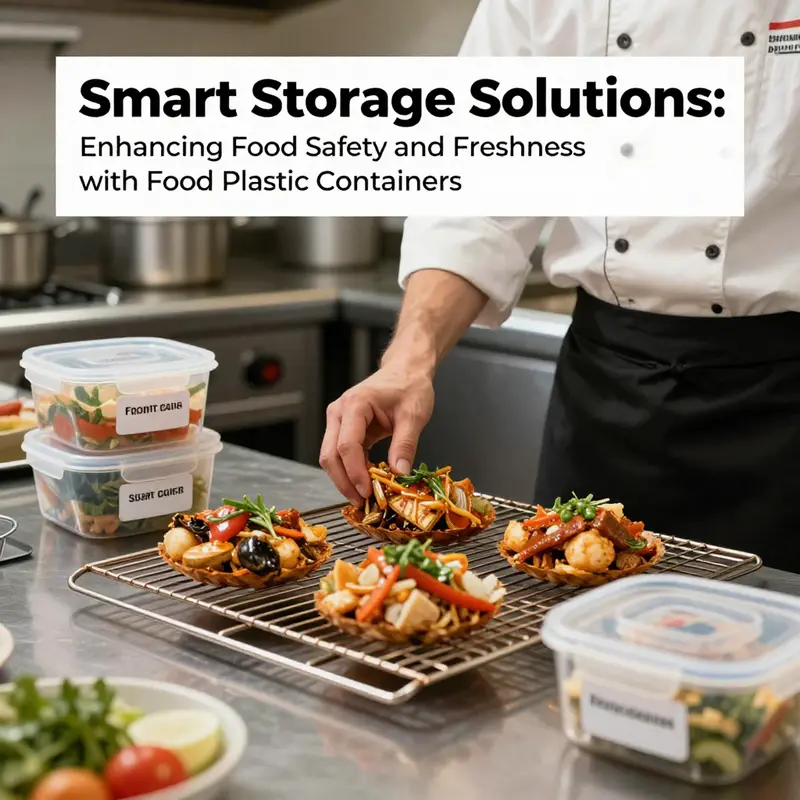
In the rhythm of a busy kitchen, the habit of transferring hot dishes directly into plastic containers can seem convenient. Yet heat is not merely a culinary ally; it is a catalyst that nudges plastics to release chemicals and microplastics into your food. When soups, stews, or freshly cooked meals come off the stove at high temperature, they can push additives from plastic into the meal. The practical consequence is not just a subtle change in flavor but a potential health tradeoff over time. To protect flavor and safety, the first rule of storage starts with cooling—gently letting dishes come down from steam to a workable warmth before they ever meet a plastic surface. Aiming for roughly 30 to 40 degrees Celsius, or roughly room temperature plus a gentle drop in heat, helps preserve both the integrity of the food and the material it rests on. It also reduces the likelihood of rapid chemical migration that can accompany hotter temperatures. This small pause is one of the most effective, underappreciated steps in a thoughtful storage routine.
The logic extends beyond mere temperature. Hot liquids and oily, fatty foods behave differently in contact with plastic than they do in cooler environments. Do not store hot beverages—coffee or tea, broth or stock—in plastic containers. The combination of heat and fat or dissolved flavors can accelerate the migration of substances from the container into the liquid. Even substances long considered benign may become a source of concern when subjected to sustained warmth. In practice, this means rethinking what goes into plastic at all, especially after cooking or brewing. The moment your dish has shed enough heat to avoid contact with hands that burn, it is time to choose a safer vessel rather than proceeding with plastic as a default.
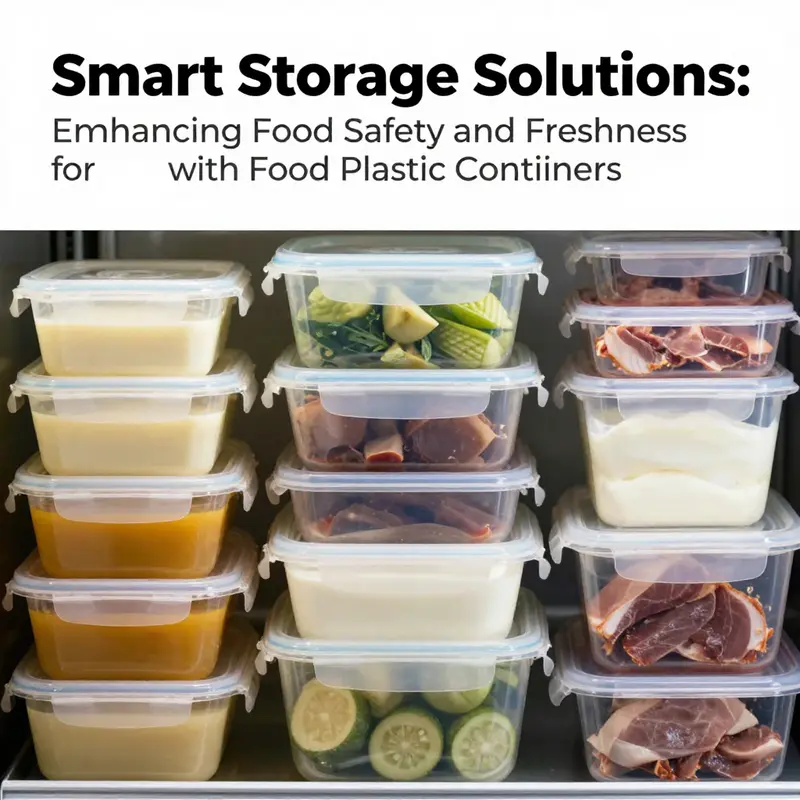
For foods that are high in fats or oils—such as dressings and sauces, dairy products, or processed meats—the cautions multiply. Plastic tends to attract oils and the flavors dissolved within them. When oil-rich foods sit in plastic for extended periods, they can exchange more readily with the container, resulting in a noticeable plastic aroma or off-tastes. More significantly, as temperatures fluctuate in a refrigerator or thermometer, this interaction can speed up deterioration and microbial growth in some food matrices. The upshot is clear: even if a plastic container is labeled as food-grade, it’s wise to treat high-fat or high-protein items with caution and prefer non-reactive materials for storage.
If you are cooking or preparing meals with an eye toward safety and long-term freshness, the choice of container matters almost as much as the ingredients. Safety-conscious households increasingly favor non-reactive materials for hot and warm foods. Glass jars and containers offer a distinct advantage here: they are non-porous, do not impart flavors, and act as a robust barrier to air and light, which can degrade quality over time. Ceramic and porcelain vessels share many of these benefits, especially for soups and milk-based products, where temperature stability and inert surfaces help deter microbial growth and maintain texture. Stainless steel is another strong option for cold storage and even cold-to-warm transitions, though it requires careful sealing to prevent odor transfer and to maintain a clean, odor-free environment for the food. These materials may cost more upfront than plastic, but their resilience to heat and chemical leaching often translates into safer, longer-lasting storage.
Choosing the right container in the long run means reading labels with care. When plastic is your option, seek materials explicitly labeled as food-grade and check the temperature range the container is designed to tolerate. Materials such as polypropylene (PP, often coded as #5) and certain forms of polyethylene (PE, commonly #2 or #4) are generally more resistant to heat and less prone to releasing substances than other plastics. Avoid containers marked with codes such as #3 (PVC) or #7 (OTHER), or those that lack a recycling code altogether, as these are more likely to shed chemicals when heated. Even then, remember that no plastic is truly risk-free at high temperatures, and the safest practice is to minimize long-term contact between hot or warm foods and plastic.
Maintenance and wear should inform your day-to-day choices as well. Over time, scratches, cloudiness, or loss of rigidity in a plastic container can indicate that the material is breaking down. Micro-scratches can harbor bacteria and increase the surface area for chemical migration. The prudent approach is to replace any container that shows visible wear or begins to smell unusual after washing. Regularly inspecting containers and rotating stock helps prevent hidden risks from accumulating in your pantry. And while plastic may offer ease of use, it should not be your default option for the six categories most sensitive to heat: hot soups, freshly cooked meals, raw eggs stored in any plastic, dairy products, high-fat sauces, and hot beverages. A little extra effort in choosing safer vessels pays off in taste, texture, and peace of mind.
Even with the best materials, time remains a key variable. Experts often advise that plastic should not be used for long-term storage, especially for oil-based or acidic foods. The interaction between time, temperature, and plastic is cumulative; the longer a container holds a hot or warm item, the greater the chance of unwanted transfer. A practical rule of thumb is to limit the window between cooking and storage, and to prefer non-plastic options when you can afford it. If you must use plastic, try to minimize the duration of storage and favor containers with well-sealed lids that limit air exposure. When you do transfer hot food, move quickly, and ensure the container is appropriate for the temperature before you seal it to avoid thermal shock that could crack or warp the vessel.
Translation of these ideas into daily routines is where behavior meets safety. In practice, it helps to design a simple workflow: cook and finish with a cooling interval, then choose a non-plastic vessel for short-term storage whenever possible. If you anticipate longer storage, consider glass or ceramic as a first choice, with stainless steel as a reliable back-up for portable takes. If plastic remains necessary for certain items, prioritize food-grade options and respect the recommended heat limits. Keep in mind that the goal is not to ban plastic altogether but to use it judiciously and to recognize its limits in the realm of hot and oily foods.
For readers who want a tangible storage alternative that aligns with environmentally minded habits, consider non-plastic options for take-out and daily meals. For a practical, non-plastic option that supports safer storage, you can explore containers like the one described here: disposable Kraft paper bowl for take-out. While this choice is generally associated with serving and transport rather than long-term refrigeration, it illustrates the broader principle: choosing non-reactive, inert materials can reduce risk and preserve flavor when you need to move away from traditional plastic. This approach forms part of a broader strategy that blends practical storage with mindful material choices.
In concluding, the idea that plastic is indispensable for every kitchen task is worth challenging. The safer path blends cooling practices, material awareness, and smart timing. When hot foods must be stored, shift away from plastic whenever possible, especially for high-fat or dairy-rich items. Favor glass, ceramic, or stainless steel, and be vigilant about labeling and wear. The result is a kitchen that preserves flavor and freshness while reducing exposure to substances that your body does not need. For further reading and guidance, see authoritative resources on food contact materials from the FDA. External resource: https://www.fda.gov/food/food-contact-materials
null
null
Rethinking Everyday Food Storage: Safer, Smarter Alternatives to Plastic Containers
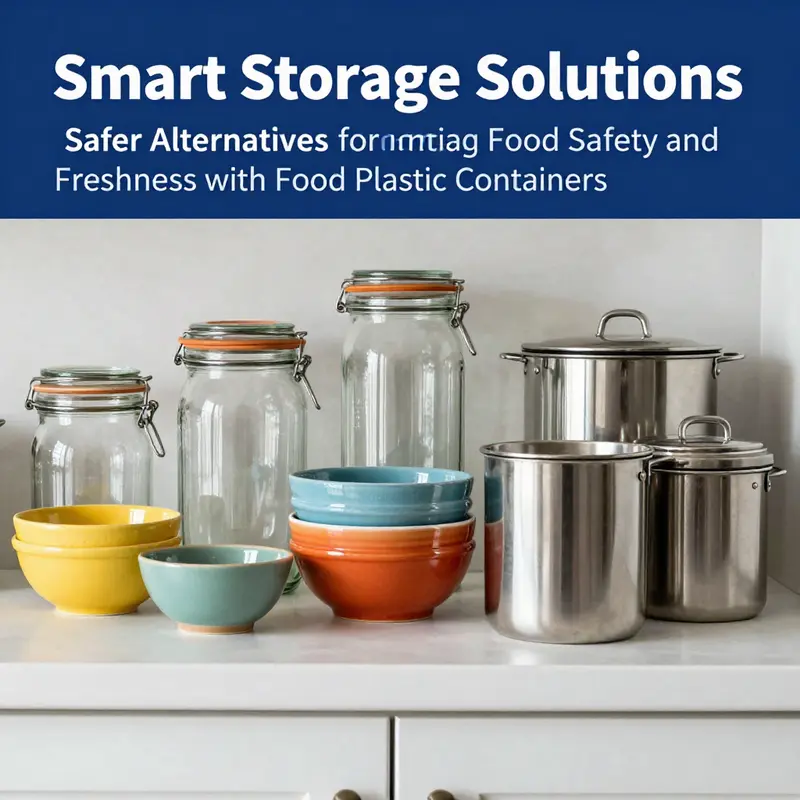
Everyday meals and snacks hinge on how we store them. The plastic containers that clutter kitchen shelves promise convenience, yet they carry trade-offs that ripple beyond the pantry. The choices we make about storage affect taste, texture, and safety, but they also shape waste and resource use. When we pause to consider what truly keeps foods fresh while staying kind to health and the planet, a clearer picture emerges: there are safer, more durable options that meet daily demands of meal prep, leftovers, and on-the-go lunches. The shift isn’t about abandoning practicality; it’s about upgrading it with materials that resist leaching, retain flavor, and survive refrigeration, freezing, and reheating. In this light, the most compelling approach to plastic-free storage is to think in layers, assigning each food type its best container based on chemistry, temperature, and use.
Glass containers stand out as a foundational choice for many households. They are inert, don’t react with acidic ingredients, and have minimal risk of flavor transfer. They tolerate a wide range of temperatures and are compatible with microwaves, dishwashers, and freezers. Sealing lids with silicone or rubber gaskets offer robust leak resistance, helping keep sauces and broths contained and reducing air exposure. For batch cooking, reheating in the same vessel can preserve texture better than plastic, and the visible contents help with meal planning and waste reduction.
Glass is heavier and can break; lids wear; silicone gaskets may need replacement. Beyond glass, food-grade silicone offers flexibility and temperature tolerance; can go from freezer to oven or microwave; BPA-free; collapsible designs save space; ensure labeling and temperature rating. It remains durable, resisting cracking and staining. Cleaning with warm water and a mild detergent, followed by thorough drying, helps preserve its performance.
Stainless steel containers offer a third pillar in a plastic-free storage strategy. They excel in durability, heat resistance, and cleanliness. Stainless steel resists staining and corrosion and often provides excellent cold-storage performance when paired with tight-sealing lids. Unlike glass, steel won’t break if bumped and is great for commuting and outdoor use. The trade-off is transparency: steel is opaque, so you rely on labeling. Some lids include silicone gaskets to bolster seal integrity. With careful use, steel works well for cold storage and reheating scenarios, though avoid extreme temperature changes that could affect seals.
Putting these materials into daily practice requires a calm, methodical approach. First, assign foods to the best vessel type based on their chemistry and storage needs. Sauces and acidic items often fare well in glass with secure lids. Dairy and leftovers can be well-served by glass or silicone depending on reheating plans. Oil-rich foods may retain flavors in certain plastics, so moving them to glass or steel can help prevent plastic aftertastes. Second, prioritize a tight lid over the material itself; silicone gaskets, snug clamps, and locking mechanisms create a barrier against moisture and bacteria. Third, manage container lifecycle: inspect for wear, replace as needed, and practice proper cleaning and drying to prevent odors.
Aesthetics and practicality intersect in the kitchen. Clear glass helps you glimpse contents, collapsible silicone saves space, and stainless steel is ideal for lunches on the go. A coherent system—glass for bulk storage, silicone for everyday flexibility, and steel for durability—can streamline routines and reduce plastic reliance in daily tasks.
Health, safety, and the environment are not separate goals. Reducing reliance on traditional plastics lowers potential chemical exposure and supports a smaller ecological footprint. The safer alternatives discussed here—glass, food-grade silicone, and stainless steel—offer reliable performance across common storage scenarios, contributing to a kitchen that stores food more reliably, preserves flavors, and supports a sustainable lifestyle.
For readers seeking a deeper dive into how these materials compare in modern meal prep, see external research on glass versus plastic storage and the broader implications for health and the environment: https://www.greenlivinginstitute.org/glass-vs-plastic-food-containers-2025
null
null
Plastic Storage for Food: Practical Guidance for Safer Choices
Plastic storage offers undeniable convenience, but safe practice goes beyond a label. A thoughtful approach starts by recognizing that plastics vary in chemistry, heat tolerance, and durability, and that how you treat them matters as much as what you store inside.
The material matters: PET is common in bottles and some containers and can work for short-term storage, but it is less reliable for long-term storage or high-fat foods. HDPE resists chemicals well and holds up to some wear, but it should not be relied on for repeated heating. PP often serves as a safer option for reheating or microwave use when clearly labeled, but you should still follow the manufacturer guidance.
Leaching is the most important practical concern. Even products advertised as BPA-free do not guarantee safety, because substitutes such as BPS or BPF may be present. To reduce risk, do not microwave food in plastic unless the container is explicitly labeled microwave-safe. Avoid transferring hot foods directly from heat into plastic; allow cooling to skin-safe temperatures before sealing, and beware temperature swings that accelerate material degradation.
Durability and care also matter. Scratches, discoloration, or warping can indicate surface wear and possible micro-pores where bacteria can hide or chemicals can migrate. Choose food-grade plastics that clearly mark their status and temperature limits, and replace containers when you notice signs of wear. A practical rule: plastic is useful for short-term storage and light items, but reserve long-term or sensitive storage for safer materials.
When possible, consider alternatives like glass, ceramic, or stainless steel for challenging foods or longer storage. Glass offers a strong barrier to air and light, while stainless steel is durable for cold storage and transport. For many households, a mixed approach using safer materials for sensitive items and plastic mainly for quick, small, or short-term storage strikes a balance between ease, safety, and sustainability.
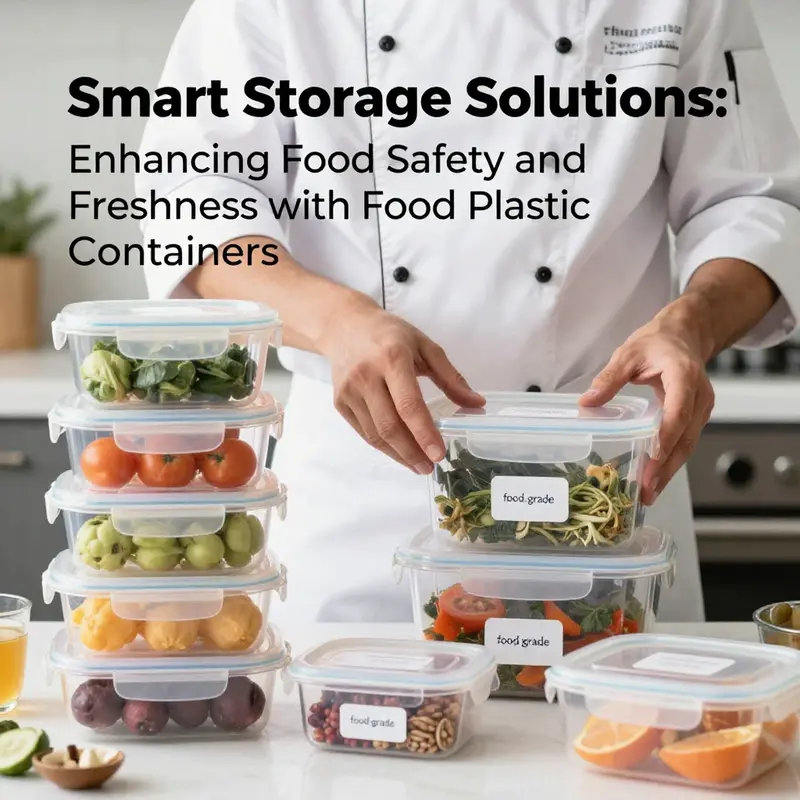
To put this into daily practice, look for clear markings such as ‘food grade’ and a defined temperature range. Avoid long-term storage in plastic, especially for oily or acidic foods, and replace containers showing scratches or dulling. Regular inspection helps prevent cumulative exposure and keeps storage routines dependable.
Final thoughts
By adopting effective food plastic container storage ideas, businesses can enhance food quality and safety while ensuring compliance with health standards. Implementing the outlined strategies will not only protect customer health but also bolster brand reputation. Select the right containers, handle them appropriately, and explore alternatives to plastic when feasible. Your commitment to safe food storage practices will pay off in customer satisfaction and trust.