
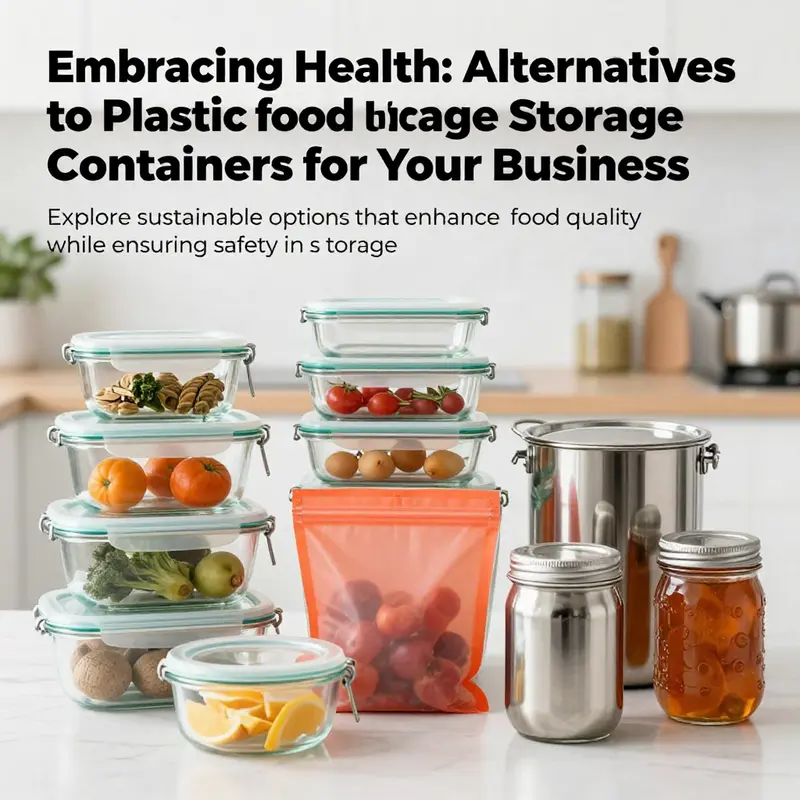
With growing concerns about the health implications of plastic food storage containers, it’s imperative for beverage chains, restaurants, food trucks, and catering services to explore safer alternatives. This article delves into the world of storage solutions that not only minimize the risk of harmful chemicals leaching into food but also promote quality preservation. From glass to silicone and ceramics, each option presents unique advantages tailored to various applications. In the ensuing chapters, we will examine the merits of glass containers, the versatility of silicone bags, the durability of metal and stainless steel, the functionality of ceramic and enamel storage, and the timeless utility of traditional glass jars, empowering your business to make informed choices that resonate with health-conscious consumers.
透亮守护者:玻璃储存容器如何成为塑料替代的健康与可持续选择
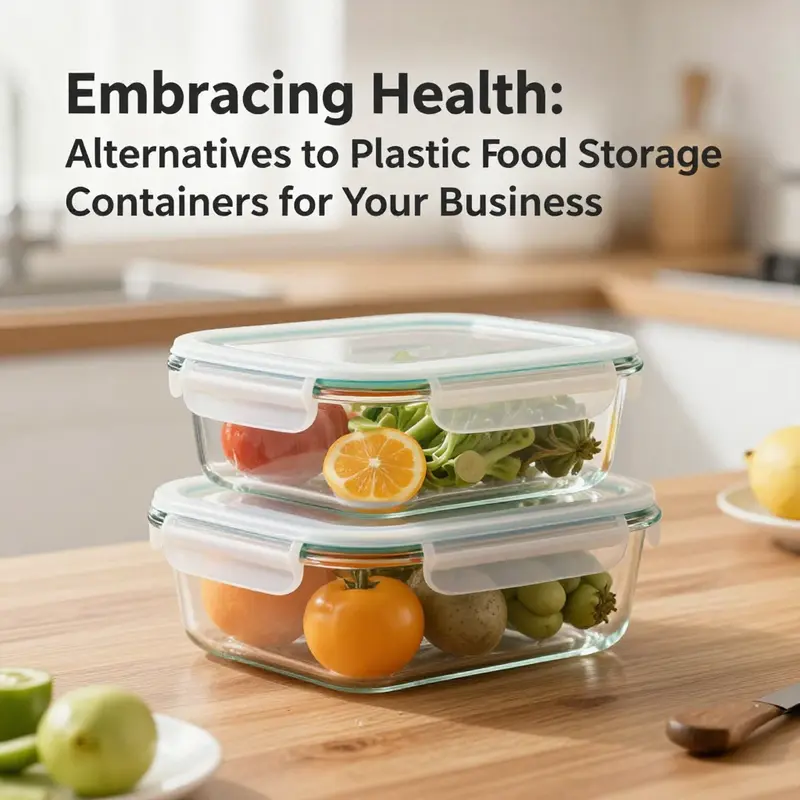
在追求更健康、更加可持续的家庭饮食与生活方式时,玻璃储存容器逐渐走入人们的日常厨房。它们以透明、耐用、易清洁的特质,被越来越多的家庭视为替代塑料储存容器的可靠选择。此章节并非简单罗列优点,而是把玻璃容器作为一个完整的生活方式转变的环节来审视:它如何在日常使用中降低对有害化学物质的暴露风险,同时在长期使用中提升食物保存的质量与厨房的整洁度。玻璃的吸引力在于它能让食材的真实颜色和新鲜度一目了然,这不仅有助于减少重复购买和浪费,也让我们更容易按照实际需求来分装与储存。与此同时,做出这样的转换也意味着对日常操作、清洁习惯以及对材料安全性的持续关注。以此为线索,我们将从健康与安全的基础出发,穿过玻璃容器在密封性、耐温性以及使用场景等方面的独特优势,最终把焦点落在日常生活中的具体应用与维护要点上,同时也关照到与其他替代方案的关系与边界。
健康与安全始终是决定材料选择的重要维度。相比于某些塑料容器在高温、冷冻或长时间储存条件下可能释放的化学物质,玻璃材质在常规使用下基本不与食物发生化学反应,因而更有利于降低潜在的健康风险,如部分化学物质与内分泌系统之间的干扰问题。这一点在日常烹调与再加热的场景中尤为重要:避免将食物直接长时间暴露于塑料容器中进行加热,能够显著降低致癌物或其他有害成分的释放可能性。专家们也强调了这一点:在涉及热源的过程中,优先选择无涂层、无可迁移染料的玻璃容器,并关注盖子、密封圈等部件的材料组成与耐久性,以确保整个封存系统的安全性。玻璃本身的化学稳定性使其在高温、冷藏或长期储存时都能保持相对纯净的状态,因而成为追求更清洁饮食环境的家庭的首选之一。当然,现实世界的使用也并非没有妥协。盖子往往包含橡胶圈或其他材料,因此在选择时应关注是否标注耐高温、耐化学性及是否可重复使用。更重要的是,任何容器的安全性都来自于对标签与使用指南的遵循——不要在没有证书或标签指示的条件下对材料进行改装或在错误的温度区间使用。
玻璃容器在多方面展现出显著的优势。首先是密封性能与防漏性。许多高质量的玻璃储存系统采用符合食品安全标准的密封设计,盖子通常配有橡胶或硅胶密封圈,并通过可靠的扣锁或旋盖结构实现紧密闭合,即使在倒置或轻微晃动的情况下也能保持液体不渗漏。这使得酱汁、发酵食品、腌制物以及其他易溢出的食品更易被安全地储存和运输。其次是耐温性。玻璃容器的耐温性通常优于多数塑料容器,能承受从极低温度(如-30°C)到高温环境(接近烤箱温度)的极端温差,因而适合放入冰箱冷冻、微波炉加热或烤箱烘烤,前提是遵循制造商的温度指示与使用建议。这种跨场景的适用性让玻璃成为“从冰箱到餐桌”的一体化解决方案,而不需要频繁更换不同材质的容器。再者,透明性与设计的灵活性也赋予厨房更高的可视化管理能力。玻璃的清澈特性让食材一目了然,减少重复打开容器的次数,从而降低温度波动引发的品质损失。刻度标识、宽口设计以及模块化叠放结构也帮助优化空间利用,让厨房收纳更清晰有序。这些设计细节不像某些其他材料那样需要额外的保护层或涂层来应对日常磨损,玻璃若得到妥善护理,通常可以跨越多年的使用周期。
在实际应用层面,玻璃储存容器的场景十分广泛。日常备餐、剩饭剩菜的再次储存、腌制与发酵过程中的容器选择、甚至在某些情况下的简易加热(遵循标签指示)都可以见到它的身影。与食品的直接接触性需求相匹配的是,玻璃容器的更易清洁与更少的残留问题,使得清洁步骤更为直接和高效——用温和清洁剂和柔软海绵即可恢复如新。对家庭厨师而言,选择玻璃容器不仅是对健康的投资,也是对厨房管理效率的提升。尤其是在刻度标记清晰、盖子与瓶口匹配精准的情况下,分装与分配工作变得更为直观,减少了找错、错序或混杂的情况。此时,玻璃的透明性变成一种“看得见的秩序感”,让每一次备餐都像是在进行一次简化版的食品安全审查。与此并行的是,其可重复使用的特性带来长远的成本效益。初看价格可能高于一些塑料替代品,但从生命周期角度考量,玻璃容器多次重复使用、寿命更长,意味着更低的单位成本与更少的废弃物产生。
在维护与使用注意方面,保持玻璃容器的安全性需要细致的日常护理。避免快速的温度变化是减少破裂风险的关键之一,例如从冷冻直接放入热烤箱可能导致裂纹或爆裂。正确的做法是逐步升温,并遵循制造商的标签指引进行微波、烤箱或洗碗机的使用。尽管许多玻璃容器具备 dishwasher 安全标签,但盖子、密封圈及外部涂层的材质可能不完全相同,因此在清洗前应确认部件的耐热性与清洗要求。日常使用中,轻度日常磕碰也需要警惕,避免在硬物边缘碰撞,防止产生微裂纹,从而影响长期的密封性与安全性。通过正确的使用和细致的保养,玻璃储存容器的使用寿命往往能显著延长,成为家庭中真正意义上的“长久投资”。
对比塑料容器时,玻璃在环境与经济性方面也具备独特的价值。塑料_CONTAINER在生产与使用阶段往往伴随能源投入、化学塑性降解与终端处置的挑战。玻璃则以高回收潜力与可重复使用的优势,在生命周期内降低了对一次性材料的依赖。尽管玻璃的初始成本可能略高,但其可持续性与耐用性通常使总体拥有成本下降。与此同时,玻璃容器的回收与再利用体系较为成熟,回收后的玻璃材料可再生为新的玻璃制品,减少原材料的开采与制造过程中的环境压力。与日益强调的“降低一次性使用”的理念相一致,玻璃储存容器在家庭层面的替代效果不容忽视。值得注意的是,在引入新材料时,消费者还应关注整个生态链的实践,例如包装、运输及再利用的实际效率。为此,某些聚集在可持续包装领域的资源提供了对比性信息,帮助消费者在不同场景中权衡利弊。若要拓展对替代方案的理解,可以进一步探索其他替代材料的发展方向,如纸基、植物纤维基质等在不同使用场景下的可行性与限制,这些都能为家庭食品储存的全局性改造提供更多维度的思考。若您对包装替代的更多可能性感兴趣,可参考相关资源中的综合讨论,例如特定的纸质储存解决方案页面,作为对比与扩展的参考。 kraft paper storage bowls 的相关内容为读者提供了一个对照视角,帮助理解不同材料在实际应用中的优势与局限。
展望未来,玻璃储存容器作为塑料替代品的角色并非孤立存在。它们与其他替代材料之间的关系,更多体现为多元化选择的协同:在某些场景中,柔性、可降解或可再生材料可能更符合短期使用需求和特定场景的便利性,而在需要长期储存、需要高透明性和高密封性、且需要经受冷冻/解冻/微波等操作组合的情景,玻璃则提供了更稳定、可控的解决方案。选择的核心在于权衡健康、安全、环境影响和家庭实际操作的便利性。对于家庭而言,建立一套以玻璃为核心、辅以其他材料的储存系统,既能提升食品安全水平,又能在日常生活中实现更高效的空间利用与更低的废弃物生成。这是一种从“将就”向“讲究”的转变——向着更透明、更可控也更负责任的厨房前行。
在持续探索替代材料的过程中,玻璃储存容器的角色依然重要且稳定。它们为健康饮食提供直观的安全边界,为家庭厨艺提供可靠的、可重复使用的支撑,也为厨房的美学与整洁带来持续的提升。选择玻璃容器不仅是对个人健康的承诺,也是对地球未来的一份责任。与此同时,与其他替代方案的对比与整合将使消费者在多变的市场环境中做出更符合自身需求的选择。这样的路径并非一蹴而就,而是通过日常使用中的持续观察、学习与调整来实现的。正是在这样的渐进过程中,玻璃储存容器展现出它作为塑料替代品的独特价值——一个“透亮的守护者”,在确保食物安全与厨房秩序的同时,也让健康、可持续的生活方式成为日常的自然选择。
外部参考链接:
外部参考资源(权威来源):https://www.costco.com/ (示例资源,用于了解玻璃储存容器在市场上的应用与安全标准,具体商品信息以官方页面为准。}
null
null
The Steel Standard: Stainless Containers as a Durable, Safe Alternative to Plastic for Food Storage
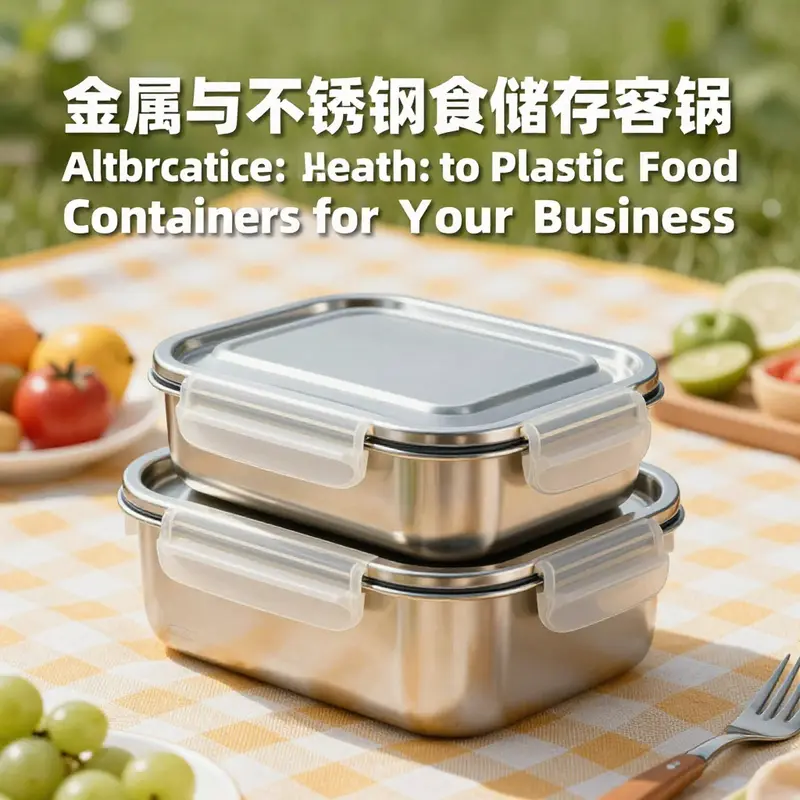
A shift away from plastic for everyday food storage has emerged not only as an environmental imperative but also as a public health consideration. When households weigh the options for keeping meals and ingredients fresh, the question often turns to safety, longevity, and practicality. In this landscape, metal containers—especially those made from food-grade stainless steel—have moved from being a niche choice to a mainstream alternative. They stand out for their durability and their chemical inertness, two qualities that can make a real difference in how we preserve the flavors, textures, and nutrient integrity of foods over time. The appeal is not that plastic is inherently flawed in every instance, but that stainless steel addresses several chronic concerns associated with plastic—concerns about chemical migration, color and odor retention, and the cumulative waste generated by single-use or short-lived plastic solutions. In this sense, the stainless steel option is less a replacement for plastic and more a reimagined baseline for safe, long-lasting containment of food across homes and smaller-scale operations alike.
The science behind stainless steel as a storage material rests on its oxide layer and its broad chemical inertness. High-quality food-grade stainless steel commonly comprises grades like 304 or 316, which are designed to resist corrosion and to maintain a stable surface when encountered with foods, oils, or acidic dressings. The protective chromium oxide film forms rapidly when exposed to air, creating a passive barrier that minimizes metal leaching. For most everyday uses—storing soups, stews, grains, oil-based ingredients, and pickled items—this inertness translates into a reduced risk of contaminant migration compared with many plastics. In practical terms, this means that a well-chosen stainless steel container can maintain flavor and color more consistently, while also offering a robust shield against pitting, staining, and odor absorption that plastics often struggle with after repeated use.
Yet not all stainless steel is created equal, and the distinctions matter for health and safety. The phrase “food-grade” is not a mere marketing tag; it should reflect adherence to established standards that govern what materials are permissible for contact with edible items. In many jurisdictions, including China, this translates to compliance with national standards such as GB 4806.9-2016, which delineates materials and products intended for food contact. In the context of stainless steel, the emphasis is on using alloys that minimize the potential release of metals like chromium and nickel, particularly when the containers come into contact with acidic or salty foods. For example, 304 and 316 stainless steels are widely recognized as safe options for food contact, with 316 offering enhanced corrosion resistance ideal for high-salt environments or prolonged exposure to lemon juice, vinegar-based marinades, or brined foods. Conversely, weaker or non-specialized alloys—such as certain forms of 201 stainless steel—can exhibit higher reactivity in the presence of acid or salt and may, over time, contribute trace amounts of metals to food. This is not a universal defect of all metal containers, but a reminder that “metal” alone is not a guarantee of safety unless the material is properly specified and properly maintained.
The advantages of stainless steel extend beyond inertness. These containers are inherently durable, able to withstand the kinds of mechanical handling, knocks, and temperature swings that can degrade plastic ware. They tolerate repeated washing cycles, including high-temperature dishwasher environments, without warping or cracking in most cases. They also tend to resist stains and odors more effectively, an outcome that matters for households that store a variety of foods—from curry-based dishes to garlic-rich sauces—without lingering scent transfer. In a world where families juggle school, work, and meal prep, the chance of a container being dropped or dragged through a busy kitchen is not hypothetical; stainless steel is designed to endure. This durability translates to an impressive life expectancy, often measured in decades when containers are well cared for, rather than in months as with many plastic options. The extended lifespan, in turn, underwrites a lower environmental burden per use, provided the items are recycled responsibly at the end of their lifecycle, rather than discarded after a few seasons of use.
Yet the strength of stainless steel does come with considerations that shoppers should respect. While stainless steel resists corrosion and leaching, the interior surface should be free of coatings that could chip or wear away, exposing the raw alloy to the food. Some containers include enamel linings or protective coatings to address aesthetic concerns or compatibility with certain foods, but coatings can fail over time with end-user wear, heat, or abrasive cleaning. When that happens, the risk of metal exposure or coating degradation emerges, undermining the safety benefits the material promises. For this reason, it is prudent to verify that a container is clearly labeled as food-grade and to choose products that emphasize a seamless interior or a durable, intact lining rather than a fragile coating. For foods that are particularly acidic, such as citrus-heavy dressings or brined vegetables, the careful selection of a robust alloy and a food-safe interior becomes even more important to preserve both safety and flavor integrity.
In comparison to plastic, stainless steel offers a much clearer, long-term environmental story. The production process for steel, while energy-intensive, is offset by a longer usable life and near-complete recyclability at the end of life. A stainless steel container, used for everyday storage and reused for many years, can dramatically reduce the ongoing demand for disposable containers and the associated waste streams. This environmental calculus is not just about keeping plastics out of landfills; it is about rethinking how products are designed, used, and conserved across generations. The sheer durability reduces the need for frequent replacement, diminishing the cycle of manufacturing, shipping, and disposal that characterizes much of the plastic-based storage market. In this sense, the steel standard reflects a broader shift toward products that are designed for longevity, repair, and eventual responsible recycling, rather than for rapid replacement after a single season of use.
Of course, no material exists in a vacuum, and practical decision-making must account for everyday realities. Stainless steel containers are heavier than plastic, which can be a consideration for travel, lunch bags, or kids’ school meals. They often come at a higher upfront cost, though the long-term savings from fewer replacements can offset this. They also rely on sturdy lids and dependable seals to preserve freshness; a loose lid or a poorly sealing gasket can undermine even the most inert interior. For some users, the weight and the perceived rigidity can be a barrier, especially where quick access and easy stowage in tight refrigerators or lunch bags are concerned. These are not insurmountable drawbacks, but they do shape how people integrate metal containers into their daily routines. For instance, choosing containers with secure, food-grade silicone seals or airtight lids can mitigate concerns about leaks and odors, while still delivering the hygienic, easy-to-clean benefits of metal. The emphasis is on thoughtful selection and practical use—on pairing the material’s strengths with lifestyle needs rather than treating stainless steel as a one-size-fits-all answer.
Beyond personal use, there is a broader industrial logic to adopting stainless steel as a storage medium. Small-scale kitchens and community kitchens that require reliable, durable, and easy-to-clean containers can benefit from metal options that resist the wear and tear of high-volume use. In such settings, the long service life and robust sanitization potential of stainless steel simplify maintenance protocols and reduce contamination risk associated with damaged plastic components. For oil-rich or acid-rich preparations, the use of stainless steel can minimize flavor carryover between batches and help maintain a cleaner, more consistent storage environment. Even for hot foods, stainless steel offers safer handling thanks to its favorable heat distribution properties and surface integrity during repeated reheating or hot-holding tasks. While the plastic-versus-metal conversation often centers on consumer kitchens, the underlying principles translate across spaces where safe, reliable storage matters most.
Caring for stainless steel containers properly is essential to preserve their safety and longevity. Hand washing with non-abrasive sponges helps maintain the inner surface, while routine inspection for scratches or dull spots can catch early signs of wear that might compromise integrity. If dishwasher use is preferred, selecting models that are specifically labeled as dishwasher-safe and ensuring that any seals or gaskets are compatible with high heat and detergents is prudent. Drying promptly reduces the chance of mineral buildup or streaks and keeps the exterior gleaming without encouraging corrosion in exposed seams. In daily practice, the practical decision to invest in stainless steel often hinges on a simple assessment: will this container be used across many seasons with consistent performance and minimal health concerns? For many households, the answer is a reassuring yes.
In closing, the stainless steel pathway represents more than a material choice; it is a framework for safer, stronger, and more sustainable food storage. By prioritizing food-grade alloys, verified standards, and robust maintenance routines, we can enjoy the confidence that comes from knowing our containers are doing more than just holding food—they are actively supporting food safety, flavor preservation, and environmental responsibility over the long term. The conversation about alternatives to plastic is, at its core, about aligning everyday practices with the practical realities of health, convenience, and the planet’s well-being. As this chapter has explored, metal—when properly specified and cared for—offers a compelling, durable, and increasingly accessible option for households seeking a trustworthy foundation for safe food storage. For regulatory context and safety guidelines guiding these material choices, refer to the U.S. Food and Drug Administration’s guidance on food contact materials: https://www.fda.gov/food/food-contact-materials/food-contact-materials-and-regulations
Ceramic and Enamel Storage: Durable, Non-Toxic Containers for Food Preservation Beyond Plastic
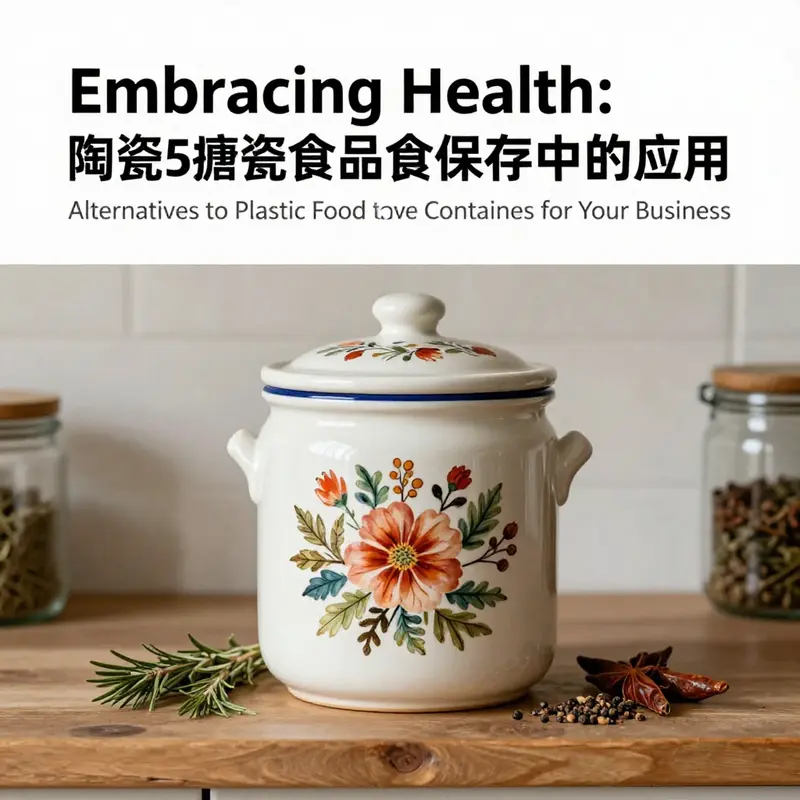
Ceramic and enamel storage vessels sit at a quiet crossroads in the broader conversation about alternatives to plastic food storage. They are not flashy innovations, but rather durable, inert companions for daily meals and long-term preservation. Their appeal rests on a straightforward idea: if a container can shield food from air, moisture, light, and contamination without introducing risky chemicals, it can support healthier, tastier, and longer-lasting outcomes. This chapter follows that thread by examining how ceramic and enamel jars function in practice, what makes them distinct from plastic options, and why they deserve a closer look as part of a broader strategy to reduce reliance on plastic while maintaining convenience for households and food-dependent operations alike.
Ceramic storage jars derive their strength from natural mineralogy and refined manufacturing. At its core, ceramic material is dense and inert after high-temperature firing. The glaze that coats ceramic surfaces plays a crucial, almost invisible role. When properly formulated and fused, the glaze yields a surface that is dense, smooth, and nearly pore-free. This combination matters in two ways. First, it minimizes microscopic niches where bacteria might hide or proliferate, a feature that aligns with safety goals in food storage. Second, the glaze acts as a robust barrier against chemical interaction: acids from foods, mineral leachates, and ordinary environmental contaminants are less likely to migrate into the food or alter flavor. With these properties, ceramic jars can hold a wide array of staples—from dry grains and legumes to dried herbs and seasonings, as well as pickled or preserved products that require a calm interior environment free from metallic contamination or off-note reactions.
Beyond the surface chemistry, the practical benefits of ceramic storage centers on sealing and longevity. A well-made ceramic jar pairs a tightly fitting lid with a near-hermetic seal, achieved through carefully designed rims, gasketless precision, or food-grade sealing features that avoid plastics altogether. This seal is essential for limiting exposure to air and humidity, both key drivers of oxidation and spoilage. The result is a container that can preserve aroma, texture, and nutritional value more reliably over time, particularly for dry goods and spice blends that benefit from a cool, dark, and stable microenvironment. As consumer interest in transparent, minimal, and non-toxic packaging grows, the aesthetic dimension of ceramic becomes more than a matter of looks. The surface’s color, pattern, and finish can elevate the everyday act of storage into a meal-prep experience that feels intentional and health-forward.
In recent years, advances in ceramic packaging have expanded the protective envelope around stored foods. Techniques such as injection molding and other shaping processes enable ceramics to be formed into near-sealable packages that resemble film-wrapped protection in a ceramic form. These innovations purposefully aim to shield contents from light—an important consideration for sensitive nutrients and vitamins—while maintaining the inert, non-reactive interior that ceramic is known for. The idea is to replicate, in a ceramic realm, the preservative advantages that plastic can offer, but without the associated health concerns linked to leaching or the environmental footprint of single-use plastics. This balance between protection and safety is precisely what makes ceramic storage jars stand out as a compelling option for households seeking long-term storage without chemical risks.
Enamel storage jars—metal bases coated with a glass-like glaze—bring a parallel set of strengths to the table. In many respects, enamel combines the formidable physical durability of metal with the chemical stability and cleanability of ceramic glaze. The metal core provides structural resilience; the enamel surface provides a non-porous, non-reactive barrier that resists corrosion and food acids while remaining relatively easy to clean. This pairing translates into practical advantages when storing sauces, jams, or leftover preparations that demand a stable environment and straightforward maintenance. Because enamel-coated surfaces are smooth and resistant to staining, odors tend not to cling as readily, which helps reduce cross-contamination and the need for aggressive cleaning. Crucially, in well-specified enamelware, the glaze is designed to be free of heavy metals and other reactive elements, which adds an extra layer of safety for everyday use in food storage.
The functional value of enamel jars extends into their mechanical performance. The metal substrate provides robustness that makes these vessels less prone to shattering from accidental bumps, a common concern with ceramic alone. The interior is usually smooth, making it easier to wipe clean and less likely to harbor food remnants that can degrade over time. For many households, enamel jars become a practical solution for short- to mid-term storage of condiments, preserves, or semi-solid foods. They are particularly well-suited to environments where temperature changes are frequent or where containers must withstand the rigors of busy kitchen workflows. In settings such as small-scale food production or rural kitchens, enamel jars can serve as dependable workhorses that retain quality while withstanding repeated use.
A practical reality accompanying both ceramic and enamel storage is the need to select the right container for a given context. The extremely dense glaze that makes a ceramic jar nearly impervious to moisture also implies a certain fragility under sharp impact. Chipping or cracking, while avoidable with careful handling, remains a consideration that plastic or certain metals do not pose to the same degree. For enamel jars, the glaze itself can be susceptible to wear or cracking if struck or subjected to rapid temperature shifts. This is not a universal limitation, but it underscores a broader point: the choice between ceramics, enamel, and plastics involves weighing fragility against chemical inertness, as well as considering how frequently a container will be handled, moved, or nested within a kitchen system.
From a cleaning and maintenance perspective, ceramic and enamel surfaces shine when cared for with simple routines. The glaze’s non-porous nature means that ordinary dishwashing methods can be effective, provided the containers carry appropriate labeling and safety assurances. However, some ceramic wares and enamels may require gentle handling or avoidance of harsh abrasives. It is wise to dry containers completely after washing to prevent moisture buildup in rims and seams that could, over time, encourage mold growth or odor retention. For households—especially those with busy schedules—these practicality notes matter because they influence how often a non-plastic option actually gets used rather than relegated to the back of a shelf.
From a broader sustainability lens, ceramic and enamel jars offer a clear counterpoint to single-use plastics. Their durability translates into a lower turnover rate and reduced waste over time. While kilns and glaze formulations demand significant energy inputs upfront, the long service life of well-maintained containers makes them a favorable option for households aiming to curb disposable packaging. The lifecycle story thus shifts from a focus on the energy intensity of production to the cumulative benefits of reuse, minimal chemical leaching risk, and the avoidance of microplastics in the storage system. In locales where waste management and recycling streams are improved, ceramic and enamel ware can establish a relatively closed loop in kitchen ecosystems, contributing to less landfill pressure and a smaller environmental footprint per year of use.
The contextual fit for these containers also spans broader institutional settings. In small-scale food processing, fermentation operations, and community kitchens, ceramic and enamel vessels become part of standard practice where long-term preservation, flavor integrity, and chemical stability are paramount. They are particularly well suited to items that benefit from a stable, low-oxygen environment or from a light-shielding interior, where oxidation or photo-degradation could otherwise erode quality. Local guidelines and historical recipes often reinforce the idea that simple, well-made vessels can support safer preservation without the introduction of plastic interfaces. In this sense, the ceramics and enamel option aligns with a nuanced approach to food safety: it emphasizes not only what is stored but how it is stored, and by whom.
For readers who are considering a shift away from plastic containers, these materials offer a compelling synthesis of safety, practicality, and beauty. They invite households to reframe storage as a decision with health implications, tactile satisfaction, and long-term cost benefits. The aesthetic dimension should not be underestimated; well-crafted ceramic jars with clean lines and thoughtful colors can transform pantry organization and make disciplined storage feel like a value-added activity rather than a chore. In this sense, the durability and non-toxic performance of ceramic and enamel vessels can support both a healthier kitchen and a more mindful approach to consumption.
In wrapping these ideas into a coherent practice, a few guiding questions prove helpful. How often will the container come into contact with moisture, oils, or acidic foods? Is the storage period short or long, and is the vessel expected to participate in transport or display? How important is ease of cleaning, resistance to odors, and avoidance of metallic interaction? Answering these questions helps households and small operations tailor their choices to the specific demands of their routines. And while no single material fits every scenario, ceramics and enamels consistently offer a robust set of advantages for those seeking a reliable, non-toxic, and aesthetically pleasing path away from plastics.
As a bridge to other viable pathways, consider the broader family of non-plastic options that complement this ceramic-enamel chapter. For those seeking disposable complements to reduce plastic use in the short term, options such as kraft paper bowls provide a different sustainability profile—one centered on compostability and single-use efficiency. See this example: custom disposable kraft paper bowl take-away kraft paper salad bowl with pet lid. While not a direct substitute for durable storage, such alternatives illustrate the spectrum of choices consumers can balance against their needs for reusability, end-of-life considerations, and overall environmental impact.
For readers seeking additional context on the scientific basis and packaging performance of ceramic and enamel materials, a comprehensive external resource offers deeper technical grounding. It surveys how ceramic and enamel compositions influence food preservation, antimicrobial properties, and chemical stability under real-world conditions. Access it here: https://www.sciencedirect.com/science/article/pii/S026378552400123X
Ultimately, the story of ceramic and enamel storage is one of intentional design that respects health, practicality, and the planet. These vessels remind us that the search for safer storage need not sacrifice reliability, beauty, or everyday convenience. They illustrate how an ancient material heritage can migrate into modern kitchens and small-scale food operations, offering a credible alternative to plastic that is as much about habit and care as it is about composition. As the article series unfolds—moving from ceramic and enamel to glass, stainless steel, silicone, and beyond—readers will see a spectrum of choices. Each option carries trade-offs, but together they form a toolkit for reducing plastic dependency while preserving and even enhancing the quality and safety of stored foods.
Glass That Endures: Reclaiming Food Storage with Durable, Safe, and Reusable Jars
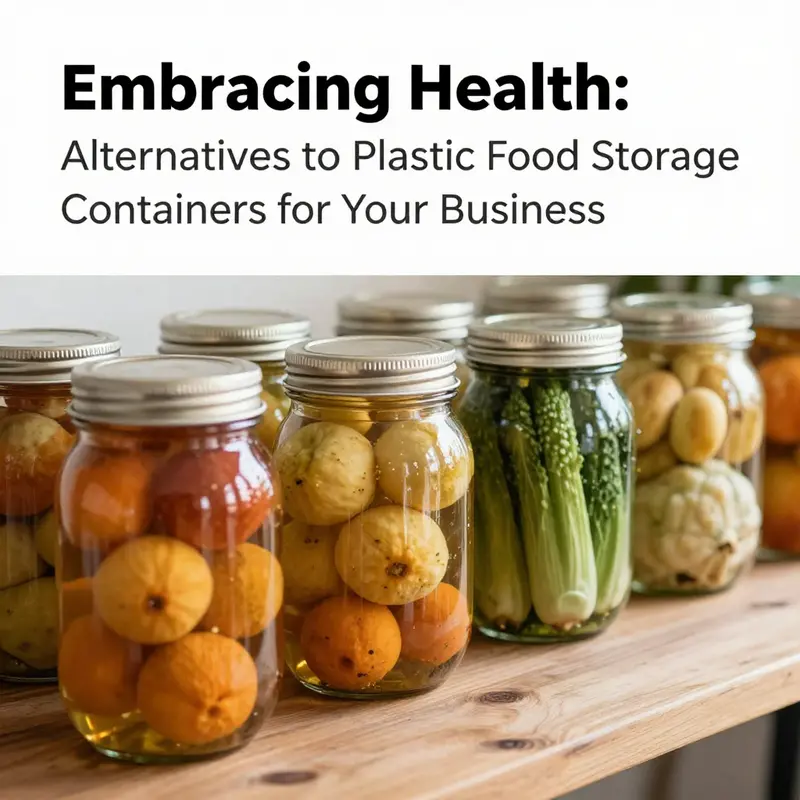
In the realm of plastic reduction, traditional glass jars offer a reliable path for storing food. Glass is chemically inert, non-reactive with foods, and free from additives that can migrate over time. This stability helps preserve flavors and nutrients while keeping contamination risk low over weeks and months.
A tightly sealed lid creates a moisture-controlled, oxygen-scarce environment that supports freshness and slows spoilage. Wide mouths ease filling and cleaning, while metal lids with rubber gaskets help maintain seal integrity for preserving and canning.
Glass also offers remarkable visibility: you can see contents at a glance, track color changes, and manage inventory without opening containers. That transparency supports organization and reduces waste by prompting timely use.
Durability and reuse are central to its appeal: with proper handling, high-quality glass can withstand repeated washing and even high-heat sanitation, meaning fewer disposables and lower long-term costs. This longevity aligns with sustainability goals while offering versatility for dry goods, liquids, jams, pickles, and fermentations.
Of course, glass has limits—weight, the possibility of breakage, and temperature shocks when moving directly from freezer to hot water. Thoughtful design, careful storage, and sane handling help maximize safety and usefulness while keeping kitchens calm and efficient.
As you plan a shift away from disposable plastics, consider glass as a major pillar of a non-plastic storage system, complemented by stainless steel, silicone, and compostable wraps where appropriate.
Final thoughts
By choosing alternatives to plastic food storage containers, restaurants, food trucks, and catering services can significantly contribute to a healthier environment and provide safer food options for their customers. Options like glass, silicone, metal, ceramic, and traditional mason jars not only offer practical benefits but also embody sustainability principles that modern consumers appreciate. Each of these materials provides unique advantages that enhance the overall food experience and ensure safety, making them essential to any establishment’s toolkit. As foodservice industries continue to evolve, adopting these alternatives not only satisfies increasing consumer demand for health-conscious solutions but also aligns with responsible business practices.