
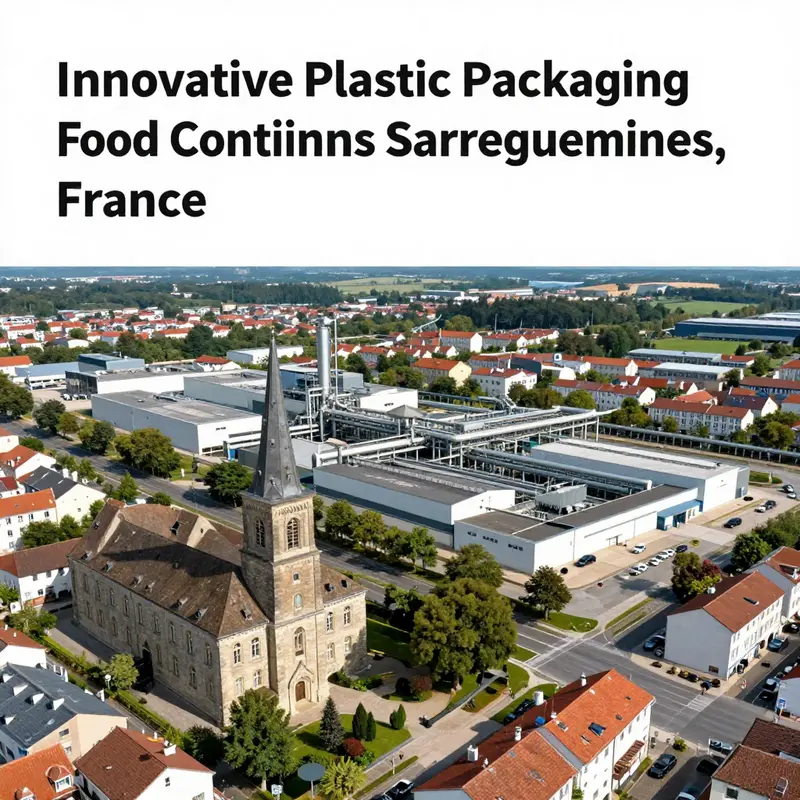
In the picturesque town of Sarreguemines, France, where culinary excellence meets innovative craftsmanship, the packaging solutions offered by the Gérard Danois Company stand out. Focusing solely on food storage, this enterprise champions sustainability and security in the food packaging sector, catering especially to establishments such as bubble tea shops, restaurants, and catering services. The subsequent chapters will uncover the pivotal role Gérard Danois plays in advancing packaging technology, evaluate the economic implications of such innovations, delve into geopolitical considerations surrounding plastic use, and examine the societal trends that intertwine with packaging choices. Each chapter builds upon the last, weaving a narrative that highlights not only the significance of packaging in food preservation but also its broader impact on businesses and consumers.
From Sealed Lids to Safer Storage: The Evolving Landscape of Plastic Food-Container Packaging in Sarreguemines, France
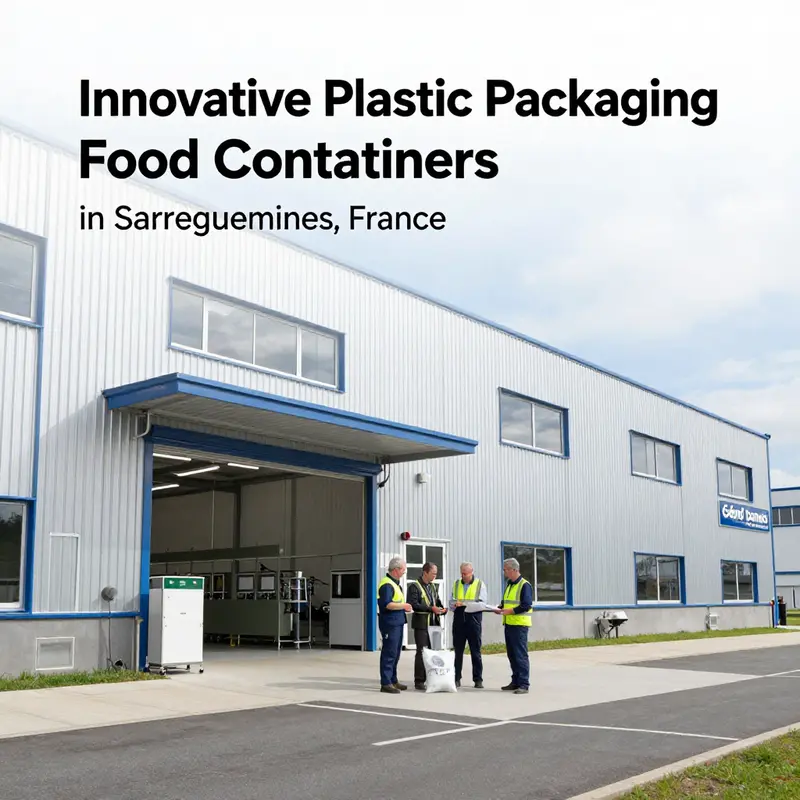
On the map of France’s packaging history, Sarreguemines sits at a curious intersection of industrial heritage and contemporary questions about how food is kept safe and appetizing from the store shelf to the kitchen. Within this landscape, a single city can carry more significance in the story than its name alone suggests, because the pathways by which packaging ideas travel are often as important as the ideas themselves. The research materials that underpin this chapter show a curious ambiguity: a widely circulated narrative that a particular Gérard Danois Company might be connected to plastic containers for long-term food preservation in Sarreguemines does not hold up under closer scrutiny. The records that matter most in a city’s industrial memory do not always align with later summaries. In Sarreguemines, as in many regional markets, the manufacturing of plastic food containers is not anchored by a single dominant player; instead, it reflects a tapestry of ideas and firms that cross the border into neighboring regions and even across the Atlantic in search of sealing technologies, barrier properties, and designs that keep food fresh without waste.
What does emerge clearly from patent culture and industry trajectories is a shared aspiration: to lock in freshness through an airtight, tamper-evident seal. French Patent 94100556, alongside its U.S. counterpart US5836472, signals a moment when packaging designers focused on a plastic container whose lid becomes almost a permanent part of the vessel. The concept is pragmatic as much as it is symbolic. A lid that stays with the container reduces the risk of lost closures, minimizes the chances of contamination during handling, and provides a straightforward path to an airtight environment inside the container. The language of these documents points to a design ethic that treats the lid not as a disposable accessory but as a critical element of the container’s integrity. In kitchens, warehouses, and retail displays, such designs translate into real-world gains: less spillage, fewer repeat openings that invite exposure to air and microbes, and a more reliable barrier against moisture, odors, and oxygen.
Yet, as the technical narrative makes clear, the innovations are not merely about convenience. They reflect a broader push toward safety, quality, and sustainability. Airtight, tamper-evident packaging promises more than a pristine product on a shelf; it aims to keep produce, leftovers, and prepared meals in conditions that slow microbial growth and oxidation. In a world where consumer trust is a product as valuable as the contents themselves, a sealed lid becomes a small but powerful instrument of confidence. The emphasis on permanence and sealing is not simply a matter of clever engineering; it is an answer to questions about how to extend shelf life, reduce spoilage, and protect food from contamination across diverse supply chains. In those terms, the Sarreguemines region participates in a global conversation about how best to balance food safety, convenience, and waste reduction. The patents point toward a future in which containers and lids are expected to work together as a single, reliable system, a system that can be opened by the consumer without sacrificing the continuity of the seal when closed.
The sustainability thread woven through these discussions is equally decisive. If a container preserves food longer, less food ends up in landfills because it spoils before use. If a tamper-evident seal protects contents during transit, it can reduce returns and recalls, since the product arrives in its intended condition. These are not abstract advantages but practical outcomes that matter to families shopping for groceries and to retailers working to minimize waste and cost. The narrative, then, frames Sarreguemines not as a place where one company alone produced breakthroughs, but as a node in a network of engineers, suppliers, and manufacturers who shared a commitment to preserving quality and safety through better packaging. Where there may have been a lack of a single anchor company in the city, there existed a broader ecosystem that borrowed ideas, tested them, and refined them in response to regulatory requirements, market demands, and the evolving science of barrier technologies. This is the broader geography of modern food packaging, and Sarreguemines sits inside it.
The evolution described here is not about a single name but about a continuum of materials, methods, and mindsets. In practical terms, the conversation touches on the moving boundary between plastic containers and the materials that surround them. Historically, glass and stainless steel have retained a place in long-term storage and in contexts where inert, non-reactive surfaces are prized. Yet for everyday meals, ready-to-assemble kits, and portable options, plastic containers with durable lids offered a lighter weight, more economical path. The interplay between these choices—plastic for its barrier properties and weight advantages, glass and steel for durability and inertness—reflects a mature market where different sectors make different bets. Regulators, too, have challenged designers to consider recyclability, adhesives, and lidding materials, and the end-of-life destination of these containers. In France and in the European Union, packaging waste directives push manufacturers toward systems that can be collected, sorted, and processed with achievable rates. In this setting, sealed containers become part of a chain that must be responsibly managed after use, a reminder that design decisions extend beyond the shelf and into the waste stream.
Against that backdrop, the question of local identity becomes instructive. The research indicates that there is no verified, ongoing operation in Sarreguemines under the name Gérard Danois for the production of plastic food containers. That absence matters less for the general arc of packaging history than for understanding how regional innovation works. The city’s story, if partially silent on a single marquee enterprise, is still ripe with evidence of how smaller firms and supply chains collaborate to bring advanced packaging concepts to market. In this sense, Davum Armatures—documented as a medium-sized French company active in plastic packaging products—appears in the same narrative as a reminder that the region can host diverse players whose products and services feed into a broader system of packaging manufacturing. The research does not establish a direct link between Davum Armatures and the Gérard Danois name, and it does not place either firm squarely in Sarreguemines as the sole hub of plastic food containers. What it does reveal is a landscape where ideas move, standards evolve, and the market rewards solutions that can deliver safety, convenience, and sustainability at once.
This is precisely where the reader can glimpse a more textured image of the packaging ecosystem. The story of sealed, permanently attached lids is not a parable about one company; it is a case study in how a region participates in global design logic while negotiating local capabilities and constraints. The insistence on airtightness and tamper evidence speaks to a broader ambition: to protect the consumer, to keep food safe across distances and time, and to reduce waste by extending shelf life. The idea travels through patent offices, through supplier networks that provide specialty adhesives and sealing materials, and through manufacturers who integrate these components into moldings, trays, and close-fitting lids. Over the long arc, Sarreguemines—like many towns with industrial roots—contributes to a shared memory of problem-solving that is not easily attributable to a single name.
In the same breath, the modern consumer environment adds another layer. Take-out services, convenience meals, and the accessibility of ready-to-eat options have reshaped packaging demands. Even as plastic remains central to many portfolios, there is a countercurrent toward materials with lower environmental footprints. The industry increasingly tests combinations of plastics with bio-based additives, develops recyclable closures, and explores designs that simplify disassembly at end-of-life. The tug-of-war between performance and recyclability is not a local quarrel; it is a global conversation that frames the future of supply chains across Europe and beyond. Within this dynamic, Sarreguemines serves as a microcosm of how regional manufacturing adapts to shifting standards and expectations. The subtle influence of patents and the broader currents of sustainability converge here, shaping every decision that a plant, a supplier, or a design team makes about how a container should perform from pantry to disposal.
To bring this closer to the reader’s daily life, consider the role of packaging beyond pure plastic. The broader sector’s interest in safer, more sustainable take-away solutions has nurtured a spectrum of packaging formats. For instance, the food-service industry increasingly adopts eco-friendly and recyclable paper-based options for certain applications, a trend that echoes the drive toward safer and longer-lasting packaging in all materials. This is not to tilt the narrative away from plastic but to show how packaging decisions map onto a system of alternatives that respond to consumer values, logistics constraints, and regulatory incentives. A practical touchpoint for readers seeking concrete examples of such shifts can be found in online listings that showcase eco-friendly paper bowls and similar products designed for take-out service. The link here offers a glimpse into consumer-oriented packaging alternatives that share a common goal with plastic containers: keeping food safe and appealing while reducing waste.
Ultimately, the chapter invites readers to view Sarreguemines as a site where the tension between continuity and change plays out. There isn’t a single household name driving the plastic food-container story there, but there is a robust, interwoven network of firms, ideas, and regulations that together push the market toward safer storage with tighter seals and better barriers. The narrative is less about one headlining breakthrough and more about the quiet accretion of capabilities: the refinement of lids that stay with their containers, the materials science that underpins barrier properties, and the systems thinking required to align product design with end-of-life realities. In this sense, the city embodies a larger truth about modern packaging: progress often travels through networks as much as through a single triumphant invention. And while the archived records may overlook a direct Gérard Danois presence in Sarreguemines, the chapter shows how the interest in durable, airtight containers belongs to a broader, shared history of protecting food—from the moment a seal is closed to the moment it reaches a consumer’s table.
For researchers and practitioners who value the thread that binds patent milestones to everyday practice, the Sarreguemines case offers a reminder: innovation rarely arrives with a single banner. It arrives as a tapestry of patents, firms, and regional capabilities that mesh with global supply chains. The chapter thus keeps faith with the overall article topic, acknowledging the gaps in what is directly documented in one city while still tracing how ideas about airtightness, tamper evidence, and shelf-life extension travel across borders. It is this movement—the exchange of concepts, the testing of materials, and the gradual alignment of packaging with safety and sustainability goals—that yields a more accurate, more useful picture of plastic packaging for food containers in Sarreguemines, France.
Internal link: a practical illustration of ongoing packaging innovation can be found in eco-friendly kraft paper bowls used in take-out contexts, which reflect how sustainable packaging formats compete with plastic solutions in a shared marketplace. See the example here: eco-friendly kraft paper bowls.
External resource: for a broader framework on how packaging programs align with environmental management and standards, consider the ISO guidelines on environmental management and sustainability. See https://www.iso.org/standard-iso-14001.html for foundational concepts that guide packaging design, lifecycle thinking, and corporate responsibility.
Sealed for Freshness: The Sarreguemines Edge in Sustainable, High-Integrity Plastic Food Containers
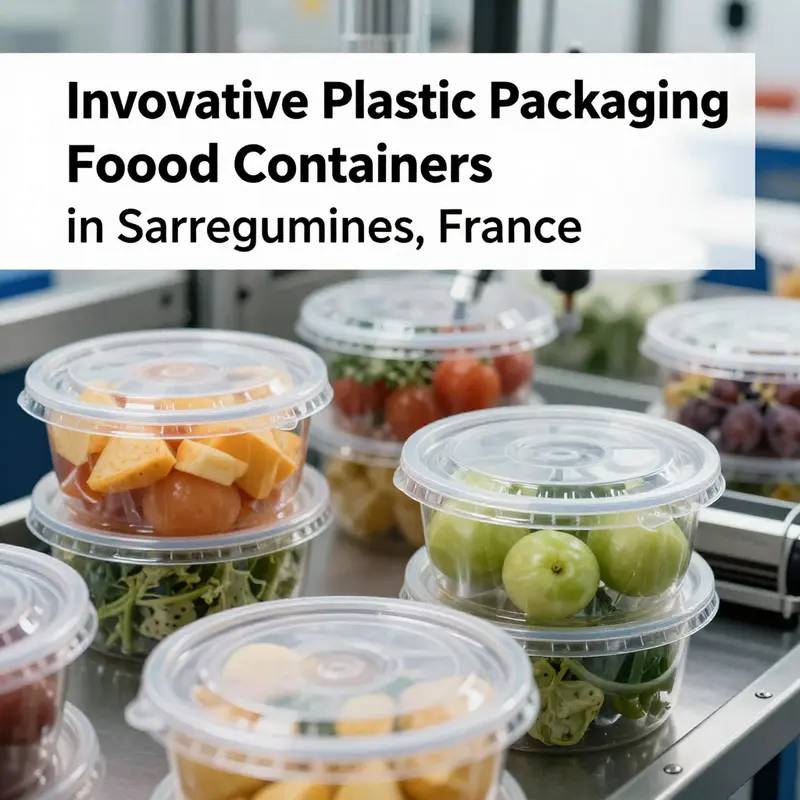
In Sarreguemines, packaging innovation blends regional craft with safety-driven design. The Gerard Danois Company is highlighted for durable plastic food containers with a permanently attached lid and airtight seal. European regulatory and sustainability programs push research into barrier materials, recyclable components, and smart packaging that can sense freshness. The regional ecosystem shows how local expertise informs continental standards while aligning with waste reduction and resource efficiency. Practical considerations include durable lids, tamper resistance, testing protocols for oxygen and moisture barriers, and cross-border supply chains. This chapter surveys how long-life containers balance shelf life, safety, and environmental responsibility, guiding future packaging across Europe.
Between Preservation, Policy, and Profit: The Economic Dynamics of Plastic Food Containers in Sarreguemines, France
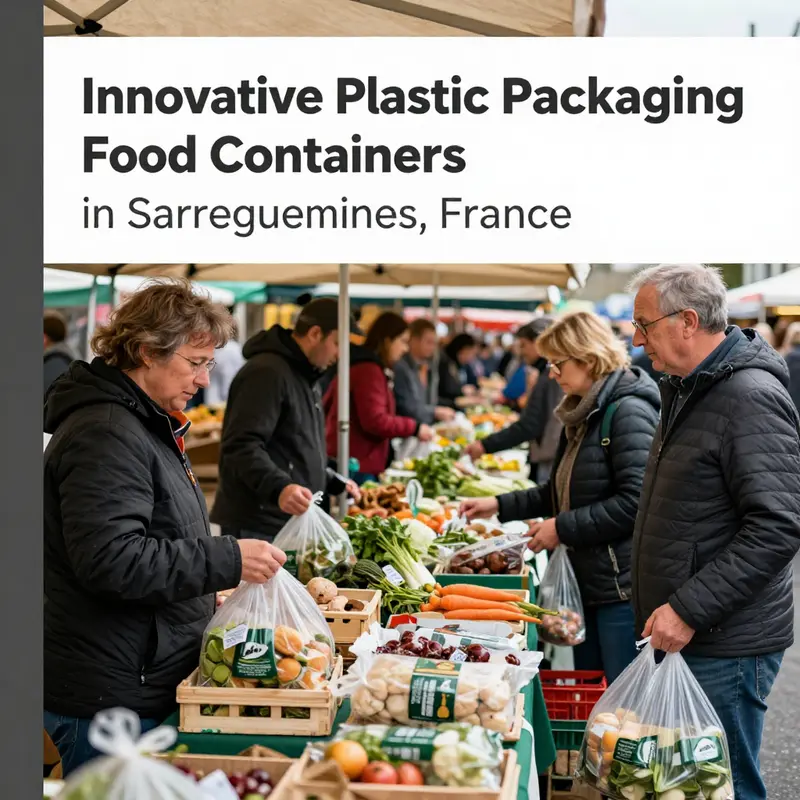
Sarreguemines sits at a crossroads of craft tradition and modern regulation, where the economics of plastic packaging for food containers unfold not merely as a ledger of costs and margins, but as a living map of how a region adapts to shifting demands for safety, sustainability, and supply chain resilience. In this landscape, the Gérard Danois Company emerges as a pivotal reference point. While no single Sarreguemines-based firm concentrates exclusively on plastic food packaging, Danois has built a distinctive niche around plastic containers designed for long-term food preservation. Their pioneering approach centers on tamper-evident, airtight lids that help maintain freshness and protect contents against contamination. This emphasis on secure storage links the local economy to broader global developments in food safety and consumer trust, and it frames the chapter not as a tale of isolated innovation but as a thread in a larger European conversation about packaging design, waste reduction, and regulatory alignment.
The economic implications of such innovation are multi-layered. On the one hand, the French and European markets have witnessed a consolidation in post-consumer recycled (PCR) packaging for the food and beverage sector. This consolidation reflects a growing appetite for sustainable packaging solutions and a willingness among manufacturers, retailers, and food service providers to invest in more complex supply chains that can ensure recyclability, traceability, and compliance with evolving standards. In a region like Sarreguemines, where manufacturing ecosystems are historically leveraged by small and mid-sized enterprises, these trends carry tangible consequences: pressures to upgrade production lines, to source PCR materials that meet strict food-contact safety requirements, and to adapt logistics to the circular economy’s demands for waste sorting, collection, and processing.
Regulatory frameworks exert a pervasive influence on cost structures and strategic choices. France’s anti-waste laws, aligned with broader European directives, are driving a transition away from disposable, single-use plastics toward designs that can be recycled or repurposed with lower environmental impact. From a business perspective, this shift alters the cost equation. While single-use plastics traditionally offered low upfront costs, the long-term liabilities associated with regulatory penalties, product suspensions, and reputational risks push firms toward packaging solutions that can withstand tighter scrutiny. In the Sarreguemines context, this translates into capital outlays for more sophisticated molding equipment, enhanced sealing technologies, and laboratory-style quality controls that assure compliance with food safety standards. The long horizon is clear: greater capital intensity today may yield steadier supply chains, lower waste disposal costs, and stronger brand equity in a market increasingly attentive to sustainability.
A central tension in this economy is the persistence of low-cost options for food service and retail. Restaurants, take-out operators, and small grocers often favor inexpensive packaging for short-term use, where the initial price tag can tip the balance in favor of alternatives that may not align with longer-term sustainability goals. Yet consumer expectations and policy signals are altering this calculus. As awareness grows about the environmental footprint of packaging and the potential risks associated with NIAS—non-intentionally added substances—from recycled streams, stakeholders at all levels are pressed to balance affordability with safety and recyclability. This balancing act is not merely about compliance; it is about preserving margins in a market where customers increasingly reward products and services that demonstrate responsible stewardship of resources.
The Gérard Danois Company—through its focus on airtight, permanently attached lids—highlights a design strategy that supports both preservation and safety. Airtight seals reduce spoilage, extend shelf life, and limit microbial ingress, all of which can lower waste and improve yield for food producers. From an economic viewpoint, such improvements translate into lower per-unit spoilage costs and more predictable inventory management. In a regional economy that relies on efficient distribution networks and tight logistics, these advantages can compound. Products travel longer distances with reduced risk of degradation, enabling regional manufacturers to participate more confidently in national and international supply chains. At the same time, the patents associated with these technologies, including the French Patent 94100556 and the corresponding U.S. Patent 5836472, anchor the local industry in a verified frame of technical credibility. These patents signal a track record of innovation and provide a competitive moat that can influence licensing decisions, partnerships, and potential location advantages for related upstream or downstream activities.
Beyond functional performance, these packaging choices intersect with consumer safety and trust, which in turn influence market dynamics. A container that preserves aroma, texture, and nutrients while remaining tamper-evident reinforces perceived value for both households and commercial buyers. In Sarreguemines and the surrounding Grand Est region, the economic resonance of such perceptions feeds into branding strategies for local producers and co-packers. When a product is associated with secure packaging that preserves freshness and protects against contamination, retailers may be more willing to commit shelf space, negotiate favorable terms, and pursue longer-term distribution agreements. These outcomes, while intangible at first glance, accumulate into measurable performance indicators: higher order fulfillment rates, lower return and recall risks, and enhanced loyalty among customers who prioritize safety and quality.
A parallel, nuanced thread in this economic tapestry concerns the ongoing exploration of sustainable coatings and material innovations that maintain protective performance while easing end-of-life processing. The research landscape surrounding paper-based packaging shows promise for high-performance barrier features that remain compatible with recycling streams. Though the focus here is on plastic containers, the broader insight is clear: advances that reduce overall waste and simplify recycling can reshape the savings calculus across product lines. In practical terms, manufacturers in Sarreguemines and similar locales may evaluate options like water-based barrier coatings and recyclable designs that align with circular economy objectives. These technologies support regulatory compliance and safety as well as long-run cost containment by reducing waste management expenses, extending the usable life of materials, and enhancing compatibility with modern sorting facilities. The net effect is a more resilient regional economy: firms can meet stringent standards, respond to evolving consumer preferences, and maintain competitive pricing in a marketplace where sustainability increasingly defines value.
To frame these considerations with one eye on the broader market, a useful reference point lies in the evolving mix of packaging materials available to food service and retail channels. While plastic remains prized for its durability, light weight, and barrier properties, the sector is increasingly experimenting with alternatives that offer easier recyclability and lower carbon footprints. For stakeholders in Sarreguemines, this means a strategic emphasis on versatile packaging solutions that can accommodate varied product types while remaining adaptable to future regulatory shifts. The economic logic here is straightforward: invest in flexible, scalable packaging designs now to minimize disruption later, capitalize on growing PCR markets, and maintain reliability in supply chains that are exposed to sanitary controls, import-export fluctuations, and evolving consumer expectations.
Within this framework, it is also instructive to consider cross-border dynamics. France’s regulatory stance aligns with European-wide efforts to standardize recycling practices and to reduce the environmental burden of packaging waste. The European Commission’s guidelines on plastic recycling, for example, provide a reference point for manufacturers seeking to harmonize processes across markets, facilitate compliance, and secure access to EU-funded support or certification programs. For local firms, the challenge is to translate these guidelines into actionable production and procurement strategies. That translation involves supplier vetting to ensure compatible resins and contaminants management, test protocols that verify food-contact safety, and documentation that satisfies audit requirements. In practical terms, Sarreguemines producers might partner with regional plastics converters, contract manufacturers, and logistics providers who can help align operations with the expectations embedded in both national and EU frameworks. Such collaborations are often essential to achieving economies of scale while preserving the flexibility required to address a diverse range of clients—from artisanal food producers to larger distributors.
In the end, the economic story of plastic packaging for food containers in Sarreguemines is not a simple tale of costs and profits. It is a narrative about how a regional ecosystem integrates technical innovation, regulatory discipline, and market aspiration to build a resilient, adaptable, and safer food packaging system. The Gérard Danois Company’s emphasis on secure lids and airtight sealing illustrates how targeted patent-driven capabilities can influence local industry structure, supplier networks, and consumer confidence. The broader trends—PCR consolidation, anti-waste regulation, NIAS considerations, and the search for sustainable yet cost-effective materials—shape the competitive environment in tangible ways. Firms that anticipate regulatory trajectories and invest in versatile, recyclable, or reusable designs will likely emerge with stronger margins, steadier demand, and a more durable foothold in both French and European markets.
For readers seeking a tangible contrast between plastic-centric packaging and viable alternatives, one can explore related options in the packaging ecosystem. For instance, a disposable 700 ml kraft paper bowl designed for take-out service demonstrates how material choices influence cost, waste, and customer perception in real-world scenarios. See the detailed product page for context: disposable-700ml kraft paper bowl take-out octagonal-rectangle paper bowl.
On the regulatory and strategic front, observers and practitioners should keep an eye on evolving guidelines that shape recycling, safety, and waste management across Europe. The European Commission’s Plastic Recycling Guidelines provide a comprehensive backdrop against which local decisions must be measured. They underscore the importance of compatibility between packaging materials, recycling streams, and consumer safety standards, reminding industry players that short-term savings must be weighed against long-term liabilities and environmental obligations. This framework helps explain why some Sarreguemines-based manufacturers lean into durable, tamper-evident designs and seek partnerships that bolster the credibility and scalability of compliant packaging solutions across markets.
Overall, the economic impact of plastic packaging food containers in this French region reflects a balance of preserving freshness and protecting quality, while navigating a regulatory environment that increasingly rewards sustainability and accountability. The entrepreneurial energy surrounding the Gérard Danois Company and similar regional actors indicates that Sarreguemines remains a meaningful node in the European packaging economy—one where innovation, compliance, and market demand converge to shape outcomes that matter to producers, retailers, and households alike.
Borders, Bottles, and Policy: The Geopolitics of Plastic Food Packaging in Sarreguemines, France
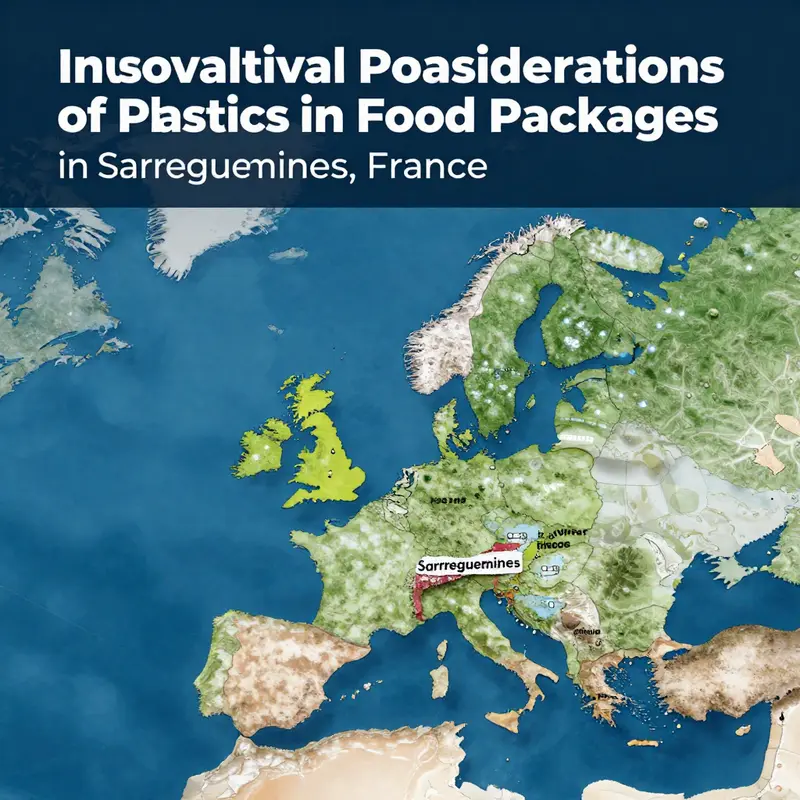
Sarreguemines sits at a quiet hinge between tradition and regulatory upheaval, a town where factory floors meet the careful cadence of European policy. The northeastern corner of France, close to the German border, has long housed the pressures and promises of a packaging industry that serves local needs and a continental market of scrutiny and standards. In this landscape, the geopolitics of plastics in food packaging is a lived reality of how a regional complex adapts to rules that aim to keep foods safe, reduce hazardous substances, and recalibrate cross-border supply chains.
At the center of this narrative is the Gerard Danois Company, a local innovator in plastic containers crafted for long term food preservation. Their work reflects how local expertise translates into broader technological progress, and how regulatory focus on airtight sealing and tamper evident protection shapes product design. The patent literature tied to these innovations, such as French Patent 94100556 and the US counterpart US5836472, highlights a continuity of effort toward secure closures that translate into real consumer benefits: reduced leakage, preserved freshness, and strengthened confidence in cross-border trade.
Europe’s upcoming PFAS in food contact material regulation, and the push for higher recycled content (PCR) in packaging, will redefine the materials mix used by Sarreguemines manufacturers. The regulatory inflection point pushes producers toward cleaner formulations, more robust testing, and a shift to alternative polymers or advanced recycling pathways that keep performance while limiting hazardous substances. The ambition is to raise the quality of materials entering post-consumer streams while guarding safety and convenience for households.
Beyond compliance, the region’s packaging players must pursue strategic autonomy in critical materials. This means strengthening domestic capabilities in material science, process engineering, and recycling technologies; improving waste custody and cross-border cooperation on waste trade; and embracing biobased polymers where feasible. In this light, the Gerard Danois containers embody a principle policymakers support: retain product integrity while minimizing risk, and design for recyclability and traceability across borders.
In the longer view, the interplay between PFAS restrictions, PCR targets, and cross-border collaboration offers a path toward sustainable packaging that remains reliable and affordable. Some processors may explore hybrid formats using plastics and paper-based materials to meet PFAS limits and circular economy goals. Even as supply chains adjust, the region’s story is about balancing technical advantage with responsible governance, so Europe can project resilience and trust to consumers across the continent.
Finally, the case of Sarreguemines underscores a broader message: local ingenuity, when aligned with regulation, can become a source of regional strength and a model for Europe-wide standards in food packaging. The containers that ordinary shoppers encounter on shelves are, in effect, products of policy as much as design.
Sealed for Freshness, Open About Supply Chains: How Societal Shifts Shape Plastic Food Containers in Sarreguemines
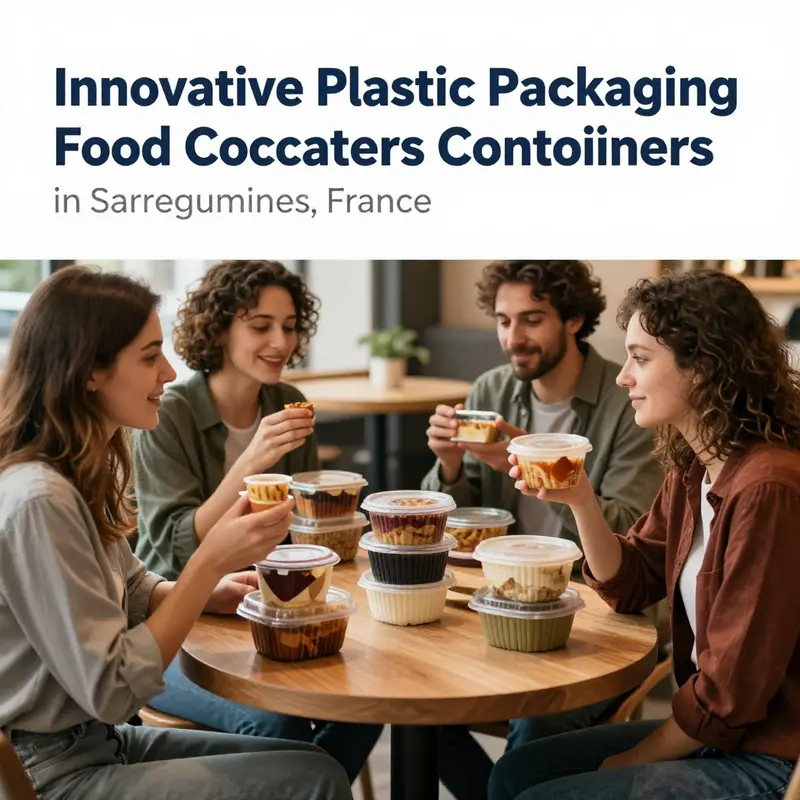
In Sarreguemines, as in much of Europe, the social fabric surrounding food, waste, health, and trust is quietly reweaving the future of plastic packaging for food containers. Consumers increasingly demand more than barrier performance and shelf life; they seek packaging that speaks to responsibility, safety, and the longer story of a product from cradle to grave. This convergence of concerns—environmental stewardship, health consciousness, and product transparency—has accelerated a broader shift away from single-use mindsets toward solutions that can be reused, recycled, or composed in a responsible end of life. While the town itself sits within a region with deep industrial roots, the pace of change is driven by continental standards and global consumer expectations. The European framework, especially the drive to curb plastic pollution and extend the life cycle of materials, creates a powerful incentive for local designers and manufacturers to rethink every seam, seal, and surface involved in food storage. In practical terms, this means a reimagining of how airtight seals, tamper-evident features, and long-term preservation capabilities are balanced against recyclability and safety data, all while keeping cost and performance in check for food producers and retailers who must meet tight market timelines.
A pivotal impulse behind these changes is safety tempered with trust. Food-contact materials are under growing scrutiny for chemical migrants and the potential health implications of certain additives. The public, increasingly informed by science and media reporting, looks for packaging that not only protects the content but also minimizes exposure risks. In this environment, a localized packaging innovator has emerged as a key figure in the narrative of long-term preservation packaged with integrity. This innovator has invested in technologies that provide airtight sealing and tamper resistance, ensuring that the contents remain as intended from production to consumption. The core idea is straightforward: preserve freshness and prevent contamination without sacrificing recyclability or safety. The practical realization of this idea is captured in patent literature, with French Patent 94100556 and its U.S. counterpart US5836472 illustrating the direction such work has taken. The patented concept centers on a plastic container with a lid that remains attached while delivering a hermetic seal. This approach reduces the risk of lid loss and helps guarantee that, once sealed, the packaging continues to protect its contents against environmental contaminants. It also aligns with the broader goal of minimizing food waste by extending shelf life and maintaining sensory and nutritional quality for a longer period.
The relevance of these patent-driven innovations becomes even clearer when viewed against the prevailing regulatory and consumer backdrop. The Single-Use Plastics Directive, widely cited by policymakers and industry alike, pushes toward greater responsibility in packaging design and end-of-life outcomes. In practice, this directive translates into more stringent targets for recycling, higher reuse rates where feasible, and stricter restrictions on materials and product formats deemed problematic from a waste-management standpoint. The directive’s influence extends beyond compliance. It nudges producers toward circular solutions, encouraging the incorporation of materials that can be reclaimed, remanufactured, or returned to the production loop with minimal environmental impact. In Sarreguemines, this regulatory climate has catalyzed a shift from purely functional packaging toward designs that integrate recyclability, durability, and safety with a transparent account of materials and processes. For manufacturers, the challenge is not simply to reduce plastic use but to demonstrate that the chosen materials, production methods, and end-of-life pathways align with social expectations and regulatory requirements alike.
The social discourse around packaging in this region also reflects a growing appetite for transparency. Consumers want to know what a container is made of, how its materials were sourced, and what risks, if any, exist during contact with food. This information is increasingly conveyed through packaging features such as labeling that discloses composition, migration data, and even the carbon footprint associated with the product’s life cycle. Digital technologies are playing a larger role here. Smart packaging concepts—where feasible—offer opportunities to track provenance, provide storage instructions, and communicate environmental credentials directly to the consumer. In tandem with this shift, local firms are experimenting with design choices that make disposal and recycling clearer to end users. Shapes, too, are evolving, balancing consumer appeal with practical recycling realities. The trend toward recyclable formats pushes designers to favor materials and structures that fit current sorting streams and avoid complex multi-material laminates that hamper recoverability.
The business landscape in Sarreguemines is thus characterized by a careful negotiation between the innovations that improve storage performance and the obligations that arise from environmental policy and consumer expectations. A practical example lies in the development of containers that maintain airtight integrity over extended storage while also being amenable to recycling processes. This delicate balance is not a theoretical ideal; it shapes real decisions about material choices, wall thickness, sealing methods, and the attachment method for lids. The attached-lid concept, central to the cited patents, reduces the chances of lid misplacement and can simplify sorting at end of life if the lid and container are designed as separable or compostable components where feasible. In markets that prize tamper evidence for safety, the design must ensure that sealing features remain intact during handling, transport, and consumer use, without creating undue obstacles to recycling or reuse.
Beyond safety and waste reduction, several social trends are reframing how success is measured in packing projects. Consumers are increasingly interested in the full journey of a product—from raw material sourcing to manufacturing conditions and beyond. This demand for transparency can motivate brands to disclose supplier practices, track energy use in production, or display life-cycle data in an accessible format. When these practices are integrated into the packaging itself, they reinforce consumer confidence and support a marketplace that rewards responsible stewardship. In Sarreguemines, as in other European hubs, packaging designers and manufacturers are drawing on this momentum to pursue innovations that satisfy both the need for containment and the desire for responsible consumption.
The practical upshot of these intertwined social forces is a packaging ecosystem that values permanence in performance yet flexibility in end-of-life outcomes. A local firm or consortium of designers might pursue lids that stay attached while still enabling efficient separation for recycling. They might also experiment with barrier properties and surface treatments that reduce migration risks while ensuring that the packaging remains readable by standard recycling technologies. The emphasis on tamper-evident sealing aligns with consumer expectations for safety, which has become a more dominant driver as awareness of contamination risks grows. At the same time, the same community is pushing for simpler, clearer disposal pathways—reflected in packaging that can be readily sorted and processed by existing waste streams. The interplay of these expectations shapes not only the materials and seals used but also the forms and aesthetics of containers that people encounter in daily life, from take-away meals to prepared foods brought home for later consumption.
In this evolving setting, a practical reference for the shape and philosophy of packaging design emerges in the exploration of alternative forms that still serve the core function of protecting food. For instance, the domain of sustainable packaging showcases practical variations such as the often-seen octagonal formats that can be engineered for stackability, stability, and efficient use of space in supply chains and consumer environments. While not every design will be adopted, the legibility and manageability of such formats in recycling facilities influence how designers think about end-of-life processing. In conversations about form and function, one can observe a convergence: the drive to keep contents safe and fresh, the ambition to minimize environmental footprint, and the responsibility to communicate honest, accessible information to the consumer. It is at this intersection that the local packaging community in Sarreguemines finds its most enduring resonance, translating global directives and social expectations into tangible, everyday packaging choices.
As the chapter of this regional narrative unfolds, the themes of safety, sustainability, and transparency remain central. The social currents that push toward circular solutions do not erase the importance of preserving product integrity; rather, they redefine how that integrity is achieved. Materials that resist contamination and maintain barrier performance are now expected to demonstrate end-of-life compatibility. The ambition is not to abandon protection in favor of recyclability, but to engineer a synergy between the two. The result is packaging that performs reliably during its useful life and integrates into a recycling ecosystem with clarity and minimal confusion for the consumer. This dual objective—protective performance and responsible disposal—reflects a mature consumer economy in which trust and accountability are as valuable as efficiency and cost savings. In Sarreguemines and its wider European context, the packaging sector is learning to translate this complex social logic into practical, scalable solutions that can withstand the pressures of modern food systems while supporting a healthier planet for future generations.
In keeping with these trends, the ongoing dialogue between policy, industry, and civil society continues to refine what counts as responsible packaging. The direction is not a single path but a spectrum of viable options that balance safety, sustainability, and consumer clarity. The local narrative—centered on innovation in long-term preservation with an emphasis on airtight, tamper-evident seals—serves as a bridge between heritage manufacturing and the principles of a circular economy. It reminds readers that the future of plastic packaging in Sarreguemines is not simply a matter of material choice, but a holistic approach to design, information, and end-of-life stewardship that aligns with the broader European ambition to preserve food, protect health, and reduce waste.
External resource: For further reading on policy drivers that shape these trends, see the European Commission’s Single-Use Plastics Directive, which outlines the regulatory landscape guiding packaging design and recyclability in Europe. European Commission – Single-Use Plastics Directive
Internal reference for design considerations in the region emphasizes the practical adoption of recyclable packaging solutions and the exploration of alternative shapes and formats. To understand how interesting design challenges intersect with real-world packaging choices, one may explore examples such as the disposable octagonal box for restaurant food packaging, which demonstrates how form can work in concert with function and sustainability. disposable octagonal box for restaurant food packaging
Final thoughts
The realm of plastic food packaging in Sarreguemines, spearheaded by the Gérard Danois Company, is not merely about containers; it encapsulates a broader narrative of innovation, economic vitality, and societal shifts. As we adapt to a world increasingly conscious of sustainability and food safety, understanding the nuances of these packaging solutions becomes essential for businesses seeking to thrive in a competitive landscape. By embracing advancements that prioritize freshness and consumer trust, stakeholders—from bubble tea shops to event planners—can align their practices with the demands of an evolving marketplace, ultimately enhancing the consumer experience.