
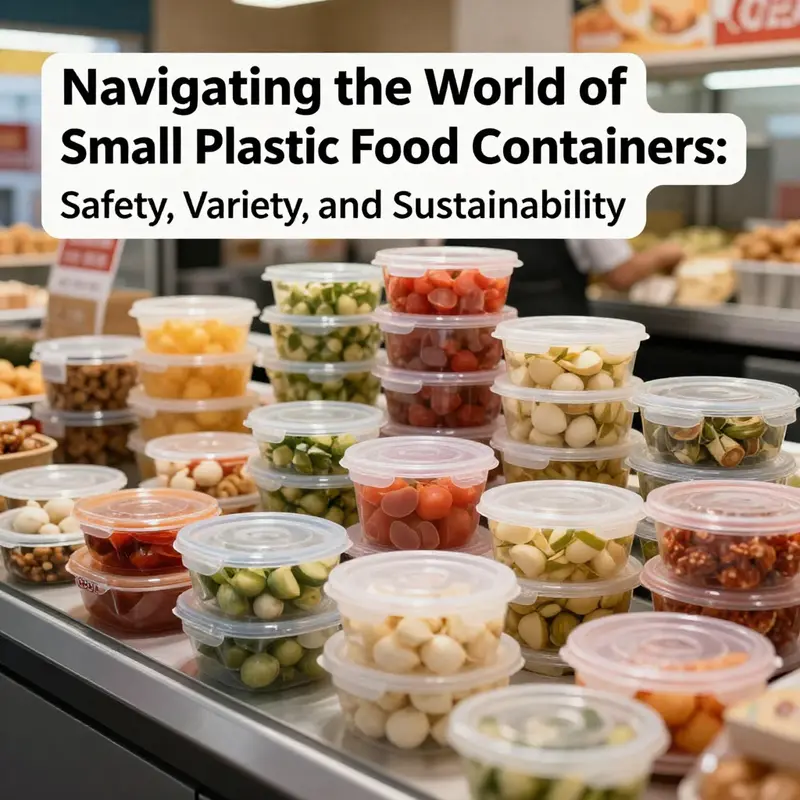
Small plastic food containers play a crucial role in the food service industry, providing convenient solutions for storing, transporting, and serving food. Their lightweight, durable nature makes them a popular choice, particularly among bubble tea shops, restaurants, food trucks, and catering establishments. However, growing health concerns and environmental issues around plastics have raised questions about their safety and sustainability. This guide addresses these challenges by examining the composition and safety issues surrounding plastic containers, the diverse designs available in the market, their environmental impact, and the emerging alternatives. By understanding these factors, businesses can make informed decisions that benefit their operations, health, and the planet.
null
null
From Storage to Takeout: The Evolving Landscape and Demand for Small Plastic Food Containers
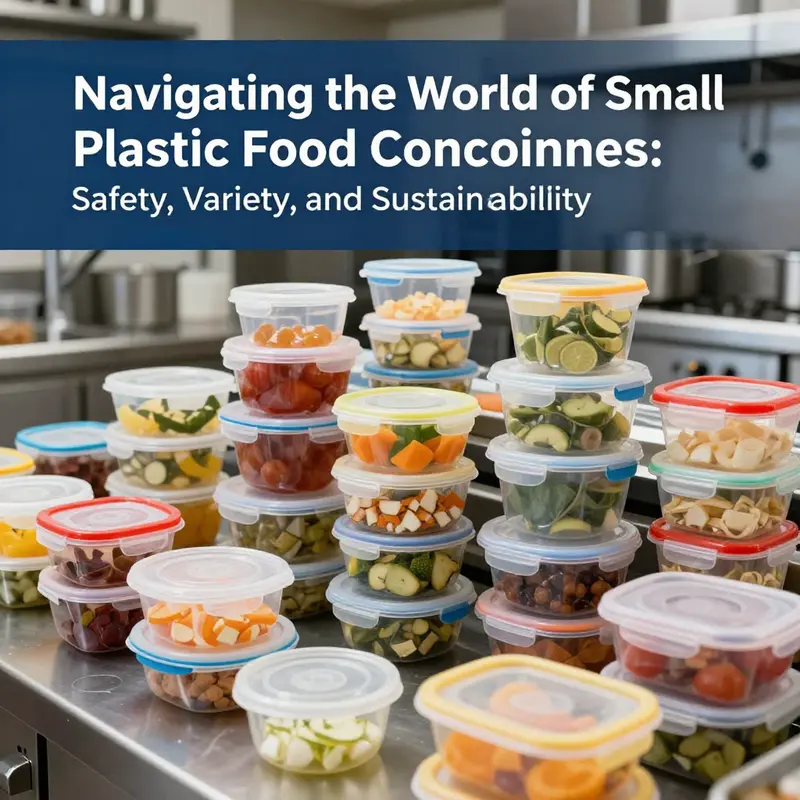
The story of small plastic food containers unfolds as a quiet yet powerful reflection of how people live, eat, and move in modern life. These containers are not just vessels; they are enablers of convenience, portion control, and the rapid rhythms of home kitchens, offices, and bustling takeout storefronts. The variety among them mirrors a broad spectrum of consumer needs: compact home storage for leftovers, compact meal preps for busy weekdays, leak-proof options for sauces, and stackable designs that fit neatly into fridges, freezers, and shelves. In many markets, the sheer range of shapes, sizes, and features defines how households manage food across days and weeks. A single container line may offer round options for condiments, square boxes for organized meals, and ultra-compact formats designed to disappear into a crowded refrigerator. The market’s breadth is not an indulgence but a practical answer to how people structure time, space, and nutrition in a world that prizes efficiency as much as taste. As lifestyles evolve, so too does the packaging technology that supports them, enabling designs that are not only functional but also compatible with increasingly complex food routines.
Material choices sit at the heart of this evolution. The most common plastics in these containers include polypropylene (PP), polyethylene (PE), and polystyrene (PS). PP stands out for its heat resistance, which makes it suitable for microwave heating and even boiling water sterilization in some formulations. Its ability to withstand higher temperatures broadens the range of uses—from reheating leftover pasta to safe storage of hot soups—without collapsing the container’s structure. PE, prized for its flexibility and durability, often appears in bags and softer shells, providing a different balance of ruggedness and pliability that suits everyday handling, resealing, and stacking. PS, by contrast, is frequently chosen for disposable, lightweight applications where cost and translucency are valued, particularly in cold or short-term uses like salads or dairy desserts. Yet each material carries caveats. Heating PS at higher temperatures can lead to deformation and potential leaching concerns, a reminder that performance and safety must be weighed together. The debate around safety underscores why many producers emphasize compliance with established standards and labeling, rather than relying solely on material reputation. PVC, once more common in some early packaging, is widely restricted for food contact due to toxic phthalates, underscoring a shift toward safer material sets across the industry.
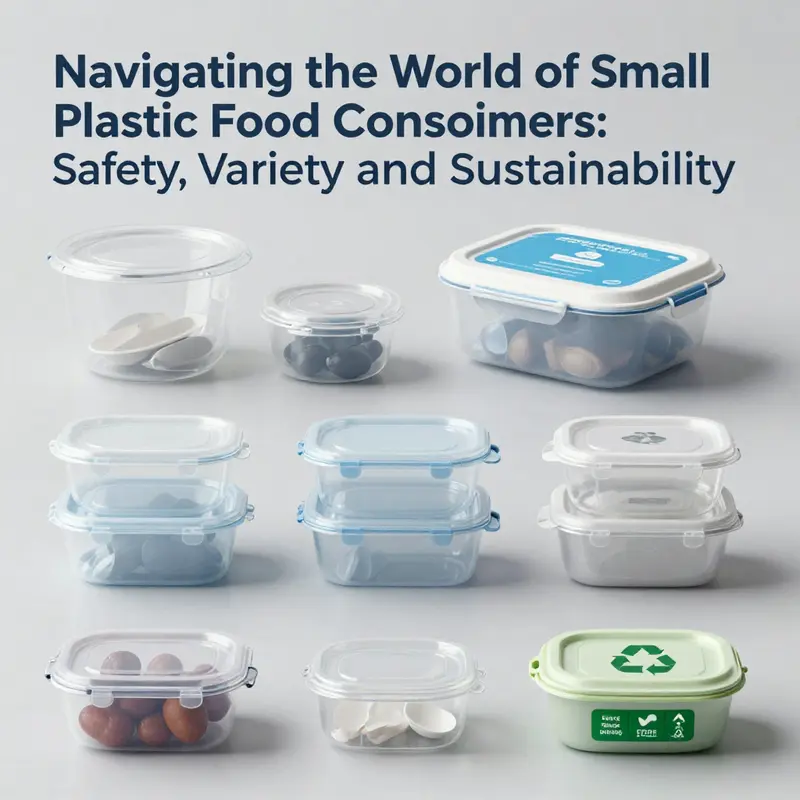
The shapes and sizes available today are a direct response to the diverse contexts in which people store, transport, and consume food. Round containers excel at condiments and snacks, while square or rectangular options optimize space in meal-prep routines and delivery systems. Compact, stackable designs help households make the most of limited kitchen real estate, and some models include built-in compartments that support portion control without the need for separate ramekins or lids. Modern designs frequently feature resealable, leak-proof lids, easy-to-read transparent walls for quick content checks, and ergonomic handles that improve portability. The rise of the so‑called “food container culture” has also spurred specialized configurations such as multi-compartment sets that support balanced meals and varied textures, echoing the broader shift toward healthier, more organized eating habits. The narrative here is one of synthesis: form follows function, but function is increasingly informed by the way people live, work, and move through urban spaces.
Yet the conversation cannot ignore safety and health considerations that accompany convenience. Even containers deemed safe can pose risks if used improperly. Studies highlighting microplastic release and chemical migration, particularly under repeated heating, have become a sobering counterpoint to the convenience narrative. For instance, some research indicates that microwaving certain polypropylene containers for a few minutes can release billions of nanoparticles per square centimeter, a finding that has galvanized calls for stricter guidelines and better consumer education. Temperature is a pivotal factor. High-heat applications and sealing hot foods can accelerate stress on the polymer matrix, potentially increasing the migration of substances into food. This reality reinforces the need for clear usage instructions and adherence to temperature ratings. It also explains why regulatory bodies emphasize proper labeling, including resin identification codes and recognized standards that guide safe use. The guidance to look for compliance marks and to avoid containers with strong odors, discoloration, or rough surfaces is not merely cautious advice; it is part of an ongoing effort to align consumer behavior with material science and risk management.
The market’s momentum is fueled by several broad drivers. Convenience culture, with its emphasis on ready-to-eat options, meal-prep routines, and the ability to portion meals for later consumption, continues to propel demand for reliable, cost-effective containers. The expansion of the food delivery economy adds another layer, as restaurants and suppliers rely on standardized, durable packaging to ensure consistent presentation, protect contents during transit, and streamline post-consumption disposal or recycling where possible. Urbanization intensifies these dynamics: many city dwellers inhabit smaller homes with limited kitchen space, making compact, stackable containers an attractive solution for storage and organization. From an economic standpoint, plastic containers often offer a lower upfront cost and lighter weight than glass or metal, which translates into savings in production, shipping, and consumer transport. These factors, when combined with design and branding possibilities, turn packaging into more than a passive cover for food; it becomes a strategic asset that can influence brand perception and customer experience.
In this sense, the design vocabulary extends beyond basic containment. The industry has embraced customization and branding opportunities that allow producers to tailor containers for compatibility with a broad spectrum of meals, brands, and service models. The aesthetic and tactile qualities of containers—clarity, smooth edges, feel on the hand, and the ease of opening and closing—contribute to perceived product quality and user satisfaction. At the same time, the competitive landscape rewards clever engineering: leak-proof seals, easy-to-open lids, and compatibility with standard stacking systems across warehouses, refrigerators, and transport boxes reduce waste, minimize spoilage, and improve operational efficiency. Consumers benefit when containers support easy cleaning, repeat heating without quality loss, and compatibility with both cold and hot applications, which in turn reinforces trust in longer-term usability. In practice, this means manufacturers invest not only in the raw materials but also in the geometry and tolerances that ensure consistent performance across millions of cycles.
Market size and forecasts illuminate the scale of this ecosystem. The global plastic food container market has been measured in the high hundreds of billions of dollars, with figures from recent years indicating a value around 137 billion dollars in 2022 and a projection toward 140 billion by 2028. In specific and rapidly developing markets, like those in Asia, the trajectory remains strong as urban demographics and the food-service sector expand. Projections for the Chinese market, for example, point to a sizeable growth path, underscoring the critical role of small containers in both consumer households and the commercial sphere. The sustained expansion reflects not only consumer demand but also the continuous expansion of food-service channels, catering, and micro-restaurants that rely on standardized packing for efficiency and scalability. Analysts highlight the broader packaging ecosystem, including research and market intelligence providers, to understand shifts in consumer preferences, regulatory landscapes, and the competitive dynamics that ultimately shape what lands on store shelves and in restaurant backrooms.
A concurrent thread in this evolving landscape is the push toward environmental sustainability and the exploration of alternatives. Biodegradable and compostable options such as PLA and PHA are gaining traction, offering improved environmental profiles while attempting to maintain acceptable heat resistance for everyday use. Although still maturing, these materials promise new pathways for reducing long-term waste and the persistence of plastics in the environment. Parallel to material innovations, recycling initiatives are being tested and piloted in several cities as part of broader efforts to close the loop on takeout and storage packaging. Yet real-world recycling rates remain modest in many places, highlighting the gap between ambition and achievement and the need for systemic improvements in collection, sorting, and processing infrastructure. In the meantime, many experts advocate a transition toward glass or stainless steel options when feasible, especially for households and repeated-use scenarios. These alternatives offer durability, inertness, and the capacity to withstand repeated heating and freezing without the same risk of leaching or fragmentation that plastic can present over time. The overarching message is not to shy away from plastic, but to pursue safer, smarter, and more sustainable choices within the existing ecosystem of use and reuse.
The interplay between consumer demand, design innovation, and regulatory stewardship also shapes how packaging looks on shelves and how it performs in real life. Regulations such as GB 4806.1—2016 for national food-contact compliance, alongside resin identification codes that help define what a container is made of, guide manufacturers toward safe and responsible practices. This regulatory framework, combined with evolving consumer expectations for safety and transparency, nudges the industry toward clearer labeling, more robust testing, and a cautious approach to repeated heating or sealing hot foods. The consumer education piece matters as well: buyers who understand that certain temperatures or sealing conditions extend the life of their containers are better equipped to maximize safety while enjoying the convenience these products provide.
The chapter’s current moment also invites reflection on how to balance performance with responsibility. The packaging world is increasingly about choices that match the context—home use, workplace meals, and food-service operations—while acknowledging that some solutions may be better suited to one setting than another. Levers such as portion control features, integrated compartments, and smart lids can turn a simple box into a tool for healthier eating and more efficient kitchens. For those who seek alternatives to single-use plastics, the landscape is expanding with packaging types that offer similar convenience but with an eye toward reduced environmental impact. This includes more robust takeout systems, reusable options, and materials designed to be easier to recycle or compost. The conversation is ongoing, and it requires a multidisciplinary view that spans material science, consumer behavior, supply chain logistics, and policy. As more researchers, manufacturers, and retailers collaborate, the small plastic container may evolve into a model of responsible efficiency rather than a mere commodity.
For readers curious to explore packaging strategies that blend convenience with sustainability, a sample of packaging approaches from related materials illustrates the broader shift toward integrated solutions. One example is kraft paper-based packaging designed for takeaway and storage, which demonstrates how design can align with ecological goals without sacrificing usability. This approach shows up in various formats and shapes, including octagonal boxes and other container families intended to support brand storytelling while reducing reliance on plastics. If you’d like to see a concrete example of this kind of packaging option, you can explore a representative design here: disposable-octagonal-box-restaurant-food-kraft-paper-packaging.
As the chapter moves forward, the boundaries between home and commercial uses continue to blur. Home cooks experiment with batch-prepping and portion-control strategies that translate to restaurants and catering services, which in turn push manufacturers to deliver standardized, scalable solutions. This feedback loop—the daily routines of people and the production logic of firms—drives continuous improvement. The result is not a single trend but a dynamic constellation of preferences: more visible contents through transparent walls, safer heat ratings for microwaving, smarter seals for leak prevention, and smarter shapes for easy stacking in a busy kitchen or a delivery driver’s trunk. In this sense, the variety of small plastic containers becomes a barometer of how people manage time, space, and nourishment in a world that prizes speed and reliability without sacrificing safety and accountability.
To close this chapter, it is useful to keep a forward-looking perspective. The market will likely see ongoing diversification in materials that blend heat performance with environmental considerations, more sophisticated multi-compartment designs for balanced meals, and smarter, data-informed packaging decisions that align with consumer preferences and regulatory expectations. The growth trajectory remains tied to the services that rely on reliable, scalable packaging—takeout, meal-prep, and home storage—while a growing awareness of ecological impact nudges the industry toward smarter end-of-life thinking and cleaner supply chains. In short, small plastic containers illustrate a fundamental truth of modern consumption: convenience thrives when packaging is safe, adaptable, and prepared to evolve with changing needs.
External reference for further reading on food-contact safety and standards: https://www.foodsafety.gov
From Convenience to Consequence: The Environmental Toll and Recycling Challenge of Small Plastic Food Containers
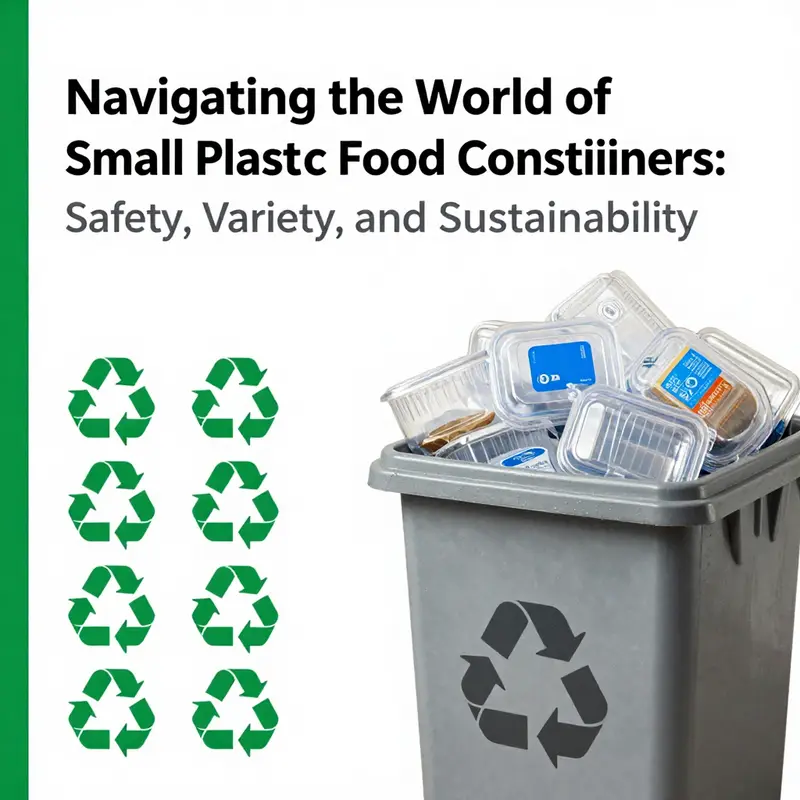
Across kitchens, offices, schools, and bustling street-fronts, small plastic food containers have become a quiet backbone of modern eating habits. They hold everything from rice and vegetables to sauces, snacks, and leftovers, enabling easy storage, transport, and quick heating. Their appeal lies in light weight, durability, and cost-effectiveness, which makes them a staple of both home life and commercial food service. Yet as a chapter in the larger story of food packaging, these containers reveal a paradox: the same attributes that make them indispensable also drive unseen environmental pressures. They are the product of a system that prizes convenience, speed, and a low upfront cost, but the downstream consequences—resource use, pollution, and waste management challenges—grow louder as consumption scales. Understanding this tension requires tracing the full lifecycle of small plastic food containers, from the feedstocks that power their creation to the fate they face after their brief lives in kitchens and takeout windows.
The lifecycle begins with production that is deeply rooted in fossil-fuel economies. Most food-contact plastics are derived from petrochemicals, a reality that links every container to the broader climate dynamics of oil and gas. Even when a container is labeled safe for food contact, the energy required to manufacture it, the materials sourced, and the emissions released during production create an environmental footprint that compounds as billions of units roll off assembly lines worldwide. When you consider that hundreds of billions of plastic items are produced annually, the aggregate footprint becomes staggering. A widely cited, if context-specific, proxy suggests that a single 500ml plastic bottle can be associated with tens of grams of oil equivalent in its production, and when multiplied across the global scale of packaging, the implication is clear: small containers represent a substantial slice of plastic production’s energy demand and greenhouse gas emissions. This is not merely a matter of factory walls and exhaust stacks; it is a problem embedded in economic systems that prize low costs and rapid turnover, often without accounting for end-of-life impacts.
From the outset, the packaging ecosystem is designed around a linear flow: virgin resin is molded into containers, filled with products, distributed through global or regional supply chains, consumed, emptied, and finally discarded. The challenge arises when this seemingly simple loop breaks. Recycling rates for plastic packaging remain stubbornly low on a global scale. The most robust assessments suggest that only a fraction of collected plastic packaging is actually recycled into new packaging of comparable quality. Even in optimistic scenarios, the collection rate may hover around the mid-teens, while the rate at which that material re-enters the economy as high-grade packaging remains well below one in five. The implications are twofold: a vast stock of material enters waste streams, and the quality of recycled streams often degrades with each reuse cycle, limiting true circular economy advantages. The practical outcome is that much of the waste ends up in landfills or incineration, or leaks into the environment, where the material can persist for centuries and fragment into smaller particles.
A particularly troubling aspect of this persistence is microplastic formation. When plastic containers degrade under sunlight, heat, or mechanical stress, they fragment into microplastics—tiny particles that can travel far from their original location. The presence of microplastics in remote ecosystems, from deep-sea sediments to high-elevation soils, has raised alarms about contamination pathways and potential ingestion by wildlife and humans. The concern extends to the food chain, where microplastics can accumulate in tissues and may, in turn, affect nutrient transfer and health. The magnitude of exposure remains a topic of ongoing research, but the accumulating body of evidence underscores a fundamental risk: the more packaging we use, the more material there is to fragment and fragment again, entering a cycle that is difficult to reverse.
Even as environmental concerns mount, questions about safety complicate the public discourse around heating plastic containers. When hot foods or beverages are placed in contact with plastic packaging, there is potential for chemical migration, especially if barrier properties degrade with heat or if containers are subjected to temperatures beyond their design limits. Some studies have warned that microwaving certain plastics—even those deemed safe—may release microplastics and other substances at elevated levels. While the precise health implications of trace exposures are still being understood, these findings highlight the need for precaution, particularly in households that use plastic containers for reheating hot foods. Consumers are urged to observe temperature ratings, avoid heating sealed packages, and remove lids when microwaving if the lids are not designed for heat resistance. Such guidance, while prudent, also reveals a gap between consumer expectations of convenience and the realities of material performance under practical, everyday conditions.
The packaging landscape is not static. It features a spectrum of container designs—from stackable, space-saving formats to divided meal-prep boxes that encourage portion control. Transparency and visibility of contents remain valued attributes, aiding consumer decisions about freshness and safety. Yet there is a growing interest in reimagining these containers as part of a more sustainable system. The push toward lighter, more recyclable materials has spurred a wave of innovation in biobased and recycled-content plastics, while researchers and policymakers examine how better labeling, collection, and recycling infrastructure could shift the balance toward circularity. At the same time, the durability and heat tolerance of some alternative materials give reason for cautious optimism. Polylactic acid (PLA) and polyhydroxyalkanoates (PHA) are among the bio-based options being explored, offering potential for reduced reliance on fossil fuels. While these materials may not yet match all the performance characteristics of traditional plastics in every use case, they demonstrate a viable path toward closing the loop in some applications, particularly those with lower heating demands. In this pivot away from a pure fossil-fuel narrative, the consumer becomes a critical actor—not only as a user but as a steward of the packaging system through choices that favor recyclability, reuse, and responsible disposal.
A practical illustration of the broader shift toward sustainability can be seen in the rise of take-away packaging alternatives that emphasize recyclability or compostability. For instance, paper-based or fiber-based bowls and lids designed for food contact offer a different end-of-life profile than conventional plastics. While these alternatives are not a panacea—paper and fiber can still face processing challenges in recycling streams, and some high-temperature applications may be limited—there is a clear movement toward packaging designs that align with existing waste management infrastructures. This is not about abandoning plastic altogether but about integrating packaging choices with local recycling capabilities and consumer behavior to maximize resource recovery. In the context of this chapter, the discussion of alternatives highlights a central tension: while plastic containers provide unmatched convenience and performance for many food-service needs, the environmental and social costs associated with their production and end-of-life management demand deliberate, system-wide responses.
Another dimension of the environmental conversation concerns regulatory and consumer-facing aspects that can influence how packaging is produced, labeled, and disposed of. Consumers look to compliance signals—labels that indicate standard conformance, resin codes that suggest recyclability, and evidence of safe use for food contact—to guide decisions. The landscape includes well-established guidelines that emphasize the importance of identifying the resin type, such as a code indicating polypropylene as a common food-contact plastic, and recognizing that certain materials—like PVC—are less suitable for food contact due to health risks. Equally important are warnings about misuses, such as sealing hot foods in containers not rated for high heat or microwaving with lids, which can alter both safety and performance. When these signaling systems work as intended, they support a more efficient recycling flow and clearer consumer choices. They also illuminate areas where improvements are needed: better insulation of heat resistance, clearer temperature guidelines, and more robust standards to prevent hazardous contaminants from entering recycling streams.
The cultural and economic context surrounding plastic packaging also matters. In many food-service and household environments, the temptation to choose convenience quickly outpaces the willingness to participate in complex recycling routines. Yet consumer behavior—the frequency with which households rinse and sort containers, opt for reusable alternatives, or select products with less packaging—can significantly influence the aggregate environmental impact. Small change in thousands of households can shift the performance of an entire system. Public awareness campaigns, school programs, and workplace initiatives can help translate individual choices into collective outcomes. The aim is not to vilify users but to acknowledge the practical realities of daily life and to design packaging systems that are easier to recycle, reuse, or compost within the constraints of existing waste-management networks.
If we zoom into the practicalities of end-of-life management, it becomes clear that the challenge is not just about technical feasibility but about alignment across stakeholders. Waste collectors, processors, manufacturers, retailers, and consumers must synchronize incentives and practices. For recycling to progress beyond isolated pockets, there must be reliable streams of clean, food-safe recyclate and technical capacity to process it into high-quality feedstock. Where that alignment exists, it creates space for a more circular economy—one where materials are continually reused rather than discarded. But achieving such alignment requires more than goodwill; it requires policy support, investment in infrastructure, and transparent reporting about recycling outcomes and material flows. In the meantime, the low recycling rates and high volumes of waste today underscore the urgency of rethinking packaging choices and improving the design for recyclability.
In considering the broader transition toward a more sustainable packaging system, it can be instructive to look at concrete, context-specific examples of how packaging choices interact with local systems. For instance, take-away settings that rely on fiber-based bowls paired with lids can signal a path toward more recyclable end-of-life outcomes when collected through established municipal streams. In everyday practice, consumers can play a pivotal role by choosing products that emphasize recyclability or reuse and by supporting brands that design packaging with end-of-life in mind. These behaviors, when scaled, can complement policy and technology in moving toward more responsible material use. Additionally, design innovation continues to push the envelope for materials and configurations that balance performance, safety, and environmental considerations without compromising the consumer experience. The goal is not to sacrifice convenience but to reframe convenience within a framework of environmental accountability and resilience.
For readers seeking a tangible alternative to conventional plastic packaging in everyday contexts, consider the option of fiber-based, take-away solutions that can help reduce reliance on rigid plastics while still meeting safety and hygiene standards. These alternatives illustrate how packaging ecosystems can evolve toward lower environmental costs without sacrificing practical utility. If you are curious about how such options fit into broader hospitality and consumer ecosystems, you can explore examples of disposable kraft paper bowls that are designed for take-away and salad applications. These bowls exemplify how packaging can integrate with existing waste management structures and, when properly collected, contribute to more efficient recycling loops. You can learn more through a resource that discusses disposable kraft paper bowls and similar packaging choices: disposable kraft paper bowl for take-away.
The environmental narrative around small plastic food containers is not just about what happens after use; it also encompasses the practical realities of production, design, and consumer engagement. Regulatory cues, consumer education, and industrial innovation together shape a path toward a system that values material efficiency, waste reduction, and health protections. Recognizing the scale of the challenge is essential, but so is acknowledging the potential for thoughtful design and behavior to mitigate harm. As societies grapple with plastic pollution, the focus shifts from a single-use mindset to a broader stewardship approach that emphasizes reuse, responsible disposal, and smarter material choices. The effort requires continued attention to the trade-offs between convenience, cost, safety, and environmental integrity, along with a commitment to systemic change that preserves the benefits of modern food packaging while reducing its ecological footprint.
For further reading on the regulatory and technological dimensions of food-contact recycling, consider exploring the broader regulatory landscape that informs how recycled plastics can be safely incorporated into packaging streams. A comprehensive overview is available in formal industry analyses that discuss how policy frameworks shape the acceptance, processing, and validation of recycled plastics for food-contact use. This external resource offers insights into the evolving standards and the challenges of scaling up recycling to meet safety and quality expectations, particularly in the context of recycled PET and similar materials: regulatory landscape and technological trends for food-contact recycled PET.
From Plastic to Possibility: Safer Alternatives and the Horizon for Small Food Containers
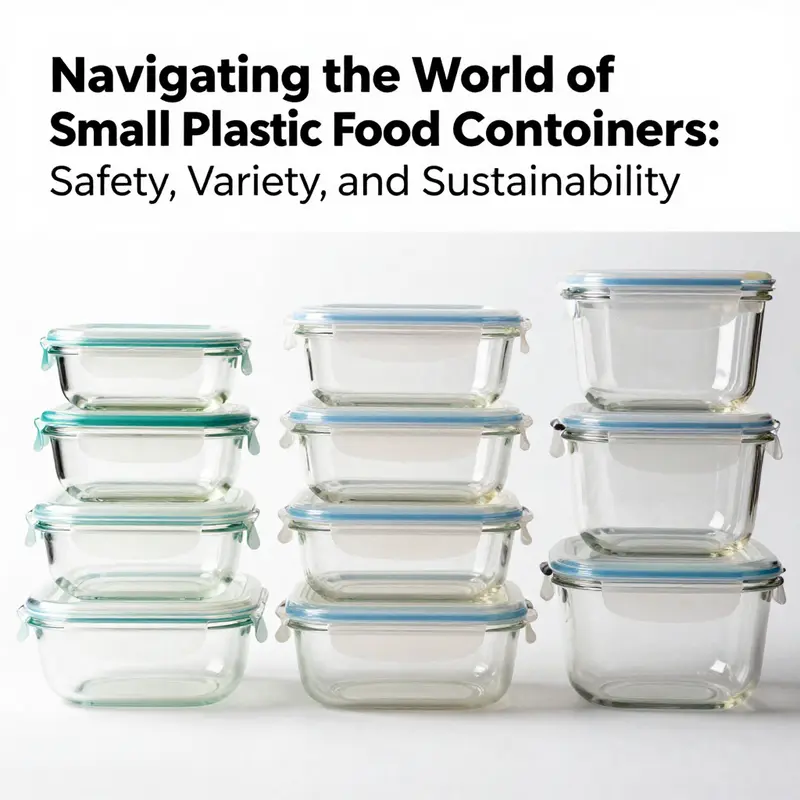
In the evolving landscape of food storage, the tiny containers that clip shut on takeout meals, lunches, and pantry staples have become a focal point for health, environment, and innovation. The sheer ubiquity of small plastic food containers—their lightness, affordability, and practicality—has made them indispensable in homes and commercial kitchens alike. Yet as scientific understanding deepens about how materials interact with heated food, and as policy and consumer expectations tilt toward safety and sustainability, the practical convenience of plastic storage sits beside a rising chorus of caution. Microplastics, leachates, and the specter of endocrine disruptors have moved from a distant research realm into consumer conversations. It is no longer sufficient to ask whether a container can hold a hot curry for a few minutes or a cold salad for a week. The questions now run deeper: How does the container behave when exposed to heat, how does it age with repeated use, and what are the implications for the wider ecosystem when its end of life arrives? Against this backdrop, a coherent narrative about alternatives emerges not as a rejection of plastic, but as an informed reimagining of how we store, transport, and prepare food in ways that honor health and planetary boundaries while preserving the practical benefits that have long defined the design of small containers.
The most visible and widely adopted substitutes fall into three broad families: glass, silicone, and bio-based or compostable materials. Each brings a distinct balance of safety, durability, and convenience, and each interacts with the cooking, heating, and storing practices that shape daily routines. Glass storage containers, for instance, offer a time-tested chemical inertness that many consumers find compelling. Unlike many plastics, glass does not degrade to release substances that can migrate into food, and its high-temperature resilience lends itself to a broad range of uses, from storing leftovers in the refrigerator to heating in compatible ovens or microwaves, provided lids and seals are chosen with heat tolerance in mind. The clarity of glass also makes it easy to identify contents at a glance, a small but meaningful user experience advantage in busy kitchens. Yet glass brings its own set of trade-offs: heavier weight, a greater risk of breakage in transit, and a need for careful handling when stacked or nested. These practical realities shape how households and businesses decide which tasks are best suited to glass versus other options.
A second major pillar in the alternatives column is silicone, a resilient polymer that can bend without breaking and perform across an impressive temperature spectrum. Silicone bags and trays offer the flexibility of pliable storage options without many of the rigidity concerns that accompany glass, while still enabling repeated use, washing, and, in many cases, freezer-to-oven versatility. For families who portion out meals or who freeze soups for later use, silicone’s seal integrity and flexiblity become advantages. The material’s heat tolerance often spans well beyond typical household needs, allowing users to seal foods for reheating in ovens or microwaves where compatible temperatures are assured. In practice, silicone can simplify the management of leftovers, snacks, and bulk ingredients, turning what might otherwise be waste into organized meal components. The trade-off is that silicone, while durable, is still a synthetic polymer that requires mindful disposal at the end of life, and its higher upfront cost can be a consideration for some households and institutions.
Beyond glass and silicone lies a family of bio-based or biodegradable options that align with broader sustainability goals. Molded pulp and cornstarch-based materials have gained attention as packaging alternatives rooted in plant fibers and compostable formulations. Molded pulp, widely sourced from sugarcane bagasse or bamboo pulp, is lauded for its cushioning properties and rapid biodegradability in appropriate composting streams. While molded pulp products are increasingly used in cushioning electronic packaging and certain food-contact applications, their role in everyday reusable storage is still maturing. Cornstarch-based disposable tableware and take-away containers offer a more transparent path to reduced plastic dependence for single-use needs, with accelerated degradation in natural or industrial composting environments. The challenge for these bio-based materials is aligning performance with consumer expectations: sealing, odor resistance, microwave safety, and long-term storage stability all become critical design considerations as manufacturers seek to mimic the convenience and reliability that plastics have historically provided.
In parallel with these material shifts, safety and regulatory frameworks have become a central part of the conversation. The search for safer storage starts with a careful reading of what the container is made from and how it is used. Standards and guidelines—such as national and international food-contact regulations—guide whether a material is acceptable for certain temperatures, how it should be labeled, and what testing regimes ensure consistent safety. Among practical tips for consumers, the emphasis remains on recognizing resin identification codes and heat ratings, and avoiding containers with strong odors, discoloration, or rough surfaces that may indicate degradation or poor manufacturing quality. The commonly discussed codes—such as a code that identifies a polymer and its general heat tolerance—help shoppers and kitchen operators make more informed choices. When heat is involved, particular attention is paid to preventing the utilization of materials whose performance degrades under high temperatures, and to removing lids during microwaving if the lids are made from materials not suited to heat resistance. The safety narrative thus couples material science with everyday ritual—washing, reheating, and repurposing—that together determine whether a given container remains a safe vehicle for food.
Alongside health considerations, environmental concerns loom large. Plastic containers have dominated the market for decades, underpinned by their low cost and mass production capabilities. Yet the environmental footprint of single-use plastics, coupled with current recycling inefficiencies, has pressed a broad rethinking of consumption patterns. In regions with high takeout volumes and busy urban lifestyles, the demand for dependable, recyclable, or compostable packaging remains strong, even as environmental standards tighten and consumer awareness grows. The numbers that describe market share and output—while contextually variable—convey a compelling story: plastics continue to supply the bulk of single-use containers, while policymakers, researchers, and industry push toward alternatives that can perform as well or better while delivering improved end-of-life outcomes. Even where end-of-life recycling rates are modest, pilots and programs illustrate the potential for systemic improvements. When scaled, these shifts hold promise for reducing leakage into ecosystems and for reimagining how materials flow through cities and households.
A crucial driver behind these transformations is the broader concept of the circular economy. The idea is not merely to substitute one material for another but to design products for reuse, repair, and recycling from the outset. Chemical recycling technologies, for instance, aim to close the loop by breaking down plastic waste into its constituent monomers for new material synthesis. Such approaches can help stabilize the supply of food-grade recycled plastics and reduce dependence on virgin feedstocks, especially in the higher-clarity and higher-heat-tolerance segments of the market. Simultaneously, smarter packaging paradigms—often described as active or intelligent packaging—seek to extend shelf life and reduce waste by controlling microenvironments inside containers or by providing real-time cues about product quality. A growing body of research points to packaging that can sense temperature fluctuations, regulate humidity, or facilitate antimicrobial activity, offering a practical pathway to safer storage and longer-lasting freshness without increasing waste.
Economic and research ecosystems are also charting a path toward breakthroughs in biodegradable materials. In late 2025, researchers in Australia reported progress in converting sugars from food waste into natural polymers, a development that could yield fully biodegradable packaging films capable of replacing traditional petroleum-based plastics. If scaled, such technologies could dramatically alter the packaging landscape, enabling materials that combine safety, performance, and end-of-life compatibility in new ways. The broader implication is not only a shift away from fossil-based plastics but a redefinition of how we think about waste as a resource, with potential implications for supply chains, design practices, and consumer behavior. While this science moves from the lab toward pilot programs and commercialization, it signals a future in which packaging may be designed with the entire lifecycle in mind—from sourcing and manufacturing to use and disposal.
Given these trajectories, the consumer and industrial decision matrix expands beyond cost and convenience. It now includes heat tolerance, chemical safety under repeated use, odor and stain resistance, durability during transport, and the capacity for safe, convenient cleaning. For many users, glass remains a trusted option for households that prioritize inertness and heat stability, especially when paired with lidded, air-tight designs that minimize exposure to air and moisture. Silicone offers a practical, reusable compromise for those who value flexibility and a broad operating temperature range, with the caveat that disposal considerations remain important at the end of life. Bio-based alternatives bring the aspirational promise of reduced fossil resource dependence, but their acceptance depends on performance parity and robust end-of-life pathways. In all cases, the overarching objective is to reframe daily storage choices as opportunities to safeguard health while advancing sustainable practices.
Looking ahead, design and policy communities will likely converge around a few guiding principles. First, compatibility with existing kitchens and workflows will matter. Containers that can replace single-use plastics without forcing a complete overhaul of cooking or reheating routines will be more readily adopted by households and food-service operators. Second, the end-of-life story will become as important as the use phase. Materials and products that can be reliably recycled or composted in real-world systems will win greater trust, while those with vague or restricted disposal routes will lose share over time. Third, consumer education will play a central role. Understanding how to use containers safely—regarding heat exposure, lid materials, and cleaning practices—will empower people to make wiser choices. Finally, the market will continue to evolve toward hybrid solutions that blend materials to balance safety, durability, and sustainability. A glass core may be combined with silicone seals, or a paper-based outer shell may shield a more stable inner lining, creating a practical compromise that honors both hygiene and circularity.
For those seeking concrete, real-world pathways to greener choices, there are practical options that align with the broader movement without sacrificing everyday usability. For readers exploring substitutes grounded in paper and forest-harvested fibers, consider this example of a disposable Kraft paper bowl take-out solution: disposable-700ml kraft paper bowl take-out octagonal-rectangle paper bowl. This represents a family of products designed to replace certain single-use plastics in take-out and fast-casual settings, offering a more renewable feedstock with a simpler end-of-life proposition when properly directed to appropriate streams. Such paper-based alternatives are not a panacea, but they illustrate how packaging ecosystems can diversify while maintaining function and user experience.
As the supply chain contemplates these shifts, the regulatory environment remains a vital frame. Compliance with national standards that govern food-contact materials helps ensure that materials marketed for food use meet baseline safety criteria. For instance, labeling that communicates resin type and heat ratings, and the avoidance of materials associated with high risk of chemical migration, are practical features that support consumer confidence. Consumers can further improve safety by avoiding containers that show signs of wear, avoiding high-heat use beyond rated temperatures, and ensuring lids are removed when microwaving if they are composed of materials less tolerant to heat. In combination, informed consumer behavior and thoughtful material design can foster a transition that reduces risk while enabling continued convenience in daily feeding practices.
The journey toward safer, more sustainable small plastic food containers is not a simple substitution; it is a reimagining of how materials are chosen, used, and returned to the system. It calls for a design ethos that anticipates how products age, how they interact with heat and liquids, and how their end of life is managed. It invites industries to experiment with hybrids, to test new feedstocks, and to align product performance with environmental goals. It invites policymakers to craft clear guidelines that incentivize safe, recyclable, or compostable solutions without compromising food safety. And it invites consumers to participate in a conversation about usage patterns, recycling opportunities, and the value of durable, reusable storage that reduces waste without sacrificing everyday convenience. The horizon is neither a single material nor a single technology; it is an integrated ecosystem where health, safety, and sustainability reinforce each other in the ordinary act of storing a meal. The challenge and opportunity lie in translating laboratory progress and regulatory clarity into everyday habits that make a tangible difference in people’s kitchens and in the places where takeout packaging ends its journey.
External resource for further exploration: Newsweek: Australian researchers turn food waste into natural plastic alternative
Final thoughts
The presence of small plastic food containers in the food service industry is undeniable, but it comes with its share of challenges. By understanding the different types of materials, their safety concerns, and the impact on the environment, businesses can make informed decisions about their packaging choices. The market’s demand for variety reflects changing consumer behaviors, while ongoing pressures for sustainability are paving the way for alternatives. In embracing new packaging solutions, food service providers not only enhance the consumer experience but also take significant steps toward a greener future.