
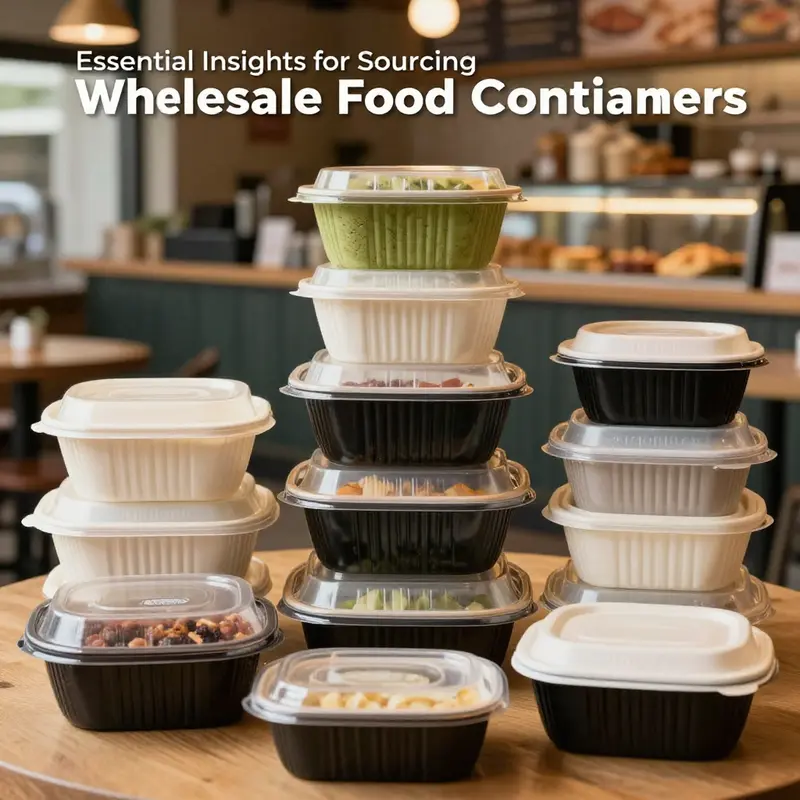
Food takeaway containers are essential for food service businesses such as bubble tea shops, restaurants, food trucks, catering services, and event planners. As the global market for these containers evolves, understanding how to navigate supplier options and choose materials suited to your needs becomes increasingly important. With China leading as a manufacturing hub, the opportunity for businesses to source high-quality, compliant takeaway containers is immense. This article will provide insights into the global market landscape, tips for evaluating suppliers, an overview of various material types and pricing, regulatory compliance expectations, and emerging sustainability trends. These insights will equip your business with the knowledge needed to make informed decisions, ensuring the durability and safety of your takeaway offerings.
Global Currents and Strategic Currents: Navigating the Wholesale Takeaway Container Market
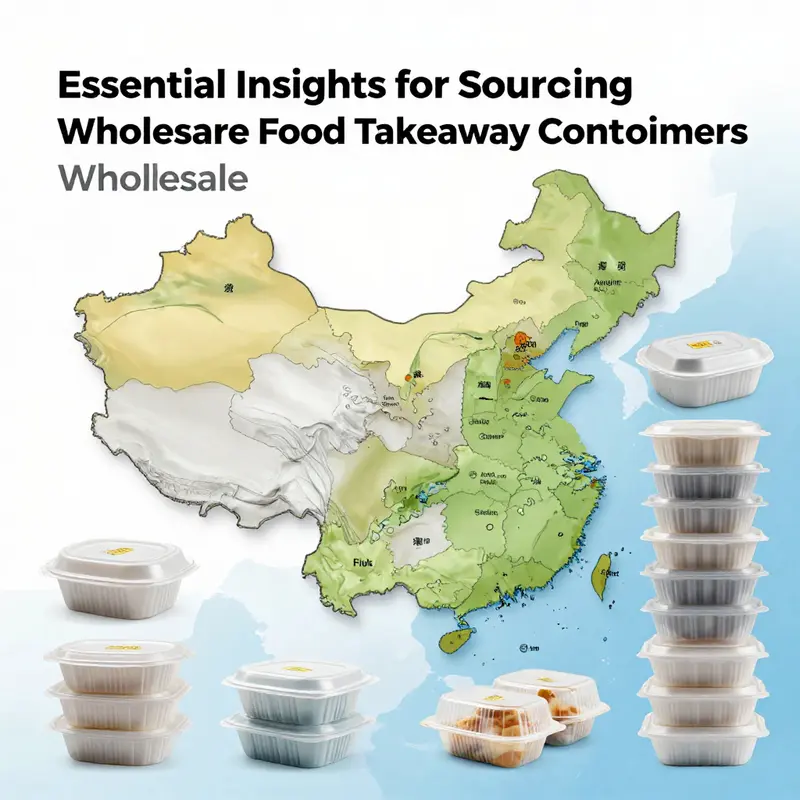
The wholesale market for food takeaway containers is a living map of convenience, regulation, and rapid change. As more meals transit from kitchen to doorstep, the infrastructure that holds those meals—packaging that protects, preserves, and presents—has grown into a robust, data-driven sector. Demand is driven not only by the expansion of fast-food and delivery platforms but also by a broader appetite for variety in packaging that balances cost, safety, and sustainability. In this environment, wholesale buyers must read the market with eyes trained on macro trends and the granular realities that shape day-to-day sourcing. First, the rise of convenient meals and home-delivery options has created a steady baseline demand that persists across seasons. Yet beneath that baseline, a complex mix of consumer preferences, culinary trends, and regulatory pressures molds which materials win in different regions and for different applications. The result is a market that rewards both scale and specificity: large-volume quantities for standard items, paired with adaptable design and flexible certification for specialty containers that align with evolving food safety standards and environmental commitments.
A central element of today’s wholesale landscape is the geographic distribution of manufacturing power. The global market remains heavily concentrated in a few high-capacity hubs, with China at the forefront. Within China, three provinces stand out for their production ecosystems and speed-to-market: Guangdong, Shandong, and Fujian. Guangdong, anchored by major metropolitan corridors near Shenzhen and Guangzhou, excels in high-volume production of plastic and compostable containers engineered for microwave use and cold-chain stability. The emphasis here is on speed, compatibility with fast-paced restaurant operations, and the ability to scale up quickly in response to surges in demand. Shandong leverages proximity to abundant polymer feedstocks and a reputation for cost-effective, reusable, and heat-resistant designs that support both takeout and in-house dining concepts. Fujian’s strength lies in kraft paper, PP/PET packaging, and a growing portfolio of ISO-certified facilities with the capacity to produce tens of millions of units monthly. This clustering creates an integrated supply chain that spans raw materials, mold engineering, injection molding, and export logistics. Buyers benefit from shorter lead times—often within 20 to 35 days after design approval—and a breadth of options across material types and customization levels. The scale and specialization of these clusters help explain why buyers around the world repeatedly turn to Chinese suppliers for wholesale takeout containers that need to perform under high-volume, high-stakes conditions.
Those who source wholesale containers increasingly adopt a rigorous framework for supplier evaluation that goes beyond price. A structured approach to risk management recognizes that cheap unit costs can be offset by hidden costs in quality lapses, late deliveries, or regulatory noncompliance. In practice, this means verifying material compliance and food safety credentials with a clear, auditable trail. Buyers should seek verifiable certifications such as ISO 22000 and HACCP, and be prepared to commission third-party testing when required by local regulations. The global framework for food-contact regulation—whether it is FDA standards in the United States, EU REACH guidelines, or China’s GB 4806 series—shapes what must be demonstrated during supplier qualification. The evidence of compliance cannot be an afterthought; it must be part of the procurement conversation from the earliest engineering discussions through the final approval of drawings and prototyping. As markets continue to evolve toward stricter safety and environmental performance, manufacturers increasingly publish transition plans that align with upcoming regulatory expectations, giving buyers a clearer path to long-term supply stability.
Material choices for takeaway containers reveal a spectrum of trade-offs between cost, performance, and sustainability. Plastic options, notably PP and PET, remain dominant for disposable lunch boxes and meal kits due to their lightweight, moisture-resistant properties and wide processing compatibility. They are offered in microwaveable variants and sometimes in oven-safe configurations, and their price points can be surprisingly accessible for large orders. Kraft paper represents the strongest growth leg for sustainability-minded brands, especially for salads, soups, and baked goods where compostable coatings and lids support end-of-life goals. Aluminum foil containers deliver excellent heat retention and are favored for certain high-temperature applications and longer service life in the context of households and catering. Glass, while heavier and more fragile, appeals to brands seeking premium, reusable storage with enduring sustainability credentials. The relative weight, breakage risk, and end-of-life pathway of glass must be weighed against its potential to elevate a brand’s perception among environmentally conscious consumers.
The market data underscores the scale and trajectory of these shifts. The global food container market was valued at approximately USD 245.5 billion in 2025 and is projected to reach USD 406.2 billion by 2034, growing at a CAGR of about 5.8 percent. A particularly fast-growing segment is paper takeout containers, with a projected CAGR near 8.9 percent from 2025 to 2031 and a momentum that could push the segment toward roughly USD 287 billion by 2031. Taken together, the broader takeaway packaging market is expanding from about USD 189.7 billion in 2025 to an estimated USD 258.7 billion by 2031, a CAGR of 5.31 percent. These figures reflect not only expanding delivery networks and consumer demand for convenience but also a deepening push toward sustainable packaging solutions, where paper-based materials, compostable coatings, and barrier technologies are advancing rapidly. The implications for wholesale buyers are clear: there is both opportunity and obligation to align procurement with material innovations, regulatory trends, and consumer expectations around environmental stewardship. External researchers consistently point to a market where the pace of change is as important as price competition, prompting buyers to favor suppliers who can demonstrate a track record of compliance, reliability, and continuous product improvement.
In practice, this means that wholesale customers should expect a spectrum of lead times and scale depending on the material and the level of customization. Basic plastic containers with standard dimensions and lids can be produced and shipped with astonishing efficiency, as reflected in the impressive capabilities of the main Chinese clusters. When orders require specialized features—such as certified microwave compatibility, compostable coatings, or customized branding—the production planning becomes more complex, and the collaboration with the supplier grows in strategic importance. The best-fit partners are those who can pair value engineering with regulatory readiness: they offer options for material substitutions or design modifications that maintain performance while reducing risk in cross-border shipments. This requires robust mold engineering, process controls, and traceability protocols that enable a seamless flow from concept to shipment. The advantage of working with suppliers embedded in integrated ecosystems is the ability to compress lead times without compromising certification and quality.
For buyers who are prioritizing sustainability, the market presents a mosaic of opportunities and challenges. The shift toward paper-based and compostable packaging is not merely a trend but a structural response to regulatory pressure and consumer demand for greener choices. This intensifies the need for rigorous life-cycle thinking, including end-of-life considerations and recyclability metrics. Suppliers that can demonstrate credible environmental claims—supported by third-party certifications and tested performance data—will command greater market trust. Yet the diversity of regional standards means that a one-size-fits-all solution rarely suffices. Buyers must balance global supply capabilities with local regulatory requirements, ensuring that each container class—whether plastic, kraft, aluminum, or glass—meets the jurisdictions where it will be sold. In this regard, the capacity to provide transparent material declarations, manufacturing traceability, and third-party test results becomes a differentiator that can reduce post-purchase risk and shorten the cycle from product approval to market launch.
The integration of design, compliance, and supply-chain operations is where the wholesale market truly shines. A single supplier able to harmonize design flexibility with a broad product library can deliver a competitive edge. For instance, Fujian’s emphasis on kraft paper and PET/PP packaging in ISO-certified facilities is not just about volume; it is about predictable quality and a documented path to scale. Guangdong’s specialization in microwave-ready plastic and compostable alternatives provides a bridge between cost efficiency and consumer convenience. Shandong’s proximity to polymer feeds supports durability and reusability for more demanding use cases. Together, these clusters enable a kind of modular manufacturing ecosystem: a buyer can select a base design, adapt it for regional preferences and regulatory constraints, and then scale production to meet seasonal surges while maintaining a rigorous safety and environmental standard.
A practical takeaway for wholesalers and their clients is that the market rewards partners who can deliver not only product but also process. The most reliable suppliers will offer a documented track record of on-time delivery, consistent quality, and transparent compliance data. They will provide clear urns of material composition, supplier quality manuals, and a roadmap for future updates tied to regulatory changes. In addition, the ability to customize—size, color, lid type, branding, and packaging materials—without sacrificing traceability or safety will remain a critical differentiator as the market moves toward more ecologically sensitive and consumer-friendly solutions. To illustrate how these dynamics translate into tangible options, consider the kraft-based segment that has become a focal point for many international buyers seeking to reconcile performance with sustainability. For designers and procurement teams exploring kraft packaging options, a practical reference is disposable-700ml-kraft-paper-bowl-take-out-octagonal-rectangle-paper-bowl.
As the market continues to mature, buyers should stay vigilant about the evolving regulatory landscape and the emergence of new materials that deliver improved barrier properties, heat resistance, and end-of-life performance. The strongest wholesale partnerships will be those that couple strategic sourcing with forward-looking compliance programs, enabling brands to optimize total cost of ownership while upholding safety and sustainability commitments. This means not only negotiating favorable prices but also validating supplier capabilities, maintaining rigorous auditing processes, and ensuring that every shipment carries verifiable documentation. The future of wholesale food takeaway containers lies in the seamless fusion of scale, technical sophistication, and responsible stewardship, a convergence that will determine which suppliers become long-term partners for foodservice operators around the world.
External reference: https://www.greencore.com/press-releases/global-food-container-market-size-share-trends-analysis-report-by-product-type-2025-2034/
Choosing Reliable Suppliers for Wholesale Food Takeaway Containers: A Practical Guide to Compliance, Capacity, and Consistency
Selecting a reliable supplier for wholesale food takeaway containers is less a single decision and more a discipline of due diligence. In a market where manufacturing clusters can deliver rapid turnaround and scale, the real differentiator is the supplier’s capacity to meet regulatory standards, maintain consistent quality, and support your evolving needs over time. The global landscape remains heavily centered on China, with Guangdong, Shandong, and Fujian driving specialized capabilities. Guangdong’s ecosystem emphasizes high-volume plastic and compostable options engineered for microwave use and cold-chain stability. Fujian concentrates on food-safe kraft paper and PP/PET packaging, often produced in ISO-certified facilities that report monthly outputs surpassing tens of millions of units. Shandong’s proximity to polymer feedstocks supports cost-effective, reusable, and heat-resistant designs. Taken together, these clusters enable integrated supply ecosystems that touch every stage of the value chain—from raw-material sourcing and mold engineering to injection molding and export logistics. For buyers, this translates into the potential for fast, scalable fulfillment, but only when the supplier relationship is built on trust, transparency, and a rigorous compliance framework.
In practice, diligence begins with a clear map of regulatory expectations. Food-contact materials must comply with jurisdiction-specific rules. In the United States, the Food and Drug Administration sets standards for plastics intended to contact food, aiming to minimize health risks through well-defined formulations and testing requirements. In Europe, REACH guidelines govern chemical safety, while in China, GB 4806 series establish the baseline for food-contact packaging. Suppliers should provide verifiable certifications that demonstrate adherence to these requirements—ISO 22000 for food safety management, HACCP plans for systematic preventive controls, and third-party test results when requested. Verification should be possible directly on the supplier’s site or through established certification databases. This due diligence matters not only for regulatory compliance but for brand protection, consumer trust, and the avoidance of costly recalls or reputational damage.
Beyond certifications, the geographic and manufacturing profile of a supplier matters as much as the certificates themselves. China remains the epicenter for plastic takeaway containers, offering a breadth of options that cover plastic PP/PET, kraft paper, aluminum foil, and even reusable glass variants. Yet the breadth of options also introduces risk: not all facilities exercise the same rigor in quality control, material sourcing, or sustainability commitments. A disciplined approach uses a structured supplier evaluation framework that combines documentary evidence with practical assessment. Platforms such as Alibaba or Global Sources can help surface suppliers with documented track records, including production processes, material sourcing statements, and environmental policies. A robust vetting process should also demand evidence of traceability—from resin or pulp suppliers through to finished containers—and a willingness to undergo third-party audits or testing when necessary. The goal is to build a profile of a partner that can bridge your current order volumes with future growth while maintaining consistent performance.
As you wade into the specifics of material and format, it helps to understand the typical material families that dominate the wholesale market. Plastic (PP or PET) remains the workhorse for disposable lunch boxes and meal kits. These containers are often offered in microwaveable and oven-safe variants, and the economics are attractive at high MOQs. Kraft paper represents the growing preference for sustainable packaging, including items like soups, salads, and baked goods, with coatings and lids designed to optimize moisture control and shelf appeal. Aluminum foil options bring durability and heat retention to the table for certain takeout configurations. Glass, while heavier and more fragile, is increasingly considered for reusable storage and premium branding propositions due to its long lifecycle and perceived sustainability. The key is to match container type to food application, transport conditions, and the customer experience you want to deliver. Modern buyers increasingly seek packaging that supports brand narratives around recyclability or compostability, while also delivering practical performance in a busy takeout environment.
Pricing and lead times are the practical metrics that translate capability into day-to-day viability. In general, plastic containers can start at remarkably low unit prices when manufactured at scale, with MOQs that can begin around ten thousand pieces for basic configurations. Kraft paper options often require higher MOQs, reflecting more complex coatings, printing, and lids, sometimes starting around fifty thousand units. Aluminum foil offerings tend to hover in mid-range price points, with decent heat retention and a familiar consumer experience. While cost can be a strong driver, it should not eclipse the broader value proposition: regulatory compliance, durability under typical transport conditions, and the ease of scale. A supplier that can provide detailed certifications, material data sheets, and evidence of sustainable practices alongside competitive pricing is more likely to sustain a reliable supply chain under pressure, whether due to demand spikes, port constraints, or raw-material volatility.
A practical, action-oriented vetting sequence helps convert these insights into a dependable supplier relationship. Begin with a documented request for information that covers production capacity, MOQs, lead times, and the ability to customize sizes, colors, and lids. Demand traceable material sourcing and a clear statement of environmental policies. Request copies of current certifications (ISO 22000, HACCP, and relevant food-safety attestations) and be explicit about whether third-party testing can be performed or is already completed. A sample program is invaluable. Ask for representative test lots to assess fit, seal quality, splash resistance, and how well the container performs under typical microwave or oven conditions. The sample experience serves as a practical preview of what the bulk order will feel like once in your facility or in your customers’ hands.
Operational scalability should also be part of the evaluation. A trustworthy supplier can demonstrate the ability to handle bulk orders efficiently, with transparent communication channels, clear lead-time expectations, and flexible ordering options. Ask about the supplier’s production calendar, contingency plans for disruptions, and their capability to scale output without sacrificing quality. A site visit remains one of the strongest validation methods; if travel isn’t feasible, a combination of factory audit reports and high-quality video tours can substitute. The goal is to verify that manufacturing practices align with stated certifications, that material sourcing is documented, and that the facility operates with predictable batch-to-batch consistency. These assurances create a foundation for long-term partnerships that support your brand’s reliability and ability to meet customer expectations across markets.
Incorporating the human element of supplier selection is also essential. Communication reliability—how promptly a supplier responds, how clearly they articulate technical details, and how proactively they monitor and share potential risks—often differentiates the repeatable performers from the occasional responders. A robust supplier relationship hinges on ongoing collaboration: sharing performance feedback from customers, coordinating on packaging innovations, and aligning on sustainability targets. For brands that want to differentiate themselves through packaging, the capacity to customize is a valuable asset, as is the supplier’s willingness to adapt to evolving regulatory regimes and shifting consumer preferences.
For those exploring customization as a strategic lever, the option to imprint branding or to tailor packaging specifications can have meaningful downstream effects on brand perception and retail performance. A practical example of this is the potential to deploy branded elements on kraft paper bowls, salad cups, or takeaway containers in a way that preserves performance while enhancing on-shelf appeal. The choice of supplier should factor in the feasibility and reliability of such customization programs. A credible partner will present a menu of customization options, provide clear cost implications, and confirm the impact of branding on lead times and minimum orders. For readers seeking examples of customizable packaging that aligns with sustainable goals, a representative solution can be surfaced through a dedicated product page that offers branded kraft paper options and airtight lid configurations. custom-logo kraft paper cup with lid
Ultimately, the decision to work with a particular wholesale container supplier should rest on a composite view: regulatory compliance, manufacturing capability, material integrity, and a service-forward relationship that can absorb shocks and support growth. The strongest partnerships emerge when buyers combine documentary diligence with practical testing and a collaborative mindset. They understand that certifications are a foundation, not a finish line, and that enduring supplier performance rests on a shared commitment to safety, quality, and responsible packaging choices. The best suppliers will not merely offer a price per unit but will present a transparent, end-to-end narrative of how your packaging is produced, tested, and delivered—every step aligned with your business goals and your customers’ expectations.
For further reference on supplier vetting and market dynamics, trade platforms with verified supplier profiles can be a valuable starting point. A well-managed supplier database will feature detailed product specifications, test results, and documented quality control processes. It is important to leverage these resources to validate claims and to ensure alignment with your risk-management framework. Additionally, staying informed about regional production capabilities can help you anticipate lead times and adapt procurement strategies to market conditions. The global wholesale takeaway container ecosystem rewards diligence, clarity, and the ability to translate technical specifications into reliable everyday performance. In this sense, a thoughtful supplier evaluation becomes a strategic capability that underpins brand integrity and customer satisfaction across markets.
External resource: https://www.alibaba.com
From Material to Margin: Navigating Material Types and Pricing in Wholesale Food Takeaway Containers
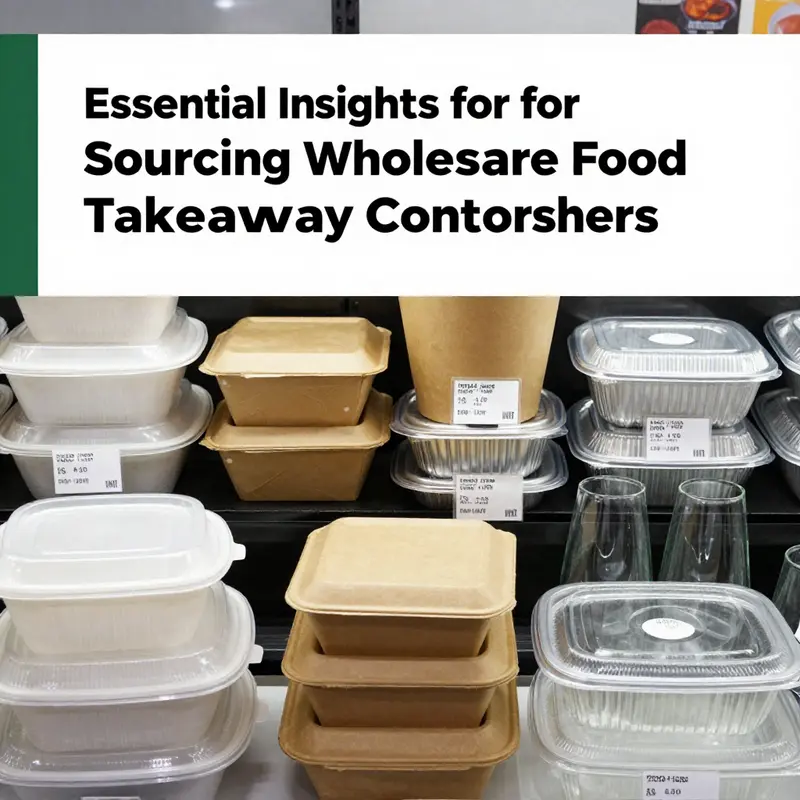
The wholesale market for food takeaway containers is shaped by value as much as raw materials. Buyers seek containers that perform under cold and hot conditions, while suppliers balance cost, supply reliability, and regulatory compliance. Material choice becomes a strategic decision; plastic, paperboard, and biodegradable options each bring a distinct mix of performance, sustainability, and price, and the winner for a given order is rarely the one with the lowest sticker price alone.
In this ecosystem, the total cost of ownership matters beyond per-unit price: durability, leakage resistance, and efficiency of packing and distribution influence overall profitability.
Plastic containers, including PET, PP, and CPET, are lightweight and versatile, performing well for cold and room-temperature dishes. CPET is valued for ovenable and microwave-safe properties, enabling cross-channel service, but heat resistance and compatibility vary by grade and must be matched to the menu. Pricing in wholesale ranges from a few cents to over fifty cents per unit, depending on thickness, rigidity, sealing capabilities, and whether the design supports microwave or oven use. In bulk, MOQs and supplier relationships begin to influence price as much as volume.
Paperboard and recycled options appeal to sustainability goals; kraft paper and recycled paperboard can be compostable or recyclable but may sacrifice moisture resistance or rigidity without coatings.
Biodegradable materials like bagasse, bamboo, and PLA provide end-of-life advantages but command higher price points, reflecting processing and certification costs. MOQs for biodegradables can be higher and more variable, and lead times may extend as supply chains juggle specialist fibers and testing.
Aluminum foil containers offer good heat retention for hot meals in some segments and can be cost-competitive at scale, while glass packaging is heavier and often reserved for premium, reuse-driven models. Each material type carries a set of trade-offs in durability, branding, and lifecycle cost, and buyers should weigh not just per-unit price but total cost of ownership, including packaging performance, leakage prevention, and the supplier ecosystem.
A structured evaluation should verify food-contact compliance (FDA, REACH, GB standards as applicable), and require certifications like ISO 22000 or HACCP. Reliability of supply, quality consistency, and scalable production drive risk management alongside price. MOQs, lead times, and customization options—such as branding and lid types—can swing the economics and timing of a project.
The practical takeaway is that the best choice depends on menu mix, delivery format, and brand strategy: flexible packaging that can balance cost, performance, and sustainability tends to win in the wholesale arena. This chapter invites readers to consider how material economics intersect with design, branding, and process efficiency as they navigate supplier ecosystems and optimize packaging for volume, speed, and guest experience.
Regulatory Compliance as the Gatekeeper of Wholesale Food Takeaway Containers
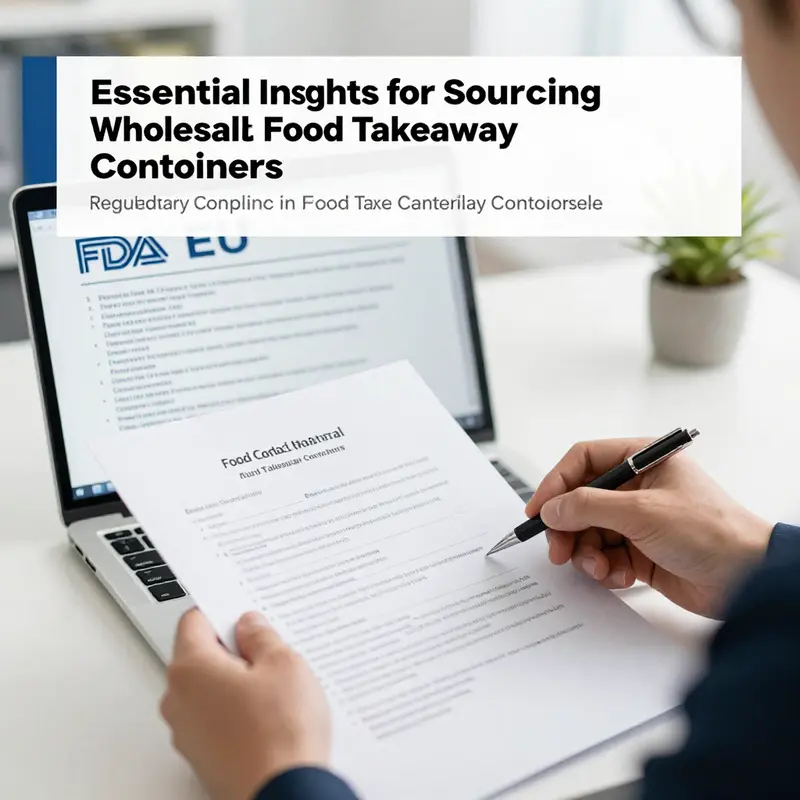
Regulatory compliance is not an afterthought in the wholesale food takeaway container market; it is the gatekeeper that determines market access, brand credibility, and long-term viability for manufacturers and buyers alike. As the global landscape for takeout packaging grows more complex, with rapid shifts in material preferences, sustainability expectations, and cross-border shipping requirements, a disciplined, evidence-based approach to compliance becomes the single most important competitive differentiator. In many respects, the market is defined not only by price and lead times but by the confidence that every container entering a kitchen or a consumer’s hands has met stringent safety standards, migration limits, and waste-handling criteria. The interplay between national laws, regional regulations, and international standards creates a layered ecosystem in which wholesale buyers must navigate risk with a structured due diligence process that is both robust and adaptable.
At the heart of material safety are the substrates that come into contact with food. In practice, food contact plastics are expected to use materials certified for safety under governing regimes. For disposable or reusable containers designed for meals, soups, or sauces, the baseline is typically a food-grade polymer such as polypropylene or polyethylene in many jurisdictions; these materials undergo migration testing to ensure that under normal use—storage at ambient temperature, brief microwaving, or conventional washing cycles—no harmful substances migrate into food at levels that could compromise health. Carriers of goods, regulators, and end users increasingly demand traceability to raw material certifications, with test reports available upon request to prove that the resin meets defined safety criteria. In higher-end segments where visual clarity and strength are prized, crystalline PET or PET variants may be used. Even so, these materials still require thorough testing against food safety standards and must pass regulatory scrutiny before they can be marketed for food contact applications. The emphasis is on clear evidence: material composition, purity certificates, batch-level traceability, and documented compliance history.
Beyond material safety, performance under real-world conditions matters just as much. Containers intended for hot foods or liquids must withstand elevated temperatures without warping, leaking, or releasing substances that could migrate into food during handling or microwaving. The ability to survive microwave exposure without structural compromise is a frequently tested attribute, as is oven resilience for certain single-use or multi-use designs. For liquid-rich products such as soups and sauces, leak resistance tests are critical. Often, pressure tests simulate the mechanical stresses of transport and stacking; the objective is to ensure that lids and closures maintain a reliable seal even when subjected to tilt, vibration, or compression. The consumer experience hinges on these outcomes—no spills, no softening lids, and no unexpected changes in food quality caused by packaging interactions. In the supply chain, the responsibility for ensuring this performance falls on both the supplier and the buyer. Vendors must provide verifiable data demonstrating consistent performance across production batches, while buyers should verify that test methodologies are aligned with recognized standards and that test results are available for audit.
Environmental compliance has moved from optional add-on to core requirement in many markets. Governments and regions are tightening rules on plastic usage, encouraging recycling, and promoting materials that are easier to recover at end of life. For wholesale buyers, this means looking for packaging that carries recognizable recycling identifiers and aligns with the local waste management ecosystem where the product will be distributed and consumed. The presence of recyclable symbols or marks is helpful, but the real value comes from a documented recycling pathway or compatibility with established recycling infrastructure. In some cases, glass or certain metal options, though more expensive and heavier, offer advantages in terms of reuse, durability, and end-of-life recyclability. A successful compliance strategy thus integrates design choices with waste-management realities, enabling brands to project true circularity rather than pursuing surface-level green claims.
To operate effectively across borders, buyers must map regulatory frameworks across jurisdictions. In the United States, compliance with food contact regulations often centers on demonstrating that packaging materials conform to food safety expectations and do not release prohibited substances. The European Union emphasizes risk assessment for substances in contact with food under REACH and related regulations, with an emphasis on substance migration and overall safety. In many Asian markets, including major manufacturing hubs, national standards may reflect the broader pattern of ensuring safe materials, clean production practices, and clear labeling. This multi-jurisdictional picture means that suppliers who can present a cohesive, auditable package of certifications—covering material safety, hygiene, and environmental compliance—are the ones most capable of sustaining long-term wholesale relationships. Certifications such as ISO 22000 for food safety management systems and HACCP-based controls are not mere formalities; they signal a consistent, risk-based approach to how packaging is produced, tested, and monitored over time.
The path from raw material to finished container must also be auditable in a way that supports supply-chain resilience. Traceability is more than a badge of compliance; it is a practical system that allows buyers to trace a product back to its source, verify batch integrity, and respond rapidly to any quality incidents. A well-structured quality management framework, embedded in a supplier’s operations, reduces the risk of quality drift across large production runs. When a batch is pulled for investigation, the ability to identify exactly which raw material lot, which mold set, and which processing condition contributed to the issue shortens corrective actions and protects brand reputation. This is why buyers increasingly favor suppliers with transparent quality records, routine third-party testing, and a demonstrated commitment to continuous improvement.
The design of containers themselves can influence compliance outcomes. For example, the selection of materials and coatings affects not only safety but also storage and reuse performance. Coatings used to provide barrier properties or prevent staining must be assessed for migration and compatibility with hot foods. Similarly, labeling and lids play a crucial role in safety and usability. If a lid is designed to withstand high temperatures or to maintain a leak-tight seal under varying pressure, the associated regulatory expectations may extend to labeling requirements about heat resistance, safe handling, and care instructions. While branding and customization are important for differentiation, they should not compromise safety or compliance. In practice, buyers should evaluate whether any customization additions—logos, color codes, or branding elements—are compatible with regulatory statements and do not obscure critical safety information.
To close the loop on due diligence, consider the broader ecosystem in which wholesale containers operate. A robust supplier scorecard can integrate several strands of compliance data: material certifications and migration data, evidence of third-party testing, production controls, and evidence of environmental labeling. The most reliable suppliers are not only able to present certificates but can also support audits, provide batch-level traceability, and align with the end users’ disposal streams. The result is a supply chain that can adapt to changing regulatory demands, market expectations, and consumer preferences without sacrificing efficiency or quality. In a market where margins depend on scale and reliability, compliance excellence becomes a strategic asset rather than a compliance overhead.
For readers seeking a practical reference point, consider the value of linking to an internal resource that demonstrates how packaging customization can align with compliance obligations. For instance, one example of a customizable, compliant packaging option is described in resources that detail take-away paper cup designs with branding capabilities while maintaining safety and regulatory alignment. This internal resource illustrates how labeling, branding, and functional design can coexist with regulatory requirements and environmental considerations. See the linked example here: disposable takeaway paper cup with logo.
The compliance story would be incomplete without acknowledging the authoritative references that underpin current practice. In many markets, the China Food Safety Law provides the regulatory backbone for materials used in contact with food, and the official guidance issued by health authorities outlines the expectations for safety testing, documentation, and enforcement. For professionals navigating wholesale procurement, a direct review of these standards helps translate regulatory language into actionable supplier requirements and test regimes. External readers can consult the primary reference for up-to-date regulatory expectations: https://www.nhc.gov.cn/wjw/yzyg/202309/b4d8c7e1a5b04e6eb9a5d9f7e0f4c71c.shtml.
In summary, regulatory compliance in wholesale food takeaway containers is a dynamic, multi-layered discipline. It requires a clear understanding of material safety fundamentals, rigorous performance testing for heat and leak resistance, a forward-looking eye on environmental obligations, and a disciplined approach to supplier governance and traceability. Buyers who embed these principles into supplier selection, quality assurance, and design decisions increase their resilience, protect consumer health, and fortify brand integrity across diverse markets. In the long run, compliance is not just about meeting minimum standards; it is about building packaging systems that travelers in value chains can rely on, from factory floor to consumer table, with confidence and clarity.
From Disposable to Durable: Navigating Sustainability Trends in Wholesale Takeaway Containers
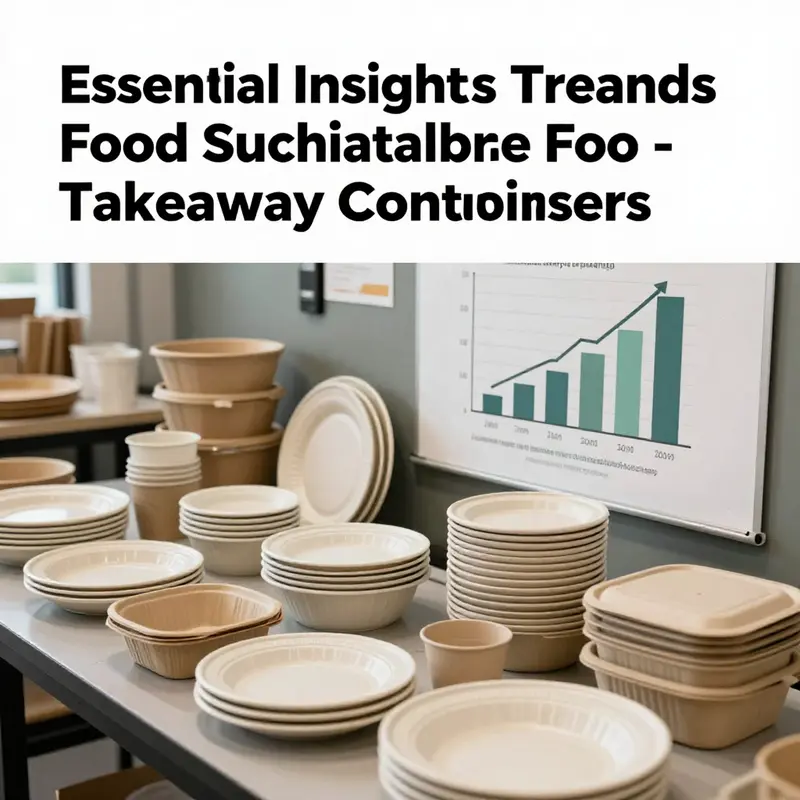
Sustainability has moved from a niche concern to a strategic priority for product development, supplier selection, and pricing in the wholesale takeaway container market. Buyers and manufacturers increasingly evaluate packaging through a lifecycle lens—from resource extraction and production to transport, use, and end-of-life disposal—balancing performance, cost, and brand promises. The shift away from single-use plastics is a broad transformation across materials, processes, and consumer expectations. The rise of bamboo, bagasse, and reusable polymer options, together with improvements in recyclability and compostability, signals a reconfiguration of what is considered responsible, scalable takeaway packaging.\n\nThe most visible change is the gradual decline of conventional single-use plastics. This change is not only about banning materials but aligning material properties with real-world use while reducing environmental burden. Bamboo emerges as a rapidly renewable resource offering a lightweight yet sturdy option for certain container formats. Bagasse, derived from sugarcane pulp, is notable for its biodegradability and compostability, especially in food-contact applications where moisture management and strength are critical. These materials appeal to brands seeking a tangible sustainability signal while maintaining performance parity with traditional disposables. At the same time, the market supports reusable variants and more efficient plastics recycling. Reusable polypropylene, for instance, is designed for multiple uses, enabling a lower per-use footprint when cleaning and return cycles are robust. The result is a diversified material palette that lets buyers choose based on function, lifecycle impact, and total cost of ownership rather than a single price-per-unit metric.\n\nThe environmental benefits of this diversification are multifold. Bagasse packaging reduces waste by using a by-product of another industry, turning a disposal challenge into a value-added material. Its compostability aligns with organics-focused municipal waste-management systems, where facilities exist. Bamboo generally offers favorable environmental attributes due to rapid regrowth and lower water use compared with some traditional fiber-based options, though not universally compostable in all jurisdictions. For durable, reusable systems, emphasis on long service life and cleanability translates into design features like airtight seals, secure lids, and reliable thermal performance, extending usable life and reducing replacement frequency. Across options, manufacturers increasingly embed recyclability and end-of-life guidance into labeling so operators can decide based on local infrastructure and consumer expectations.\n\nFrom a market perspective, these trends intersect with the realities of global manufacturing. The wholesale takeaway container market has a strong manufacturing backbone in regions such as China, with Guangdong, Shandong, and Fujian providing integrated capabilities—from mold engineering to efficient export logistics. This proximity supports rapid turnaround and material experimentation. For buyers, the implications are twofold: access to a broad range of sustainable materials and formats, and a need for rigorous supplier evaluation beyond price, including certifications and compliance with food-contact regulations. Materials like bagasse and bamboo require facilities that meet standards such as ISO 22000 or HACCP and can provide verifiable data on migration, allergen control, and end-of-life disposal. The best partners demonstrate a strong track record in food safety and a transparent, auditable supply chain from factory to end user.\n\nDesign philosophy is a critical axis of sustainability. Successful containers balance ecological attributes with practical performance—airtight seals, heat retention, and moisture management remain essential for hot meals and soups. The emphasis now includes clear labeling about compostability or recyclability and guidance for consumer-level segregation. In some cases, designers optimize for multiple end-of-life pathways, offering options that are compostable where facilities exist and recyclable where recycling streams are well established. This flexibility helps operators meet customer expectations without sacrificing operational efficiency. The trend toward customization—branding, sizes, and lid configurations—also aligns with sustainability goals. When packaging is designed with an added life in mind, it reduces waste from mismatched lids, overpackaging, or premature disposal. Many manufacturers now offer a spectrum of sustainable formats, from kraft paper-based bowls and clamshells to recyclable plastic variants and reusable containers that perform across a full day of service.\n\nConsumer preferences continue to shape the wholesale dynamic. There is growing demand for materials that convey safety and responsibility. Despite advances in recyclable plastics and improvements in mechanical recycling, many consumers still gravitate toward glass or metal where feasible, valuing durability and a longer-term reuse narrative. However, glass and metal bring heavier weight, higher transport costs, and sometimes stricter handling requirements. The result is a nuanced consumer calculus in which convenience, brand values, and environmental impact must be balanced. Brands increasingly present packaging choices that align with different consumer segments, menus, and service formats, enabling flexible packaging strategies that mix sustainable options with speed, cost control, and customer experience.\n\nEconomic considerations are inseparable from environmental ones. The higher initial cost of some sustainable materials can be offset by lifecycle savings: reduced waste handling fees in certain jurisdictions, lighter packaging that reduces transport emissions, and stronger brand loyalty from responsible practices. Regulatory landscapes tightening around single-use plastics also shape the economics, with ongoing governance including third-party testing, supply-chain transparency, and traceability from source to store. Buyers should partner with suppliers who provide robust documentation—certifications, migration data, and end-of-life guidance—to differentiate strategically and offset some cost premium.\n\nThe literature and market signals point to a future where sustainability is embedded in core business models rather than treated as a peripheral upgrade. The wholesale sector is likely to see modularization of packaging lines, with processors offering end-to-end solutions that combine sustainable materials with efficient production techniques and reliable logistics. Such integrated offerings can shorten lead times, improve consistency, and reduce supply-disruption risk. Buyers should prioritize suppliers that demonstrate a credible commitment to sustainability across material stewardship, manufacturing responsibility, and end-of-life clarity. Material stewardship means access to eco-friendly formats and data to compare footprints; manufacturing responsibility means clean production practices, traceable sourcing, and safety compliance; end-of-life clarity means labeling, recycling, and composting guidance aligned with local waste ecosystems.\n\nFor practitioners seeking practical guidance, the emphasis is on design-for-end-of-life planning and clear supplier criteria that reflect compliance and performance. Buyers should request third-party test results and certifications before committing to large orders, and consider the broader ecosystem, such as compatible lids, dividers, and inserts that extend container usefulness without creating waste. In many cases, a staged adoption—piloting a sustainable option in a limited category, measuring impact on waste streams and customer acceptance, and scaling once benefits are demonstrated—reduces capital risk while building a data-backed case for broader transformation. It also enables education and engagement with customers, who increasingly value transparency about where packaging comes from, how it is produced, and how it is recycled.\n\nAs this chapter weaves together material science, design, consumer psychology, and supply-chain realities, sustainability in wholesale takeaway containers emerges as a strategic posture rather than a single initiative. It requires collaboration among raw-material suppliers, mold and tooling engineers, container manufacturers, and foodservice operators. The most resilient buyers treat sustainability as a competitive differentiator, not just a compliance checkbox. In the long run, the market will reward packaging that reduces waste, preserves food quality, and aligns with evolving regulatory expectations while delivering cost efficiency and branding value. The path forward is iterative, shaped by regional infrastructure, consumer sentiment, and ongoing innovation. For operators seeking a concrete starting point, exploring kraft-based formats and other compostable options offers a practical entry point, while maintaining reliability and speed demanded by busy service environments. External resources can broaden perspectives and validate trends discussed here.
Final thoughts
Understanding the wholesale food takeaway container market helps food service businesses make informed choices that enhance their operation’s reliability and sustainability. By prioritizing supplier evaluation, recognizing diverse material options, adhering to crucial regulatory standards, and embracing sustainability trends, businesses can significantly improve their offerings. Sourcing the right containers not only aligns with customer expectations but also supports overarching sustainability goals. Engaging with trusted suppliers in this evolving market can elevate service quality while maintaining operational efficacy.