
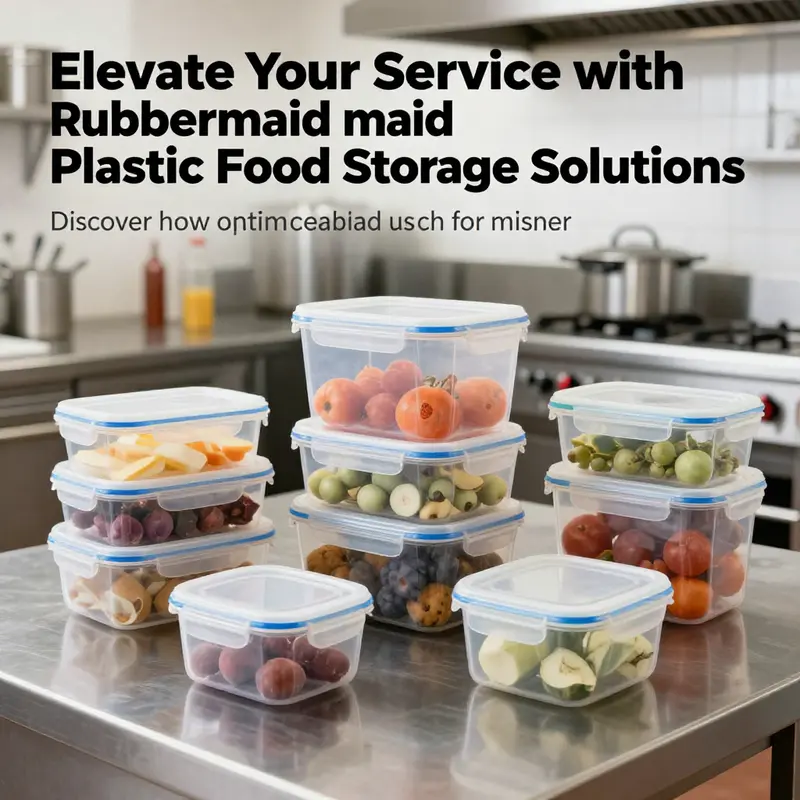
Rubbermaid plastic food storage containers have gained acclaim for their quality, durability, and effectiveness in food preservation. This article delves into their significance for bubble tea shops, beverage chains, restaurants, and catering services, exploring the diverse offerings such as the Brilliance series and Cleverstore series. Each chapter will dive deeper into their features, comparative advantages, and real user experiences, ultimately showcasing how these storage solutions can enhance operational efficiency and service quality in the food industry.
Quiet Architects of a Pristine Kitchen: How Airtight Plastic Storage Containers Redefine Everyday Organization
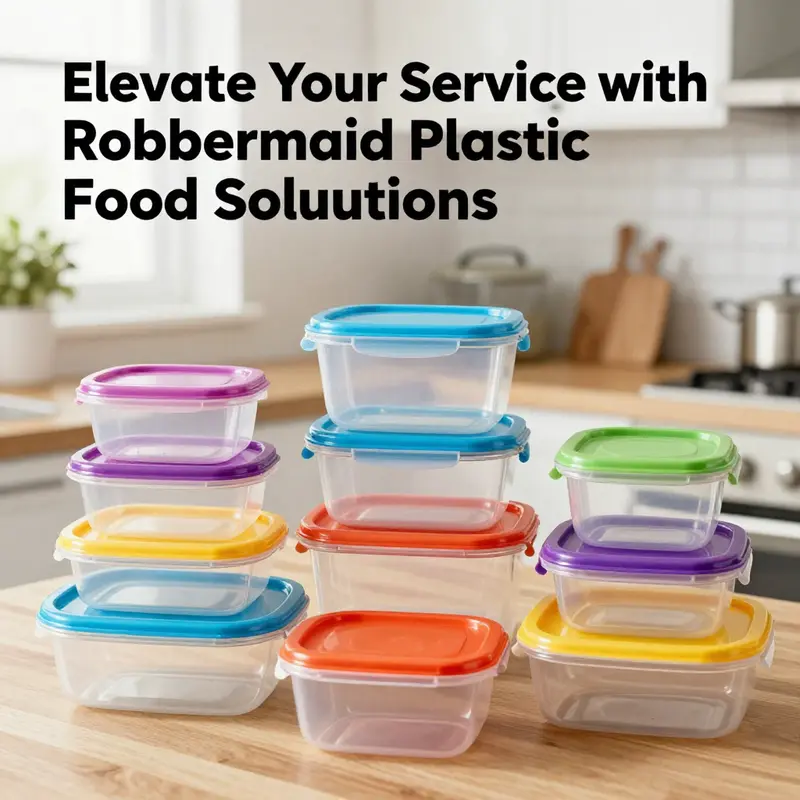
In the steady choreography of a well used kitchen, a set of airtight plastic containers quietly performs its essential work. They store yesterday’s sauces, tomorrow’s lunches, and the staples that keep a pantry organized. The most successful designs balance three core qualities: a reliable seal, resilient materials, and space efficient geometry. When shelves are crowded, clear walls and uniform shapes transform the cabinet into a predictable system rather than a jumble of mismatched vessels.
The lid matters as much as the base. A tight seal prevents leaks and preserves flavors, while durable walls resist staining and warping after many cycles of dishwasher, freezer, and microwave use. Good containers feel sturdy in the hand and confident in travel, whether tucked into a tote for a commuter lunch or stacked in a crowded fridge. Clarity is not mere style but a practical aid that helps you see what you have, plan meals with fewer trips to the store, and reduce waste by using ingredients before they spoil.
Size variety is essential. A set that covers from single servings to family portions supports a wide range of tasks, from fruit snacks for kids to bulk batches of soup. Rectangular shapes often maximize fridge real estate and nest neatly, while round containers excel for round desserts or sauces. The bags of time are shortened when lids snap on with a reassuring click and release with minimal fuss. A well integrated system connects base and lid so that returning them to their place becomes a simple, almost automatic habit.
Maintenance is part of the design brief. Most modern plastics tolerate heat and cold but benefit from careful use: avoid overfilling, remove lids before microwaving, and inspect seals for wear. A cracked gasket is cheaper to replace than a whole set, and keeping spare lids in the same family of sizes reduces clutter during busy weeks. The result is a kitchen tool that stays in the background, supporting cooking and meal planning without demanding attention.
Beyond convenience, the right containers help cultivate mindful eating. Seeing portioned meals and visible ingredients encourages smarter shopping and reduces impulse purchases. A clear, stackable system also makes it easier to repurpose leftovers, turn yesterday’s roast into today’s lunch, or freeze portions for future meals. Durability matters here too, because a well made container remains reliable after repeated washing and freezing, still fitting neatly with its peers instead of becoming a mismatched outlier.
In a world of frequent change, the true value of these containers lies in their quiet reliability. They are not flashy gadgets but steady partners that keep ingredients fresh, support healthier routines, and preserve the integrity of flavors from pantry to plate. The best sets offer a balanced mix of sizes, a proven sealing mechanism, and a design that respects space, time, and budget. When you invest in such a system, you are choosing less waste, less guesswork, and more confidence in everyday cooking.
This chapter nods to the larger ecosystem of storage and packaging, acknowledging that the approach to containment can travel beyond plastic into recycled glass, silicone, or compostable materials. Yet the core principles endure: durability, airtight performance, and space efficient geometry. The goal is not a collection of containers but a coherent toolkit that supports a calmer, more organized kitchen life. In practice, that means fewer searches for lids, faster prep days, and a pantry that tells a clear story about what is on hand and what needs attention. For anyone seeking a practical path to better organization, a well chosen set of containers can be a dependable partner through the daily routines of home life.
Two Paths to Freshness: A Fluid Exploration of Airtight Containers and Stackable Pantry Bins
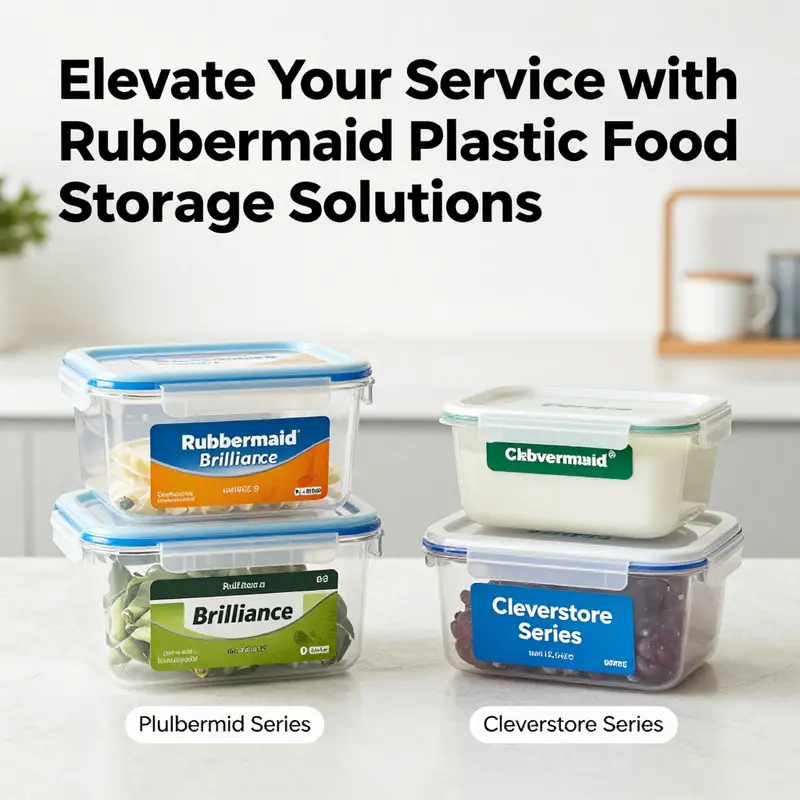
The modern kitchen often presents a simple problem with a complex solution: how to keep food fresh, accessible, and organized without sacrificing space or ease of use. In the realm of plastic food storage containers with lids, two distinct design philosophies have emerged as particularly influential. On one path lies a line focused on airtight integrity, clear visibility, and meal-prep versatility. On the other path, a family of hefty, stackable bins emphasizes dry-goods organization, space efficiency, and robust handling for seasonal storage or pantry overflow. Both approaches share a common DNA—durable BPA-free plastic, practical lids, and a drive to reduce waste—but they chart different courses for everyday routines. Reading their design choices side by side helps us understand what makes a container feel reliable, what kinds of foods it preserves best, and how households can tailor their storage systems to different tasks without compromising on convenience.
To begin with, the material story matters almost as much as the lid. In the more airtight lineage, the plastic is engineered to be BPA-free and highly transparent, offering a clarity that makes contents instantly legible. This transparency is not mere aesthetics; it is a functional feature. When you stack containers in the fridge or sink a spoon into a freshly portioned meal, you want to confirm freshness at a glance, not by guesswork or by lifting lids. The plastic’s rigidity supports a long lifecycle, resisting warping under temperature swings, and contributing to a sense of solidity that translates into confidence during meal-prep marathons and family lunches alike. The lids in this branch are deliberately engineered to form a tight seal—often through a latch system that locks with a reassuring, click-like firmness. The seal is not merely decorative; it is meant to minimize leaks, reduce odor transfer, and extend shelf life. For those who cook in bulk, freeze soups, or portion out meals for weekdays, that combination of see-through material and airtight hardware can feel like a practical partner in crime, a dependable ally that keeps ingredients from drying out or absorbing other flavors in the fridge or freezer.
In contrast, the pantry-organization-focused family of containers uses thicker, more rigid plastic that emphasizes mass, stability, and visibility from afar. The design aims to maximize vertical space, allowing multiple bins to nest or stack without losing accessibility. The lids snap on or off with ease, producing a quick, tactile sense of control when you’re refilling a kitchen cabinet or reorganizing a pantry during a weekend declutter. This line is particularly well-suited for dry goods—flour, pasta, cereal, and grains—where the risk of leaks or moisture intrusion is lower than with liquids. The crates and bins in this category are frequently transparent or semi-transparent, letting you scan contents in seconds and assess inventories without pulling out labels or opening boxes. The overall vibe is pragmatic: robust, dependable, and designed to handle a steady cadence of use, from the weekly grocery haul to the seasonal stock-up. It is the storage system that makes a pantry feel calm and orderly, a compact warehouse where every item has a home and every home has a plan for restocking.
The user experience of each path reinforces its core purpose. The airtight, clear containers excel for meal-prep enthusiasts and busy families who value freshness and portability. They handle hot and cold foods, making them suitable for reheating in microwaves, freezing for long-term storage, and even dishwasher cleaning after a busy week. The seal’s resilience matters here; a well-designed latch system that maintains a leak-proof profile can dramatically reduce accidental spills in transit or during a crowded fridge shuffle. Users often report that the contents remain visually identifiable over multiple days, a feature that removes the friction of guessing what’s inside and helps keep weeknight dinners on track. For people who rotate leftovers or prepare lunches at the start of the week, this clarity and seal integrity can become a non-negotiable routine ally, a quiet assurance that a plan for nourishment remains intact from fridge to desk to bus stop.
The stack-oriented pantry bins, meanwhile, earn their keep through organization and density. In small kitchens or apartment setups where storage space is precious, the ability to stack high without tipping is more than a convenience; it becomes an existential advantage for maintaining a calm, usable kitchen. The thicker plastic walls contribute to a sense of durability when bins are filled with flour bags, rice canisters, or snack assortments. The lids, snapping securely into place, help prevent dust and moisture from creeping into shelving, which is especially valuable in shared spaces or open-concept layouts. The visibility offered by these bins—whether through transparent sides or lids—lets owners quickly assess stock levels. A well-arranged cabinet with uniform bins communicates a meta-order: a plan that reduces the time spent searching, improvising, or repackaging. In markets or households where supplies shift with the seasons, this approach pays dividends by supporting a steady rhythm of restocking and rotation, helping keep pantry staples within easy reach while maintaining an organized, uncluttered aesthetic.
Despite their divergent emphases, the two lines converge on several practical realities that shape daily use. Both rely on durable materials that resist daily wear—sturdy hinges, resilient latches, and edges designed to tolerate ordinary pantry bumps. Both prioritize stacking and nesting stability, recognizing that efficient use of vertical space often makes the difference between a crowded cabinet and a kitchen that breathes. Both appeal to a broad spectrum of households: those who cook for a family, those who meal-prep for themselves, and those who lean into organized living as a lifestyle. And both demand a balance between ease of access and containment. It is one thing to grab a container from a shelf; it is another to do so with the certainty that the lid will snap shut again, or that the container will not leak if tipped during a move or cleaning session.
The decision between these two storage paths often crystallizes around a simple question: is the priority freshness and transportability, or is the priority organization and capacity? The answer is rarely binary. A well-rounded kitchen often benefits from a hybrid approach, where airtight containers of various sizes handle left-overs and meal-prep, while sturdy, transparent bins organize dry pantry staples and bulk purchases. The magic lies in choosing the right tool for the right job and recognizing that the two design philosophies are not mutually exclusive. In fact, the most satisfying setups tend to borrow strengths from both: airtightness for perishable items and dryness protection, plus transparent, stackable frameworks for shelves and cabinets that beg to be organized rather than crowded.
When we zoom out to consider the broader landscape, it becomes clear that the plastic storage category has evolved from simple, loose-lid boxes to integrated systems. The newer iterations emphasize not only the seal or the shell, but also the ecosystem that surrounds them: the variety of sizes that can be mixed-and-matched, the compatibility with microwaves and freezers, the ease of cleaning in dishwashers, and the ability to seal in flavors without creating air-trapped odors. The consumer voice, as captured in user feedback, often highlights a few recurring themes. Tight seals that resist leaks during transport are repeatedly praised by those who shuttle soups, sauces, or broths to work or school. Clarity and evenness in the plastic’s finish are frequently noted by cooks who want to monitor the color and texture of a sauce or soup without removing the lid. And for organizers, the loyalty to modular, stackable shapes that align neatly with pantry shelves is a consistent driver of satisfaction.
A practical reading of the two paths also touches on how people approach maintenance and care. Airtight, meal-prep oriented containers tend to benefit from gentle dishwasher cycles and careful handling to preserve the latch’s integrity over years of use. They invite a routine that treats leftovers as components of a larger meal-prep strategy, encouraging batch cooking and portion control. The pantry-focused bins, by contrast, lean into straightforward cleaning and occasional reorganization. Their lids might be tossed into a cabinet or drawer with minimal fuss, and their larger footprints reward a habit of batch labeling or color-coding to keep the system legible as it grows. In either case, consistent care—avoiding harsh solvents on the plastic surface, ensuring lids are dry before sealing, and storing away from direct heat—extends the useful life of the investment while sustaining performance.
From a values perspective, the contrasts also speak to how households prioritize sustainability and waste reduction. Both design lines are meant to minimize disposable packaging by enabling reliable reuse. The choice between them often aligns with a household’s cooking habits, storage space, and the rate at which meals or dry goods move in and out of the kitchen. A family that preps lunches all week may lean toward airtight, reusable containers that preserve a wide variety of ingredients and maintain quality across multiple days. A household that stocks a large pantry for a shared apartment or a co-op kitchen may favor the sturdy, stackable bins that keep bulk ingredients within easy reach and reduce the mental load of inventory management. In both cases, the goal is a kitchen that serves as a dependable, low-friction hub for meals and storage, rather than a catch-all that invites clutter or waste.
Understanding the nuance of these options also helps to translate consumer expectations into practical buying choices. If you need to transport hot meals to work, if you regularly freeze soups, or if you require a seal that resists accidental openings in a packed lunchbox, the airtight line delivers a compelling value proposition. If your primary challenge is to reclaim shelf space, to identify pantry contents at a glance, or to keep dry ingredients organized for family cooking, the stackable, transparent bins offer strong, immediate benefits. The sweet spot often lies in a carefully curated mix: a handful of airtight containers for perishables and a constellation of robust bins to corral dry goods. In such a configuration, the strengths of each path reinforce the other, creating a kitchen ecosystem that is both efficient and forgiving.
A note on price and perceived value rounds out the practical picture. The airtight, versatile families and the sturdy pantry bins sit at different points on the value spectrum, with pricing that scales by size, configuration, and the presence of special features such as removable trays, modular dividers, or measuring spoons integrated into the lid. The math often comes down to usage patterns. A family that prepares meals daily may find the investment in a larger set of airtight containers pays for itself through reduced food waste and easier reheating routines. A home that prioritizes pantry visibility and shelf efficiency may see a faster return on investment from a series of large, stackable bins that simplify rotation and inventory. In either case, the key is to map how often a container will be used, how long it will last, and how much time and space it saves in the weekly workflow.
The chain of practical implications does not end at the kitchen door. Consider how these containers interact with cold storage, transport, and even cleaning cycles in a busy household. A well-designed airtight system tends to perform well in a full refrigerator or freezer, resisting condensation and maintaining the texture and flavor of stored foods. A robust pantry bin system thrives in a pantry or utility closet, where its form factor supports quick retrieval and minimal rummaging. Both designs, when chosen with an eye toward real-life routines, reduce the cognitive load of everyday food management: you know where to find what you need, you know that it will stay fresh until it is time to cook, and you know that cleanup will be straightforward when the meal cycle completes.
For readers who want a concrete reference to how these features play out in a real-world setting, a practical note can guide further exploration. If your focus is on large-capacity storage for bulk items or seasonal supplies, a model in the stackable, transparent category provides a compelling example of space-efficient organization. It demonstrates how a well-constructed lid that snaps into place can prevent dust intrusion while a clear body allows quick access to what’s inside. On the other hand, if your priorities include weekly meal-prep routines and portability, a container with a reliable latch and a durable, glass-like clarity helps you monitor portions and reheating stability across multiple days. The beauty of this approach is that you can tailor a system without compromise: mix sizes, scales, and lid types to suit meals, ingredients, and the rhythms of your household.
As you consider the two paths side by side, it is useful to imagine a kitchen as a small ecosystem with seasons of demand. In winter and spring, when soups, stews, and bulk-batch recipes tend to peak, airtight containers with tight seals become part of a reliable workflow. In summer and autumn, with a focus on quick breakfasts, snacks, and pantry dinners, the sturdy bins help you maintain order and accessibility. The interplay between these modes creates a flexible storage strategy that can adapt to changing schedules, guest meals, or new dietary plans. A well-balanced approach not only preserves food and reduces waste but also minimizes the time spent rummaging, labeling, or repackaging—risks that can derail even the best intentions in a busy home.
To close this loop, think of the storage decision as a design problem rather than a mere purchase. It is about aligning form with function, about selecting tools whose strengths complement your cooking style, your family’s routines, and your space constraints. The airtight, translucent line speaks to freshness and travel, invites confidence during transport, and invites the home cook to reimagine leftovers as ready-to-assemble meals. The stackable, heavy-duty line speaks to order and capacity, turning a crowded shelf into a navigable map of ingredients and staples. When you honor both impulses, you create a kitchen environment that feels less like a storage corner and more like a well-tuned system that supports nourishment, creativity, and everyday efficiency.
For readers who want to explore a practical example of a large-capacity storage bin set in a real-world shopping context, a widely available listing captures the practicality of these designs without getting lost in brand names. 95 Quart Clear Plastic Storage Container & Lid (4 Pack) listing on Walmart provides a tangible sense of how such bins look, how they stack, and how their lids secure around contents, offering a benchmark against which to measure other options. This kind of reference helps translate the theory of design into a concrete purchasing choice you can evaluate in your own space. 95 Quart Clear Plastic Storage Container & Lid (4 Pack) listing on Walmart.
In sum, the two design families illuminate different pathways to the same goal: reliable, clean, and accessible food storage that fits into the flow of daily life. The airtight, clear containers protect freshness and enable portable meals; the thick-walled, stackable bins protect organization and maximize shelf efficiency. Rather than pick one over the other, most kitchens benefit from a judicious blend that honors both practicality and simplicity. The result is a storage system that is not only functional but also enjoyable to use—an everyday tool that reduces waste, saves time, and supports healthier, more intentional eating habits.
External resource: https://www.amazon.com/dp/B08HJX7Y3N
Sealed In Satisfaction: Real-World Experience with Plastic Food Storage Containers and Lids

In kitchens across homes and offices, plastic food storage containers with lids play a quiet but essential role in keeping meals fresh, organized, and portable. Users describe a practical harmony between form and function that emerges through hands-on experience: easy handling, dependable seals, clear visibility, and a system that fits into busy rhythms. Over weeks of use, satisfaction tends to hinge on reliability and consistency across contexts, from reheating a forgotten lunch to packing a dish for a trip.\n\nAt the core is a human-scale design: features like an oversized tab or ergonomic lid grip that remain usable even when hands are full. These small, unobtrusive cues reduce daily friction and reinforce trust that the storage system will perform as expected.\n\nAnother key thread is moisture and odor control. A tight, dependable seal gives confidence that leftovers stay fresh and that flavors and textures survive multiple cycles in the refrigerator or freezer. This security often translates into better planning, more batch cooking, and less waste.\n\nUsers also value versatility. The same containers handle storing, freezing, reheating, and transporting across environments, from fridge to microwave to dishwasher. A modular assortment of sizes and shapes helps households tailor a flexible system that scales with changing routines.\n\nClear visibility, dimensional efficiency, and stackability emerge as practical benefits that extend beyond convenience. Being able to identify contents at a glance supports inventory management and reduces rummaging. Well-designed stacking makes better use of cabinet space, keeps frequently used pieces accessible, and supports streamlined meal workflows.\n\nDurability matters too. Containers that withstand repeated cycles without cracking or losing seal performance instill long-term confidence and justify reusable, environmentally friendly choices. Maintenance routines that are easy to follow—rinsing seals, avoiding harsh heat, placing lids on top racks—keep performance consistent.\n\nTaken together, user feedback paints a picture of a reliable, all-purpose system that makes daily cooking, meal prep, and leftovers more predictable and less stressful. The most meaningful design wins are those that gently remove friction and scale with a family’s evolving routines. A durable, easy-to-use storage collection quietly earns trust and becomes a partner in everyday life.\n\nFor readers seeking concrete references, practical demonstrations and product pages often highlight key attributes: tight seals, easy lid removal, temperature tolerance, and durable bodies. When these elements perform consistently, households experience less waste, more confident planning, and simpler sharing of meals.\n\nUltimately, the lesson from real-world use is clear: the best plastic storage solutions blend practicality with resilience, enabling quick weeknight meals, weekend meal prep, and seasonal inventory management while keeping contents protected and organized.
Final thoughts
Rubbermaid’s plastic food storage containers are essential tools for professionals in the food industry. Their innovative designs and durable materials ensure that food items are stored efficiently, minimizing waste and improving organization. By leveraging solutions like the Brilliance and Cleverstore series, businesses can enhance their operational effectiveness and provide superior service. Adopting these containers can lead to long-term benefits, making them a wise investment for any beverage chain, restaurant, food truck, or catering service.