
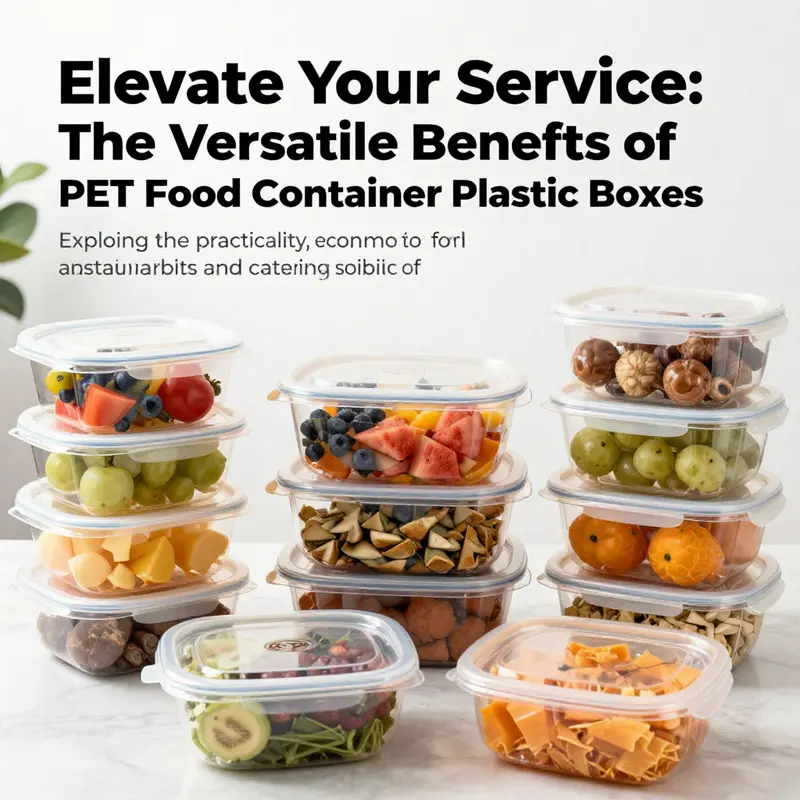
PET (Polyethylene Terephthalate) food containers have emerged as a cornerstone for food and beverage businesses, including bubble tea shops, restaurants, food trucks, and event planners. These containers are not just a packaging solution; they embody clarity, durability, and eco-friendliness, making them indispensable for maintaining food integrity and appealing presentation. In this exploration, we will delve into five key chapters: understanding PET’s material properties, assessing economic factors in supply, identifying sustainability trends, exploring innovative designs, and examining shifting consumer preferences. Each chapter builds on the knowledge required for businesses to make informed packaging decisions that enhance their operations and customer satisfaction.
From Clarity to Containment: How PET Shapes the Modern Pet Food Container
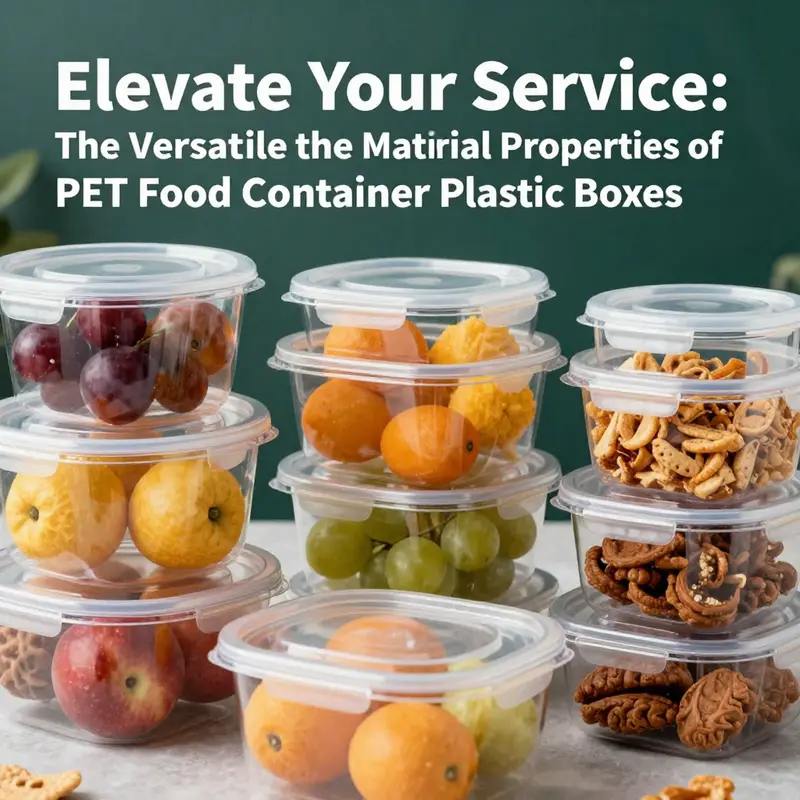
PET, or polyethylene terephthalate, has become a quiet backbone in the world of pet food packaging. It is chosen not for flash but for a reliable balance of properties that protect nutrition, preserve flavor, and endure the rigors of transport and display. In the realm of plastic boxes, PET’s combination of strength, barrier performance, and clarity makes it a practical cornerstone for products that travel from production lines to homes with pets in tow.
The typical PET pet food container uses a thickness in the range of 0.2 to 1 millimeter. This span is more than a matter of feel; it is a deliberate design choice that yields sufficient rigidity to hold shape during stacking and handling without warping under normal loads. It also provides enough resilience to resist puncture and tearing, reducing the likelihood of leaks or contamination when boxes are moved or dropped in transit. In a supply chain where thousands of units pass through warehouses, a sturdy box translates into fewer product losses and a more predictable logistics performance for retailers and manufacturers alike.
A standout attribute of PET is its barrier performance. It acts as a strong defense against gases such as oxygen and carbon dioxide, moisture migration, and the transfer of odors. For pet foods, where freshness and aroma can influence palatability and practicality, such barrier properties help maintain nutritional value and sensory quality over the product’s shelf life. Packaging engineers optimize the overall barrier by combining PET with sealing methods, coatings, or multi-layer constructions, creating a package that keeps moisture out and aromas contained. The result is a container that helps preserve texture and flavor, whether the contents are dry kibble, crunchy treats, or semi-moist meals.
Beyond protection, PET’s transparency stands out. With light transmission exceeding 85 percent, these containers invite consumers to look inside without opening the box. This visibility supports quality assessment at a glance, which is valuable for both pet owners and retailers who rely on quick, accurate judgments about freshness and appearance. A cat or dog owner can gauge texture, color uniformity, and overall product condition simply by glancing at the package. At the same time, the clear view reinforces brand confidence because the packaging acts as a visual guarantee of the product’s integrity.
Chemical stability is another hallmark of PET. Its inert nature resists a broad range of chemicals, acids, bases, and many organic solvents that could otherwise interact with food contents or packaging materials. This stability minimizes the risk that packaging will alter taste or nutritional profile, even when containers face routine cleaning agents or solvent exposure in display or transport environments. The certainty that the container will not react with pet food ingredients is a key factor in regulatory acceptance and consumer trust, reinforcing PET’s role as a safe direct-contact material for food packaging.
Thermal performance further supports PET’s suitability. The glass transition temperature of PET sits around 75–80°C, while the melting point lies near 250–260°C. These figures indicate that PET can safely enclose dry pet foods at room temperature and withstand the moderate heat sometimes encountered during processing and packaging. In some applications, PET-based designs are marketed as heat-tolerant or microwave-friendly for short reheating cycles, but such use depends on the full package architecture, including any barrier layers and coatings that accompany the core resin. This thermal tolerance opens doors to convenient serving formats and ready-to-use packaging concepts that align with busy households and multi-pet living spaces.
Durability underpins PET’s practical value. Its excellent tensile strength and impact resistance mean that PET boxes are less prone to deformation and rupture during handling, loading, and long-distance transport. For pet foods that include oils, fats, or moisture, this reliability is particularly important, as any compromise in the package could expose contents to environmental contaminants or cause spillage. A robust container protects the product and minimizes the need for repacking, which is beneficial for efficiency and waste reduction across the supply chain.
Safety is integral to PET’s package narrative. Regulatory bodies around the world recognize PET as safe for direct contact with food, and PET does not contain widely scrutinized additives like BPA or phthalates. This safety profile is essential for pet foods, which are often stored in households with children and multiple pets. The absence of concerning substances in direct contact with food reassures guardians who want to minimize risk while keeping feeding routines simple and reliable.
Recyclability and life-cycle considerations add a necessary dimension to the PET story. PET is among the most recycled plastics globally, with established streams for mechanical recycling into new bottles, fibers, and other products. This recyclability supports a circular economy approach that many brands emphasize in their sustainability narratives. Yet the path from bottle to box or from box to curbside is not automatic. The end-of-life outcome depends on proper labeling, segregation, and the availability of appropriate recycling infrastructure. When PET packaging also includes coatings or colorants, recycling compatibility can become more complex. Packaging teams therefore balance barrier performance and printability with the realities of the recycling stream to maximize recoverability.
In parallel with the push for circularity, markets are increasingly asking for eco-friendly alternatives that align with broader waste-reduction goals. Some manufacturers are exploring customized biodegradable PET packaging options to reconcile the desire for sustainable disposal with the packaging’s protective duties and cosmetic appeal. While the term biodegradable PET can be context-specific, the industry’s direction toward greener solutions mirrors a broader consumer preference for responsible packaging in the pet care space. The dialog among material suppliers, designers, and retailers continues to evolve as new processing techniques, labeling standards, and end-of-life options emerge.
These material strengths and design considerations translate into concrete packaging strategies. A PET box must resist cumulative handling stresses, maintain closed integrity under stack loads, and present a clear, appealing product image at the point of sale. The 0.2–1 mm thickness range is not arbitrary; it reflects a careful compromise between rigidity and weight, ensuring the box can be transported efficiently while remaining cost-effective. Lids and clamshell closures leverage PET’s ductility and high strength to form secure, spill-preventive enclosures that are easy for customers to operate and reseal. In pet-food contexts, where packaging often serves a dual function of storage and portioning, this combination of strength and user-friendliness proves highly valuable.
The shift toward bulk procurement reinforces PET’s economic dimension. Large-volume orders enable lower unit costs, while customization allows brands to convey identity through logo, size, and even multi-compartment layouts. Such configurations support meal-prep formats or gift packaging ideas, expanding the range of use cases for PET boxes in the pet-care market. At the same time, designers must consider the implications of coatings, embossing, or printed graphics on recyclability. The goal is a package that delivers performance and aesthetics while still fitting neatly into the circular economy framework that many consumers expect today.
As consumer decision-making continues to combine practicality with environmental awareness, PET packaging remains a compelling option for pet foods. Its ability to preserve freshness, show content, endure transport, and stay within regulatory safety boundaries makes it a reliable platform for a broad spectrum of products—from compact single-serve portions to larger pantry-ready containers. The chapter’s focus on material properties is not abstract theory; it translates into real-world packaging decisions that influence waste streams, shelf-life, and daily feeding routines across households and commercial outlets.
As brands and manufacturers navigate this landscape, the conversation will continue to evolve around how PET can be refined or augmented to meet future demands. Improvements in barrier technology, processing efficiency, and end-of-life solutions promise to keep PET at the forefront of pet food packaging while inviting broader adoption of sustainable practices. In this evolving setting, the plastic box remains not just a container but a trusted intermediary—transparent, protective, and practical—between a pet’s daily nourishment and the hands that prepare it.
External resource: https://www.plasticshome.org/learn-about-plastics/polyethylene-terephthalate-pet/
Internal link: Biodegradable eco-friendly take-away ODM/OEM round kraft paper bowl
The Price of Keeping It Fresh: Economic Dynamics in PET Pet-Food Container Production
Economic decisions in the pet food packaging sector are rarely about one factor alone. They emerge from a web of demand signals, material costs, production efficiency, and the realities of global trade. At the center of this web is PET, a material that has become a default choice for many manufacturers because it blends clarity, strength, and recyclability with cost efficiency. The typical PET food container used for boxes and clamshells features a thickness in a narrow range, roughly 0.2–1 millimeter, a dimension that underpins both mechanical integrity and flattening resistance. That subtle thickness is a critical design constraint: it must keep a cake or a tray of fruit secure during handling and transport, yet it should not squander raw material or inflate shipping weight. When these containers are deemed heat-tolerant enough for particular uses, they can even be described as safe for specific microwave-reheats, expanding the versatility of PET in the food-service ecosystem. All of this sets the stage for a market that looks not only at performance but at price, scalability, and sustainability in equal measure.
Market dynamics point to a robust, long-run expansion of the pet food packaging segment. Projections show the Pet Food Packaging Market climbing from about USD 12.38 billion in 2026 to roughly USD 16.63 billion by 2031, a compound annual growth rate (CAGR) of about 6.11%. Such growth suggests a widening array of applications—from cake boxes and snack clamshells to ready-to-serve meals for pets—and a corresponding push to broaden production capacity and optimize supply chains. In this arena, the economics of PET make the difference between a feasible, scalable operation and a bottle-neck that constrains growth. The appeal is not merely the material’s performance but its cost profile when scaled. PET’s price trajectory, while subject to macroeconomic fluctuations, often benefits from the scale economies of mass production and the global distribution networks that feed large buyers and distributors.
From the supply side, the economics of PET containers rests on access to low-cost, food-grade resin and efficient molding operations. Suppliers commonly price PET-based container sets in a broad range, with unit costs that can dip from a few cents to several tens of cents per item, depending on size, thickness, and features such as multi-compartment designs or foldable configurations. A typical large-scale supplier can offer sets in the low single-digit cent range to the mid-range, with minimum order quantities (MOQs) frequently starting around ten thousand units. Such MOQs are not merely a barrier but a signal of the scale required to achieve favorable unit costs, especially for brands seeking national or global distribution. The mathematics of scale is straightforward: as fixed costs are amortized across more units, the incremental cost of each additional container falls, enabling competitive pricing even in markets that demand high reliability, tight tolerances, and strict food-safety compliance.
Scale is only part of the story. The capacity to produce at very high volumes—some facilities claim production lines capable of tens of tons per day—transforms PET from a commodity into a platform for mass customization. The narrative of capacity speaks to the reliability buyers increasingly expect. In a market characterized by just-in-time procurement, the ability to maintain uninterrupted supply chains—especially during spikes in demand around holidays or pet-service industry events—becomes a differentiator. This is why many manufacturers emphasize not only the baseline price per unit but the total cost of ownership: lead times, batch consistency, defect rates, and the flexibility to adjust output in response to seasonal fluctuations.
A linked strand of the PET economics is the rise of original-equipment-manufacturer (OEM) services within the market. Brands seeking to project a cohesive image—whether in gift packaging, multi-compartment meal sets, or transparent display boxes—are increasingly turning to suppliers that offer customization, branding, and design optimization as part of the packaging proposition. The ability to print logos, tailor sizes, or incorporate multi-compartment configurations adds a premium to the base PET box, but it also unlocks value for retailers and pet-food brands by enabling shelf differentiation and consumer recognition. In practice, OEM capabilities translate into a more granular pricing ladder: standard, unbranded containers command lower prices per unit, while branded or specially engineered options attract higher unit prices justified by improved product presentation, reduced time-to-market, and stronger consumer resonance.
The economic landscape for PET is further shaped by sustainability and regulatory considerations, which increasingly influence buying behavior and long-term contracts. A growing segment of buyers now seek recyclable packaging and materials that align with environmental goals or regulatory mandates. In response, manufacturers and suppliers have begun to offer customized biodegradable PET packaging variants or PET blends designed to balance performance with end-of-life recyclability. Clear labeling and independent certifications, such as SGS, help reassure buyers and regulators that the packaging can be safely recycled and handled in standard waste streams. The integration of sustainability into the value proposition does more than appease conscientious consumers; it supports more durable business models by reducing risk around regulatory changes and evolving consumer expectations. In this way, the PET container market leverages both efficiency and responsibility as parallel accelerants of growth.
Another dynamic in the economics of PET packaging is the geographic distribution of production. Asia, and China in particular, has become a central hub for PET container manufacturing, leveraging deep supply networks, large-scale extrusion and molding capabilities, and a broad base of suppliers able to offer value through volume. The result is a robust export channel that helps large manufacturers and distributors secure reliable supply while maintaining cost competitiveness. For buyers, the implication is straightforward: mass production capabilities in these hubs translate into lower unit costs and the ability to meet international demand efficiently. Yet global trade dynamics also bring exposure to currency movements, tariff policies, and shifting trade routes, underscoring the importance of diversified sourcing strategies and long-term supplier relationships.
In this environment, it is not surprising that the economics of PET containers blend material science with market strategy. The material’s clarity, durability, and recyclability make PET an attractive default for a wide range of pet-food packaging needs. But those advantages carry with them a calculus of trade-offs: thickness choices affect both strength and material use; surface features and printing options influence per-unit costs; and the demand for sustainable packaging can push buyers toward higher upfront investments in eco-friendly designs, even as long-term savings accrue through recycling programs and waste diversion. The result is a market that rewards both disciplined cost management and thoughtful design. For brands and manufacturers who can align their product architecture with end-user expectations—stable freshness, convenient handling, and responsible disposal—PET containers offer an integrated package of performance and economics that is hard to beat.
Within this broader economic frame, a simple, practical opportunity emerges for stakeholders who wish to compare packaging ecosystems. While PET containers offer several advantages, some buyers also consider paper-based or composite packaging for certain applications, especially where retail display or secondary packaging is a focus. To illustrate, a disposable Kraft paper bowl listing demonstrates how alternative packaging formats present different value propositions—cost structures, sustainability footprints, and consumer impressions all vary. Disposable 700ml Kraft Paper Bowl take-out octagonal-rectangle paper bowl
External research reinforces the economic arc described here. Market intelligence indicates that the pet-food packaging market is on a growth trajectory driven by demand for safe, reliable, and visually appealing containers produced at scale. This trajectory is supported by continued investments in plastics engineering, production line modernization, and logistics optimization that collectively push down unit costs while expanding functionality. The convergence of cost discipline, customization options, and sustainability commitments forms a robust platform for value creation across the supply chain. As buyers seek adaptable packaging solutions—whether standard PET boxes or specialized, branded options—the economics of production, procurement, and distribution will continue to shape the competitive landscape across the next several years.
External resource: https://www.marketresearchfuture.com/reports/pet-food-packaging-market-27445
From Clamshells to Circularity: Rethinking Pet Food Packaging
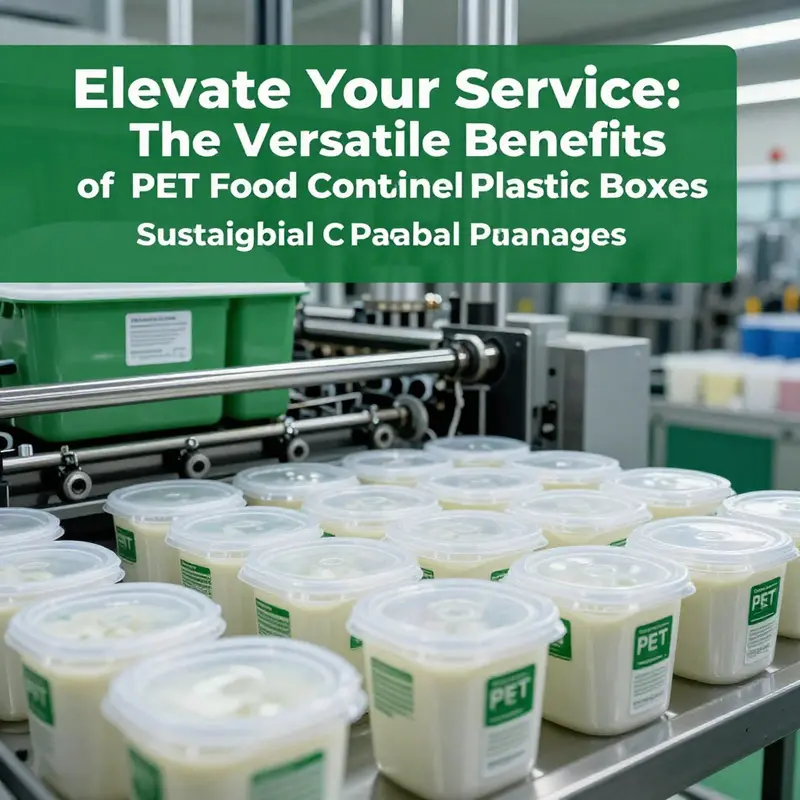
Pet food packaging has long relied on clear clamshells and rigid boxes to protect freshness and catch the eye on shelves. PET, with its lightweight strength and transparent walls, remains popular for pet food containers because it balances visibility, barrier performance, and low cost. Yet as consumers become more attuned to environmental footprints, these familiar boxes invite closer scrutiny about what happens after use and how the packaging fits into a circular economy. Sustainability is no longer an optional consideration; it is a guiding principle that influences material choice, design, and end-of-life pathways.
Recycling realities complicate the picture. While PET is widely recyclable in many markets, the presence of multi-material layers, coatings, and adhesives in some clamshells can hinder efficient processing. Local waste streams vary dramatically, so a container that is recyclable in one city may be less so in another. Effective recycling therefore depends on simple, mono-material designs, clear labeling, and collection systems that actually recover materials rather than send them to landfill or misrouting. The same logic applies to other commonly used plastics like PVC and polypropylene, where barrier performance must be weighed against end-of-life compatibilities.
Beyond recyclability, market dynamics push brands toward higher recycled content and smarter material choices. Some companies experiment with mono-material substrates, post-consumer recycled resins, or bio-based alternatives that still meet the performance demands of pet foods. Others redesign packaging to reduce layers, simplify adhesives, and favor materials that are easier to sort. Transparent communication about recyclability, compostability where applicable, and the limits of the current waste system helps consumers make informed choices and supports better recovery rates.
Practical opportunities emerge when designers and buyers collaborate across the value chain. Strategies include using mono-material constructions, selecting substrates that can be reclaimed in standard recycling streams, and specifying labeling that minimizes confusion at the consumer level. The broader trend toward circular packaging does not demand abandoning PET where it is indispensable; it invites a portfolio approach that pairs PET with compatible, high-recovery alternatives and end-of-life strategies that close the loop rather than widen it.
Guidance for decision-makers starts with lifecycle thinking: evaluate production energy, material sourcing, distribution logistics, and the feasibility of effective collection in target markets. Look for opportunities to increase recycled content, reduce virgin material demand, and support infrastructure that can handle the waste generated by pet food packaging. In short, sustainability should be integrated into design from the outset so that a reliable, eye-catching package can also contribute to lower environmental impact over its entire lifetime.
Guardians of Freshness: Applications and Innovations in PET Pet Food Container Design
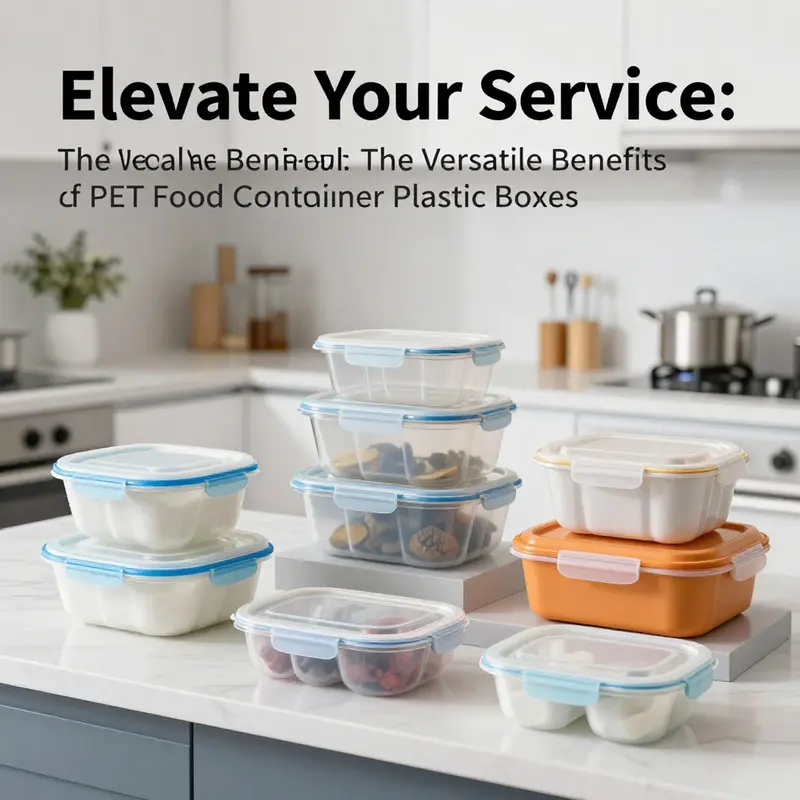
Pet care packaging continues to evolve as designers look for containers that not only protect but also communicate quality at a glance. The PET food container, a familiar box in the pet-supply aisle, embodies a careful balance between transparency, strength, and compatibility with human and animal safety standards. Its popularity in storing everything from dry kibble to soft treats stems from a combination of features that matter across the supply chain: visibility, barrier performance, and reliable stacking. A wall thickness commonly ranging from 0.2 to 1 millimeter provides a practical middle ground between rigidity and weight. That thickness supports secure stacking during transport and display, reduces the risk of denting in distribution centers, and helps keep costs predictable for manufacturers who move large volumes. What makes PET particularly compelling is the way its clarity works in concert with the container’s design to reassure retailers and pet guardians alike that the product looks as fresh as it should on the shelf. The visual appeal is not superficial; it is a signal of product integrity, nutrient preservation, and careful handling through the journey from production line to kitchen shelf.
Beyond how a package looks, the role of PET in protecting pet food hinges on barrier properties that matter deeply for nutritional stability. Pet foods often contain fats, proteins, vitamins, and moisture-sensitive ingredients, all of which can degrade if exposure to air, light, or humidity is excessive. Modern PET boxes frequently incorporate multi-layer laminates or precisely engineered wall structures that enhance barriers against these adversaries. The result is a packaging run that can maintain aroma and texture for extended periods and resist the micro-impacts of temperature fluctuation during shipping. This is especially important for items with a longer shelf life, where even small amounts of oxygen ingress can alter palatability and perceived freshness. In concert with barrier performance, the packaging design emphasizes compatibility with safe storage conditions in homes and facilities, ensuring that a container preserves product quality whether it sits in a pantry, a feeding station, or a display case.
The innovations extending from barrier performance into everyday practicality are clear when one surveys the broader packaging ecosystem used for pet foods. Heavy-duty transport bags and stand-up pouches illustrate the kinds of solutions that influence how rigid PET boxes are conceived and manufactured. Heavy-duty transport materials, designed to resist punctures and tears, protect contents through the toughest legs of the supply chain. Stand-up pouches, meanwhile, demonstrate how packaging can marry stability, visibility, and consumer convenience in a retail setting. The lessons from these formats feed back into PET box design, pushing for corner reinforcements, integrated resealability, and clever inner dividers that keep kibble or treats from shifting during transit. Such cross-pollination reflects a broader industry shift: innovations are no longer isolated to a single package type but are shared across formats to improve product protection, display appeal, and consumer trust.
Sustainability is another central driver shaping PET container design. The push to lighter-weight packaging and reduced material usage has moved the industry toward thinner walls and more efficient closure systems, without sacrificing performance. Engineers are exploring impact-resistant configurations that preserve strength with less material, a development that aligns with the goals of a circular economy. Clear labeling and standardized recycling codes remain critical, helping end users and waste-management systems route PET correctly. While recyclability is a core advantage of PET, the dialog has expanded to include alternatives and enhancements such as customized biodegradable PET packaging options that align with eco-friendly initiatives while maintaining performance standards. In this evolving landscape, the packaging solution is less about a single material and more about the system of materials, coatings, and process controls that enables responsible disposal and renewed use.
From a safety and compliance perspective, the PET approach to pet food packaging must meet stringent food-contact standards. When a container is marketed as food-grade, it invites a level of confidence in consumers that the material has been tested for migration, taste neutrality, and stability under typical storage conditions. Certifications and third-party verifications, such as SGS-type assessments, provide an external validation that a packaging solution adheres to international guidelines for safety and quality. In practice, this means that a PET box designed for pet food not only keeps nutrients intact but also remains inert in contact with the product, so no unwanted flavors or contaminants interfere with a pet’s experience. The result is a packaging choice that supports a consistent feeding routine, reduces waste from spoilage, and reinforces a brand’s commitment to pet health and safety through measurable standards.
Technology and customization advance another layer of value for manufacturers seeking to differentiate in a crowded market. Customization options—ranging from sizes and multi-compartment layouts to logo printing—allow brands to tailor PET boxes for particular pet diets, feeding routines, or gifting occasions. For businesses that move substantial order volumes, the ability to scale production, introduce new formats, and maintain tight quality control is a decisive advantage. A modern PET packaging program often relies on production lines capable of high-throughput output, ensuring reliable supply even as demand swings with seasonality or market trends. In this context, the container ceases to be a simple vessel and becomes a strategic asset in product positioning, merchandising, and consumer experience. The repeated emphasis on food-grade safety, barrier performance, and recyclability reflects a conscientious approach that respects both animal nutrition and environmental considerations.
The consumer experience is central to the evolution of PET pet food containers. Clear PET boxes enable instant recognition of contents, which helps guardians select the right product quickly. The rigidity and shape stability preserve the product’s form, especially for items like chunky meals or multi-pack sets. Resealability is a frequent feature that supports fresh-after-opening expectations without creating waste or frustration. A well-designed container also behaves well during handling at home; it opens easily, closes securely, and stacks neatly in cabinets or on shelves. The tactile experience of a lid’s snap, the ease of opening a tray, and the confidence of a rigid box all contribute to a perceived value that extends beyond the product’s ingredients to the packaging itself.When a PET container combines these user-centric features with robust barrier properties and a clear environmental narrative, it becomes a durable link in the supply chain that preserves quality from the first bite of a dog or cat to the final moment of enjoyment in a bowl.
Sustainability conversations increasingly touch the end of life as well. The PET container presents an opportunity to participate in recycling streams that help close the material loop. Clear labeling supports correct disposal, and the widespread familiarity of PET recyclability can facilitate higher recovery rates where municipal systems are equipped to process it. At the same time, the industry continues to explore lighter-weight formats and innovative materials that deliver similar performance while reducing the environmental footprint. The balance is delicate: thickness, rigidity, and barrier performance must be maintained, yet every gram saved contributes to energy savings in manufacturing and transport. This tension—between protecting pet health and reducing environmental impact—drives ongoing research and iterative design changes that keep PET packaging relevant in a world that increasingly demands responsible packaging choices.
Finally, it is essential to acknowledge that PET packaging does not exist in isolation. The broader packaging landscape informs design decisions, testing protocols, and consumer expectations. For readers seeking a broader context on current trends and technical specifications in pet food packaging, a respected industry guide offers a comprehensive overview of material grades, barrier technologies, and standards shaping today’s market. For packaging professionals exploring sustainable formats, see this example of an eco-friendly printed-logo single-wall paper cup with lid.
External resource for further exploration: Packaging Digest Pet Food Packaging Innovations.
Clear, Durable, and Responsible: Consumer Preferences Shaping Pet Food Container Plastic Boxes
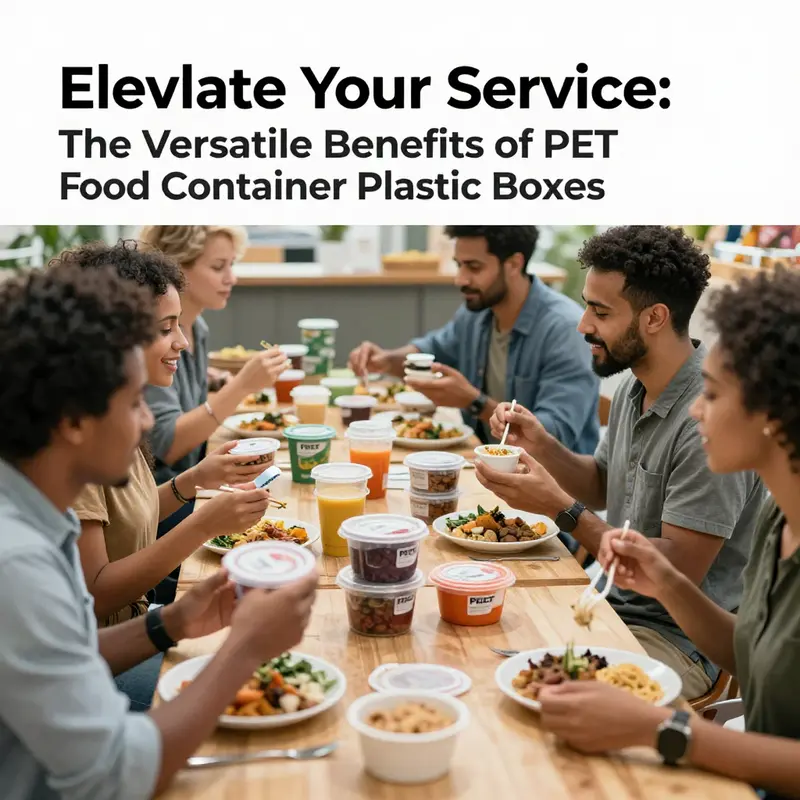
Pet owners today act as both guardians and curators of every item that touches their pets’ lives, and this mindset has a direct ripple effect on the design and marketing of pet food container plastic boxes. The sheen of a transparent PET shell, the ease with which flavors and freshness can be perceived at a glance, and the reassuring feel of a sturdy lid—all of these elements matter far beyond aesthetics. In the broader market, PET-based plastic food containers have earned their place by combining clarity with reliable strength and recyclability. For pet products, this combination translates into packaging that protects, showcases, and travels well, whether it’s a bag of crunchy bites, a tub of moist treats, or a batch of daily portions neatly divided for a week’s worth of meals. The consumer is not merely buying a box; they are investing in a dependable platform that communicates safety, freshness, and value with every look on the shelf or on the kitchen counter.
The market signals that guide these decisions are robust. Global plastic food containers were valued at roughly USD 37.01 billion in 2024 and are projected to reach about USD 51.6 billion by 2034. This trajectory reflects a market that continues to expand as more households, cafés, and pet care brands seek packaging that can balance weight, cost, and performance at scale. Within this landscape, PET remains a favored material for its transparency, light weight, and resistance to impact—qualities that are particularly valued in pet food containers where consumer confidence hinges on visible freshness and product integrity. North America, a key region for pet-related packaging, shows PET packaging market activity with a notable size: the segment was valued at around USD 12.07 billion in 2026 and is expected to grow at a steady pace, reaching approximately USD 14.29 billion by 2031 with a CAGR in the low-to-mid single digits. These numbers underscore a market where convenience, human-grade presentation, and sustainability converge to shape preferences and choices for pet owners.
At the heart of consumer preference is a simple, pragmatic equation: the container must be easy to use, easy to store, and easy to recycle, while also communicating safety and freshness. In practice, this translates into several converging design trends. First, there is a clear call for durability that can withstand daily handling, repeated opening and closing, and occasional transport without warping or leaking. For pet food, where containers are often used to portion meals or store leftover portions, that durability is as much about maintaining a gas- and moisture-sealed environment as it is about resisting accidental drops. PET clamshell designs have gained traction for their ability to provide a secure, hinged lid plus a clear view of the contents. The transparency is more than cosmetic; it is a reliability signal that owners rely on when selecting a product for a pet with a sensitive appetite or a consumer who wants to verify freshness before serving.
Second, the market shows ongoing appetite for customization that supports varied feeding regimens and pet sizes. Manufacturers are offering a spectrum of sizes and thicknesses to accommodate everything from small kibble portions to large bulk keeps. The range can include lightweight, compact boxes for travel or quick-access treats, and more substantial, multi-compartment options that support meal prep, portion control, and even mixed snack assortments. Thickness options commonly span from the low tenths of a millimeter to nearly a millimeter, with typical PET structures around 0.2–1 mm depending on use-case and the need for rigidity. In practice, this means a pet food container line can be tuned for portability, shelf presence, and long-term durability without compromising safe contact with food. The capacity to customize also extends to labeling and surface finishes, allowing brands to convey safety credentials, allergen information, and feeding guidelines directly on the container—a feature especially valued by pet guardians who want quick, legible information when preparing meals.
Third, consumer expectations around safety and environmental responsibility continue to rise. Pet owners increasingly scrutinize packaging for clarity in labeling and for materials that align with waste reduction goals. Clear labeling is a practical reassurance about food contact compliance, while the push toward recyclable packaging aligns with broader sustainability commitments inside the pet care category. In this space, PET packaging is often marketed as food-grade plastic, a designation that should reassure buyers about compatibility with edible contents and the ease with which containers can be sorted for recycling after use. The market conversation is also expanding into biodegradable PET options, where suppliers present clamshells or other PET formats that are designed to degrade more readily in appropriate conditions. While the ideal of fully biodegradable PET packaging may still be evolving, this push signals a long-term shift toward packaging ecosystems that minimize environmental impact without sacrificing performance.
The sustainability narrative also shapes consumer behavior and brand strategy in nuanced ways. There is growing awareness that the packaging system is part of a larger lifecycle. Recyclability is increasingly a decision driver for pet owners who want to minimize waste in households already managing multiple recycling streams. Labels that clearly indicate recyclability and compatibility with local recycling programs help build trust and reduce the friction of disposal. Equally important is the movement toward more transparent sustainability claims. As packaging options evolve, more manufacturers emphasize supply chain integrity, testing, and third-party verification to reassure buyers that claims about recyclability or biodegradability are credible. This trend aligns with broader industry standards and certification regimes that add a layer of accountability and help consumers compare options with greater clarity.
From the product development standpoint, the PET container sector is marked by a balance between visual appeal and practical performance. For pet foods, the ability to showcase the product—whether it is a naturally colored kibble or a treats assortment—through a crystal-clear container remains a key differentiator on crowded shelves. The same clarity that makes the contents appealing also helps owners assess freshness, texture, and perceived quality without opening the box. Yet, this transparency must be paired with functional design features. Airtight or airtight-like lids help preserve aroma and moisture chemistry, which are important for pet foods that depend on palatability. Multi-compartment options support sequential feeding regimes or the separation of different flavors or types of treats, aligning with the needs of households managing multiple pets with distinct dietary patterns. These design choices are not merely cosmetic; they reflect a deep understanding of how owners interact with pet foods in home environments where convenience is paramount and time is at a premium.
In addition to material and design considerations, the market is also shaped by the availability of scalable manufacturing capabilities and the ability to support customization at a reasonable cost. Packaging suppliers increasingly offer broad option sets, including a variety of sizes, thicknesses, and surface finishes, as well as capabilities for custom printing and lid configurations. This flexibility allows brands to roll out product lines that target different price points and distribution channels, from premium pet-food offerings that emphasize premium packaging finishes to more value-oriented lines that leverage efficient, lightweight PET structures. The manufacturing landscape is well-positioned to support bulk quantities for large orders, enabling brands to maintain steady supply without sacrificing consistency or safety standards. In this context, the packaging choice becomes a strategic element of the overall value proposition—contributing to perceived freshness, brand loyalty, and customer satisfaction while enabling efficient logistics and waste management.
Looking forward, consumer preferences will likely continue to emphasize a blend of convenience, transparency, and environmental responsibility. Influences such as meal-prep habits, on-the-go lifestyles, and the ongoing conversation about plastic waste are converging in ways that favor PET containers that are both sturdy and recyclable. The market signals suggest that brands will increasingly leverage customizable PET packaging to distinguish themselves, while also exploring greener material variants and enhanced labeling to meet evolving regulations and consumer expectations. The result is a packaging ecosystem where pet food containers are not just containers but trusted platforms that enable responsible feeding, easy storage, and a clear demonstration of contents and freshness. This evolution will be shaped by ongoing technical refinements—such as improved barrier properties, safer seal technology, and tailored recyclability pathways—and by regulatory and stakeholder engagement that reinforces consumer confidence.
For readers seeking a broader basis for these trends, a comprehensive external resource provides additional market context and projections that complement this chapter’s focus on consumer preferences and product design. External reference: https://www.marketresearchfuture.com/reports/plastic-food-containers-market-24847. Within this broader landscape, the PET pet food container segment continues to respond to the twin demands of practicality and conscience, delivering packaging that supports responsible feeding while aligning with a future where waste reduction and recyclability are integral to everyday choices. In the meantime, retailers and brands can further strengthen trust by linking packaging decisions to ingredients and serving guidance, ensuring that the container itself becomes a visible extension of the pet’s well-being and the owner’s stewardship.
To explore related packaging formats and sustainable packaging conversations in our ecosystem, you can learn about eco-friendly options in disposable packaging that emphasize responsible materials and design, such as this example: Disposable eco-friendly custom paper coffee cups with lid. While paper-based solutions offer a different set of advantages and trade-offs, the underlying principle remains: packaging choices that support freshness, safety, convenience, and responsible disposal are central to consumer satisfaction and brand trust. As the PET packaging narrative continues to unfold, the opportunity for pet food containers lies in translating these consumer preferences into tangible, verifiable benefits—transparent content, robust protection, and a clear pathway to end-of-life recovery. This integrated approach will help ensure that the container not only holds food, but reinforces a responsible, appetizing, and dependable feeding experience for pets and their guardians alike.
Final thoughts
The advantageous qualities of PET food container plastic boxes extend far beyond mere aesthetics; they embody the intersection of functionality, economic viability, and sustainability. As businesses strive to meet and exceed consumer expectations, these containers offer an ideal solution for a wide range of applications in the food service industry. Embracing PET packaging aligns with the growing preference for eco-friendly and durable options while promoting operational efficiency. By staying informed and adaptable, businesses can harness these innovations to secure their place in a competitive marketplace, ensuring that their service remains both appealing and responsible.