
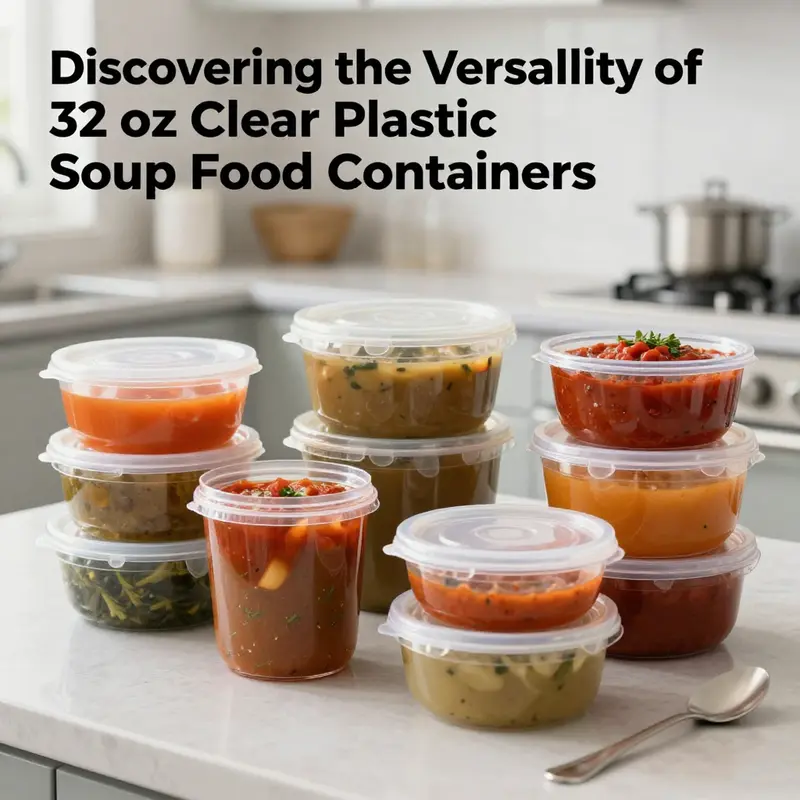
The 32 oz clear plastic soup food container is an unsung hero in the food service industry, catering to a wide array of needs from storage to serving. Made of high-quality, BPA-free polypropylene, these containers offer safety and durability while being microwave-safe and freezer-friendly. Their transparent design not only enhances visibility but also highlights their practicality for restaurants, catering services, and food trucks. This article delves into the key features, diverse applications, and sustainability aspects of these containers, providing insights that can enhance operational efficiency across various food service settings.
Crystal Clarity, Tight Seals, and Everyday Reliability: The 32 oz Clear Plastic Soup Container with Lids
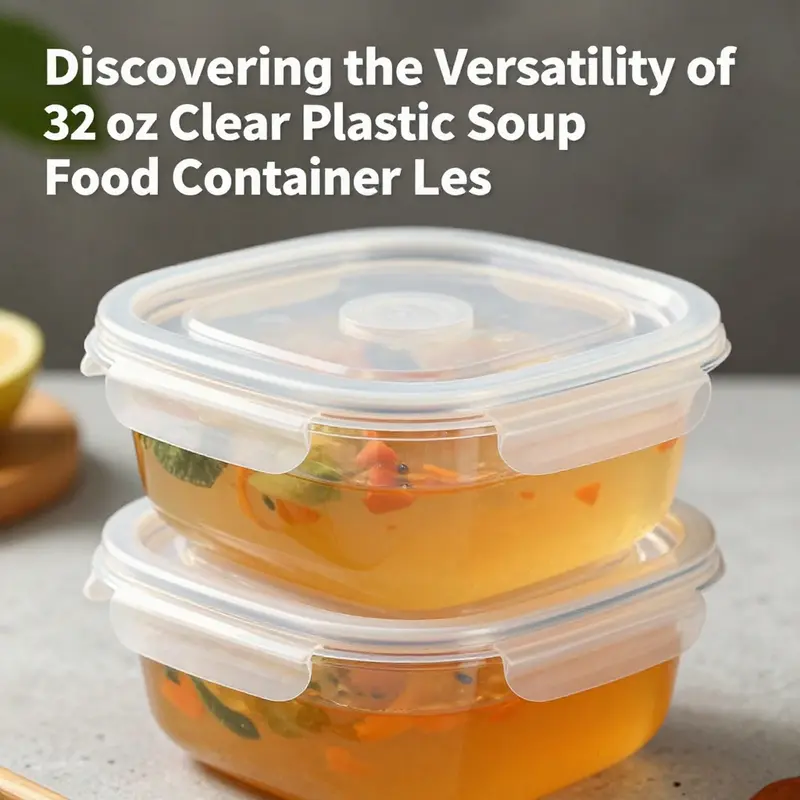
In the steady rhythm of kitchens, catering events, and home meal-prep routines, a dependable vessel can make the difference between a hurried scramble and an organized, confident service. The 32 oz clear plastic soup container with lids sits in that space between simplicity and reliability. Its design is not merely about containment; it is a small, efficient system engineered to preserve flavor, maintain texture, and streamline the flow of food from kitchen to table or to a customer’s doorstep. The beauty of this container lies not in flashy features alone but in the careful alignment of material safety, practical form, and adaptable function. It is a tool that speaks to the practical mind: clear visibility, leakproof confidence, and the assurance that a portion can be reheated, transported, and stored without compromising the integrity of its contents.
Material choice anchors the chamber of trust around which every other feature revolves. The common construction uses BPA-free polypropylene, or PP, a staple in food-contact plastics. The absence of BPA reduces concerns about leaching when the container encounters heat or cold; it also aligns with established expectations for sanitation and durability. When options include PLA lids or PLA-based components, the conversation shifts toward a broader environmental consideration. PLA, a biodegradable option derived from plant-based feedstocks, offers an additional path for organizations and households aiming to minimize plastic waste. Even if a PLA variant is not universally adopted, the core PP body remains a dependable baseline: a robust, chemically inert shell that holds up under freezing temperatures and safe, moderate reheating cycles. This combination of safety and resilience makes the 32 oz container suitable for a range of applications—from the predictable cycles of home meal-prep to the more demanding rhythms of a busy food service operation.
Beyond the choice of material, the lid is the practical engine of reliability. The airtight, snap-on lid is designed to create a secure seal that resists leaks during transport and minimizes the risk of spillage when mounded into a crowded cooler, car trunk, or delivery truck. The mechanism often features a smooth, rolled rim that accommodates a precise fit, ensuring that the seal remains airtight even after repeated cycles in a busy environment. The lid’s design matters as much as the container’s body because it determines how well the contents fare against environmental fluctuations. Heat, cold, and movement can stress a container in ways that only a well-engineered lid can compensate for. In a setting where soups, stews, or sauces may travel long distances or be portioned for multiple meals across a week, that airtight seal becomes a practical guarantee of freshness. It reduces the chance of dehydrating surfaces in a low-humidity fridge, protects delicate emulsions from separation, and minimizes the odor transfer that often accompanies imperfect closures.
The simple round silhouette of the container is more than a familiar aesthetic. It is the result of a thoughtful balance between ergonomics, stackability, and compatibility with standard kitchen racks, shelves, and transport systems. The round shape naturally facilitates even heat distribution when reheating, and it also supports consistent stacking, which is a practical virtue in both home pantries and commercial kitchens. When space is at a premium, the ability to stack containers vertically without wedging them into place translates to real gains in organization and efficiency. In a restaurant or catering operation, every inch of storage matters, and even a modest improvement in how containers nest can free up precious room for ingredients, labels, or other packaging solutions. The design also accommodates a wide range of dishware sizes and can nest with other common storage vessels, enabling smooth workflow transitions during peak periods.
Transparency is another cornerstone of the 32 oz container’s utility. The clear body invites immediate recognition of contents with a quick glance—no need to rummage through a cooler or a pantry to confirm what sits inside. For meal-prep enthusiasts, this visibility translates into straightforward inventory management. When planning a week of meals, seeing the contents at a glance reduces mislabeling, speeds up the selection process for lunches, and helps track leftovers before they become uncertain historical artifacts in the back of a fridge. For food service professionals, the ability to identify sauces, soups, and stews simply by color and consistency accelerates service and reduces the chance of cross-contamination that can occur when contents are hidden behind opaque packaging. The visual access also supports portion control, since the container communicates not just what is inside but, by its fill level, how much remains for a given meal plan or for a customer order.
Capacity matters in more ways than one. The 32 oz size is substantial enough to hold generous servings of soup or stew and still maintain a compact footprint in a refrigerator or cooler. It works well for family-sized portions, batch-prepared meals for event guests, or takeout quantities that demand a heartier serving than a standard single-portion cup. In practice, this capacity helps keep meals cohesive across days. A large batch can stay cohesive in a single container, reducing the risk of mixed flavors or inconsistent temperature distribution that might occur when multiple smaller containers are opened repeatedly. The 32 oz designation also makes it easy to plan meals around consistent, repeatable portions—an asset for nutrition-focused routines, dietary plans, and catering menus that depend on predictable serving sizes. When combined with a reliable lid and a sturdy body, the result is a dependable vessel that supports both the chef’s timing and the customer’s expectations.
Even with this array of advantages, the container remains surprisingly adaptable. It is not limited to soups and stews alone; its versatility extends to sauces, gravies, chili, and even thicker objects like chili mac or hearty pull-apart dishes that benefit from a container with a strong seal to withstand transport. In cold storage, the clear polypropylene holds up to freezer temperatures, preserving the texture and preventing freezer burn more effectively than some porous alternatives. When reheating, the container’s microwave-safe credentials, coupled with the lid’s sealed integrity, enable a quick transition from refrigerator to table for many dish profiles. It is worth noting, of course, that when reheating, the lid is typically removed or vented to avoid pressure buildup; such simple, prosaic steps ensure safety while retaining the benefits of the container’s design. To a kitchen team, these small, repeatable practices translate into consistency in texture and flavor across multiple meals for the week.
In the journey from preparation to consumption, the container’s role in organization and logistics deserves emphasis. The clear body, the leakproof lid, and the stackable profile collectively create a practical system for managing meal-prep cycles. In a home kitchen, you can prepare larger portions for the week and portion them into this 32 oz vessel, reserving freezer-friendly meals that can be reheated with minimal handling. In a restaurant or catering operation, it becomes a workhorse for batch cooking and for takeout service, where the secure lid protects delicate contents during transit and prevents spills during busy shifts. The unit’s design supports efficient labeling, too. The transparency reduces the need for constant lid removal to check what’s inside, while a simple, durable label or marker can quickly indicate contents, date, or portion size. The overall effect is a clean, dependable workflow: less time spent on container management and more time devoted to food quality and customer experience.
As consumers and businesses increasingly seek more sustainable packaging options, it is important to recognize how these 32 oz containers fit into broader environmental considerations. The PP body is widely recyclable in many municipal streams, and when a PLA lid option is used, it can align with efforts to reduce fossil-fuel dependence and improve compostability where facilities permit. These environmental nuances matter to buyers who are weighing the total cost of ownership—not only the purchase price but also the lifecycle impact, which includes storage efficiency, transport efficiency, and end-of-life disposal. In practice, choosing a container with recyclable features can be a straightforward step toward reducing waste in a busy operation. It also opens opportunities for businesses to communicate their packaging choices to customers, reinforcing a brand narrative that values safety, practicality, and environmental stewardship. The degree to which an operation emphasizes recyclability or compostability can inform supplier choices and influence the overall packaging strategy used across menus and service formats.
Portion control, too, is a natural ally of the 32 oz container. When meals are prepared in a controlled, repeatable manner, consistency in taste and nutrition follows. In cafeterias, catering lines, and home meal-prep routines, users can gauge serving sizes without relying on guesswork. The container’s generous capacity supports family-style servings and helps minimize the number of containers needed to meet daily meal demands. By consolidating servings into larger, clearly labeled containers, kitchens can streamline the process and reduce the frequency of restocking during service periods. At the same time, the clear body helps identify leftovers and helps prevent waste by enabling more accurate inventory assessments. The synergy between capacity, visibility, and seal integrity makes the 32 oz option a practical anchor in systems designed for reliability, speed, and cleanliness.
Several practical considerations accompany the decision to adopt these containers broadly. First, it is essential to match the container’s material and lid configuration to the intended use. For examples where moderate reheating is anticipated, ensuring that the container is explicitly rated as microwave-safe provides peace of mind. For long-term storage or batch preparation, a robust seal that resists leaks and maintains moisture balance helps protect the quality of the product. Second, labeling and dating content remains important. Even with clear visibility, a simple labeling approach with ink that adheres well to plastic surfaces is advisable to track freshness, ingredients, and allergen information. Third, cleaning and reuse practices should reflect the container’s durability. While many users lean toward disposable convenience, the same container can serve as a reusable option if washed according to manufacturer guidelines and checked for signs of wear, such as scratches in the interior that could harbor bacteria or compromise seal performance. A careful routine for sanitization, air-drying, and storage extends the container’s life and reinforces a culture of hygiene and efficiency in both home and professional environments.
For readers evaluating alternative packaging choices alongside the 32 oz clear container, there is value in exploring a spectrum of materials and formats. Paper-based bowls, kraft packaging solutions, and other disposable or reusable options offer distinct advantages in terms of cost, aesthetics, and environmental impact. The choice often depends on the specific context—whether a restaurant is serving a high-volume takeout flow, a wedding catering event, or a home batch-cooking routine that aims to reduce waste while preserving flavor and texture. In this broader landscape, the 32 oz clear container stands out for its balance of transparency, airtight protection, and practical adaptability. It is easy to integrate into existing workflows, requiring no specialized equipment beyond standard microwaving or freezing protocols, and it does so with an elegance of form that communicates clarity and confidence to both kitchen staff and customers.
In addition to technical considerations, there is a narrative element to packaging that resonates with teams that manage food quality and customer satisfaction. The ability to present a meal that looks as fresh as it tastes is, in part, a function of the packaging’s clarity and seal integrity. Seeing a robust, well-sealed white or colored lid resting atop a crystal-clear body can reassure customers that their meal has been prepared with care and delivered with safety in mind. The container’s clear body helps render that message tangible: the visible contents invite trust and demonstrate that the packaging preserves the meal in a straightforward, unambiguous way. As food service professionals consider how packaging contributes to the overall dining experience, the 32 oz container offers a concrete example of how form and function work together to support both operational efficiency and sensory appeal.
To connect this discussion to practical decision-making, consider a scenario: a small café is scaling up its lunch program to accommodate a growing customer base. The team needs a container that can hold hearty soups yet fits comfortably in a standard takeaway bag. They require a lid that seals securely to prevent spills during a brisk commute and a body that makes the contents easy to identify in a crowded display. The 32 oz clear container with a leakproof lid answers all these needs with a single, cohesive package. It supports quick service, helps maintain product integrity, and reduces the cognitive load on staff who must juggle multiple SKUs, labels, and batch codes. In a catering context, the same vessel can be deployed for bulk portions of sauces or soups that will be served at events, shared across tables, or prepared in advance for a multi-day schedule. The reliability of the container’s performance becomes a quiet backbone of service, enabling teams to focus on the elements that differentiate their offering—flavor, presentation, and timeliness—rather than wrestling with packaging failures.
As readers navigate the decision-making landscape, a useful anchor comes from recognizing the container as part of a broader family of packaging choices that prioritize safety, convenience, and efficiency. While this specific design excels in many scenarios, it is not a one-size-fits-all solution. The availability of multiple sizes—from smaller 8 oz and 12 oz options to larger 24 oz or 32 oz variants—provides a continuum that makes it possible to tailor portions to specific meals, dietary needs, or service formats. The choice of lid design, whether a standard snap-on model or an updated variant with enhanced sealing features, adds a layer of customization that can balance cost with performance in ways that align with budgetary constraints and customer expectations. Decisions about material composition—PP versus PLA or other bioplastics—reflect considerations about sustainability goals, regulatory compliance, and end-of-life disposal capabilities in different markets. This nuanced approach ensures the packaging remains compatible with evolving standards and customer preferences, while still delivering the dependable performance that professionals rely on.
For readers curious about the broader ecosystem of packaging technology and its implications for this specific container, the conversation can extend into practical sourcing considerations and supplier relationships. Packaging is not merely a passive container; it is a node in a supply chain that touches procurement cycles, labeling practices, and the ability to meet service-level agreements with clients and customers. The 32 oz clear container with lids exemplifies how a well-designed product can harmonize with these processes, becoming a facilitator of efficient operations rather than a friction point. When teams evaluate suppliers, they typically weigh factors such as material safety certifications, recycling compatibility, lead times, and the stability of lids under transport conditions. The outcome of this evaluation shapes not only the immediate packaging strategy but also the consistency of the customer experience across orders and events. Such considerations reinforce the value of choosing a container that can reliably integrate into diverse workflows without demanding constant adaptation.
To broaden the context beyond the immediate scope of the container itself, readers may explore related packaging options that reflect the same principles of clarity, integrity, and economy. For example, compact, heat-resistant cups and bowls designed for takeout or dine-in service, when used in conjunction with compostable or recyclable lids, can offer a more environmentally attuned option in certain markets. While these alternatives may entail different costs or process requirements, they demonstrate how the packaging ecosystem can be tailored to support responsible practices without sacrificing practicality. The central takeaway remains clear: the right container, in the right size, with a reliable seal and a transparent body, can harmonize product integrity with workflow efficiency, enabling teams to deliver meals that feel fresh, look appetizing, and travel with confidence.
As this exploration concludes, the reader is left with a pragmatic framework for evaluating packaging with eyes toward safety, usability, and sustainability. The 32 oz clear plastic soup container with lids embodies a thoughtful balance of these priorities. It provides a robust, visible, and secure vessel for a wide range of foods, from hot soups to thick sauces, while supporting efficient storage and handling across home and commercial settings. Its design fosters a sense of confidence—from the moment a lid snaps into place to the moment a customer slides the container into a delivery bag. In that sense, the container is more than a technical device; it is a small but essential enabler of reliable food service, responsible storage, and satisfying meals. And as packaging ecosystems continue to evolve, it remains a compelling example of how clarity, control, and care can come together in everyday objects to make professional food practices more repeatable, scalable, and enjoyable.
Internal link reference for further packaging considerations: disposable-eco-friendly-custom-paper-coffee-cups-with-lid
External resource for additional supplier context: For a broader market reference on 32 oz freezer-safe food storage containers, see the following listing: Alibaba 32 oz Freezer-Safe Food Storage Soup Container.
Crystal Clarity in Service: The 32-Ounce Clear Soup Container as a Keystone of Efficiency, Safety, and Sustainability
In the bustle of modern food operations, a simple tool can quietly redefine how smoothly a kitchen runs and how reliably customers receive their meals. The 32-ounce clear plastic soup container with a lid is one such tool. Its transparency does more than reveal the color and texture of the contents; it provides an instant visual check for chefs and service staff, enabling rapid decisions about portioning, labeling, and inventory. In a setting where every second counts and every ounce matters, being able to see what’s inside without opening a lid saves time, reduces the chance of spills, and supports consistent portion control. This level of visibility translates into fewer mis-pours, more accurate prep counts, and ultimately, a steadier flow from kitchen to customer and back to storage. The size—32 ounces—strikes a practical balance between portion size and handling convenience. It is large enough to hold hearty soups, thick stews, or sauce-dense dishes, yet compact enough to be stacked under prep counters and inside walk-in shelves without crowding the space heat and moisture create. The container’s design is a quiet enabler of everyday efficiency, and its impact compounds when kitchens scale up to meet catering orders, daily lunch rushes, or mobile-service demands.
From the back of a bustling restaurant to the counter of a roadside food truck, the 32-ounce container is a study in purposeful engineering. The base is typically made from high-quality, BPA-free polypropylene (PP), a material chosen for its heat resistance, rigidity, and chemical stability. PP’s predictable performance matters when hot liquids are involved: the container holds up to repeated heat cycles during reheating and remains structurally sound in a kitchen that often moves quickly from stove to service line to customer handoff. The absence of BPA is not merely a regulatory checkbox; it is a reassurance that the packaging won’t impart unwanted chemical notes or pose additional health concerns when meals travel through multiple hands and various reheating steps. This commitment to safety aligns with international food-safety ideals and operational standards, supporting both compliance and consumer trust in environments where trust is a competitive differentiator.
Lid technology is where the practical genius of these containers becomes most apparent. The snap-on lids are designed to seal the container firmly enough to resist leaks during transport, which is a lifeline for takeout programs that dot city neighborhoods or service event venues. An airtight, leakproof closure is not just about preventing a mess; it’s about preserving the meal’s integrity. When soups, sauces, or stews are sealed well, aromas stay contained, texture remains more consistent, and the likelihood of cross-contamination between items in crowded coolers or delivery bags drops. The lid also serves as a climate barrier, reducing the rapid exchange of air that would otherwise drive moisture loss and flavor degradation. For the operator, this means less waste, more predictable shelf-life, and more satisfied customers who receive meals that look and taste as intended.
The 32-ounce format is not only about containment but also about how containers behave under the pressures of a busy operation. These containers are generally stackable, a design attribute that saves precious cold-storage space and simplifies inventory management. When stacked neatly, they take up less room on prep shelves and in walk-in coolers, freeing space for more important tasks like chopping, garnishing, and rapid reheating. Stackability also minimizes the risk of accidental tipping during rough handling, a common scenario in mobile kitchens and catering setups where bags and crates are moved repeatedly throughout the day. The ability to nest or stack without compromising the container’s integrity under weight is a small but meaningful contributor to a kitchen’s overall efficiency. It reduces the likelihood of damaged containers and the spill-associated cleanup that slows service during peak hours.
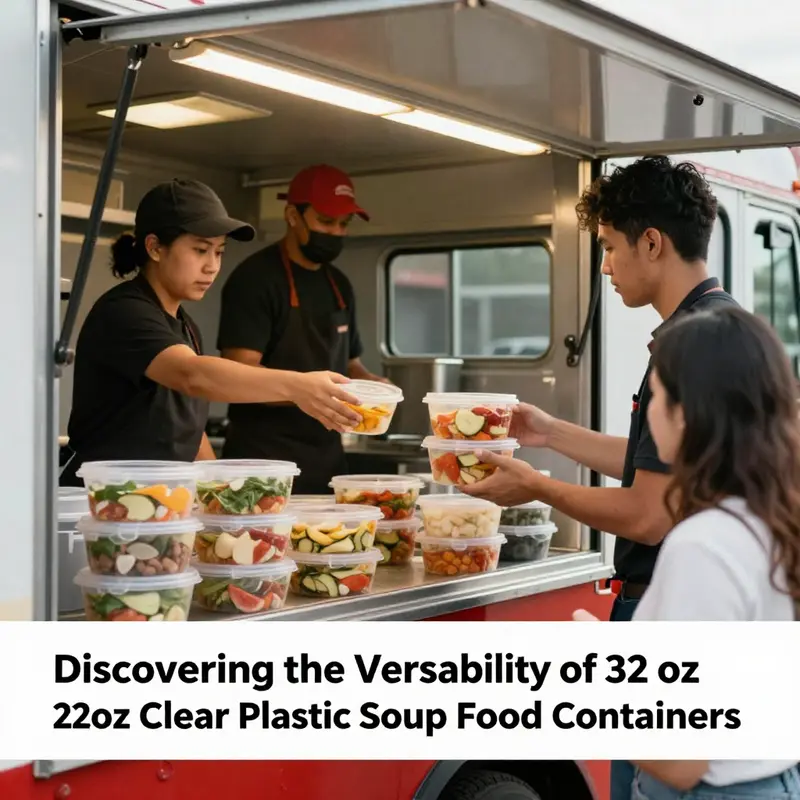
In terms of versatility, the 32-ounce clear container flexes across multiple service models as a reliable workhorse. Restaurants and fast-casual venues rely on it for takeout soups, broths, chili, and even layered sauces where visibility aids at-a-glance menu planning and portion accuracy. Food trucks and mobile kitchens prize the container for its ruggedness and heat resistance; hot contents can be held securely without warping the plastic, and the stackable nature keeps loading and unloading manageable in tight spaces. Delis and salad bars use the transparency to showcase contents while supporting portion control and stock monitoring. The clear walls allow staff and customers to quickly assess freshness and availability of different soup or sauce options, streamlining decision-making and reducing delays. In large-scale operations—commercial kitchens and catering services—the capacity to store and transport large quantities of prepared soups and side dishes becomes essential. Freezer-safe properties extend this utility to pre-portioned batches, enabling advance meal prep and a smoother reheat process later in the week. Thus, the 32-ounce container becomes a strategic asset in any plan that aims to balance speed, safety, and quality in food service.
Material safety is central to the container’s operational credibility. BPA-free PP is not only safer by design; it also supports a straightforward compliance narrative for food-service operations that must meet stringent safety guidelines. BPA-free materials reduce the risk of chemical transfer during heating and freezing cycles, a concern that many kitchens address to protect both staff and customers. The polypropylene composition is known for resilience under temperature fluctuations, an important trait for a container that moves between a hot kitchen, a dining room, a refrigerated display, and a freezer. The material’s recyclability is a nod to sustainability goals that are increasingly essential for modern operators who wish to minimize environmental impact while maintaining product quality. In practice, this translates to a safer end-to-end lifecycle: from safe handling and storage to responsible disposal or recycling, aligning with ISO-based quality and safety expectations that many facilities already track for other packaging and food-contact materials. The result is a packaging option that not only performs reliably in day-to-day operations but also supports a broader commitment to responsible business practices.
A crucial aspect of the container’s value is its compatibility with reheating workflows. Microwave-safe properties mean that customers can transfer their meals directly from container to microwave, or at least reheat within a similar environment, without introducing extra dishes that often complicate busy households after a long workday. For operators, this reduces the likelihood of miscommunication in takeout instructions and improves the consumer experience by shortening the path from order to warmed meal. The ability to reheat without transferring liquids into other vessels minimizes the risk of spills and burns, particularly during the final minute of service when orders must be fulfilled rapidly. This convenience translates into happier customers and more repeat business—a crucial factor for restaurants and delivery services that rely on consistent performance.
Storage and preservation are another domain where these containers shine. Their freezer-safe design means that soups and stews can be prepared in advance and stored without significant loss of texture or flavor, provided cooling and freezing are performed correctly. For catering agencies and hotels that manage large buffet inventories, the capacity to hold hot items on site or cold sauces with stable shelf life makes it possible to plan menus with greater confidence. The idea is not simply to hold food but to maintain the integrity of the dish across moments of transition—from kitchen to transport, from storage to display, and from service to the consumer. In this sense, the 32-ounce container acts as a reliable bridge across stages of the food-service pipeline, supporting consistent quality regardless of whether a meal is prepared hours ahead or prepared on demand.
Beyond performance, the containers address storage efficiency and waste reduction. The clear design helps staff quickly determine available stock without rummaging through opaque stacks, which shortens the time spent retrieving packaging and reduces the risk of miscounts during inventory checks. In a sector where inventory discipline matters for cost control and yield, every incremental improvement in speed and accuracy matters. The ability to reuse containers also supports waste minimization goals. After service, containers can be washed and sanitized for reuse in some operations, or accepted back into a recycling stream where facilities exist. This dual capacity—reusability where feasible and recycling where necessary—fits within broader sustainability programs that many modern kitchens are building as part of a larger environmental strategy. The combination of visibility, safety, and durability makes the 32-ounce clear container a versatile backbone for varied service models and scales of operation.
Each segment of the food-service landscape can leverage the container’s specific strengths in different ways. In a restaurant setting, the focus is on customer satisfaction and throughput. The lid’s seal helps keep soups hot during the final leg of the customer journey, from takeout counter to car or subway ride, and the transparent walls support quick checks of portion size and freshness by staff during busy periods. In a mobile kitchen or food truck, durability under transport and resistance to heat are paramount. The containers’ robust PP structure, combined with secure lids and nestable shapes, means fewer breakages and less spillage during rapid deliveries and curbside pickups. Delis and salad bars benefit from the containers’ clear visibility to showcase daily soups and sauces, enabling shoppers to see the exact contents while allowing staff to measure portions accurately for pre-packed orders or self-serve sections. In commercial kitchens and catering operations, the freezer-safe attribute becomes a critical factor for planning large-scale meal production and ensuring that pre-portioned, ready-to-reheat meals maintain their quality when thawed and heated. Event settings, including hotels and wedding venues, depend on neat, professional presentation. The clarity of the container enhances the visual appeal of plated or buffet-style servings, while the tight seal helps maintain temperature and minimizes contamination risks in crowded environments.
The packaging ecosystem around the 32-ounce container also reflects a broader shift toward more responsible materials and packaging options. While the base PP container remains a strong performer for many applications, there are eco-conscious variants that use recyclable PP or even PLA-lid alternatives designed to reduce environmental impact. This makes it possible for operators to align packaging choices with specific sustainability goals without sacrificing the reliability and performance that customers expect. The trade-offs between cost, durability, and eco-friendliness are a part of thoughtful procurement decisions, and the landscape continues to evolve as new materials and recycling streams mature. In practice, facilities may rotate between standard PP containers for high-volume, everyday service and eco-friendly variants for special menus or events where environmental credentials are a focal selling point. The result is a pragmatic approach that preserves quality, supports sustainability, and offers a measurable way to differentiate offerings in a crowded market.
From a practical perspective, it is important to consider the lifecycle of the container within a given operation. The design supports easy cleaning and sanitizing, important attributes in spaces where rigorous food-safety protocols govern daily routines. The smooth surfaces and simple geometry minimize crevices where food particles might linger, streamlining the washing process and reducing the risk of cross-contamination. The simplicity of the packaging also translates to fewer breakages and lower replacement costs, an argument operators can make when presenting packaging options to procurement teams. As a result, the 32-ounce clear soup container with lids becomes less an accessory and more a framework for reliability, predictability, and quality control in a system that is constantly balancing speed, safety, and service standards.
For readers who are surveying packaging choices across categories, a direct point of comparison is the broader packaging landscape. The 32-ounce container stands out for its combination of visibility, versatility, and safety, especially in settings where hot and cold items share the same packaging ecosystems. It is not merely about serving a single dish or menu; it is about enabling a service model that can adapt to changing demands, whether that means expanding to meet a weekend crowd, enabling a new catering contract, or adjusting to a seasonal shift in menu items. The container’s features intersect with operational priorities in meaningful ways: it supports faster line checks, reduces spillage during transit, preserves warmth and moisture, and aligns with safety standards that reassure staff and customers alike. In short, it is a practical, scalable solution that can be tailored to fit a wide range of service contexts without requiring wholesale changes to workflows or infrastructure.
As with any packaging choice, there are considerations that operators should weigh when integrating these containers into their routines. Training staff to use the lids correctly, ensuring that reheating guidelines are communicated clearly to customers, and coordinating with suppliers to secure a steady stream of compatible lids and containers are all essential steps. Correct temperature management is crucial; hot ingredients should be allowed to cool within safe limits before sealing to minimize pressure buildup. At the same time, freezing and thawing protocols should be followed to preserve texture and flavor, particularly for delicate soups and stews. By supporting a well-designed handling process, the 32-ounce clear container becomes a dependable partner in delivering meals that are not only safe and fresh but also consistently appealing in aroma, appearance, and taste. The net effect is a smoother guest experience, improved operational efficiency, and a packaging solution that aligns with contemporary expectations around safety, durability, and sustainability.
Clear Reflection: The Environmental Narrative of a 32-Ounce Plastic Soup Container and Its Lids
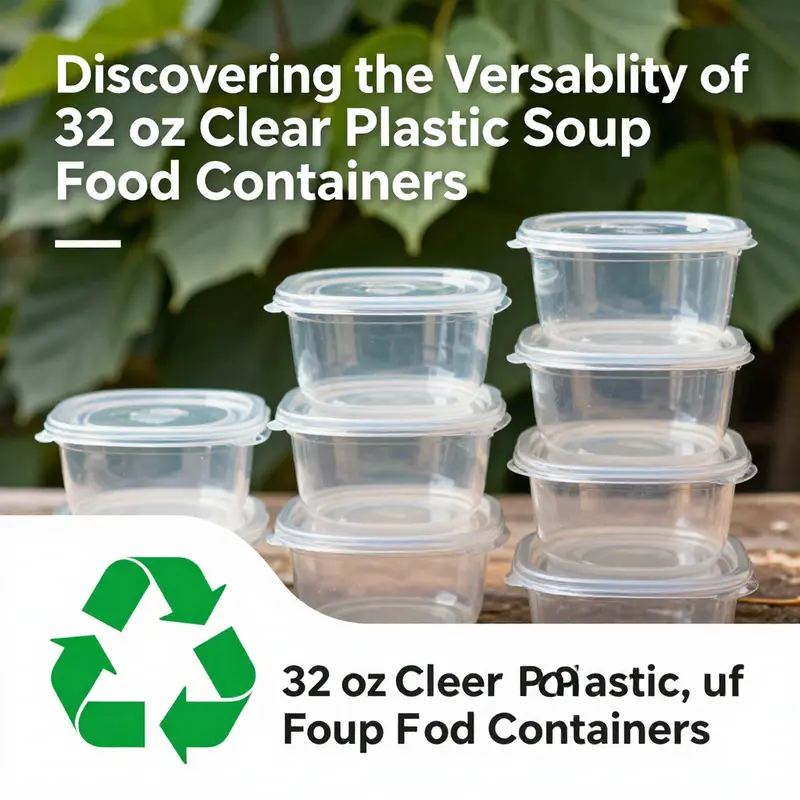
A 32-ounce clear plastic soup container with a lid is offered as a practical tool for kitchens, meal prep, catering, and home use. Yet beneath its simple, transparent exterior lies a layered story about resource use, waste, and the choices that shape environmental impact. When we focus on a single container, we glimpse broader questions about materials, design, end-of-life routes, and the social responsibilities that accompany convenient packaging. The container’s clarity is not just about seeing what lies inside; it is a lens through which we observe the trade-offs between safety, usability, and sustainability. In this light, the container becomes more than a vessel for soup. It becomes a case study in how modern packaging negotiates safety standards, consumer demands, and the stubborn realities of waste streams.
Material composition forms the backbone of any environmental assessment. Most 32-ounce containers used in professional and domestic contexts are constructed from food-grade polypropylene (PP) or polyethylene terephthalate (PET). These materials are favored for their safety profiles, including BPA-free formulations that reassure users about potential health risks associated with older plastics. PP, in particular, is known for its chemical resistance, heat tolerance, and relatively favorable recyclability profile when streams are clean. PET offers clarity and strength, which explains its popularity for transparent containers. The combination of clarity and safety—driven by these polymers—helps preserve the sensory appeal of soups and stews while maintaining structural integrity during microwaving, chilling, or freezing. The choice of these polymers also invites a nuanced discussion about energy use across the product’s life cycle. Each gram of polymer produced and processed consumes energy, and the recycling or recovery step consumes additional energy to remanufacture materials into new products. The narrative here is not simply about whether the container can be recycled, but about how efficiently it can be looped back into usable material, and under what conditions that loop actually closes.
Lifecycle considerations sit at the heart of any sustainability assessment. In many markets, disposable or single-use versions of these containers are promoted as convenient solutions for fast service and short-lived meals. They enable quick turnover in cafeterias, catering events, and meal-delivery operations, which in turn reduces prep time and the energy spent on re-packaging repeated meals. But the convenience comes with a disposal consequence. If the container ends up in ordinary waste rather than an appropriate recycling stream, it contributes to plastic waste that persists for decades. Contamination is a frequent barrier to effective recycling. Sauce residues, trapped food particles, or improper rinsing can complicate the sorting and processing steps at recycling facilities, leading to lower recovery rates. In regions where recycling infrastructure is patchy, even clean containers may struggle to find a second life, underscoring a critical point: technology and materials exist in a social system, and the system’s strength determines outcomes.
A key design feature that intersects with sustainability is the lid. Airtight and leakproof seals are essential for safe transport, minimizing spills and preserving freshness. Yet each seal also shapes the container’s end-of-life handling. A sturdy lid can both protect content and complicate recycling if it is made from a different polymer than the base container or uses a composite assembly. When a lid is designed for easy separation, it can simplify recycling streams. Conversely, if the lid integrates with the base in ways that hinder disassembly, it can raise contamination risks or reduce recyclability. In practice, manufacturers that pursue better environmental performance often pursue a harmonized design where the lid and body share compatible materials, or where the lid is readily separable without harming the integrity of the container or the recycling machinery. This compatibility reduces the likelihood that the whole assembly becomes non-recyclable due to mixed polymers.
Beyond the physics of materials, the container’s lifecycle is deeply shaped by how people use and dispose of it. A pragmatic insight from the field is that reusable designs, while requiring more upfront investment in cleaning and handling, can dramatically reduce waste in contexts with high usage turnover. In Europe, for instance, initiatives that emphasize product take-back and recycling alignment—such as standards under Extended Producer Responsibility (EPR) programs—have nudged manufacturers toward packaging that can be efficiently collected, sorted, and reprocessed. These standards acknowledge that the bottle and lid are not isolated items but components of a system that must be designed for reuse potential or end-of-life recoverability. A more circular approach recognizes that high-volume, short-use packaging should be paired with robust recovery pathways to prevent leakage into landfills and ecosystems. The contrast between disposable rationale and circular economy goals becomes sharper as environmental awareness grows and consumers seek packaging that reflects stewardship as much as convenience.
A practical implication of this shift is the increased exploration of reusable options certified under recognized frameworks. Reusability reduces material throughput and, if executed well, lowers the long-term environmental footprint. In regions that implement producer responsibility and take-back programs, containers can be washed, sanitized, and re-entered into the market multiple times. Over a sequence of cycles, the energy and material costs per use can decline, provided the washing processes are efficient and the containers withstand repeated temperature changes without losing integrity. In this sense, the container transitions from a single-use object to a potential participant in a reuse loop, helped by durable materials and thoughtful design features that tolerate cleaning and repeated handling. Yet reuse also demands consumer discipline—thorough washing, correct sorting, and timely participation in take-back programs. Without these practices, even the most robust design cannot deliver expected environmental benefits.
A broader sustainability picture also includes the environmental considerations of lifecycle stages that often stay out of sight. Production energy for PP and PET, water usage in manufacturing, and the carbon footprint associated with supply chains all contribute to the overall impact. Transportation, one of the more visible life-cycle stages, is influenced by the container’s shape, weight, and stacking efficiency. A stackable design reduces the number of trips required in storage and during distribution, translating into fuel savings and lower emissions. The efficiency gains extend to retailers and food service operations, where space optimization in refrigerators, freezers, and delivery fleets can reduce energy consumption. In practical terms, a 32-ounce container that stacks neatly and minimizes wasted space can yield measurable reductions in refrigeration energy usage and transport emissions, particularly when deployed at scale in catering and meal-prep contexts.
The environmental narrative of these containers grows more complex when we account for consumer behavior and municipal recycling realities. Contamination remains the most persistent barrier to recycling success. When sauces, oils, or dairy residues cling to the interior surfaces, the recycling stream may lose value or require additional processing energy to clean the material. Consumers who rinse containers before recycling can improve outcomes, but the level of effort expected and the clarity of local guidelines vary widely. The result is a patchwork of success stories and ongoing challenges. In some places, local authorities encourage separated streams for plastics, while in others, mixed streams prevail. The bottom line is that the container’s environmental performance depends not only on its chemistry and engineering but also on the context of post-consumer handling. This is why effective sustainability messages must be honest about both capabilities and limitations, offering practical steps for end users to close the loop where possible.
In addressing a broader sustainability framework, it helps to place the container within a spectrum of packaging options. Paper-based or plant-based alternatives, or mixed-material assemblies that lean toward compostable or biodegradable components, generate different environmental trade-offs. Paper and pulp-based options can offer compostability advantages in systems designed to accept them, but they often require separate composting infrastructure and careful feedstock management. The plastic container, by contrast, can be highly efficient in certain contexts thanks to established recycling streams, but only if users and waste streams align with those capabilities. A candid assessment, therefore, recognizes that no single container type is universally superior. Instead, a nuanced choice emerges: select materials and designs that align with local waste management capabilities, while prioritizing durability, safety, and the potential for reuse where feasible.
From a design and policy perspective, there is value in embracing standards and certifications that acknowledge environmental performance. For example, programs that emphasize recyclability, recyclate content, or end-of-life recovery contribute to a more transparent market. When manufacturers pursue reusable or certified recyclable options, they help reduce long-term waste and foster a culture of accountability. The emphasis on recoverability does not merely apply to large-scale producers; it also informs how schools, hospitals, caterers, and households choose containers for daily use. The decision to favor reusable or certified recyclable packaging can become a practical expression of a commitment to sustainability in kitchens and on event sites alike. These choices ripple outward, affecting procurement practices, supplier expectations, and customer perceptions about environmental responsibility.
The interplay between material science, product design, and end-of-life realities invites ongoing collaboration among manufacturers, waste-management professionals, policymakers, and consumers. A crucial action is to align packaging design with recovery infrastructure. This means selecting polymers that can be effectively recycled in local facilities, avoiding combinations that complicate separation, and ensuring that lids and bases are compatible in recycling streams. It also means investing in research and pilot programs to validate reuse schemes, quantify waste reductions, and share best practices across sectors. When these collaborative efforts coalesce, the 32-ounce container becomes a model for thoughtful packaging that respects safety, practicality, and the environment. It can demonstrate that everyday items can be designed and used in ways that minimize ecological footprints without sacrificing convenience or reliability.
In this chapter’s context, a practical takeaway emerges for readers who navigate kitchens, cafeterias, or food-service operations. Consider the container not only as a tool for storing and transporting meals but also as a signal about values—values that prioritize safe materials, careful handling, and responsibility for the entire life cycle. If the goal is to reduce plastic waste while maintaining the benefits of transparent, microwavable containers, then two paths are worth pursuing. First, opt for reusable designs where feasible, supported by robust cleaning and sanitation practices. Second, seek out packaging that is certified recyclable in your jurisdiction, ideally with a clear end-of-life plan. In both paths, the focus should be on reducing waste, increasing reuse, and strengthening recycling streams rather than simply replacing one disposable choice with another.
To illustrate how these ideas translate into real-world practice, consider the role of packaging guidelines in a well-run kitchen. A cafeteria that uses 32-ounce containers for daily meals can implement a standard operating procedure: rinse containers promptly after use, separate lids from bases for recycling, and return reusable units to a washing cycle where feasible. For disposable use, staff can track the containers’ origin and recycling eligibility, ensuring that waste is diverted from landfills whenever an accessible take-back program exists. In settings where local infrastructure supports it, efforts to participate in or mimic Extended Producer Responsibility frameworks can further optimize end-of-life outcomes. The goal is not merely to comply with rules but to embed a culture of stewardship into daily workflow—turning a simple container into a partner in sustainability rather than a symbol of wasteful convenience.
This is also where the broader design philosophy comes into play. The choice of material, lid design, and stackability influences not only user experience but environmental outcomes. A container engineered for easy separability, with a lid that can be detached cleanly, can contribute to higher recycling rates. A design that minimizes the use of additives and colors can reduce recycling complexity and improve material quality for remanufacturing. A stackable form that reduces space requirements in transit and storage can lower energy consumption across the supply chain. Each improvement, modest on its own, compounds when deployed at scale. The cumulative effect can be a meaningful reduction in energy use, resource extraction, and greenhouse gas emissions over time. When combined with responsible consumer behavior and supportive policy frameworks, these improvements create a more sustainable packaging ecosystem that still delivers the safety and convenience that modern eating occasions demand.
In sum, the environmental impact and sustainability of a 32-ounce clear plastic soup container with a lid depend on a triad: material choice and safety, end-of-life pathways, and user behavior within the recovery system. The chapters of this story are not written in isolation. They hinge on how well the packaging integrates with real-world waste streams, how design choices enable or hinder recovery, and how consumers and organizations commit to reuse and responsible disposal. The transparent container invites trust because it reveals contents, but it also invites a deeper inspection of how packaging choices align with ecological responsibility. The conversation extends beyond individual meals to the systems that either support or hinder circular use. When informed choices guide design and usage, the container becomes a practical ally in a broader movement toward more sustainable packaging—and a reminder that transparency should apply not only to contents but to the life cycle that follows.
Internal link reference: In the evolving landscape of sustainable packaging, alternative options and recovery pathways are of growing interest. For readers exploring a shift toward greener containers, see how an eco-friendly option like a recyclable pulp cup holder is being positioned as part of a broader sustainability strategy: eco-friendly recyclable pulp cup holder.
External reference: For a structured overview of how packaging responsibility and recycling policy are shaping industry practice in Europe, consult the official guidelines that inform these shifts: https://www.epr-france.fr.
Final thoughts
The 32 oz clear plastic soup food container with lids emerges as a practical solution for diverse needs within the food service industry. Highlighting their key features, various applications, and commitment to sustainability, these containers are integral to optimizing operations in restaurants, food trucks, and catering services. By choosing high-quality, versatile products, food service businesses can ensure efficiency, reduce waste, and serve their customers with care and professionalism.