
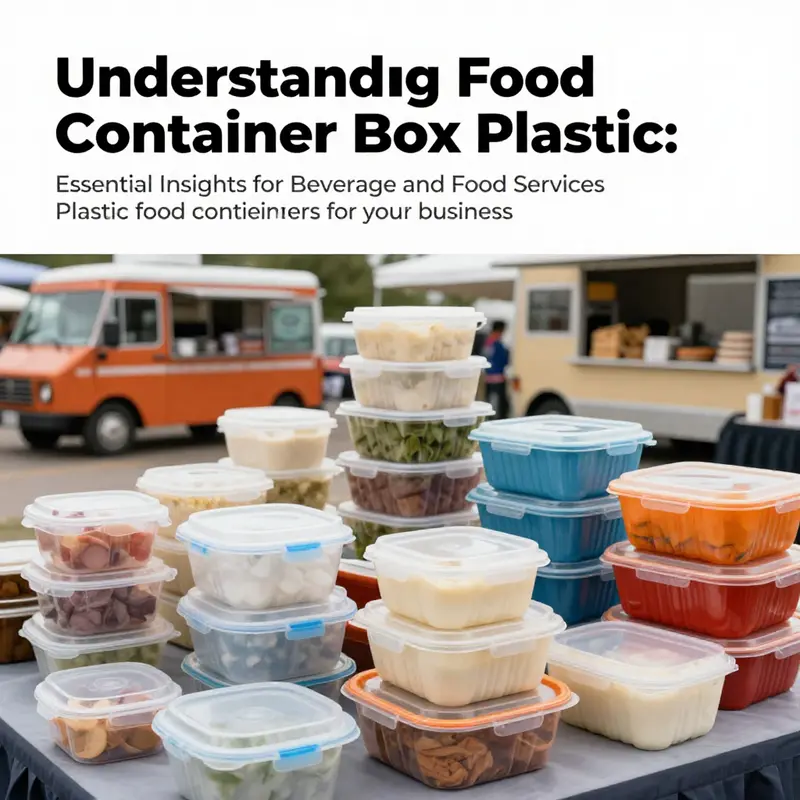
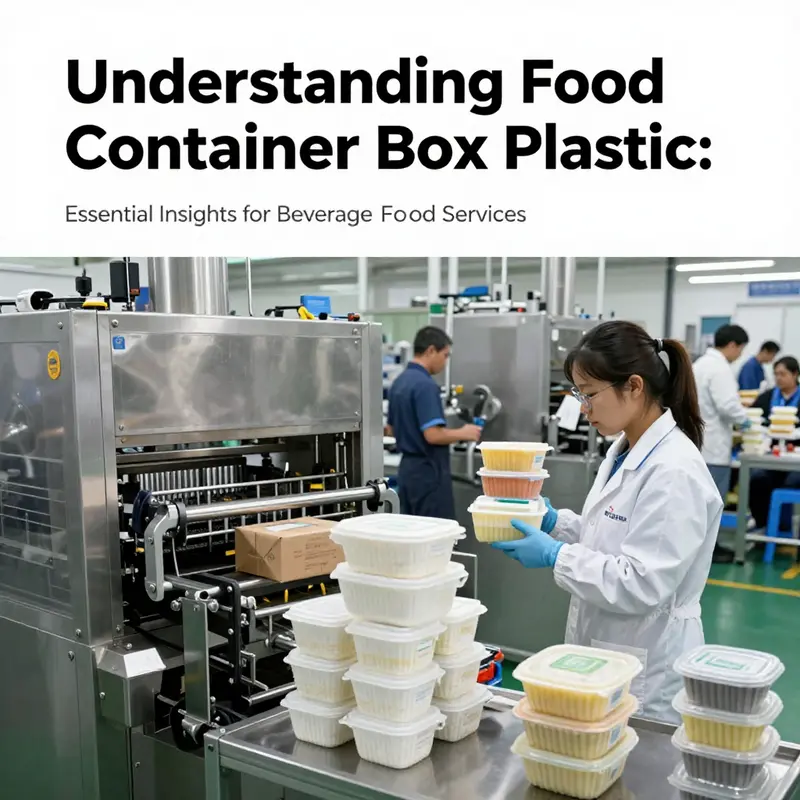
Plastic food container boxes have become indispensable in the food and beverage industry, offering convenience and reliability for various businesses, from bubble tea shops to catering services. As operators in these sectors streamline processes and enhance customer experiences, understanding the nuances of plastic food containers is crucial. This article will delve into the manufacturing and production processes, economic impact and pricing, sustainability challenges, and regulatory standards governing these products. Each chapter will offer insights that empower food business owners to make informed decisions tailored to their operational needs.
null
null
Pricing, Scale, and Sustainability: The Economic Engine Behind Plastic Food Container Boxes
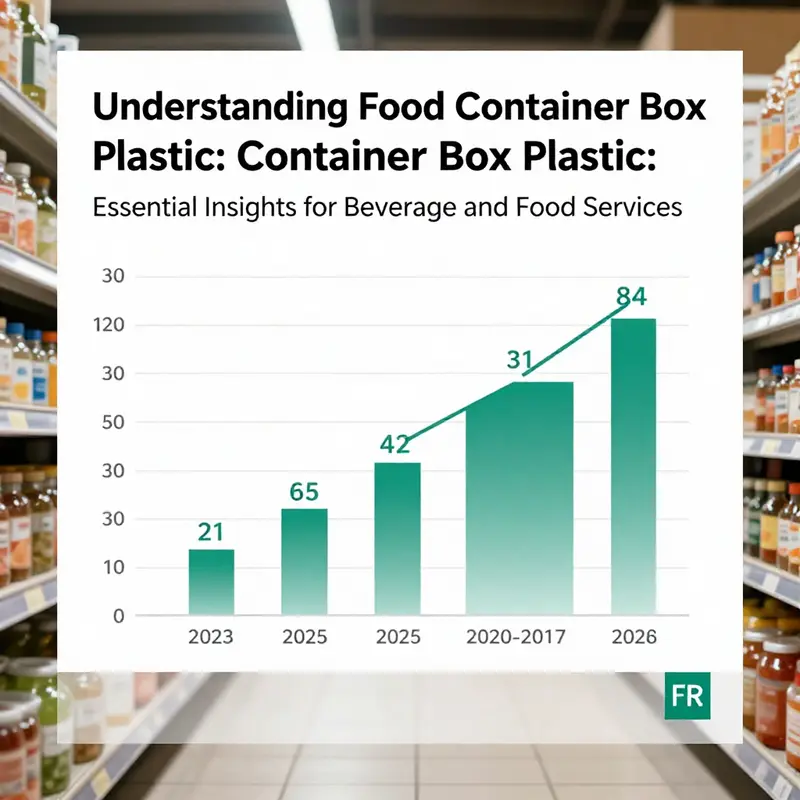
The market for plastic food container boxes sits at a pivotal crossroads where convenience, cost, and accountability converge. On one axis lies the demand that fuels countless kitchens, food trucks, and retail outlets: the daily need to store, transport, and present meals in a way that is safe, hygienic, and easy to handle. On the other axis sits a web of cost pressures, regulatory scrutiny, and shifting consumer expectations about waste and sustainability. Taken together, these forces shape not only the price a buyer pays per unit but also the strategic decisions producers make about scale, customization, and distribution. In this landscape, the value of plastic food container boxes is not merely a sticker price; it is a reflection of manufacturing efficiency, resin costs, logistics, and the evolving economics of the circular economy. The global plastic food storage container market was valued at about USD 10.5 billion in 2024 and is projected to reach roughly USD 15.2 billion by 2033, a trajectory driven by the growth of fast-food cultures, omnichannel retail, and the persistent hunt for time-saving meal solutions across households and workplaces. These figures, reported by a leading market research firm, capture a market that is both highly fragmented and intensely competitive, with millions of units moving daily through countless hands. The practical upshot is that pricing is less a single sticker than a spectrum determined by size, feature set, production scale, and the supplier’s ability to bundle additional services into the offer. A basic takeaway box with a lid can command a price deceptively close to being negligible when bought in bulk. In many regions, bulk pricing for standard, no-frills takeout boxes can fall in the range of five to nine cents per unit, a level that makes them almost indispensable for high-volume operators who emphasize per-transaction cost control. When features are added—airtight seals, microwavable materials, or multi-compartment configurations—the per-unit price rises, but so too does the value proposition for customers seeking portion control, leak resistance, and presentation quality. In typical market segments, airtight, multi-compartment containers commonly range from about ten to fifteen cents per unit for moderate to large batch orders. As with any commodity-like product that hinges on resin inputs and processing energy, the price can shift with raw material costs, which themselves respond to energy prices, feedstock markets, and global supply dynamics. The pricing bands for specialized containers—microwavable designs, disposable sushi boxes, or unique shapes—tend to occupy a higher plane, often between twelve and nineteen-two hundredths of a dollar per unit, depending on the degree of customization and the quality of the polymer. Suppliers frequently quote these prices with caveats about minimum order quantities, lead times, and optional add-ons such as branded printing, color customization, or auxiliary packaging. The economics of scale remains a decisive lever. For orders at or above half a million units, unit costs frequently dip below the ten-cent mark for basic configurations, and even the more feature-rich formats may see substantial reductions, sometimes landing around the one-tenth dollar threshold or lower. This dynamic underscores a recurring industry practice: align product design with the most common usage patterns of customers, then offer a ladder of add-ons that can be selectively deployed to differentiate offerings without eroding baseline profitability. The market’s scale and its price curves owe much to the pull of contract manufacturing ecosystems. In regions with dense manufacturing bases, a major facility with multiple production lines and substantial daily output can sustain aggressive pricing while maintaining margins. One large-scale operation in a major manufacturing hub reports daily outputs that approach tens of tons, supported by dozens of production lines, enabling rapid response to orders of any realistic size. This scale not only supports competitive pricing but also accelerates delivery times, a critical factor in hospitality and catering where freshness and timeliness are as important as the container’s integrity. The interplay between scale and speed translates directly into the customer experience, where a quick-turn supply can be the difference between a seamless service and a missed window. Vendors commonly advertise quick turnaround times on stock items, sometimes promising delivery within a few days for standard configurations, a feature that buyers value as much as price. In addition to raw material costs and manufacturing efficiency, the pricing story for plastic containers is increasingly intertwined with compliance and reputational considerations. The industry has responded to rising scrutiny of plastic waste by expanding access to recyclable and certified materials, and by offering hygiene-centric features that reassure buyers about safety and odor control. In practice, this means suppliers must balance the lure of low unit costs with the longer-term costs and benefits of sustainable packaging. Although plastic remains unmatched in terms of cost-to-performance for many users, growing regulatory expectations and consumer demand for responsible packaging are compelling operators to weigh the total cost of ownership—price per unit, waste management, and potential brand impact—when selecting packaging. The cost calculus is rarely static. Resin price volatility, regulatory changes, and the complexities of supply chains—especially for resin blends or specialized polymers—can shift pricing bands within a matter of months. The industry responds through a combination of hedging, supplier diversification, and the deployment of alternative materials where appropriate. Even within a single supplier’s catalog, customers may see a ladder of options that reflects different resin families, barrier properties, and processing methods. A straightforward takeaway is that buyers are not merely purchasing a container; they are selecting an instrument that must harmonize with their operational rhythms, branding, and waste-management plans. The pricing architecture is thus an ongoing negotiation between cost containment and value creation. In keeping with this, many manufacturers offer customization programs—OEM or ODM arrangements that allow clients to tailor dimensions, colorways, lid styles, and packaging configurations. The ability to tailor products to specific menu formats or service models can unlock additional value that justifies incremental costs. For example, a restaurant or catering operation may prefer a three- or four-compartment layout to optimize meal assembly, while a school or office cafeteria might lean toward square storage boxes with tight-sealing lids for long-term storage and transport. The customization narrative feeds back into price in a calculated way. While standard, off-the-shelf configurations can be priced aggressively due to high volumes, customized designs typically carry a premium, reflecting engineering, tooling, and minimum order quantities. Even so, the economies of scale still apply; once a client commits to a given design, the per-unit cost often declines as production runs lengthen. In this sense, pricing becomes a function of both the product’s technical profile and the order’s breadth, with large, repeat orders offering the best predictability for both supplier and buyer. The financial case for plastic containers is further refined by the broader trend toward more sustainable packaging options. While the upfront cost of recyclable or biodegradable alternatives may be higher, these choices can reduce long-term costs associated with regulatory compliance, landfill fees, and corporate social responsibility goals. A global reality is that only a fraction of plastic waste is recycled—roughly nine percent in many estimates—leaving a considerable cost burden in terms of waste management and environmental impact for communities and businesses alike. This imbalance has prompted policymakers to accelerate circular economy initiatives, encouraging recyclability, design-for-recycling principles, and extended producer responsibility schemes. Companies are now expected to account for end-of-life scenarios in their packaging choices, subtly shifting the economics in favor of materials and designs that can be efficiently recycled or repurposed. In practice, this means the market is moving toward containers that pair cost-efficient manufacturing with improved recyclability and better post-use outcomes. The trade-off between immediate price and long-term obligations is becoming an explicit part of procurement conversations, especially in supply contracts issued by large foodservice operators or multi-site retail chains. Buyers are more likely to pursue standardized containers that balance performance with recyclability, rather than chasing price alone. The result is a pricing ecosystem that rewards not only the sheer volume of orders but also the supply chain’s resilience and the packaging’s compatibility with recycling streams. The procurement dance also includes a nuanced view of geographic variation. Regional price differences reflect differences in labor costs, energy prices, logistics infrastructure, and regulatory environments. In high-volume markets, the same container type can carry materially different price points depending on local supplier competition and the cost of importing resin and finished goods. For operators with dispersed networks, centralizing purchases through a single supplier or a preferred partner can yield savings through consolidated shipments and uniform packaging standards, while also simplifying compliance and data reporting. The interplay between pricing, scale, and sustainability is not a static equation; it is a dynamic ecosystem in which buyers, suppliers, and regulators shape each other through ongoing negotiation and adaptation. A practical takeaway for practitioners is that the best value often comes from seeking a packaging strategy that aligns product design with demand patterns, rather than chasing the absolute lowest unit price in isolation. This means weighing not just the label price, but also the reliability of supply, the flexibility to adapt to changing menu sizes, the ability to retool for new shapes or sizes, and the integration of end-of-life considerations into product specifications. For those exploring alternatives to plastic, it can be instructive to review related packaging formats that may lower total cost at scale while meeting sustainability objectives. For instance, kraft paper-based bowls and other fiber-based packaging have gained traction as renewable, compostable, or recyclable options in certain applications. While plastic remains dominant on a cost-per-function basis, especially where barrier properties and leak resistance are paramount, the industry is actively testing and validating substitutes that could disrupt price dynamics in the coming years. Where appropriate, buyers should consider a mixed-portfolio approach, using plastic for high-demand, performance-critical items and exploring fiber-based solutions for secondary uses or branding-focused initiatives. It’s in these nuanced decisions—where cost, function, sustainability, and brand identity intersect—that the true economic strength of plastic container boxes is tested and proven. In sum, the economics of plastic food container boxes hinge on scale, material costs, and the capacity to deliver value through design and reliability. The market’s growth outlook reinforces the view that there is both room and reason for continued investment in efficient manufacturing, innovative packaging formats, and responsible end-of-life strategies. The price per unit will continue to reflect not only resin prices and processing efficiencies but also the evolving expectations of customers who want packaging that is safe, functional, and aligned with broader environmental commitments. As operators refine their procurement approaches, the industry will likely see a broader palette of price points tied to increasingly sophisticated packaging solutions, where the simplest boxes sit at the lower end of the spectrum and customized, certification-ready configurations command premium pricing as the value proposition expands. For readers seeking a practical glimpse into the packaging ecosystem beyond plastics, a related alternative format—such as kraft paper-based bowls used in take-out settings—offers a tangible example of how operators balance functional demands with sustainability goals. See the article on disposable kraft bowls for more on how non-plastic options are positioned within the broader take-out packaging landscape. Disposable 700ml Kraft paper bowl take-out octagonal rectangle paper bowl. External references provide additional context on market sizing and growth trajectories, notably a leading market analysis that tracks the plastic food storage container market across regions, product types, and intended use cases. For a detailed industry overview, see: https://www.grandviewresearch.com/industry-analysis/plastic-food-storage-container-market
Beyond Convenience: Navigating the Environmental Trade-offs of Plastic Food Containers
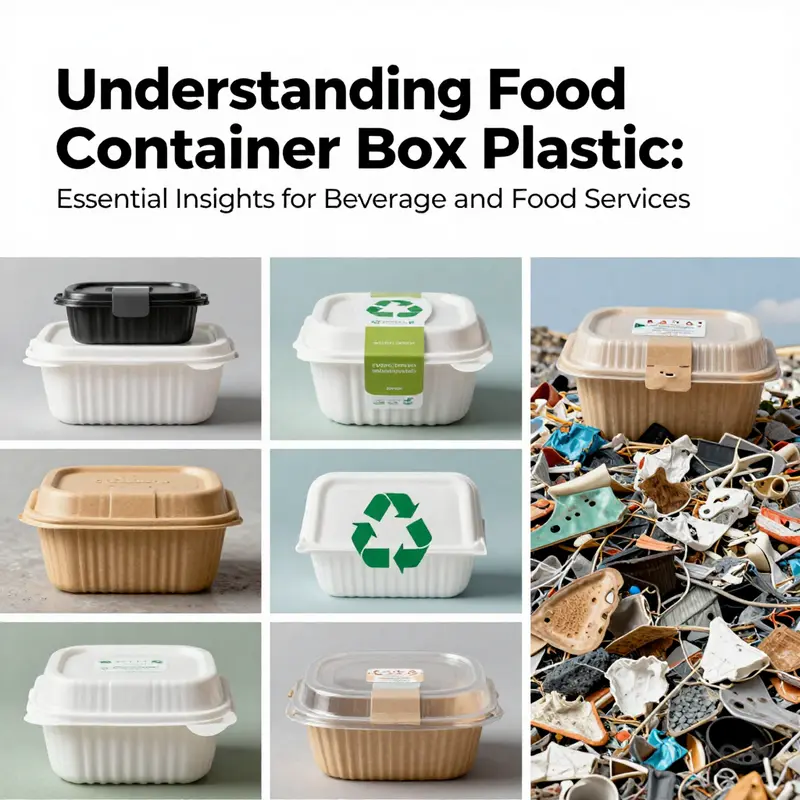
Plastic food container boxes have become a quiet backbone of modern food systems. They are chosen not only for their ability to keep food safe and portable but also for the sheer efficiency of mass production and distribution they enable. Yet behind the everyday practicality lies a complex web of sustainability questions. This chapter follows a single through-line: plastic containers do what we need them to do, but their environmental, health, and social footprints are not trivial. The discussion that follows treats the topic as an integrated narrative rather than a set of isolated worries. It examines how these containers are made, how they interact with food, how they end up in the environment, and how consumers, producers, and policymakers are trying to balance benefits with responsibilities, all while keeping the focus on affordable, safe, and accessible food storage and distribution.
At the most basic level, plastic food containers are made from petroleum-based polymers such as polypropylene, polystyrene, and PET. These materials have a proven track record of food safety, lightness, and resilience. They protect contents from contamination, reduce spoilage by limiting exposure to air and moisture, and enable temperature control during transport. They also enable portions and formats that fit into busy lifestyles: single-serve meals, multi-compartment lunch boxes, and compact storage solutions that stack efficiently in kitchens, cafeterias, and delivery centers. The convenience they offer helps curb waste in some contexts by extending shelf life and reducing food spoilage—an at-the-source form of waste prevention. But convenience is not a verdict on sustainability. It is the starting point for a more nuanced assessment of lifecycle impacts, including how these plastics are produced, how they are used, how they are disposed of, and how the broader system handles waste and recovery.
A central sustainability concern lies in the materials themselves. Most plastic containers are derived from fossil fuels, and their production consumes energy and generates emissions. The end-of-life path is equally important. In many regions, plastic packaging becomes part of a waste stream that is difficult to recover at scale. Recycling rates for plastic packaging lag behind those of paper or glass in many places, and even when recycling is technically possible, it is often hindered by labeling confusion, contamination, and the need for separate streams. The environmental narrative of plastic food containers cannot be separated from the realities of recycling infrastructure, collection systems, and consumer participation. The result is a paradox: a material designed to preserve food and reduce waste may, under certain conditions, contribute to long-term pollution if not managed properly.
Microplastics have emerged as one of the most widely discussed environmental and health concerns linked to plastic packaging. The problem is not only about visible plastic litter; it extends to tiny fragments that break off during use or after disposal. A 2020 review highlighted that food packaging plastics account for a substantial portion of the plastic waste that pollutes ecosystems. Microplastics, defined as particles smaller than five millimeters, can be ingested by wildlife and humans, and they travel through environmental pathways that complicate accountability. A 2022 study in Environmental Science & Technology quantified a stark reality: heating food in plastic containers can release millions of microplastic particles per liter, with the number rising with increased temperature, repeated use, and higher mechanical stress. The implications are not limited to ecological harm; there is ongoing research into potential human health effects, including inflammation and oxidative stress, and the possibility of endocrine disruption through certain chemical additives.
The health dimension of plastic packaging is further complicated by the presence of additives such as bisphenols and phthalates, which have long raised concerns about endocrine disruption. Even though many products bear “BPA-free” labels, substitutes like BPS or BPF may carry similar risks in biological systems. This is not a simple issue of replacing one chemical with another; it is about understanding how additives behave during storage, heating, and digestion—and how they interact with vulnerable populations, including children and pregnant people. The risk discourse around additives intersects with perceptions of safety, regulatory standards, and the credibility of industry communications. In practice, many consumers face mixed messages about risk versus convenience, and the public health challenge is to translate complex laboratory findings into practical, trustworthy guidance for ordinary food storage and meal-prep decisions.
Consumer attitudes play a decisive role in shaping the sustainability trajectory of plastic food containers. There is a strong and growing willingness to pay for alternatives perceived as genuinely more sustainable, such as paper-based or compostable options. Yet this willingness depends on credible information. Consumers routinely encounter a fragmentation of opinion across experts, industry players, and government agencies, which can create confusion about what is truly sustainable. In this context, the Food and Agriculture Organization has promoted frameworks that encourage responsible use of plastics in agri-food systems. Such voluntary codes aim to align the benefits of packaging—safety, shelf life, and reduced waste—with the imperative to minimize environmental and health trade-offs. The objective is not to vilify plastic, but to cultivate a more thoughtful approach to its use, emphasizing design for reuse, easier recycling, and transparent communication about environmental performance.
From a design perspective, achieving sustainability with plastic containers requires balancing several competing priorities. The material must be food-grade and safe, but it should also be easy to clean, leakproof, and heat-tolerant. It should be lightweight and stackable to minimize energy during transport. Crucially, it should be recoverable, ideally through standardized recycling streams or, where feasible, compostable alternatives that can integrate into existing waste management systems without introducing new complexities. This design brief is not trivial. It requires close collaboration across supply chains, from resin producers to container manufacturers, from food-service operators to municipal recyclers. It also requires robust labeling and consumer education to ensure that end-of-life pathways are understood and followed. Without reliable recycling or composting channels, even well-designed packaging can contribute to long-term pollution.
As the supply ecosystem evolves, so does the availability of alternatives. Paper-based packaging, including kraft paper bowls and other fiber-based containers, is gaining traction because of perceived lower environmental footprints and the potential for higher recyclability. It is essential, however, to recognize that fiber-based packaging is not automatically a panacea. Its life-cycle impacts depend on factors such as the source of the fiber, the energy used in manufacturing, and the end-of-life options available to consumers. A careful life-cycle assessment is needed to compare the true environmental costs and benefits of paper versus plastic in specific contexts, such as hot food take-away, cold fruit containers, or multi-meal box systems. When considering alternatives, it is important to avoid simplistic comparisons and instead evaluate performance, waste flows, and user behavior.
In practice, many buyers and food-service operators seek a pragmatic middle ground: use the highest-performing, safest plastics for products that demand durability and barriers, while introducing paper-based options in contexts where performance margins are more forgiving or where consumer demand for greener packaging is strongest. The transition is not an all-or-nothing proposition. It invites a spectrum of choices, including layered or hybrid designs that reduce plastic content, improved recyclability through mono-material formats, and packaging that is more clearly labeled for recycling or composting. In this sense, sustainability emerges as a continuum rather than a fixed standard. The emphasis shifts from achieving perfect outcomes to pursuing continuous improvements across production, use, and end-of-life management.
For those navigating the renewal of packaging portfolios, the availability of sustainable options is not only about raw material choices. It also concerns how products are designed for waste streams and how easily manufacturers can adapt to consumer preferences. A growing segment of the market looks for packaging that can withstand heat, is leakproof, and remains cost-competitive while offering a credible environmental story. In response, some suppliers are marketing options that emphasize recyclability or compostability, often coupled with simplified ingredient lists and clearer labeling. These shifts reflect a broader recognition that packaging choices carry social costs as well as benefits. The aim is to design packaging that preserves food quality with minimal environmental burden while supporting efficient waste collection and processing systems.
The internal logistics of the packaging system matter as well. How containers are designed to be stacked, nested, and dried after washing can influence energy use in the supply chain. How lids and seals are integrated can affect leakage and shelf life, and how easy it is to separate different materials at end-of-life determines whether recycling streams can function effectively. These micro-design choices aggregate into macro-level outcomes: higher recycling rates, lower contamination, and more predictable recovery pathways. In regions where waste systems are mature, the environmental benefits of switching from some plastics to paper or bioplastics may be more tangible. In places where recycling is still developing, the emphasis may shift toward reducing overall packaging volume and improving collection rather than chasing a single material solution.
From a consumer-facing perspective, one practical way to interpret these complexities is through informed choice at the point of purchase. When selecting containers for home storage, meal prep, or take-out use, shoppers can consider factors such as heat tolerance, leak resistance, and whether a given option fits into their local recycling or composting infrastructure. If a family or institution wants to support sustainable practices, it may opt for products designed with recycling compatibility in mind and pairing those with clear disposal guidance. For those seeking tangible alternatives, there are accessible options in the market that foreground fiber-based packaging. For example, an accessible, disposable kraft paper bowl take-away kraft paper salad bowl with PET lid represents one such route that aligns more explicitly with consumer interest in renewable materials and broader recycling streams. disposable-kraft-paper-bowl-take-away-kraft-paper-salad-bowl-with-pet-lid can serve as a case in point for how a packaging choice can pivot away from fossil-derived polymers without sacrificing safety and usability. This is not a blanket endorsement of any single material; rather, it is an invitation to weigh context-specific trade-offs and to design procurement strategies that reflect both operational realities and environmental ambitions.
Despite the enthusiasm for alternatives, several caveats are essential. Paper-based packaging often has different performance characteristics. It can be more sensitive to moisture, oil, and temperature. Its production and disposal pathways depend heavily on local waste-management practices. A transition to fiber-based packaging may also require adjustments to logistics, such as changes in inventory management, packaging standards, and end-user instructions. These adjustments can influence the total cost of ownership and the environmental externalities of the packaging system. The best approach is to assess each application individually, considering factors such as intended use, distribution distances, customer expectations, and available waste streams. In some cases, a blended approach—using plastic where its performance is critical and paper where feasible—may offer the most balanced outcome.
The conversation about sustainability also encompasses broader societal goals. The FAO’s voluntary codes reflect a deliberative process that seeks to harmonize the use of plastics with sustainable agricultural and food systems. Such frameworks address not only material choices but also how plastics are managed within production, storage, and consumption networks. They call for transparent communication, robust data on environmental impact, and a willingness to adopt practices that improve resource efficiency and reduce pollution. In practice, this means continuing to refine packaging design, expand safe recycling and composting infrastructure, and support consumer education about how to dispose of packaging responsibly. It also means acknowledging that even with the best intentions, no single material will solve all problems. The long-term objective is a transition toward packaging systems that minimize harm while preserving the benefits of food safety, shelf life, and convenience.
Ultimately, the sustainability narrative around plastic food container boxes is a story of systems thinking. It is about recognizing that a container is not a standalone product but a node in a chain that connects farm, factory, kitchen, consumer, and waste management facility. It involves questions about energy use, emissions, and resource depletion, but also about how to ensure food remains safe and accessible. It invites ongoing dialogue among manufacturers, retailers, policymakers, and the public to cultivate a food system that leverages the strengths of plastics without ignoring their costs. The path forward is not a fixed destination but an evolving practice of designing for reuse, enabling recycling, and supporting credible, transparent communication about what indeed constitutes sustainable packaging in diverse real-world contexts.
External reading for deeper scientific context can be valuable for readers seeking to understand the health and environmental dimensions of microplastics in food packaging. For a detailed examination of the health risks and environmental impact of microplastics, see: Microplastics in Food Packaging: Health Risks and Environmental Impact. https://pubs.acs.org/doi/10.1021/acs.est.2c03759. This resource provides evidence about how microplastics can migrate from packaging into food under certain conditions and discusses potential implications for human health and ecological systems. It underscores why consumers and policymakers are increasingly calling for more robust, independent assessments and clearer information about the safety and sustainability of packaging choices. As the dialogue continues, the convergence of scientific inquiry, consumer expectations, and practical design will shape how food containers evolve in the years ahead, balancing protection, convenience, and planetary health.
Guardrails of Safety: How Regulatory Standards Shape Plastic Food Container Boxes
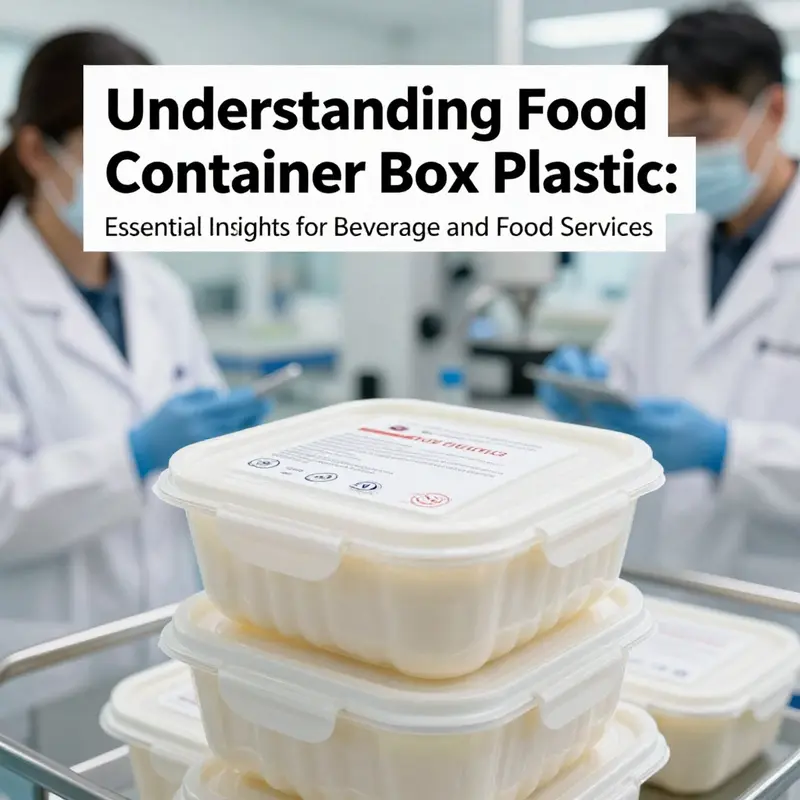
Regulatory standards and quality control are the quiet engines behind every plastic food container that travels from a kitchen to a plate. In the landscape of disposable tableware, where convenience and hygiene converge, the rules governing food-contact plastics create the difference between trustworthy storage and a risk to consumer health. This chapter follows the lineage of safety from the factory floor to the consumer’s table, tracing how a web of national and international standards translates into reliable performance for the everyday container that holds tomorrow’s meals.
In China, the cornerstone for food-grade plastic containers is GB/T 5737-1995, a national standard titled Plastic Containers for Food. Implemented in 1996, it provides a detailed framework that covers classification, technical requirements, testing methods, inspection rules, and packaging for non-ribbed plastic containers produced from polyolefin plastics by injection molding. The standard is not a solitary rule; it anchors a system where dimensional accuracy, weight control, mechanical resilience, and hygienic safety are validated before a box can legitimately claim suitability for food contact. The emphasis on non-ribbed shapes reflects a practical focus on smooth, clean surfaces that reduce crevice points for residue—and that are easier to clean and inspect in mass production.
Among the tangible benchmarks under this standard is dimensional precision. A tolerance of ±3 millimeters in the container’s dimensions sets a baseline for interoperability across a vast array of sizes and lid configurations. This precision may seem modest, but it matters significantly when boxes are stacked for warehouse storage, when multiple sizes are packed into a single shipment, or when a lid must align perfectly with a base during transit. Weight tolerance—±3 percent of the declared mass—adds another layer of predictability, ensuring that even with high-speed molding cycles, the finished product meets consistent expectations for handling strength and material usage. In high-demand manufacturing, this kind of predictability translates into tighter control over supply chains and fewer returns caused by misfit parts.
The physical performance tests mandated by GB/T 5737-1995 push containers through the kinds of stresses they will encounter in real life. Static load stacking, defined by GB/T 4857.3, simulates the vertical pressures of stacked pallets and crowded storage. A container’s bottom must resist deformation when loaded under load for extended periods, a simple yet critical indicator of overall structural integrity. The drop test prescribed by GB/T 4857.5 subjects containers to accidental falls, reflecting the rough handling that can occur during loading and unloading in busy kitchens, catering operations, or delivery hubs. A related assessment—the resistance to sliding during stacking—ensures that the containers do not shift perilously when stored in tight configurations, a detail that affects both safety and efficiency in a commercial setting.
A key practical requirement within this framework is the bottom’s load-bearing capacity. The bottom must withstand a 15-kilogram load for 15 minutes without significant deformation. This criterion captures the reality that even when containers are nested or stacked, they should remain flat and stable enough to prevent crushing of contents or leakage, especially when packed with liquids or semi-liquids. It is the kind of specification that operators in busy kitchens, campus cafeterias, and caterers can rely on to minimize product loss and ensure consistent presentation across batches.
Hygienic safety sits at the heart of any food-contact standard. Direct food-contact surfaces must comply with GB 4806.7-2016, which governs Food Contact Materials—Polyethylene Plastics in this context. These migration standards place strict limits on the transfer of potentially harmful substances from the packaging into food. The goal is not merely to pass a one-time test but to guarantee that, across shelf life and under varying storage conditions, the container will not become a vehicle for undesirable chemical exposure. Migration testing, together with chemical resistance assessments, helps ensure that the container’s materials do not interact with foods in ways that could alter flavor, odor, color, or safety.
Visual quality and printing integrity round out the tangible expectations. The surface must be smooth, free from cracks, defects, or burrs that could harbor bacteria or compromise cleaning. Printing quality has its own test—adhesion of ink through a tape peel test—to ensure that decoration or labeling remains affixed during use and does not flake into food. Such quality controls are not cosmetic; they are practical safeguards that protect consumers and reduce the risk of mislabeling during transit and storage.
Taken together, these tests and tolerances reflect a broader truth: the safety of plastic food containers rests on a layered regime of checks. GB/T 5737-1995 is not a single instruction but a map to a multi-layered standard ecosystem that cross-references additional requirements across manufacturing, packaging, and end-use environments. In practice, a compliant container is built to a well-defined geometry, produced with a stable process, and finished with materials that do not compromise food safety. This is why manufacturers pursue rigorous process control, repeatable mold performance, and consistent supply-chain practices: to ensure that every shipment, every pallet, and every lunchbox meets a baseline of safety and reliability.
Beyond the borders of one standard, the material family also matters. Different plastics bring different safety profiles and testing needs. Polypropylene (PP) is widely used for microwave-safe and dishwasher-safe lunch boxes because of its high heat resistance and chemical inertness. Polyethylene (HDPE) offers robust moisture and chemical resistance, often employed in yogurt cups and reusable storage solutions. Polyethylene terephthalate (PET) provides excellent clarity, lightness, and strong gas barrier properties for certain applications. Each material brings its own set of applicable standards. In practice, GB 4806.7, which governs direct food-contact surfaces for polyethylene plastics, is commonly referenced for these materials. The design and testing philosophy—ensuring safe migration limits, chemical inertness, and mechanical integrity—remains consistent across materials, even as the specifics of temperature exposure, chemical compatibility, and regulatory focus shift.
The regulatory landscape is not static. It binds together a global supply chain of manufacturers, auditors, and customers who expect consistent safety and performance. In a market that emphasizes customization—colors, sizes, and packaging options with or without lids—standards become the common language that makes customization feasible without compromising safety. The national standards cited above are complemented by a network of local and industry-specific standards. Together, they enable the production of containers that perform under diverse conditions—from the controlled environment of a food-prep kitchen to the variable climates of delivery routes and street-side takeout. In this integrated system, quality control is not a phase but a constant discipline embedded in every process, from raw material selection and resin formulation to mold design, injection parameters, cooling cycles, and post-molding inspection.
The broader industry context further illuminates why these standards matter so much. A multi-material market tends to attract a wide range of producers, from large-scale manufacturers capable of running thousands of tons of resin per day to smaller plants that focus on OEM or ODM customization. The ability to tailor colors, sizes, and packaging—whether with lids or without—depends on a well-regulated backdrop that guarantees interchangeability and performance. In such a system, a buyer can source a multi-compartment lunch container or a square storage container with confidence that the product will meet safety expectations across regions, while still allowing for localized customization. The priority remains the protection of consumers and the integrity of the food supply chain, nowhere more evident than when the container that is designed to protect a meal from prep to plate meets or exceeds the regulatory lineage that governs its creation.
Quality control is equally critical for the supply chain’s efficiency. A manufacturer with robust internal QC processes can consistently deliver containers that align with GB/T 5737-1995 and GB 4806.7-2016. They can maintain tight tolerances, manage resin variability, and keep mold wear in check to prevent surface defects. This reliability translates into fewer quality incidents, lower discard rates, and a smoother flow from production lines to distribution centers. For buyers and distributors, the implication is clear: a container that bears clear documentation of compliance—from raw material certificates to test reports and production traceability—offers a higher level of assurance. In practice, this translates into predictable performance in the field—whether containers are used for meal-prep programs, school lunch initiatives, or office catering—where the demand for safe, leakproof storage is constant and non-negotiable.
In addition to the formal standards, a practical business reality underpins the discussion: the role of suppliers who offer customization, scale, and speed. Many manufacturers voice the capability to produce 3- or 4-compartment lunch boxes, square storage solutions, and clear packaging for varied contents. The ability to scale output—especially for large orders—must be matched by steadfast adherence to safety criteria and standardized testing. The presence of OEM/ODM options reflects a market that values both safety and flexibility, acknowledging that the practical requirements of a restaurant, a school cafeteria, or a catering service may demand specific shapes, colors, or packaging formats. Customization, when executed within the safety framework, empowers businesses to meet customer preferences without compromising regulatory compliance.
Sustainability and packaging alternatives also enter the regulatory conversation. While plastic remains dominant for its cost-effectiveness, functionality, and barrier properties, there exists a growing niche of kraft paper-based disposable bowls and eco-friendly packaging. These options remind buyers that regulatory compliance is not only about a single material; it is about a system that enables safe use across different packaging formats. Even as plastic appears to be the default for many applications, a complete procurement strategy often weighs environmental considerations alongside safety standards. The standards themselves do not privilege one material over another; they set the benchmarks for safety and performance, allowing diverse packaging solutions to be evaluated against the same fundamental criteria for food contact.
For practitioners and decision-makers, the practical takeaway is clear. When evaluating a plastic food container, the emphasis should be on evidence of compliance: documented test results, migration reports, surface quality assessments, and clear indications of the materials used. Suppliers should be able to provide certificates and test summaries that map directly to GB/T 5737-1995 and GB 4806.7-2016, plus any material-specific standards that apply to PP, HDPE, or PET. In addition to these documents, buyers should consider process control data, mold maintenance records, and evidence of consistent production quality across batches. A container that demonstrates strong compliance credentials and reliable workmanship is more likely to perform consistently in the field, protecting both the consumer and the brand.
For readers seeking context on how packaging choices intersect with broader packaging ecosystems, consider exploring related discussions on a comparative packaging page that highlights kraft-paper packaging alternatives. This resource offers a perspective on how different materials can meet different functional and regulatory needs while remaining mindful of environmental considerations. See for instance disposable-octagonal-box-restaurant-food-kraft-paper-packaging at https://greendispopack.com/product/disposable-octagonal-box-restaurant-food-kraft-paper-packaging/.
The regulatory and quality-control narrative is not merely about ticking boxes. It is about ensuring that the food container box plastic you pick can reliably perform in the real world—from the moment it is formed on a mold to when it arrives at a kitchen and, finally, to the moment it is discarded or recycled. The standards underpinning this performance are the shared commitments of manufacturers, regulators, and food-service professionals to safeguard health, preserve product integrity, and support a responsive, efficient supply chain. They enable a market where customization and scale can coexist with safety, where a business can tailor its containers for a specific service model without sacrificing confidence in the materials in contact with food. And they reinforce the idea that every plastic container is more than a shell for a meal; it is a controlled interface designed to protect what matters most—the safety and enjoyment of food.
Final thoughts
Plastic food container boxes are more than just packaging solutions; they play a critical role in operational efficiency, cost management, and sustainability in the food and beverage industry. By understanding the manufacturing processes, economic impacts, sustainability issues, and regulatory standards, businesses can better navigate choices that align with their values and operational needs. Partnering with reputable suppliers and staying informed about industry trends can lead to improved customer satisfaction and responsible environmental practices.