
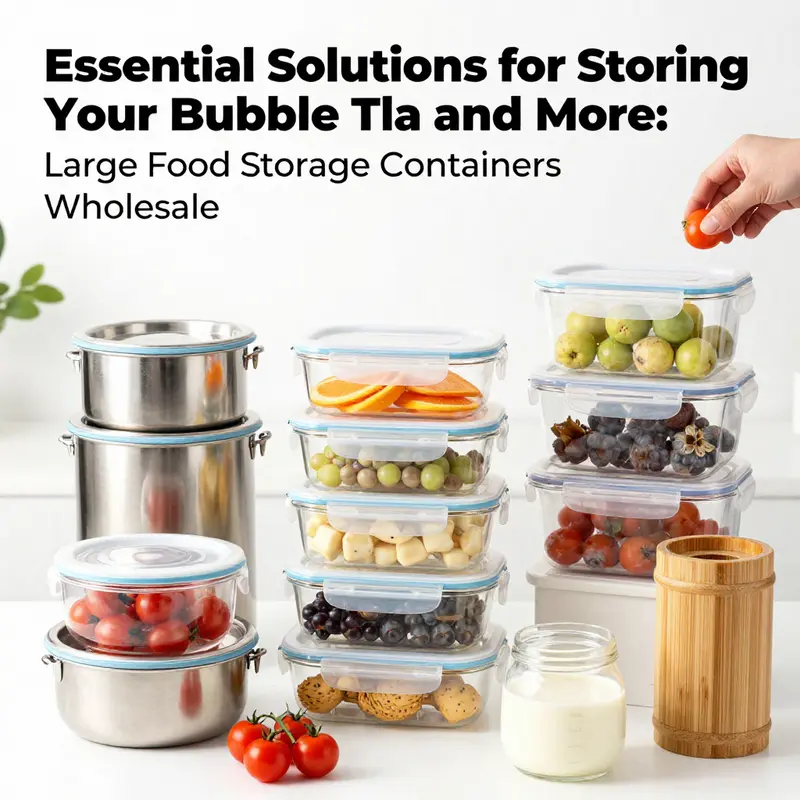
In a fast-growing industry like beverage services, efficient food storage is critical. From bubble tea shops to catering services, the right storage containers are essential for maintaining freshness and organization. This article delves into the wholesale market for large food storage containers, exploring diverse materials, cost factors, and sustainability trends. Each chapter will provide insights that help businesses make informed decisions regarding their storage requirements, ensuring quality and compliance while streamlining operations.
Bulk Solutions for Freshness: A Cohesive View of the Wholesale Market for Large Food Storage Containers
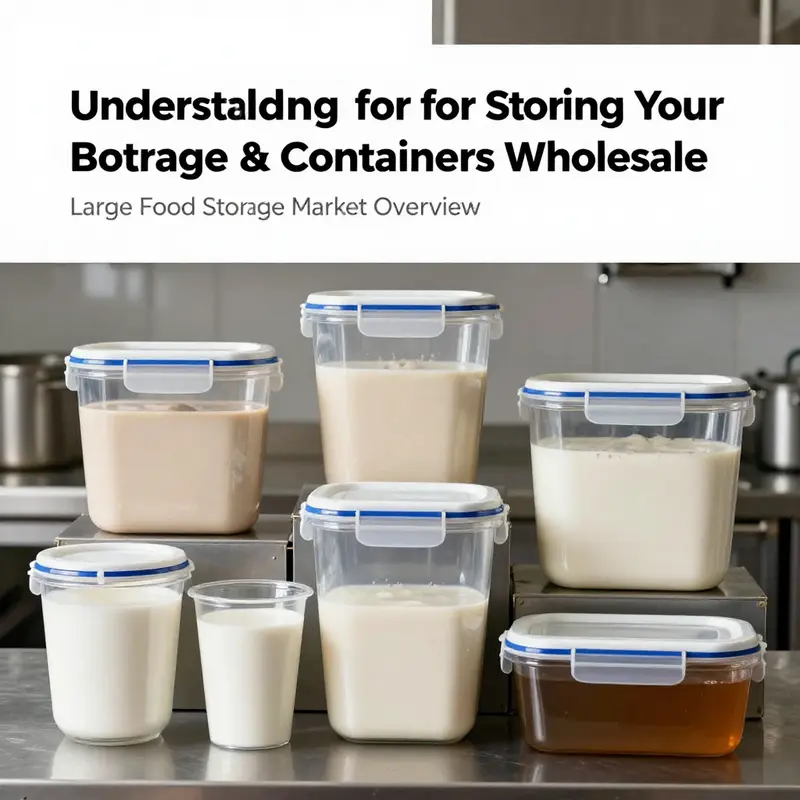
The wholesale market for large food storage containers stands as a critical backbone in modern food logistics, spanning commercial kitchens, meal-prep operations, bulk distributors, and even large households seeking efficiency at scale. As operators chase space-saving designs, reliable long-term preservation, and safe, easy-to-clean materials, the sector has evolved into a multi-material ecosystem. The demand is driven not only by the need to store raw ingredients and prepared meals but also by the broader push toward streamlined inventory management, reduced spoilage, and sustainable purchasing. In this landscape, buyers weigh durability, cost, and environmental responsibility against the realities of high-volume procurement, variable lead times, and the practical demands of daily operations. The result is a market that rewards versatility, predictable performance, and scalable packaging solutions that can adapt from a kitchen pass-through to a warehouse aisle, and from a home pantry to airline catering backrooms alike. The story of these containers is really a story of how storage technology aligns with process design, safety standards, and the rhythms of supply chains that move food from field to fork on a grand scale.
In the material spectrum, three broad families dominate wholesale decisions: stainless steel, sturdy BPA-free plastics, and glass with renewable or natural accents such as bamboo lids or frames. Stainless steel, prized for its corrosion resistance and inert profile, has become especially popular for large-capacity storage. In a setting where containers routinely encounter acidic ingredients, citrus residues, and frequent handling, the durability of steel compounds with food-safe linings and airtight seals stands up to daily rigor. The result is a container that can withstand rough handling, repeated washing, and the demands of hot or cold storage without staining or leaching into the contents. The lid systems accompanying these steel bodies—often BPA-free and designed to create a true airtight seal—further extend shelf life by limiting frost, freezer burn, and the intrusion of odors. And because the design tends to be stackable and rectangular, these containers optimize footprint in crowded kitchens and warehouse racks, enabling operators to fit more units into the same space without sacrificing accessibility or visibility. In practice, this translates to tangible savings in square footage and a smoother rotation of inventory, which in turn supports just-in-time meal prep and more predictable cash flow for food businesses.
Plastic contenders, frequently made from food-grade polypropylene or polyethylene, are favored for their light weight, cost efficiency, and broad range of sizes. They excel in environments where quick turnover, frequent re-use, and diverse storage tasks are the norm. Many plastic wholesale options are designed to be microwave- or dishwasher-safe, making them convenient for operational flexibility in busy kitchens. Transparency is a practical feature in this category, allowing staff to identify contents at a glance and reducing unnecessary handling. Yet the same attributes that make plastic appealing—low cost, wide availability, and ease of customization—also invite scrutiny regarding odor retention, staining, and long-term exposure to heat or harsh cleaning cycles. Buyers respond to this by selecting plastic containers with robust gaskets, proven leakproof lids, and track records for maintaining odor integrity after repeated cycles. In bulk, the cost-per-piece advantage is a compelling incentive for meal-kit providers, institutional food distributors, and large households that emphasize standardized portioning. The wholesale marketplace often batches these containers in colorless or translucent finishes to preserve visibility while offering the option of labeling and organization schemes that scale with volume.
Eco-friendly and glass-based options are steadily gaining traction as buyers seek sustainability without sacrificing aesthetics or performance. Glass, particularly borosilicate variants, provides a non-reactive, heat-resistant option that stands up to various storage conditions and cleaning regimens. Its recyclability and inertness align with growing consumer and corporate environmental standards. When glass is paired with bamboo, wood, or other natural closures, the result is a modern, almost craft-like storage presentation that resonates in retail settings and in consumer-facing meal-prep operations alike. Bamboo elements are prized for renewability and a warm, tactile quality that helps differentiate brands and elevate the consumer experience. The environmental story becomes more compelling when these glass and bamboo configurations are designed for durability and long service life, thereby reducing the frequency of replacement purchases and minimizing waste over time.
Beyond material choices, design innovations reflect the needs of diverse applications. Split or multi-compartment designs, for example, address flavor separation and portion control—key considerations in airline catering, premium meal delivery, and assembled meal kits. Such configurations preserve the integrity of individual components, reduce cross-contamination, and support precise portioning for consistency across large-scale service. In everyday wholesale contexts, modular and stackable shapes maximize storage density in crowded facilities and enable straightforward inventory planning. The shape psychology matters as well; rectangular forms align well with shelving systems and palletization, while some round designs, though compact, might require more space when stacked. Operators weigh these spatial attributes against handling comfort and the ergonomics of transport across loading docks and kitchen lines. Across the spectrum, trusted sealing mechanisms and standardized dimensions help ensure that containers perform reliably under a broad range of temperatures and cleaning processes, from blast-chilled storage to hot rinses.
The environmental and safety dimensions increasingly guide purchasing decisions in wholesale. Certifications that assure BPA-free plastics, phthalate-free materials, and food-grade compliance create a baseline of consumer protection that retailers and foodservice operators expect. Reusability and recyclability form part of a long-term sustainability narrative, with stainless steel and glass often winning favor for their longevity and end-of-life recoverability. This shift toward durable, resilient packaging intersects with corporate sustainability goals and regulatory expectations, prompting manufacturers to invest in better coatings, safer fillers, and components that resist staining, corrosion, and odor migration. The market thus rewards suppliers who can demonstrate traceability, consistent quality, and transparent material disclosures, since buyers increasingly demand documentation that supports audits and chain-of-custody checks in large scale operations.
On the procurement side, wholesale buyers navigate a landscape of lead times, minimum order quantities, and tiered pricing that shifts with volume and supplier relationship. The appeal of one-stop sourcing is strong, as platforms that unite multiple material options under a single catalog can reduce vendor management friction and streamline reordering. However, this convenience comes with the need to evaluate each material family against the intended use, storage conditions, and cleaning protocols of the operation. A kitchen aiming to minimize waste might prioritize airtight, leakproof designs with long shelf-life advantages, while a distribution center focused on cost efficiency might lean toward bulk plastic containers with predictable performance in bulk packaging workflows. In either case, the decision framework centers on total cost of ownership, including initial purchase price, replacement costs, upkeep, and the intangible benefits of brand reliability and supplier responsiveness.
To illustrate the breadth of wholesale options without anchoring to any single brand, consider the idea of a large-capacity storage line that emphasizes durability, safe materials, and stackable geometry. In a single month, a large facility might order containers that support bulk meal prep for several hundred employees or thousands of meal components for a delivery network. The containers must withstand repeated washing cycles, rapid temperature shifts, and the rigors of transport—from the production floor to loading bays and, for some, to end customers’ homes or seats aboard aircraft. They must also support rapid identification and access, so clear or translucent designs with easy-grip handles are valued. The conversation around these products is as much about process efficiency as it is about material science, because the right container reduces spoilage, streamlines inventory, and ultimately sustains quality across the supply chain.
From a buyer’s perspective, the wholesale market is most compelling when it can deliver scalable, predictable performance across a spectrum of use cases. Whether the goal is to store bulk dry goods, prep meals for a large audience, or package ingredients for caterers, the container ecosystem offers a range of shapes, sizes, and closures that can be tailored to the context. The best options are those that combine rugg ed construction with practical features—airtight seals, ease of cleaning, and compatibility with a broad set of storage environments—while maintaining a competitive price point. The ongoing challenge for manufacturers is to balance innovation with reliability, ensuring that new designs do not compromise safety or longevity just to achieve a trendy aesthetic. The market rewards those who can deliver durable, user-friendly products at scale, and that is precisely what drives continued investment in materials science, ergonomic design, and supply-chain optimization.
For readers seeking a concrete example of how these considerations manifest in the catalog, a representative storage solution often found in wholesale listings combines a corrosion-resistant body with a BPA-free lid, airtight sealing, and a capacity that sits in the upper range of household and light commercial use. While the specific product names may vary, the core attributes—durability, safety, space efficiency, and clear content visibility—are the hallmarks that buyers prioritize when evaluating options for bulk procurement. Such configurations illustrate how the market rewards systems that deliver consistent performance while aligning with sustainability objectives and operational workflows. To explore related storage formats that complement these large containers, you can browse a catalog entry focused on wholesale kraft-paper storage and bowl solutions, which reflects the broader packaging ecosystem and its movement toward sustainable, recyclable components. Wholesale Custom Print Kraft Paper Food Storage Salad Noodle Bowl
As this chapter closes, the wholesale market for large food storage containers emerges as a dynamic interface between material science, industrial design, and the realities of large-scale food operations. The winners are those who harmonize durability with cost and sustainability, who can deliver reliable performance across contexts, and who support customers with transparent information and responsive service. In a world where storage efficiency is increasingly a competitive differentiator, the right container is not merely a box for holding food but a strategic component of a broader system that safeguards freshness, supports efficiency, and aligns with responsible practices across the supply chain. For readers seeking deeper context on current market dynamics and trends, external industry analyses offer comprehensive perspectives on how these containers fit into the evolving landscape of food logistics and wholesale procurement.
External resource for further reading: Market trends in wholesale food storage containers. https://www.freshworks.com/food-storage-containers-wholesale-market-trends
Material Realities in Wholesale-Scale Food Storage: How Stainless Steel, Plastic, Glass, and Bamboo Shape Large Containers
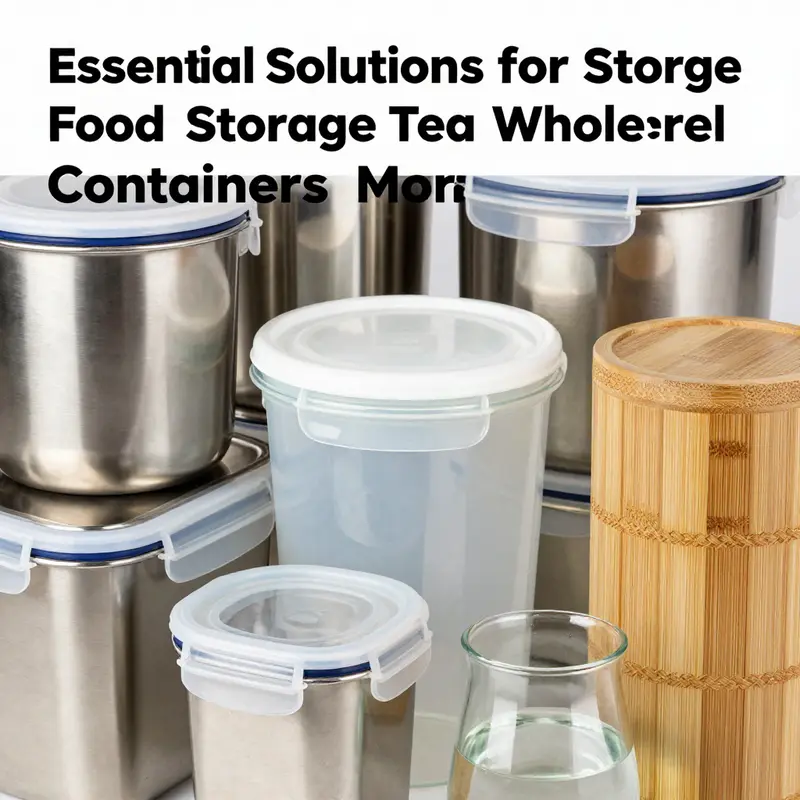
When buyers evaluate large wholesale grade food storage containers, the material behind the box often dictates what the unit can endure, how easy it is to deploy at scale, and how it aligns with evolving sustainability goals. The wholesale market rewards durability, hygienic performance, and space efficiency, but the choice of material sets limits as well as opportunities. In practical terms, the decision comes down to matching use case realities with material properties, balancing initial cost against long term value, and aligning with the expectations of high volume kitchens, distributors, and catering operations that depend on dependable, repeatable performance day after day. The four leading material families–stainless steel, plastic, glass, and bamboo–each offer a distinct bundle of strengths and caveats that shape how containers are stored, transported, cleaned, and reused in bulk. Stainless steel emerges as a premium option precisely because it stands up to the rigors of large scale use. It resists corrosion, resists staining, and holds up to repeated sanitizing cycles without warping or degrading. For commercial kitchens and bulk storage, its longevity translates into lower lifecycle costs, even if the upfront price is higher. The metal body acts as a robust physical barrier against impact and abrasion, a critical advantage when containers are moved through warehouses, loaded onto pallets, and stacked in crowded storerooms. In terms of safety, stainless steel does not react with acidic or salty foods in typical storage scenarios, reducing the risk of flavor transfer or contamination. An airtight or at least well sealed lid paired with the steel body helps preserve freshness and minimize moisture exchange, a feature especially important for long term bulk storage of granulated or dried goods. The usability of stainless steel is enhanced when design emphasizes ergonomic handling and clear content identification, such as a transparent lid or a wide mouth that facilitates easy viewing without frequent opening. Yet the benefits come with trade offs: heavier weight demands more labor in handling, transport, and cleaning, and the environmental footprint of metal production is higher upfront. Still, for operations where container longevity, reliability, and hygiene are non negotiable, stainless steel often proves the most cost effective choice over the long horizon. Plastic containers, especially those made from food grade polypropylene or high density polyethylene, occupy a different, highly pragmatic niche in wholesale supply chains. They are lighter, cheaper to produce, and highly versatile, which makes them attractive for bulk purchases and frequent repurposing across varied tasks—from dry goods storage to bulk meal prep components. The lighter weight reduces handling strain during restocking and transport, and the ability to produce clear, transparent designs enables quick visual inventory checks without opening every lid. Plastic also accommodates a wide range of lid designs, some of which are airtight, providing a practical balance between cost, convenience, and shelf life extension for many pantry and kitchen workflows. However, plastics have limitations. They may not endure as many thermal cycles as stainless steel, particularly when exposed to high heat in dishwashers or during microwave use, and some lower grade plastics can scratch, stain, or warp over time. Over the long term, concerns about chemical leaching, though mitigated by strict food grade standards, and the challenge of maintaining clarity after heavy use are important to factor into the cost benefit analysis. The wholesale market often frames plastic as the go to for mixed, high turnover environments where the balance of price, weight, and practicality matters most. For many operators, plastic containers offer a reliable, adaptable workhorse that can be deployed across numerous storage tasks without significant financial risk. Glass containers provide another compelling pathway, especially in settings where flavor integrity and chemical inertness are paramount. Glass is non porous and non reactive, which means it does not absorb odors or flavors and resists staining from strongly colored foods. This makes glass containers particularly appealing for items whose storage history matters to the eater—spices, coffee beans, pantry staples, and certain dried goods often stay visually and aromatically pristine in glass. Glass is also highly recyclable and typically free of chemical additives that could migrate under normal storage conditions, aligning with broader environmental and health conscious motivations. The downside is practical: glass is heavier and inherently more fragile than metal or plastic. In wholesale distribution, breakage risk translates into higher handling caution, more careful packing, and sometimes more costly shipping and insurance considerations. The most successful wholesale deployments of glass containers rely on smart stacking, protective outer packaging, and shelf friendly shapes that maximize surface area without creating awkward heavy loads. For some operators, glass serves as the premium option for premium products, seasonal stock, or specialty lines where presentation and purity are worth the extra care. Bamboo and other sustainable alternatives have gained traction as part of a broader shift toward eco friendly packaging and storage solutions. Bamboo, often used in combination with glass or metal components, brings a natural aesthetic and renewable sourcing credibility that resonates with environmentally minded buyers. In practice, bamboo elements can contribute to a lighter, visually appealing storage line that appeals to consumer expectations for sustainability. Yet bamboo requires careful maintenance to prolong its life in moisture rich environments. It is less forgiving in dishwasher cycles and can crack or warp if exposed to excessive humidity or heat. For wholesale buyers, bamboo options are usually best positioned as complements to other materials rather than standalone solutions for heavy duty bulk storage. They excel in dry storage contexts, display friendly configurations, and consumer facing packaging where appearance and sustainability credentials carry significant value. The bamboo component’s ongoing care—avoidance of prolonged water exposure, periodic oiling or conditioning, and mindful storage conditions—becomes a part of the total cost of ownership that operators must weigh against perceived environmental benefits. Choosing among these materials is rarely a question of one being universally superior. Instead, it is a matter of aligning material attributes with operational realities: turnover rate, cleaning protocols, thermal exposure, load bearing, space constraints, and the environmental priorities of the organization. In wholesale logistics, the ability to standardize on a set of compatible formats sharing lids, seals, and stacking geometry can produce meaningful efficiency gains. When scale is the objective, even small improvements in stackability and weight reduction compound quickly, yielding tangible savings in space, transport, and labor. Hygiene standards and regulatory expectations add another layer of complexity: containers must withstand sanitizing regimes, resist corrosion or degradation, and avoid interactions with stored contents. The more robust the material’s resistance to these pressures, the higher the likelihood that a given design will remain in service across multiple cycles and seasons. From a procurement perspective, the material decision also intersects with cost and supply considerations. Durable metals may demand higher upfront investment but deliver superior lifecycle performance, while plastics provide flexibility and low initial cost at the potential expense of longevity. Glass offers a mid to high price point with premium presentation and inert storage, and bamboo based designs carry sustainability appeal with careful maintenance requirements. The wholesale buyer’s challenge is to script a portfolio that covers essential storage needs without overcommitting to any single material. This is where a mixed material strategy often makes sense: steel or glass for long term, dry or specialty storages; plastics for general purpose, quick turn, and budget conscious bulk needs; and bamboo elements to satisfy sustainability goals without compromising overall practicality. For readers evaluating their options, a practical pointer is to look beyond initial price and examine total cost of ownership over a product’s expected life, including handling, cleaning, breakage risk, and end of life disposal. As the literature in wholesale materials guidance emphasizes, the best selected containers are the ones that harmonize with the user’s workflow, climate, and inventory patterns while minimizing waste and downtime. To explore related packaging options that complement bulk storage with eco friendly design, consider the following resource focused on kraft paper storage solutions: bulk kraft paper food storage bowls. This reference can help buyers situate storage container decisions within a broader spectrum of compostable and recyclable packaging choices, illuminating how material choices ripple through sourcing strategies and sustainability narratives. External resources extend this conversation further. For a comprehensive overview of material properties and industrial applications in wholesale food storage, practitioners can consult the wholesale food storage materials guide provided by a leading industry source. It offers a synthesized look at how each material performs under typical wholesale conditions and how operational priorities influence final decisions: https://www.supplychain.com/wholesale-food-storage-materials-guide. In practice, near term procurement choices should be guided by real world testing—stability under cleaning cycles, resistance to moisture and odors, and ease of handling in bulk operations—so that the selected solutions scale smoothly from a single warehouse to multiple distribution hubs without compromising safety, efficiency, or sustainability.
The Value Equation: Cost, Durability, and Choice in Wholesale Large Food Storage Containers
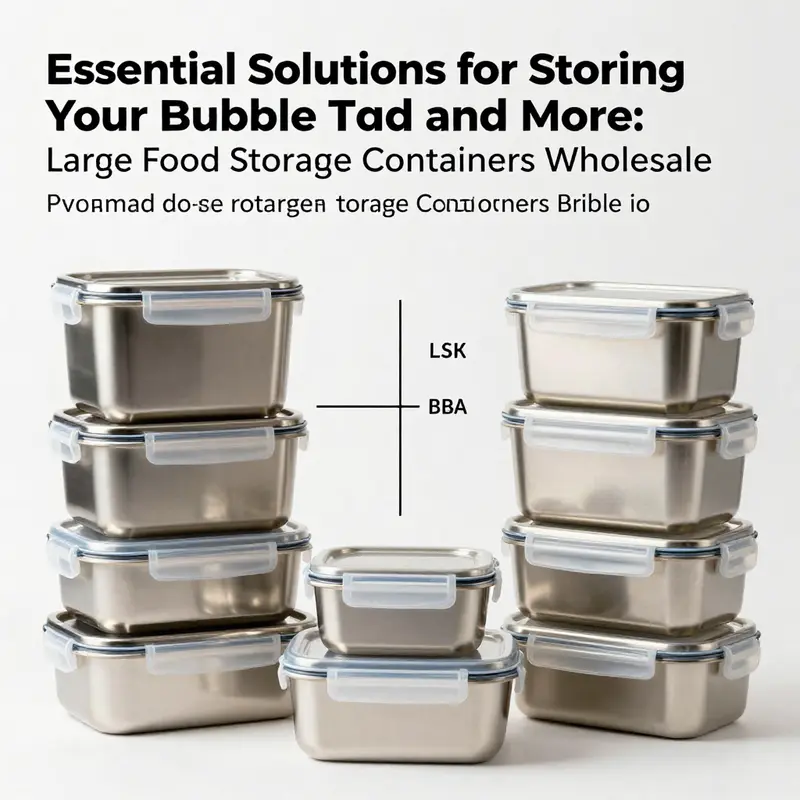
Cost is only part of the story when purchasing wholesale large food storage containers. A robust procurement mindset treats price as the starting line, not the finish line. Buyers weigh material quality, capacity, durability, safety, and the total cost of ownership just as carefully as the listed unit price. In a market that serves households, institutional kitchens, and bulk distributors, the smartest decisions emerge from a holistic view of how a container performs over time, how often it will be replaced, and how well it fits into a packing, prep, or storage workflow. The landscape spans several material families—plastic, stainless steel, glass, and eco-friendly bamboo—and each brings its own mix of strengths and trade-offs. Plastic, for example, often offers the most favorable upfront price and remarkable versatility. Stainless steel carries durability and hygiene advantages that compound over years of use. Glass provides non-reactive storage with heat resistance and clarity, while bamboo and other eco-friendly options appeal to buyers prioritizing sustainability and aesthetics. In wholesale terms, those preferences translate into different price bands, lead times, MOQ considerations, and total cost calculations that buyers must align with their planned usage and budget cycles.
From a cost perspective, plastic large storage containers with lids tend to occupy the widest price band. Wholesale prices commonly range from roughly $0.80 to $16.58 per unit, a spread that reflects size, lid design, wall thickness, and whether the container is stackable or space-efficient. The lower end typically corresponds to larger-volume, simple designs with standard lids, while the upper end encompasses bigger capacities with more durable materials or additional features. What matters is not just the tag but the savings realized through bulk purchasing. In many cases, buyers see 20–40% reductions versus retail pricing when they commit to larger orders over time, a multiplier that can dramatically shift the cost-per-use equation for kitchens that must stock dozens or hundreds of containers.
A practical snapshot from wholesale sourcing channels shows plastic options starting at very accessible prices, sometimes with MOQs as modest as a single unit. When volumes climb, per-piece costs fall further, enabling buyers to outfit entire facilities without exploding the budget. Consider a typical bulk scenario: a buyer might procure a modest starter batch and then scale up to larger quantities when demand signals or seasonal cycles indicate steady usage. The math often favors plastic for those who must balance high throughput with tight unit costs, especially in pantry-wide storage or meal-prep pipelines where dozens of containers are rotated daily.
In contrast, stainless steel containers—while pricier per piece—offer compelling long-term value. In wholesale terms, stainless options commonly fall in the mid-to-upper price tier, roughly between $2.33 and $2.94 per piece. The premium reflects corrosion resistance, robust construction, and the assurance of food-safe materials that resist staining or odor retention. These containers also tend to feature airtight or near-airtight seals, ergonomic handles, and stackable, space-efficient designs. While the upfront outlay is higher, the long horizon of use, reduced replacement rates, and lower risk of material degradation can yield meaningful savings for operators who prioritize hygiene, sustainability, and heavy-duty performance.
Glass storage, often paired with non-reactive lids and clear visibility, occupies a different niche. Wholesale glass options can be priced higher on a per-piece basis, with sets of multiple sizes commonly landing in ranges that challenge the plastic-only mindset. For buyers evaluating glass, the value proposition rests not only on durability but on heat tolerance, chemical inertness, and the broad utility across reheating, serving, and long-term storage tasks. In some markets, a 12-piece glass set may price around the mid-twenties per set, a figure that can be comfortably justified by the ability to microwave, oven, dishwasher, and freezer safely, and by the clarity that makes inventory control effortless in busy kitchens.
Eco-friendly bamboo and glass hybrids, including bamboo lids and accents, are gaining traction for buyers who want sustainable aesthetics without sacrificing practicality. Bamboo components can reduce reliance on petroleum-derived plastics and align with green procurement goals. The caveat is that bamboo elements may necessitate different care and lifecycle considerations, which can influence maintenance costs and replacement cycles. When weighed against plastic and stainless steel, these options often carry higher upfront costs but align with broader sustainability commitments that some buyers must honor for branding, compliance, or consumer expectations.
In any wholesale strategy, the question is not merely what each container costs, but what it costs to own and operate over time. This is where the total cost of ownership becomes a decisive lens. Durability lowers the frequency of replacements; reusability reduces waste and disposal costs; and the environmental profile of the material can affect certifications, supplier audits, and consumer trust. For buyers who must manage large inventories, the value calculation also encompasses space efficiency. A stackable, rectangular design that saves significant shelf space or cabinet real estate can create downstream savings by allowing more units to be stored in the same footprint, simplifying rotation and reducing handling time during restocking. In bulk purchasing, space saved translates into pallet optimization, reduced handling fees, and a leaner logistics footprint.
Supplier reliability and compliance are essential to a sound value proposition. Verified B2B platforms provide more than price quotes; they offer assurances on food-safety standards, material compliance, and environmental certifications that reduce the risk of non-conformance. For buyers who expect consistent quality across thousands of units, these assurances translate into lower defect rates, fewer returns, and steadier production planning. The ability to access real-time pricing and a broad range of SKUs is equally important, since it enables procurement teams to adjust orders in response to demand, seasonality, and promotional activity without sacrificing value.
To weave these threads into a practical decision framework, consider the operation’s primary use cases and cadence. For high-volume, short-to-medium term needs—think seasonal meal prep, large dormitories, or event catering—low-cost plastic containers frequently deliver the best initial value, provided they feature durable lids and leak resistance. For operations that emphasize longevity, hygiene, and repeated use across multiple cycles, stainless steel or glass options offer greater resilience and fewer replacement events, which can justify a higher unit price over a multi-year horizon. For brands that prioritize sustainability, bamboo or glass hybrids may satisfy both environmental goals and functional requirements, while requiring a thoughtful maintenance routine.
Buyers should attach a clear procurement rubric to each candidate: price per unit, MOQs, expected lifetime, replacement rate, compatibility with existing storage systems, and the supplier’s track record for quality and delivery. This approach helps prevent the classic pitfall of chasing the lowest upfront price at the expense of reliability and total ownership costs. It also aligns with broader sourcing strategies that emphasize real-time market intelligence and supplier verification, ensuring that volume commitments translate into dependable supply without surprising cost escalations.
In practice, related packaging and storage categories often intersect with container choices. The right container can streamline workflows, reduce handling, and improve inventory visibility. For readers exploring related packaging avenues, wholesale kraft paper storage and custom-printed disposables illustrate how design and function converge to support presentation and storage objectives in busy service environments.
As you map a path through price bands and material families, keep sight of the long horizon for value. The wholesale market rewards smart risk management, disciplined forecasting, and a focus on lifecycle economics as much as it rewards the bottom-line unit price. Sourcing through verified platforms remains a prudent default, offering not just price discovery but a framework for quality assurance, regulatory alignment, and sustainable procurement practices. Taken together, these considerations form a coherent view of value that transcends a single product pitch and supports steady, scalable growth for kitchens, institutions, and distributors alike.
Greening Bulk Storage: Sustainability Strategies Shaping the Wholesale Market for Large Food Containers
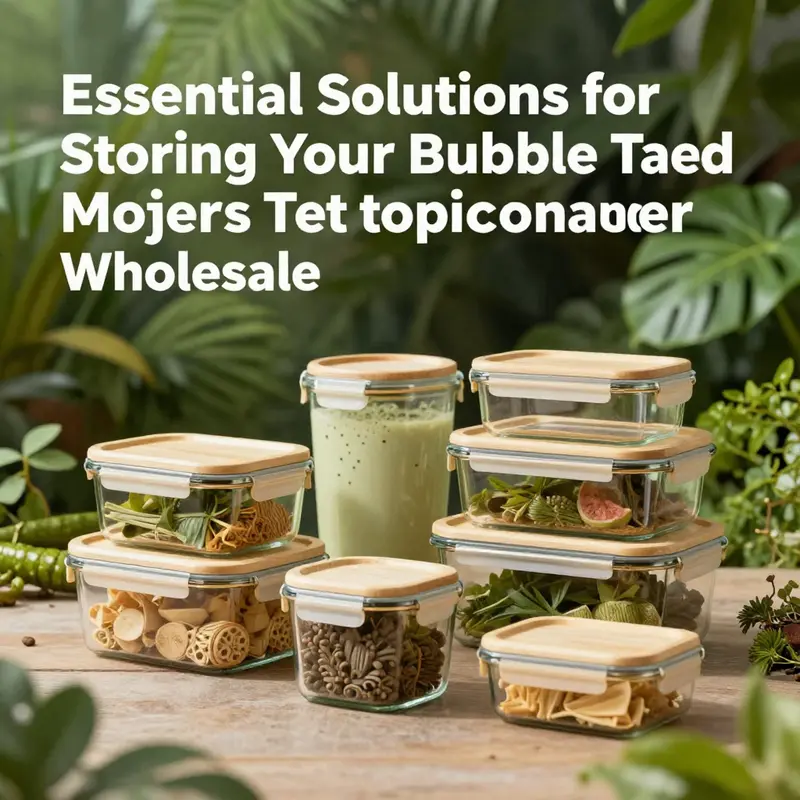
The wholesale market for large food storage containers is undergoing a deliberate transformation as sustainability moves from a marketing claim to an operational requirement. Buyers across households, food-service operations, and industrial purchasers now evaluate containers not only for capacity, durability, and price, but for lifecycle impact, recycling pathways, and reuse potential. This shift reshapes supplier offerings, procurement strategies, and the design priorities of manufacturers that serve bulk buyers who need large-format solutions for pantry storage, ingredient handling, and meal prep.
Sustainable choice begins with material selection. The industry is diversifying away from single-use plastics toward materials that reduce long-term waste and environmental harm while still meeting the rigors of large-scale food storage. Glass and metals rank highly because both are durable and repeatedly recyclable. Glass offers a chemically inert surface that won’t leach or retain flavors, making it attractive for long-term food preservation and reheating. Metal containers, particularly stainless steel, combine longevity with resistance to corrosion and staining, and they stand up to the heavy cycles demanded in commercial kitchens. Both materials create products that can remain in service for years, reducing the frequency of replacement and the volume of discarded containers.
Parallel to these traditional materials, recycled polymers and plant-based bioplastics are gaining traction. Recycled PET (rPET) repurposes existing plastic waste into new containers, lowering the demand for virgin plastics and the carbon intensity of production. Plant-derived polymers aim to offer similar convenience to conventional plastics while coming from renewable feedstocks. Reusable silicone is another practical alternative; it is flexible, heat-resistant, and long-lived. For large wholesale containers, these polymers must balance structural integrity with recyclability and clear end-of-life pathways. Where infrastructure exists to collect and process them, recycled plastics provide a credible transitional option for buyers seeking lower cost and lighter weight compared with glass or metal.
Design choices now reflect circular economy thinking. Rather than treating containers as disposable units, manufacturers design for longevity and disassembly. Features that facilitate repair or recycling—such as lids separable from housings, standardized materials for easy sorting, and minimal mixed-material bonding—are becoming baseline expectations. Some suppliers offer take-back programs or reconditioning services for bulk customers. These programs enable used containers to re-enter manufacture or recycling streams, curbing disposal rates and offering a closed-loop narrative that appeals to sustainability-minded purchasers. For wholesale buyers, participation in these initiatives can lower total cost of ownership and demonstrate measurable waste reduction.
Regulatory pressure is accelerating change. Regions with strict single-use plastic bans and extended producer responsibility rules are forcing supply chains to adapt. Wholesale purchasers with international operations must navigate a patchwork of regulations that influence acceptable materials and labeling requirements. This regulatory landscape incentivizes suppliers to preemptively shift production toward compliant alternatives, so bulk buyers can maintain cross-border consistency in their procurement. For distributors focused on long-term partnerships, aligning with manufacturers that proactively meet tightening standards reduces risk and procurement friction.
Performance expectations have not been sacrificed in pursuit of sustainability. Large-format containers must still deliver on airtight seals, thermal tolerance, stackability, and ergonomic handling. Innovations in lid technologies and gasket materials mean that reusable containers can preserve food quality comparably to their single-use counterparts. Stackable rectangular designs save storage space compared with round shapes, and structural reinforcements in metal and thick glass help large containers resist deformation. For wholesale buyers, performance translates to fewer product losses, lower food waste, and improved labor efficiency—factors that often offset a higher upfront price for eco-friendly options.
Affordability remains a central concern in the wholesale channel. Cost-conscious buyers often operate on tight margins and require solutions that scale economically. This dynamic has led to tiered sustainability offerings: high-end durable containers for repeat reuse in institutional settings, and more affordable recyclable or compostable options for scenarios where reuse is impractical. Importantly, economies of scale in bulk purchasing reduce the unit premium of sustainable alternatives. As manufacturers scale up production of recycled and plant-based materials, material costs decline and competitive parity with traditional plastics becomes feasible.
Aesthetic and brand values also influence choices. Retailers and food-service chains increasingly see storage containers as an extension of their sustainability story. Natural finishes like bamboo lids or muted glass convey eco-consciousness at retail and in food presentation. Biophilic materials and minimalist design can strengthen customer perception without compromising functionality. For wholesalers serving branded enterprises, the ability to customize with logos on recyclable or reusable containers adds value by aligning operational needs with consumer-facing sustainability commitments.
Operational considerations are central to purchasing decisions. Large containers need to integrate with warehousing systems, shelving, and transport racks, and they must withstand frequent handling and cleaning. Suppliers that offer modular systems—compatible lids, stackable trays, and uniform dimensions—help streamline logistics. Compatibility with industrial dishwashing and sanitation protocols is also essential for commercial buyers, and metal and tempered glass often meet these demands best. In contrast, plant-based or novel polymer solutions require verification against cleaning regimes to ensure longevity and food safety.
The wholesale market is also seeing more collaborative models. Distributors, manufacturers, and large end-users collaborate on product development, pilot programs, and recycling schemes. These partnerships accelerate the emergence of viable large-format sustainable products by combining design expertise, scale, and end-user feedback. When bulk buyers participate in co-design, they influence trade-offs between cost, durability, and environmental impact, ensuring final products meet real-world needs.
Finally, data and transparency are reshaping procurement. Life-cycle assessments, carbon footprint disclosures, and end-of-life guidance are becoming standard purchase criteria. Wholesalers favor suppliers who can quantify environmental benefits and provide verifiable certifications. This emphasis on measurable outcomes reduces greenwashing and helps buyers make decisions that align with corporate sustainability objectives.
The wholesale market for large food storage containers is thus evolving into an ecosystem where sustainability is a practical priority, not a peripheral ideal. Material innovation, circular design, regulatory alignment, and collaborative procurement models are converging to deliver large-format solutions that meet commercial demands while reducing environmental impact. For bulk buyers, the path forward involves balancing upfront costs with long-term savings, ensuring compatibility with operations, and prioritizing suppliers who offer verifiable sustainability credentials. As these trends continue, wholesale purchasers will have increasing access to large containers that preserve food, optimize space, and support broader environmental goals.
For a comprehensive industry outlook that underpins these trends, see the market forecast report referenced here: https://www.marketsandmarkets.com/Market-Reports/global-food-storage-container-market-45879934.html
You may also find relevant eco-friendly disposable options for complementary packaging needs, such as biodegradable take-away kraft paper bowls, at this supplier page: https://greendispopack.com/product/biodegradable-eco-friendly-take-away-odm-oem-round-kraft-paper-bowl/
From Factory Floors to Wholesale Floors: Mastering Bulk Sourcing of Large Food Storage Containers
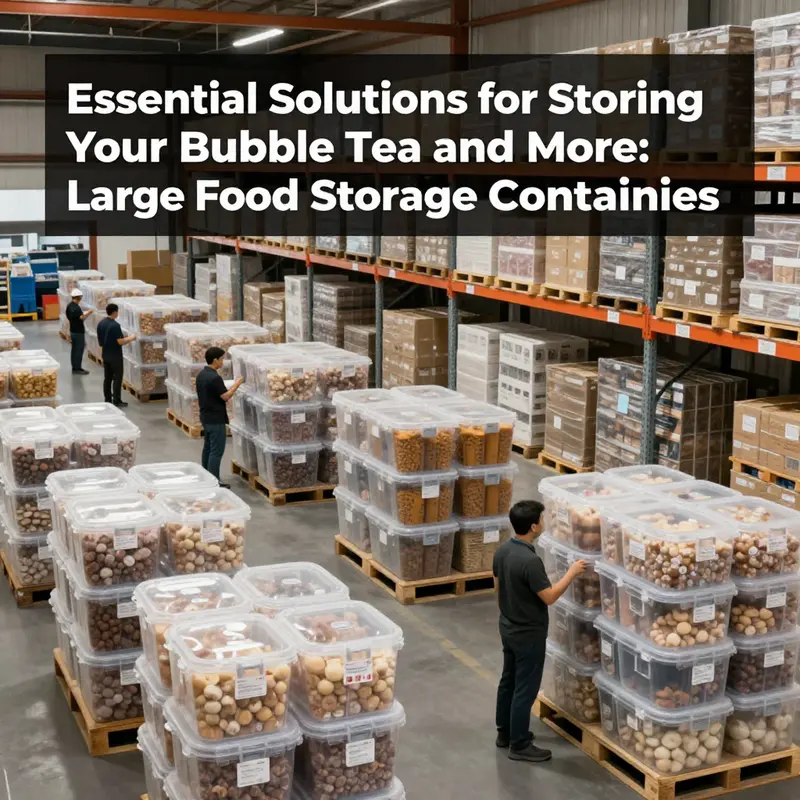
Across large-scale kitchens, distribution hubs, and franchise networks, the wholesale market for large food storage containers is driven by more than capacity alone. It hinges on reliability, safety, and the ability to synchronize supply with seasonal demand. Procurement teams at scale weigh material choices, regulatory compliance, and ecosystem fit to avoid stockouts while preserving brand integrity.
The chapter outlines a practical framework for buyers: start with intentional design intent—select materials that balance durability with cost; verify safety certifications and third-party tests; map lead times to forecast horizons; and build modular options that allow quick reconfiguration for new menus or promotions.
Global supply chains concentrate in a few manufacturing hubs where scale enables aggressive pricing and consistent quality. The emphasis in these ecosystems is not only on large containers but on end-to-end service: rapid sampling, transparent batch data, and predictable after-sales support. The text explores how buyers can navigate supplier directories, assess capacity queues, and align private-label capabilities with distribution strategies.
Material decisions center on plastic (HDPE, PP), polypropylene-laminated variants, tempered glass, and borosilicate variants. Each material brings tradeoffs in weight, heat resistance, chemical compatibility, and recyclability. The narrative explains how to build a scoring rubric that translates technical specs into operational outcomes such as shelf-life preservation, ease of cleaning, and handling safety. In high-volume settings, uniform lid systems and stackable geometry can dramatically reduce storage footprint and handling time.
Compliance remains foundational. Food-contact approvals (FDA, EU LFGB/1935) set minimum standards, but buyers add value with supplier-hosted test reports, migration studies, and evidence of batch traceability. The chapter demonstrates a simple, repeatable approach to verifying supplier documentation, including audit-ready quality plans and supplier scorecards that cover on-time delivery, defect rates, and change-management discipline.
Capacity and lead-time management are central to wholesale success. Large producers may offer lines that produce hundreds of thousands of units per month, but the real differentiator is the supply network: multiple certified factories, robust logistics, and predictable queue times. The text presents scenarios illustrating how to allocate safety stock, plan for peak periods, and coordinate with distributors to prevent gaps that disrupt kitchens, caterers, or retailers.
Customization and private labeling unlock value at scale. Buyers may standardize on a family of containers with interchangeable lids, seals, and stacking configurations, enabling a single procurement cycle to support dozens of SKUs. The narrative provides a practical decision tree for choosing between private branding, white-labeling, or fully customized features, with a focus on quality control, packaging integration, and post-sale support.
Finally, risk management is woven throughout. A durable sourcing strategy includes supplier diversification, clear lead-time commitments, and contingency plans for raw-material shortages or transportation bottlenecks. The chapter closes with a blueprint for establishing a measurable procurement rhythm—periodic performance reviews, continuous improvement loops, and cross-functional governance that keeps bulk-storage programs aligned with brand promises and customer expectations.
Final thoughts
Understanding the wholesale market for large food storage containers is vital for retail establishments, beverage chains, and catering services. By knowing your material options, assessing costs, and embracing sustainability practices, businesses can optimize their storage solutions. With the right choices, not only can you enhance your operational efficiency, but also respond to an increasingly eco-aware customer base, ensuring your establishment stays competitive and responsible. Partnering with reliable suppliers will further streamline your procurement process, providing you with the necessary tools to succeed in today’s dynamic food service industry.