
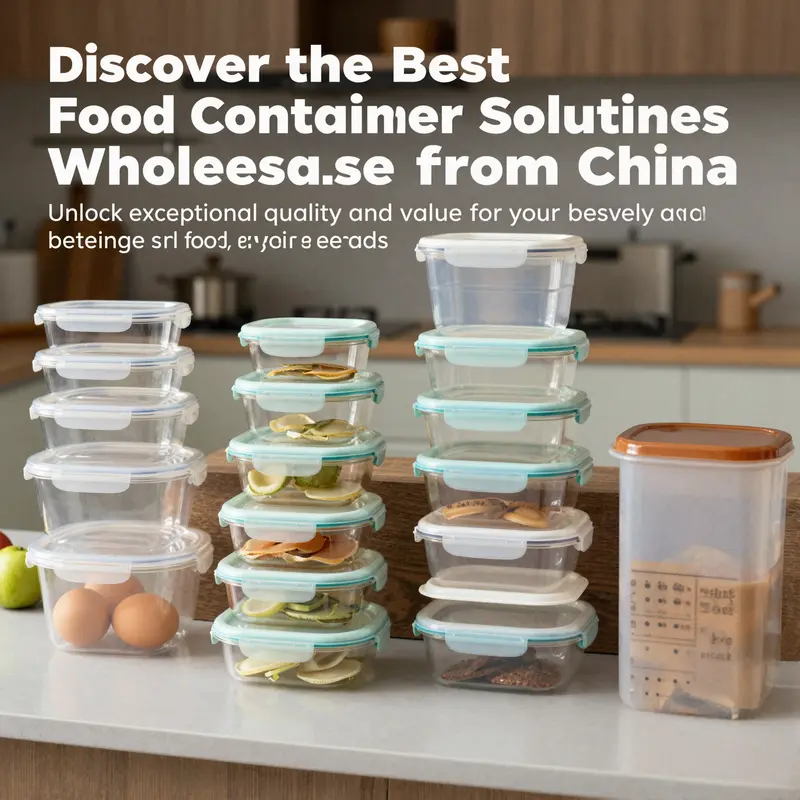
Navigating the world of food containers wholesale can be daunting, especially for businesses in the beverage and food service industry. From bubble tea shops and beverage chains to restaurants and catering services, finding the right packaging solutions plays a crucial role in success. This article dives into the rich landscape of food container options available wholesale from China, including plastic, glass, and silicone materials. Each chapter explores key attributes, market trends, sustainability, and practical applications, empowering your business to make informed choices and elevate your service offerings.
Materials, Markets, and Momentum: Navigating China’s Plastic Food Container Wholesale Landscape
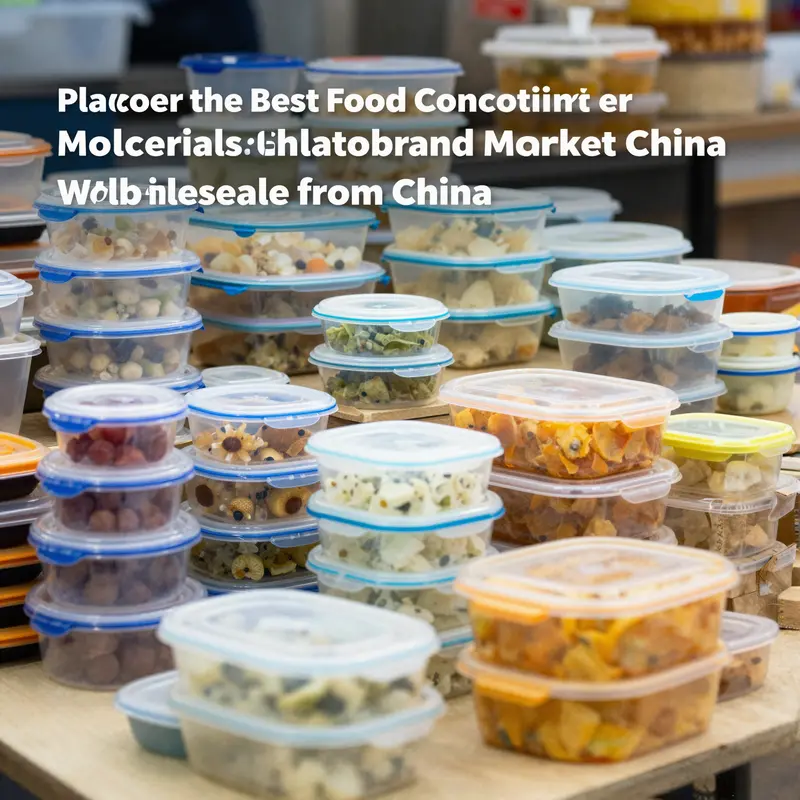
China’s plastic food container wholesale sector sits at a crucial intersection of convenience, safety, and global supply power. It is a story not only of plastic and polymer chemistry but of how a vast ecosystem—from raw material suppliers to small- and medium-sized manufacturers, to massive export platforms—moves toward a future shaped by consumer expectations, regulatory frameworks, and environmental commitments. In this narrative, the materials themselves—PP, PET, and PE—act as the first act. Each polymer brings distinct strengths to the table. polypropylene, or PP, is prized for heat resistance and durability, enabling containers that can withstand microwave use and simple sterilization processes. It is a workhorse for everyday meals, whether for takeout, meal-prep, or bulk refrigeration, where lightness and resilience matter. PET, with its clarity and strong barrier properties, is the window into the contents—rigid, transparent boxes and jars that reveal freshness while preserving it. PE, the flexible counterpart, provides toughness and chemical resistance, ideal for bags, wraps, and larger, less rigid forms where bulk storage or a softer touch is needed. These materials are not merely technical selections; they shape the user experience, influence recyclability, and determine how brands communicate safety and value to customers around the world. In practice, buyers encounter a spectrum of options. The standard eight- to thirty-two-ounce range covers family-friendly portions, snack-size servings, and modular meal-prep configurations. Clear plastics dominate the aesthetic because visibility sells, yet this visibility comes with trade-offs. Over time, some polyolefins may absorb odors, particularly when reusing containers, a factor that prompts careful design of caps, seals, and inner linings. This concern has propelled a subset of the market toward more sophisticated sealing technologies and materials labeled BPA-free, a shorthand for a broader regulatory perspective that places food safety at the center of product development. The materials discourse, however, sits within a larger framework of compliance and safety that is not abstract. Global buyers increasingly scrutinize the end-to-end lifecycle of containers—from resin sourcing and extrusion to molding, filling, and end-of-life disposal. The emphasis on food-grade safety is not merely a regulatory checkbox; it is a competitive differentiator. In this regard, the Chinese wholesale landscape benefits from a mature quality-control culture. Certifications aligned with US FDA standards and EU food-contact regulations are not corner cases but baseline expectations for a growing share of buyers who must meet stringent compliance demands in their own markets. This compliance culture extends to labeling, traceability, and disclosure around materials used in contact with food, ensuring that even in a highly price-competitive environment, customers can trust the chain of custody and the safety of the products they purchase. The market’s momentum can be understood through a blend of macro drivers and micro choices. On the macro side, sustainability is a dominant force. The industry-wide pivot toward carbon neutrality—targeted by many manufacturers and national policy initiatives for 2060—reframes investment in processes, energy use, and material selection. This trajectory feeds several parallel streams of innovation: increasing use of recycled content, exploration of biodegradable polymers where compatible with food-contact safety, and the development of more energy-efficient production lines. The effect on wholesale dynamics is tangible. For buyers, sustainability isn’t a nice-to-have; it’s a price-to-value signal that can influence supplier selection, lead times, and the willingness of customers to pay a premium for greener packaging. On the market-size front, the scale is striking. In 2025, the Chinese plastic food container market reached about 897.5 billion RMB, a figure that places it among the largest packaging segments globally. The global market, by comparison, surpassed 2.7 trillion RMB, underscoring China’s outsized role in supplying plastics for food storage, preparation, and staging across continents. Projections point to continued expansion, with the global market anticipated to approach roughly 3.6 trillion RMB by the early 2030s. This growth is not merely a numbers game; it translates into more choices for buyers and more opportunities for manufacturers to differentiate through design, materials science, and process improvements. Innovation springs from how the market integrates everyday practicality with evolving consumer lifestyles. The rise of modular, stackable designs, multi-compartment systems, and specialized containers for meal-prep and on-the-go consumption reflects a shift toward space efficiency and convenience. In a world where kitchens are becoming smaller and lifestyles more dynamic, containers must serve multiple roles: protection, portion control, and easy transport. The Chinese manufacturers respond by expanding their design libraries to include features such as compact folding or nesting capabilities, integrated seals, and improved lid ergonomics. These innovations are not just about form; they are about function, ensuring that a container remains airtight under varying travel conditions, preserves flavors, and reduces waste by maintaining freshness longer. An important lever in shaping this momentum is the upgraded online and offline purchasing environment. Platforms that connect buyers with hundreds of manufacturers enable rapid comparison across material types, sizes, and customization options. The online wholesale ecosystem reduces friction in order placement, enables bulk procurement, and accelerates the adoption of branded or co-branded packaging—an appealing option for retailers and food-service providers seeking consistency across markets. Yet this ease of access carries responsibility. Buyers must navigate a landscape where due diligence becomes essential. For plastic containers, this means verifying that the supplier adheres to material safety standards, confirming BPA-free labeling where relevant, and requesting documentation that demonstrates compliance with applicable food-safety regulations. In practice, this translates into a multi-part evaluation process: samples to assess sensory impact and odor retention, material certificates that detail composition and potential contaminants, and a review of production traceability that links resin suppliers to finished goods. The outcomes of this due diligence are not only about risk mitigation. They also shape reliability in the supply chain, which is indispensable to both end users and wholesale buyers who depend on consistent quality for large deployments across markets. The regional dynamics within China also matter. Guangdong, Zhejiang, and Tianjin stand out as hubs that concentrate capacity, spread risk, and provide access to an ecosystem of ancillary components such as sealing Gaskets, lids, and dispensing systems that can be tailored to specific applications. This geographic clustering helps buyers negotiate better terms and shorter lead times while maintaining the flexibility to combine different sizes and configurations in a single order. The emphasis on regional clustering also supports knowledge sharing—between toolmakers, mold designers, and material developers—accelerating the pace at which safer, more efficient packaging solutions move from concept to shelf. Alongside the primary plastic materials, a broader conversation is unfolding about the role of sustainable alternatives and recycled content. The industry’s response to environmental pressures is nuanced; not all applications easily accommodate high recycled content without compromising clarity, barrier performance, or heat tolerance. Nevertheless, manufacturers are exploring how to blend recycled resins with virgin polymers to achieve a balance between cost, performance, and sustainability. In some cases, biodegradability remains more suitable for non-durable applications, such as certain disposable containers, while for durable, reusable containers, the focus shifts to long life, repairability, and the reclaimability of materials at end of life. The wholesale marketplace thus becomes a testing ground for new material blends, with buyers playing a critical role as early adopters in multiple markets where regulatory frameworks and consumer expectations converge. For buyers who are coordinating large orders for restaurants, cafeterias, or retail operations across regions, the decision matrix expands beyond raw material performance. It includes a supplier’s capacity to handle large MOQs, ensure consistent quality across batches, provide customized branding, and deliver with predictable lead times. In this context, the Alibaba-like wholesale platforms evidence a broader industry pattern: a robust, diversified supplier base that can scale to international demand while offering options for branding, packaging sizes, and accessory kits such as seals or vacuum systems. Strategic buyers often view this landscape through a portfolio lens, balancing cost per unit with the value of supplier reliability, regulatory compliance, and the convenience of having a single source for multiple container types. The interplay between cost and compliance is particularly salient for readers who source containers for regulatory-heavy markets. The materials themselves must perform under defined conditions: heat tolerance for microwave-safe containers, chemical inertness for storage of oily or acidic foods, and non-toxicity across repeated uses. The ongoing push to verify food-contact safety translates into practical expectations when engaging with suppliers: demand for material test reports, confirmation of BPA-free status where required, and documentation of compliance with both US and European food-contact regulations. This diligence is not merely a precaution; it is a channel through which wholesale buyers earn trust and secure long-term partnerships. In the end, the wholesale plastic container market in China is not a monolithic factory floor—it is a dynamic network of material science, regulatory navigation, design ingenuity, and global logistics. It’s about how PP stands up to heat, how PET keeps contents visually appealing, how PE offers flexible, reliable storage, and how manufacturers transform those materials into containers that fit a changing world. It is also about how buyers, guided by market signals and policy directions, select partners who can deliver consistent safety, sustainable options, and scalable solutions across channels—from food-service to home storage, from regional markets to the world stage. For readers who want to explore specific material and packaging trajectories, a closer look at a selection of wholesale options can reveal how a single category evolves to meet evolving consumer expectations and regulatory demands. The next steps for anyone entering this market are both practical and strategic: evaluate material performance in real-world conditions, assess the supplier’s traceability and certifications, consider the role of recycled content and recyclability in the product line, and recognize that the fastest growing segments are often those that combine smart design with responsible material choices. As the sector grows, so does the opportunity to align business goals with a sustainable packaging future that still delivers the reliability and cost efficiency wholesale buyers require. For readers who want to see broader packaging alternatives in action, the following resource offers a snapshot of related packaging options and their applications in real-world settings: disposable-700ml-kraft-paper-bowl-take-out-octagonal-rectangle-paper-bowl. This reference points to a category that, while not plastic, demonstrates how design thinking and material choice intersect with consumer behavior and environmental considerations in the packaged-food ecosystem. It is a reminder that wholesale decisions arrive at a crossroad where performance, cost, and sustainability must be balanced in a global marketplace that increasingly prizes transparency and accountability. Readers should also consider how a robust supplier network, regional manufacturing hubs, and digital procurement platforms come together to smooth the path from concept to consumer. The wholesale ecosystem thrives on the alignment of volume, velocity, and value, and those three forces together define the future of plastic containers and their alternatives in a world that values both convenience and conscientious stewardship. For a broader industry perspective, a widely used external resource provides a macro view of how wholesale markets connect buyers and manufacturers across regions and languages, with emphasis on standards, certifications, and global trade dynamics: https://www.alibaba.com. As you navigate these dynamics, remember that the most successful wholesale engagements are built not on a single feature but on a cohesive package of safety, performance, sustainability, and service. The materials choice may be PP, PET, or PE, but the real determinant of long-term success lies in choosing partners who consistently meet regulatory criteria, deliver on time, and invest in innovations that move packaging closer to a circular economy while keeping the daily needs of kitchens and retailers met. In the end, this is the essence of China’s plastic food container wholesale landscape: a resilient, scalable, and increasingly responsible system that serves as a backbone for food packaging and storage across the globe, continuously evolving as new materials, new designs, and new standards reshape the way people store, transport, and enjoy their meals.
Glass Food Containers Wholesale China: Quality and Sustainability
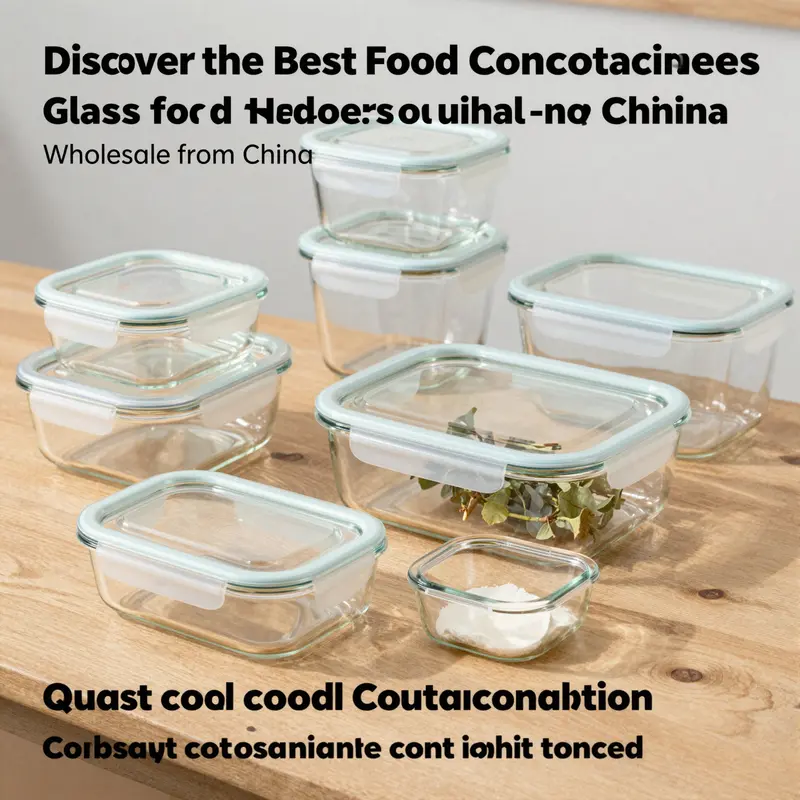
Glass has long been more than a material in the kitchen; it is a statement about durability, safety, and sustainability. In China, the wholesale glass containers sector has matured into a robust ecosystem that pairs quality standards with environmental responsibility. This chapter traces how borosilicate and tempered soda-lime glass become trusted vessels for daily storage and premium branding, and how the country’s supply chains, certification regimes, and pricing dynamics converge to support a global demand that prizes longevity and recyclability as much as clarity and design.
At the heart of the appeal of glass containers is their chemical inertness and non-porous surface. Borosilicate glass is known for resistance to thermal shock and chemical stability, often favored for containers that transition between freezing, microwaving, and oven use. Tempered soda-lime glass offers rugged durability and a cost profile favorable for mass production and wide distribution. What makes the Chinese market distinctive is not only material choices but how these choices are integrated into manufacturing and logistics that deliver consistent quality at scale, meeting global food-safety expectations while aligning with consumer preferences for reusable, recyclable packaging.
From a materials science perspective, glass containers in China typically leverage both borosilicate and tempered soda-lime formulations to balance performance and affordability. Borosilicate has a low coefficient of thermal expansion, handling rapid temperature changes with less risk of cracking, making it well suited for microwave, oven, and freezer use. Tempered soda-lime glass offers durability for everyday storage and for products that demand sturdier, less expensive vessels at scale. Both types are 100% recyclable and have long lifecycles when cared for properly, resonating with brands seeking responsible packaging. The environmental calculus extends beyond recyclability; the energy and emissions profile of glass production can be optimized through local sourcing, efficient furnace designs, and streamlined post-processing, enabling a lower footprint for bulk orders.
The supply chain geography supporting wholesale glass containers in China is a story of clusters and collaboration. Zhejiang and Guangdong provinces stand out as core hubs where manufacturers, mold makers, gasket specialists, labeling services, and logistics providers form integrated networks. A single glass jar often requires a matching set of components: a lid, a gasket, a lid-injection mold, and sometimes a labeling solution for batch traceability and branding. The proximity of these players shortens lead times and reduces risk of misalignment between containers and closures. Standard orders can move from design to delivery within roughly 25 to 40 days, depending on customization complexity and volume. This speed comes from mature clusters that have refined supplier qualification, testing protocols, and collaborative networks that accelerate development and production.
Quality control in this sector adheres to international food-safety standards. Key benchmarks are FDA rules under 21 CFR and EU regulation 1935/2004. Containers marketed internationally are typically made from food-grade materials and supported by documentation for compliance and traceability. Chinese suppliers employ a multi-layered approach to quality assurance: raw material screening, process monitoring during molding and annealing, dimensional accuracy checks, finish audits for surfaces and rims, and packaging tests for stacking and transport. Third-party testing and certification are pursued to meet internal standards and retailer requirements. This emphasis on rigorous testing and compliance makes wholesale glass containers from China a compelling choice for brands seeking trust and reliability.
Pricing dynamics reflect value and added features. Costs vary by capacity, design complexity, and customization level. Basic containers with simple lids start at modest prices, but mold costs, MOQs, and features like silicone gaskets or branded prints affect total landed cost. A broad spectrum of sizes—from small 100 ml jars to midsize 750 ml jars—can be offered at prices starting from a few tenths of a dollar per piece for standard configurations, with higher unit costs for specialized designs or larger runs. Economies of scale reduce unit costs when MOQs are met and designs are standardized, enabling more favorable freight terms. This structure suits brand owners needing consistent supply and flexible sizing across markets.
Buyers are drawn by the total value proposition: longevity, recyclability, and the ability to customize lids, seals, and branding. Glass aesthetics—clarity and precise finishes—support premium packaging narratives. The ability to tailor closures and labeling empowers brands to create cohesive product lines while maintaining safety and airtight seals that preserve flavor and freshness. This combination of material integrity and design flexibility underpins glass containers as a preferred option for home, professional, and premium packaging.
For buyers prioritizing environmental stewardship, the lifecycle case for glass aligns with circular economy aims. Durability reduces replacement frequency, and recyclability supports sustainability goals. Suppliers are investing in tamper-evident features, scalable labeling, and packaging configurations that minimize shipping volume without compromising protection. These considerations translate to lower total cost of ownership for buyers who can demonstrate sustainable performance while delivering consistent quality. The result is a market where glass containers express brand responsibility and supply-chain discipline, reducing environmental impact across the journey from factory to consumer.
The competitive landscape blends customization with standardization. Producers offer modular design options scalable across SKUs while preserving a coherent aesthetic and performance standard. Upstream partners—silicone gasket producers, lid injection mold suppliers, and labeling services—enable turnkey development from concept to market with predictable timelines and dependable supply. The synergy of material science, manufacturing capability, and logistics efficiency makes wholesale glass containers from this region a compelling option for mature and emerging markets alike.
As platforms and market access evolve, buyers increasingly rely on digital sourcing channels that provide due diligence, documentation, and compliance verification. These channels support transparency about production capabilities, lead times, and capacity, helping buyers plan and hedge against disruptions. The emphasis remains on safety and sustainability, with scalability and agility becoming equally important in a world of shifting consumer preferences and regulatory developments.
The journey from raw material to retail shelf for Chinese glass containers is a story of continuity and care. It is about creators who design for longevity, manufacturers who optimize safety and consistency, and traders who align supply with evolving expectations. For brands seeking packaging that reflects quality and corporate values, wholesale glass containers from China offer material integrity, regulatory alignment, and environmental accountability that few other options match. The result is a market where glass containers are increasingly favored for households, professional kitchens, and premium retail concepts, with sustainability narratives gaining momentum in global discourse.
For readers seeking practical direction, prioritize suppliers that demonstrate FDA 21 CFR or EU 1935/2004 compliance, can provide traceable material certificates, and can deliver scalable customization without compromising safety. Seek clarity on glass type, lid compatibility, seal characteristics, and labeling and branding options. Explore capacities from compact storage jars to larger containers for ingredients or beverages, and assess aesthetics such as clarity, rim finish, and wall uniformity. By foregrounding safety, durability, recyclability, and design flexibility, buyers can build a glass container program that meets functional needs while reinforcing a brand’s commitment to responsible packaging. This aligns with global moves toward more sustainable, high-quality packaging that meets regulatory realities and consumer expectations.
External reference: for additional perspective on market accessibility, supplier capabilities, and the realities of sourcing wholesale glass containers, see Wholesale Glass Food Containers: B2B Supplier Guide for Quality, Cost & Reliability at https://www.alibaba.com/showroom/wholesale-glass-food-containers.html.
Silicone Food Containers Wholesale China: Innovations, Versatility, and Global Reach
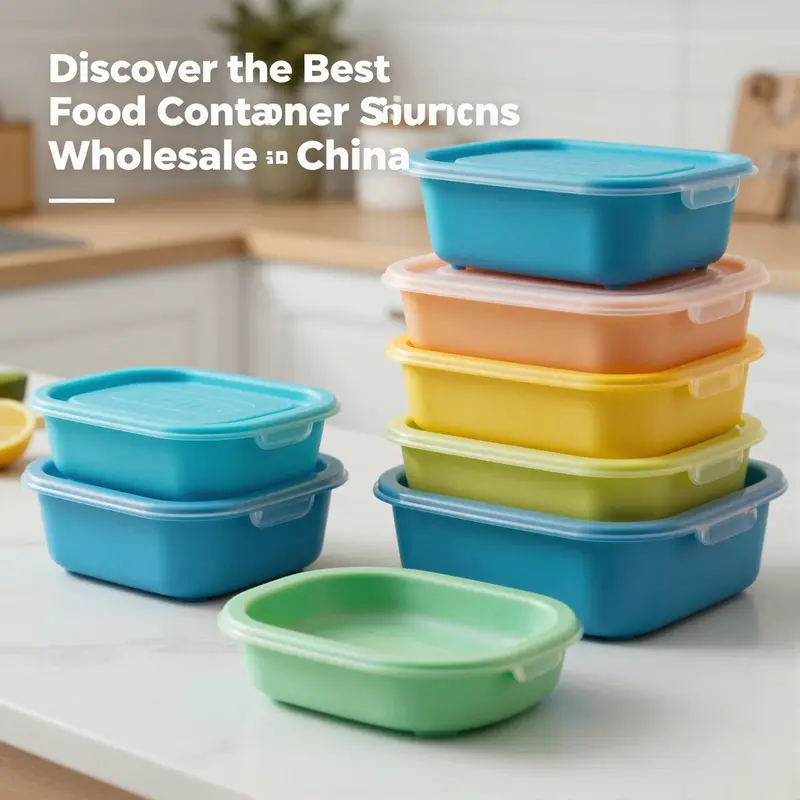
Silicone has moved from a niche material to a core component of modern food storage, and China stands at the forefront of this transformation in the wholesale market. The landscape blends advanced material science with scalable manufacturing to deliver products that meet international safety standards while supporting evolving consumer needs. This chapter traces the journey of collapsible silicone containers, reusable bags, and accessory ecosystems that together redefine how households, foodservice operations, and travelers think about storage and waste reduction.
Collapsible silicone containers offer a compelling value proposition: space savings without sacrificing usability. When empty, they compress to a fraction of their expanded size, often achieving around seventy percent reduction in volume. That reduction is vital for small apartments, urban living, and travel where every liter counts. When filled, the structures rebound to full capacity and rigidity, resisting deformation under typical loads. This balance arises from careful wall thickness, geometric profiles, and the inherent elasticity of food-grade silicone. The material’s resilience also extends across a broad temperature range, tolerating freezer cold and microwave or dishwasher heat, with many models designed for oven use under controlled conditions. In wholesale terms, the appeal is clear: compact SKUs with broad appeal, reduced warehousing needs, and potential for high turnover in diverse markets.
Beyond collapsibility, other features advance silicone toward greater practicality and sustainability. Reusable silicone marinating bags illustrate a shift away from single-use plastics toward durable, washable options. They combine leak-proof seals with pliable, easy-to-clean silicone that resists staining and odor retention. For chefs, caterers, and households, the ability to marinate, store, and transport with a single container reduces waste and simplifies cooking. In wholesale ecosystems, such bags broaden the range of silicone offerings and reinforce the message that silicone is a long-term investment in cleanliness and efficiency. The design language across these products emphasizes airtight or leak-resistant closures, reinforced seams, and smooth surfaces that facilitate hygiene and dry cleaning. Durable tolerances and smooth finishes help ensure reliable performance after many cycles without micro-crevices harboring microbes.
The practical uses of silicone containers span kitchens, catering operations, outdoor adventures, and home storage. In professional kitchens, multi-compartment, stackable designs enable portion control and organized service. In outdoor settings, the lightweight, compact storage qualities become even more important for camping, hiking, or RV living. Silicones’ durability under rough handling, combined with heat tolerance and easy cleaning, supports al fresco dining and field work. For households seeking to minimize waste, silicone offers a durable alternative to disposable plastics. The wholesale narrative emphasizes value alongside environmental responsibility, helping buyers align performance with sustainability goals.
From a supply-side perspective, China’s silicone container sector combines scale, standardization, and a growing emphasis on safety and compliance. A robust set of certifications underpins quality expectations in global markets. Suppliers pursue food-grade quality assurances and regulatory compliance across major jurisdictions. In practice, this means rigorous quality control at every production stage—from resin preparation to mold design, curing, and final inspection. The result is a documented pathway that demonstrates safety, reliability, and traceability for buyers. Wholesale relationships rely on transparent QC data, visible manufacturing practices, and responsive after-sales support as differentiators in competitive markets.
The wholesale dynamic also reflects a shift toward customization and service flexibility. Suppliers offer varying sizes, colors, and thicknesses; different lid configurations and venting options; and accessory options such as steamer inserts or vacuum-sealing systems. While customization adds production complexity, it creates a richer ecosystem for buyers who tailor stock to regional preferences or foodservice requirements. MOQs and lead times adapt to the scope of customization, enabling smaller retailers to test new lines while larger distributors pursue large-volume programs. The ability to customize strengthens the business case for sourcing silicone containers in China and complements the core advantages of scale.
A broader regulatory and sustainability context shapes purchasing decisions. Regulators focus on ensuring that silicone does not impart taste or odor, remains inert in culinary applications, and withstands repeated heating and cooling without degradation. Compliance frameworks guide the supply chain, with audits covering cleanliness, process controls, material traceability, and testing. Buyers benefit from a robust assurance language—material certifications, batch testing results, and a demonstrated commitment to ongoing quality improvement. For wholesalers, this reduces risk, supports predictable performance, and facilitates cross-geography sales.
Sustainability remains a nuanced dimension of silicone wholesale. Durability and heat resistance extend service life, but silicone is not readily compostable in typical waste streams. This requires clear end-of-life pathways and collaboration with recyclers or refurbishers where feasible. Wholesale programs can emphasize longevity, repairability, and potential for refurbishment to appeal to environmentally conscious buyers while maintaining performance. In practice, wholesalers position themselves as responsible packaging partners by balancing environmental considerations with reliability and cost efficiency.
Digital channels reshape sourcing and quality assurance. Virtual catalogs, video inspections, and real-time communication enable buyers to evaluate products before large orders. Transparent factories, visible QC data, and responsive after-sales support become differentiators. A clear product specification—material grade, heat tolerance, thickness, lid geometry, and intended use—guides the supplier’s development plan, prototype iterations, testing, and staged sampling. This modern procurement approach accelerates the journey from concept to bulk supply and reduces surprises at the batch level.
In summary, the wholesale market for silicone containers in China blends space-efficient design, durable performance, and evolving safety and sustainability considerations. Collapsible formats demonstrate engineering that addresses modern living constraints, while accessory ecosystems broaden practical reach in homes, foodservice, and travel. The market’s strength lies in its scalability, from mass production that supports global distribution to customized programs that meet niche buyer needs. As demand for safe, versatile, and durable kitchenware grows, Chinese silicone container manufacturers offer a compelling combination of cost-effective manufacturing, quality assurance, and ongoing innovation aligned with contemporary lifestyles and environmental considerations.
Final thoughts
By understanding the vast variety of food containers available wholesale from China, your business can effectively cater to diverse customer needs while maintaining high standards of quality and sustainability. The chapters above have explored essential elements, from the benefits of plastic containers to the sophistication of glass options and the practicality of silicone innovations. This knowledge enables you to choose packaging solutions that complement your brand, enhance customer satisfaction, and contribute to operational efficiency. Embrace these insights to elevate your service and stand out in the competitive food and beverage market.