
In a world increasingly focused on sustainability, the choice of packaging materials can significantly impact both business and environmental outcomes. Brown paper bags made from recycled materials have emerged as an excellent option for various sectors, particularly in the food and beverage industry. These bags not only align with corporate social responsibility goals but also offer practical advantages for companies such as bubble tea shops, restaurants, food trucks, and catering services. As we navigate through the environmental implications, economic viability, technological advancements, regulatory standards, and consumer perceptions surrounding recycled brown paper bags, it becomes clear how integral this packaging choice can be in supporting a greener future.
Chapter 1: Beyond the Bag—Tracing the Environmental Footprint of Brown Paper Bags in a Recycled-Materials Era
Brown paper bags are often celebrated as eco-friendly, a perception grounded in renewable feedstocks and straightforward end-of-life hopes. Yet the environmental story behind these bags is more complex, because their footprint extends beyond the moment a shopper carries a bag from store to car. The narrative begins with forests and ends, ideally, in a circular loop. In between lie a sequence of energy-intensive steps—logging, pulping, bleaching, rolling, cutting, and printing—that collectively shape the bag’s true ecological impact. The green halo attached to brown kraft paper rests on a careful balance of material choices, production processes, and how people use and dispose of the packaging. When these elements align with higher recycling rates and responsible consumer behavior, the overall footprint can shrink; when they do not, the same packaging can contribute to a larger environmental burden than anticipated.
To understand the lifecycle, it helps to consider the production chain in its entirety. The journey from a standing forest to a single bag involves extraction of raw material, conversion into pulp, and then transformation into finished packaging. Each stage consumes energy and water, and each stage can produce emissions. Even though brown paper bags are typically biodegradable and recyclable, they are often designed for single-use by habit and convenience. The moment the bag is used to carry groceries or take-out, it enters its closing chapter in a system that depends on consumer disposal behavior as much as on industrial recycling lines. Contamination and improper disposal can divert bags from recycling streams, sending them toward landfills where the energy and materials invested in their creation are not recaptured. This is where the environmental conversation shifts from a purely production-centered view to a usage-centered one.
The story takes a nuanced turn when recycled materials enter the conversation. Using post-consumer recycled paper can significantly reduce the demand for virgin wood pulp, thus sparing forests and lowering the energy and water demands embedded in production. The EPA’s indicators on paper recycling illustrate the scale of potential impact: recycling one ton of paper saves about 17 trees, roughly 7,000 gallons of water, and around 4,100 kilowatt-hours of electricity. These savings are substantial, yet they are not automatic guarantees of sustainability. The quality of recycled paper tends to degrade with each recirculation, narrowing how many times it can be reused effectively. Moreover, the collection, sorting, and reprocessing of used paper require a network of infrastructure and transportation, each contributing to overall emissions. In other words, recycling’s environmental dividends are real but are maximized when coupled with efficient logistics and disciplined stewardship of the recycling stream.
A further layer of complexity arises when comparing reuse versus single-use options. Reusable bags, often made from cotton or polypropylene, can yield long-term benefits but come with higher initial costs and, in the case of cotton, substantial water use during cultivation. Studies vary, but a common takeaway is that cotton bags become environmentally preferable only when reused many times—estimates frequently fall in the range of 11 to 25 uses or more, depending on the study and the context. Brown paper bags, even when manufactured with recycled content, remain predominantly single-use by design. Their footprint, therefore, tends to accumulate rather than amortize with each subsequent use. This is not a final verdict against recycled-content paper; rather, it underscores the importance of consumer behavior: reuse where feasible, recycle when possible, and minimize unnecessary consumption.
Manufacturers and retailers operate within this nuanced landscape by pursuing packaging that balances performance with recyclability. The design choices—whether to use coatings, coatings that improve resistance to moisture, or multi-ply constructions that enhance load-bearing capacity—directly influence both usability and end-of-life outcomes. Coatings or select coatings can improve performance in damp or oily contexts but may complicate recycling streams, depending on the local facilities. In practice, coated brown paper bags can still be recycled in many communities, but the ease and efficiency of recycling may vary. The goal is to develop durable, high-quality recycled-content packaging that performs reliably in daily use while remaining compatible with widely available recycling infrastructure. In this light, the environmental value of these bags improves when production emphasizes post-consumer recycled content and when consumers commit to proper disposal.
From the industry perspective, the path forward involves aligning material choices with realistic usage patterns. A significant opportunity lies in reducing contamination within the recycling stream and optimizing the life cycle through better design for recycling. This means selecting fibers and coatings that balance barrier properties with recyclability and ensuring that the product is food-safe and suitable for its intended uses. The promise of recycled content holds whether the packaging is destined for retail, takeaway food service, or gifts, but the gains are maximized when the entire chain—from sourcing and manufacturing to consumer behavior and municipal recycling programs—operates with consistency and transparency.
In the context of practical, real-world applications, brown paper bags often intersect with a spectrum of disposable and reusable options. For instance, take-out contexts frequently require sturdy, hygienic packaging capable of holding food and resisting moisture. A common counterpoint is the use of durable, high-quality recycled-content packaging and the emphasis on reuse wherever feasible. The broader takeaway is that sustainability is not achieved by one solution alone; it emerges from an integrated approach that combines responsible material choices with informed consumer habits and robust recycling infrastructure. This integrated approach helps ensure that the environmental benefits of using recycled brown paper bags are realized across their entire life cycle, not merely at the point of purchase.
Within this integrated framework, some practical examples anchor the discussion. Consider the variety of packaging designs that align with post-consumer recycled content while maintaining performance. In contexts such as take-out or retail use, the choice of a sturdy bag with reinforced handles and a suitable coating can reduce waste by improving durability and reducing the frequency of replacement while still permitting recyclability. For those exploring product customization and branding within sustainable constraints, gravure printing and other eco-friendly finishing options can offer branded appeal without compromising recyclability or hygiene. In the end, the environmental calculus favors packaging that is both durable and recyclable, supported by a system that prioritizes reuse, recycling, and responsible disposal.
For readers seeking concrete, real-world examples of how recycled-content packaging translates into practice, a related pathway involves exploring take-out packaging formats that use kraft paper materials designed for recyclability and safety. For example, disposable 700ml kraft paper bowl take-out octagonal-rectangle illustrates how design decisions can pair functional performance with recyclability in a food-service context, reinforcing the idea that sustainability is a design and usage problem as much as a material choice.
Finally, the environmental case for recycled brown paper bags is strengthened by accessible, evidence-based guidance on recycling effectiveness. To deepen understanding of recycling dynamics, consult authoritative sources that summarize the energy, water, and resource implications of paper recycling and how these metrics translate into everyday packaging decisions. External research and official guidance provide a grounded perspective on the trade-offs, helping businesses and consumers navigate toward more responsible choices. External resource: Understanding Recycling, an EPA overview that contextualizes the numbers behind these claims and explains how recycling performance can vary by region and system design. https://www.epa.gov/sustainability/understanding-recycling
From Brown to Recycled: Economic Viability and the Circular Path of Kraft Paper Packaging
Brown paper bags occupy a nuanced space in modern packaging: they are approachable, environmentally friendly when sourced from recycled materials, and surprisingly capable of meeting a spectrum of business needs. The economic value of these bags hinges on more than the sticker price of a single unit. It rests in the lifecycle costs and savings that accrue from production, transport, use, and end-of-life handling. When viewed through a circular lens, brown paper bags made from recycled kraft paper can offer a compelling balance of cost, performance, and environmental accountability that resonates with both regulatory expectations and brand ambitions.
In regions with mature recycling ecosystems and clear waste-management incentives, the cost of managing paper waste is relatively predictable. A comparative view of European dynamics shows that countries with robust collection and sorting infrastructure tend to realize lower effective costs for recycled paper products. Those savings can translate into lower end-market prices or stronger margins for brands choosing recycled kraft bags, especially when bulk procurement leverages economies of scale. The flip side appears in markets where recycling infrastructure is still evolving; here, higher operational costs can compress the economic advantage of recycled materials. Yet even in those contexts, the total cost of ownership often favors recycled packaging in the long run, once factors like landfill avoidance, potential tax incentives, and enhanced consumer perception are included in the calculation. The dialogue between policy, infrastructure, and product design becomes as decisive as the material itself.
The material economics of brown paper bags reveal clear economies of scale. Bulk pricing demonstrates a tangible shift: suppliers may offer substantial per-unit savings when volumes rise from tens of thousands to millions of units. For instance, when purchase volume crosses a threshold, the unit price can drop markedly, making large-scale adoption financially attractive. This isn’t merely a price gimmick; it reflects how fixed costs in production—such as machine setup, quality control, and logistics—are spread over more units, reducing the marginal cost per bag. Brands that anticipate steady demand, predictable reorder cycles, and reliable lead times are well positioned to capitalize on these savings while maintaining consistent branding and performance. Flexographic printing, commonly used to apply up to eight colors, offers a practical, cost-conscious way to preserve marketing impact without sacrificing the bag’s structural integrity or recyclability.
Beyond the raw cost per unit, the procurement experience itself often shapes the bottom line. Lead times, minimum order quantities, and the ability to tailor sizes and features influence supply-chain reliability and inventory risk. In many cases, suppliers emphasize a rapid turnaround—think thirty to forty-five days from order to ship—which helps retailers and food-service operators manage seasonal demand and promotional windows without tying up capital in excess stock. The ability to adjust bag dimensions to specific product lines or store formats reduces waste and supports more efficient shelf-to-shipments, reinforcing the case for recycled kraft bags as a flexible packaging solution rather than a one-size-fits-all option.
The environmental and social dimensions are inseparable from the economic narrative. Recycled kraft paper bags align with corporate social responsibility goals by reducing virgin-wood inputs, lowering energy and water footprints, and enabling closed-loop disposal pathways. When a bag is designed to be fully recyclable and produced from 100% recyclable materials, the end-of-life scenario—whether it culminates in reuse, composting, or recycling—remains compatible with broader waste-management objectives. Certifications that attest to recyclability and food safety reassure consumers and regulators that the packaging protects product integrity while supporting responsible waste handling. In markets where sustainability credentials are increasingly linked to consumer choice and investor confidence, these attributes translate into tangible brand value, which can indirectly influence pricing, demand, and market share.
The research also points to the practical realities of deploying recycled packaging across industries. A durable, multi-ply construction can handle generous loads, making these bags suitable for retail and grocery settings as well as for gift and promotional applications. While coated versions may exhibit superior performance in damp environments, the vast majority of everyday applications can rely on uncoated, recyclable kraft bags without compromising hygiene or safety. This balance between performance and recyclability is the core appeal: a packaging option that meets operational needs and contributes to a circular economy rather than contributing to linear waste streams. The challenge remains ensuring that the chosen packaging integrates smoothly with the company’s existing recycling streams and consumer disposal habits, a consideration that becomes more critical as consumer expectations evolve toward easily separable materials.
In terms of market adoption, the economics of recycled kraft bags are closely tied to the broader logistics and retail ecosystem. Quick response and reliable supply chains reduce the risk of stockouts and the hidden costs of urgent sourcing. When suppliers can offer flexible configurations—such as several size options or varied handle designs while maintaining recyclability—the perceived value increases without a corresponding increase in environmental impact. This adaptability is particularly meaningful for businesses that use packaging as a marketing channel; the ability to print distinctive designs at a controlled cost enables brands to sustain visibility and differentiation without sacrificing circularity or elevating the price per unit beyond competitive thresholds. Taken together, these factors illustrate why brown paper bag packaging, particularly when derived from recycled materials, can be a financially prudent component of a broader sustainability strategy rather than a niche concession to eco-conscious branding.
The economic story of recycled kraft bags is not isolated from national policy and infrastructure, which ultimately shape the feasibility of large-scale adoption. The Belgian system, with its established recycling rates and supportive regulatory environment, often demonstrates lower costs for recovered paper products, strengthening the economic case for recycled solutions. Conversely, in contexts where infrastructure lags behind growing environmental awareness, policymakers and industry players must collaborate to close the gap with improved collection, sorting capabilities, and incentives. The overarching implication is clear: when packaging choices are synchronized with robust recycling networks, the long-term financial and environmental returns are amplified. This alignment explains why recycled kraft paper bags are increasingly viewed not merely as greener options but as strategically sound purchases within modern, responsible operations.
For readers seeking practical footholds to translate these insights into real-world decisions, several procurement considerations warrant emphasis. Start with a demand forecast that captures seasonality, product mix, and anticipated marketing campaigns. Then evaluate total cost of ownership rather than unit price alone. Include variables such as lead times, MOQs, print options, and the potential tax or incentive landscape in selected regions. Finally, verify that the chosen packaging solution harmonizes with existing recycling streams and consumer disposal behavior. When these elements converge, the result is a packaging choice that fulfills the dual mandate of performance and responsibility.
For further exploration of packaging options that support sustainable, cost-aware strategies, see this resource on kraft paper-based packaging options. kraft paper packaging options
External research that deepens the economic perspective on packaging waste recycling can be instructive as well. A detailed study of how national infrastructure and policy influence the economics of recycled packaging appears here: External study on packaging waste recycling economics
From Pulp to Purpose: How Technology Elevates Recycled Brown Paper Bag Packaging
The evolution of brown paper bag packaging is a story of deliberate, technology-driven refinement rather than a simple shift in materials. What began as a straightforward container for everyday goods has become a sophisticated part of a circular economy, where every stage—from feedstock selection to end-of-life outcomes—reflects a careful balance of performance, safety, and environmental responsibility. This chapter traces the thread of that transformation, showing how advances in recycling science, material engineering, and finishing technologies coalesce to create bags that are not only sturdy and versatile but also compatible with ambitious sustainability goals. At the core of this transformation is the way modern recycling systems have improved the consistency and quality of input fibers. De-inking and pulping, once bottlenecks in achieving high-grade recycled pulp, are now supported by multi-stage washing and targeted chemical treatments that remove ink, adhesives, and contaminants with greater efficiency and lower ecological impact. The cleaner pulp that emerges supports stronger, more uniform fibers, which in turn translate into brown paper bags capable of bearing heavier loads, resisting wear, and displaying a more even appearance. These improvements matter beyond aesthetics; they underpin performance across a range of applications—from light retail use to more demanding food-service contexts—without pushing the environmental envelope toward greater waste or pollution. The result is a material spool that can be oriented toward either high-speed mass production or more selective, customized runs, depending on brand needs and sustainability targets. A second pillar of progress lies in fiber blending. Manufacturers increasingly combine post-consumer recycled (PCR) fibers with alternative, sustainable sources. Agricultural residues or fast-growing non-wood fibers offer complementary properties that enhance strength and stiffness while reducing reliance on virgin wood pulp. This blending approach helps close the loop more tightly, delivering bags whose performance is not compromised by the shift away from traditional virgin fibers. It also broadens the scope of supply, letting producers react to regional fiber availability and regulatory landscapes with greater agility. Coatings and surface treatments form another crucial chapter in the technology story. Traditional brown paper bags faced moisture and grease challenges that limited their use in certain food-related and wet environments. Today, plant-based or biodegradable coatings provide real barrier protection against liquids and oils while preserving the bags’ compostability at end of life. These eco-friendly coatings are engineered to work with the fiber matrix rather than against it, creating a barrier that helps prevent leakage and staining without creating non-recyclable residues. In practice, this means bags can handle sauces, oils, or damp contents more reliably, expanding their suitability for take-out and retail packaging while aligning with circular economy principles. The coatings also raise questions about recyclability, which manufacturers address through careful formulation and compatibility with standard recycling streams. Digital printing technologies further extend the value proposition of recycled bags. In a market that increasingly prizes customization and traceability, digital print enables small-batch, high-quality branding on recycled substrates. This capability lets brands tell their sustainability story directly on the bag, using color, typography, and imagery that reinforce values without sacrificing recyclability. Digital workflows reduce setup times and waste, making it feasible to run limited editions or region-specific designs without committing to large, high-volume print runs. The marketing logic here is straightforward: packaging becomes part of the consumer’s transparency journey, a visible signal of responsible practice rather than a disposable afterthought. Beyond printing, the structural design of the bags themselves has benefited from technological insight. Multi-ply constructions and reinforced handle mechanisms are engineered to distribute weight efficiently and endure repeated handling in retail and event settings. The result is a bag that remains reliable as contents shift during transit, while the carrying experience stays comfortable for customers. Handle designs—twisted or flat—are optimized for ergonomic use, minimizing fatigue and encouraging reuse where appropriate. Such features contribute to a practical, consumer-friendly product that retailers and brands can rely on in a competitive environment. Alongside these mechanical improvements, there is parallel attention to the end-of-life phase. Recyclability remains a central criterion, so coatings, inks, and adhesives are selected with recycling compatibility in mind. The aim is to avoid introducing contaminants or incompatible materials that would complicate fiber recovery or degrade the quality of the stream. Where coatings improve performance, they are matched to maintain recyclability and compostability, preserving the bag’s overall life cycle advantages. Food safety also remains non-negotiable; many recycled brown paper bags are certified for food contact, ensuring they can safely house snacks, baked goods, and other consumables without compromising hygiene or traceability. The interplay of safety and sustainability is not merely theoretical. It translates into concrete procurement and production decisions that many firms embed in supplier criteria, audits, and certification programs. The net effect is a packaging solution that supports corporate social responsibility goals while delivering reliable performance for handlers, retailers, and end consumers. The economic dimension of these advances is equally notable. As fiber quality improves and process efficiencies rise, manufacturers can offer a broader range of bag sizes and configurations with competitive unit costs. Bulk purchasing platforms reflect this dynamic, with options for various dimensions and printing capabilities, while maintaining a pathway to high standards of recyclability. Even so, scale remains a practical consideration. Some of the most attractive trade-offs arise when factories harmonize de-inking efficiency with fiber blending and coating choices to optimize both strength and environmental profile. As a result, producers can tailor solutions to different end-uses—retail, grocery, or gift packaging—without sacrificing sustainability credentials or performance. In this sense, the technology story is also a business story. It explains why recycled brown paper bags have moved from a pragmatic alternative to a preferred packaging option for growing numbers of companies. The narrative is reinforced by the regulatory and consumer pressures that shape demand for responsible packaging. Regulators increasingly favor materials with clear recyclability and safe, traceable supply chains. Consumers, in turn, expect packaging to reflect ethical and environmental commitments. The convergence of these forces accelerates investment in research and equipment upgrades, creating a virtuous cycle that feeds back into product quality and supply reliability. While the technology toolbox is broad, the guiding principle remains simple: maximize fiber value through clean, efficient processing; extend useful life with structural and surface optimizations; and preserve end-of-life options through compatible coatings, inks, and adhesives. The practical outcome is a brown paper bag that can compete with plastics on functionality while delivering a clear advantage in sustainability metrics. As the chapter closes, the interconnectedness of process innovation, material science, and market demand becomes evident. The future holds further refinement, with digital and data-driven approaches guiding material selection, coating strategies, and production routes. In this evolving landscape, recycled brown paper bags are not relics of a bygone era but dynamic, high-performing packaging solutions that help steer the packaging industry toward a more circular future. External reading: https://www.sciencedirect.com/science/article/pii/S095605422300123X
Chapter 4: Regulatory Pathways Shaping Recycled Content in Brown Paper Bag Packaging
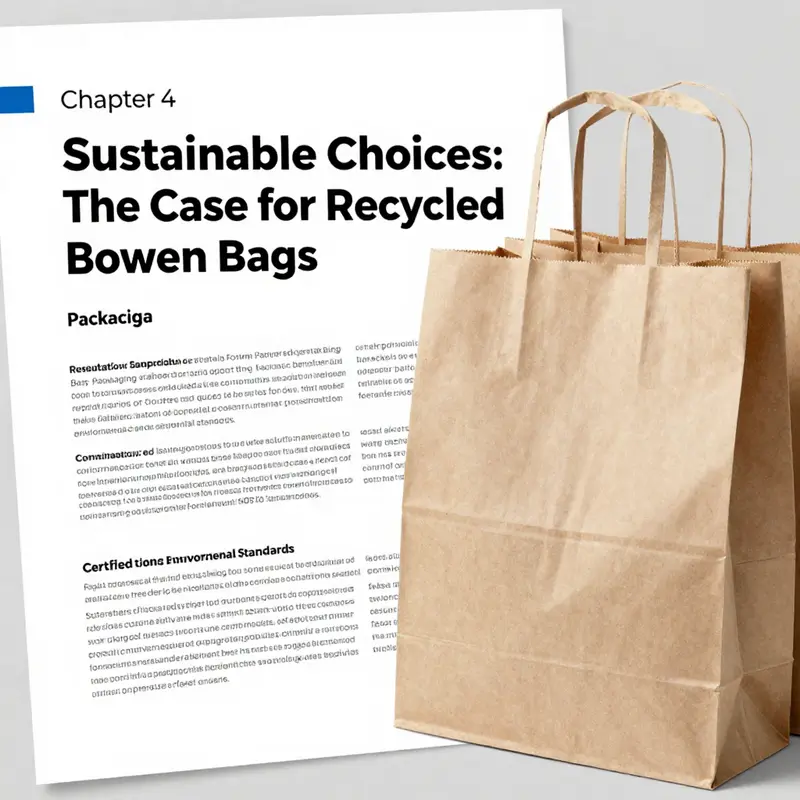
Regulatory pathways shape product design, fiber sourcing, and end-of-life outcomes. Brown paper bags built from recycled fibers sit at the intersection of policy, corporate responsibility, and consumer expectation. As regulators raise measurable targets, manufacturers adjust their supply chains to meet ecological benchmarks. The most cited landmark is California Senate Bill 270, enacted in 2014. It requires standard recycled paper bags to contain at least 40% post-consumer recycled material, or 20% if the bag is not made from recycled paper. These thresholds are not mere numbers. They compel mills to secure high-quality PCR streams, refine pulping, and collaborate with waste management networks that separate, collect, and process post-consumer fibers. The aim is a practical loop: more PCR content triggers demand for responsibly sourced waste streams and better recycling infrastructure, while keeping packaging fit for purpose in busy retail and food-service environments.
Beyond PCR thresholds, a set of international standards provides third-party verification of responsible forestry and sustainable production. Certifications such as the Forest Stewardship Council (FSC) and the Sustainable Forestry Initiative (SFI) offer credible signals that fibers originate from forests managed with biodiversity, worker safety, and long-term ecological integrity in mind. When suppliers align with these standards, their products carry a visible assurance that resonates with retailers, brands, and consumers who seek transparency in sustainability claims. Food safety considerations compound the regulatory equation. Many brown paper bags used for snacks and baked goods carry food-grade certification and non-toxic printing practices. These overlapping requirements—sustainability, safety, and verifiability—create a holistic standard that governs how materials are chosen, how inks are applied, and how the final bag performs in both clean-room environments and bustling storefronts.
Geographic realities shape how policies are implemented and enforced. In mature packaging markets, manufacturers operate integrated facilities that streamline fiber sourcing, pulping, converting, and printing under uniform quality systems. Automation in printing, die-cutting, and lamination supports consistency across large production runs while reducing waste and energy use. In regions where capacity is still developing, buyers frequently demand demonstrable conformity to local import norms and international certifications such as FSC, SFI, and SGS. The result is a supply ecosystem that values traceability, documented compliance, and the ability to respond quickly to changing regulatory expectations. This is especially important for items destined for cross-border commerce, where a single non-compliant shipment can disrupt entire product lines and undermine CSR commitments.
The regulatory climate also informs how bag designs evolve to balance performance with recyclability. A growing emphasis on multi-ply construction, reinforced handles, and moisture-resistant coatings reflects a pragmatic approach: preserve structural integrity to support grocery, retail, and gift packaging needs while maintaining recyclability where possible. Coatings and laminants are often chosen to minimize interference with downstream recycling streams and to avoid introducing materials that would derail the fiber’s circuit back into the recycling system. Even with these optimizations, wet conditions and heavy loads remain challenging in some contexts, which is why manufacturers explore coated versus uncoated options and weigh the trade-offs between barrier performance and recyclability. In short, regulatory signals push designers to consider the full lifecycle—from selection of raw fibers to end-of-life processing—without sacrificing user experience.
For practitioners evaluating options at scale, the regulatory narrative is not about compliance alone but about the signals it sends to supply-chain partners. PCR content standards encourage closer alignment with municipal and regional recycling programs, and they push forward investments in waste collection, sorting, and fiber recovery infrastructure. Forest-certification standards provide a common language that links responsible forestry practices to the quality of the final product. Together, these frameworks create a market where credibility matters as much as cost, and where the ability to trace materials from forest to bag becomes a differentiator for responsible brands. The practical implication is that buyers, designers, and procurement teams must ask tougher questions: Where does the fiber come from? How is PCR content verified? What certifications back up the safety and recyclability claims? Answering these questions requires collaboration across mills, converters, and logistics partners, as well as a willingness to invest in supplier development and auditing processes.
Sourcing strategies under regulatory influence increasingly favor suppliers who can demonstrate end-to-end compliance. In parallel, regional hubs that can scale production while maintaining export-grade standards become valuable. Even when production occurs overseas, the regulatory framework demands transparent supply chains and robust certification regimes. This alignment supports not only regulatory adherence but also corporate social responsibility objectives, reassuring investors, customers, and employees that packaging choices contribute to a sustainable economy rather than simply meeting a short-term cost target. The broader picture is one of incremental but meaningful change: a shift toward higher PCR content, more responsible fiber sourcing, and clearer, third-party verified claims about recyclability and safety. It is a transformation that strengthens the resilience of packaging ecosystems and helps ensure that brown paper bags can stay relevant in a rapidly evolving regulatory and consumer landscape.
The practicalities of this shift are visible in the choices buyers make and the design liberties they grant to manufacturers. When evaluating potential partners, end-users increasingly prioritize producers who can demonstrate consistent PCR content, reliable recycling outcomes, and rigorous adherence to forest-certification standards. This preference helps align procurement with policies and sustainability pledges, creating a more predictable market for PCR-rich materials. The conversation also extends to product development: teams explore how to maintain bag durability under typical handling, how to minimize moisture sensitivity, and how to preserve print legibility for branding without compromising recyclability. All these considerations are anchored in regulatory expectations and the shared goal of reducing environmental impact while preserving consumer convenience. As the adoption of standardized PCR targets expands, the industry sees a gradual normalization of recycled content as the default rather than the exception.
For readers seeking a concrete illustration of the kind of packaging options that satisfy these regulatory and sustainability criteria, consider this example category linked to practical, recyclable alternatives: disposable-kraft-paper-bowl-take-away-kraft-paper-salad-bowl-with-pet-lid. This reference demonstrates how material choices and design considerations can meet safety, performance, and environmental objectives at scale, even when packaging must support food contact and transport in demanding settings. Such references underscore that the regulatory push toward higher PCR content and responsible sourcing is not merely a compliance exercise; it is a catalyst for practical, scalable innovations in brown paper bag packaging as part of a broader movement toward a closed-loop economy. External reference: https://leginfo.legislature.ca.gov/Faculty/Senate/270.html
Chapter 5: The Perceived Value and Societal Benefits of Recycled Brown Paper Bags in Modern Packaging
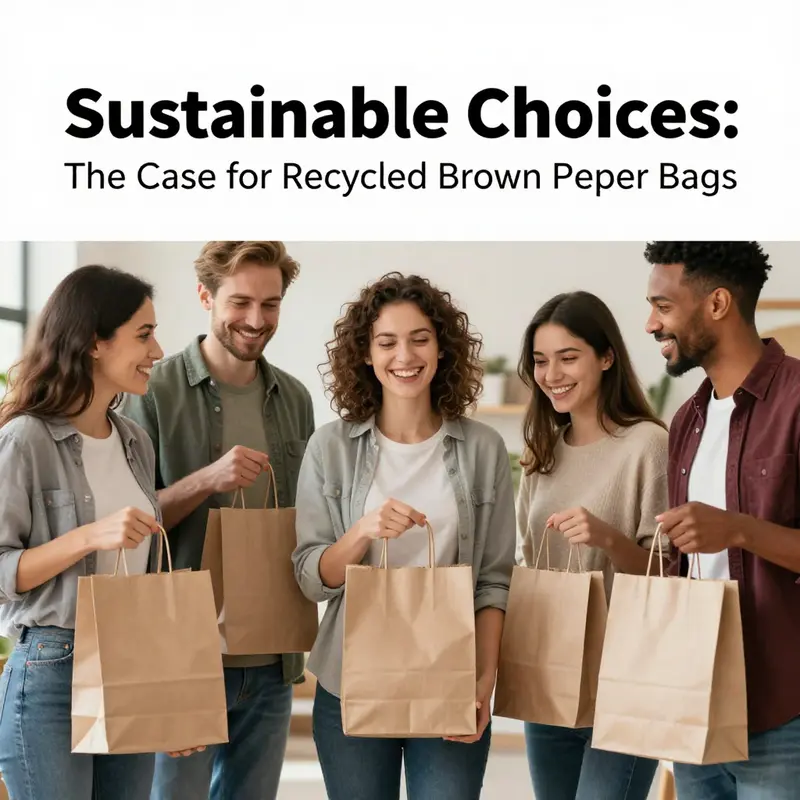
The perception of brown paper bags made from recycled fibers has evolved from a practical, utilitarian choice into a symbol of responsibility and quality. Consumers increasingly read these bags as signals of a brand’s environmental commitments and overall care for the product’s life cycle. This shift is not merely cosmetic; it reflects a deeper reassessment of what packaging can and should do beyond protecting a product. In markets where sustainability is a competitive differentiator, the choice of a brown paper bag crafted from recycled material becomes part of the brand’s narrative. The bags carry a message about resource stewardship, a willingness to invest in renewable inputs, and a commitment to reducing waste at the consumer level. As a result, they are perceived as premium in spirit, even when the price point remains modest. This premium perception is amplified when the bag’s recycled content is high and its recyclability is clearly communicated at the point of sale, reinforcing consumer confidence that the packaging will fit smoothly into a circular economy rather than ending up as litter.
A body of research underscores that the environmental associations of paper packaging have strengthened in recent years. A 2021 study by Oloyede notes a revival of paper packaging linked to sustainability and environmental consciousness, recasting it as a forward-looking choice in the minds of shoppers. The positive association is not limited to the material itself; it extends to perceptions of safety, hygiene, and trust, especially when the bags are certified as food-grade and produced with non-toxic inks and adhesives. The structural qualities of recycled brown kraft paper—durability, strength, and a forgiving texture—contribute to a sense of reliability. When a bag can comfortably carry groceries, baked goods, or promotional materials without failing, consumers interpret that performance as a responsible design choice aligned with broader environmental goals.
The social and environmental narratives around recycled brown paper bags reach further when we examine the menagerie of data on recycled content. A 2026 citizen survey on recycled plastics reveals that 86% of respondents say the use of recycled materials positively affects their purchasing decisions. Although the survey centered on plastics, the underlying sentiment translates well to paper: shoppers prize recycled content as a tangible commitment to resource conservation and waste reduction. This sentiment is not monolithic, but it is shaped by demographics that show the strongest pull toward recycled-material packaging. Women, younger consumers, active recyclers, and individuals with strong environmental values are more likely to choose products packaged in recycled fibers. For brands, this means a meaningful opportunity to cultivate loyalty by foregrounding recycled content in bag design, messaging, and certification. When a bag explicitly communicates its recycled origin and recyclability, it creates a resonance that extends beyond the shelf and into the consumer’s daily routines.
Societal benefits associated with recycled brown paper bags extend beyond individual purchase choices. These bags support closed-loop recycling systems by reducing demand for virgin fibers and lowering the energy and water intensity of production relative to virgin paper. Their end-of-life pathways—biodegradability and compostability—increase the likelihood that they re-enter the resource stream rather than contribute to landfill mass. This holistic lifecycle advantage aligns with broader sustainability agendas that prioritize resource conservation and waste minimization. In practice, the use of water-based, non-toxic adhesives and inks throughout the construction of these bags further minimizes ecological impact, ensuring that the entire lifecycle—from manufacture to disposal—remains compatible with recycling and composting streams.
From a design perspective, recycled brown paper bags are well-suited to a wide range of applications while preserving functional integrity. They can incorporate reinforced twisted or flat paper handles and multi-ply constructions, which boost load-bearing capacity without compromising recyclability. For retailers, grocery stores, or gift packaging, these attributes translate into practical versatility: bags that can hold substantial weight, present well, and safely contain a variety of contents. Yet there are clear limits. In high humidity or wet conditions, even recycled paper bags face performance challenges, and coated versions may be required to protect contents. The trade-off is well understood in the industry: a balance between moisture resistance and recyclability. When a brand weighs these factors, it can select the most appropriate formulation for its specific use case while maintaining the core environmental advantages that consumers expect.
The marketing potential of recycled brown paper bags should not be overlooked. The capacity to brand these bags through printing methods such as gravure allows for striking, durable designs that survive transport and handling. Importantly, this branding can coexist with the bag’s functional requirements and its recyclability, preserving the integrity of the end-of-life stream while enhancing consumer recognition and loyalty. The result is a packaging solution that satisfies practical demands and supports a brand’s sustainability commitments. Beyond aesthetics, the bag’s material story—recycled content, low-toxicity inks, and strong recyclability—becomes a talking point that resonates with environmentally conscious consumers, elevating both perception and purchase intent.
For businesses exploring scalable avenues, the path to adoption is increasingly accessible. Bulk purchasing and customization options exist to meet diverse needs, from takeaway packaging to promotional material. Suppliers provide a range of sizes and configurations, with various handle types and print capabilities, while maintaining a focus on recyclability and safety. The availability of low barriers to sampling—such as low-cost test quantities—allows organizations to assess sheet quality, print fidelity, and the end-of-life performance of their chosen bag format before committing to large-scale production. This accessibility supports iterative improvement and aligns procurement with sustainability objectives across product categories and markets. eco-friendly-recyclable-pulp-2-4-cups-coffee-take-away-cup-holder serves as a practical example of how eco-conscious packaging ecosystems can extend across product lines, enabling brands to align packaging choices with a shared sustainability story while maintaining market competitiveness.
Cumulatively, the consumer perception of recycled brown paper bags and their societal benefits reflect a broader cultural shift toward circular economies and responsible consumption. When brands sponsor clear, verifiable claims about recycled content and recyclability, they not only meet a market demand but also contribute to a broader normalization of sustainable behavior. The synergy between consumer values and packaging design becomes a powerful enhancer of brand equity, particularly as retailers and manufacturers align with standardized certifications and transparent communications. The resulting packaging strategy supports not only environmental goals but also social legitimacy, helping to redefine what it means to package responsibly in the modern marketplace. In this sense, recycled brown paper bags become more than containers; they become visible commitments to a sustainable future.
External resource: For a broader exploration of sustainability in packaging and the role of paper-based solutions in reducing environmental impact, see the related scientific study that examines lifecycle considerations and consumer attitudes toward eco-friendly materials: https://www.sciencedirect.com/science/article/pii/S095965262031784X
Final thoughts
The choice of brown paper bags made from recycled materials goes beyond mere convenience or cost; it reflects a commitment to sustainability that resonates with today’s environmentally-conscious consumers. As businesses in the food and beverage industry adapt to changing market demands, integrating recycled packaging can enhance brand reputation and contribute positively to the planet. By embracing these eco-friendly solutions, organizations can not only meet regulatory standards and reduce their carbon footprint but also attract a loyal customer base that values sustainability.