
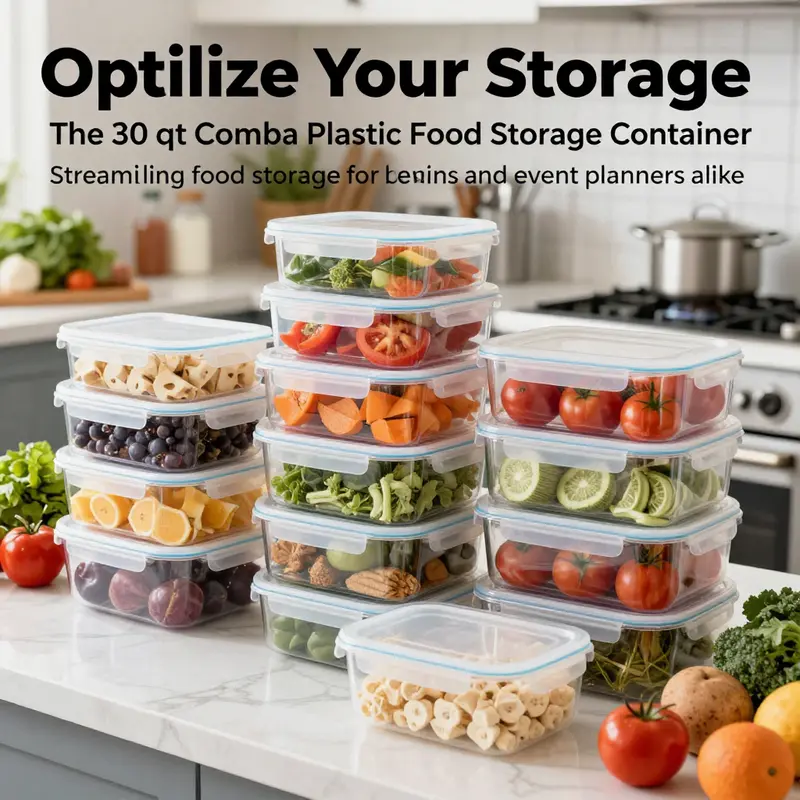
In the vibrant world of food and beverage service, efficiency and quality are paramount. The 30 qt combo plastic food storage container offers a state-of-the-art solution for businesses like bubble tea shops, restaurants, and catering services. Designed with dual compartments to keep various ingredients organized, this container ensures freshness and accessibility. In this piece, we will explore its innovative design, durable materials, mobility features, and the economic advantages it provides to businesses, thereby underscoring its role in effective kitchen management.
Clear Efficiency: The Architecture and Use of a 30-Quart Combo Plastic Food Storage System
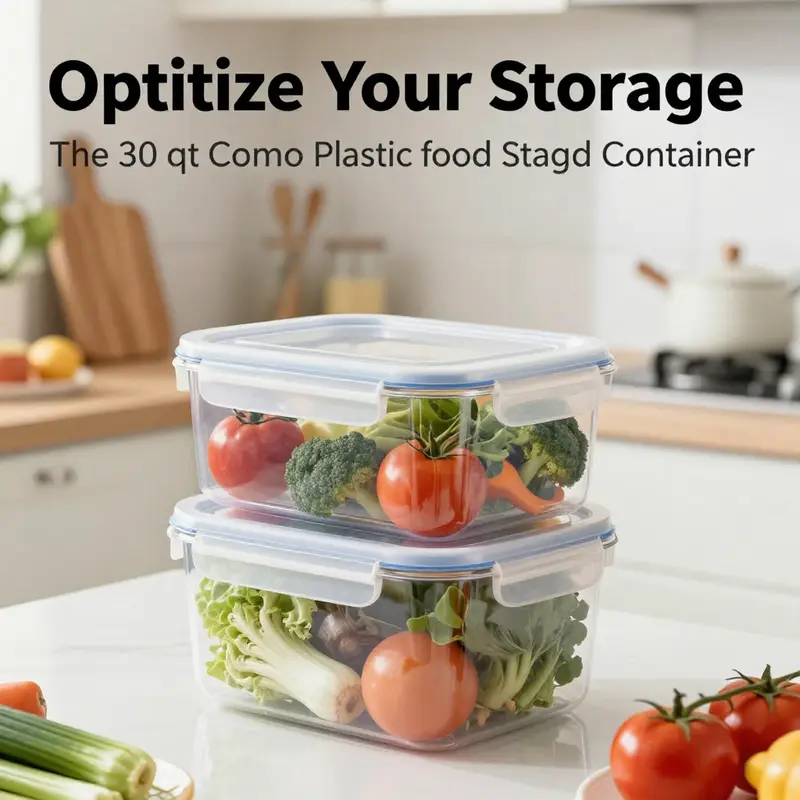
In the quiet choreography of a busy kitchen, storage decisions rarely feel glamorous, but they shape every meal, every grocery run, and every weekend purge of forgotten ingredients. The 30-quart combo plastic food storage system sits at the heart of this choreography. It is not merely a box with a lid; it is a deliberately designed module that unifies capacity, accessibility, and preservation into a single, flexible platform. What begins as a practical tool for organizing flour, sugar, or snacks often evolves into a system of thought about space, routine, and the life cycle of food in the home. The two-section configuration, with a total capacity around 45 quarts, is more than a matter of volume. It is a response to how families shop, prep, and reuse, offering a way to keep bulk ingredients tidy while preserving their freshness and aroma. The beauty of such a design lies in its quiet efficiency: a container that speaks softly but delivers reliably when called upon day after day.
The shape is foundational. A square or rectangular footprint creates stability both in stack and on a shelf. When you store dry goods like flour and rice side by side, the right geometry minimizes wasted space and prevents the familiar ‘tetris’ fatigue that comes with trying to coax oddly shaped bags into one more crammed spot. The two compartments extend this logic, enabling a practical separation that reduces cross-contamination of flavors and odors. You can imagine one side holding baking essentials—flour, sugar, cocoa—while the other houses snacks, breakfast cereals, or pasta. The separation does not demand a rigid boundary between foods; rather, it supports a flexible workflow where you can adjust as needed. A removable divider or modular interior elements—though not universal—allow you to reconfigure the interior to match what you buy on a given week, turning a single unit into a small, personalized pantry within a pantry.
A core strength of the design is the airtight seal. The lids are engineered to snap on or latch with a firm closure that resists accidental opening while still being easy to operate. This seal shields contents from humidity, air, and the sometimes stubborn odors that travel between containers in a crowded cabinet. The practical effect is a noticeable extension of freshness for dry goods and prepped ingredients, which in turn reduces waste and makes meal planning more predictable. The importance of this feature goes beyond mere convenience. It is a decisive factor when you are storing leftovers or bulk ingredients for longer periods. The seal prevents moisture from creeping in during humid days or cool, damp evenings in basements or garages where many homes store extra supplies. The result is a system that keeps what matters in good condition, so when you reach for what you’ve stored, you find it as you expect—the texture, aroma, and flavor preserved rather than dulled by time.
Material choice reinforces the container’s longevity and safety. These units are typically made from BPA-free, food-grade plastics such as polypropylene, chosen for their durability, chemical stability, and clean, neutral appearance. A durable body resists scuffs and cracks, even when the container is moved or stacked with others. The transparency of the material matters too. A high-clarity plastic allows you to see at a glance what’s inside without opening lids and exposing contents to ambient air. This visibility is not a cosmetic flourish; it accelerates decision-making in a busy kitchen, helping you distinguish between a bag of pasta and a bag of oats, or between a jar of granulated sugar and a bag of brown sugar that already started to drift toward clumping. It also minimizes unnecessary openings, a small but meaningful savings in moisture control and energy use during reheating or freezing.
Functionality often extends beyond the lid’s seal or the container’s wall. A number of models feature interchangeable lids or modular compartments that adapt to different food types and prep styles. In practice, this flexibility means you can tailor the storage system to your weekly routine. For households that cook in bulk on weekends, the ability to designate specific compartments for perishable items or for nonperishable staples makes a tangible difference in how smoothly weeknights unfold. The concept of modularity is not a luxury; it is a practical response to the reality of varied quantities and diverse food categories. When a container can be reconfigured to suit the week’s needs, it becomes a centerpiece of an organized kitchen rather than a passive receptacle for leftovers.
Durability and safety are never merely “nice to have” features in this arena. A combination of sturdy construction and a robust locking mechanism underpins a leak-proof experience, especially when liquids or powders are involved. The practical upshot is that the same unit can handle both dry pantry staples and more demanding storage tasks, such as marinades or soups kept in the refrigerator, without compromising the integrity of the container or the safety of the contents. The presence of a reliable locking mechanism is particularly meaningful for households that transport meals, store liquids, or deal with children and pets who can sometimes bump a kitchen shelf. The chip-resistant exterior and the tight seal together create a barrier against accidental spills, making the system suitable for multiple environments—from a home kitchen to a small business pantry where efficient, dependable storage matters as much as affordable cost.
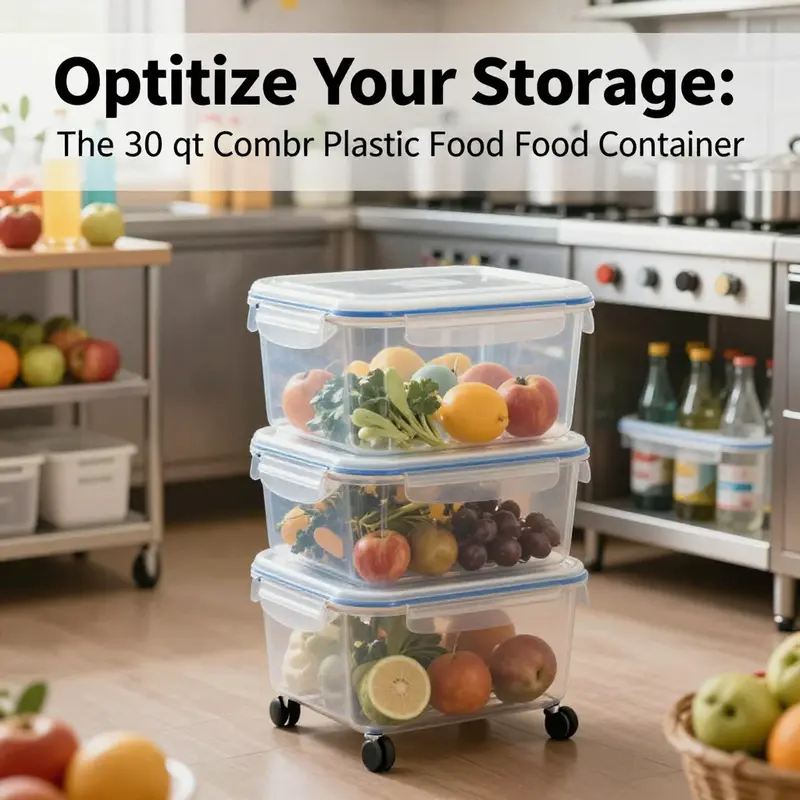
Mobility is another dimension that elevates the usefulness of the 30-quart combo system. Some designs incorporate casters or wheels, enabling easy relocation without heavy lifting. This feature is more than a convenience; it supports practical flexibility. For example, when you reorganize a crowded pantry or move supplies for a party, the container’s mobility reduces friction and the risk of injury. In kitchens with limited space, the ability to roll a container out of the way for cleaning or reconfiguration is not a luxury but a daily practical aid. The stackable property complements mobility because it allows you to create a compact, mobile module that can be reorganized as space becomes available. In small homes or apartment kitchens, every inch counts, and the combination of stackability, mobility, and two-section design helps a household manage a surprising breadth of items with a single, efficient system.
Beyond the physical and functional advantages, the 30-quart combo system plays a role in a broader philosophy of kitchen stewardship. By making it easier to store ingredients properly and to see what you have at a glance, the design reduces the impulse to overbuy and helps prevent spoilage. The ability to quickly identify what’s inside encourages a cycle of purposeful use: you can plan meals around the contents you actually have, rather than letting purchased items drift toward expiration while they sit in a dim corner of the cabinet. A well-chosen storage system encourages an ongoing, mindful relationship with food—one that values organization as a form of care for both the people who eat and the planet that sustains them. Durability and reusability, after all, translate into fewer single-use containers and less waste. In this light, the two-section 30-quart system is not just a product; it is a practical instrument for sustainable routines and a quieter, more reliable kitchen rhythm.
To connect this architectural view with daily practice, imagine a typical week of cooking, shopping, and hosting. On Sunday, bulk purchases of flour, sugar, rice, and cereal settle into one section, each item occupying its own sub-niche within the compartment if needed, while the other section holds a rotating mix of snacks, nuts, and pasta. The airtight sealed lids preserve freshness through the week, preventing the pastry flour from absorbing humidity or the oat mix from staling in a bag that’s left half-open in a cabinet corner. When guests arrive or when lunches need to be prepared in advance for a school week, leftovers travel back into the container without the anxiety of leakage or odor transfer. The transparency of the plastic offers a quick visual inventory, reducing the guesswork that often accompanies last-minute meal decisions. If a divider is included, you can separate different types of ingredients within the same section, further streamlining the workflow.
All of these features cohere into a design language that favors longevity and ease of use. The materials, the seal, the shape, and the configurable interior work together to minimize the cognitive load involved in storage. In a world where routines are already busy and uncertain, a storage module that is predictable in performance becomes a stabilizing force in the kitchen. It helps you shift focus from the drudgery of rummaging for the right container to the pleasure of cooking, planning, and sharing meals with intention. The chapter on design and functionality thus circles back to a larger argument: a well-conceived storage system does more than hold food; it shapes behavior by aligning the physical form of the container with the practical demands of daily life. When implemented with care, a 30-quart combo plastic storage system becomes a quiet ally in the ongoing project of home organization, a project that is never finished but always improvable.
As you consider adopting such a system, the question becomes less about choosing between a single, perfect size and more about recognizing the value of modular, adaptable storage. The two-section approach, with its combined capacity and its emphasis on clarity, alignment, and ease of use, responds to the realities of modern kitchens: varied ingredients, different meal rhythms, and a desire to minimize waste while maximizing convenience. The design invites you to think of shelves not as mere shelves but as an accessible, reorganizable landscape where every item has a home, and where the home itself feels calmer because the storage system reinforces order rather than chaos. This is the essence of the architecture—the alignment of form and function so that everyday tasks flow with less friction and more satisfaction.
For readers who want a broader view of how storage solutions intersect with packaging formats and user experience, a related example in the broader family of storage products offers additional perspective. Custom Kraft Paper Food Storage Salad Noodle Bowl provides a contrasting material approach that still centers on visibility, modularity, and adaptability. The juxtaposition highlights an overarching principle: whether the container is plastic or paper-based, the core objectives remain the same—protecting contents, simplifying access, and supporting a sustainable, mindful approach to how we store food. External references that analyze the mechanics of clear plastic storage systems offer further technical insight into the seal geometry, wall thickness, and tolerance stacks that enable reliable performance under varied kitchen conditions. For readers seeking a deeper dive into the design rationales behind clear plastic containers, a detailed product reference discusses components, materials, and engineering considerations in a way that complements the practical discussion above. External resource: https://www.alibaba.com/product-detail/Holar-3-Size-All-Clear-Square-Plastic_1601094871454.html
Quality That Holds: Material Durability and Freshness in the 30 qt Combo Plastic Food Storage Container
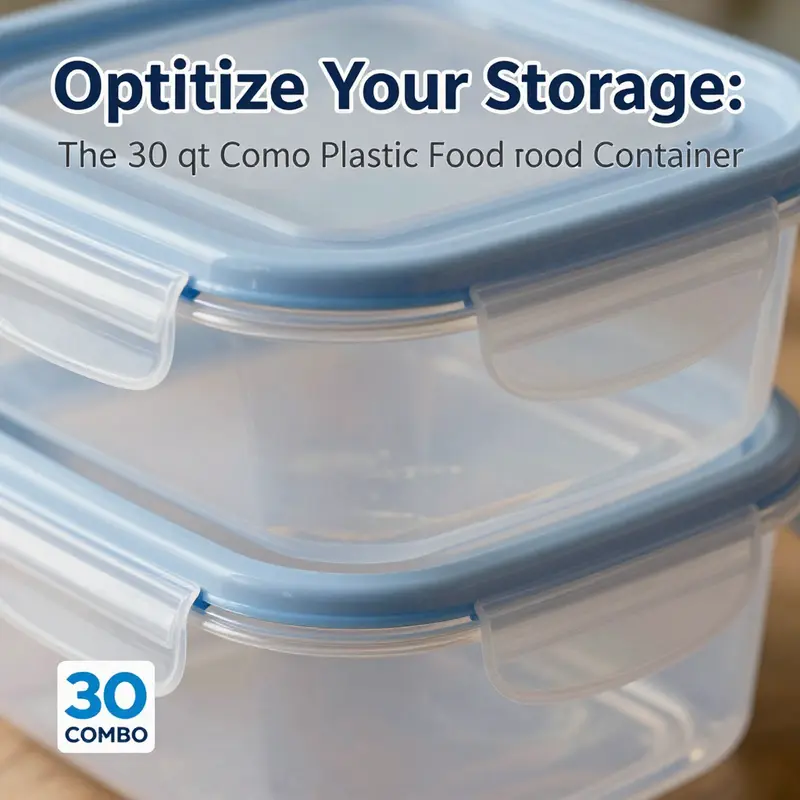
The material quality behind a storage container is more than a backdrop to its functionality; it is the quiet steward of every meal that passes through it. In a 30 qt combo plastic food storage container, where two compartments are woven together into a single, organized system, the promise of durability begins with the choice of plastic and ends in the small, daily interactions that define kitchen life. When a container is built from high-quality, BPA-free plastic, it signals a commitment to safety and food-grade reliability. BPA-free does more than avoid a controversial chemical; it represents a standard that the material will not leach unwanted substances into food during normal use. This is especially meaningful for items that will repeatedly hold liquids, sauces, or moist ingredients. The result is not merely a safe container but a trusted vessel that supports a wide range of foods without demanding constant vigilance about what is being stored. In practice this means that a well-suited material serves as a hospitable home for leftovers, prepped components, and bulk staples alike, reducing the cognitive load of meal planning and preservation.
The longevity of any storage solution rests on its resistance to the everyday trials of kitchen life. A polymer that resists staining, odors, and flavor absorption helps maintain the integrity of each item stored within it. Consider the routine of rotating containers in a busy kitchen or household: sauces, herbs, or bright spices often leave traces that cling to surfaces. A container designed to minimize such residue protects the next meal from cross-contamination of scent and tint. It also simplifies cleaning and reuse. What may seem like a small design detail—low porosity, closed-cell surfaces, or a smooth interior finish—plays a substantial role in keeping the stored food tasting as intended. This attribute is especially valuable in a two-compartment system, where the boundary between sections can be a conduit for aromas if the material is porous or easily stained. A material engineered to resist these challenges delivers practical benefits: you can switch contents with confidence, knowing that yesterday’s garlic and today’s berries won’t mingle in unseemly ways.
Durability in a storage solution also translates into resilience under impact. Kitchens are busy places, and containers travel from counter to table, pantry to fridge, sometimes accompanied by a fall or a tumble during a busy morning. The best plastics demonstrate strong impact resistance, which helps the container maintain its shape and structural integrity after bumps or drops. In a two-section design, each compartment benefits from a balanced approach to rigidity; the divider and walls need to hold their form under compression when the unit is stacked or moved. The ability to spring back to shape after an incidental impact reduces the likelihood of cracks, warped lids, or misaligned seals that could undermine performance over time. It is this combination of resilience and light weight that makes a plastic storage system practical for everyday use rather than a fragile luxury that demands careful handling.
A thoughtful design also includes a clear attention to how the container fits into a storage ecosystem. The two-section arrangement offers an efficient way to segregate foods that do not mix well, such as dry grains next to delicate greens, or cooked proteins next to fresh produce. This kind of segmentation, when paired with durable construction, amplifies durability by reducing cross-contamination and the pressure on any single seal or wall. Being able to stack these containers with stability further reinforces long-term usability. Stackability is not merely about saving space; it is a durability feature that minimizes handling and strain. A well-engineered stack reduces the risk of deformation because weight is distributed, and the vertical profile is designed to resist sliding or telescoping under pressure. In environments where space is at a premium—small kitchens, student housing, or commercial backrooms—the ability to stack securely without worrying about funneling contents or compromising the inner seals contributes to the container’s overall lifespan.
Beyond the structure and the interior surface, the versatility of the material opens a broader repertoire of use cases. The combination of heat tolerance and stability—hallmarks of many high-quality plastics—enables microwave-safe use for reheating, a convenience that aligns with the modern rhythm of quick, ready-to-eat meals. The capability to transfer from freezer to microwave is another layer of durability in practice: it reduces the need to move contents to other vessels, which can lead to leaks or spillage when displaced. Freezer stability means the material remains unfazed by low temperatures and does not become brittle, maintaining integrity even after long-term cold storage. Dishwasher compatibility adds another dimension of durable convenience, allowing routine cleaning without harsh scrubbing or aggressive detergents that could wear down seals or roughen edges. The capacity to withstand repeated washing cycles without degrading is a tangible indicator of material excellence. Together, these features enable the 30 qt combo container to support both short-term storage for daily meals and long-term preservation for batch preparation.
A critical component of durability, of course, is the seal. The airtight closure is not just about preserving moisture and humidity; it is about creating a reliable boundary that protects freshness over time. An effective seal minimizes air exchange, which slows the progression of oxidation, dehydration, and spoilage. In a two-section system, maintaining a robust seal in each compartment is essential, because the two chambers may hold different types of foods with distinct moisture levels. The gaskets, the lid geometry, and the lid’s latch mechanism work in concert to maintain that barrier as the container is opened and closed repeatedly. When a seal remains consistently firm, it reduces the frequency of spoilage and helps preserve flavors, textures, and color. The design philosophy behind such a seal is rooted in a careful balance between flexibility and durability: a gasket must compress enough to seal but not so much that it deforms and loses efficacy after repeated use. In a two-section design, this balance is particularly important because the lid must manage two interfaces simultaneously—each compartment facing its own moisture and aroma profile.
Practical use often tests these materials in dynamic, real-world contexts. Some models include casters to improve mobility in crowded kitchens or storage rooms, a feature that underscores the integration of durability with daily practicality. When wheels are included, the container can move between prep areas, pantry shelves, and refrigeration without heavy lifting. This adds a layer of usability that complements material robustness: if the container endures rolling contact, weight shifts, and occasional bumps, it has proven itself capable of performing in a bustling environment. The material’s response to such wear—whether it remains snag-free, does not scratch easily, and does not shed fragments—reflects a thoughtful approach to long-term performance. The combination of a durable body, a dependable seal, and mobility features creates a storage system that remains reliable even as household routines evolve.
The two-compartment format itself is a study in durable design. By allowing separate storage streams within the same footprint, it reduces the need for multiple containers and simplifies organization. This consolidation can, paradoxically, reduce wear on individual units by spreading use across a single durable shell rather than piling many containers into a single storage space. The result is a system that can stand up to frequent opening, closing, and rearranging, while still preserving the interior quality of its contents. When materials are chosen with both safety and longevity in mind, the end product offers not only practical convenience but also a sense of enduring reliability that seasoned cooks and busy families appreciate. The material’s role in this equation is foundational: it determines how well the container withstands the daily grind, how long it remains free from discoloration, and how consistently it preserves the sensory and nutritional qualities of stored foods.
In sum, the material quality and durability of a 30 qt combo plastic storage solution emerge as a synthesis of safety, resilience, and thoughtful engineering. BPA-free construction provides a cornerstone of food safety, while resistance to stains and odors keeps the interior as fresh as the day it was filled. The structure’s impact resistance protects its silhouette and seals through inevitable mishaps, and the stackable, sometimes mobile design translates that resilience into practical, space-efficient use. The interior’s compatibility with microwave reheating, freezer storage, and dishwasher cleaning broadens its role from a simple vessel to a versatile kitchen workhorse. The result is a container that not only holds food securely but also supports a broader ethos of organized, efficient, and safe food storage. In a landscape of fleeting, replaceable storage options, a well-made, durable container with two well-designed compartments offers a reliable backbone for meals, groceries, and batch preparations alike. It is material quality that quietly underwrites the everyday magic of a well-managed kitchen, turning potential chaos into calm, predictable storage that respects both the food and the people who rely on it.
null
null
Smart Storage, Real Savings: The Economic Case for the 30-Quart Combo Plastic Storage System
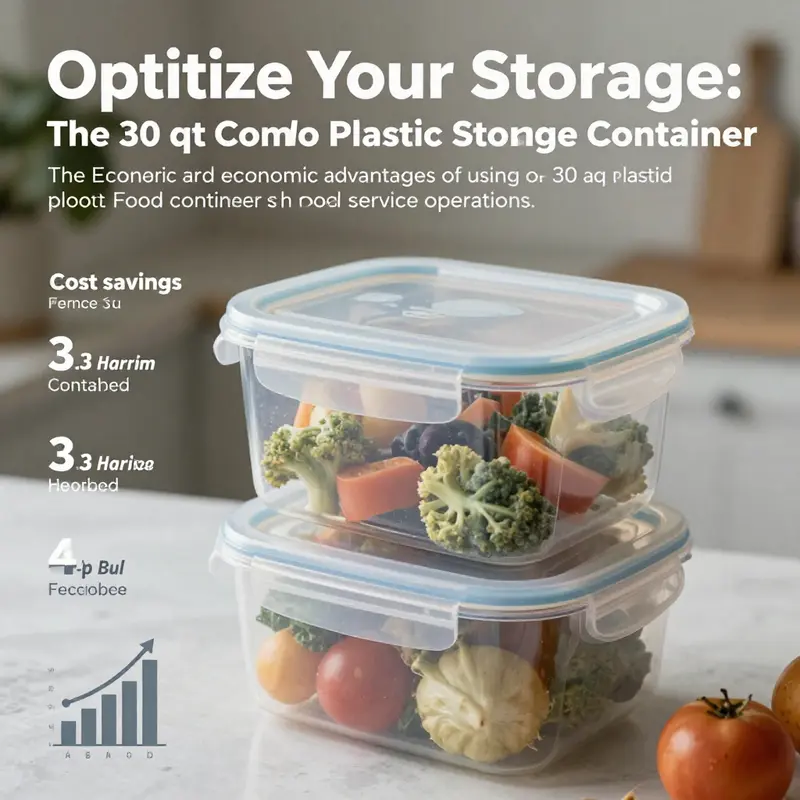
The 30-quart combo plastic storage system represents more than a single container. Its two-section design unlocks a practical, fiscally prudent approach to pantry management. When paired with an overall capacity that spans roughly forty-five quarts across its compartments, the system offers a cohesive solution for keeping bulk foods—whether dry pet food, pantry staples, or baking ingredients—fresh, organized, and readily accessible. The airtight seal is a central feature, fending off the moisture and air that accelerate spoilage and dull the quality of dry goods. The result is a tangible reduction in waste, a quieter counter, and a measurable impact on household budgets. Mobility and arrangement come into play as well: integrated casters make it straightforward to reposition the container for cleaning, inventory checks, or reflowing a kitchen workflow without straining your back. At the same time, the stackable design invites a more disciplined use of vertical space, enabling a kitchen or storage area to hold more with less floor footprint. The combination of airtight protection, portability, and space efficiency is where the economic case begins to solidify, shifting storage from a passive habit into an active, savings-driven practice.
From a broad perspective, the value proposition rests on three pillars: preserving freshness, optimizing space, and reducing the friction of daily tasks. Each pillar translates into economic terms that intersect with real-world behaviors. When the air is kept out and the contents remain shielded from humidity and light, bulk purchases become more viable. Large bags of dry food, whether for pets or pantry staples, can be stored for longer periods without the fear of rapid staling or moisture seepage. This reduces the frequency of restocking trips and the impulse purchases that often accompany uncertain storage. In households that regularly buy in bulk, the resulting savings compound as shelf life is extended and waste is curtailed. The design encourages a more deliberate inventory system, which in turn helps families plan meals, align shopping lists with actual consumption, and lower the overall cost per meal.
The economic benefits extend beyond food waste alone. The container’s durability matters as much as its seal. High-quality plastic, when properly cared for, endures the rigors of daily use—being moved, stacked, and occasionally rolled across a kitchen floor or garage. This longevity translates into a lower annual cost of ownership than you would see with flimsy, disposable alternatives. A longer lifespan means fewer replacements, a quieter line item in the budget, and a clearer return on investment over time. For families who also perform inventory management in busy seasons—holidays, school starts, or seasonal shifts—the ability to rely on a sturdy, modular system means fewer corners cut in the name of expediency. The investment pays for itself through reduced waste, fewer trips to the store, and a smoother, more predictable supply chain within the home.
The practical implications of space optimization deserve particular attention. A two-compartment unit that stacks neatly and occupies a compact footprint can free up precious shelf and counter space. When pantry real estate is scarce, every inch counts. By consolidating several smaller containers into a single, larger, modular system, households can avoid the purchase of additional shelving or auxiliary storage furniture. This is where the economic argument sharpens: the upfront cost of a robust, dual-compartment container is spread over many years of use, while the alternative—buying more shelves or additional storage furniture—carries ongoing maintenance costs and can disrupt the kitchen’s ergonomic flow. In other words, the design invites a more efficient footprint, which translates into lower capital expenditure over time.
Mobility adds another layer to the cost calculus. The casters enable quick relocation of the container for cleaning, reorganization, or rotation—an operation that would otherwise require lifting or two-person assistance. This ease of movement reduces the labor time spent on routine tasks. When families measure their work time in minutes saved per week, the benefits accumulate across a year. The time saved translates into a more predictable schedule, less stress, and the potential to redirect those minutes toward meal planning, budgeting, or other household priorities. In small or shared living spaces, the ability to move storage as needed without heavy lifting can be especially valuable, reinforcing the container’s role as a flexible, cost-conscious ally in daily life.
From a budgeting standpoint, bulk purchasing emerges as a powerful lever. The capacity to store large quantities of dry foods—whether pet food or pantry staples—without compromising freshness supports a disciplined, long-range purchasing strategy. Families can align their shopping to actual consumption patterns, reducing unnecessary trips and avoiding the price spikes that can accompany rushed, last-minute buys. The time horizon expands too: a well-managed bulk approach often means fewer product substitutions, fewer substitutions due to spoilage, and greater predictability in meal planning and weekly menus. In turn, these factors reduce the likelihood of pantry overstock, which can lead to waste or the need for temporary storage solutions that add cost and complexity. The combination of larger capacity, airtight protection, and streamlined handling makes the investment in a high-quality, two-section container an attractive option for households seeking measurable, real-world savings.
To put these dynamics into a practical frame, consider how a family might approach the storage of a 30-pound bag of dry pet food alongside a pantry staple collection. With a two-section unit, the pet food can stay segregated from dry goods yet remain within easy reach. The airtight seal minimizes exposure to air and humidity, which helps preserve the texture and aroma of the food. Over the course of a year, the reduction in spoilage and pest-related waste—though modest in some months and more pronounced in others—adds up. Even modest waste reduction can translate into meaningful dollars saved, especially when scaled to families that routinely buy in bulk or manage multiple staples. The same logic applies to pantry items such as flour, rice, or cereal. When these goods are kept in their optimal environment, their shelf life improves, and the need for early replacement diminishes. For households that track inventory and rotate stock, the system becomes a practical ally in maintaining freshness while supporting a more stable budget trajectory.
The economic argument is also strengthened by the system’s durability and the simplicity of maintenance. Durable plastic resists the wear and tear of daily life—moving across kitchen floors, stacking in tight spaces, and withstanding routine cleaning. This resilience reduces the total cost of ownership by minimizing the frequency with which components need to be replaced. Maintenance is straightforward: a quick wipe-down between uses, occasional washing, and proper drying keep the container in good condition. Clear, unobstructed lids and smooth interiors simplify cleaning and prevent residue buildup that can degrade performance over time. When upkeep is easy, the likelihood of neglect decreases, and the container remains a reliable workhorse in the kitchen or storage area. In short, the combination of airtight protection, durable materials, mobility, and space efficiency compounds into a robust economic case.
For readers who are exploring complementary storage options while maximizing overall efficiency, consider how alternative storage formats can fit into a broader strategy. Some households pair bulk-capacity plastic containers with versatile, cost-effective paper storage solutions for serving or quick-access needs. Wholesale options within the broader storage space illustrate how different formats can complement each other: a sturdy, reclosable plastic unit for long-term bulk storage paired with practical paper bowls or containers for immediate serving or portioning tasks. This holistic approach to storage helps households balance cost, convenience, and waste reduction. See Wholesale Custom Print Kraft Paper Food Storage Bowls for an example of how such an approach can be implemented in practice.
In practical terms, the decision to invest in a high-capacity, two-section storage system should be anchored in the daily rhythms of a household. Consider your routine: how often do you restock? How much waste do you encounter at the end of each month? How much of your time is spent moving containers around the kitchen or pantry? The answers to these questions shape the perceived value of the system. If you routinely battle with clutter, if you juggle multiple pantry zones, or if you manage bulk purchases for a busy household, the economic benefits—reduced waste, improved space efficiency, and lower labor costs—become tangible and measurable over time. The gains are not merely theoretical; they reflect real-world practices that transform how a family plans meals, organizes ingredients, and approaches budgeting. In that sense, the 30-quart combo plastic storage system becomes a practical instrument of financial discipline, a straightforward way to convert storage into savings without complicating daily routines.
For readers who want to explore the broader implications of organization and savings beyond a single container, the big picture is clear: the quality of storage design influences not just freshness, but tempo and cost. The right container can shorten the distance between planning and cooking, turning prepared ingredients into meals with less waste and less wasteful spending. The result is a kitchen that works more efficiently and a budget that remains more predictable across the year. If you’re mapping out a storage overhaul, start with a robust, two-section unit like the one described here, then build outward with complementary solutions that suit your space, your appetite for bulk purchases, and your household’s pace. External resources can provide broader context on storage strategies and cost efficiency, offering practical benchmarks for evaluating your setup.
External resource for further reading: https://www.walmart.com/ip/IRIS-USA-Pet-Bins-30-lbs-11-lbs-Combo-Airtight-Dog-Cat-Food-Storage-Container-Plastic-Stackable-Navy/47981552
Final thoughts
The 30 qt combo plastic food storage container serves as an indispensable asset for any establishment focused on efficiency and quality. Its innovative design, high-quality materials, and mobility features streamline kitchen organization, while the economic benefits contribute to the bottom line. By integrating this versatile storage solution into operations, beverage chains, caterers, and event planners can greatly enhance their service efficiency and ensure their ingredients are always fresh and accessible.