
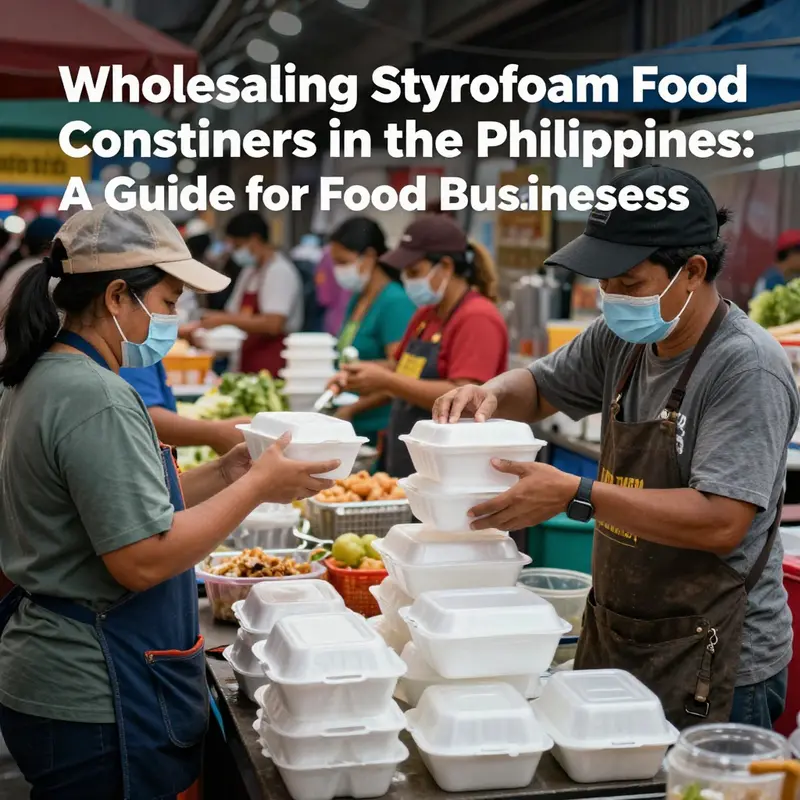
In the thriving culinary landscape of the Philippines, styrofoam food containers have emerged as a staple for a wide array of businesses including bubble tea shops, restaurants, food trucks, and catering services. Their unique blend of lightweight design and thermal insulation makes them a preferred choice for serving hot and cold meals alike. This comprehensive guide will delve into the various types of styrofoam food containers available in wholesale, the complexities of the supply chain behind them, the environmental considerations that come into play, and how to select the right supplier to fit your needs. By the end of this article, you will have a well-rounded understanding of how to effectively source styrofoam food containers that meet the demands of your business.
Lightweight, Layered, and Lasting: Exploring the Wholesale Styrofoam Container Types Steering Philippines’ Takeout Market
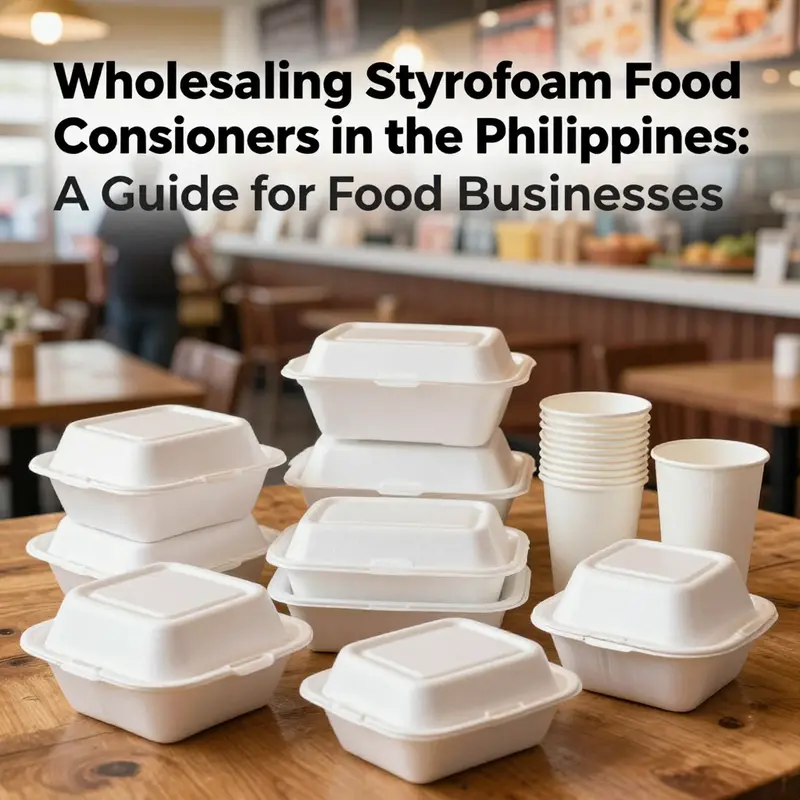
In the bustling foodservice ecosystem of the Philippines, takeout and delivery have become more than convenience; they are an essential lifeline for countless kitchens, hawkers, and small restaurants. Amid the rapid pace of orders and the high demand for reliable transport, Styrofoam—the ubiquitous polystyrene foam used for disposable food containers—emerges as a cornerstone. Its appeal is not just in its light weight, but in a combination of insulation, rigidity, and cost that resonates with a market built on volume and speed. Buyers in wholesale channels seek a balance between performance and price, and they prefer containers that stack efficiently, seal well, and withstand the rigors of back-of-house handling and front-end delivery. The market reality is intricate: while Styrofoam has faced scrutiny for environmental reasons, it still commands a substantial share where performance metrics and total cost of ownership matter most. In this context, the wholesale landscape in the Philippines presents a spectrum of container types, each designed to answer specific service scenarios, from quick-service meals to fresh seafood pickup. The result is a layered packaging environment where form follows function in a way that optimizes every step of the customer journey—from kitchen prep to doorstep delivery and beyond.
Rectangular trays constitute the backbone of many wholesale orders. They are favored for their flat bases, upright rims, and versatility across hot meals, salads, sandwiches, and combination sets. In high-volume operations, the rectangular shape translates to efficient packing, predictable stacking, and straightforward compatibility with lids or paperboard sleeves. The geometry also helps maximize fill line accuracy for brands that require consistent portioning and presentation across multiple outlets or delivery channels. While the tray’s silhouette is simple, its impact is strategic: it reduces spills during transit, supports neat merchandising, and facilitates quick handoffs between staff and drivers. In wholesale purchasing, buyers often choose a family of sizes that can be adapted to different menu configurations, enabling a single category to cover a broad spectrum of dishes without mandating a separate packaging solution for each SKU. The affordability of these trays, coupled with their compatibility with inner seals and outer packaging, makes them a dependable workhorse for many kitchens in urban centers where deliveries are constant and the demand for speed is high.
Round containers address a different set of needs, especially for circular or dome-shaped foods like pies, pizzas, cakes, and dessert portions. The rounded geometry comes with its own set of advantages: it minimizes wasted space when paired with compatible lids, it enhances the perception of volume for certain items, and it often aligns with the natural contours of the foods it contains. In wholesale procurement, round boxes are chosen for events, bakery takeouts, and food stalls that emphasize display and portion integrity on the move. The lid-fit becomes a focal consideration, as a snug seal prevents leaks and maintains temperature, crucial for items that travel longer distances or require longer hold times. The interior surface is designed to be smooth and uniform, reducing the risk of food sticking and making cleaning and repacking easier for kitchen crews that rotate shifts and handle dozens of orders per hour. The round option also supports a cohesive branding story when paired with clear or tamper-evident lids, a detail many operators watch closely as they differentiate their takeout experience in a crowded marketplace.
Divided or compartmentalized trays offer a nuanced approach to packaging that mirrors the restaurant plate experience. For multi-item meals, breakfast combos, or kid-friendly assortments, these containers isolate flavors and textures, preventing cross-contact and preserving the distinct character of each component. In wholesale practice, compartmentalization helps operators control portioning, present visual variety, and reduce the need for separate sauce cups or side containers. The design discourages clashing aromas and keeps sauces contained, which is especially valuable in the context of longer delivery routes or when multiple items travel together in a single package. This type also supports nutritionally oriented menus, where different components require different temperatures or moisture levels. In many markets, the ability to customize compartment layouts—without sacrificing cost efficiency—distinguishes a supplier as a trusted partner for growth. For the buyer, the payoff is simple: a single packaging solution can cover a broad family of dishes, streamlining procurement, inventory, and the training needed for staff to assemble orders quickly and consistently.
Some segments of the seafood and meat supply chain have their own distinct packaging needs, and here the so-called fish boxes stand out. These containers are engineered with thicker walls and reinforced structure to withstand chilly transport and the rigors of handling heavy, perishable goods. While this category tends to command a higher price point, the return on investment is measurable in the reduced risk of damage, better cold retention, and lower shrink from leakage or crush during transit. Operators who routinely move fragile or high-value items—such as fresh-baked seafood, marinated fillets, or special-cut portions—value the heavier duty these boxes provide. In wholesale settings, the availability of a durable shell that can still be stackable and relatively light makes the fish box a pragmatic choice for distributors who serve seafood markets, grocery deli counters, and mobile vendors in coastal or urban neighborhoods. Even within this sturdy segment, designers strive to balance thickness, insulation performance, and the overall footprint to optimize transport density and fuel efficiency for delivery fleets.
Across all these forms, the concept of a lid or cap is more than ornamental. A well-matched lid completes the protective cycle: it reduces leakage, preserves moisture, and shields contents from dust and the elements during the last leg of the journey. In wholesale networks, lids come in several basic variants, from translucent to opaque, with or without venting, and sometimes with tamper-evident features. The lid is a critical piece of the value proposition because it directly affects customer satisfaction at the point of consumption. A secure lid means less mess when the consumer picks up or unpacks the order, which in turn minimizes the chance of complaints and warranty issues. For operators, compatible lid systems simplify assembly lines and enable faster order fulfillment as drivers prepare to hit the road with confidence. The lid is not an afterthought; it is an integral part of the sterile barrier that keeps food quality intact from kitchen to curbside to couch. In many wholesale ecosystems in the Philippines, suppliers also bundle lids with outer wraps or sleeve packaging that helps maintain presentation, adds branding space, and bolsters protection against contamination during long-distance transport.
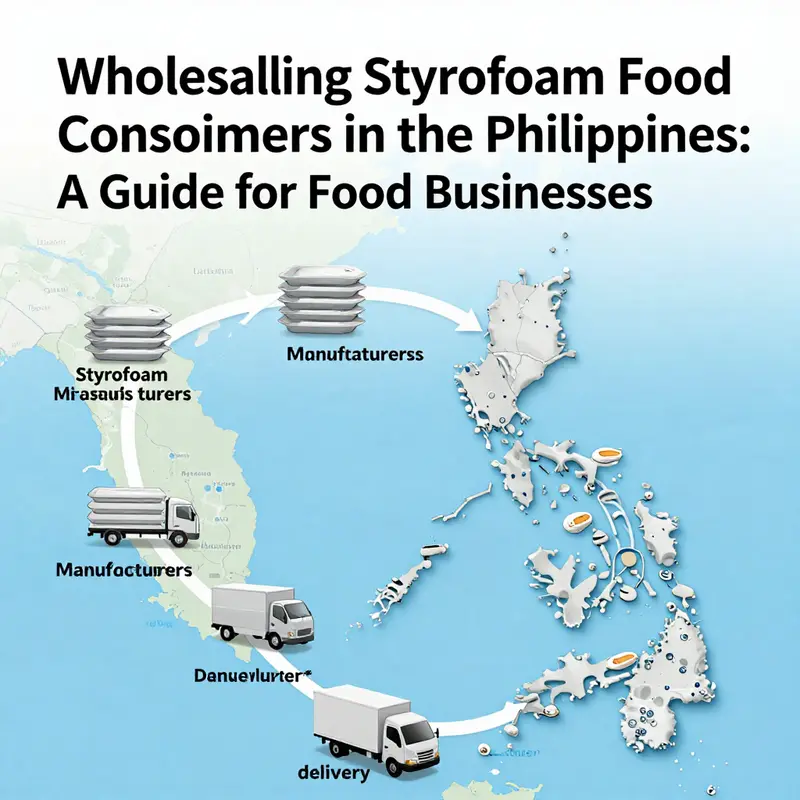
The market dynamics behind these container types are shaped by a blend of local demand, import logistics, and regional manufacturing strengths. In the Philippines, the wholesale segment benefits from a diverse sourcing environment that includes local distributors and cross-border suppliers. A notable regional pattern is the clustering of high-volume production and automation in adjacent manufacturing hubs in neighboring countries. For instance, one region is known for its scale and cost efficiency, another for integrated tooling and streamlined packaging lines, and a third for advanced automation and rapid international logistics. These regional strengths translate into competitive offerings for Philippine buyers who need reliable supply, predictable lead times, and the flexibility to adjust order quantities in response to market fluctuations. The ability to tap into multiple sourcing streams—from simple tray types to specialized compartments or sturdy seafood containers—gives wholesalers the resilience to manage seasonal peaks, promotions, and the perennial demand for takeout options across urban and peri-urban districts.
Beyond the core forms, many suppliers in wholesale markets extend their value through packaging accessories and related items. A range of compatible options—such as paper sleeves, film lids, and auxiliary outer wraps—work in concert with the base containers to enhance sealing, heat retention, and consumer experience. These add-ons can be decisive for brands that want to project a particular aesthetic or guarantee a consistent user experience across a network of delivery partners. The ability to customize even these peripheral elements—through color, print, or texture—helps operators build a cohesive brand narrative while maintaining cost discipline. It is common to see buyers evaluate not only the container itself but also the ecosystem that surrounds it, including the availability of compatible accessory lines, the ease of substitution when demand shifts, and the overall impact on waste management practices. In practice, this means wholesalers weigh the total package: base container quality, lid compatibility, accessory availability, and the downstream implications for storage, distribution, and end-user satisfaction.
As environmental considerations increasingly shape procurement decisions, the sector has begun to balance traditional Styrofoam advantages with more sustainable alternatives. Some suppliers now offer degradable or recyclable options that align with corporate responsibility goals while still preserving the functional benefits that customers rely on. The market recognizes that Styrofoam’s low cost and insulating properties remain attractive in high-volume environments, but there is growing interest in products that can provide comparable performance with improved end-of-life options. For buyers, this translates into a two-tier decision framework: first, ensuring the chosen container type meets operational requirements for weight, insulation, sealing, and load stability; second, evaluating the environmental footprint and potential for substitution where feasible. The optimal path often involves a mix strategy—employing Styrofoam for certain high-volume, fast-turnaround items while gradually integrating more eco-friendly alternatives for other categories. This nuanced approach requires careful supplier collaboration, clear specifications, and risk management for supply continuity, especially in a wholesale context where a single production hiccup can cascade into delays across multiple outlets.
Quality assurance remains a cornerstone of wholesale procurement. To safeguard performance, buyers increasingly favor suppliers with recognized quality management credentials, the capacity to provide samples for testing, and robust supply chains that can absorb demand shocks. A reliable partner will typically offer staged ordering, scalable production lines, and transparent communication about lead times and capacity. In addition to these assurances, buyers seek consistency in the raw material composition and the extrusion or molding processes that shape the containers. Uniform wall thickness, edge integrity, and lid-fit precision are not mere technical details; they are core determinants of food safety, temperature retention, and user satisfaction. A disciplined supplier will also provide documentation for compliance and sustainability claims, helping buyers align their packaging choices with internal standards and local regulations. This holistic approach to quality is what enables wholesalers to deploy a uniform packaging language across a chain of operations and to minimize surprises when demand spikes or when a new menu item requires a different packaging configuration.
From a strategic standpoint, choosing a container type in wholesale is as much about operational fit as it is about meeting consumer expectations. Operators weigh how a given design supports the efficiency of kitchen workflows, the speed of order assembly, and the reliability of delivery partners. They assess how well the container integrates with the rest of the packaging ecosystem, including glassware, paper products, or other disposables that may accompany meals. They also consider the potential for branding impact—the extent to which the container’s surface area, lid design, and labeling opportunities can convey a restaurant’s identity while staying within cost constraints. In many markets within the Philippines, buyers develop a modular approach: one set of containers for high-volume lunch deals, another for premium seafood or snack assortments, and a third for children’s meals or school canteens. The modular mindset helps reduce the risk of stockouts and ensures that across all outlets, customers experience a consistent, dependable packaging system.
For readers who want to delve deeper into the broader packaging landscape in the region, a practical starting point is to explore packaging alternatives that complement Styrofoam while offering environmental or aesthetic advantages. An example of such a pathway can be found in a recent listing that highlights kraft paper packaging options designed for restaurant and takeout applications. This resource showcases a flexibly designed octagonal box that can serve a range of takeaway needs, from salads to hot bowls, while offering a distinct look that can set a brand apart in a crowded market. The link below provides a concrete reference for readers considering alternative materials alongside Styrofoam or as part of a broader packaging modernization plan: disposable-octagonal-box-restaurant-food-kraft-paper-packaging. This example illustrates how wholesalers and operators weigh multiple packaging streams, balancing cost, performance, and branding impact in a market where every layer of packaging contributes to the overall customer experience.
In sum, the wholesale Philippines market for Styrofoam food containers presents a spectrum of forms—rectangular trays for stability and capacity, round boxes for presentation and shape fidelity, divided trays for multi-item meals, and the sturdier fish boxes for seafood logistics—each with its own logic and applications. The common thread is a concerted effort to deliver reliable performance at scale, while maintaining the flexibility to adapt to shifting demand, evolving sustainability expectations, and the realities of a vibrant, fast-moving foodservice sector. As operators balance cost and quality, the container type chosen becomes a strategic lever—from protecting freshness and ensuring safe transport to supporting a brand’s visual narrative in a competitive marketplace. The choice is rarely about a single feature; it is about how a family of packaging options can harmonize with menus, delivery routes, storage realities, and long-term sustainability goals. And as supply chains continue to mature—with regional manufacturing strengths and cross-border logistics improving—the wholesale choice becomes not just about what comes in the box, but about how that box helps unlock consistent, high-quality experiences for every customer who taps into the nation’s thriving takeout culture.
External resource: https://www.philippinefoodservice.com/wholesale-styrofoam-food-containers
null
null
Rethinking the Eco Footprint: Environmental Realities and Opportunities for Wholesale Styrofoam Containers in the Philippines
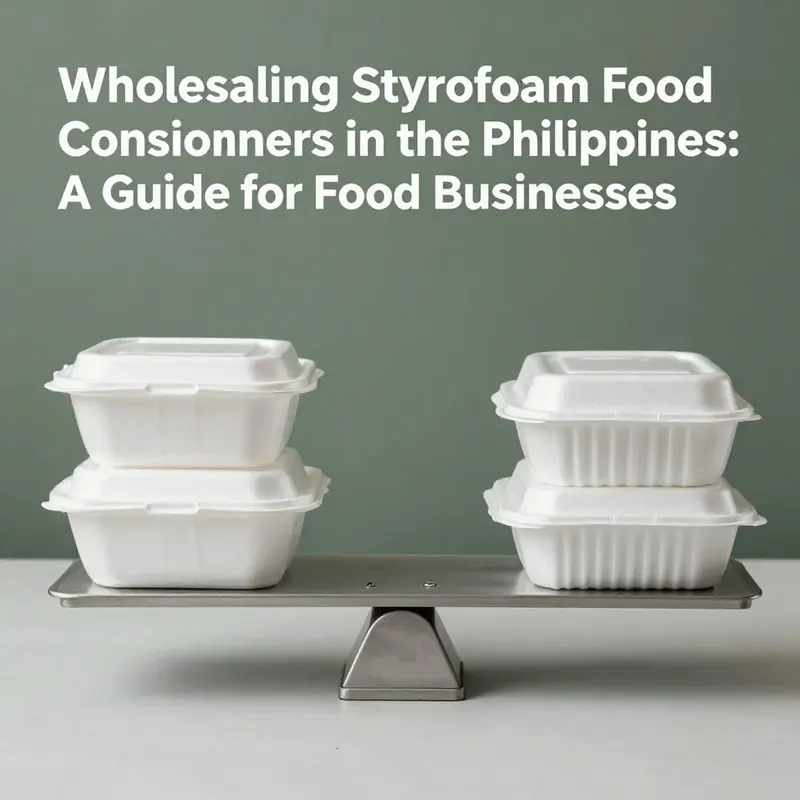
The wholesale market for Styrofoam food containers in the Philippines has long balanced performance and price with growing awareness of environmental impacts. Durable insulation, light weight, and low cost translate to reliable service for restaurants, takeout venues, and delivery operations. In a country with a vibrant food culture and a rapid takeout sector, EPS remains a common choice because it preserves hot foods, protects presentation, and supports high-volume orders. At the same time, the very strengths that have driven EPS ubiquity—affordability, ease of manufacture, and effective insulation—also raise environmental questions when containers shed microplastics or accumulate in landfills. The wholesale segment thus sits at a junction where immediate operational efficiency must be weighed against longer-term environmental costs and evolving regulatory expectations. The chapter that follows explores that tension not to condemn wholesale practice but to illuminate how sustainability considerations are reshaping purchasing, supplier selection, and packaging strategy in the Philippine market.
The environmental footprint of EPS is a lifecycle concern rather than a production snapshot. EPS is non-biodegradable and tends to persist in landfills and the landscape for long periods. In waterways and urban environments, fragments can become microplastics that enter food webs and affect ecosystems. In the Philippines, where recycling infrastructure varies by locality and informal waste networks play a significant role, the end-of-life phase often determines whether a container completes a benign life cycle or contributes to waste challenges. The trade-off facing wholesalers and retailers is clear: EPS delivers insulation at a comparatively modest upfront cost, but end-of-life management challenges and potential environmental externalities can influence customer perceptions and regulatory risk. The tension is practical and translates into decisions about whether to optimize current costs or to invest in transitions aligned with a changing regulatory landscape and evolving consumer expectations.
The policy landscape in the Philippines reflects a broader push to reduce single-use plastics and improve waste management, a trend that reverberates through wholesale supply chains. While EPS itself is not always singled out in every regulation, bans or restrictions on plastic packaging create knock-on effects on demand. Businesses that rely on EPS for price-to-performance must reckon with the possibility of higher costs or limited access in certain markets, especially in urban centers with tighter disposal controls. This regulatory pressure sits alongside a social shift: urban consumers, particularly younger and brand-conscious shoppers, increasingly connect packaging choices to environmental outcomes. For wholesale players, this convergence creates opportunity to differentiate through responsible sourcing, clearer labeling of disposal options, and transparent communication about sustainability goals. The practical path is a staged transition that preserves supply continuity while expanding access to more sustainable options over time.
In response to these pressures, the market is quietly expanding toward a broader family of eco-friendly packaging solutions. Biodegradable or compostable alternatives often made from bagasse, bamboo fibers, or molded pulp offer insulation and durability that can meet the needs of many food service operations. In many cases these alternatives can match EPS performance for typical delivery windows and can be engineered to resist moisture and heat. The lifecycle lens reveals that manufacturing energy differences matter, but the overall burden of packaging becomes most pronounced when end-of-life systems are weak or absent. In regions with limited recycling or composting infrastructure, EPS life cycle impacts are typically less favorable. The takeaway for wholesalers is pragmatic: sustainability can be pursued through better end-of-life options, consumer education, and targeted material substitution where it does not compromise service quality.
The supply chain realities in the Philippines and nearby manufacturing hubs shape available options. Local distributors and international suppliers are expanding portfolios to include packaging alternatives that work within existing operations. For many wholesalers, these options come with assurances about insulation performance, structural integrity, and printability—critical for brand messaging in a competitive market. The broader packaging ecosystem matters too: protective inner liners, seals, compatible lids, outer wraps for branding, and the ability to source a consistent stock across product lines. In a high-speed market, supply chain reliability can be as important as material composition. Proximity to major shipping corridors and efficient logistics networks enhances the appeal of suppliers who balance cost, quality, and delivery speed in line with Philippine food-service needs.
Consumer expectations, corporate social responsibility, and regulatory signals together create a narrative that motivates wholesalers to diversify. The shift is not simply about abandoning EPS; it is about building a resilient packaging strategy that can withstand policy changes, supply disruptions, and evolving preferences. A durable approach is to cultivate a portfolio that includes high-performance biodegradable or recycled-content options alongside EPS, paired with transparent messaging about lifecycle considerations for each choice. This is not a profit sacrifice but a rethinking of the cost equation to include end-of-life management, incentive opportunities for waste diversion, and reputational benefits of responsible packaging. For many operators, sustainability becomes a risk-management and brand-building exercise. Working with suppliers who demonstrate stability, certification, and willingness to engage in pilot programs can help wholesalers de-risk transitions. Practically, this means evaluating supplier capabilities, requesting material safety data, and testing samples under realistic use conditions. A robust testing regime helps ensure that a shift toward more sustainable packaging does not compromise thermal performance or product integrity during transport and display.
The role of controlled experimentation is reinforced by feedback from regional suppliers. An effective supplier is more than a container source; they offer flexible order options, reliable replenishment, and a willingness to support co-development projects. This is especially important for operators managing variable demand during seasonal promotions or peak delivery periods. For buyers, the ability to run small-batch trials before a full rollout is a practical gateway to responsible change. The pathway from EPS to greener options becomes a staged, collaborative process rather than a sudden procurement shift. In this context, wholesalers can curate a balanced catalog that includes both traditional EPS lines and vetted eco-friendly alternatives, with clear performance metrics to guide decision-making in busy service environments.
The conversation about environmental responsibility intersects with branding and customer trust. Shops and chains that publicly articulate their packaging choices and green ambitions often gain a reputational edge in urban and tourism-heavy areas where sustainability narratives attract attention. When a business pairs a clear policy on packaging with evidence of lifecycle consideration—such as choosing suppliers with documented environmental practices and providing disposal information for customers—it signals long-term stewardship. Transparent communication can strengthen supplier relationships and stimulate demand for higher-quality, sustainable packaging among retailers and food-service operators.
The internal dynamics of wholesale procurement also require attention to technical detail and interoperability. Wholesalers operate at scale, but customer needs vary—from small noodle stalls to sit-down restaurants that offer takeout. A packaging program that preserves brand consistency across formats benefits from standardized dimensions, compatible lids, and reliable insulation properties. The ability to source a cohesive set of containers that share a design language reduces inventory complexity and simplifies branding, labeling, and customer education. While EPS remains attractive on cost-performance, the incremental benefits of standardized, sustainable packaging accumulate over time, particularly where supply chain resilience and regulatory alignment are valued. Long-term gains include reduced waste, stronger customer loyalty, and better risk management as regulations tighten and consumer expectations grow.
For readers navigating the wholesale landscape in the Philippines, a practical synthesis emerges. First, recognize that EPS offers established performance and cost advantages that are difficult to replace quickly. Second, evaluate end-of-life implications and regulatory contours that shape packaging choices. Third, pursue a staged transition that preserves supply security while gradually expanding access to biodegradable or recycled-content options. Fourth, emphasize supplier due diligence, including quality management certifications, sample testing, and dependable delivery history. Finally, embed sustainability into the value proposition you offer buyers: not merely as a compliance measure but as a business strategy that strengthens brand trust, reduces risk, and creates opportunities for differentiation in a crowded market. The wholesale sector can navigate environmental responsibilities without sacrificing the reliability customers rely on day after day as meals move from kitchen to doorstep.
If readers want to explore practical packaging options with strong end-of-life prospects, a focus on kraft paper packaging options can be informative. These designs often feature sturdy inner configurations and adaptable lids that suit soups, salads, and snacks while maintaining temperature and presentation. When evaluating alternatives, look for a balance of insulation, moisture resistance, and structural integrity under typical delivery conditions. The examples below illustrate how a diversified packaging system can support brand alignment and environmental responsibility without doubling up on cost. The overall message is to diversify beyond EPS in a staged and value-driven way.
The broader literature underscores the nuanced trade-offs in takeaway packaging. Lifecycle perspectives show that some alternative materials may require similar or even higher energy inputs during production, but end-of-life performance and waste-management infrastructure strongly influence overall environmental burdens. In regions with improving recycling and composting services, certain alternatives can offer a net environmental advantage in the long run. In the Philippines, regional variation in waste streams and municipal capabilities means the benefits of switching to greener packaging are most often realized through tailored, place-based strategies rather than a universal mandate. This invites wholesalers to pursue a pragmatic, staged approach that pairs responsible procurement with transparent consumer communication and strategic policy planning. In this context EPS will continue to play a role for segments where its performance and cost are most competitive, but broader packaging ecosystems will increasingly balance durability, cost, and environmental responsibility in line with business aims and public values.
Forging a Reliable Supply Link: Choosing a Styrofoam Container Partner for the Philippines’ Food Service Sector
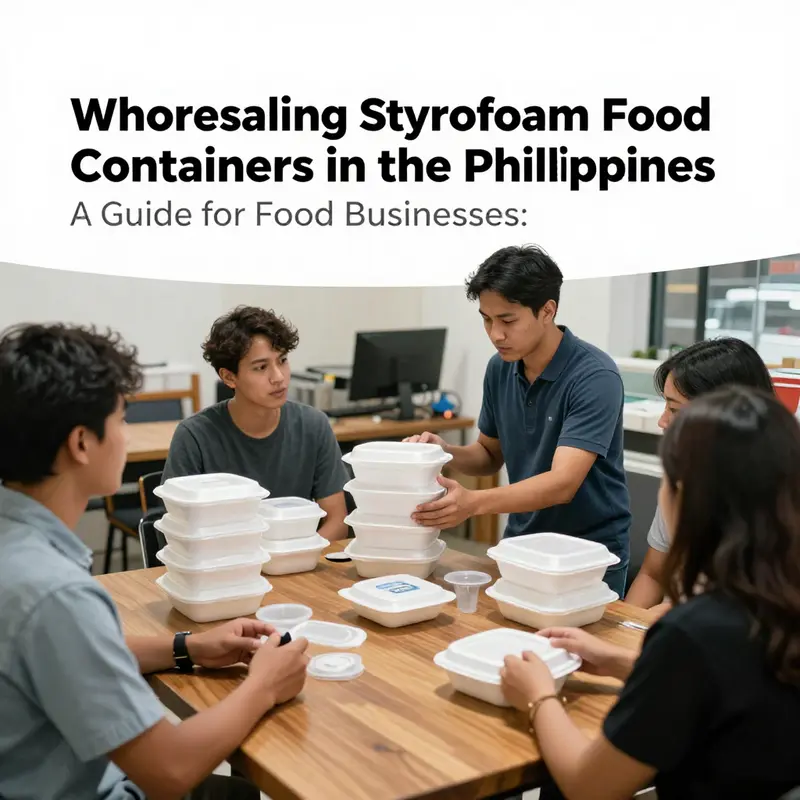
Selecting a supplier for wholesale styrofoam food containers in the Philippines is more than a price comparison. It is a decision that touches safety, operational stability, and brand trust across a landscape where restaurants, take-out shops, and food stalls depend on reliable packaging to protect quality from kitchen to consumer. The Philippine market has long leaned on lightweight, cost-effective EPS containers that perform well in hot and cold conditions, but the real value comes from partnering with a supplier who can translate that performance into consistent availability, compliant materials, and adaptable packaging solutions. In a sector where margins hinge on efficiency as much as on taste, the right supplier becomes a central node in the supply chain, linking product quality, regulatory compliance, and customer experience in a single, dependable flow.
Food safety is the first non-negotiable pillar. In the Philippines, the Food and Drug Administration sets the frame for what constitutes acceptable materials for contact with ready-to-eat foods, seafood, meat, and other perishables. When evaluating potential suppliers, businesses must verify that the EPS films and foam components used in containers comply with FDA-related safety standards and that manufacturing processes minimize contaminants or migration that could compromise food safety. A supplier who can demonstrate a robust quality management system—ideally ISO-certified or aligned with recognized international standards—provides a signal that their operations are designed to prevent defects, manage traceability, and sustain performance across large-volume orders. This is not a cosmetic checkbox. It is a practical assurance that the containers you place into the hands of customers meet baseline safety expectations, reduce the risk of returns or recalls, and keep your brand’s reputation intact in a competitive market where word-of-mouth and online reviews travel fast.
Beyond safety, customization occupies a pivotal place in a market that spans busy urban food courts to remote island stalls. A reliable supplier should offer flexibility in sizes, wall thickness, insulation performance, and, increasingly, branding opportunities. For many local vendors, the ability to tailor the container to a specific meal type or storage requirement translates into better portion control, less spillage, and a stronger first impression when customers see your branding on the packaging. While traditional foam boxes are still valued for their thermal properties and lightweight profile, the best partners also deliver modular options: containers with integrated lids, drainage features for watery sauces or seafood, and seam designs that enhance seal integrity during transit. For exporters or large-scale distributors, the capacity to support variations in formats without sacrificing lead times is equally crucial. The more a supplier can align with a vendor’s menu mix and service cadence—whether it’s rapid-response delivery for bustling peak hours or scheduled, predictable shipments for long-running contracts—the stronger the supplier’s role becomes in enabling a resilient business model.
Within this customization landscape, the balance between insulation performance and seal quality matters. A nuanced decision often emerges: for vendors prioritizing maximum cold retention and leak resistance, a supplier capable of providing custom-molded EPS boxes with integrated lids and drainage features can be a meaningful upgrade over standard boxes. For others, lighter-weight options with solid thermal performance and clear branding opportunities may suffice. The key is not simply offering a menu of options but presenting a thoughtful pathway from brief to finished product. Suppliers who actively engage in dialogue about the intended use, the typical transit times, and the expected environmental conditions—humidity, heat exposure, and stacking pressures—are those who help customers avoid over-specification and unnecessary cost. In practice, this means a collaborative process where samples are tested for heat retention, rigidity, and sealing capability under simulated transport conditions before any big order is placed.
The sourcing matrix for Philippine buyers increasingly pivots toward the broader regional ecosystem that feeds into the local market. Guangdong Province in southern China stands out as a global hub for EPS packaging production, powered by dense manufacturing clusters, advanced molding technology, and tightly integrated supply chains. The concentration of suppliers in this region enables economies of scale that translate into lower unit costs and shorter lead times, provided a business partner can navigate the complexities of cross-border logistics, quality control, and documentation. Proximity to major export ports, combined with established export channels, makes Guangdong a practical source for large orders and recurring replenishments. A well-structured supplier relationship—from onboarding and inspection to ongoing quality audits and performance reviews—can thus deliver both cost efficiency and reliability, two factors every Philippine buyer values in a market where demand can swing with seasonality and shifting consumer preferences.
Yet, regional advantages are not a universal answer. When a business needs highly specialized components or tighter tolerances, the technical backbone of a supplier matters just as much as price. The Yangtze River Delta region, including Shanghai and Jiangsu, is renowned for engineering capability, precision tooling, and sophisticated production lines that support more complex container shapes and tighter dimensional tolerances. These capabilities often come at a premium, but for enterprises aiming to differentiate through packaging—perhaps by creating unique shapes that optimize stacking in delivery bags or by integrating drainage channels that reduce sogginess—working with suppliers from this corridor can unlock a level of performance that standard options cannot match. For Philippine buyers weighing this option, a careful cost-benefit analysis is essential. The decision should consider not only the upfront unit price but also the long-term savings from reduced breakage, lower returns, and smoother logistics. A supplier with strong technical competencies can become a partner in process improvement, helping a business refine its packaging to minimize waste and optimize cold-chain integrity during peak periods.
As demand for eco-friendly packaging gains traction, suppliers across these hubs now increasingly offer biodegradable or compostable alternatives alongside traditional EPS containers. Bagasse, bamboo, molded fiber, and PLA-based solutions have moved from niche options to legitimate alternatives for certain segments of the take-out and catering market. These materials come with certified compostability and compatibility with hot and cold liquids, broadening the range of applications for businesses that seek to reduce plastic dependence. However, it is important to recognize that the thermal performance of these alternatives can vary. In some cases, biodegradable or fiber-based options may exhibit different insulation characteristics compared to EPS, which means that a brand may need to adjust product specifications or accept slightly altered performance for the sake of sustainability goals. For many operators, a pragmatic strategy is to maintain EPS for high-demand periods or for products with strict temperature retention requirements, while leveraging eco-friendly options for non-critical items like cold salads or non-saucy desserts. Suppliers who can clearly articulate the strengths and trade-offs of each material, provide third-party certifications, and support trials in real-world conditions will help clients align sustainability with reliability and cost.
Cost remains a central dimension in any wholesale decision, but it must be weighed against quality, compliance, and supply certainty. In practice, this means requesting product samples, reviewing relevant certifications, and examining the supplier’s track record with similar clients. A reliable partner should be willing to provide evidence of FDA-equivalent compliance, demonstrate a robust quality management system, and offer transparent documentation that covers raw material sourcing, batch traceability, and testing results. The supplier’s ability to provide a stable supply is crucial, particularly in a market where restaurants and caterers must manage tight inventories and frequent demand spikes. Flexible order quantities, scalable production capacity, and a clear understanding of logistics constraints—including lead times, minimum order requirements, and freight terms—help ensure a steady stream of packaging without costly stockouts or excess inventory.
For buyers who value collaboration, the supplier selection process can become a joint improvement journey. A partner that actively solicits feedback, conducts regular performance reviews, and adapts to evolving regulatory and market conditions can become more than a supplier; they can be a strategic ally in ensuring safety, speed, and sustainability across the supply chain. This collaborative approach is especially important when exploring customization and eco-friendly transitions. By working hand in hand, a buyer and supplier can define a practical migration path: starting with pilot orders to validate performance under typical conditions, followed by scaled pilots that test branding and packaging integrity, and finally large-scale rollouts that align with seasonal demand. The ultimate objective is a stable, predictable supply that supports both the operational realities of busy kitchens and the strategic goals of brand differentiation in a crowded take-out landscape.
From a practical standpoint, buyers should assess several concrete attributes of potential suppliers. First, credible documentation matters: material safety data sheets, third-party certifications, and a clearly defined quality management framework help reduce compliance risk. Second, supply reliability is non-negotiable. The supplier should have a proven track record of on-time deliveries, consistent production capacity, and contingency plans for disruptions. Third, the capacity for customization should be underpinned by transparent lead times, cost estimates, and design support. Fourth, the environmental dimension cannot be overlooked. A credible supplier will present a spectrum of options—from conventional EPS to compostable alternatives—and will communicate the balance between performance, cost, and environmental impact clearly. Finally, the capability to support both small trial orders and large, long-term contracts ensures a flexible, growth-ready relationship that can adapt to a business’s evolving needs.
Within this framework, a potential buyer can make informed choices about where to source styrofoam containers. The Guangdong hub offers cost efficiencies and robust capacity, while the Yangtze Delta corridor provides advanced engineering options for more demanding packaging needs. Together, these regional strengths create a diversified sourcing landscape that helps Philippine buyers optimize both price and performance. The decision should be guided by a clear understanding of one’s own operational realities: average order sizes, peak season cycles, typical transit durations, and the temperatures to which foods are exposed during delivery. With these inputs, a supplier evaluation becomes a structured exercise rather than a speculative guess, reducing risk and increasing the odds of a dependable packaging partnership.
As the market continues to mature, it is natural for operators to seek not only reliable materials but also value-added services that enhance the overall packaging experience. For instance, some suppliers now offer branding services or customized labeling that helps food businesses extend their marketing reach beyond the plate. Others provide guidance on optimizing container geometry to improve stackability in delivery bags or to minimize space in cold storage. Yet another important service is packaging testing support—provision of test results that demonstrate how a container behaves in typical transport scenarios, including temperature retention, leak resistance, and stacking strength. A supplier that can accompany a client with such data reduces the time and risk involved in new-product launches and menu changes, enabling faster go-to-market while maintaining quality and safety standards.
For readers who want to explore eco-conscious paths further, a practical resource is available that specifically discusses eco-friendly take-away packaging options. This broader context helps frame how sustainability considerations intersect with cost, safety, and performance. The chapter’s emphasis remains on what matters most for the Philippines’ food service sector: dependable supply, regulatory compliance, and a thoughtful balance between traditional performance and emerging environmental expectations. When you align these elements through a disciplined supplier selection process, the result is not merely a purchase of containers but a resilient, future-ready packaging program that protects products, protects people, and supports brand integrity across a nation of busy kitchens and hungry customers.
For those who want to widen their knowledge beyond regional dynamics, an external resource offers a global view of top-grade EPS packaging manufacturers and procurement considerations. It provides context on scale, technology, and logistics that can inform supplier conversations and supplier selection criteria within the Philippine market. While every market has its local nuances, the underlying principles of safety, reliability, and strategic fit remain constant across borders. The aim is to empower buyers to choose a partner who can deliver consistent performance while staying adaptable to evolving regulatory landscapes and consumer expectations.
Internal link note: For an example of how eco-friendly packaging options can complement traditional EPS solutions, see this resource on eco-friendly take-away packaging options.
External resource: For a broader perspective on global EPS packaging manufacturers and procurement considerations, see the Styrofoam Box Supplier Guide: Evaluate Global Manufacturers for B2B Procurement. https://www.packaging.com/supplier-guide-styrofoam-boxes-global-manufacturers/
Final thoughts
Navigating the wholesale market for styrofoam food containers in the Philippines requires an understanding of the types available, the intricacies of the supply chain, and the environmental implications of your choices. Whether you run a bubble tea shop, a food truck, or are in charge of catering services, making informed decisions about your packaging can enhance your brand’s reputation and operational efficiency. Selecting the right supplier is essential to ensure stability and quality, backed by certifications and responsive service. With this guide, you are now better equipped to make choices that align with both your business goals and sustainability commitments.