
Is It Safe to Reheat Food in Plastic Containers?
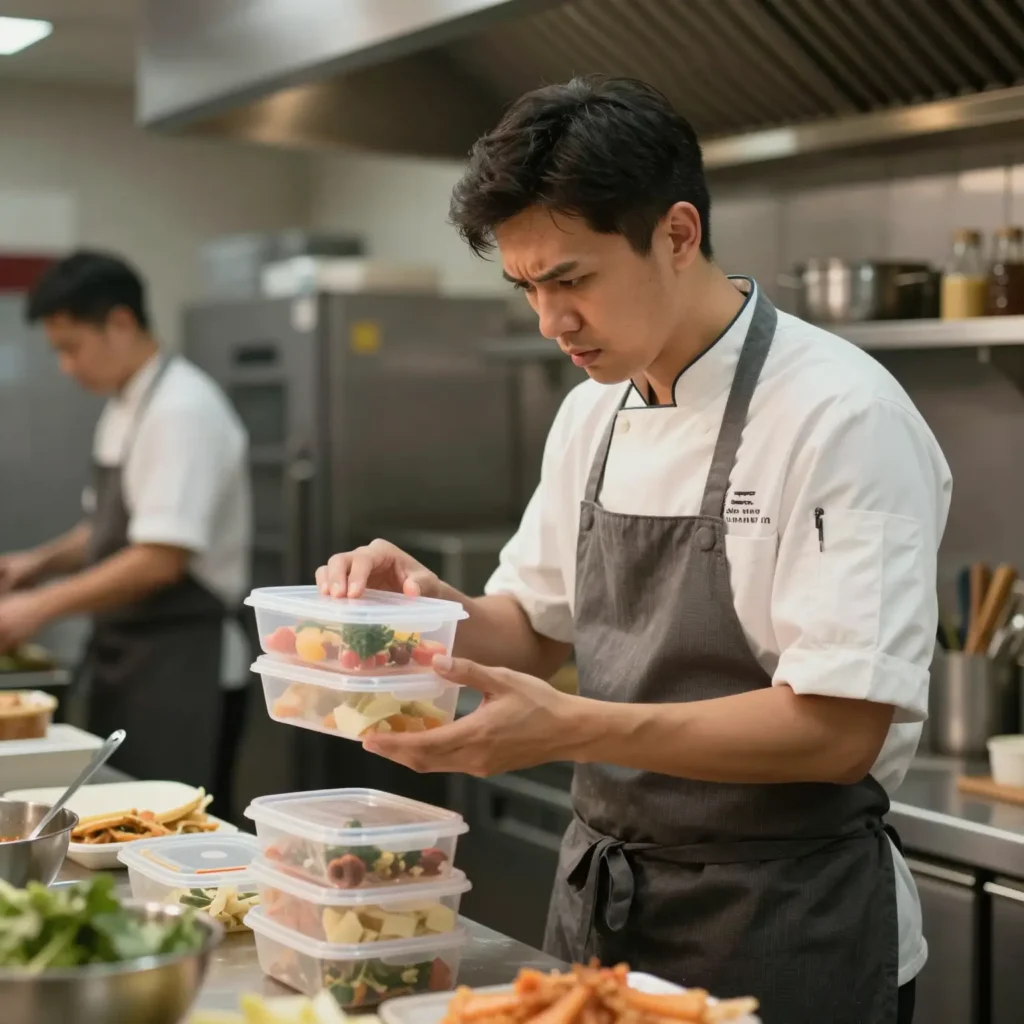
In today’s fast-paced world, reheating food in plastic containers has become a common practice, especially within the food service industry. Whether you run a bustling bubble tea shop, a busy restaurant, a food truck, or cater events, the convenience of easily reheating meals in plastic is appealing. However, this prevalent habit raises significant questions about safety and health. Many plastic containers, particularly those not specifically designed for heating, can release harmful chemicals into food when exposed to high temperatures. Given the growing concern about food safety and the materials we use, it’s essential to scrutinize whether reheating in plastic is safe. As professionals in the food sector, understanding these risks not only helps safeguard your customers but also enhances your brand’s reputation. Are you using the right materials? With a plethora of options available, including eco-friendly packaging solutions, you might want to explore alternatives that align with your commitment to quality and safety. Discover more sustainable packaging options that can help ensure that your reheated dishes are not only delicious but also safe for consumption.
Potential Dangers of Reheating Food in Plastic Containers
Reheating food in plastic containers has become common in many food service environments, including restaurants and catering services. However, this practice raises significant health concerns due to chemical leaching from the plastics when heated.
Chemical Leaching
The process of chemical leaching occurs when substances in plastic containers break down and migrate into food. This is particularly concerning when plastic is subjected to heat, which can weaken the chemical bonds in plastic polymers. According to INTEGRIS Health, heat can cause harmful chemicals such as bisphenol A (BPA) and phthalates to leach into your food. These substances are linked to various health issues, including hormonal disruptions and even increased cancer risk.
Types of Plastics and Their Risks
Not all plastics are created equal when it comes to reheating. The most problematic types include:
- Polyvinyl Chloride (PVC) – Often used in food packaging, PVC can release dangerous chemicals when heated.
- Polystyrene (#6) – Commonly found in disposable cups and containers, heating polystyrene is one of the main causes of chemical leaching, particularly for fatty foods.
On the contrary, Polypropylene (#5) is often considered safer for reheating, as it has a higher melting point compared to other plastics. However, glass or stainless steel containers are highly recommended when reheating food, as they do not leach harmful substances, providing a much safer option for maintaining food quality and safety.
Long-Term Health Implications
The long-term health implications of exposing food to reheated plastics are still undergoing research. A study highlighted by Greenpeace has shown that reheating food in plastic can significantly increase leaching rates of harmful substances, leading to a concerning accumulation of microplastics in food, further complicating the risk factors associated with chronic exposure.
As professionals in the food industry, it’s crucial to understand these risks and consider using safer packaging solutions. Whether you are operating a bubble tea shop or a food truck, opting for healthier alternatives, such as paper packaging or sugarcane tableware, can significantly contribute to food safety and customer health.
In conclusion, while convenience is essential in food handling, the safety of your customers should always take precedence. Making informed decisions about the materials you use in your food service can go a long way in preventing potential health risks.
Is it Safe to Reheat Food in Plastic Containers?
Food safety is a growing concern, especially regarding the materials we use for reheating meals. Recent analyses suggest that reheating food in plastic containers can pose risks due to the potential leaching of harmful chemicals. Some types of plastic, particularly those containing phthalates, have been shown to release these additives when subjected to high heat. This not only compromises the safety of the food but also raises concerns about the long-term health effects associated with the consumption of these chemicals BBC Future.
In another article, investigations into food safety practices question the appropriateness of using plastic materials that may not be designed for high-heat scenarios. Not all containers are created equal, and depending on their manufacturing process, some may not withstand reheating without releasing toxins into the food Green Dispopack.
To mitigate risks, guidelines from trusted resources, like the USDA and Texas Real Food, emphasize using microwave-safe or heat-resistant containers and following proper reheating practices. These practices include covering food, rearranging it for even heating, and ensuring a safe internal temperature to prevent foodborne illnesses. Proper food handling post-storage, such as refrigerating leftovers promptly and reheating them thoroughly, is crucial for maintaining food safety USDA FSIS.
For food establishments like bubble tea shops, restaurants, and catering services, understanding the nuances of food safety in reheating processes is essential for customer health and business reputation. It underscores the need to invest in quality packaging materials that are safe for food service operations, ensuring both safety and quality.
Conclusion: While reheating food in plastic containers can be a convenience, it is essential to use checked and verified containers to minimize exposure to harmful substances. Adopting safe food practices not only protects individuals but also enhances the overall customer experience.
Safe Materials for Reheating Food Containers
When it comes to reheating food, choosing the right container material is crucial. Here’s a friendly guide to materials that are generally safe for food reheating:
- Glass
- Pros:
- Microwave-safe and can withstand high temperatures.
- Non-reactive, meaning it won’t leach chemicals into food.
- Easy to clean and can be used multiple times, making it eco-friendly.
- Cons:
- Fragile and can break if dropped.
- Might not be suitable for all microwave types, as some older models require specific containers.
- Ceramic
- Pros:
- Typically microwave-safe and retain heat well.
- Available in various designs, ideal for presentation in restaurants.
- Non-toxic and does not leach materials when heated.
- Cons:
- Heavier and more fragile than plastic; can chip easily.
- Some glazing may contain lead, so checking for food safety ratings is essential.
- BPA-free Plastic
- Pros:
- Lightweight and less prone to breaking compared to glass.
- Available in various designs, making them practical for food services.
- BPA-free versions reduce the risk of chemical leaching when reheating.
- Cons:
- Lower heat tolerance; some plastics can warp or melt in high heat.
- Environmentally challenging as they are often single-use.
- Silicone
- Pros:
- Flexible and can withstand both high and low temperatures.
- Perfect for steaming or baking, in addition to reheating.
- Easy to clean and reusable, which is great for sustainability.
- Cons:
- Can be costly compared to other materials.
- Quality can vary widely, so it’s essential to choose food-grade silicone.
- Bagasse
- Pros:
- Made from sugarcane, making it biodegradable and eco-friendly.
- Microwave-safe and retains heat well.
- Ergonomically designed for ease of use in food service settings.
- Cons:
- May not be as sturdy as glass or thicker plastics for some applications.
- Limited heat resistance compared to other materials.
Choosing the right container not only affects food safety but also impacts your business’s sustainability efforts. Explore more options for eco-friendly packaging here. Remember, well-informed choices lead to both satisfied customers and a safer environment!
Comparison of Plastic Containers for Food Services
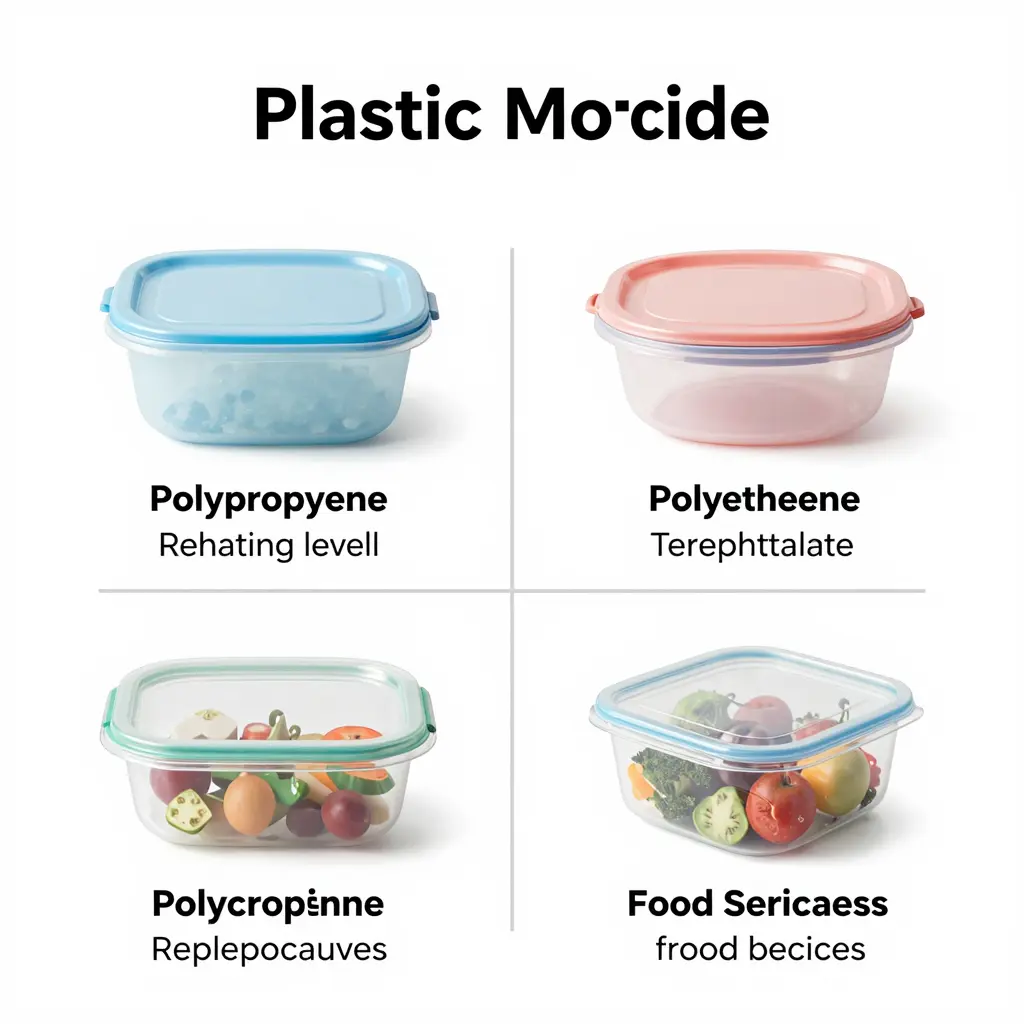
When it comes to reheating food in plastic containers, understanding the properties of different types of plastics can help ensure safety and quality. Here’s a comprehensive comparison of two common types of plastic containers: Polypropylene (PP) and Polyethylene Terephthalate (PET).
| Plastic Type | Reheating Safety Level | Usage Temperatures (°C) | Common Applications |
|---|---|---|---|
| Polypropylene (PP) | Safe for reheating | -20 to 130 | Food containers, microwave-safe items |
| Polyethylene Terephthalate (PET) | Limited reheating safety | Up to 60 | Beverage bottles, food containers |
Key Takeaways
- Polypropylene: This is widely regarded as microwave-safe, making it suitable for food services where reheating is a common practice. It can withstand a high range of temperatures without releasing harmful chemicals.
- Polyethylene Terephthalate: While PET is strong and durable for storage, it has a limited safe range for reheating. It is best to avoid exposing PET containers to high heat to prevent leaching of chemicals into food.
For the safety of your staff and customers, always ensure that the plastic containers you use are labeled for reheating if intended for that purpose. Learn more about food safety in storage and packaging here.
Consider the applications of these materials in your food service business to ensure optimal safety and quality of your food products!
Conclusion
Reheating food in plastic containers is a common practice in many households and food establishments; however, it poses certain health risks that cannot be ignored. Research has shown that heating plastics can cause harmful chemicals like phthalates and bisphenol A (BPA) to leach into food, potentially leading to serious health issues, including increased cancer risks and even problems related to dementia. As food safety is paramount, understanding which materials are safe is essential.
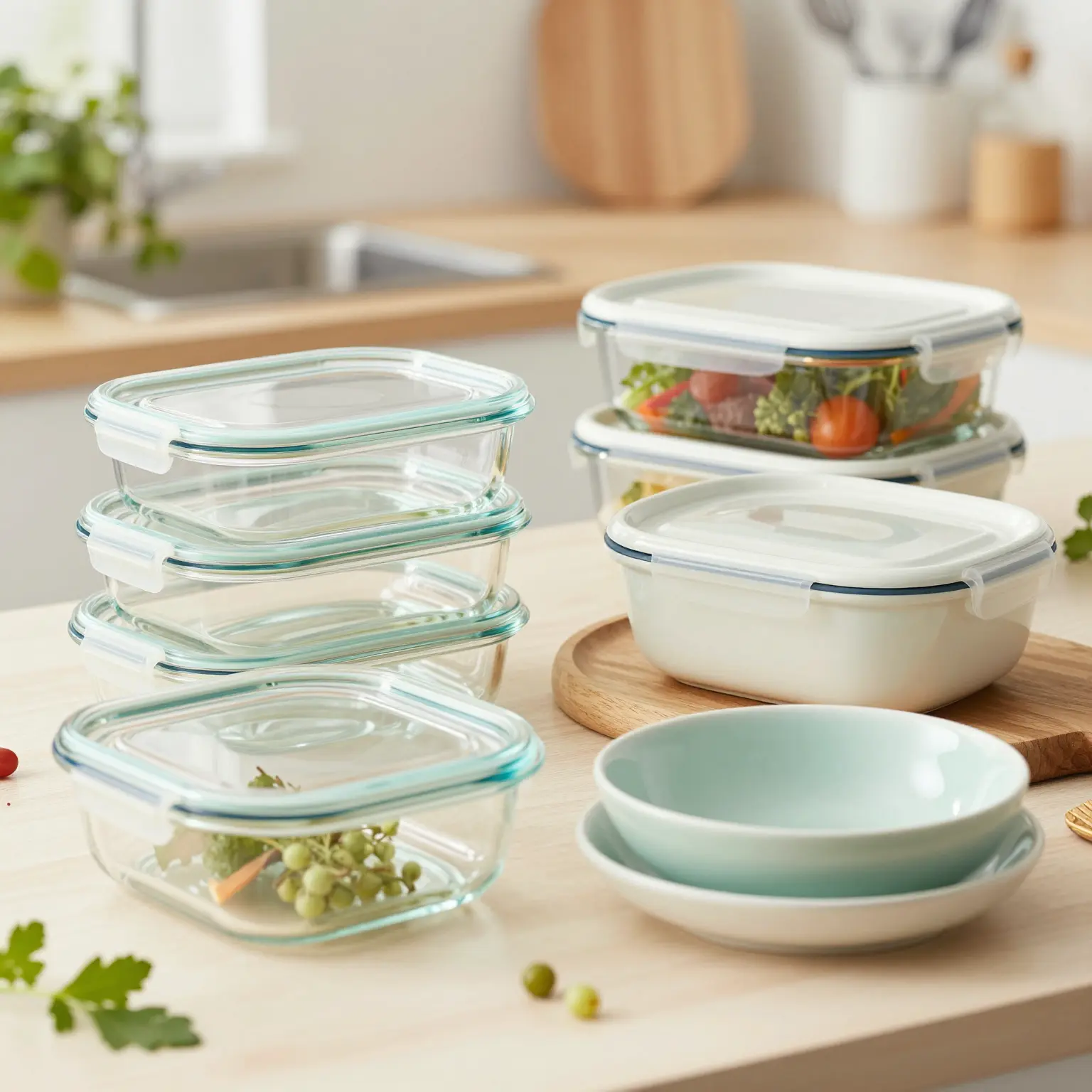
It is crucial for food businesses-whether bubble tea shops, restaurants, or catering services-to prioritize the use of safe materials in their food storage and reheating practices. Instead of relying on plastic, consider utilizing alternative materials such as glass or certified microwave-safe containers. These options not only ensure the well-being of your customers but also demonstrate a commitment to health and safety standards.
In conclusion, as you continue to serve delicious meals and beverages, make informed choices about the materials you use. Choose reliable and environmentally friendly disposable tableware and packaging solutions, such as those offered by Green Dispopack. Explore our selection of paper bowls and packaging solutions to enhance your serving options while ensuring safety and quality. By selecting the right materials, you not only enhance your brand’s reputation, but you also contribute to a healthier environment for everyone.
Switching to safer alternatives is not just a choice-it’s a responsibility. Let’s create a safer dining experience together!
Comparing Different Food Container Types
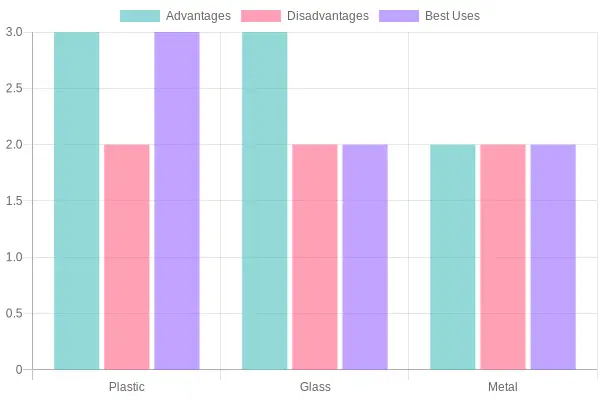
In the food service industry, choosing the right type of food container is crucial for maintaining the quality and safety of food. Here’s a chart that compares the advantages, disadvantages, and best uses of plastic, glass, and metal food containers:
| Container Type | Advantages | Disadvantages | Best Uses |
|---|---|---|---|
| Plastic | Lightweight, versatile, cost-effective | May leach chemicals, less durable | Takeout, cold foods, dry storage |
| Glass | Non-toxic, reheatable, eco-friendly | Heavy, breakable, more expensive | Baking, storing, presentation |
| Metal | Durable, resistant to bacteria, reusable | Can dent, may react with acidic foods | Long-term storage, freezing food |
Key Considerations
- Plastic containers are perfect for lightweight and cost-effective options, commonly used for takeout and dry storage. However, users should be cautious about potential chemical leaching.
- Glass containers offer a safe and eco-friendly choice, particularly for reheating and showcasing food. While heavier and prone to breakage, they are ideal for baking and long-term storage.
- Metal containers are the go-to option for durability and reducing bacterial contamination, making them suitable for long-term food storage. However, they may react with certain foods, particularly acidic ones.
Conclusion
Choosing the right food container is essential for any establishment. For further exploration of eco-friendly options such as sugarcane tableware, consider checking our sugarcane food container collection. You can also learn about various paper packaging options to complement your food service strategy.
The Importance of Caution with Reheating Food in Plastic Containers
Experts in food safety emphasize the need for caution when reheating food in plastic containers. According to one prominent food safety expert, “Heating food in plastic containers can cause harmful chemicals to leach into your food, which may pose serious health risks over time. Opting for glass or ceramic containers is a safer choice.” This insight reinforces the article’s discussion on the potential dangers associated with plastic containers.
For safe food storage solutions, consider using eco-friendly options like sugarcane tableware or paper packaging that do not contain harmful chemicals.
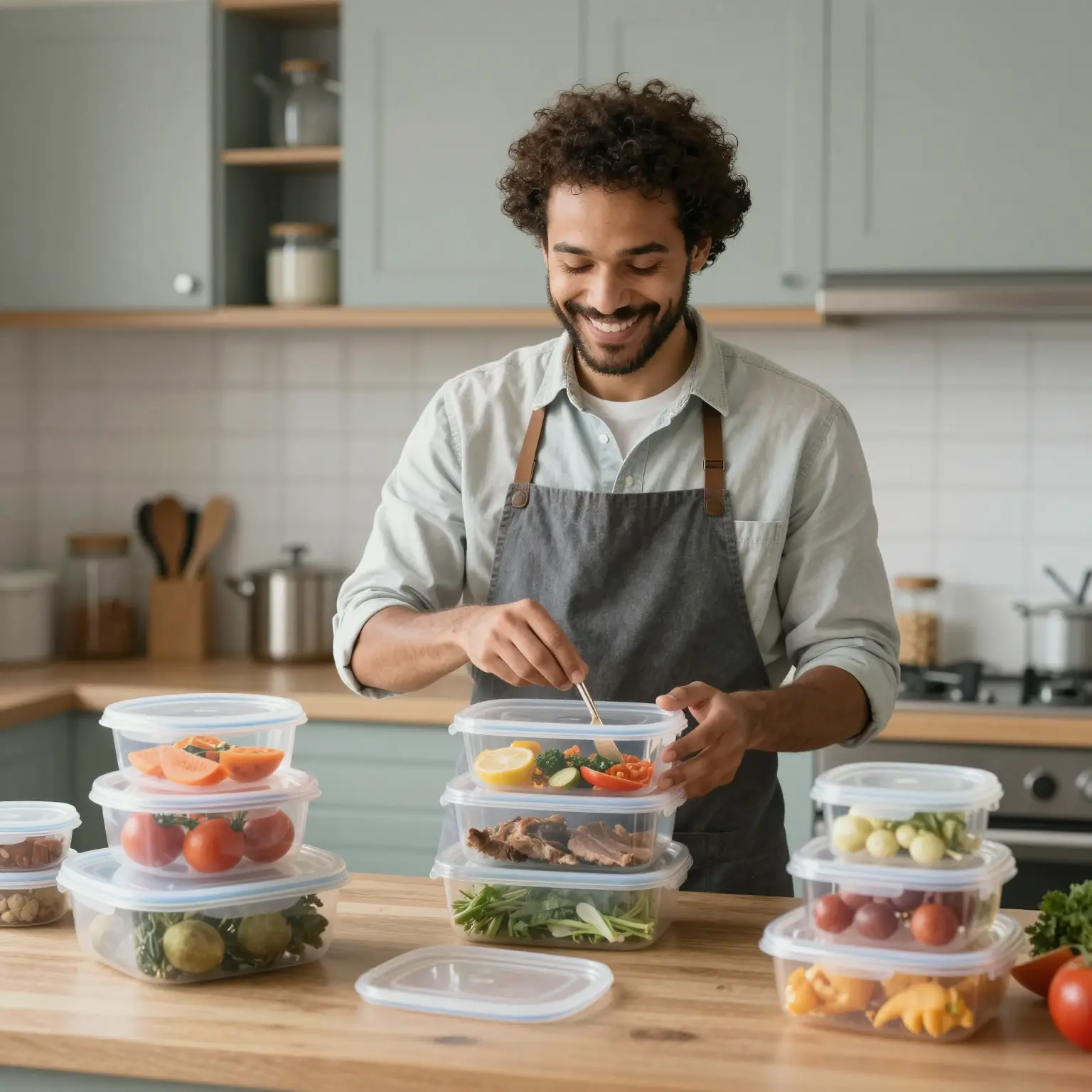
Regulatory Guidelines for Food Safety in Plastic Containers
When it comes to food service, the safety of food containers is an essential aspect that businesses must not overlook. Regulatory guidelines surrounding plastic containers are crucial to ensuring that the food served remains safe for consumption. In recent years, the spotlight on plastic use in food service has intensified due to health concerns and environmental issues. Here’s an overview of the current regulatory landscape regarding plastic containers in the food industry.
Safety Standards and Certifications
In many regions, including the United States and the European Union, there are stringent regulations governing materials that come into contact with food. Most plastic containers used in food service must comply with the standards set forth by organizations such as the U.S. Food and Drug Administration (FDA) and the European Food Safety Authority (EFSA). These organizations have established safety ratings and testing protocols for various types of plastics utilized in food packaging and storage.
Types of Plastics and Their Safety Ratings
The FDA classifies various plastics for food safety, typically allowing the use of materials like PET (Polyethylene Terephthalate), PP (Polypropylene), and LDPE (Low-Density Polyethylene) under specific conditions. Each type of plastic has designated temperature tolerances and safety ratings:
| Plastic Type | Safety Rating | Temperature Tolerance | Microwave Safe | Suitable for Food Storage |
|---|---|---|---|---|
| PET | Generally safe | Up to 60°C | Yes | Yes |
| PP | Generally safe | Up to 120°C | Yes | Yes |
| LDPE | Generally safe | Up to 90°C | Yes | Yes |
This table illustrates the safety and temperature tolerances of common plastics used in food containers. Using approved materials significantly reduces the risk of harmful substances leaching into food.
Best Practices for Food Service Providers
Food service providers should ensure that the containers they use for reheating or storing food products are not only compliant with safety standards but also suitable for specific applications. Here are some best practices:
- Use labeled containers: Always choose containers that are specifically marked as safe for food contact.
- Avoid overheating: Be mindful of the temperature tolerances. Exceeding these limits can compromise the integrity of the container and lead to potential health risks.
- Regular checks: Regularly review supplier compliance with safety regulations. Partnering with suppliers that prioritize safety, such as those offering sugarcane tableware and eco-friendly options, can enhance your brand’s reputation and commitment to safety.
Conclusion
Understanding and adhering to regulatory guidelines for plastic containers is vital for any food service operation. Not only do these regulations ensure the safety of the products served, but they also protect the consumers and maintain the integrity of the business. Continuous education about materials, safety standards, and best practices can help businesses provide safe, enjoyable dining experiences.