

Introduction
In bustling environments such as bubble tea shops and catering services, the aesthetics of your presentation can significantly influence customer experience. Clean plastic cups not only maintain a professional appearance but are equally essential for ensuring hygiene and safety, thereby enhancing customer trust. Imagine handing over a refreshing bubble tea in a spotless cup, inviting customers to savor every sip! Maintaining hygiene standards is vital as it directly impacts your business’s reputation and customer satisfaction. However, over time, these plastic cups can become stained or grimy, leading to an unappealing look that can deter customers. In this blog, we will explore effective methods to clean stained plastic cups, ensuring your beverages are presented flawlessly. By investing time in maintaining your serving ware, you are not just keeping up with hygiene standards but also elevating the overall experience your customers have at your establishment. Let’s dive into the best practices for keeping your plastic cups sparkling clean!
Common Stains on Plastic Cups
Plastic cups, widely used in various businesses such as bubble tea shops, food trucks, and restaurants, often encounter a range of common stains. Here’s a list detailing these stains:
- Coffee Stains: One of the most stubborn types of stains, coffee can leave dark, persistent marks on plastic cups. It’s often caused by leakage and residue accumulation from hot beverages.
- Tea Stains: Similar to coffee, tea can leave behind unsightly brown stains, especially in iced tea cups where sugar and flavorings intensify the coloration.
- Grease Stains: Grease from food items, like fried products or sauces, can easily smear onto plastic surfaces, making them look dull and dirty.
- Juice Stains: Brightly colored juices, particularly those with dyes (like grape or cranberry), can create noticeable stains that are challenging to clean.
- Food Dyes: Products containing artificial colors, such as flavored drinks and certain desserts, can leach into the plastic and leave behind intense, discoloring stains.
- Wine Stains: If your establishment serves wine in disposable cups, you may notice red or white wine stains that can be tricky to remove due to their deep pigments.
- Mold and Mildew: If plastic cups are not dried properly and are stored in humid conditions, they can develop mold, which not only stains but also poses health risks.
Facing these stains is common for businesses. To learn effective cleaning methods, check out our articles on how to clean stained plastic cups and discover tips for maintaining your service items in pristine condition.
Comparison of Cleaning Methods for Stained Plastic Cups
When dealing with stained plastic cups commonly found in bubble tea shops and beverage chains, it’s essential to choose the right cleaning method. Below is a detailed comparison of popular cleaning methods, including their pros and cons, to help you decide the best approach for your needs.
| Cleaning Method | Pros | Cons |
|---|---|---|
| Vinegar Solution | – Natural and eco-friendly – Effective against odors and light stains – Inexpensive |
– May require multiple applications for tough stains – Can leave a vinegar smell |
| Baking Soda | – Non-toxic and safe – Acts as a gentle abrasive and deodorizer – Cost-effective |
– May not be effective for very tough stains on its own |
| Commercial Cleaners | – Highly effective for quick results – Specifically formulated for tough stains |
– Can be expensive – May contain harmful chemicals – Not environmentally friendly |
| Soapy Water | – Mild and gentle for everyday cleaning – Removes residues effectively |
– Less effective on tough or stubborn stains |
| Bleach Solution | – Strong disinfectant, very effective at removing tough stains and discoloration | – Harmful fumes, must use in well-ventilated area – May cause discoloration of certain plastics |
Recommendations
For regular maintenance, a vinegar solution combined with baking soda is often recommended. This combination not only aids in stain removal but also neutralizes odors. For tough, persistent stains, you may want to consider using commercial cleaners specifically designed for plastics, ensuring they are environmentally friendly and safe.
To discover more about eco-conscious packaging, consider checking out paper bowl options for takeaway solutions alongside your cleaning strategies!
Using Vinegar to Clean Plastic Cup Stains
Cleaning plastic cups can pose a challenge, especially when it comes to stubborn stains caused by beverages like coffee, tea, and juice. Thankfully, vinegar is a versatile and effective cleaner that can help restore your plastic cups to their original shine. Here’s how to use vinegar effectively for various stains:
Step-by-Step Instructions
- Gather Your Materials: You’ll need white vinegar, water, a soft cloth, and optionally, baking soda for tough stains.
- Preparation of Cleaning Solution: For most stains, a simple mixture of equal parts vinegar and water will suffice. If dealing with tough stains, create a paste with vinegar and baking soda.
- Apply the Solution:
- Coffee Stains: Soak a cloth in the vinegar-water mixture and gently wipe the stained area. Rinse with warm water.
- Tea Stains: Directly apply vinegar to the stain and let it sit for 5-10 minutes before scrubbing with a soft brush. Rinse thoroughly afterward.
- Juice Stains: Apply the vinegar-baking soda paste to the stain, allow it to sit for 10 minutes, scrub gently, and rinse.
- Hard Water Marks: Dilute vinegar in water and soak the cup for an hour, then scrub and rinse.
Tips for Best Results
- Always rinse the cups thoroughly after cleaning to remove any vinegar residue.
- For persistent stains, repeat the application process as needed.
- Avoid abrasive scrubbing pads which may scratch the surface of the plastic.
- Regular cleaning can prevent stains from becoming stubborn.
Effectiveness of Vinegar on Different Stains
Here’s a quick reference table for types of stains and their respective cleaning processes:
| Type of Stain | Cleaning Process |
|---|---|
| Coffee Stains | 1. Mix equal parts vinegar and water in a bowl. 2. Soak a cloth in the solution. 3. Wipe the stained area of the cup. 4. Rinse with warm water. |
| Tea Stains | 1. Apply vinegar directly to the stain. 2. Let it sit for 5-10 minutes. 3. Scrub with a soft brush or cloth. 4. Rinse thoroughly. |
| Juice Stains | 1. Create a paste with vinegar and baking soda. 2. Apply to the stain and let sit for 10 minutes. 3. Scrub gently and rinse with warm water. |
| Hard Water Marks | 1. Dilute vinegar with water. 2. Soak the cup in the solution for at least an hour. 3. Use a soft cloth to scrub away remaining stains. 4. Rinse. |
By utilizing vinegar as a cleaning agent, you can keep your plastic cups looking pristine, ensuring that your beverage service remains appealing to customers. For additional cleanup options and materials, consider exploring our sugarcane tableware which can offer environmentally friendly alternatives to plastic cups.

Commercial Cleaning Solutions for Stained Plastic Cups
When it comes to maintaining the pristine appearance of plastic cups, especially in high-volume settings like bubble tea shops, restaurants, and events, selecting the right cleaning solution is essential. Here’s a breakdown of various commercial cleaning solutions tailored for stained plastic cups, their effectiveness, and safety considerations.
Common Cleaning Solutions
- Bleach
- Effectiveness: Bleach is a powerful disinfectant, effective in killing bacteria and viruses. It’s also adept at removing tough stains from plastic surfaces.
- Safety Considerations: Always dilute bleach with water to avoid damaging the plastic and wear gloves to protect your skin. Importantly, never mix bleach with other cleaning agents like vinegar, as this creates toxic chlorine gas.
- Vinegar
- Effectiveness: As a mild acid, vinegar can efficiently dissolve mineral deposits and some organic stains. It’s less powerful as a disinfectant compared to bleach but is effective for regular cleaning.
- Safety Considerations: Vinegar is generally safe to use on most plastics and doesn’t produce harmful fumes like bleach. However, avoid using it on porous materials as it may degrade them over time.
- Baking Soda
- Effectiveness: Baking soda serves as a gentle abrasive, making it an excellent choice for scrubbing stains without scratching the plastic surface. It also neutralizes odors, which can be beneficial for frequently used cups.
- Safety Considerations: Baking soda is non-toxic and safe for food-contact surfaces, making it ideal for beverage establishments. However, for heavy stains, it may require more elbow grease compared to chemical cleaners.
- Commercial Plastic Cleaners
- Effectiveness: Many manufacturers produce specialized cleaners for plastic items. These solutions are designed specifically for tough stains and can be highly effective at restoring the clarity of plastic cups.
- Safety Considerations: Be sure to follow the manufacturer’s instructions carefully and check for any potential allergens or harmful chemicals.
Conclusion
By adopting the right cleaning strategies and products, beverage chains, restaurants, and catering services can effectively manage stained plastic cups. Always remember to test any cleaning solution on a small, inconspicuous area first to ensure compatibility. For more sustainable options, consider our sugarcane tableware designed for easy cleaning and a lower environmental footprint.
“Clean tableware is not only a mark of professionalism but also essential in ensuring customer satisfaction and safety. Maintaining hygiene standards in food service can prevent health issues and enhance the dining experience.”
Maintaining the pristine condition of plastic cups in busy establishments like bubble tea shops, restaurants, and event planning venues is crucial. Stains can detract from the customer experience, but a few preventative measures can significantly reduce the occurrence of stains and prolong the lifespan of these products. Here are some effective practices for businesses to consider:
-
Material Selection: Opt for high-quality, stain-resistant plastics. Materials like Tritan are specifically designed to resist staining and are more durable, minimizing the need for frequent replacements. These products can be a great investment for your business.
-
Regular Cleaning Protocols: Establish standard operating procedures for cleaning plastic cups. This includes immediate washing after use with warm, soapy water to prevent residue buildup. For tougher stains, consider soaking cups in a diluted vinegar solution to help lift stains without damaging the material.
-
Avoid Certain Beverages: Educate staff regarding which drinks are more likely to stain. Beverages with strong colors, such as dark sodas, iced teas, and red juices, can leave marks on plastic. Whenever possible, offer tinted or glass alternatives for such drinks.
-
Proper Usage and Handling: Train staff to handle plastic cups carefully. Avoid stacking or dropping them and use them according to their designated purpose. For example, discourage resentful use of plastic cups for hot beverages, as high temperatures can warp plastics.
-
Storage Best Practices: Store plastic cups in a clean, dry area away from direct sunlight and heat sources to prevent warping and degradation. Additionally, ensure they are dry before stacking to avoid mold and mildew.
-
User Education: Incorporate signs or reminders in your establishment to encourage proper usage among customers and staff. Simple messages like “Please do not stack cups” can help maintain their condition.
By adopting these preventative measures, businesses can minimize staining issues and ensure that plastic cups remain a safe and appealing choice for their beverages. For additional resources on high-quality packaging materials, you might find our sugarcane cups useful as an eco-friendly alternative.
These strategies not only help in prolonging the life of your cups but also contribute to a more pleasant customer experience.
Cleaning Frequency Recommendations for Plastic Cups
Proper cleaning of plastic cups is essential in maintaining hygiene standards in beverage establishments. Here’s a handy chart that suggests how often you should clean plastic cups based on the type of beverage served:
| Beverage Type | Daily Cleaning | Post-Use Cleaning | Sanitizing Routine | Health Guidelines |
|---|---|---|---|---|
| Milkshakes | Yes | Yes | Weekly | Regular sanitation required |
| Smoothies | Yes | Yes | Weekly | Keep cups clean after each use |
| Sugary Drinks | Yes | Yes | Weekly | Must follow strict hygiene |
| Dairy-based drinks | Yes | Yes | Weekly | Clean immediately after use |
| Other Beverages | No | After Use | Monthly | Standard sanitation guidelines apply |
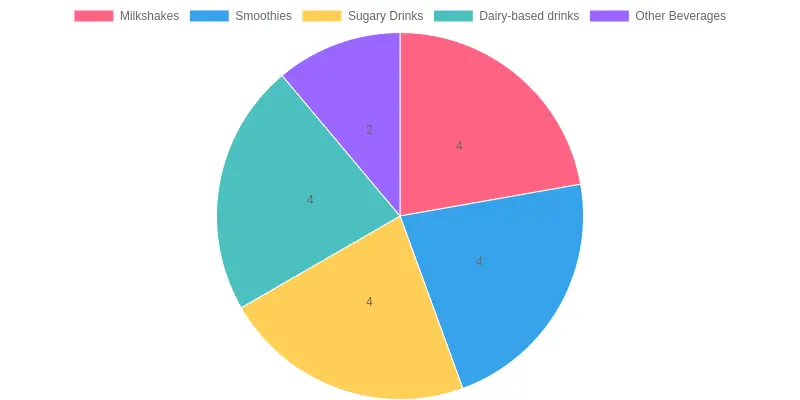
Key Points:
- Daily Cleaning: Recommended for beverages that can leave residues, like milkshakes and smoothies.
- Post-Use Cleaning: Clean immediately after use, especially for sugary or dairy-based drinks.
- Sanitizing Routine: Implement weekly sanitization practices to ensure high hygiene standards.
For more information on related products, you can check out our paper bowls or sugarcane tableware.
Concluding Thoughts
As we’ve explored, cleaning stained plastic cups can be a simple endeavor with the right techniques and products. Remember to utilize mixtures like vinegar and baking soda or warm soapy water to effectively lift those stubborn stains, ensuring that your plastic cups remain clean and presentable for every use.
In the dynamic world of food service and event planning, the reliability of your disposables can significantly impact your service quality and customer satisfaction. At Green Dispo Pack, we understand the unique challenges faced by bubble tea shops, restaurants, food trucks, and catering services.
That’s why we offer a wide range of reliable disposable tableware and packaging solutions designed for convenience and sustainability. Utilizing our eco-friendly products not only reduces your cleaning workload but also contributes to a cleaner environment.
We encourage you to consider our selection of disposable solutions for your next event or daily operations. Explore our impressive range of products today and experience the benefits of embracing sustainability without compromising on quality or convenience. Choose Green Dispo Pack for all your disposable needs – your customers (and the planet) will thank you!