
As eco-consciousness continues to rise among consumers, businesses are adjusting their packaging choices to align with these values. Recycled paper gift boxes, particularly for products like bath beads, offer an innovative way to present luxury items while also being environmentally responsible. This article explores the multifaceted benefits of using recycled paper gift boxes, including their economic viability and consumer appeal. Each chapter provides insights on design customization, sustainability trends, and the shifting market preferences that guide brands towards greener choices. Together, we’ll explore how these packaging solutions not only enhance the aesthetic of bath products but also contribute significantly to eco-friendly practices, making them an ideal choice for Bubble Tea Shops, Restaurants, Food Trucks, Event Planners, and Corporate Procurement Teams.
From Quiet Reuse to Luxurious Presentation: Recycled Paper Gift Boxes as the Gateway to Elevated Bath Bead Packaging
The packaging story for bath beads has evolved beyond a simple container. Today’s brands seek a narrative that begins with sustainability and ends with a moment of tactile delight in the consumer’s hands. Recycled paper gift boxes have emerged as a quiet yet powerful protagonist in this narrative. They provide a surface for artistry and a stage for scent, color, and texture to mingle with purpose. The box is not merely a protective shell; it is the first emotional cue that signals luxury, care, and responsibility. When the box itself is crafted from recycled fibers, the product’s promise—an indulgent moment for body and mind—gains an additional layer of meaning. Consumers encounter the box, then the bead, and the loop of values that binds them to the brand widens. The result is a coherent package that speaks of stewardship as clearly as it speaks of pampering.
This alignment of function and ethics is where recycled paper gift boxes excel in the bath-bead category. The material choice delivers immediate environmental benefits that resonate with modern shoppers who increasingly prioritize sustainability as part of their purchase criteria. By reducing the demand for virgin wood pulp, these boxes help conserve forests and protect biodiversity. The production cycle for recycled paper typically uses substantially less water and energy than creating new paper from raw wood. In practical terms, industry data suggests that recycling paper can cut energy use by as much as 60 percent and water consumption by up to 90 percent compared with traditional pulp production. Those figures matter not only to the planet but to the brand’s bottom line, as the resource footprint translates into lower operating costs and a lighter logistics burden for finished goods.
The environmental advantages cascade into other dimensions of value. Paper packaging, particularly when made from responsibly sourced, recycled fibers, tends to be naturally biodegradable and compostable under proper conditions. This contrasts sharply with the persistence of many plastics in the environment. Brands in the bath and body space can design with end-of-life in mind, guiding consumers toward recycling streams rather than landfills. The result is a packaging loop that mirrors the circular economy’s ideals: input waste becomes feedstock for new products, reducing overall environmental burden and aligning consumer behavior with a brand’s declared values.
Beyond environmental metrics, the consumer appeal of recycled paper gift boxes for bath beads rests on the ability to fuse aesthetics with responsibility. Luxury in packaging is no longer defined by opulence alone but by the integrity of the materials and the stories they carry. A box made from recycled fibers can be engineered to feel exquisite to the touch—delicately textured, smoothly curved, or subtly embossed—while still communicating a commitment to resource stewardship. The visual language can be as refined as it is intentional. Silver foil, soft matte finishes, or restrained color palettes can elevate a recyclable box to a premium experience without compromising its recyclability or the box’s ultimate fate in the waste stream. The box becomes a component of the product’s sensory journey: the unboxing experience sets the stage for a bath bead ritual that begins with intention, not waste.
From the brand perspective, the decision to use recycled paper gift boxes also signals a clear stance on sustainability to a growing segment of eco-aware shoppers. It communicates that the company values material choice as a narrative device, not merely as a cost line. A well-executed recycled box can reinforce brand storytelling, showcasing texture, craftsmanship, and a quiet elegance that aligns with luxury aesthetics. In this way, the packaging becomes a persuasive element of the marketing mix, differentiating the product in a crowded marketplace where sensory cues and ethical positioning alike influence decisions. When a consumer holds a box that is both beautiful and responsibly sourced, that moment of interaction strengthens trust and fosters loyalty, increasing the likelihood of repeat purchases and positive word of mouth.
The economic dimension of adopting recycled paper gift boxes is nuanced but increasingly favorable. The market for recycled paper packaging has expanded as technology has improved the quality and consistency of recycled fibers. While some brands still weigh initial costs, the gap between recycled and virgin packaging has narrowed as supply chains adapt to sustainability benchmarks and demand grows. The lightweight nature of paper packaging also translates into tangible savings in shipping and handling, lowering carbon footprints during distribution—a factor that resonates with retailers and consumers who want packaging that travels well yet remains gentle on the planet. When brands consider total cost of ownership, including disposal or recycling compliance, recycled paper gift boxes can emerge as a cost-effective choice that does not compel compromises on presentation.
Regulatory landscapes are increasingly steering packaging strategies toward recyclability and away from single-use plastics. As governments tighten rules around plastic packaging and waste management, brands that have already incorporated recycled content into their packaging will often avoid potential penalties and adapt more quickly to evolving requirements. This forward-leaning approach is not about chasing regulation but about anticipating it to safeguard business continuity and brand reputation in the long run. A recycled paper gift box for bath beads positions a brand to meet current standards and to flourish as future standards mature, signaling resilience and foresight.
The practical realities of using recycled paper boxes for bath beads require attention to the design and manufacturing choices that preserve quality and protect the product during transit. Bath beads are delicate and can be affected by humidity, pressure, and solvent exposure from bath oils or fragrances. A well-conceived box design considers liner materials, internal trays, and the box geometry to secure the product without compromising recyclability. This is where the interplay between form and function becomes most critical. A thoughtful design can provide snug fit, product protection, and a sense of luxury, all while staying aligned with environmental goals. Designers can exploit the natural properties of recycled paper to achieve tactile richness—grain direction, embossing patterns, and ink choices that enhance legibility and mood—without resorting to coatings or inks that impede recyclability. The result is a packaging solution that is as responsible as it is appealing.
Customization choices further enhance the value proposition. Brands can select recycled fibers, specify FSC certification to verify responsible forestry practices, choose finishes that emphasize texture rather than non-recyclable coatings, and tailor printing methods to minimize waste. Each of these decisions reinforces the narrative of sustainability without sacrificing the sensory appeal that makes a bath bead gift feel special. The packaging thus becomes a conduit for storytelling—an invitation to readers and buyers to participate in a shared commitment to the environment. In this context, the recycled box ceases to be a disposable wrapper and becomes a co-creator of the consumer’s ritual, a curated moment that honors both beauty and responsibility.
Within this broader conversation, the design language of the box matters as much as its material. The geometry, color, and finish can echo the product’s fragrance profile and intended user experience. A box that communicates calm through soft tones and a restrained finish can harmonize with a bath bead set designed to soothe and nourish. Conversely, a box with a more vibrant palette and tactile patterning can reflect a playful, spa-like vibe. Regardless of the chosen direction, the emphasis remains on making sustainability felt and visible without appearing utilitarian. When a consumer encounters a package that speaks to care—from the fiber choice to the last fold of the packaging—the entire product experience feels elevated and intentional. The box, in this sense, becomes a designer element that carries the brand’s ethics as gracefully as it carries the beads themselves.
The long arc of this packaging approach points toward a future where recycled paper gift boxes are not merely a green addition but a core differentiator in a premium market segment. The luxury perception can be earned through consistent quality in production, careful alignment of packaging with brand storytelling, and transparency about materials and certifications. The result is a packaging solution that supports sustainable behavior while delivering joy, sophistication, and delight in equal measure. To brands exploring this path, the message is clear: recycled paper gift boxes for bath beads are not a compromise; they are an opportunity—a way to strengthen brand integrity, accessibility, and resonance with a growing circle of environmentally conscious consumers.
For further guidance on sustainable practices and environmental management that underlie this approach, international standards offer a solid framework. ISO 14000 provides guidance on environmental management systems that help organizations consistently manage and improve their environmental performance. As brands seek to articulate their commitments in packaging, these standards can serve as a compass for aligning sourcing, production, and end-of-life considerations with credible, verifiable practices. You can explore the ISO 14000 family to understand how to structure your environmental program, set meaningful targets, and demonstrate progress to customers who value accountability and transparency. External resource: ISO 14000 Environmental Management.
Within the realm of practical sourcing and design, internal options exist that can support the transition to recycled paper gift boxes. For example, suppliers offer a range of recyclable or compostable interior components, embossing and print methods that minimize ink usage, and packaging architectures that optimize protective structure while keeping recyclability intact. The key is to pursue a holistic approach that integrates material choice, product protection, aesthetic impact, and end-of-life pathways. A well-constructed packaging system communicates quality at every touchpoint—from the moment the consumer selects the product from a shelf to the final decision to recycle the box after use. When this coherence is achieved, the box becomes more than a vessel; it becomes a steward of the product’s promise, a physical reminder of care for the planet and for the people who choose to indulge in self‑care with intention.
In practice, brands can weave these threads into a single, coherent narrative by pairing sustainable materials with thoughtful design, transparent labeling, and accessible recycling instructions. The impetus is not simply to reduce harm but to celebrate the craftsmanship of packaging that respects resources while delivering pleasure. The bath bead experience is thus enriched from the outset: the consumer’s discovery, unboxing, and use are framed by a packaging ethic that valorizes reuse, renewal, and respect for the environment. When done well, recycled paper gift boxes become a lasting symbol of a brand’s commitment to quality and responsibility—an emblem of modern luxury that aligns taste with stewardship and invites ongoing engagement from a growing community of eco-conscious shoppers.
Internal link reference (example): for a perspective on design possibilities within kraft paper packaging, see this example of a disposable octagonal box used in kraft paper packaging contexts: disposable-octagonal-box-restaurant-food-kraft-paper-packaging. This kind of geometry demonstrates how form can support both protection and perception, enabling bath bead products to ship securely while delivering a premium unboxing moment. The same principles can be applied to fragrance profiles, bead textures, and packaging finishes to craft a coherent, sustainable luxury experience.
The Art of Sustainable Unboxing: Designing Recycled Paper Gift Boxes for Luxurious Bath Beads
The act of giving bath beads begins the moment the box is handed over, and in the modern market that moment is defined as much by the packaging as by the product itself. A recycled paper gift box for bath beads is not merely a container; it is a statement about values, aesthetics, and the relationship between consumption and care. Designers and brands who approach packaging as a part of the product experience understand that sustainable choices can elevate perceived value. The box becomes a tactile ambassador for the fragrance of the beads, the softness of the materials, and the discipline of responsible sourcing. In such a context, the choice of recycled paper is more than a nod to eco friendliness. It is a strategic decision that informs everything from structure to print, from finish to the story that travels with the box long after the bath is drawn. The key is to balance the premium feel that luxury bath products demand with a commitment to circularity that modern consumers now insist upon.
Material selection lays the foundation. Recycled paperboard at a thickness of three to four hundred grams per square meter offers durability, a refined surface, and matchless print fidelity. This weight supports protective needs during shipping while still allowing for elegant, slim profiles that read as high end on the shelf. Certifications matter here. FSC and PEFC logos are not just seals; they signal responsible forest management and transparent supply chains. A practical path is to source recycled materials that hold these certifications and to work with suppliers who can demonstrate verified post consumer content along with a traceable route from fiber to finished box. When brands articulate this, the box ceases to be simply a shell and becomes a proof point of stewardship. A case in point is Paper For Good, a supplier known for customizable recycled paper solutions and transparent supply chains that align with eco focused brands. These partnerships can unlock consistent material performance while keeping environmental claims credible and easy to verify.
Structure matters as much as substance. A tuck top box or a sliding lid design offers a clean, modern silhouette that complements the minimalist yet luxurious vibe bath bead lines often pursue. For premium perception, magnetic closure boxes introduce a refined tactile click and a sense of durability that mirrors the quality of the beads inside. If the aim is to showcase the product while maintaining sustainability, a die cut window covered with a clear plant based film or a bioplastic alternative provides a window to the beads without compromising recyclability. The internal dimensions should be planned with care to safeguard the container and the beads. A practical rule of thumb is to set the internal length as box length being at least the diameter of the bead container plus one centimeter. This simple cushion prevents shifting, reduces the risk of damage, and creates a neat, orderly presentation on arrival. For brands exploring versatility in formats, an octagonal or other nontraditional geometry can still retain recyclability and structural integrity when paired with strong board and precise glue lines. A responsive option is to integrate a window that reveals the bead color and texture while maintaining a fully recyclable pathway. In this regard, the choice of window film carries as much weight as the box design itself. If a natural aesthetic is preferred, a plant based film can be chosen to minimize plastic content while still providing a clear view of the product. A practical and elegant combination is to place the beads within a clear display shell and seal the pack with a magnetic lid for a premium unboxing moment. In some lines, a compact variation can be used for giftable smaller set editions, while a larger, magnetic format accommodates premium bundles. The result is a packaging system that feels coherent across ranges yet remains adaptable to seasonal or limited edition releases. A cohesive approach to design is essential because the packaging must carry message and meaning without requiring the customer to read a long sustainability statement.
Customization is where brands can imprint personality without compromising the environment. Digital printing enables high resolution, full color designs that can incorporate brand logos, botanical motifs, and subtle texture patterns that echo the sensory experience of the bath beads. For added sophistication, spot UV coating delivers a touch of gloss on chosen elements such as the brand name, key pattern motifs, or the edge where the lid meets the body of the box. Foil stamping, especially in gold or silver tones, remains a powerful tool when executed with eco friendly metallic foils and water or soy based inks. Embossing and debossing provide tactile hierarchy that invites fingers to explore the surface, aligning texture with the brand story. The magic of customization is not only in appearance; it is in the confidence it gives to the consumer that every detail has been considered. It is worth partnering with print houses that emphasize sustainable inks and processes, ensuring that color fidelity and finish align with the luxury experience while minimizing environmental impact.
Decoration and finishing touches further reinforce the ethical narrative. Natural twine or jute ribbon around the box closure offers rustic warmth and a tactile contrast to the smooth surface. Inside the lid, a small sprig of dried botanicals can provide a gentle scent cue and an elevated sensory moment, though care should be taken to avoid staining or fragrance overpowering the product. Seed paper tags create a circle of influence that extends beyond the packaging. When customers plant the tag, the brand participates in a cycle that mirrors the product’s sustainable ethos. Such touches turn packaging into a message carrier, not waste. In turn, packaging becomes a part of the product’s life story rather than a disposable afterthought. The careful use of sustainable decorations keeps the box lightweight yet impactful, enhancing perceived value without inflating footprint.
Brand storytelling is inseparable from design. A succinct lid message can summarize a commitment to nature and to fair practices: a short phrase that echoes the core values, without overpowering the design. Brief statements about post consumer recycled content, responsible sourcing, and a transparent supply chain help to educate customers without turning packaging into a lecture. QR codes can be employed judiciously to link to a sustainability report or product origin story. The code should be discreet, sized for easy scanning, and placed in a way that it feels like a natural extension of the design rather than an afterthought. Such elements convert packaging into a conduit for ongoing dialogue with customers who want to understand the product behind the wrap. The packaging thus becomes a founding pillar of the brand narrative, acknowledging responsibilities while inviting customers to participate in the broader story of sustainability.
Axiology provides a telling illustration of how earthy tones, botanical motifs, and understated foil detailing can coexist with fully recyclable packaging. The emphasis on minimalist aesthetics and environmental responsibility demonstrates that luxury does not require waste. What matters is the thoughtful pairing of form and function, color and texture, message and material. The entry point in their approach lies in presenting products within a box family that looks cohesive on shelf and functions as a reliable protector during transit, while still being easy to recycle after use. This example underscores the possibility of achieving premium appeal through restrained design choices that respect resources and the end user’s desire for a responsible product. The broader implication for bath bead packaging is clear: strong design can elevate sustainability from a compliance checkbox to a core brand attribute that resonates with conscious consumers.
To put these ideas into practice, brands should begin with a materials brief that specifies recycled fiber content, certifications, and ink systems, then pair that with a design brief that aligns the structure, color system, and finishing techniques with the product’s scent profile, texture, and price tier. The design process benefits from early supplier engagement, ensuring that the chosen box geometry and window solution can be produced efficiently at scale, while still accommodating seasonal variations in product lines. The goal is not merely a pretty box but a robust packaging system that protects the beads, communicates the brand promise, and aligns with a circular economy. For readers who want practical direction on sourcing, a starting point is to consider suppliers who can demonstrate transparent supply chains and verified post consumer recycled content. For reference, Paper For Good offers customizable recycled paper solutions with a transparent supply chain, a real advantage for brands aiming to maintain credible sustainability claims while delivering high quality print and finish. A single well designed box can therefore become a compelling argument for sustainability, displayed in a way that invites customers to celebrate a gift that is as considerate of the planet as it is indulgent for the senses. The box, in this sense, becomes a quiet ambassador for responsible consumption, a token of care that travels from the shelf to the sink and beyond, carrying the impression of the brand long after the bath is over and the beads have dissolved.
In exploring packaging as a strategic asset, it is important to balance innovation with practicality. The aesthetic must be anchored in recyclability, and the user experience must be effortless from the moment of opening to the moment of disposal. The right combination of materials, structure, and finish can achieve this balance, turning sustainable packaging from a constraint into a differentiator. Brands that invest in this approach position themselves to meet growing consumer expectations for eco friendly options without sacrificing the luxury experience that customers crave in premium bath products. The journey from concept to final box is one of disciplined creativity, where every choice—from the weight of the board to the shimmer of a foil accent—reads as a deliberate endorsement of environmental responsibility. When done well, the recycled paper gift box for bath beads becomes not just packaging, but a partner in gift giving that aligns beauty with conscience and transforms a simple unboxing into a moment of meaningful connection.
External resource: Paper For Good – Sustainable Recycled Paper Solutions. https://www.paperforgood.com/
For readers seeking a concrete example of eco oriented packaging formats and additional context on sustainable design, a related exploration of packaging formats and materials can be found through a practical reference on octagonal and other box formats as they relate to kraft paper packaging. disposable-octagonal-box-restaurant-food-kraft-paper-packaging
From Post-Consumer to Luxury: The Sustainability Trend Shaping Recycled Paper Gift Boxes for Bath Beads
Every bath bead kit arrives with an unboxing ritual that begins on the shelf and ends in the bin. The packaging around a bath bead set is not just a carrier; it is a first sensory dialogue with the consumer. It signals scent, texture, and ritual, while also carrying the brand’s commitments. In the world of sustainable packaging, recycled paper gift boxes for bath bead packaging have moved from niche to norm, driven by a convergence of consumer expectations, material science, and design ingenuity. The trend toward high-recycled-content cartons is no longer a concession to the eco set; it is a strategic choice that strengthens brand integrity and long-term value.
At the heart of this evolution is the shift to post-consumer recycled materials. Manufacturers increasingly use PCR paperboard, with many boxes now featuring 100% recycled content. This is a notable advance over the traditional range of 30–70% found in standard recycled packaging. The implications go beyond waste reduction. PCR content can lower the climate footprint, conserve virgin fiber, and reduce water and energy use in production when managed responsibly. But the story does not end with the raw material; it continues in the certifications and end-of-life options that guide consumers and retailers.
Certification and compostability are guiding principles in modern design. Boxes crafted from biodegradable kraft paper often carry FSC or similar forestry certifications, ensuring that the fibers originate from responsibly managed forests. Such certifications comfort retailers and consumers who want to support ethical supply chains. End-of-life stories matter as well: compostable or home-compostable packaging gives the consumer a clear path to disposal, reducing litter and landfill burden. These qualities matter not just to environmental advocates but to mainstream shoppers who increasingly read packaging cues as signals of brand character.
Printing and finishes play a quiet yet decisive role. Advancements in printing technology cut solvent use and emissions. Water-based inks and low-impact dyes help protect both worker welfare and the environment. Even the most premium look can be achieved with soy-based pigments and transparent water-based coatings that protect surfaces without compromising compostability. In practice, this means soft, spa-like color palettes and tactile textures that echo the calming ritual of bath products. The result is a box that feels luxurious yet responsible, a compelling combination in a market where sustainability often competes with aesthetics.
Consumer appeal and brand image are inseparable from these technical choices. For many shoppers, eco-friendly packaging is not a separate attribute but a reflection of the product’s overall values. When a bath bead line embraces 100% PCR content, FSC certification, and compostable materials, it communicates that the brand is attentive to both craft and consequences. This alignment can strengthen trust, encourage repeat purchases, and justify a premium price point for a premium product. The packaging becomes a conduit for a broader story about wellness, stewardship, and transparency.
Examples and modeling in the market show a broader shift toward circular packaging models, where materials are reused or recycled end to end. A visual showcase on platforms like Alibaba.com highlights a variety of eco-conscious bath-bead packaging options that cleverly combine recycled paperboard with minimalist designs and recyclable finishes. These examples illustrate a design language that favors restraint, clarity, and sensory compatibility with bath products—the box as a calm frame for the bead set rather than a loud advertisement. In such designs, surfaces are often uncoated or lightly brushed to recall natural fibers, while typography remains understated and legible. The packaging typically uses fewer inks and simple graphic motifs that can be easily reproduced in high volumes without waste. To anchor this idea in practical sourcing, brands can explore related packaging ecosystems that demonstrate scalable, recyclable solutions, including the sort of supplier networks that emphasize PCR content and responsible production practices.
Design considerations for brands extend beyond material choices. The balance between barrier properties and end-of-life outcomes is pivotal. Bath beads can be slightly humid, and the box must resist moisture to protect both product and aroma. Recycled paper cartons address this via inner liners or coatings that are compostable or recyclable, rather than petroleum-based laminates. The trend toward biodegradable kraft paper with plant-based coatings is also visible, offering a compromise between performance and sustainability. Brands increasingly favor customization options that do not sacrifice recyclability. A logo-embossed surface or a matte finish achieved with water-based varnish can deliver sophistication without creating recycling barriers.
Differences between mass-market and premium segments are becoming clearer. In mass-market contexts, there is less tolerance for packaging that cannot be recycled. In premium bath brands, customers expect tactile luxury alongside sustainability. The box might use a subtle textured embossing, a soft-touch finish, or a gentle sheen that does not require any glossy lamination. All of these choices can be achieved with requests for PCR content and compostable coatings, thereby maintaining recyclability. The consumer’s journey—from shelf to sink to compost bin—becomes a seamless narrative, reinforcing the belief that luxury and responsibility can coexist.
Market implications and brand strategy flow from this logic. The sustainability trend has become a strategic axis for brands, not merely a marketing add-on. Companies that invest in recycled content, certification, and transparent messaging often see stronger customer loyalty, reduced supply risk, and lower long-term costs associated with waste. The packaging acts as a living advertisement for sustainability, reinforcing product quality and care. For bath beads marketed as self-care rituals, the packaging can be the first sensory cue to set expectations about the product’s experience, down to the unboxing ritual itself. In this sense, packaging becomes part of the product’s promise—an ally in communication with environmentally aware consumers.
Origin and supply chain resilience underpin these choices. The shift toward PCR content depends on reliable sources of scrap paper and robust sorting streams. When supply chains can confirm a steady supply of post-consumer fibers, the end product becomes more consistent and cost-effective. Brands should consider supplier certifications, traceability, and the potential for closed-loop recycling. A robust packaging program can align with sustainability goals while reducing risk from raw-material price volatility and regulatory changes. The move toward recyclable, compostable, or biodegradable options is not purely a trend; it’s a structural evolution of how consumers interact with packaging materials.
Designing for longevity and reuse adds another layer of value. A well-crafted recycled paper gift box can become a keepsake or decorative storage, extending its life beyond the bath beads themselves. This adds latent value to the box and reinforces the brand’s message about resourcefulness and care. Designers are now exploring wayfinding cues—simple icons or QR codes—that guide consumers to recycling instructions or to a brand’s sustainability report. The end of life becomes a moment of connection rather than a simple disposal event, deepening consumer engagement and trust.
Practical integration is also about the components inside the box. Pairing the boxed bath beads with a lining or filler that is recycled content and easily recyclable supports moisture control and fragrance retention without introducing plastic barriers. Outer cartons may be printed with a minimalistic motif and a single-surface color to reduce waste and simplify recycling. The practical benefits extend to logistics, waste streams, and consumer convenience, all of which contribute to a stronger sustainability narrative.
Within this evolving landscape, brands must manage how to communicate sustainability without overclaiming. Clear, verifiable claims backed by third-party certifications help build credibility. Consumers may not demand perfect green credentials, but they expect honesty about sourcing, processing, and disposal. The packaging narrative should weave together the product experience with environmental responsibility. When a bath bead set is presented in a box that is fully or largely recycled, the scent and feel of the product are framed by the material’s humble, natural look. The result is a coherent sensory story that resonates with shoppers who prize both luxury and responsibility.
Finally, looking ahead, the market is likely to continue refining the balance between performance, cost, and sustainability. Innovations in barrier coatings, compostability testing, and recycled-content optimization will help brands push toward even higher recycled content without compromising product integrity. As consumer education grows, so too will demand for packaging that makes disposal straightforward and predictable. This alignment of consumer values with packaging technology creates opportunities for brands to deepen trust and differentiation in crowded shelves. The chapter’s goal is not to prescribe a single path, but to illuminate the design space where recycled paper gift boxes can deliver both emotional impact and ecological accountability.
External resource: https://www.alibaba.com/showcase/sustainablegiftwrappingideas.html?spm=a2700.galleryofferlist.pclick&clickid=568c49f8-3e4d-479b-ba67-4336e39c17e2&scm=1007.18601.314755.0&src=galleryofferlist&search=recycled+paper+gift+box+sustainable
Internal reference: For related packaging systems that illustrate scalable use of recycled content in box-like forms, you can explore octagonal kraft-paper alternatives such as the octagonal kraft-paper bowls for take-out packaging, which demonstrate how durable, recyclable forms can be extended across product categories. octagonal kraft-paper bowls for take-out packaging.
Counting the Gains: Economic Advantages of Recycled Paper Gift Boxes for Bath Beads
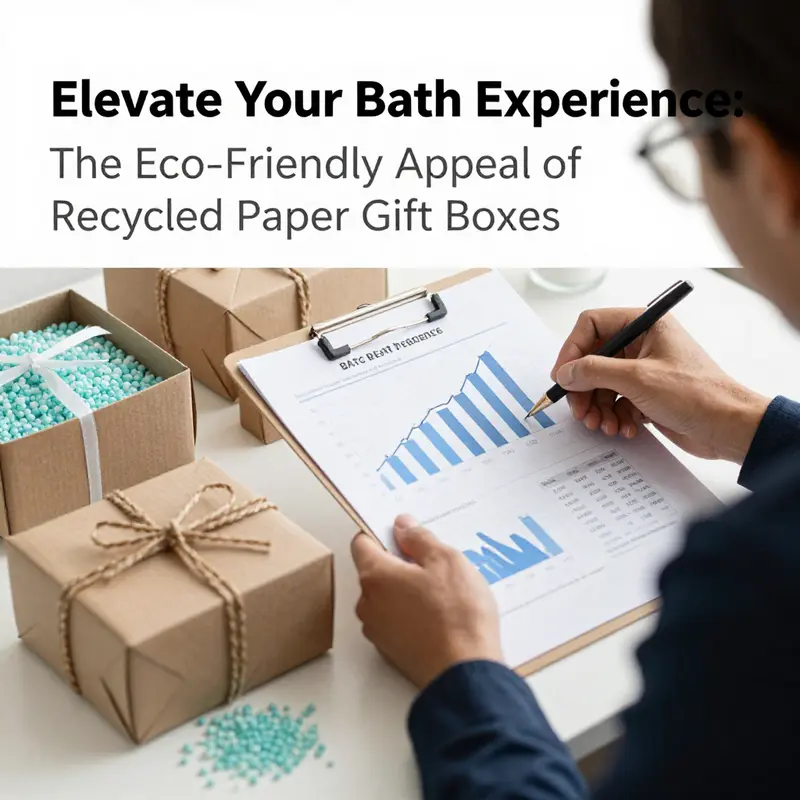
Counting the Gains: Economic Advantages of Recycled Paper Gift Boxes for Bath Beads
Switching to recycled paper gift boxes for bath bead packaging changes the economics of a small luxury product. The shift is not just symbolic. It shifts costs across production, marketing, logistics, and regulatory risk. For brands that sell sensory, giftable items like bath beads, packaging is part of the product. Using recycled paperboard alters both the bottom line and the perceived value in ways that often compound to produce measurable financial benefits.
At the production level, recycled paper and cardboard usually cost less than virgin materials. Processing recycled fiber is less energy and water intensive. That reduced resource use translates into lower utility and processing bills at the mill. For manufacturers buying paperboard in bulk, this difference can lower unit costs by a meaningful percentage. Even modest per-unit savings matter for bath bead boxes because they are often produced in the hundreds of thousands once a design proves successful. Lower material cost per box scales into lower overall manufacturing expenses and improves gross margins.
Savings are not confined to raw material price. Recycled board can reduce manufacturing cycle costs. It tends to require less intensive bleaching and chemical processing. That simplifies quality control steps and shortens lead times at the supplier. Shorter lead times improve cash flow. They allow brands to hold less safety stock and respond faster to seasonal demand spikes, such as gift-giving periods when bath beads sell well as small luxuries. Reduced inventory carrying lowers interest expense and storage costs, which are real line items for growing companies.
Logistics and handling also influence the economics. Recycled paperboard can be engineered for strength while remaining lightweight. That creates opportunities to reduce freight costs. Lighter, stackable boxes save space and reduce shipping fees when moving product from factory to warehouse and then to retail or fulfillment centers. Packaging optimized for compactness also supports direct-to-consumer channels, lowering per-order shipping costs and improving delivery margins for e-commerce sales.
Beyond direct cost savings, recycled paper gift boxes unlock marketing and pricing advantages. Consumer studies show a growing willingness to pay more for products with sustainable packaging. For bath beads marketed as indulgent or artisanal, a recycled paper gift box enhances storytelling. That perceived value lets brands command a modest premium without turning off price-sensitive buyers. The premium often offsets any customization or finishing costs needed to make recycled boxes feel premium—such as textured papers, embossing, or spot coatings that are compatible with recycled fibers.
Brand value accrues over time. Consumers who prefer eco-friendly products tend to be more loyal. Loyalty reduces customer acquisition costs. Repeat buyers provide a steadier revenue stream and higher lifetime value. When a customer chooses bath beads in a recycled gift box, the packaging becomes a signal of brand values. That signal can improve retention and create word-of-mouth that substitutes for paid marketing. In effect, the packaging functions as both a physical container and a lower-cost marketing channel.
Market differentiation matters in crowded categories. Bath and body items are visually driven and frequently compared on shelf or online. Recycled paper gift boxes allow brands to stand apart without resorting to gimmicks. They align with global sustainability trends and with increasing retailer preferences for eco-friendly assortments. Merchants and marketplaces now favor vendors who minimize plastic use. That preference can translate into better shelf placement, featured promotions, or easier onboarding with large retailers. These distribution advantages translate to higher sales velocity and lower promotional discounts over time.
Regulatory and compliance economics are often overlooked but can be decisive. Jurisdictions worldwide are tightening packaging waste rules. Proactively adopting recyclable materials reduces exposure to future taxes, fees, or compliance costs linked to extended producer responsibility schemes. Early adopters avoid abrupt retooling expenses if regulations change. In this sense, recycled boxes are an insurance policy. They lower the risk of sudden capital expenditures and protect margins from future policy-driven cost shocks.
There are trade-offs to consider. Custom finishes, foiling, or heavy varnishes can complicate recyclability. Brands must budget for design choices that keep boxes recyclable. That may mean selecting water-based inks, simpler adhesives, or alternative finishing techniques. However, these choices often carry lower or comparable costs when ordered at scale. And the incremental marketing benefit of truly recyclable packaging can outweigh any design limitations. Efficient design alignment between sustainability and visual appeal tends to reduce the total cost of ownership over the product lifecycle.
Lifecycle thinking reveals additional economic upside. Using recycled paper reduces environmental externalities. Lower upstream emissions and water use diminish the carbon footprint attached to each box. That improvement can qualify a brand for sustainability certifications and retailer green programs. Certification often unlocks promotional opportunities and institutional contracts. In procurement situations, certified sustainable packaging can be a deciding factor for buyers with sustainability mandates. The economic effect is increased access to premium channels and institutional clients.
Production partnerships and supplier ecosystems are evolving with demand. As more brands commit to recycled materials, economies of scale kick in across the supply chain. Suppliers invest in improved recycled fiber processing, which further reduces costs and raises quality. For brands, this creates a positive feedback loop; higher demand reduces unit cost, which in turn makes recycled boxes more accessible for a broader range of SKUs, including limited editions and gift bundles.
A final but crucial point is risk-adjusted return on investment. When a brand swaps conventional packaging for recycled paper gift boxes, it should measure not only immediate material savings but also changes in marketing ROI, customer lifetime value, logistics spend, and regulatory risk. In many scenarios, the combined effect creates a superior financial profile. For boutique bath-bead brands, the move often pays back through higher margins and repeat purchase rates. For larger brands, the shift supports scale benefits and strengthens retailer relationships.
For an operational example of recyclable pulp applications that parallel these benefits, see the discussion of eco-friendly pulp cup holders and related packaging innovations. That resource provides practical context for how recycled pulp materials can be adapted to consumer goods and gift packaging: eco-friendly recyclable pulp cup holder.
For additional evidence tying recycled paper packaging to measurable environmental and economic benefits, consult the referenced study from MDPI. It summarizes eco-design outcomes, consumer perception data, and lifecycle implications that support the economic case outlined here. https://www.mdpi.com/2075-163X/13/4/978
Packaging Preference Pulse: Why Recycled Paper Gift Boxes Dominate Bath Bead Buying Decisions
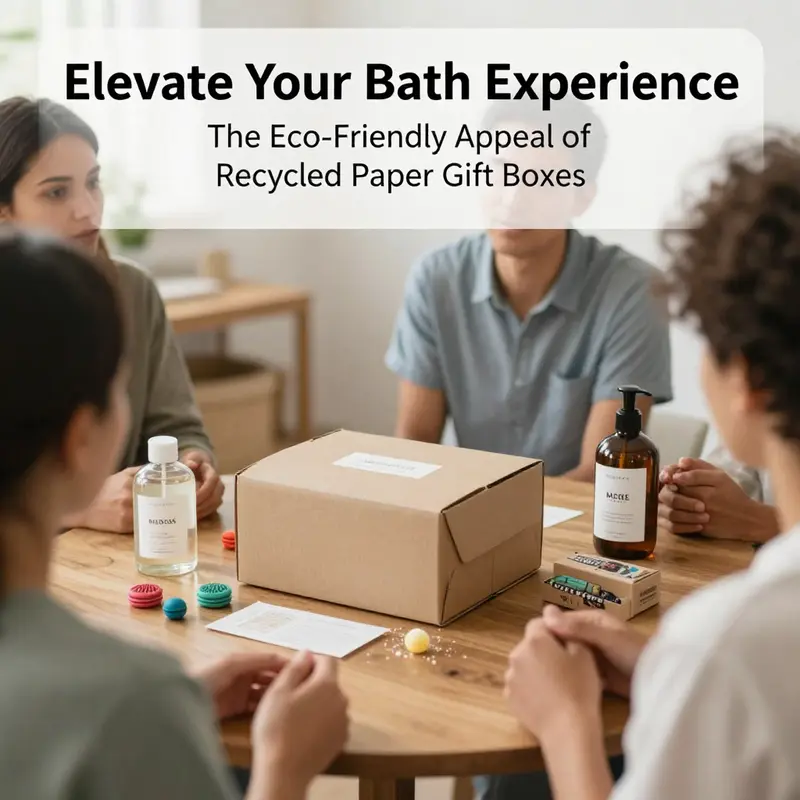
Consumer priorities are reshaping packaging choices for bath beads. As shoppers seek products that reflect their values, packaging has shifted from a neutral afterthought to a clear expression of brand ethics. Recycled paper gift boxes now serve both functional and symbolic roles. They protect delicate bath beads while signaling a commitment to sustainability.
Buyers expect packaging to align with product claims. When a bath bead promises natural ingredients and gentle fragrances, packaging made from 100% post-consumer recycled paper amplifies that promise. Consumers see such boxes as evidence of consistency. This perceived alignment reduces cognitive dissonance after purchase. It builds trust and long-term loyalty.
Younger demographics are particularly decisive. Millennial and Gen Z shoppers prioritize ethical consumption. They prefer brands that reduce waste and conserve resources. Recycled paper gift boxes answer this demand directly. They lower reliance on virgin wood pulp and cut production energy and water use. For many buyers, choosing a product in recycled packaging is a small daily act of environmental stewardship.
Design innovation has been essential in expanding the appeal of recycled packaging. Matte finishes, soft-touch coatings, and subtle textures now transform simple boxes into luxury carriers. Foil stamping and restrained embossing create impact without sacrificing recyclability. Designers increasingly use minimal inks and single-material constructions to ensure end-of-life compostability. These choices maintain an upscale feel while preserving sustainability credentials.
Regional tastes affect design choices. In markets where aesthetic and wellness culture intersect, like South Korea, consumers expect packaging to be beautiful and mindful. There, the visual language of health and calm pairs well with soft neutral tones and tactile paper textures. Brands that integrate these design cues show greater resonance with local shoppers.
Function matters as much as form. Bath beads are fragile and prone to moisture. Recycled paper gift boxes provide structural protection while being customizable to include inner supports or small moisture barriers made from compostable materials. This combination reduces breakage, improves shelf presentation, and maintains the eco story. Buyers appreciate visible reinforcements such as inner trays and snug-fit lids. They interpret these features as signs of quality and care.
Certifications and transparency influence buying decisions. Labels such as FSC certification and clear statements about post-consumer content help shoppers evaluate claims quickly. Certifications reduce skepticism. They also support marketing copy that remains credible. Consumers are wary of vague sustainability language. They respond better to specific metrics, like percentage of recycled content and details on compostability.
Price sensitivity is nuanced. Many buyers accept a modest premium for packaging that aligns with their values. However, sensitivity increases for lower-cost bath bead offerings. For premium or giftable bath bead lines, recycled paper gift boxes are essential. They justify higher prices and enhance perceived value. For mass-market items, brands must balance recycled content with cost-effectiveness. Bulk ordering and simplified designs can lower unit costs while retaining an eco-friendly image.
Customization is a strong market lever. Personalized prints, window cutouts, and insert geometry allow brands to create unique unboxing moments. Consumers frequently share such moments on social media. Packaging that photographs well amplifies organic reach. Brands can limit decorative elements to recyclable or compostable materials. This preserves both aesthetic appeal and environmental integrity.
Supply chain considerations are practical constraints for brands. Sourcing sufficient volumes of high-quality recycled board requires planning. Lead times can be longer than for conventional materials. Working with suppliers who specialize in recycled substrates helps ensure consistent color and texture. It also reduces the risk of costly production delays. Many manufacturers now offer scalable runs designed for small-batch artisans and larger commercial scales alike.
Complementary eco-friendly items enhance the overall brand narrative. For example, sustainable holders and merchandising fixtures strengthen the in-store story. When adding such elements, ensure they share the same recyclability or compostability standards. For reference, some companies produce supportive packaging items like an eco-friendly recyclable pulp cup holder that illustrate how secondary pieces can match the primary packaging ethos.
Marketing messaging must be precise. Emphasize verifiable environmental benefits. Highlight metrics such as reduced carbon footprint, water savings, and percentage of post-consumer content. Avoid broad claims that invite skepticism. Instead, tell a concise, factual sustainability story on the box or on attached inserts. This transparency resonates with informed buyers and helps convert first-time purchasers into repeat customers.
The market trajectory favors those who act early. Forecasts show strong growth for the bath beads category. Brands that adopt recycled paper gift boxes can align with this expansion and stand out. Sustainability is no longer a niche luxury. It is an increasingly mainstream purchasing filter. Early adopters will gain brand recall and shelf differentiation as demand accelerates.
Retail dynamics also reinforce the appeal of recycled packaging. Brick-and-mortar buyers often evaluate tactile qualities in person. A high-quality recycled box invites touch. It signals artisanship and authenticity. Online shoppers, by contrast, rely on visual cues. Clear product photography and detail shots of packaging textures help convey the in-person experience. Both channels benefit from consistent imagery and descriptions.
Circularity measures are gaining purchase. Brands that design packaging for reuse or composting reduce their environmental footprint and appeal to conscious shoppers. Simple suggestions printed on the box can guide consumers on how to recycle or compost properly. This small gesture reduces contamination and improves recovery rates.
For brands deciding whether to switch, the case is compelling. Recycled paper gift boxes protect products, elevate brand perception, and reflect values buyers increasingly demand. They also open storytelling opportunities around ethics and design. Companies that invest in credible certifications and thoughtful, scalable designs will find long-term benefits. This packaging choice is both a responsible environmental act and a strategic market differentiator.
For further reading on the environmental impact of conventional wrapping and the need for alternatives, see the Clean Air Council’s analysis of wrapping paper waste and its effects on waste streams: https://www.cleanaircouncil.org/2024/12/18/wrapping-paper-waste-statistics/
Final thoughts
Recycled paper gift boxes present a compelling solution for packaging bath beads. Not only do they cater to the growing demand for sustainable products, but they also provide brands with the opportunity to enhance their aesthetic appeal and market competitiveness. As consumers increasingly favor eco-friendly options, adopting recycled packaging can offer significant advantages to businesses in their branding and environmental efforts. Together, through innovation and awareness, we can embrace a greener future that prioritizes both luxury and sustainability in product presentation.