
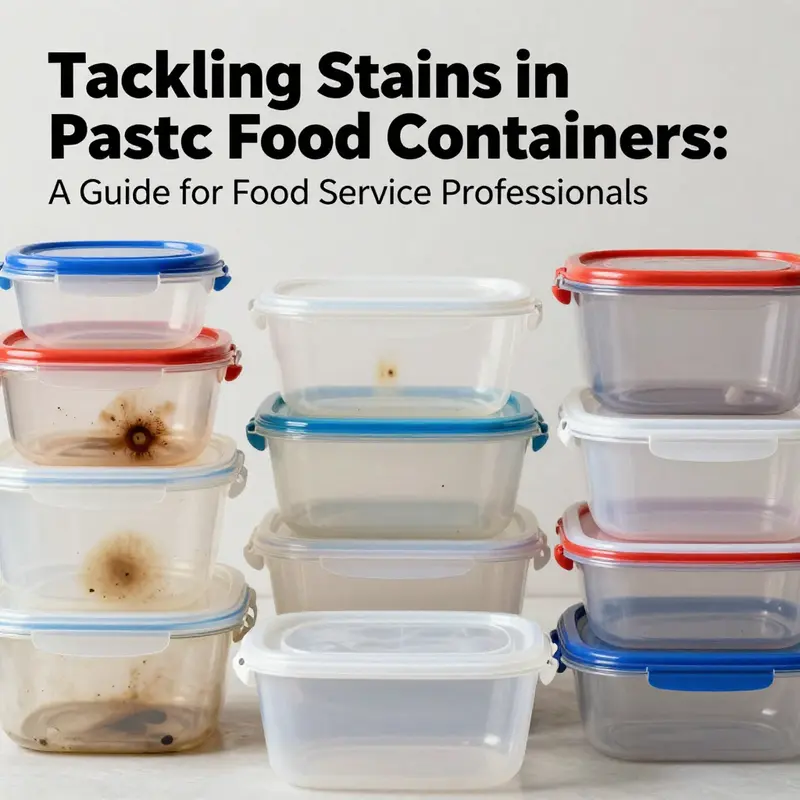
In the competitive food service industry, maintaining a clean and appealing presentation of products is essential. Plastic food containers, widely used for storing and serving delicious offerings, can become stained over time due to exposure to various food pigments and high temperatures. Businesses ranging from bubble tea shops to catering services often face this challenge, which can impact customer perception and overall hygiene. This guide addresses the issue of staining in plastic food packaging containers, exploring the underlying causes, regulatory standards governing materials used, effective cleaning techniques, and sustainable alternatives. By understanding these dimensions, you can enhance your operational efficiency and ensure that your presentation aligns with the quality of your culinary offerings.
Stains, Standards, and Safer Storage: Navigating Plastic Food Containers in France
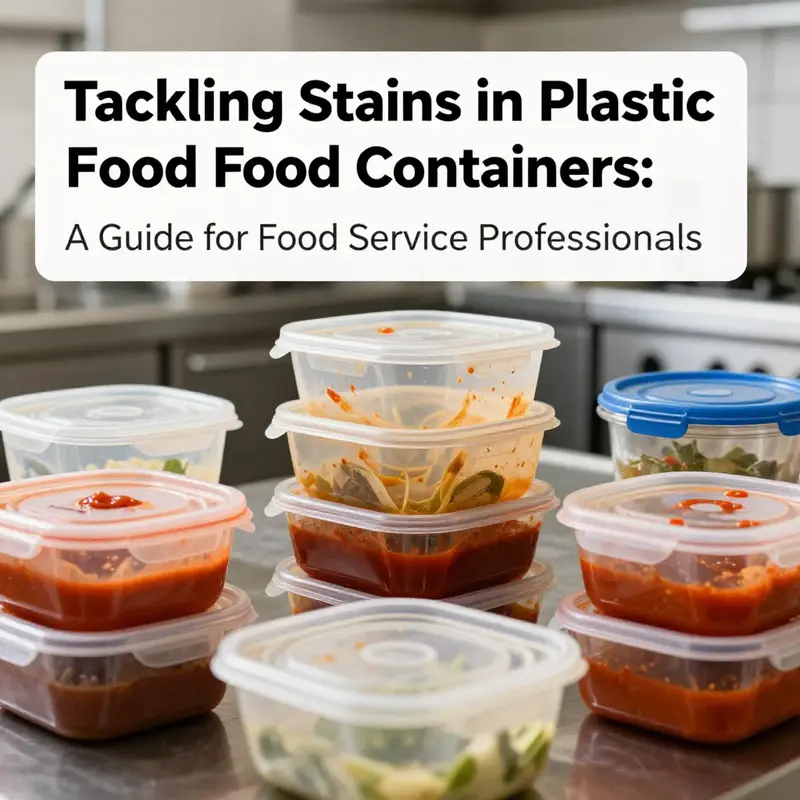
Stains in plastic food containers are more than a cosmetic nuisance; in France they illuminate a web of material science, safety regulations, and everyday practices that shape what ends up on our shelves and in our fridges. When turmeric brightens a lid, or a tomato sauce leaves a stubborn ring around the rim, the stain tells a story about pigment uptake, surface texture, heat exposure, and the life cycle of the container. In French households and professional kitchens, the question is not simply how to remove a mark, but how to minimize the risk of chemical migration, preserve hygiene, and choose packaging that aligns with both safety standards and sustainable aspirations. The broader context is European, but it is France that often frames the conversation through its agencies, its inspectors, and its public health messaging, which together guide what plastics are considered appropriate for food contact and under what conditions they should be used and cleaned.
Staining is intimately connected to the materials that dominate food packaging in France. PET, PP, PS, and newer polyesters marketed as BPA-free alternatives all have distinct interactions with foods. PET is prized for clarity and barrier properties, especially in beverages and dairy packaging, yet it can accumulate micro-scratches or discolor slightly when exposed to harsh detergents or high heat. Those tiny imperfections can become micro-havens for pigments and oils, making a once-clean container appear stained after repeated use. PP, celebrated for its rigidity and thermal tolerance, resists some staining but is not immune, particularly when exposed to high heat or fatty, highly pigmented sauces. PS, often selected for takeout and portion-controlled meals, has a notorious propensity to absorb oils and pigments from certain foods. Its porous-ish surface can trap dye-like compounds, leading to persistent, almost stubborn stains that also raise hygiene concerns because residues can linger in nooks and crannies if cleaning is insufficient. Tritan, a BPA-free copolyester, is marketed as a safer, more durable option for reusable containers and drinkware. It tends to resist staining better than PS and PTA-based materials, but it is not a universal shield against pigment uptake, especially when faced with repeated exposure to hot liquids and strong pigments.
France, following European Union guidelines, regulates plastic packaging that comes into contact with food through Regulation (EC) No 1935/2004 and its amendments. The core principle is safety: packaging materials must not transfer substances into food that could endanger health or alter the food’s composition. Agencies such as ANSES (the French Agency for Food, Environmental and Occupational Health & Safety) regularly assess materials and provide guidance on which polymers are deemed suitable for particular uses and conditions. These standards are not only about leaching tiny molecules; they also address how heat, microwaving, long-term storage, and repeated use affect the integrity of the packaging. The implication for staining is subtle but meaningful: as materials age or are stressed by heat, their surfaces can become more receptive to pigments or oils, and the risk of migration in heated conditions can rise, even if the container is labeled as food-safe.
For consumers, this translates into practical, daily decisions. One key recommendation is to limit the storage of highly pigmented foods—such as curry sauces, turmeric-rich mixtures, or berries—in plastic containers for extended periods, especially when heat is involved. The risk is twofold: visible staining and the potential, albeit regulated, increase in chemical migration under certain circumstances. If a container is consistently exposed to heat—think reheating in a microwave without a microwave-safe label, or storing hot leftovers—it is wise to scrutinize the container’s labeling and to favor materials explicitly rated for such use. In many households in France, this translates into choosing containers that are BPA-free, labeled as microwave safe, and designed for repeated use, while being mindful of the dishwasher cycle and the risks of aggressive cleaning agents that can erode surface coatings over time.
The everyday dance of cleaning and maintenance is where the theory meets practice. Mild detergents and warm water are the recommended starting point for removing residues that contribute to staining or odor retention. Abrasive sponges and harsh chemicals are discouraged because they can scratch the surface, creating micro-roughness that traps pigments and oils more readily. After washing, it matters that containers are thoroughly dried before stacking or storing. A damp surface invites microbial growth in the warm, enclosed spaces of kitchen cupboards, and it can also facilitate the reabsorption of moisture and odors into porous microstructures that might have formed during past uses. In a climate like France’s, where kitchens and cupboards experience varied humidity and heat, ensuring dryness is part of a comprehensive hygiene strategy that reduces the likelihood of stain persistence and odor retention over time.
From a material-safety perspective, a key tension exists between the convenience of plastic and the durability promises of alternatives. Glass and stainless steel boast non-porous surfaces that resist staining and odor absorption, and in France these materials have gained traction among consumers seeking long-term storage solutions and a sense of “cleanability” that remains consistent through many cycles of use. Glass, with its inert surface, does not interact with pigments in the same way as some plastics, and stainless steel offers robust resistance to staining and odor absorption. The trade-offs, of course, involve weight, breakability, cost, and, ultimately, the ecological footprint of production and end-of-life disposal. In many French households, the shift toward these alternatives reflects a broader sustainability conversation, one that weighs consumer convenience against environmental impact and long-term safety concerns.
The cultural and regulatory landscape in France reinforces a careful approach to storage, not merely a reactive stance against stains. The public health framework emphasizes that materials marketed for food contact must maintain their integrity under expected conditions. This includes not only ordinary storage in the fridge or pantry but also the more demanding scenarios of reheating, freezing, and repeated washing in domestic dishwashers. French guidance urges consumers to pay attention to labeling—labels that specify suitability for hot food, dishwasher use, and whether a container is intended for repeated use. When these signals are present, they offer a tangible assurance that the container’s surface chemistry has been considered against pigment uptake and heat exposure. Yet the guidance also recognizes the practical reality: stains can appear even on well-made containers, especially after lengthy use or when stored with highly pigmented foods for extended periods. The question then becomes how to balance ideal conditions with everyday realities—how to enjoy the convenience of plastics while leaning into best practices that minimize staining, maintain hygiene, and safeguard health.
In terms of practical steps, household routines matter. Start with the choice of container. If you anticipate frequent exposure to strongly colored ingredients or reheating, consider containers explicitly designed for repeated heating and labeled as dishwasher safe and food-grade. When cleaning, avoid aggressive scrubbing that can scratch the surface; use a soft sponge or cloth with a mild detergent. After washing, ensure containers are fully dry before stacking to prevent trapped moisture, which can contribute to odor retention and microbial growth. For those who want to minimize staining altogether, limiting the duration that paprika, turmeric, or deep red sauces spend in plastic can be a straightforward measure. If a stain appears despite best practices, it does not automatically signify unsafe storage. It may indicate surface interaction with pigments and a degree of absorbed residue that has become visually persistent due to micro-surface irregularities. In such cases, a careful deep-clean or a switch to an inert container can restore the perception of cleanliness while staying within safety guidelines.
The discourse around materials is also evolving with sustainability in mind. In recent years, there has been increased attention in France and across Europe to the lifecycle impacts of packaging, including the trade-offs between plastic, glass, and metal. While plastic offers lightweight convenience and robust barrier properties, concerns about long-term environmental impact push some consumers toward glass or stainless steel, particularly for frequent, long-term storage. This shift is not simply a fashion; it arises from a nuanced assessment of durability, chemical safety in heated storage, and the desire for products that resist staining and odor retention over many cycles. The regulatory environment supports informed decision-making by providing clear criteria for safety and suitability, but it also respects consumer choice as long as that choice aligns with the principles of safe contact with food and environmental stewardship.
To connect these ideas to lived experience, consider the visual drama of a stained lid after weeks of turmeric-rich curry or berry compote. The stain is a visible reminder of how pigments interact with surface textures and how heat and time can accelerate changes in a container’s appearance. Yet it also serves as a prompt to review storage habits: rotate containers so that those with the oldest use remain in front, rinse promptly after use, and avoid leaving pigments to linger in a closed container for days. Small, consistent routines can reduce the frequency and intensity of staining, while preserving the integrity of the packaging and the safety of the stored food. For households exploring packaging alternatives, options such as kraft paper-based bowls and other paper-packaging solutions represent a different approach to early-stage staining concerns, emphasizing surface properties and barrier performance that are distinct from those of plastics. See an example of such options here: disposable-700ml kraft paper bowl take-out octagonal rectangle paper bowl.
As the conversation about packaging in France continues to evolve, the central message remains practical and grounded: staining is a window into material behavior, but it does not necessarily indict a container’s safety. The safer path is to combine informed material choices with conscientious cleaning and mindful storage. When heat is involved, double-check the label for microwave compatibility and consider whether a switch to a different material—glass or stainless steel for long-term storage, for example—might align better with your daily routine and values. In kitchens across the country, this approach translates into a balanced stance that values hygiene, safety, and sustainability while recognizing the realities of modern cooking and meal planning. The goal is not perfection in appearance but reliability in performance, ensuring that what you store remains safe, fresh, and free from odors and pigments that could compromise future use.
For readers seeking official guidance and up-to-date standards, public health authorities offer detailed resources that help translate these concerns into concrete actions. The French public health authorities provide a framework for understanding how materials interact with food under different conditions, including high temperatures, prolonged storage, and repeated use. This guidance supports informed consumer choices and encourages ongoing attention to labeling, safety assessments, and best practices in cleaning and storage. For official guidance on food-contact materials and regulatory considerations in France, consult resources from public health and environmental agencies. [External resource: https://www.santepubliquefrance.fr].
Stains, Standards, and Sensory Safety: France’s Regulatory Lens on Color Migration in Plastic Food Containers
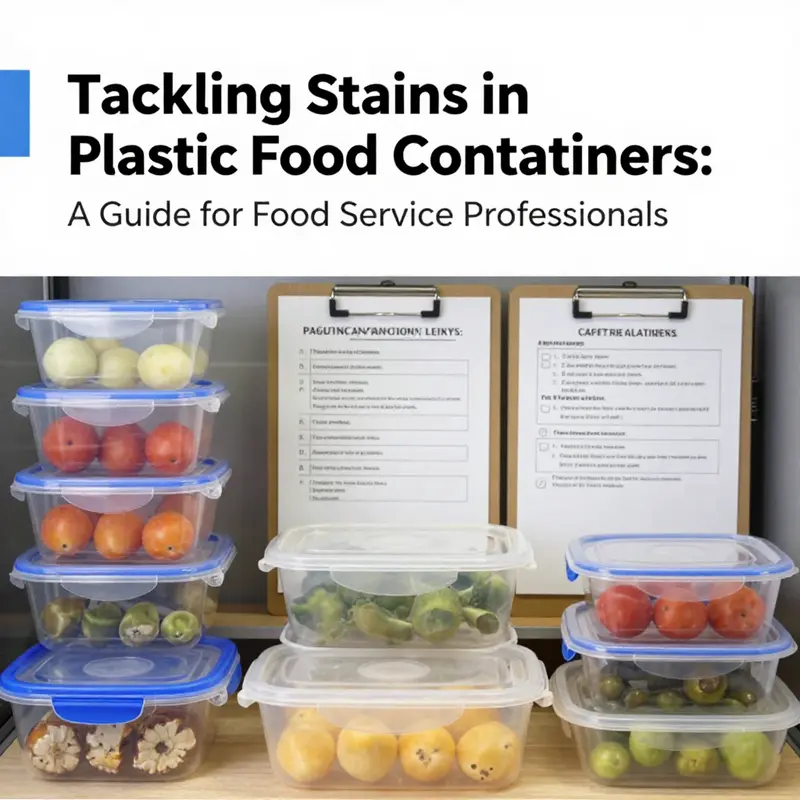
The sight of a vivid blue berry stain on a white storage container, or a turmeric-hued smear clinging to the inside of a plastic box, is more than a cosmetic nuisance. It is a reminder that the surfaces designed to protect the food we eat are not just barriers to microbes and leaks; they are guardians of perception, cleanliness, and safety. In France, as in much of Europe, the regulation of plastic food packaging containers rests at the intersection of chemical safety and physical performance, with a sharp emphasis on how color and pigment can migrate or leach, even when the material meets traditional safety standards. The concern is not only about whether substances migrate into food at levels that are detectable by standard chemical tests, but also whether the appearance of the food and the container remains free of visible contamination that could undermine consumer trust. This sensory dimension of safety, often summarized in terms of staining and color migration, has become a central consideration for manufacturers, retailers, and regulators alike.
To understand how staining is addressed in France, it helps to follow the regulatory logic through the broader European framework. Plastic packaging that comes into contact with food must comply with the key European rules on food contact materials (FCMs), most notably the framework established by EU 1935/2004 and the plastics-specific provisions of EU 10/2011. These regulations anchor safety in chemical migration limits and set the baseline for how much material can transfer to food under normal use. But beyond those chemical thresholds, regulators ask a more nuanced question: does color or pigment actually transfer in a way that a consumer can see? In other words, even if a plastic container is chemically compliant, it can still fail if there is perceptible color migration when it is used with certain foods or in particular environments. This sensory criterion is explicitly captured in regulatory guidance that recognizes the importance of consumer perception as a component of overall compliance.
A turning point in the current discourse around color migration comes with the more specific stipulations around color transfer from colored utensils and coatings to food simulants. The Technical Barriers to Trade Notification 2026/2, published early in 2026, underscores that for disposable plastic products intended for food storage—especially those that are printed, dyed, or coated with color—the color migration to simulants should not be visually perceptible. This is a decisive standard: even if the overall migration limit remains within the conventional ceiling (commonly around 10 mg/dm² or similar numerical benchmarks under total migration testing), any visible color transfer during contact with food simulants renders the product non-compliant. The practical consequence is that color migration is treated not as a secondary concern but as a decisive criterion for compliance, one that directly affects how products are designed, tested, and marketed in the French and EU markets.
France’s adoption of these principles is not merely a matter of abstract regulatory alignment. It reflects a broader concern about the sensory experience of food storage and the trust that consumers place in packaging. When staining occurs, it can mislead consumers about food freshness, contamination, or quality, even if the actual chemical risk remains within safe limits. In a market where households often reuse containers for a variety of foods, the ability of a container to resist staining—without absorbing odors or transferring color—becomes an essential attribute. For food manufacturers and distributors, this translates into a demand for materials and designs that minimize pigment uptake, as well as for labeling and guidance that helps consumers use and care for containers in ways that preserve appearance and performance over time.
The practical implications of these standards reach into both materials selection and product design. Polyethylene (PE) and polypropylene (PP), widely used for their food-grade safety, chemical resistance, and relative affordability, must be evaluated not only for their safety in terms of leaching but also for their color stability and resistance to staining under anticipated usage. In addition to choosing the right resin and additives, manufacturers consider the effect of heat, storage duration, and the presence of strong pigments in foods. Turmeric, beets, berries, tomato sauces, and other pigment-rich foods are common culprits in staining scenarios. High temperatures can exacerbate pigment diffusion and odor absorption in porous or partially porous plastic surfaces, especially when containers are reused repeatedly without thorough drying in between uses. Consequently, manufacturers emphasize surface integrity, non-porosity, and the use of color-resistant inks or coatings when printing or decorating containers that are intended for food contact.
From the consumer’s perspective, the guidance is straightforward and practical. Cleanliness becomes more than a routine; it is a barrier to sensory failure. A mild detergent with warm water, gentle hand washing or dishwasher cycles that respect the material’s performance claims, and thorough drying are all part of a hygienic regimen that minimizes residual staining and odor retention. Abrasive sponges and harsh chemical cleaners—especially those with strong solvents or bleaching agents—can alter surface characteristics, remove protective coatings, or damage the barrier properties of the container. The aim is to maintain a clean, non-porous surface that resists pigment takeup and odor absorption. In practice, this means users should avoid aggressive cleaning methods and should prefer high-quality containers that explicitly declare dishwasher safety and food-grade certification. The emphasis on complete drying cannot be overstated; residual moisture can contribute to microbial growth on storage surfaces and can also influence color stability by facilitating pigment transfer during subsequent contact with foods.
The French market has increasingly welcomed alternatives when staining and odor retention become persistent concerns. Glass and stainless steel containers, with their non-porous, non-absorptive surfaces, offer durability and resistance to both color migration and odor retention. In contexts where long-term storage, frequent washing, and exposure to varied food types are common, these materials present compelling advantages. The shift toward glass and metal reflects a broader sustainability and safety narrative that resonates with French consumers—one that prioritizes long-term durability, ease of cleaning, and the avoidance of cumulative staining over repeated cycles of use. Yet this shift does not diminish the central role of plastic packaging standards. Rather, it sits alongside them as part of a spectrum of packaging choices that balance convenience, cost, and safety, while still foregrounding regulatory expectations about color migration and sensory quality.
The regulatory landscape that shapes these expectations also carries an implicit message about trust and transparency. When a container is designed to prevent color migration, it signals to the consumer that retailers and manufacturers are attentive to not only the chemical safety of materials but also the visual and sensory integrity of the food experience. This is particularly important in a country with a strong culinary culture where the appearance of food and its packaging matters as part of the overall perception of quality. The interplay between safety and aesthetics—between what is permissible under the law and what is desirable for everyday use—drives continuous improvement in materials science, product design, and consumer education. It invites ongoing dialogue among policymakers, industry players, and end users about how best to harmonize stringent safety standards with practical usability and sustainability goals.
France’s approach does not exist in isolation. It is embedded within European Union frameworks that emphasize traceability, risk assessment, and the minimization of chemical migration while also safeguarding the sensory character of food products. The emphasis on color migration in particular reflects a nuanced understanding of consumer behavior: visible staining can undermine confidence even when chemical migration tests confirm safety. As the regulatory environment evolves, manufacturers must anticipate not only the letter of the limits but also the spirit of consumer expectations. They must design packaging that remains visually clean after repeated use, withstands the rigors of cleaning, and preserves the intended sensory attributes of the contained foods. In doing so, they contribute to a packaging ecosystem in France that values safety, aesthetics, and sustainability in equal measure.
For those seeking additional regulatory context and official guidance, the Food Standards Agency (FSA) in the United Kingdom provides a widely referenced resource that aligns with EU regulations applicable to France and other member states. The FSA offers a thorough overview of color migration, total migration limits, and microbial considerations for plastic food contact materials, serving as a practical companion to national and EU-level rules. While not a French authority, the FSA’s interpretations are widely cited in English-language discussions of FCM compliance and provide accessible explanations of how color stability integrates with overall safety standards. To dive deeper into these standards, readers may consult the external resource linked below, which reflects the consensus on how color migration is treated alongside chemical safety in plastic food contact materials across Europe.
In the end, the staining debate in France is not a simple matter of aesthetics. It is about aligning material science with consumer psychology and public health. It is about ensuring that the containers we reuse daily do not alter the appearance of the foods we store, that the foods themselves do not leave visible traces that could mislead, and that the foods remain safe even as they pass through the practical realities of household life. The regulatory emphasis on color migration underscores a forward-looking approach to packaging—one that values sensory integrity as a component of safety, and that seeks to maintain trust in the everyday act of storing and transporting food. It is a reminder that safety standards, while deeply technical, ultimately aim to preserve the dignity of the eating experience and the confidence with which people eat what they store. As policy and industry continue to adapt, the conversation around stains, migration, and sensory quality will remain a central thread in France’s evolving packaging landscape.
External reference for further context on regulatory frameworks and color migration standards: https://www.food.gov.uk/food-safety-and-labelling/plastic-food-contact-materials
Stains, Solutions, and Sustainability: Cleaning Plastic Food Containers in France
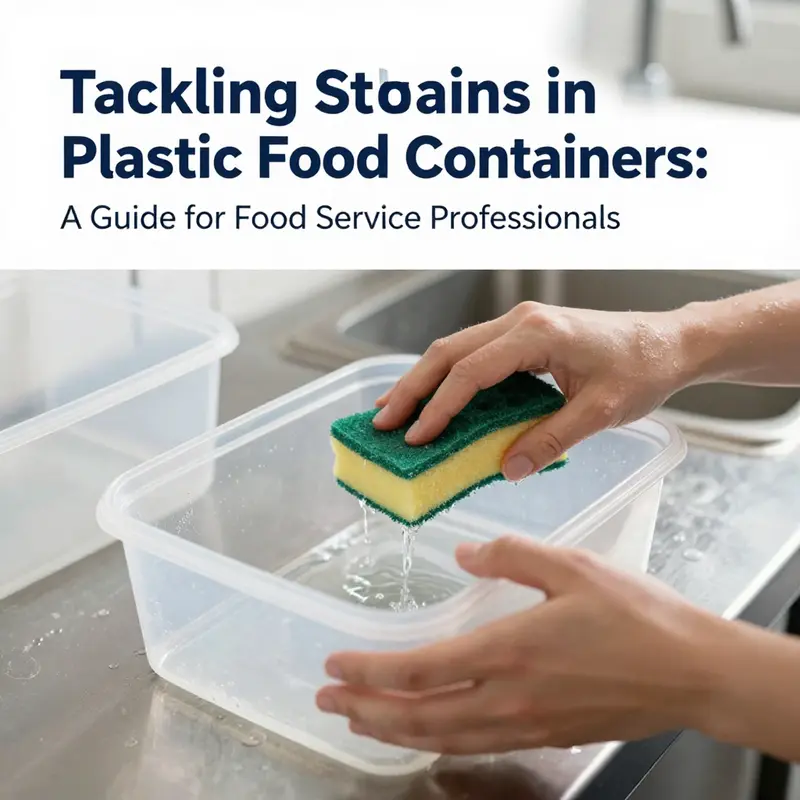
In France, household containers for leftovers and meal prep are not just practical tools but part of a broader conversation about safety, hygiene, and environmental responsibility. The way plastic containers stain or retain odors can reveal how materials interact with foods, how people clean, and how manufacturers frame the long-term use of reusable packaging. French regulators focus on food-contact safety and emphasize that plastics marketed for repeated use meet strict standards for migration and durability, as part of a culture that values both care in the kitchen and stewardship of resources.
A core cleaning approach combines accessibility with safety. A gentle baking-soda paste can lift grease and disguised residues without abrading the surface. The science is straightforward: sodium bicarbonate acts as a mild abrasive and a mild base that helps loosen oils while preserving the polymer. Rinsing after a paste treatment is important to remove any chalky residue. For more persistent staining, a soak in a solution of white vinegar and warm water can help dissolve mineral deposits and refresh odors. In many French households, lemon juice is readily available and provides a natural boost due to citric acid, which can cut through oily films and brighten by sunlight can help with final clarity when used in combination with thorough rinsing.
Hard water in some regions leaves chalky rings or cloudy patches inside containers. Citric acid from lemon juice or a targeted lemon-vinegar combination can help dissolve mineral deposits, followed by a thorough rinse. The approach aligns with sustainability values by avoiding harsh, synthetic cleaners while still delivering practical results. If you run a dishwasher, choosing cycles that balance heat and detergents with plastic safety advice can help preserve clarity, though many people prefer hand washing for high-pigment foods or colored containers.
Prevention matters as much as treatment. Avoid exposing plastic to very high heat, and keep containers out of direct sunlight to slow UV-induced yellowing. Dry containers completely before stacking to prevent musty odors and microbial growth. When choosing containers, look for clear labeling that indicates BPA-free, food-safe materials and advisable dishwasher safety. Inspect for cracks or deep scratches, which can harbor residues and encourage faster degradation. With aging containers, the benefits of replacing old items can outweigh the desire to squeeze more use from a compromised surface. The broader French context—emphasizing precaution, safety labeling, and sustainability—shapes everyday decisions about what to reuse and how.
A shift toward durability can be part of a practical, culturally aware strategy. Many households already diversify storage by material, preferring glass or stainless steel for long-term use, particularly for high-pigment foods or frequent meal prep. These non-porous surfaces resist staining and odor transfer more reliably and are easier to sanitize comprehensively. Adopting a mixed approach reduces waste and aligns with circular-economy aims without sacrificing convenience or safety. If plastic remains essential for some applications, choosing high-quality, food-safe options and replacing them as they show wear is a prudent compromise. In French households, the path toward safer, longer-lasting storage reflects both personal hygiene habits and macro-level policy expectations that prioritize safe packaging and environmental stewardship.
For readers exploring alternatives, consider gradually introducing non-plastic containers into routine storage for portions prone to staining, such as sauces or turmeric-rich meals. The choice to expand beyond plastic can reinforce hygiene and reduce the frequency of intensive cleaning. Sustainable storage choices can complement practical routines, strengthening confidence that containers remain clean, safe, and ready for reuse.
Beyond Stains: Rethinking France’s Food Storage with Safer, Sustainable Alternatives
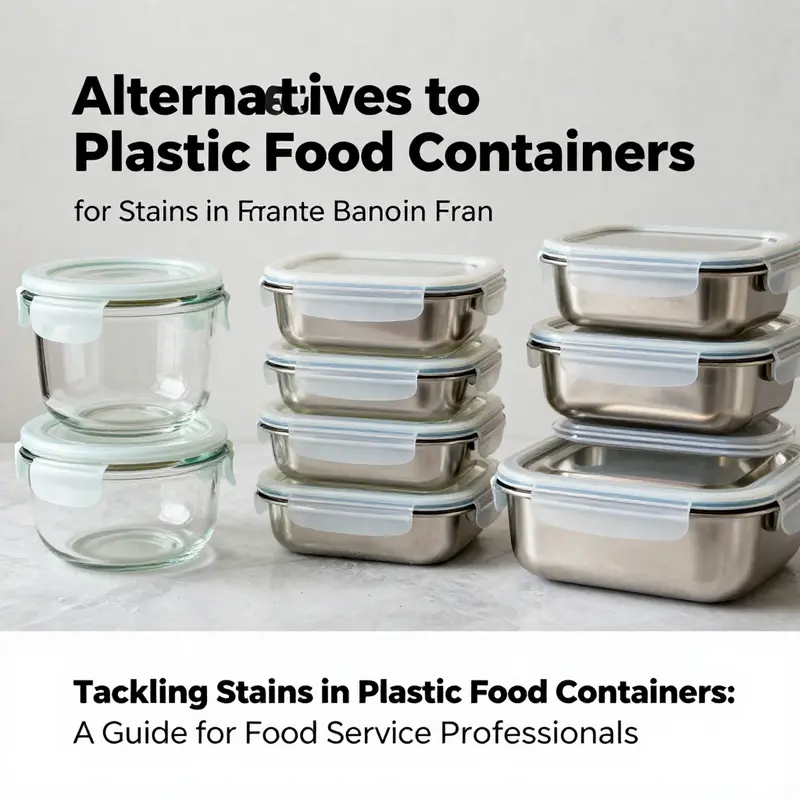
Stains on plastic containers often seem like a small domestic nuisance, yet they reveal a broader tension in how households store food and how markets shape our daily choices. In kitchens across France, as in many parts of Europe, the promise of plastic packaging—convenience, lightness, and low cost—meets the realities of pigments from the foods we love, and the heat of everyday use. Turmeric, berries, tomato sauces, beet juice, and other deeply pigmented staples inevitably leave a mark on the interior of containers. Even when the plastics used for food contact are among the safer, more regulated options such as polyethylene and polypropylene, the interior surfaces can absorb odors and colors over time. The stains may be cosmetic, but they signal something more enduring: the porous nature of some plastics and the challenge of maintaining long-term hygiene through repeated cycles of washing, drying, and refilling. In France, where safety and environmental stewardship are closely watched by policy makers and consumers alike, this is more than a cleaning issue. It is a prompt to reconsider the very objects we use to store, portion, and transport food. The chapter that follows moves from the telltale signs of staining to the practical and cultural shifts steering French households toward safer, more sustainable storage systems. It looks at how regulation governs material choice, how cleaning and use patterns influence stain persistence, and how design innovations are reshaping what counts as acceptable containers for everyday meals, leftovers, and on-the-go nourishment.
To begin with, the staining problem is not a moral failure of the user but a material limitation of some plastics under real kitchen conditions. Pigments in foods can migrate into the polymer matrix, and repeated exposure to heat—whether in a warm-handling phase, a hot dishwasher cycle, or a microwave burst—can exacerbate color uptake. While food-grade plastics used for containers often come with assurances about safety and minimal chemical leaching, color and odor retention are separate concerns. This is why many households report that even durable, reusable plastic boxes start showing faint rings of red tomato sauce or purple beet when stored for longer periods. The hygiene implication is straightforward: stains can harbor residues, which, if not cleaned thoroughly, may encourage microbial growth or transfer odors between different foods. This is especially relevant when containers have tight seals or intricate grooves where moisture and particles can hide. In France, as elsewhere, the emphasis on hygiene translates into practical routines—washing with mild detergent, avoiding abrasive sponges, and ensuring the interiors are completely dry before stacking for storage. These habits reduce, but do not entirely eliminate, staining, and they remind users that a container’s exterior may be clean while its interior bears the evidence of past meals.
A broader policy and market context shapes how people respond to this staining reality. France regulates common food-contact plastics to ensure safety and minimize chemical migration, particularly for materials like PE and PP. Yet regulation is only part of the answer; consumer preference and retailer practices also guide material choices. For many French households, the cumulative impact of plastic use—especially when the same containers are reused over years—drives a search for alternatives that offer better resistance to staining, easier cleaning, and longer life spans. The question becomes not only whether a container can hold a given food safely, but whether it can do so without the visible marks and lingering smells that can complicate future storage. This is where a shift toward materials with non-porous surfaces and predictable performance becomes appealing.
Among the front-runners in this transition are glass and stainless steel. Glass containers, celebrated for their inert surface and durability, resist staining more effectively than many plastics. They can be used for leftovers, dry goods, and even frozen foods, and their non-porous surfaces do not trap odors as readily. The payoff is clear over time: glass can be reused indefinitely with proper care, and it is widely recyclable at end-of-life. In a country with strong traditions of glass use in home storage and preserving, glass containers are a natural extension of a culture that values durability and reuse. They also align with a vision of clean kitchens where waste is minimized and the risk of chemical migration from storage materials is perceived as lower. The practical reality, however, is that glass is heavier, can be fragile, and may not be as convenient for every on-the-go scenario. These trade-offs shape how households choose glass versus plastic and how they balance convenience against durability.
Stainless steel offers a complementary path. Known for its resilience to staining and odors, stainless steel containers maintain their appearance after countless cycles of washing and use. They are particularly popular for lunch boxes and meal-prep storage, where durability and safe handling of hot or cold foods are crucial. In the French context, stainless steel also resonates with broader environmental goals because these containers can be used for longer periods and are highly recyclable at the end of their life. The material’s non-leaching property is often highlighted in public discussions about safer food storage, supporting a preference for non-toxic alternatives that stay robust as meals evolve from week to week. Yet stainless steel can be pricier, heavy, and sometimes less convenient for the shape diversity demanded by refrigerators and pantry shelves. The choice between glass, stainless steel, and remaining plastics ultimately reflects a consumer calculus that weighs stain resistance, ease of cleaning, durability, and the logistics of daily life.
Beyond glass and metal, there is a growing reliance on natural and recyclable materials that reduce plastic dependency altogether. Beeswax wraps and fabric bags have drifted into many French kitchens as practical, reusable options for shrinking plastic use. While not suitable for all storage scenarios, these wraps provide a flexible alternative for wrapping bread, cheese, or produce, and they excel at limiting odor transfer and preventing spoilage for short-term storage. They are washable and compostable, aligning with a broader zero-waste ethos that has gained momentum in environmental discourse and community initiatives. The plain truth is that sometimes the best response to staining is to prevent it in the first place, and beeswax wraps are part of a preventive toolkit, limiting contamination and odor exchange before it begins.
In addition to reusable fabric-based solutions, innovations in paper-based packaging are accelerating in France. Paper packaging lined with plant-based coatings or biopolymers offers a compostable alternative for dry goods, baked items, and certain moist foods. The appeal lies in a combination of renewable materials and end-of-life options that place less pressure on landfills and reduce plastic waste streams. Molded pulp, derived from recycled paper or agricultural byproducts, is another material family gaining traction for takeout and produce packaging. It provides a sturdy, disposable option that nonetheless supports compostability. These options are not a one-size-fits-all fix; they come with their own considerations, such as moisture management, temperature tolerance, and compatibility with existing retail or food-service systems. Yet they represent an important shift in how containers are designed, used, and discarded—an evolution driven by environmental concerns and evolving regulations aiming to curb plastic waste.
A final strand of practical innovation lies in the reuse and upcycling of containers. Some households have embraced a DIY ethos, repurposing glass jars, metal tins, or other everyday vessels after thorough cleaning. This approach lowers waste, reduces the need for new plastic, and leverages the long lifespans of non-plastic containers. It also scratches the surface of a broader cultural movement toward mindful consumption and reduced dependence on single-use or short-lived packaging. In France, where environmental literacy has grown alongside urban lifestyles and community-driven initiatives, such reuse practices are celebrated in eco-conscious media and among zero-waste communities that share recipes, storage tips, and creative upcycling ideas.
For households that continue to rely on plastic, a practical, hygiene-forward approach remains essential. The emphasis is on selecting containers that are explicitly food-safe, BPA-free, and labeled as dishwasher safe, with clear guidance about heat exposure and suitability for microwaving or freezing. Cleaning remains a cornerstone of reducing stain persistence. A mild detergent, warm water, and non-abrasive tools help preserve the interior finish and slow odor absorption. Thorough drying before stacking is equally important, as residual moisture can encourage the growth of microbes or the development of musty smells. The goal is not a drastic abandonment of plastic, but a disciplined use that minimizes stain retention and maintains food safety across repeated uses.
The debate over stains is more than a question of aesthetics; it is a dialog about how design, habit, and policy intersect to shape everyday life. In a country with robust ecological ambitions, the move toward non-plastic or plastic-light storage systems reflects both consumer preference and the drive of authorities to reduce environmental impact. A vivid illustration of this shift is the rising popularity of non-plastic storage ecosystems that combine durability, hygiene, and ease of use. Glass and stainless steel are not merely substitutes; they are signals of a broader vision in which meals, leftovers, and groceries are carried in containers that last longer, perform more consistently, and pose fewer questions about odor transfer or color bleed. The transition is gradual and pragmatic, respecting the realities of busy kitchens while expanding the range of options available to households and small businesses alike.
An important layer of this narrative is how the market responds to these needs. Retailers and manufacturers in France are increasingly presenting a spectrum of alternatives that cater to different food types, storage durations, and lifestyle choices. The availability of paper-based and molded pulp options, for example, supports outlets that want to offer takeaway or bulk packaging with lower plastic footprints. At the same time, consumers continue to weigh convenience against longevity and end-of-life considerations. This balancing act is not a rigid dichotomy but a continuum of choices—from durable, reusable containers designed for long-term use to compostable or recyclable disposables for specific events or take-out meals. The evolving landscape is supported by policy discourse that emphasizes safety, sustainability, and responsible use of resources, encouraging a shift without imposing prohibitive barriers on everyday life.
For readers seeking practical avenues to explore these ideas further, a tangible example sits within the realm of everyday storage: durable, reusable options that can be incorporated into routine cooking and meal planning. These include glass jars with tight-fitting lids for leftovers, upright glass containers for fridge organization, or stackable stainless steel sets for lunch boxes. When space constraints or travel needs arise, non-plastic alternatives with screw-top or clip-lid designs can offer the same secure storage without the staining concerns associated with some plastics. Even so, the value of plastic remains for certain applications, particularly where weight, flexibility, or cost are deciding factors. The key is deliberate selection and mindful use—choosing the right material for the right purpose, and treating each container as part of a longer lifecycle that prioritizes health, waste reduction, and the integrity of stored foods.
To connect these ideas to concrete choices, consider the growing availability of paper-based packaging designed for reuse in retail and take-away contexts. A practical option in this realm is the versatile kraft paper bowl family, which is frequently used for salads and soups in take-away settings. These designs are increasingly offered with lids to facilitate storage in cool environments and short-term refrigeration, and they serve as a bridge between convenience and sustainability. For readers curious about specific examples and how such packaging can be integrated into everyday routines, the following resource provides a window into current options and design considerations: disposable kraft paper bowl take-away kraft paper salad bowl with pet lid. This internal reference illustrates how packaging shapes behavior—how a neatly designed lid, sturdy material, and familiar shape can encourage consumers to choose non-plastic or longer-lasting storage alternatives while preserving the ease of use that modern kitchens demand.
As the French conversation about packaging and storage continues to evolve, the regulatory and institutional context remains an anchor. Official guidance from the French public health and ecological transition authorities frames the acceptable materials and the safety expectations around repeated use, cleaning standards, and end-of-life disposition. This governance helps align consumer expectations with industry capabilities, creating a stabilizing influence on the adoption of alternative materials. It also underscores the importance of transparency in labeling, so households can assess a container’s suitability for different foods and temperatures and make informed choices about staining potential, odor retention, and long-term performance. In short, the stain hurdle has become a catalyst for a broader transformation: a shift toward materials and practices that support safer storage, lower environmental impact, and more resilient kitchen ecosystems across France.
The evolution is not a rejection of plastic everywhere but a refined reallocation of plastic use to roles where it remains practical while expanding the inventory of non-plastic options that can handle pigments, odors, and repeated use without compromising safety. This is a narrative of design meeting behavior, policy guiding practice, and markets responding with an array of choices that empower households to store food with confidence. The result is a kitchen landscape where stains no longer dictate the choices but become a prompt to try something different: glass for longer-term storage, stainless steel for portability and durability, beeswax wraps for gentle wrapping, and paper-based or molded-pulp alternatives for take-away and composting-friendly packaging. Into that landscape, reuse and upcycling add another layer of resilience, inviting households to extend the life of containers and reduce waste with creativity and care.
The journey through stains, storage, and sustainability in France is ongoing. It is shaped by everyday routines and by the broader currents of environmental policy, consumer education, and innovative packaging design. In the chapters that follow, we will explore how consumer behavior and kitchen habits intersect with this shifting landscape, how design choices influence the lifecycle of containers, and how communities can foster a culture of durable, safe, and sustainable storage that aligns with France’s ambitious environmental agenda. The stains remain visible, but they no longer define the storage narrative. Instead, they become markers along a path toward more thoughtful, resilient, and less plastic-dependent food storage.
Final thoughts
Stains in plastic food packaging containers can significantly affect the perception of your offerings and hygiene standards. Understanding the causes of these stains and adhering to regulatory standards can help mitigate risks associated with food safety. Proper cleaning techniques tailored to the materials used can enhance container longevity and maintain a professional aesthetic. Furthermore, exploring alternatives such as glass and stainless steel can not only solve staining issues but also align with a growing emphasis on sustainability in food service. By prioritizing these aspects, food and beverage businesses can enhance their operational practices and customer satisfaction.