

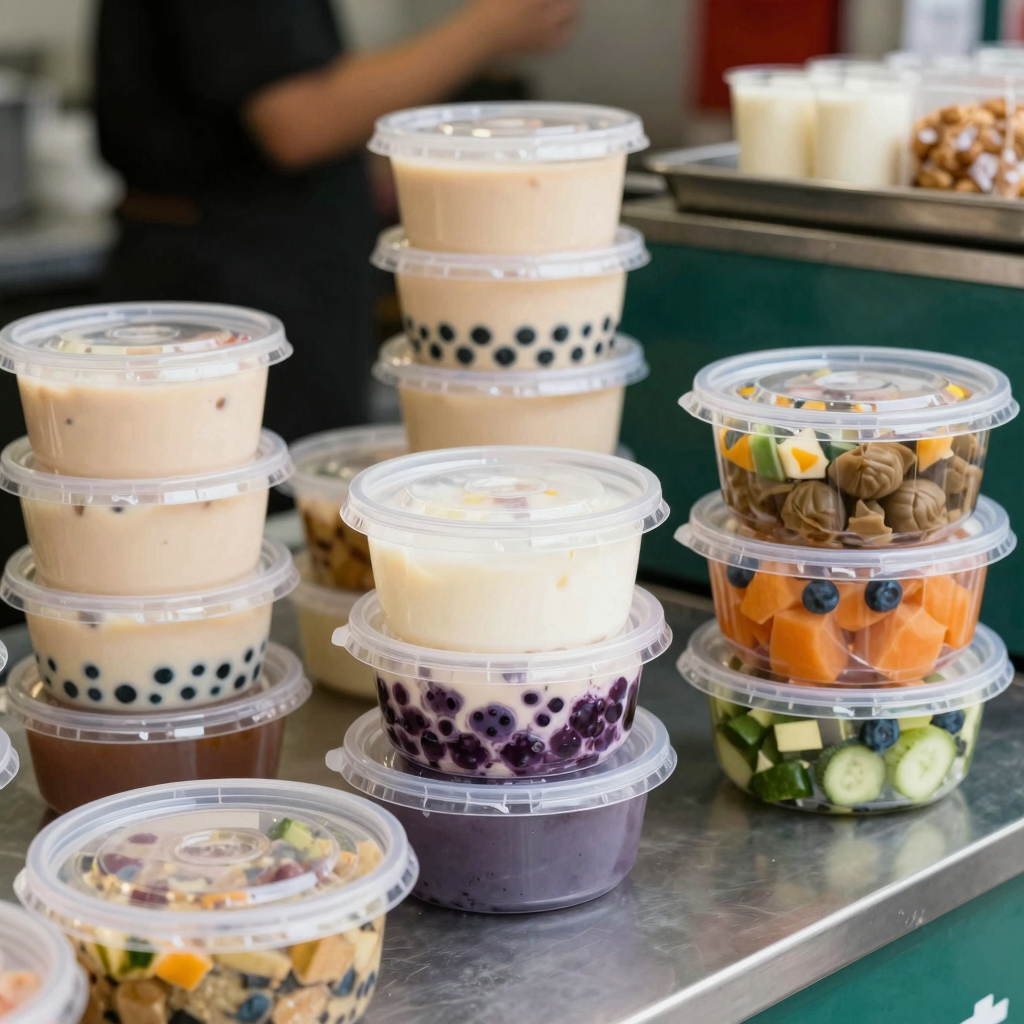
In France, the use of plastic packaging food containers has become increasingly significant for businesses within the food service industry, from bubble tea shops to gourmet restaurants and catering services. As consumer preferences shift towards convenience and portability, these containers offer practical packaging solutions that cater to the needs of both customers and businesses alike. The rise of takeout dining and event catering has highlighted the necessity for durable and reliable disposable tableware that not only ensures food safety but also adheres to stringent safety standards. In this article, we will delve into the various benefits of plastic packaging, along with key considerations that food service providers should keep in mind to enhance their offerings and operational efficiencies. Whether you’re a food truck owner or an event planner, understanding these factors can lead to more informed decisions that ultimately benefit your business.
Benefits of Plastic Packaging Food Containers
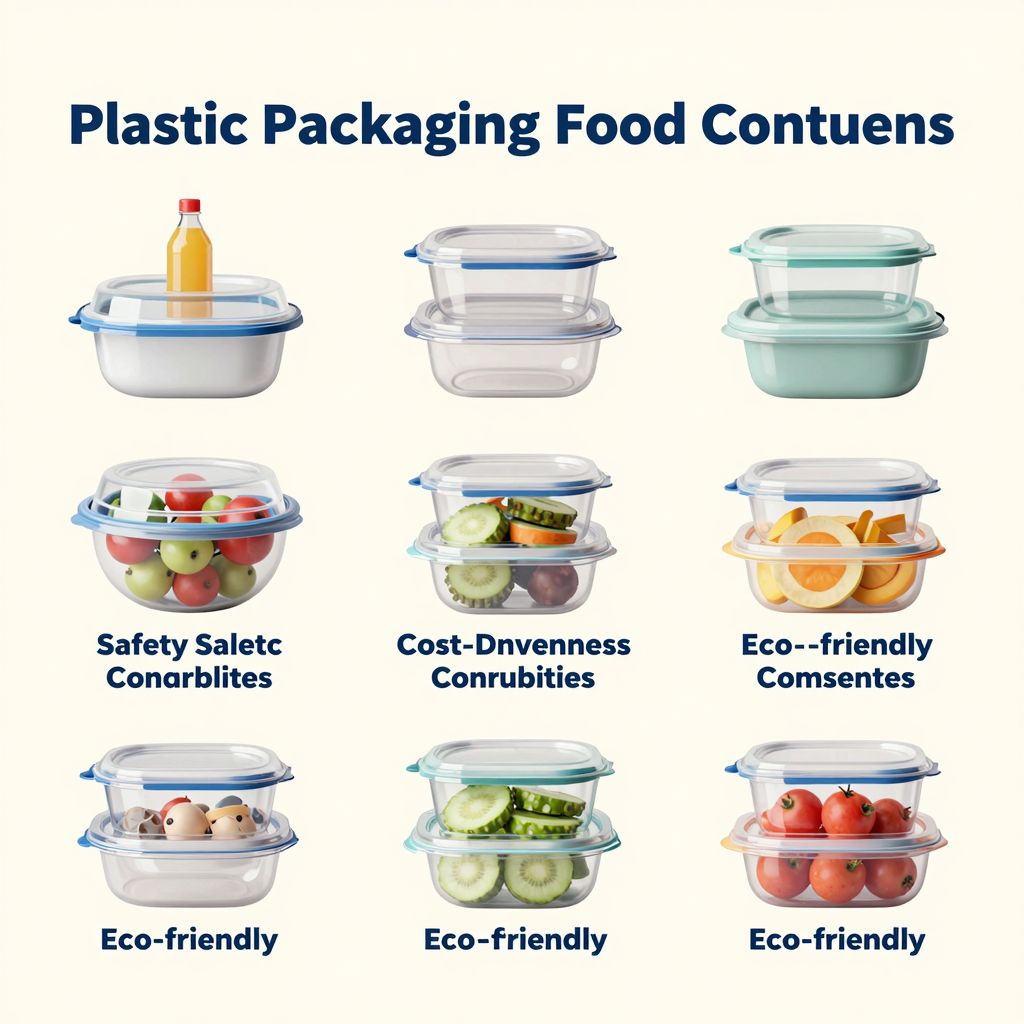
Plastic packaging food containers offer numerous advantages that are particularly beneficial for food businesses such as bubble tea shops, restaurants, and catering services. Here are some key benefits:
1. Safety
Safety is paramount in the food industry, and plastic packaging excels in this aspect. Food-grade plastic resins, regulated by agencies like the FDA and EFSA, minimize the risk of chemical migration into food products. Containers made from high-density polyethylene (HDPE) and polypropylene (PP) are designed to withstand heat and prevent contamination, making them ideal for storing various food items. You can learn more about safety concerns related to plastic food containers.
2. Durability
Plastic containers are incredibly durable, protecting food from damage during transport and storage. Their robustness ensures that they can withstand the rigors of food packaging and help maintain the product’s quality, preventing spoilage and waste.
3. Cost-Effectiveness
Compared to glass or metal alternatives, plastic packaging is more cost-effective for businesses. It is lighter, which reduces shipping costs, and can often be produced in bulk at lower costs. This makes plastic packaging a preferred choice for many food businesses looking to save without sacrificing quality.
4. Eco-Friendly Options
With increasing environmental concerns, many plastic packaging options now focus on sustainability. Manufacturers are producing biodegradable and recyclable plastics that cater to eco-conscious businesses. Additionally, innovations in the industry are continually improving the environmental footprint of plastic packaging.
By choosing plastic food containers, businesses can enjoy a versatile, efficient, and secure way to package their products while meeting consumer needs and preferences.
| Material Type | Size Options | Suitability for Food Types | Eco-Friendliness |
|---|---|---|---|
| Polypropylene (PP, #5) | Small to Large (8oz to 64oz) | Hot and cold foods, microwave-safe | Recyclable, BPA-free, preferred for safety |
| Polyethylene Terephthalate (PET, #1) | Small to Medium (8oz to 32oz) | Cold liquids and warm foods, not for microwaving | Recyclable, commonly used for drinks |
| Polystyrene (PS, #6) | Small to Medium (8oz to 32oz) | Not suitable for hot food or microwaving due to leaching | Not recyclable in many places, phasing out due to safety |
| Polyvinyl Chloride (PVC, #3) | Various sizes | Not food-safe, used in some cheap containers | Not recyclable, environmental concerns |
| Thermoform RPET | Medium to Large (12oz to 64oz) | Compartmentalized or hybrid food types | Made from recycled plastic, more eco-friendly than PS |
Recent Trends in Disposable Packaging in France
The landscape of disposable packaging in France, particularly within the food sector, is undergoing significant transformation driven by sustainability trends and consumer preferences. 2023 has marked a pivotal year where regulatory frameworks and market demands align, creating a robust drive toward eco-friendly solutions.
Increased Focus on Sustainability
In 2023, the French government intensified efforts towards achieving sustainable packaging standards. Noteworthy regulations include a mandate for compostable or recyclable materials to be utilized in single-use food containers by 2024 and a comprehensive ban on non-recyclable plastic packaging for takeout meals. This shift reflects a broader ecological transition strategy aimed at minimizing plastic waste across the country.
Growth in Eco-friendly Alternatives
Furthermore, the French disposable food packaging market experienced a 14% growth year-on-year in 2023, predominantly driven by increasing consumer demand for biodegradable materials such as PLA (polylactic acid) and cellulose-based films. Major brands have begun transitioning to these sustainable options, including major players like McDonald’s and Carrefour, which have launched pilot programs with fully compostable packages made from agricultural by-products like wheat straw and sugarcane.
Consumer Preferences
Consumer surveys have indicated that over 70% of French shoppers favor sustainable packaging, even when it incurs a slight premium. This shift in consumer behavior is critical for businesses in the food sector, encouraging them to invest in more sustainable packaging solutions. Learn more about sustainable packaging insights here and how it can affect purchasing decisions.
Safety Standards for Disposable Plastic Food Containers in France
When it comes to disposable plastic food containers in France, compliance with safety standards is not just a regulatory obligation but a necessity for ensuring food safety. The landscape of plastic packaging is influenced by a series of stringent regulations and certifications that businesses must adhere to.
Key Regulations and Directives
-
Single-Use Plastics Directive: The European Union’s directive, which has been fully implemented in France, bans the production, sale, and import of single-use plastic items, including certain food containers. As of July 3, 2021, products made from materials that are not biodegradable face a phased-out approach, with the aim for containers to be virtually plastic-free by 2026.
Learn more about this directive. -
AGEC Law (Anti-Waste for a Circular Economy Act): This French legislation mandates that by 2026, all disposable food packaging must be reusable, compostable, or made from biobased materials. Enforcement is stringent, with guidelines that ensure compliance with international safety standards established by the European Food Safety Authority (EFSA).
More details on AGEC. -
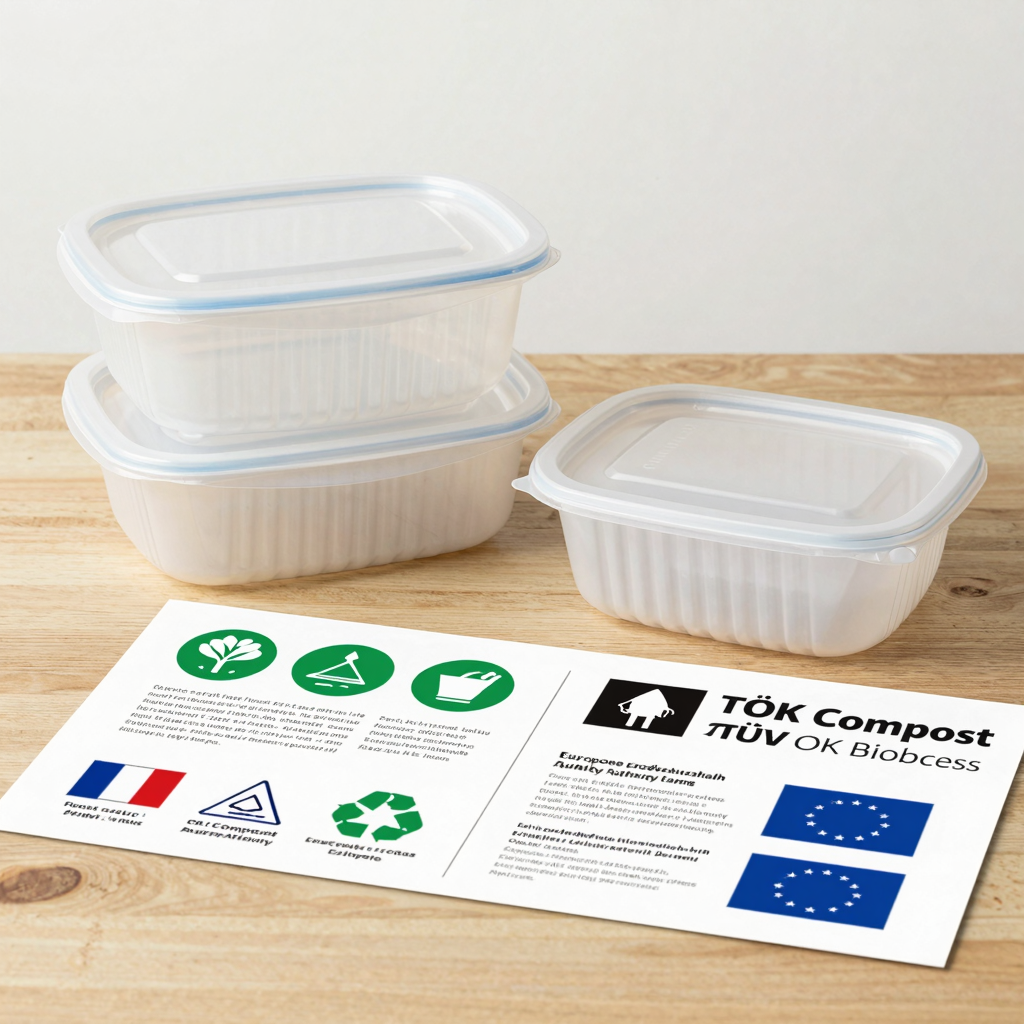
Certification Requirements: Manufacturers must obtain certifications, such as the ‘OK Compost HOME’ or ‘TÜV OK Biobased’, proving that their products meet the necessary biodegradability and compostability standards. These are essential for a product’s acceptance in food service.
Importance of Compliance
Choosing containers that meet these standards is crucial for any food business. Non-compliant products not only pose legal risks, including fines of up to €1,500 for violations, but they also compromise the safety of the food being served. Compliance with
- EN 13432 (compostability)
- ISO 14855 (biodegradation)
ensures that the materials used are safe for food contact and environmentally friendly.
Regular inspections by authorities ensure that only compliant products are in circulation, enhancing customer trust and product integrity.
Additionally, icons and labels indicating compliance help consumers make informed choices.
Expert Insights on Plastic Packaging
“Plastic packaging plays a critical role in ensuring food safety by creating a barrier against contamination, moisture, oxygen, and microbial growth. Plastic packaging extends shelf life, reduces food waste by up to 30%, and maintains product quality during transportation and storage.”
- Packaging Digest
This quote underscores the vital role plastic packaging plays in the food industry, particularly for businesses involved in food and beverage sales, from bubble tea shops to catering services. Understanding the balance between safety and sustainability is crucial, especially given the advancements in recyclable and compostable plastics. For more insights on the benefits of plastic packaging, learn more about our eco-friendly options.
In the quest for sustainability, industry innovations are paving the way for circular models that can help mitigate food waste and champion environmental responsibility.
Eco-Friendly Alternatives to Traditional Plastic Packaging
As businesses increasingly seek sustainable practices, here are some eco-friendly alternatives to traditional plastic packaging suitable for food:
- Biodegradable Containers: Made from materials like cornstarch or sugarcane, these containers decompose naturally, reducing landfill waste and pollution.
- Reusable Bags: Durable and often made from recycled materials, reusable bags can significantly cut down plastic waste over time.
- Plant-Based Wraps: These wraps, made from beeswax or plant oils, are compostable and can replace plastic wraps in food storage.
- Glass Containers: Non-toxic and recyclable, glass containers are reusable and provide a healthier storage option free from harmful chemicals.
- Compostable Paper: Made from sustainable sources, compostable paper packaging breaks down easily and enriches the soil, making it an excellent choice for eco-conscious businesses.
For more insights on sustainable packaging, explore our blog.
Insights on Market Growth of Plastic Packaging in France
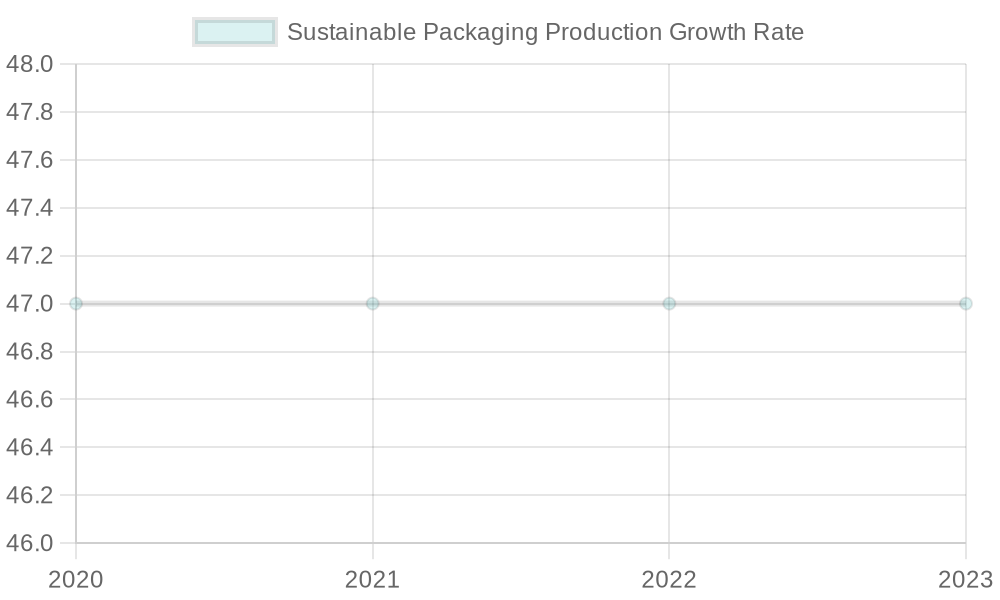
- Sustainable Packaging Production Growth: From 2020 to 2023, the sustainable packaging production growth rate reached 47%.
- Future Projections: The overall plastic packaging market in France is expected to exhibit a CAGR of 4.13% from 2020 to 2031. This indicates a strong and consistent demand for plastic packaging, especially in the food service industry.
- Food Service Industry Impact: Despite regulatory pressures, the food service packaging market is expected to expand by 4.13% CAGR, showcasing the resilience of plastic packaging in this sector.
Data and insights reflect the ongoing trends and challenges faced by the industry, providing valuable context for learn more about the evolving plastic packaging market in France.
Conclusion: Choose Quality and Compliance in Food Packaging
In the fast-paced world of food service, the importance of selecting quality and compliant packaging solutions cannot be overstated. As discussed, businesses such as bubble tea shops, restaurants, food trucks, and catering services face the dual challenge of delivering visually appealing products while adhering to strict food safety regulations. In 2023, regulations like the EU’s Food Contact Materials legislation emphasize the need for a comprehensive quality management system to prevent food contamination and ensure safety. This focus not only protects consumers but also enhances brand reputation and customer loyalty.
Moreover, the emphasis on sustainability and high-quality materials means that leveraging effective packaging can differentiate your business in an increasingly competitive market. By choosing compliant packaging, such as BPA-free containers and materials that meet good manufacturing practices, you align your operations with both legal standards and consumer expectations.
As you plan for the future of your food business, consider the advantages of investing in quality packaging solutions that reflect your commitment to safety, sustainability, and customer satisfaction. If you’re looking for tailored quotes or partnership opportunities, visit Green Dispopack today. Let us support you in providing exceptional experiences for your customers while adhering to compliance in packaging. Make the smart choice-partner with us for your packaging needs!