
In the heart of Bordeaux, where rich wine traditions meet contemporary culinary trends, plastic packaging food containers play a pivotal role in the beverage and food industry. As businesses like bubble tea shops, restaurants, and catering services strive to enhance their offerings, understanding the intricacies of their packaging options becomes essential. This article delves into the market landscape of plastic packaging in Bordeaux, discussing everything from the materials used, sustainability standards, customization opportunities, and the economic impact on local businesses. Each chapter will provide insights tailored to the needs of event planners, corporate procurement teams, and food service professionals, helping them make informed decisions in this evolving market.
Vintages and Vessels: Bordeaux’s Plastic Packaging Market in a Changing European Frame
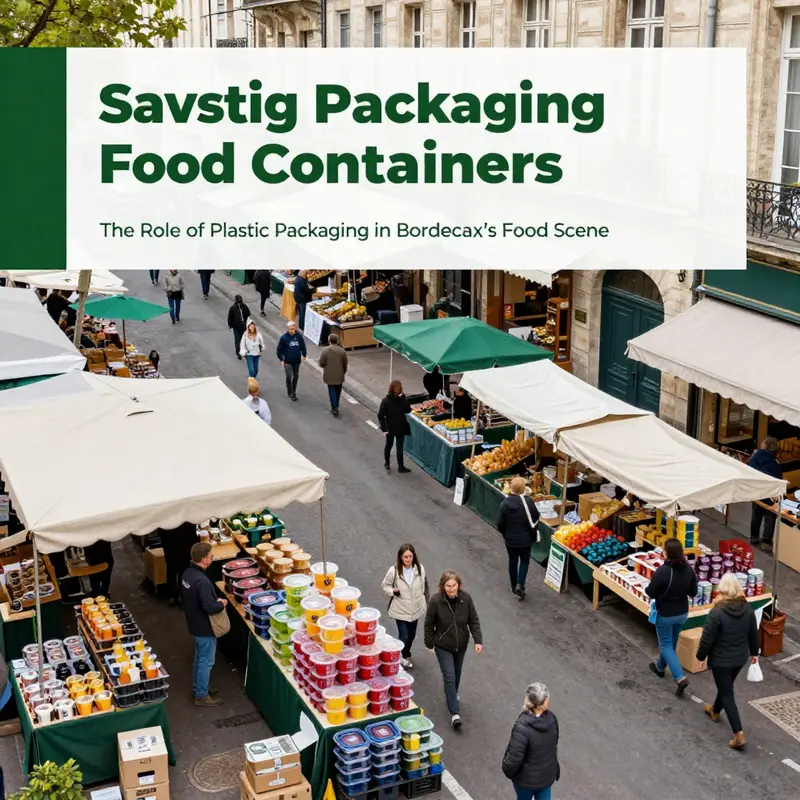
Bordeaux sits at a crossroads of tradition and logistics, where the region’s gastronomy and tourism meet the practical demands of modern packaging. The plastic food container market in this part of France follows the currents that steer European trends: a push toward convenience, a demand for safe and portable formats, and an ongoing reckoning with environmental responsibilities. In practice, Bordeaux has embraced plastic solutions for beverages and liquid foods that travel—from tasting rooms and kiosks to shop shelves and online orders. Small-format plastic bottles in capacities such as 60ml, 100ml, and 250ml have found a niche in sampling sessions and gift shop displays, designed to be lightweight and leak resistant while preserving product integrity during transport. The materials most commonly used in this context are HDPE and PET. They offer a balance of chemical resistance, clarity when needed, barrier properties essential for liquids, and cost efficiency for producers who must balance scale with regional branding. These containers endure seasonal demand tied to tourism peaks, events, and markets that typify Bordeaux. Production and end of life considerations are framed by EU and French rules, including extended producer responsibility schemes that encourage safer design, safer storage, and easier recycling. This alignment guides not only what is produced but how it is produced and disposed of after serving its purpose in tasting rooms, on restaurant counters, or in souvenir shops along the river. In Bordeaux, as in France, policy nudges brands toward packaging that is practical and compatible with waste management and circular economy ambitions. The net effect is a packaging ecosystem that respects regional identity and continental policy objectives, with choices about material, geometry and closure systems across the supply chain.
The technical profile matters as much as branding. PET provides clarity and good barrier properties for many liquids, while HDPE offers chemical resistance and robust performance against impact and leaks. For Bordeaux’s beverage landscape—spanning fruit juices, functional drinks, and small-batch liquids tied to wine tourism—the ability to withstand temperature variation and handling during distribution is crucial. Containers must perform reliably from vineyard tasting room to regional retailers, while remaining compliant with food contact safety standards and end of life regulations. A container’s shape, wall thickness and closure contribute to perceived quality and brand storytelling, even before the consumer reads a label. The design should accommodate labeling and branding strategies that reflect Bordeaux aesthetics—elegant, legible and informative—without inflating costs for producers who operate across a dense network of shops, markets and distributors. Customization, including brand marks, color motifs or narrative graphics, can align with a vineyard’s terroir or a juice producer’s healthy living promise, strengthening shelf appeal and aiding traceability in a market where provenance matters.
Beyond regional logistics, Bordeaux producers pursue cross border readiness. The European single market makes it feasible to distribute products beyond regional boundaries, but it also raises the bar for standards. The packaging must be designed for EU wide food contact compliance, compatible recycling streams, and consistent quality across batches. This is not just about meeting minimums; it is about creating packaging that minimizes waste and simplifies sorting at the consumer end. Practically, the aim is to use materials and closures that reduce leakage, enable stackable display, and facilitate efficient warehouse handling, all while presenting a brand message that reflects a region celebrated for gastronomy. The Bordeaux market tends to favor formats that balance lightweight durability with the ability to scale production in response to tourism driven demand and the growth of online sales channels that favor compact, ship friendly packaging.
Looking at broader market dynamics, the European plastic packaging landscape remains robust. The European flexible plastic packaging market was valued at tens of billions and is projected to grow as demand for lightweight, flexible formats continues. For Bordeaux, that means a diversified portfolio: rigid formats for certain beverages and compact, flexible vessels for other liquids that benefit from a reduced packaging footprint. While sustainability concerns intensify, the advantages of plastic—in terms of barrier protection, transport efficiency, and adaptability—remain decisive for many regional players. The net effect is a Bordeaux packaging ecosystem that remains anchored in plastic for practicality while evolving to meet environmental expectations through better design, improved recyclability, and smarter waste strategies.
To bring it back to local realities, Bordeaux’s market data may be sparse, yet consumption patterns align with the broader European arc. The wine and food tourism industries sustain packaging innovations, from on site tasting setups to shop shelves and markets. The region’s packaging success hinges on formats that endure short distribution cycles and enable an authentic brand experience, a harmony of durability, display and narrative clarity. In this context, EPR commitments and environmental standards guide packaging decisions that push designers toward solutions practical on the ground and compatible with future recycling and waste management advances. The Bordeaux model mirrors a larger European trend: a mature market that values efficiency and reliability while pursuing improvements in sustainability and consumer communication.
Within practical decision making, it helps to think about packaging in terms of function, form and lifecycle. A container’s geometry, closure system and material choice interact with transport conditions, storage and consumer behavior. The winning approach blends reduced weight with strong barrier properties and easy recyclability, accompanied by features that enhance user experience such as convenient opening mechanisms, secure seals and clear labeling that communicates provenance and safety. As e commerce and direct to consumer channels continue to grow in France and across Europe, Bordeaux’s packaging choices will evolve toward formats that streamline logistics, support branding and align with circular economy objectives, all while preserving the region’s heritage and culinary eloquence. The story is neither purely local nor purely global; it is a regional microcosm of a broader packaging ecosystem in which performance, cost and responsibility advance together.
For readers seeking practical context, the Bordeaux example shows how regional markets crystallize the tension and synergy between tradition and innovation in packaging. The core logic—safety, portability, affordability, and environmental accountability—remains constant as formats shift from rigid mini bottles to flexible pouches and even reusable systems. In Bordeaux, plastics maintain a dominant position because they deliver a reliable mix of performance and cost effectiveness, which is essential for a region whose identity rests on meticulous craftsmanship and memorable consumer experiences. The packaging story in Bordeaux demonstrates how a regional market can reflect the larger European packaging economy while preserving a local character anchored in gastronomy, tourism and hospitality. The containers that accompany Bordeaux’s foods and beverages do more than hold; they carry the region’s intention, its curiosity about the future, and its commitment to quality and safety in a way that resonates with travelers, residents, and all the stakeholders who help bring taste to life.
Internal link note: for readers exploring tangible packaging formats beyond plastics, see external references and sample product branding as examples of how branding and convenience intersect in takeaway contexts. External resource: https://www.mordorintelligence.com/industry-reports/europe-flexible-plastic-packaging-market
Polymers in Play: The Materials Behind Bordeaux’s Plastic Food Containers
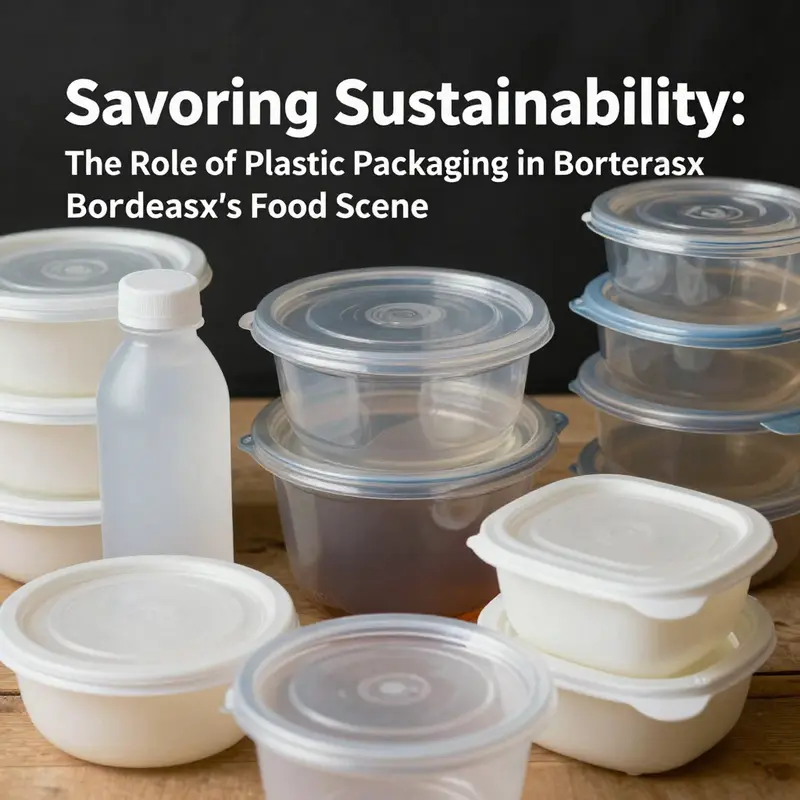
In Bordeaux, the choice of polymer for plastic food packaging containers is rarely incidental. It is a careful calibration of safety, performance, and evolving sustainability goals that shapes how beverages from citrus-fresh juices to delicate wines and functional drinks reach hands and wallets. The region’s packaging ecosystem mirrors a broader European commitment to food-contact safety, while also responding to local market demands—from the high turnover of hotel and café service to the steady flow of visitors seeking codified quality in tasting rooms and organic markets. At the heart of this system are four polymers that reliably anchor most rigid and flexible packaging solutions: PET, PP, HDPE, and LDPE. Each brings a distinct set of properties that together cover the spectrum of Bordeaux’s packaging challenges. PET, for instance, is prized for its clarity, stiffness, and recyclability. It serves not only as bottles for beverages but also as rigid containers that preserve taste and aroma over time. The transparency of PET helps brands communicate the visual identity of fruit juices and clear, lightly infused beverages—a factor that matters to consumers who value both appearance and purity. In contrast, PP is the workhorse for products that require heat resistance and durability. Yogurt pots, take-away containers, and lids rely on PP’s ability to withstand reheating or hot-fill processes, while resisting cracking under pressure during transport. This makes PP particularly well-suited to portable gastronomy—where meals and snacks are prepared in one setting and consumed in another—an everyday pattern in the tourist and hospitality hubs that surround the Garonne corridor. HDPE, known for its strength and chemical resistance, is widely used for containers such as milk jugs and other rigid formats that demand a robust barrier against compressive forces and minor impacts. It also demonstrates a resilience that translates into longer shelf life for liquid foods and dairy products, an attribute Bordeaux retailers and producers value when distributing to regional markets and beyond. LDPE, while often associated with film and wraps, plays a complementary role in flexible packaging scenarios—thin, pliable layers that protect freshness during transit and on-shelf presentation without adding weight or rigidity. Taken together, these polymers provide a continuum of options—from sturdy, translucent bottles to lightweight wraps—that accommodate everything from a 60 ml sample bottle to a 250 ml portable beverage container. This material toolkit aligns with the local and regional demand for safety and reliability, especially given Bordeaux’s blend of wine heritage, juice specialties, and organic or health-focused product lines. The design logic is technical yet practical: the containers must endure transport, withstand temperatures common in retail environments, and avoid leaching any unwanted substances into the product. In practice, producers in the region frequently design containers with multi-layer or coated offerings that balance barrier properties with recyclability, and they consider how consumers interact with the product in hospitality settings and during short-term storage. The emphasis on durability and safety becomes even more pronounced when packaging the kinds of beverages that define the Bordeaux experience—vibrant fruit juices, wellness-oriented drinks, and small-batch beverages that travelers and locals alike seek out after tours of the vineyards or visits to organic markets. The regulatory environment reinforces this careful material selection. Following the European framework, the primary governance derives from EU Framework Regulation EC 1935/2004, which sets forth general requirements for materials intended to come into contact with food and the Good Manufacturing Practices that ensure safety and traceability. In addition, Regulation EC 2023/2006—replacing or augmenting aspects of earlier provisions—addresses specific provisions related to the safety of food contact materials, reinforcing the need for rigorous control of migration limits, residue management, and hygiene throughout the supply chain. For Bordeaux manufacturers and suppliers, this regulatory backbone is not an abstract concern but a practical map that informs every stage of packaging development—from resin procurement and compound formulation to testing, production, and quality assurance. The standards also intersect with environmental considerations such as the producers’ responsibility to minimize waste and preserve recyclability. European norms drive design choices that favor materials and packaging formats easier to collect, sort, and process within established recycling streams. The practical consequence is a shift toward containers that not only perform on the shelf but can be reintegrated into the circular economy with relative ease. In this sense, the Bordeaux packaging landscape sits at a crossroads of function and sustainability, where material performance meets environmental accountability. Broader European trends—such as the UK Plastic Packaging Tax introduced in 2022—have stimulated a gradual pivot toward higher recycled content and more recyclable designs, even though the tax itself targets UK-bound products. The underlying logic resonates across borders: design for recyclability, reduce virgin plastic use where feasible, and encourage material streams that minimize waste. For Bordeaux’s supply chain, this translates into ongoing exploration of materials and configurations that can fulfill performance requirements while aligning with circular economy principles. More recently, innovative recycling approaches developed by French researchers and industry players are widening the set of viable material options. Enzymatic recycling technologies, exemplified by companies developing catalytic processes that break down polymers into base monomers for reuse, promise to close the loop on PET and other plastics, reducing the energy footprint and enabling higher recovery rates. Although these technologies are still maturing, they carry clear implications for Bordeaux’s future packaging strategies. They suggest a potential shift from conventional linear models toward more closed-loop systems where local producers can reclaim and redeploy packaging materials more efficiently, thereby shortening the path from bottle to bottle and limiting the accumulation of waste in the environment. In this evolving scenario, Bordeaux’s packaging ecosystem remains attentive to opportunities that connect material science with practical implementation on the ground. Local producers and retailers may, for instance, evaluate packages that combine PET’s clarity and barrier properties with design features that ease recycling or reuse in regional facilities. They may also experiment with multi-functional containers that serve as both serviceware and souvenir or promotional items, a practice that could harmonize marketing with sustainability. For a concrete sense of the options available to such operators, consider one packaging option that demonstrates how design can bridge plastic legitimacy with consumer expectations: a PET-influenced concept associated with a take-away or shop-display application. See the related packaging option here: custom-disposable-kraft-paper-bowl-take-away-kraft-paper-salad-bowl-with-pet-lid. This example, while rooted in a different packaging format, highlights how design elements—even in secondary packaging—incorporate polymer-informed strategies like PET lids, barrier considerations, and consumer-friendly features that are relevant to Bordeaux’s broader plastics landscape. In the long run, Bordeaux’s plastic packaging narrative will continue to hinge on the interplay between material capability, regulatory discipline, and the push toward circularity. The region’s identity—built on wine, gastronomy, and a strong tourism sector—lends itself to packaging that reinforces brand storytelling while delivering safe, reliable performance. As Carbios and other innovators advance enzymatic approaches to recycling, the city and its surrounding businesses may increasingly view material selection as a step in a larger system, where a bottle or container becomes a feedstock for future products rather than waste. This evolving view aligns with a wider European imperative to decouple packaging from a linear lifecycle and to reimagine the container as a component of a resilient, low-impact economy. For readers who want to explore the science and policy foundations behind these shifts, a deeper dive into enzymatic recycling and its implications for PET and other polymers can be found through industry-leading research initiatives and the official channels that document their progress: https://www.carbios.com/en/.
Shaping Bordeaux’s Plastic Food Containers: Regulation, Recycling, and the Path to Sustainable Packaging
Bordeaux sits at a crossroads where time-honored wine and culinary traditions meet the pressures of modern packaging sustainability. In this region, plastic food containers for beverages and liquid foods are chosen not only for their practical performance but also for their alignment with stricter European standards and the expectations of a tourism-driven economy that prizes responsible sourcing. The market here favors containers that are lightweight, leak-resistant, and able to safeguard product quality from vineyard to tasting room, from waterfront kiosks to bustling markets. The capacities commonly found—ranging from small samples to portable portions—reflect everyday needs: a quick juice sample, a functional wellness drink, or a compact retail bottle that visitors can carry along a wine-fueled itinerary. HDPE and PET emerge as practical material choices because they balance chemical stability with transparency and barrier performance, enabling a reliable chain from production to consumer. The Bordeaux context also invites a degree of customization, often via screen printing or label application, so brands can maintain a local identity while meeting environmental and safety expectations. All of this unfolds within a regulatory theater that dictates not only what can be produced, but how it must be designed, tested, and ultimately managed at end of life. The result is a packaging ecosystem that honors regional demand for experiential luxury and everyday accessibility while remaining tethered to Europe’s comprehensive sustainability agenda.
At the core of this agenda is the requirement that materials intended for contact with food must not transfer harmful substances to food under normal use. EU Regulation (EC) No 1935/2004 sets a baseline that applies directly to plastic containers used in Bordeaux and across the Union. Manufacturers are obliged to demonstrate compliance through robust testing, thorough documentation, and clear traceability. This means migration studies, barrier assessments, and compatibility evaluations with anticipated beverages—whether citrusy juices or delicate, low-alcohol drinks popular with visitors exploring the region. The emphasis is not merely on avoiding risk but on ensuring consumer confidence. In practice, this regulatory framework motivates Bordeaux suppliers to invest in materials that perform consistently across temperature ranges and handling conditions typical of retail, hospitality, and distribution channels. The practical upshot is a tighter, more transparent supply chain where ingredient disclosures, testing reports, and certificates of conformity accompany each shipment and furnish buyers with verifiable assurances about safety and quality.
A parallel regulatory driver comes from the EU’s Single-Use Plastics Directive (2019/904). Although some aspects aim to phase out specific single-use items, the directive places emphasis on the recyclability and reuse of plastic containers that remain in circulation. For Bordeaux’s beverage packaging, this translates into design choices that favor compatibility with recycling streams and clear labeling that communicates recyclability to end users. It also incentivizes the inclusion of recycled content, known as PCR, to reduce reliance on virgin plastic and to encourage a circular economy mindset among producers and distributors. In practice, wineries and retailers in Bordeaux are increasingly assessing not only how a container protects a product, but how its lifecycle supports reuse, refurbishment, or efficient recycling at scale. The dialogue between designers, engineers, and compliance teams is now routinely framed by recyclability metrics, labeling requirements, and the specification of materials that can flourish in local and regional waste-management systems.
French national policy further shapes the landscape through the Extended Producer Responsibility framework under the Loi AGEC, which places financial and logistical accountability for packaging waste on producers. In Bordeaux, this means that brands and their packaging suppliers must ensure end-of-life stewardship is built into the product development phase. The practical implication is a strong incentive to choose materials and configurations that align with recycling infrastructure and collection systems. Producers must verify that their packaging partners are registered with the French EPR system and that all packaging designs contribute to the circular economy, not merely to short-term convenience. This requirement pushes firms toward designs that minimize material use where feasible, maximize end-of-life recovery, and facilitate accurate waste-stream sorting. It also nudges the supply chain toward greater transparency about packaging composition, labeling, and compatibility with regional recycling options.
For buyers navigating Bordeaux’s markets, supplier verification becomes a central task. The regulatory environment encourages collaboration with partners who can demonstrate compliance with EU and national obligations. Certifications such as NF Environment or CQC provide tangible signals of an organization’s commitment to environmental performance and product safety. Beyond certification, the emphasis is on ongoing participation in circular economy initiatives, demonstrated through material declarations, lifecycle assessments, and concrete waste-management outcomes. In this context, buyers often engage in deeper due-diligence processes, reviewing supplier capabilities in barrier performance, heat resistance, leak prevention, and compatibility with sterilization or pasteurization regimes when relevant. The outcome is a more resilient supply chain that can sustain Bordeaux’s hospitality-forward economy while reducing environmental impact across the packaging lifecycle.
Within this regulatory and market frame, Bordeaux’s plastic containers for beverages and liquid foods are designed to balance practicality with policy alignment. The region’s packaging often relies on HDPE or PET because these materials deliver reliable leak protection, good chemical compatibility, and robust performance during transport and display. For local beverage experiences—whether a juice served in a tasting room, a functional drink packaged for on-the-go consumption, or a small-batch elixir associated with a wine-tasting itinerary—the containers must withstand frequent handling, temperature variations, and the rigors of retail shelving. The design process in Bordeaux frequently contemplates the life of a container beyond its primary function. For example, a small bottle used for a limited-run juice might also be marketed as a collectible in a winery shop, inviting cultural value alongside practical safety. This blending of function and storytelling aligns with the region’s emphasis on high-quality experiences and responsible consumption.
The journey from raw material to consumer in Bordeaux is not merely about meeting a standard. It is about communicating a package’s environmental profile in a way that resonates with visitors who crave authenticity and stewardship. Suppliers respond by offering packaging options that can be customized through screen printing or labeling while maintaining a clear narrative around recyclability and end-of-life responsibility. The Bordeaux market also shows a growing openness to alternative packaging formats that support the same safety and performance criteria but with lower environmental impact in aggregate. The concept of a circular economy is not abstract here; it translates into concrete choices about material selection, product design, and the integration of recycling streams into local business models. For the reader, this means the packaging choices in Bordeaux are a microcosm of a broader European transformation, where safety, sustainability, and local identity converge in everyday products.
The regional supply chain is further influenced by the availability of verified wholesale suppliers who can attest to compliance with EU and national standards. In practice, this involves rigorous documentation, clear material declarations, and evidence of participation in recycling programs. Buyers in Bordeaux increasingly seek partners who can demonstrate a credible pathway to end-of-life management, whether through certified recycling pathways or demonstrated reuse concepts compatible with local waste systems. The broader lesson is that sustainable packaging in a wine-and-food culture cannot be divorced from regulatory clarity and from practical arrangements for waste collection and processing. Suppliers that can articulate how their containers contribute to recyclability, how they support post-consumer recycling, and how they align with EPR obligations are more likely to be trusted partners in the Bordeaux market. As the region continues to attract visitors who expect responsible stewardship of the landscapes they enjoy, the packaging that accompanies these experiences becomes part of the story itself.
In this evolving landscape, a glimpse of how the broader packaging ecosystem is moving can be found in related packaging formats that emphasize recyclable and compostable options while remaining aligned with safety standards. For example, packaging components designed for take-away experiences often explore a balance between durability and sustainability, combining materials with clear recycling pathways and branding opportunities that reflect local culture. The trend toward customizable, recyclable designs is not merely cosmetic; it represents a strategic alignment with regulatory expectations and consumer values. A key takeaway for Bordeaux-based buyers is that the move toward sustainability is anchored not only in material choice but in the entire lifecycle narrative—from design through end of life—and in the partnerships chosen to deliver that narrative.
For readers seeking deeper regulatory detail, the EU Regulation (EC) No 1935/2004 provides authoritative guidance on how materials in contact with food must perform and be documented. It remains a cornerstone document for Bordeaux’s packaging decisions and for any producer seeking to harmonize safety with environmental responsibility. EU Regulation 1935/2004.
Internal link reference. As the Bordeaux packaging market continues to evolve, many suppliers emphasize recyclable options and transparent sustainability practices. See an example of how packaging options can reflect broader circular economy goals in practice at this page: disposable-700ml kraft paper bowl take-out octagonal rectangle paper bowl.
Color, Craft, and Compliance: Customizing Plastic Food Containers for Bordeaux’s Food Culture
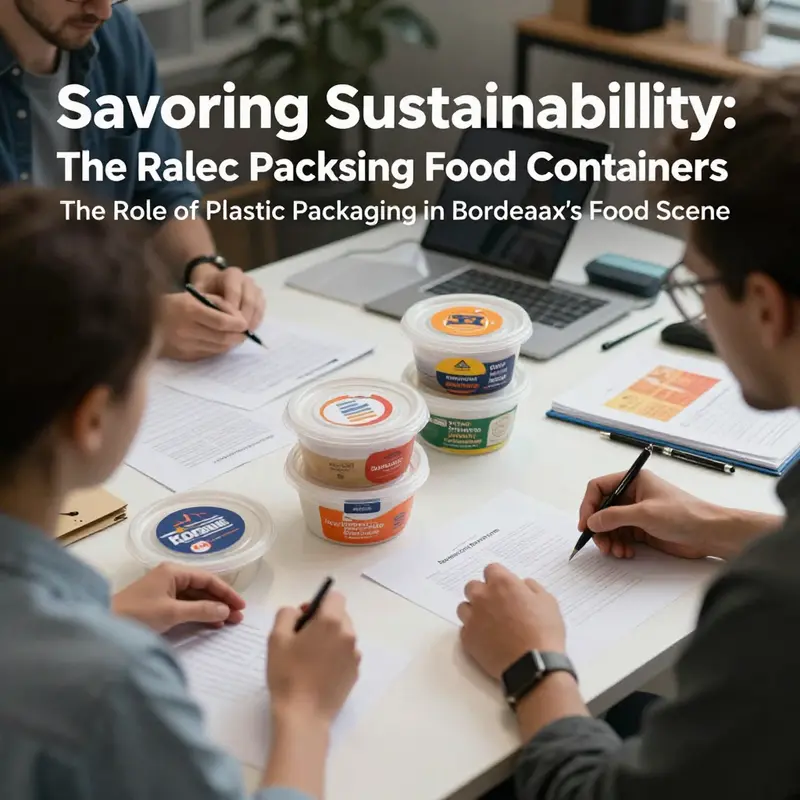
Bordeaux is renowned for more than its slate of vineyards and riverbank heritage; it is a place where culinary experiences fuse with travel and hospitality in a way that makes packaging a quiet, yet powerful, ambassador. In this region, plastic packaging containers for beverages and liquid foods are not merely vessels; they are portable extensions of the tasting room, the market stall, and the souvenir shop. The demand favors formats that are compact enough for urban consumption yet rugged enough to survive a day of travel, sampling sessions, or a pop-up market’s busy rhythm. In practice, this means a focus on small- to mid-sized plastic containers—think 60 ml to 250 ml ranges—that can safely hold fruit juices, functional drinks, and even light alcoholic beverages intended for quick service or take-away. Within Bordeaux’s ecosystem, these containers are designed to be practical first and brand vehicles second, but the truth is that in today’s consumer landscape, the bottle as a brand message travels farther than any in-store display. The synergy between form and function becomes especially important when local firms weave in regional aesthetics to reflect the Bordeaux story: subtle color cues, typography that nods to regional heritage, and labels that echo the wine country’s elegance without compromising the container’s habitability or safety.
The materials chosen for these containers—primarily high-density polyethylene (HDPE) and polyethylene terephthalate (PET)—are not generic placeholders. They are selected for their ability to resist pressure, prevent leaks, withstand moderate heat, and remain stable across the range of beverages common to the region. The choice of material aligns with Extended Producer Responsibility (EPR) standards that guarantee a lifecycle approach to packaging, from production through end-of-life disposal. For the many local brands seeking to combine safety with sustainability, these standards provide a framework that reassures both regulators and consumers. In a market that grows increasingly mindful of environmental footprints, Bordeaux’s packaging suppliers emphasize durability and reliability while maintaining the flexibility needed for customization. The result is containers that not only protect the contents but also enable a greater degree of control over the consumer experience at the point of sale and in the consumer’s hands.
Customization, though, is where Bordeaux’s plastic containers begin to tell a more persuasive story. The region benefits from specialized services that address every stage of the print and finish process. In practice, this means access to a range of decorating techniques—from silk screen printing and offset printing to pad printing and hot transfer printing. Each method has its own strengths. Silk screen printing can yield vibrant, layered colors suitable for fruit-forward labels or bold branding motifs. Offset printing offers crisp, photographic detail ideal for complex label art or patterns that reference Bordeaux’s landscape. Pad printing excels in applying delicate logo marks to curved surfaces, while hot transfer adds metallic accents or premium finishes that catch the eye in a retail setting. For brands that wish to convey a sense of premium craftsmanship, these techniques enable a sophisticated look without sacrificing the practicality and safety of the container. The impact on brand recognition is substantial. When a consumer in a tasting room or a market stall sees a container that bears a precise, well-executed color palette and a legible logo, the association between the product and the brand becomes immediate, intuitive, and memorable.
The practical benefits of customization extend beyond aesthetics. Color and labeling can communicate key product attributes—flavor profile, sugar content, or a suggested pairing—at a glance. In Bordeaux, where tourists often explore a tasting itinerary across multiple venues, a consistent yet distinctive design language helps brands maintain continuity across experiences while allowing each product line to retain its own personality. This is precisely the kind of branding payoff that local suppliers, in collaboration with designers and producers, prioritize. It is not only about making a container stand out; it is about crafting an experience that remains coherent as a visitor moves from winery experience rooms to pop-up markets and then back to their hotel. To foster this continuity and to anchor local identity in a globally legible format, the region’s packaging providers lean into customization with a strong sense of responsibility for the consumer’s safety. In Bordeaux, a trusted partner or supplier, such as a design-minded packaging specialist, can guide a brand through the export readiness of its packaging by aligning with EU regulatory expectations and U.S. food-contact guidelines. For a concrete example of local packaging customization capabilities, see UGIEL – Innovative Packaging Solutions in Bordeaux, France.
In the broader lifecycle of a Bordeaux-branded container, compliance is not a secondary concern; it is the foundation on which durable business relationships are built. The EU regulatory framework governs materials intended for food contact, and in parallel, U.S. guidelines such as FDA 21 CFR 177 set expectations for safety in cross-border markets. Working with suppliers who prioritize material compliance and safety certification reduces procurement risk over the long term and reinforces a brand’s reputation for quality. The safety dialogue becomes even more practical when a brand contemplates the container’s journey through a busy distribution network—retail shelves, mobile units, and events. The ability to source plastic food containers that meet both EU and U.S. standards without compromising the design intent is essential for Bordeaux’s producers who seek to reach broader markets or participate in incentives that encourage tourism and regional gastronomy.
For Bordeaux’s food and beverage enterprises, supply chain management is as critical as the aesthetics of the container. Seasonal demand spikes—driven by peak tourist seasons, wine-tasting events, food trucks, and pop-up markets—test the resilience of any packaging program. The key to navigating these cycles lies in bulk purchasing strategies and a robust pipeline of verified B2B suppliers within the region. Such arrangements help ensure consistent inventory levels, reduce lead times, and stabilize pricing during demand surges. In practice, buyers look for partners who can offer eco-friendly, durable, and waterproof packaging that aligns with modern consumer expectations. They also seek the flexibility to scale designs and print runs up or down with little friction, ensuring the brand can respond to evolving tastes and seasonal menus without compromising safety or brand integrity. The Bordeaux ecosystem is well suited to this approach because it has cultivated a network of specialists who can handle customized color runs, intricate labeling, and the logistical coordination required to support busy venues—from tasting rooms to markets and beyond.
Beyond the technical and logistical considerations, customization in Bordeaux also serves a strategic marketing purpose. The region’s identity—its vineyards, river culture, and culinary sensibilities—provides fertile ground for a design language that resonates with both locals and visitors. By combining branding visuals with practical features such as leak resistance, heat tolerance, and product protection, containers become ambassadors that travel across experiences. The printing palette can reflect the sunlit tones of a summer afternoon along the Garonne, or lean toward the cool, sophisticated hues associated with the region’s modern food movement. In this way, the container becomes a portable advertisement for a brand’s philosophy and for Bordeaux’s own sense of place. The design conversation often involves close collaboration among brand teams, packaging engineers, and print specialists, all aligned around a shared goal: a container that safeguards the product while telling a story that customers want to carry with them.
As packaging programs mature in Bordeaux, the conversation increasingly centers on sustainability and the circular economy. The emphasis is not merely to select recyclable materials but to design for recyclability and end-of-life recovery from the outset. This forward-looking stance informs material choices, printing techniques, and the types of finishes used on the containers. The objective is to deliver packaging that behaves responsibly in the supply chain and can be repurposed or recycled without compromising the integrity of the product or the consumer experience. In practice, brands in Bordeaux are experimenting with coatings and finishes that support washability and repeated handling, while still delivering the brand’s signature look. They are also exploring partnerships with suppliers who can offer returnable or reusable packaging options where feasible, balanced with cost, weight, and practical logistics. The net effect is a packaging ecosystem in Bordeaux that blends vibrant customization with a genuine commitment to environmental stewardship, while maintaining the legal and safety standards that enable cross-border commerce.
For readers seeking a concrete sense of the design ecosystem in Bordeaux, consider the broader learning that comes from regional suppliers who can translate a brand’s story into a tangible, safe, and scalable plastic container. The partnership logic is simple: visual identity, material integrity, regulatory compliance, and a reliable supply chain each reinforce the others. When a brand invests in professional customization, the payoff extends beyond the bottle or cup; it extends to the consumer’s overall perception of the product’s quality, the reliability of its delivery, and the credibility of the brand in international markets. In this way, Bordeaux’s plastic packaging landscape exemplifies how design excellence and regulatory discipline can co-exist to drive growth in a region celebrated for its culinary and cultural richness. External perspectives from the packaging industry remind us that the evolution of these containers will continue to be driven by demand for personalization that does not compromise safety or sustainability. To explore related packaging formats that illustrate these dynamics, see the external resource: disposable octagonal box kraft paper packaging.
Regulation, Rethink, and Revenue: The Economic Story Behind Plastic Packaging in Bordeaux’s Food and Beverage Scene
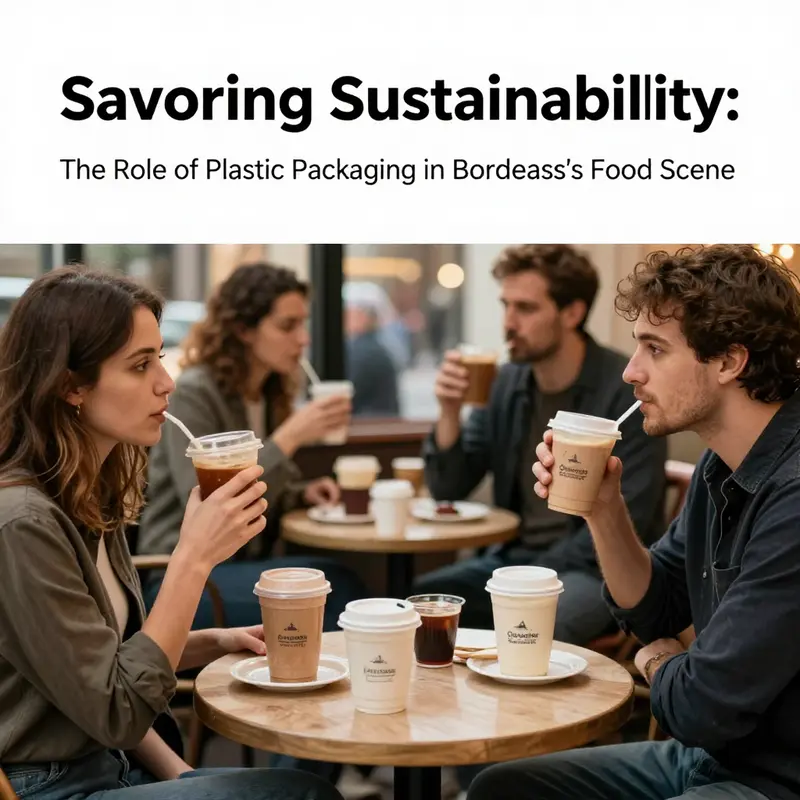
Bordeaux, a city famed for its vineyards, markets, and centuries of culinary culture, presents a compelling case study of how packaging choices ripple through local economies. The plastic packaging that often cradles the region’s beverages and liquid foods has become less a mere container and more a decision point that touches producers, retailers, tourism, and environmental health. In practice, the dominant packaging choices in Bordeaux’s food and drink sector center on high-density polyethylene (HDPE) and polyethylene terephthalate (PET) for portable liquids—juice blends, functional beverages, and small-batch wines or related tasting formats. These materials deliver the leak resistance, durability, and thermal tolerance required for on-the-go retail, hospitality service, and duty-free experiences that tourists expect when visiting one of France’s most storied wine cantons. The profile of use is shaped by the city’s dual identity: a tradition-bound wine economy and a modern consumer market driven by convenience, branding, and safety. Packaging here is not an afterthought but a visible interface between product, consumer perception, and regulatory reality. The materials chosen—notably HDPE and PET—balance practical performance with acceptable environmental footprints when managed within a robust chain of custody. They ensure safe storage of citrus- and fruit-derived beverages, low-alcohol drinks, and other liquids that travel from vineyard, tasting room, or shop to a visitor’s hand without compromise. Yet even as these plastics fulfill current needs, they sit within a regulatory system that is rapidly evolving toward more sustainable norms and greater accountability for end-of-life outcomes. The European Union’s current policy trajectory—most notably the phased banning of certain single-use plastics and the push for higher recovery rates—casts a long shadow over the city’s packaging decisions. The shift is not merely about replacing one material with another; it is about rethinking the logistics of packaging, the economics of reuse and recycling, and the design of products that sustain flavor integrity, consumer trust, and local livelihoods. The regulatory framework is increasingly explicit about the future: a ban on single-use plastics for defined items starting in 2024, and deposit-return systems that aim to recover a high percentage of disposable bottles and cans by 2029. In Bordeaux, where tourism thrives on wine experiences, market stalls, and gastronomy, these rules translate into hard business considerations—costs, timing, and the speed with which distributors and retailers must adapt their supply chains to compliant, recyclable, or reusable packaging formats. It is in this tension between tradition and regulation that a distinctive economic narrative emerges. Exemptions for traditional packaging, such as wooden boxes used with certain cheeses, illustrate how policy makers attempt to preserve regional heritage while incentivizing broader progress toward sustainability. The exemptions signal a pragmatic stance: protect cultural fixtures that carry economic and historical value, while encouraging modernization in areas where environmental impact is more immediate. Even so, the exemptions are not a carte blanche for complacency. They create a dynamic where Bordeaux producers must continuously evaluate packaging choices against cost structures, waste streams, and regulatory risk. In practical terms, this means that while some iconic packaging methods endure for specialty items, the general market pressure pushes many operators toward alternatives that align with EU standards and with evolving consumer expectations for a greener footprint. The economic calculus extends beyond the price tag of a new container. Increased operational costs are a predictable consequence of transitioning away from conventional single-use plastics toward materials with improved end-of-life performance, such as biodegradables or reusable systems. Small and medium-sized establishments—restaurants, specialty shops, and distributors—face burdens from procurement, labeling, logistics, and potential updates to food-contact approvals across supply chains. These costs, even as they rise, are not purely burdensome; they are also catalysts for innovation. Bordeaux’s regional economy has the chance to cultivate local packaging designers and material engineers who can tailor solutions to the unique needs of the wine and culinary sectors. When a local producer seeks a container that preserves aroma and temperature, resists leakage during transport, and carries a brand message of sustainability—while fitting within a circular economy model—the opportunity is to anchor a new chain of value creation. Investment in research and development can yield containers that are lighter, more efficient to recycle, and compatible with the EU’s broader objectives for waste reduction. A continued emphasis on customization—brand labeling, logos, and graphic storytelling—can enhance the visitor experience, turning packaging into a part of the Bordeaux narrative rather than a mere afterthought. In this sense, plastic packaging remains a relevant tool, but under tighter import and export rules and with stronger expectations around recyclability and reuse. The region’s businesses are incentivized to explore alternatives that maintain product integrity, protect information about provenance and safety, and offer the consumer a straightforward path to sustainable disposal. A practical dimension of this transition is the supply chain’s readiness to source compliant materials, which may require partnerships with suppliers who can deliver certified, food-grade plastics or upgraded biodegradable and paper-based substitutes that fit the packaging needs of juices, functional beverages, and small-batch wine formats. Even the logistics of bottle recovery—an element central to the deposit-return schemes anticipated by 2029—induces a rethinking of how products are packaged for retail and travel. The economic implications therefore extend beyond the balance sheet and into the design of distribution networks, retail layouts, and consumer education. The potential benefits are equally broad. A resilient eco-economy that prioritizes sustainable packaging can strengthen Bordeaux’s reputation as a destination for wine and food—an asset in an era when travelers increasingly seek places that align with environmental responsibility. The convergence of policy, consumer demand, and local capability creates room for new roles in material science, labeling, and packaging logistics, offering job creation in design, manufacturing, and end-of-life management. Such opportunities are not mere economic add-ons; they contribute to the region’s long-term competitiveness in a European market that is gradually harmonizing rules on waste and packaging. The local response to regulation can also become a differentiator in the tourism economy. Visitors and residents alike increasingly associate Bordeaux with a conscientious approach to packaging and product stewardship. A city that communicates its adherence to circular economy principles, while preserving the sensory and cultural richness of its food and wine experience, can attract visitors who value sustainability as part of their travel choices. In the broader context, the EU’s Plastic Packaging Guidelines and similar frameworks provide a roadmap for aligning Bordeaux’s packaging practices with continental standards. As the EU emphasizes, the aim is not to deter commerce but to accelerate the transition to packaging options that are safer, cleaner, and easier to reclaim. The chapter’s takeaway is that the economic story of plastic packaging in Bordeaux is a narrative of adaptation and opportunity. Traditional methods endure for select, heritage-oriented products, but the majority of the food and beverage supply chain is poised to adopt more sustainable materials, optimize recovery systems, and invest in new packaging technologies. This shift promises higher value outcomes: more efficient waste management, stronger market differentiation for local producers, and a tourism sector reinforced by a visible commitment to environmental responsibility. The path forward requires collaboration among growers, winemakers, retailers, regulators, and researchers. It also invites the city to leverage its regional strengths—precision in production, a culture of hospitality, and a willingness to innovate. The result is a Bordeaux that remains true to its roots while embracing a packaging future that supports a circular economy, protects consumer safety, and sustains a thriving local economy. For readers seeking a broader regulatory context, the EU Plastic Packaging Guidelines offer a comprehensive overview of the policies shaping these moves and the responsibilities that accompany them. https://ec.europa.eu/environment/waste/plastic-packaging_en.htm
Final thoughts
The integration of plastic packaging food containers in Bordeaux not only nourishes the vibrant culinary scene but also underscores the region’s commitment to sustainability and innovation. For beverage chains, restaurants, and event planners, staying updated on packaging trends and standards allows for better brand representation and aligns with customer expectations. As Bordeaux continues to thrive as a gastronomic destination, embracing these packaging solutions will be crucial for successful business operations. The insights within this article can help guide your decisions and bolster your commitment to quality, sustainability, and customization.