
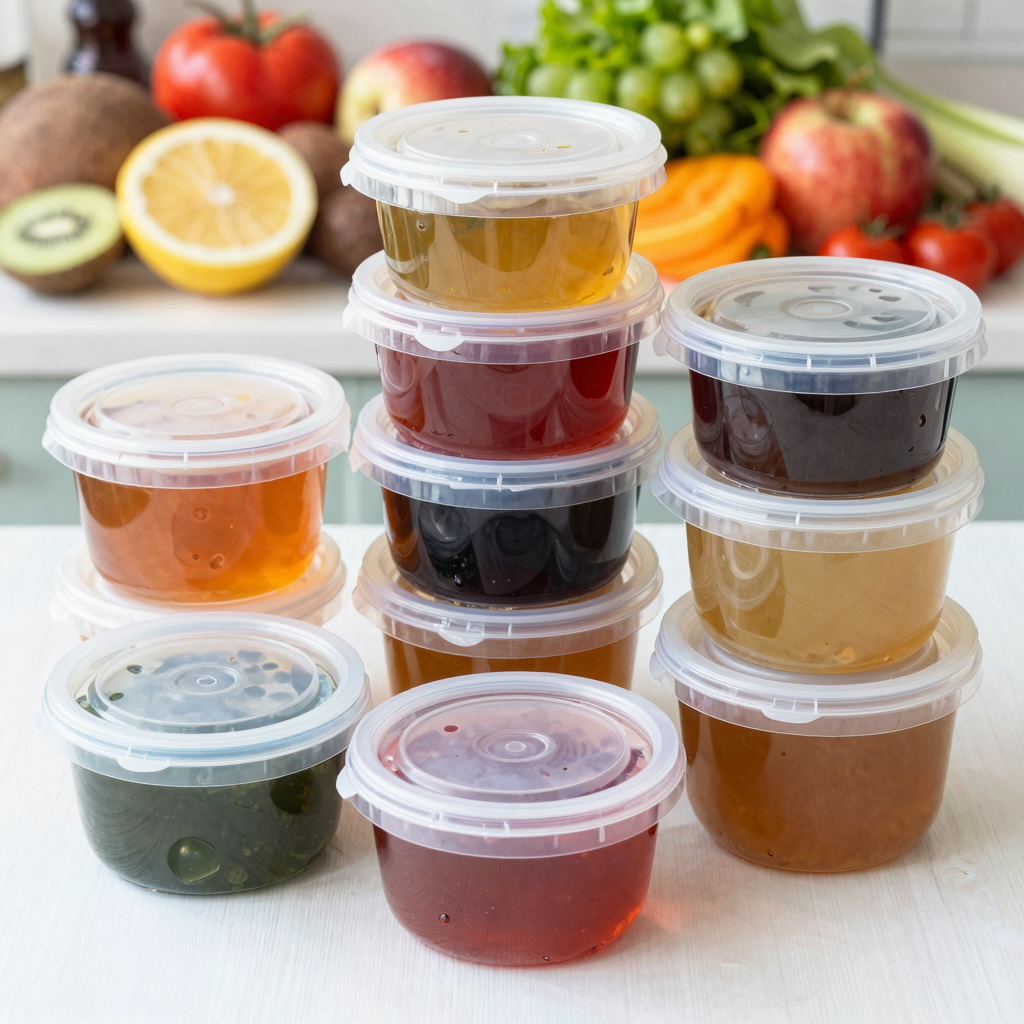
In the dynamic world of food service, packaging plays a critical role, particularly when it comes to oily foods. For bubble tea shops, restaurants, and food trucks, choosing the right plastic containers is essential not just for aesthetic presentation but also for safety and practicality. These containers must effectively seal in flavors while being resilient enough to withstand the challenges of oily products. Additionally, with growing consumer demand for eco-friendly practices, selecting durable yet sustainable options is more important than ever. Utilizing high-quality, safe materials ensures that food businesses maintain compliance with health standards while minimizing environmental impact. As food service providers seek to enhance their offerings, understanding the significance of safety, durability, and eco-friendliness in product selection can set them apart in a competitive market. Learn more about eco-friendly plastic options.
Benefits of Using Plastic Containers for Oily Foods
Using plastic containers to store and serve oily foods comes with several advantages, making them a practical choice for restaurants, food trucks, and catering services.
Safety
Plastic containers are typically made from materials that are safe for food contact, ensuring that they do not leach harmful chemicals into the food. They can withstand various temperatures, making them suitable for both hot and cold oily dishes. Additionally, many plastic containers are microwave-safe and BPA-free, which means they won’t pose any health risks when reheating oily foods.
Cost-Effectiveness
Plastic containers are often more affordable than their glass or metal counterparts, making them attractive for businesses looking to minimize costs. They are lightweight, which reduces shipping and handling expenses, and many are reusable or recyclable, adding to their sustainability appeal.
Food Quality Maintenance
One of the key benefits of plastic containers is their ability to maintain food quality. They form a tight seal that helps prevent leaks and keeps food fresher for longer. The materials used in these containers can also help reduce oxidation, which is particularly beneficial for oily foods that can spoil quickly. For more insights on food storage solutions, check out our guide on plastic packaging.
Choosing the right container helps ensure that your oily dishes not only taste great but also remain safe for consumption. In addition, you can learn more about our range of plastic food storage options.
Comparison of Plastic Containers for Oily Foods
When it comes to choosing the right containers for oily foods, it’s vital to consider material properties, safety ratings, and price ranges. Below is a comparison table of various types of plastic containers that are suitable for oily foods, tailored for bubble tea shops, restaurants, food trucks, catering services, and event planners.
| Container Type | Material Property | Safety Rating | Price Range |
|---|---|---|---|
| Polypropylene (PP) | High temperature resistance, good chemical stability | FDA approved, generally safe | $0.20 – $0.50 per unit |
| High-Density Polyethylene (HDPE) | Strong, excellent moisture barrier | FDA approved, low migration risk | $0.10 – $0.40 per unit |
| Polyethylene Terephthalate (PET) | High clarity, lightweight, dishwasher safe | Not recommended for hot liquids | $0.15 – $0.35 per unit |
| Low-Density Polyethylene (LDPE) | Flexible, impact resistant | FDA approved | $0.05 – $0.20 per unit |
| Polycarbonate (PC) | Strong, durable, but can leach under high heat | Not suitable for hot applications | $0.30 – $0.70 per unit |
Safety Standards for Food Containers Storing Oily Foods
When it comes to storing oily foods, safety standards for plastic containers are crucial to ensure that food remains uncontaminated and safe for consumption. The regulations governing these containers are primarily designed to prevent harmful substances from migrating into food products.
Relevant Regulations and Guidelines
-
FDA Guidelines: According to the FDA, packaging materials used for oily foods must be food-grade and resilient against chemical migration. High fat content in oils can facilitate the transfer of contaminants from the packaging into the food, so the use of barrier coatings like polyethylene or aluminum laminates is often recommended.
-
European Food Safety Authority (EFSA): The EFSA establishes that fatty foods are especially prone to oxidation, leading to rancidity. As per their guidelines, effective oxygen barriers must be included in the packaging to prevent this. Additionally, packaging materials should not release harmful substances (like phthalates or bisphenols) into fats at levels above those deemed safe by EU regulations.
-
Codex Alimentarius Standards: The Codex Alimentarius Commission outlines international standards for food contact materials, particularly for high lipid content products. Their recommendations encourage using inert materials, such as certain types of polypropylene or glass, to minimize the risk of chemical migration. The guidelines also specify maximum allowable migration levels for particular substances, ensuring the safety of oily food storage.
By adhering to these stringent safety standards, companies can demonstrate their commitment to quality and safety, thereby endorsing consumer trust and satisfaction.
Sustainable Manufacturing in the Plastic Container Industry
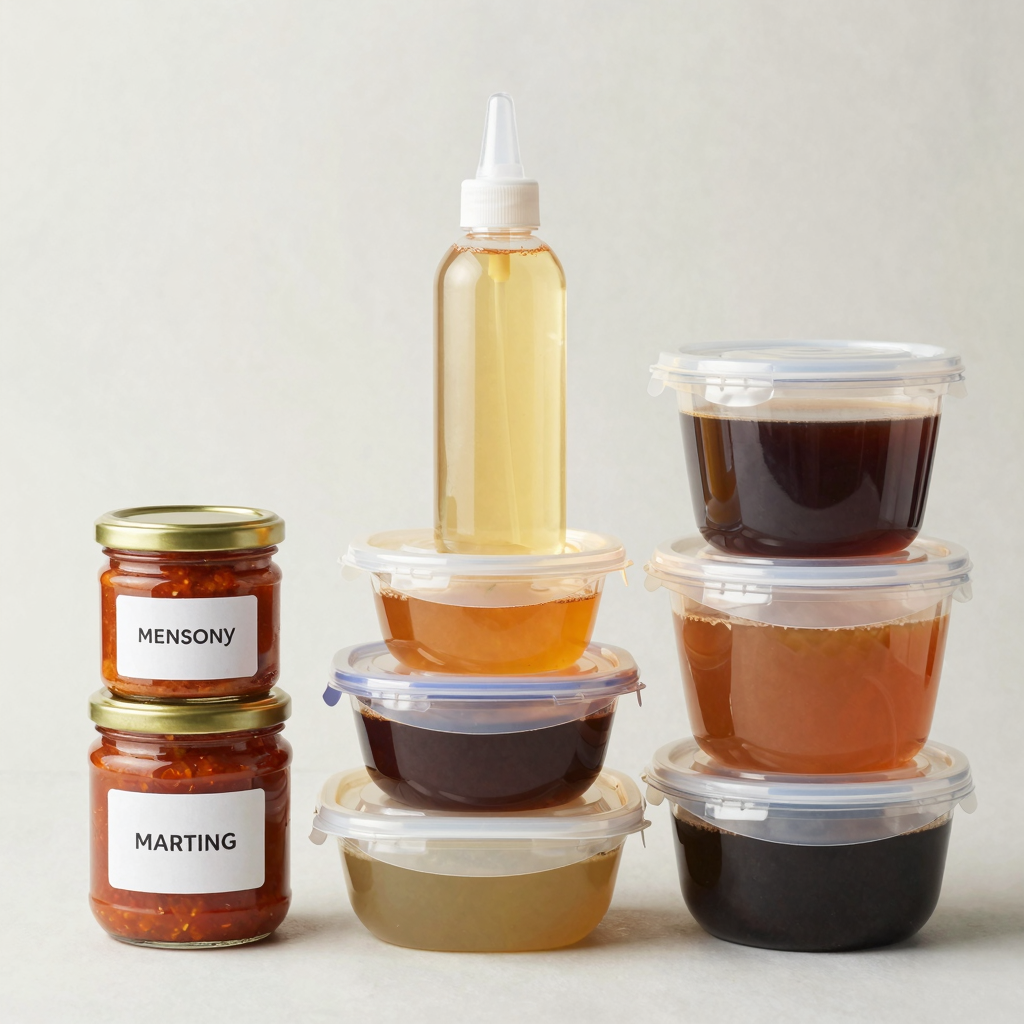
Eco-friendly practices in the manufacturing of plastic containers have gained significant attention in recent years, particularly in the food service industry, where consumers are increasingly concerned about sustainability. Companies are now adopting innovative approaches to reduce their environmental footprint in response to customer values.
-
Use of Sustainable Raw Materials: Manufacturers are selecting recycled and biodegradable materials in the production of plastic containers. For example, BITO-Lagertechnik has been verified as climate-neutral by integrating sustainable practices and resource-saving methods in their production processes. This includes the utilization of eco-friendly materials that are less harmful to the environment. Learn more about their sustainable practices here.
-
Energy-efficient Production Methods: Modern machinery and manufacturing techniques that minimize energy consumption are becoming standard. Companies focus on reducing waste during production, thus enhancing the efficiency of material use and conserving resources. This not only decreases costs but also aligns with a growing commitment to environmental stewardship.
-
Logistics Optimization: Streamlining logistics to minimize carbon emissions during the distribution of plastic containers is another sustainable approach. This involves strategic planning to reduce transportation distances and using more sustainable packing methods, as showcased by companies like Hikvision Europe, which replaced traditional packaging materials to save tons of plastic annually. Explore their commitment to sustainability here.
Eco-Friendly Disposal Practices
When it comes to disposal, eco-friendly practices also play a crucial role. Educating businesses on recycling procedures and encouraging the use of reusable containers can lead to significant reductions in plastic waste. Many companies are promoting take-back programs that let customers return used containers for recycling or repurposing. This service supports the circular economy, whereby materials are reused rather than discarded.
- Education & Awareness: Providing training and resources on proper disposal methods helps ensure that these containers are effectively recycled when their life cycle ends. Manufacturers can play a part by labeling containers with clear recycling instructions.
Aligning with Customer Values in the Food Service Industry
In the food service sector, understanding and aligning with customer values is key to success. Research indicates that a substantial majority of consumers (71%) consider sustainability when selecting dining options. This trend presents an opportunity for food service businesses to differentiate themselves from competitors by adopting eco-friendly practices.
- Building Customer Loyalty: By visibly committing to sustainability, food service companies not only attract environmentally conscious consumers but also foster loyalty among them. Studies have shown that a significant portion of consumers is willing to pay more for sustainable products, thus enhancing the potential for increased revenue. An article from Kerry outlines this shift in consumer behavior, emphasizing that 55% of consumers prioritize sustainable food sources, and many prefer restaurants that exhibit sustainable practices. Read more about how sustainability influences consumer choice here.
Conclusion
By integrating eco-friendly practices in the manufacturing and disposal of plastic containers, businesses can align with the values of their customers while contributing to environmental sustainability. This commitment not only meets consumer demand but also positions businesses as leaders in the transition towards a more sustainable food service industry.
Customer Testimonials and Case Studies
“Switching to durable plastic containers drastically improved our takeout service. We’ve seen a 62% reduction in waste and our customers love that they can reheat their meals without transferring them to another dish!”
- National Restaurant Chain
Learn more about their success“The stackable plastic containers we now use not only organized our kitchen better but also cut food waste by 25% and helped staff easily monitor freshness. It’s a win-win for our operations!”
- Mid-sized Café in Chicago
Read the full case study here
Reliable plastic containers not only enhance food safety but also optimize service quality, ensuring your operations run smoothly.
Key Considerations for Selecting Plastic Containers for Oily Foods
When it comes to choosing the right plastic containers for oily foods, there are several important factors to consider:
-
Size: Ensure the container is appropriately sized for the quantity of food you need to store or serve. Choices range from small cup sizes to large containers suitable for bulk storage.
-
Durability: Look for containers made from sturdy materials that can withstand the weight and temperature of oily contents without warping or cracking.
-
Seal Quality: Opt for containers with high-quality seals to prevent leakage. This is crucial for maintaining freshness and preventing spills during transport.
-
Compliance with Safety Regulations: Choose containers that comply with food safety standards, ensuring they are BPA-free and suitable for use with oily foods.
-
Ease of Cleaning: Consider containers that are dishwasher safe and easy to clean, as oily residues can often be challenging to remove.
By keeping these considerations in mind, you’re more likely to select the best containers for your food business needs. Learn more about plastic food packaging and discover BPA-free options.
In conclusion, the importance of choosing reliable disposable tableware, especially suited for oily foods, cannot be overstated. Our exploration highlighted the advantages of using high-quality disposable plastic containers to ensure food safety, enhance presentation, and maintain convenience for both businesses and customers. With the disposable tableware market expected to grow significantly in the coming years, now is the perfect time to invest in sustainable and reliable packaging solutions.
At Green Dispo Pack, we offer a wide range of eco-friendly disposable tableware and packaging options tailored specifically for bubble tea shops, restaurants, food trucks, and catering services. Our products not only meet high-quality standards but also align with your commitment to sustainability.
Don’t wait! Contact us today to explore our diverse offerings and elevate your food presentation while ensuring a greener tomorrow!
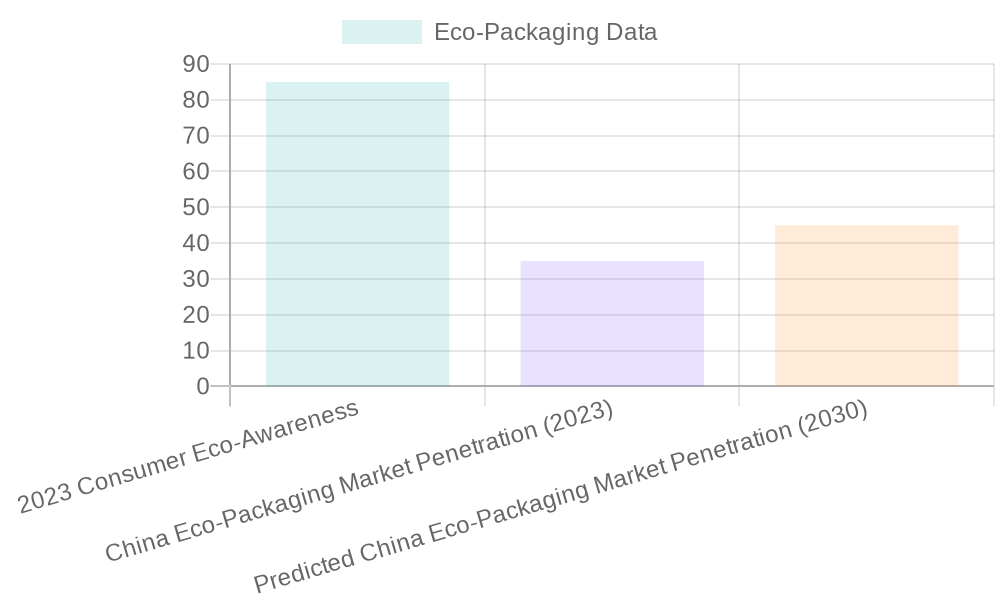
Key Insights:
- 2023 Consumer Eco-Awareness: 85% of consumers consider environmental factors when choosing brands.
- China Eco-Packaging Market Penetration (2023): Currently at 35%.
- Predicted China Eco-Packaging Market Penetration (2030): Expected to exceed 45%.