
In the food service industry, plastic containers are ubiquitous, particularly among Bubble Tea shops, restaurants, food trucks, and catering services. These convenient tools streamline operations and enhance customer experience, but they are not without pitfalls. The safety of food-grade plastic containers is a pressing concern that encompasses potential health risks from chemical migration, degradation due to environmental factors, misleading product information, and complex compliance requirements. This article delves into these critical challenges, equipping you with the insights needed to make informed, safe decisions for your business. Each chapter tackles these issues head-on, providing clarity on how chemical toxicity can affect your offerings, the degradation risks that can impact food safety, and the importance of robust regulatory compliance in ensuring consumer trust. As we navigate these intricate layers, you will emerge with a comprehensive understanding of the safety implications tied to plastic containers in the realm of food processing.
When Plastics Leak: Understanding Chemical Migration and Toxicity in Food Processing
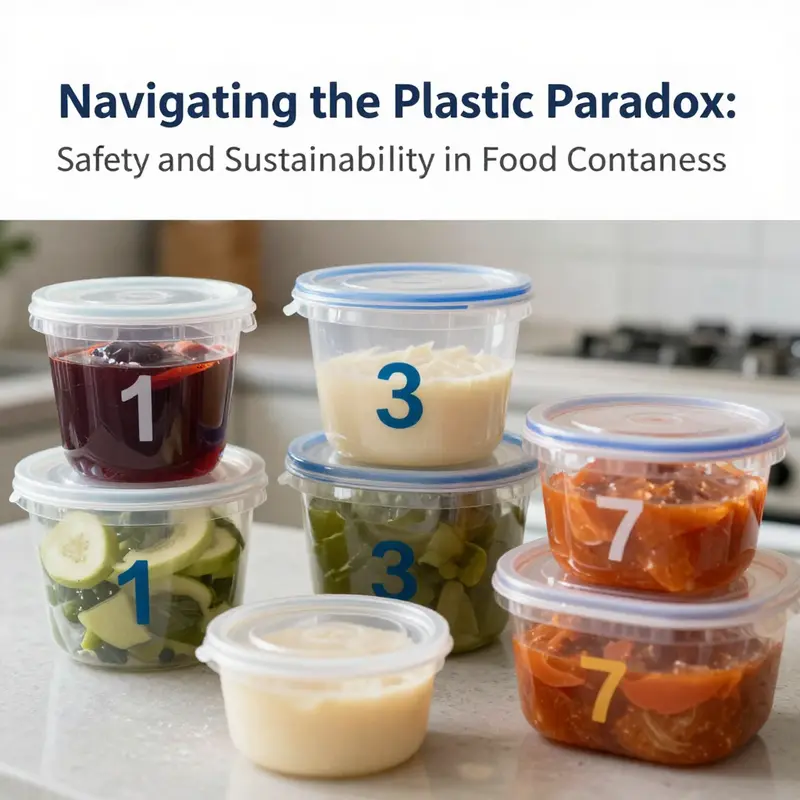
When Plastics Leak: Understanding Chemical Migration and Toxicity in Food Processing
Chemical migration from plastic containers into food is not a theoretical hazard. It is a persistent, measurable problem that arises whenever plastics, food chemistry, temperature and time interact. Plastics used in processing and handling are composite materials. The polymer chains form a backbone, but additives give plastics their useful properties. Plasticizers, stabilizers, antioxidants and slip agents are all intentionally added. Production catalysts, processing aids and unreacted monomers are also present. Under the right stressors, these substances move out of the plastic and into food. That movement is chemical migration, and its consequences range from subtle metabolic shifts to marked endocrine disruption.
Migration is driven by simple physics. Heat increases molecular motion. Fat and oil act as solvents. Acidic media can alter polymer surfaces. A warm, fatty sauce in contact with a plastic vat or container provides multiple drivers for extractables to become leachables. The speed and extent of transfer depend on solubility, molecular size and binding strength between additives and the polymer matrix. Small, lipophilic molecules migrate fastest. Repeated cycles of heating and cooling accelerate the process by creating microcracks and stress points. UV exposure and mechanical abrasion do the same, exposing fresh surfaces that release more chemicals. The longer the contact and the higher the temperature, the greater the risk.
Some migrants are well known and widely studied. Bisphenol A, or BPA, became a focal point after decades of evidence showing estrogenic effects. Phthalates, used to soften plastics, have been linked to reproductive and developmental harms. Substitutes like BPS and BPF were adopted to avoid BPA, yet early toxicology suggests they can mimic hormonal activity too. Metals such as antimony, used as catalysts in PET production, can appear in trace amounts when containers are stressed by heat. A single plastic container can release dozens or hundreds of different compounds. A 2021 analysis found that liquids in contact with plastics can pick up hundreds to thousands of unique chemicals, many of them previously uncharacterized. Some are non-intentionally added substances—residues from manufacturing, byproducts, or contaminants—yet they can still migrate into food.
The type of polymer matters, but it does not tell the whole story. PVC often contains phthalates that readily migrate into fatty or acidic foods. PET, safe for many cold beverages, can release antimony at elevated temperatures. Polypropylene and high-density polyethylene generally perform better under heating, yet studies show they are not inert. Their additives can still leach into fatty matrices, especially when containers are old, scratched, or repeatedly heated. Moreover, the risk profile changes with the food. Acidic dressings, salty brines, and oily emulsions each interact differently with polymer chemistry. A processor using the same container for water, oil, and a citrus marinade will face varying migration dynamics for each product.
Microplastics complicate the picture. As containers age, mechanical wear and thermal cycles create tiny particles. These microplastics can carry adsorbed additives or reaction products, and they can provoke inflammation when ingested. Recent research links chronic exposure to microplastics and plastic-associated chemicals with markers of oxidative stress and vascular damage. While the long-term human health picture is still emerging, the biological plausibility of harm is strong. Endocrine disruption, developmental effects and metabolic disturbances have all been observed in laboratory systems at low doses. Critics argue current risk assessments often miss these low-dose, cumulative, or mixture effects. Regulatory frameworks typically evaluate single substances in isolation. They do not always account for decades of repeated exposure or combined exposures from multiple sources.
This regulatory gap has practical consequences for processors. Labels such as “food-grade” do not guarantee safety in every use-case. Some suppliers may meet basic certification for one type of application, yet their products can fail when repurposed under different conditions. In some markets, inconsistent marking of polymer types and lack of temperature ratings make it difficult for an operator to choose appropriate containers. Without clear information, processors risk using materials outside their tested limits. Poorly informed choices increase migration and may expose consumers to harmful compounds.
Testing and monitoring are therefore essential. Migration testing must reflect real-world conditions. Standard tests often use simulants meant to represent fatty, acidic, and alcoholic foods. But actual foods have complex matrices and enzymes that can interact differently. Processors should demand migration testing under their specific thermal cycles and with representative food matrices. Regular laboratory screening for target migrants and broad-spectrum screening for unknowns can catch changes in material performance. Equally important is visual and tactile inspection: discoloration, brittleness and surface scratches are signs of material breakdown. Replace containers at the first sign of wear.
Risk reduction is practical and achievable. The first step is material selection based on intended use. Avoid polymers known to perform poorly with heat and fat in high-risk applications. When hot filling is required, favor inert materials such as stainless steel or glass. Where single-use is necessary, high-quality, purpose-designed paperboard with appropriate food-safe coatings can reduce direct plastic contact. For processors seeking such alternatives, consider using a disposable kraft paper bowl for food package with lid as a safer single-use option in takeaway scenarios. Limiting contact time, lowering processing temperatures when possible, and minimizing direct container contact with fatty or acidic foods all reduce migration potential.
Supplier control matters. Insist on up-to-date declarations of compliance and batch-level testing. Require traceability for raw materials and production records. Audit suppliers for quality systems that prevent ‘‘compliance camouflage,” where initial testable prototypes differ from production batches. Implement incoming inspection protocols. Use only containers marked with material codes and temperature ratings. Maintain a replacement schedule that reflects usage intensity rather than arbitrary timelines. Train staff to recognize signs of aging and to avoid improvising with containers for unintended uses.
Cleaning and sterilization choices also influence migration. Aggressive detergents, prolonged hot water exposure and repeated sterilization cycles can degrade plastics faster. Use milder cleaning regimes suitable for the polymer, and validate cleaning processes so they remove food residues without accelerating polymer breakdown. Where repeated sterilization is needed, favor materials that retain structural integrity and resist additive loss, like certain grades of stainless steel.
Finally, maintain transparency about residual risk. Communicate to customers and auditors the steps taken to limit migration. Document testing results, material selections, supplier audits, and replacement records. Regulators increasingly expect traceability and lifecycle data for food contact materials. Demonstrating a proactive approach to migration control reduces liability and protects public health.
For processors, the central message is clear: plastics are versatile, but they are not universally inert. Chemical migration is a function of material, food chemistry, temperature, time and mechanical condition. Mitigation requires design choices, informed procurement, tailored testing, and vigilant operational practices. By treating container selection and maintenance as integral to food safety, processors can reduce the silent risk of chemical migration and protect both consumers and brands.
For authoritative guidance on regulatory frameworks and evaluations of substances that may migrate from packaging materials, consult the U.S. Food and Drug Administration’s Food Contact Substances resource: https://www.fda.gov/food/food-contact-materials/food-contact-substances
When Plastic Fails: Degradation, Wear, and Hidden Safety Risks in Food-Processing Containers
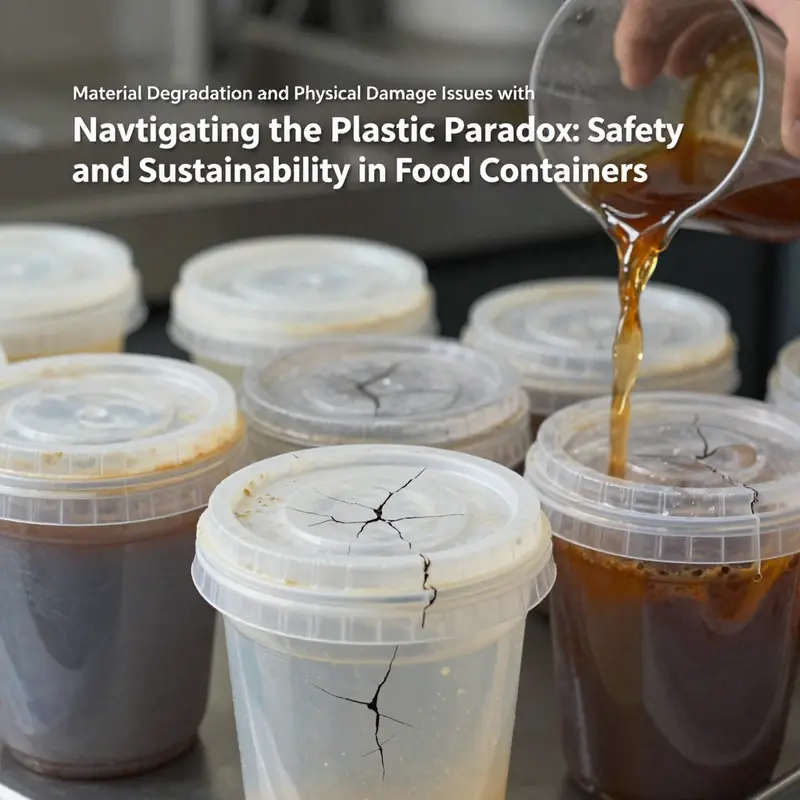
Plastic containers are chosen in food processing for their light weight, cost efficiency, and chemical inertness under ideal conditions. Yet the very conditions of processing—high temperatures, repeated cleaning, mechanical handling, and exposure to oils, acids, and UV light—expose these materials to a sequence of stresses that slowly erode their integrity. The chapter that follows examines how degradation and physical damage unfold in practice, why these changes matter for safety, and how they ripple through an operation from the shop floor to the consumer’s table. It is a story of quiet change: a polymer that looks the same on the outside may, inside, have shed small fragments and released trace additives that were never intended to make their way into edible products. Understanding this dynamic is essential for any processor aiming to protect product quality, regulatory compliance, and, ultimately, consumer health.
The core process begins with polymer degradation. Even widely used plastics such as PET and PP, when subjected to the heat typical of pasteurization, hot filling, or hot storage, begin to alter at the molecular level. Heat accelerates chain scission and rearrangement, diminishing the material’s mechanical strength and altering its barrier properties. In practical terms, this means the container becomes less capable of resisting micro- and macro-scale punctures, less efficient at keeping oxygen and moisture out, and more prone to shedding particles into the food. The consequence is not only a loss of packaging performance but also a potential exposure path for microplastics to enter the product. Elevated temperatures do not act in isolation; they interact with fats, oils, and acids that serve as solvents for leachables. When a fatty or acidic food is in contact with a heated container, additives that were designed to stabilize the polymer can migrate more readily into the food matrix. This is not merely a theoretical concern: the combination of heat and greasy substances has been shown to facilitate the extraction of a broader suite of additives and degradation products from the plastic, an issue that remains central to ongoing debates about the safety of long-term storage or repeated-use scenarios.
Alongside chemical migration, the physical surface of the container tells an important story. Repeated handling, rigorous cleaning, and the constant friction of stacking and filling create micro-scratches and scoring that compromise the integrity of the polymer. These imperfections are more than cosmetic; they become zones of weakness where stress concentrates, accelerating crack formation under future thermal cycles. A visible indicator often accompanies this aging: a color change. When the hue shifts, it signals chemical and optical aging, a signpost that the polymer’s structure has altered enough to warrant closer scrutiny or retirement of the container. The relationship between surface damage and migration is synergistic: scratches and microcracks expose fresh surfaces where additives can migrate more readily, and migrating residues can interact with the surface to promote further degradation. This feedback loop matters because it means a minor-looking ding on a container could be a predictor of future leaching events, especially under subsequent heat exposure.
The degradation story is not limited to the familiar workhorse plastics; even materials considered robust under normal use—such as PET and PP—show vulnerabilities that emerge under the stress of high-temperature processing and aggressive cleaning regimes. Foam-style containers, like Styrofoam, illustrate another dimension of material limitations. While their insulation properties and light weight have made them popular for certain applications, these foams often come with restrictions on microwave use and a tendency to absorb odors. In a processing environment where containers may be heated, cooled, washed, and reused, these properties translate into practical constraints. The result can be an increased risk of contamination from absorbed odors, altered texture of the container itself, or accelerated aging that compromises barrier properties and mechanical performance.
A critical thread linking degradation, wear, and safety concerns is that the health risks are not limited to human exposure to microplastics in the finished product. The degradation process also alters the container’s ability to act as a barrier. As the polymer becomes more brittle or develops micro-voids and microfractures, the potential for gases and volatile compounds to migrate rises. This creates a dual hazard: physical fragments can shed into food, and chemical migrants can contaminate the product, especially when processing conditions push materials toward the extremes of their functional ranges. The health implications of such migration are the subject of ongoing research, with discussions highlighting inflammation, oxidative stress, and vascular impacts when toxic additives or degraded fragments find their way into consumed foods. While the exact risk level varies by polymer type, temperature profile, and food matrix, the general pattern is clear: degradation under processing conditions elevates both the likelihood and potential severity of contamination events.
Visibility and maintenance play crucial roles in managing these risks on the floor. Operators frequently rely on subjective cues to determine when a container should be retired or replaced. A tidy appearance can be deceptive; subtle color shifts, fine surface cracking, or a slight change in feel during handling may precede more dramatic failures. The industry thus benefits from rigorous inspection protocols that go beyond surface aesthetics. A practical approach includes establishing clear retirement criteria tied to processing temperatures, load histories, and cleaning cycles. When a container demonstrates any noticeable color change or surface damage, it should be treated as a reminder that the aging process is underway, and the risk of heightened migration and fracture is increasing. In such cases, replacing the container before a failure occurs is a prudent investment in safety and product integrity.
In considering how best to respond to these challenges, processors must weigh the benefits of plastic against viable alternatives and adopt strategies that reduce risk without compromising efficiency. One path is the careful selection of materials with proven heat stability and migration resistance for specific processing conditions. Yet even with the best materials, degradation remains a factor if exposure and handling exceed validated conditions. Therefore, maintenance—and, crucially, timely replacement—becomes part of a comprehensive risk-management program. Regular audits of process temperatures, contact times, and cleaning regimes help ensure that polymer performance aligns with the safety requirements of the product. In addition, adopting procedures that minimize thermal stress—such as avoiding unnecessary reheating and limiting high-fat or highly acidic interchanges with heated containers—can lower the net exposure to leachables and migration products.
The broader implications of degradation and wear extend to regulatory and supply-chain considerations as well. As standards become stricter and testing methodologies more comprehensive, the tolerance for unpredictable migration diminishes. While these conversations are often framed around chemical safety data and certified materials, they also hinge on the practical realities of reuse, disposal, and compatibility with processes that involve repeated cycles of heating and cooling. The environmental and economic incentives to reuse must be balanced against safety imperatives, a tension that pushes processors toward safer designs, improved quality controls, and more transparent documentation of material origins and processing histories. In this sense, material degradation is not just a material science issue; it is a cross-cutting operational concern that influences procurement strategies, equipment design, and regulatory compliance.
From a practical standpoint, the path forward blends vigilance with informed material selection and process optimization. Managers can minimize risk by enforcing stringent criteria for material choice, defining explicit temperature and exposure limits, and implementing robust inspection routines that detect early signs of aging. They can also study the interactions between specific foods and container types, recognizing that hot, high-fat, or acidic products pose the greatest migration risk and require particular caution. Where feasible, migrating away from potentially problematic plastics for certain high-risk applications toward safer alternatives—such as paper-based packaging for hot or fatty foods where appropriate—can reduce overall exposure while preserving operational efficiency. For readers seeking to explore safer options that align with these goals, an internal resource on eco-friendly paper beverage cups can offer a starting point for considering non-plastic alternatives in contexts where they meet performance requirements. The narrative ends by noting external resources for further reading can be found here: https://www.mdpi.com/2077-0375/15/11/2456. This work provides a detailed analysis of analytical methods, health risks, and environmental impact related to microplastics in food packaging, helping to ground the discussion in current scientific perspectives as the industry moves toward safer, more reliable packaging choices.
Hidden Dangers Behind the Label: The Case for Transparent Product Information in Plastic Food-Contact Packaging
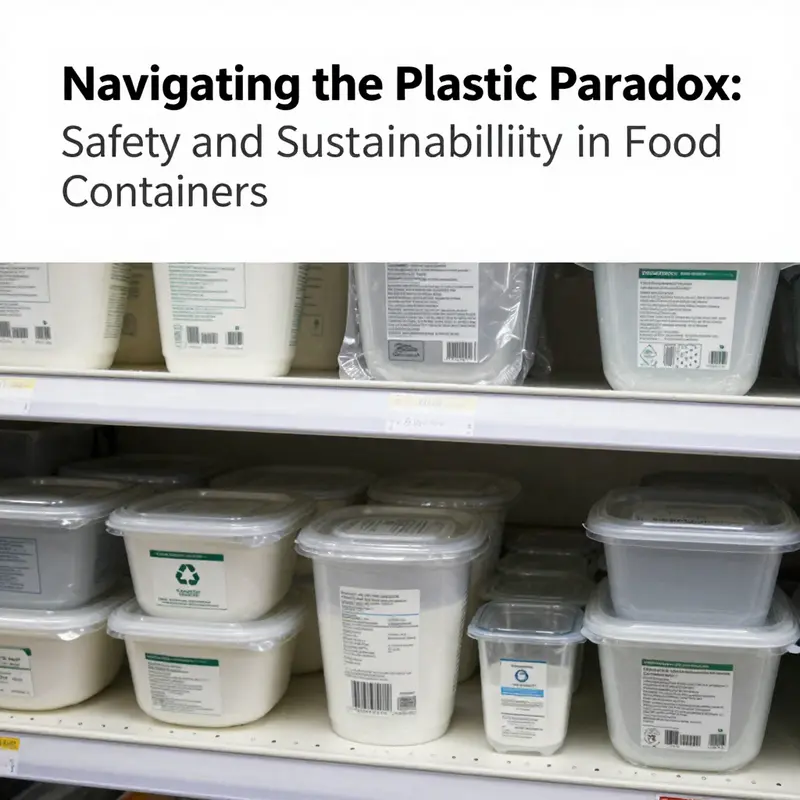
The opacity surrounding plastic containers used in food processing is not a mere nuisance; it is a systemic risk that compounds every step from design to delivery. At the heart of this risk lies information—or, more accurately, the persistent lack of reliable, accessible, and standardized information about what is in the plastics and how those materials behave under real processing conditions. The chapter that follows travels through the terrain where policy gaps, industry practice, and consumer realities intersect. It is here that the problem of inadequate or misleading product information becomes a critical safety issue, because knowledge about material composition and safe usage is the first line of defense against unwanted chemical migration, improper reuse, and unforeseen regulatory breaches. When operators cannot quickly verify whether a container is appropriate for a given heat regime, acidity, or fat content, they are forced into a defensive posture—relying on assumptions, informal sources, or the reputation of a brand rather than on verifiable data.
The most immediate consequence of unclear labeling is misapplication. Plastic identification codes, those familiar numbers stamped on packaging, are intended to guide users toward appropriate materials. In practice, they offer surprisingly little practical clarity. For many buyers—whether a processor sourcing large volumes or a small-scale producer repurposing containers for a different product—the code tells little about migration potential, oxidation resistance, or the temperature thresholds that the material can withstand without releasing additives or degradation products. This gap becomes acute when containers are heated or come into contact with acidic or fatty foods. The literature and regulatory commentary converge on a disquieting conclusion: the codes are not a reliable proxy for safety in the context of food contact. When the label is insufficient or misleading, the assumption that “food-grade” equals “safe in all conditions” becomes dangerous fiction. It invites misuse, and with it, the potential for harmful substances to migrate into food matrices during processing.
A related and equally troubling dimension is the regulatory mismatch between consumer expectations and actual labeling practices. In the United States, there is no universal requirement that plastic containers intended for food contact bear a blanket, unambiguous “food safe” designation. This absence persists despite the everyday reality that consumers expect such clarity. A 2025 analysis highlighted the core problem: a gap between what is labeled or certified and what the consumer or processor can reasonably verify. The result is a marketplace where products meant for food contact can reach production lines with only fragmented or batch-specific assurances. The trend toward greenwashing—where packaging is marketed as eco-friendly or safer without robust substantiation—further muddies the waters. In the absence of standardized, enforceable labeling, environmental claims, compatibility statements, and safety assurances become marketing tools rather than scientific guarantees.
The United Nations has long called for systemic change in how materials used in food packaging are governed. The emphasis is not simply on clearer labeling but on rethinking production and consumption models to reduce dependence on uncertain inputs and opaque supply chains. A 2025 report argued that current approaches fail to hold producers fully accountable and shift too much responsibility onto consumers and processors who are left with inadequate tools to make informed choices. This critique resonates in the realm of plastic food-contact materials, where the stakes extend beyond individual health to include broader public health and environmental sustainability. The push for standardized, transparent, and enforceable information is not a cosmetic reform; it is a foundational requirement for meaningful risk mitigation.
The information gap does not exist in a vacuum. It interacts with the realities of supply chains and the diverse range of plastic polymers used in food processing. In practice, many containers circulate in systems with mixed materials, varying degrees of post-consumer recycled content, and evolving additives. The consequence is a confluence of uncertainties: you may know the general polymer family from a recycling symbol, but you often do not know the precise additives, stabilizers, or residues in each batch. The lack of batch-level traceability means a single recall or regulatory trigger can ripple through a supplier network with little warning and limited ability to isolate problem streams quickly. This is particularly problematic where heat exposure is involved, as certain additives migrate more readily under thermal stress, and where acidic or fatty foods can act as catalysts for migration. The common practice of reusing containers beyond their intended life cycle, or repurposing them for different products, compounds this risk. In such scenarios, the absence of clear, product-specific usage guidelines becomes not just a compliance issue but a direct threat to consumer safety.
One of the most compelling echoes of the labeling dilemma comes from the need for lifecycle traceability. Modern regulatory expectations emphasize the ability to trace a packaging component from raw material to end product. Yet opaque supply chains persist, often due to fragmented suppliers, subcontractors, and limited data sharing across tiers. When traceability falters, it is nearly impossible to verify whether a given container was manufactured to the specific standards required for a particular processing condition. This is not a niche concern; it bears directly on compliance with risk assessment frameworks that judges use to determine whether a material is suitable for contact with high-fat, acidic, or hot foods. The problem is magnified in markets where new standards and migration testing regimes have become more stringent. For example, the tightening of testing regimes for specific migration substances or the introduction of lifecycle-based regulatory requirements places a premium on robust information flow and verifiable documentation. When a processor cannot access batch-specific data—such as the exact resin type, the presence or absence of certain plasticizers, or the maximum safe operating temperature—the likelihood of inadvertent non-compliance increases.
To navigate this landscape, processors must adopt a mindset that treats labeling as a key input to safety rather than a compliance checkbox. This means demanding evidence of material composition, including detailed declarations of additives, stabilizers, and any coatings or liners used in contact with food. It means requiring clear, unit-level guidance on safe handling, including precise temperature thresholds and time limits for processing conditions. And it means insisting on consistent, machine-readable documentation that accompanies each shipment, enabling traceability without requiring manual cross-checks that slow production and invite human error. The imperative is not merely to avoid errors but to build a culture of safety through information transparency. When information is reliable and accessible, it becomes a powerful ally in preventing migration-related hazards and in guiding responsible use, reuse, and disposal.
There is also a practical, near-term step that can bridge the gap between information and action. Within the broader packaging ecosystem, expanding access to standardized safety data sheets and material declarations, particularly for food-contact applications, would empower processors to make evidence-based decisions faster. Such standardization would reduce the reliance on informal sources or brand reputations and would enable consistent risk assessments across supply chains. For processors seeking to balance safety with operational efficiency, transparent information can translate into fewer product holds, lower recall risk, and a clearer path to compliance with evolving standards. It also supports a shift toward more sustainable packaging choices by enabling ready comparisons of alternatives based on objective criteria, such as migration profiles, heat resistance, and recyclability.
As a tangible example of how the packaging world is evolving toward more disclosure-friendly options, consider the growing availability of eco-friendly packaging alternatives that prioritize non-plastic or paper-based components in certain use cases. These options aim to reduce reliance on plastics in contexts where migration risks are greatest or where processing temperatures are high. For processors exploring such avenues, even if they remain a minority in the market, the move toward clearer information about material composition and safe usage can be a gateway to improved safety profiles. See this example of an eco-friendly kraft paper bowl product for take-away use as part of a broader packaging strategy that seeks to minimize risk while maintaining functional performance in food service environments: eco-friendly kraft paper bowl product.
Ultimately, the path forward is not merely about compiling more data; it is about making that data accessible, actionable, and accountable. A robust framework for product information would require explicit disclosures of raw material composition, processing conditions, and safety testing results that support claims of food safety. It would also require standardized labeling that stays with the product across the supply chain, regardless of where it is manufactured or resold. In tandem, regulators, industry bodies, and manufacturers must align on what constitutes credible evidence and how it should be communicated to upstream processors and downstream users alike. The goal is a transparent system in which decisions are driven by verifiable information rather than by assumptions or marketing narratives. Such a system would not only reduce the likelihood of harmful migration and misapplication but would also bolster consumer trust and corporate accountability.
In closing, the issue of inadequate or misleading product information is inseparable from the broader challenges of safety, compliance, and sustainability in plastic food-contact packaging. It is a problem that demands deliberate action: better data, standardized disclosure, and enforceable labeling that accompanies each material used in the processing chain. When processors can access clear, batch-specific information—along with a straightforward way to verify that data against current regulatory expectations—the risk landscape shifts significantly in favor of safety. The long-term payoff is a packaging ecosystem that supports safer processing environments, reduces the burden of recalls, and aligns with a growing political and public demand for transparency in how packaging materials interact with the foods we consume. For researchers, policymakers, and industry leaders alike, the emphasis must remain on turning information into protection, and on ensuring that every container on a processing line carries with it a trustworthy map of its own safety profile.
External resource for deeper context on regulatory perspectives and safety considerations can be found here: FDA resource.
The Compliance Tightrope: How Regulatory Demands Shape the Safe Use of Plastic Food-Contact Containers
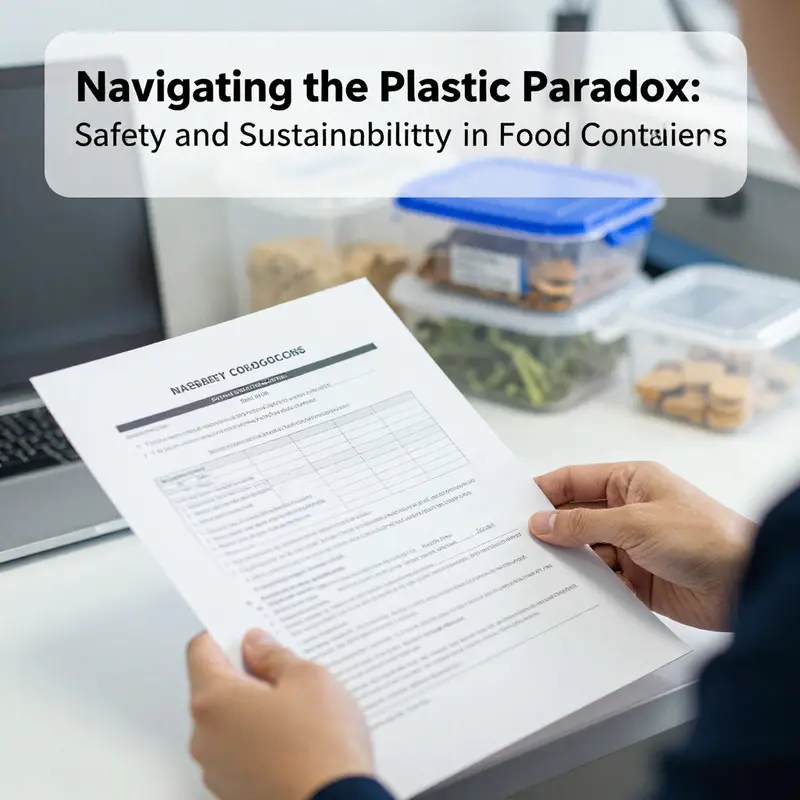
Regulatory compliance in the realm of plastic containers used in food processing is not a static checklist but a dynamic discipline that requires constant vigilance, rigorous documentation, and a disciplined approach to risk. In practice, this means aligning material choices with a shifting mosaic of global standards, ensuring that every batch meets explicit migration limits, and maintaining the traceability necessary to defend against recalls and regulatory penalties. The path from raw resin to finished packaging is fraught with regulatory forks: what passes muster for one market may be deemed insufficient in another, and a container that once served a cold, neutral product can become a source of risk when applied to hot, fatty, or acidic foods. Understanding this regulatory landscape is essential not just for compliance officers but for everyone across the supply chain who touches the material—from procurement and quality assurance to production and logistics. It is a story of meticulous science married to disciplined process control, where safety depends on the integrity of every decision, every test, and every record kept along the way.
First, the core of regulatory compliance in food-contact plastics rests on food-contact regulations themselves. In major markets, agencies such as the U.S. Food and Drug Administration and the European Food Safety Authority translate decades of toxicology, exposure science, and manufacturing experience into concrete rules. These rules define which additives may be used, and in what concentrations, for specific food applications. They also set migration limits—the maximum quantities of substances that may transfer from the container into the food under defined conditions. This is not a dry accounting exercise. It directly governs what materials can be used for high-fat sauces, acidic dressings, or hot-filled products, where the solvent-like properties of fat and heat pull additives from plastics. Compliance means more than choosing a plastic with a favorable label; it means validating that the entire system—resin, additives, and processing conditions—remains within safe boundaries for the intended use.
Additives themselves are a central regulatory focus. Phthalates and bisphenol A have faced restrictions or bans in numerous jurisdictions, especially for applications involving infants or long-term storage. In processed foods, where temperature abuse, storage time, or unusual pH and fat content can alter migration dynamics, the strictness of the rules can shift dramatically. The practical implication is that a container recommended for one use may not be interchangeable with another. A container that performs safely at room temperature with water-based products can fail a migration test when challenged with hot, oily mixtures. This reality underscores the importance of selecting materials based on explicit testing for the intended application, not just on broad certifications. The regulatory narrative therefore moves from material selection to testing protocols, and from isolated batch testing to ongoing quality assurance that covers supplier changes, lot-to-lot variability, and process variations.
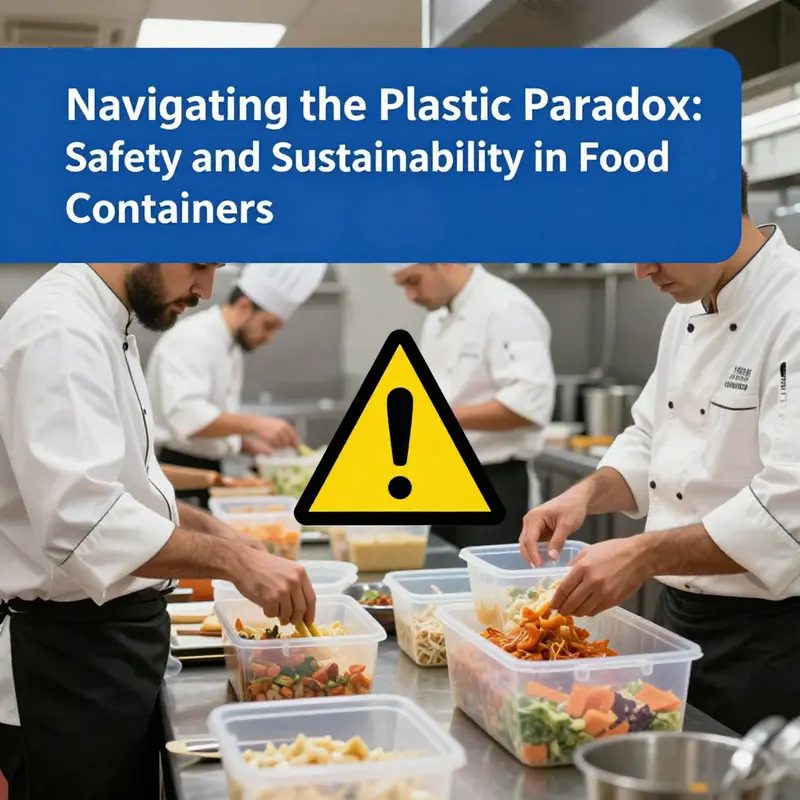
In this context, Good Manufacturing Practices and HACCP principles take on an expanded role. GMP ensures the manufacturing environment for plastic components remains clean, controlled, and documented. HACCP, meanwhile, drives hazard analysis and critical control points back into the packaging chain. A critical control point may concern the cleaning and sanitization of molds, the handling of resin pellets, or the storage conditions of finished containers before their use in production. When regulators look for traceability, they expect a complete, auditable trail from raw material receipts to final product. Certificates of conformity, test results, batch numbers, and supplier declarations form the backbone of compliance documentation. In practice, this means that a manufacturer cannot rely on a single document from a supplier; it must maintain a robust dossier that accompanies each batch of containers and can withstand regulatory scrutiny, supplier audits, and potential recalls.
Traceability becomes particularly challenging when containers are imported or sourced through multi-tier supply chains. Global trade regulations introduce additional layers of complexity, including the need to verify that foreign manufacturing practices meet domestic expectations for GMP and that the material composition remains consistent across borders. Importers are increasingly required to demonstrate knowledge of the exact origin and composition of every plastic component, a demand that pushes suppliers toward more transparent, auditable processes. Where opaque supply chains once sufficed, today’s regulators demand traceability that travels with every shipment, ensuring that no non-compliant batch can slip into production unnoticed. The net effect is a heightened emphasis on supplier qualification, ongoing performance monitoring, and third-party verification, which together create a more resilient, albeit more resource-intensive, compliance ecosystem.
A practical consequence of this regulatory complexity is the evolving perception of risk management within food processing operations. Compliance is no longer a passive risk shield but an active, strategic asset. Companies are increasingly adopting formal supplier audits, routine third-party testing, and certification programs that signal a credible commitment to safety. Standards such as ISO 22000 or FSSC 22000 offer structured frameworks for integrating food safety with broader quality management, supplier controls, and traceability. Even when a company cannot directly influence every ingredient, it can shape the safety of its packaging by insisting on validated materials, verified processing temperatures, and documented cleaning procedures. Compliance becomes a living system, with updates to standards, new migration data, and revised testing methodologies all feeding back into purchasing decisions, production planning, and the design of future packaging investments.
These dynamics are most visible in the tension between cost pressures and risk reduction. The drive to minimize material costs can conflict with the higher costs of compliant materials, rigorous testing, and robust traceability. Yet the financial calculus is not only about avoiding recalls and fines. It also encompasses the reputational and operational costs of interruptions, product withdrawals, and customer confidence deficits that can linger long after an initial incident. A well-designed compliance program, even if it adds short-term cost, can reduce long-term risk by ensuring that every container entering the food chain is fit for its intended purpose and remains stable throughout its lifecycle. This is particularly important when dealing with the heat, fat, and acidity often present in processed foods. The migration dynamics under such conditions can magnify the consequences of noncompliance, turning what might seem like a minor regulatory breach into a major public health concern and a costly disruption to production lines.
Given the global nature of supply, effective compliance also rests on risk-based supplier management. Regulators throughout the world expect manufacturers to exercise due diligence in selecting and supervising suppliers, not merely to rely on a certificate stamped at the point of purchase. This means thorough supplier audits that probe material specifications, production environments, quality control procedures, and the ability to trace each batch back to its origin. It also means independent verification—third-party testing and certification that can corroborate that the packaging meets migration limits, cleaning validation, and compatibility with the specific foods and processing conditions in use. In practice, this reduces the odds that substandard or non-compliant materials will be culled out only after a problem appears, shifting the burden of prevention toward proactive oversight and verification.
As the regulatory landscape evolves, processors must also stay attuned to regional differences that influence packaging decisions. Standard-setting bodies, national regulators, and international harmonization efforts continually redefine what is acceptable for particular foods, temperatures, and shelf lives. This means that a packaging solution that passed muster last year might require reevaluation today if regulatory guidance shifts or new migration data becomes available. The prudent path is a lifecycle view of packaging—assessing not just the current regulatory status but the likelihood of future changes, the supplier’s capacity to implement those changes, and the organization’s readiness to adapt quickly without compromising safety or continuity of supply. That adaptability, in turn, is built on investment in people, processes, and technologies that can collect, track, and interpret the data regulators demand.
For practitioners seeking practical ways to embed regulatory compliance into daily operations, the chapter underscores several guiding principles. First, anchor material choices in explicit, application-specific migration data, not in broad generalizations. Second, demand robust GMP and HACCP integration for every packaging step, including resin storage, molding, and post-mold handling. Third, insist on full documentation—certificates of conformity, lot-specific test results, and clear records of cleaning and maintenance activities. Fourth, implement a disciplined supplier management program that includes audits, third-party verifications, and contingency plans for sudden regulatory shifts. Finally, when possible, explore packaging alternatives that align with evolving standards and consumer expectations for sustainability and safety, using internal references such as the kraft-paper options that illustrate a shift toward less risky packaging modalities in certain contexts. For example, a practical packaging option highlighted in supplier content can be reviewed as part of this broader risk strategy: Disposable 700ml Kraft paper bowl product page. This approach does not ignore safety; rather, it acknowledges that regulatory compliance is part of a broader risk management framework that includes packaging choices, supply chain transparency, and proactive product stewardship. In a world where regulatory expectations keep tightening, the pathway to safe and compliant plastic containers is a disciplined but adaptable program that treats safety, traceability, and supplier governance as indivisible elements of product integrity.
To ground these considerations in real-world practice, one must also recognize the value of external, sector-wide knowledge as a resource for ongoing improvement. The broader literature and industry reporting emphasize that compliance is an evolving target, requiring ongoing attention to testing methodologies, migration science, and regulatory harmonization. The following external resource provides deeper context on the standards landscape and how they translate into practical requirements for cap and container materials, offering a framework that complements internal compliance efforts: https://www.plasticsnews.com/article/20260121/plastic-screw-cap-standards-performance-and-applications
null
null
Final thoughts
In conclusion, the complex interplay of chemical safety, physical durability, misleading product information, and regulatory scrutiny highlights the pressing challenges faced by food service operators using plastic containers. As a business owner, understanding and addressing these issues is vital not only for compliance but also for ensuring the health and safety of your customers. By choosing verified food-grade plastic options, maintaining rigorous quality checks, and staying updated with regulatory changes, you can mitigate the risks associated with plastic containers. Ultimately, prioritizing the safety of your food operations not only strengthens your brand’s reputation but also enhances customer trust and loyalty. Make informed choices to safeguard your business and elevate your service standards.