

Plastic clear cold drink cups in 9 oz sizes have become essential tools for beverage service across various industries. From bubble tea shops to catering services, these disposable cups offer practical yet appealing solutions for serving chilled drinks. This article will delve into their key features, explore market trends and industry applications, and discuss their advantages and limitations, giving businesses the insights they need to make informed choices in their operations.
The Transparent Elegance and Resilience of 9 oz Clear Cold Drink Cups: A Detailed Analysis

9 oz clear plastic cold drink cups stand as a triumph of ingenuity and practicality in the competitive world of food and beverage services. Their design marries a striking transparency with impressive strength and an array of user-friendly features, making them a favored choice for serving chilled beverages in numerous settings. Every aspect of these cups—from the material composition to the precision in volume—is engineered to elevate the consumer experience. The transparency of the container not only allows a view of the vibrant drink within but also subtly reinforces the promise of quality and freshness. The use of high-grade plastics such as Polyethylene Terephthalate (PET) and, in certain cases, Polypropylene (PP) guarantees that these cups achieve a glass-like clarity while retaining the durability and lightweight properties that modern vendors and customers demand. Each cup holds exactly 9 ounces, an ideal serving size for iced tea, iced coffee, smoothies, fruit juices, or bubble tea, ensuring consistency across diverse servings. Manufacturers adhere to strict quality control measures so that every cup produced maintains the optimal balance between cost efficiency, aesthetic appeal, and structural integrity.
The production process for these cups is a sophisticated blend of advanced molding techniques and thorough quality assurance protocols. The use of PET provides the enhanced transparency that many customers equate with premium quality, while the inherent flexibility of the plastic allows the cup to resist shocks and accidental impacts. This careful craftsmanship means that whether the cup is used in a fast-paced café or delivered as a takeaway order, it maintains its unblemished appearance and leakproof nature when paired with a matching lid. The precision in design extends to ensuring that each 9 oz cup is uniformly created, meeting exacting volume specifications that help vendors manage portion control. Additionally, manufacturers now face the dual challenge of balancing cost-effectiveness with the rising consumer demand for environmentally sensitive products. In recent years, there has been a notable shift towards offering recyclable or even biodegradable versions of these cups. This innovative approach allows businesses to embrace sustainability without sacrificing the clarity, durability, or design features that have made these cups so successful in the market.
A key element in the overall functionality of these cups is their complementary lid system. Among the most popular are the dome lids, which feature a smooth, tapered straw hole designed to securely anchor straws while minimizing the risk of spills. This thoughtful design element addresses a critical need in fast-paced service environments where even a minor liquid leak could compromise customer satisfaction. In addition to dome lids, there are snap-on varieties that create a firm, interlocking closure. This snap-on design provides not only a tamper-resistant seal but also reinforces the cup’s ability to protect its contents during transit. Some lid variants include vented designs to enhance airflow, facilitating easier sipping without sacrificing the cup’s leak-proof nature. Every detail—from the curvature of the cup’s edge to the precise contouring found on its lids—is the result of careful engineering. These design decisions ensure that the cup performs reliably across a range of scenarios, whether it is jostled during transport or held steadily in a consumer’s hand at a busy food court.
In practical everyday use, the advantages of these 9 oz clear plastic cups become immediately apparent. They have transformed the way cold beverages are served, providing a blend of convenience and aesthetic pleasure that caters to both vendors and consumers. Their robust construction and lightweight design make them ideally suited for mobile vendors, takeout services, and high-volume events alike. The consistency in size—from the exact 9 oz volume to the uniform shape—ensures that every cup is a dependable vessel for refreshment. Even in environments where speed and efficiency are paramount, these cups deliver consistent performance. Their resilience against impacts and environmental stresses means that whether a beverage is prepared in a high-end café or served at an outdoor festival, the integrity of the cup is maintained. In scenarios where beverages include targets like iced drinks with delicate foam or layered smoothies, the transparency of the cup provides an additional layer of visual assurance. Consumers can immediately appreciate the vibrant colors and enticing textures of their drinks, which in turn builds trust in both the product and the brand offering it.
Market trends indicate that the adaptability of these cups has contributed to their widespread adoption. Suppliers are increasingly focused on producing cups that do more than simply contain a beverage. They are designed to support brand identities through customization options such as personalized logos, color schemes, and even special finishes like metallic rims. Such options empower businesses to transform a standard beverage container into a powerful marketing tool. The ability to tailor these cups to reflect a company’s image enhances overall brand perception and contributes to an extraordinary customer experience. Many businesses actively explore these customization avenues during seasonal promotions or special events, ensuring that the product not only meets functional requirements but also enriches the visual and sensory engagement with the consumer. Key manufacturing hubs, particularly in regions recognized for excellence in packaging, continue to drive innovation and cost competitiveness. The efficiency in production, combined with rapid feedback from domestic and international markets, solidifies the cup’s status as an indispensable tool for modern businesses.
Beyond functionality and market presence, the environmental impact of disposable products is a topic that has drawn considerable attention. Although the single-use nature of these plastic cups may raise sustainability concerns, significant strides have been made to address these challenges. Manufacturers are increasingly investing in research to develop more sustainable production techniques that lessen environmental impact without compromising on quality. Advances in recycling technology are leading to higher rates of plastic recovery and reuse. Moreover, the development of biodegradable options offers a promising alternative for companies that wish to balance consumer convenience with ecological responsibility. The clear design of these cups does not just serve immediate visual appeal; it also symbolizes transparency in manufacturing processes and material sourcing. As environmental awareness continues to rise among consumers, many vendors are adopting cups that are not only cost-effective and visually appealing but also responsibly produced. This commitment to sustainability is gradually reshaping consumer expectations and encouraging a broader transition toward more eco-friendly practices in the industry.
The exceptional design and engineering behind these 9 oz clear plastic cups are the culmination of years of research, development, and iterative improvement. Every feature, whether it is the precise measurement of liquid capacity or the secure integration of the lid, is evidence of a dedicated effort to meet modern service demands. The manufacturing standards ensure that every cup is produced with consistent clarity, resilience, and an impeccable finish. This stringent quality control, combined with advanced production techniques, results in a product that easily meets the challenges of high-volume retail environments. The thoughtful design extends to practical considerations such as ease of stacking and storage efficiency, which are essential for high-turnover settings. The success of these cups lies not only in their aesthetic appeal but also in their sustained performance under a variety of challenging conditions. This reliability makes them ideal for venues where operational efficiency and customer satisfaction are intertwined. It is clear that the unmatched blend of elegance, functionality, and operational effectiveness is what sets these beverage containers apart from their competitors.
Further enhancing the user experience are structural features that simplify everyday use. The ergonomically designed shape of each cup allows for an effortless grip and a stable base, reducing the likelihood of accidental tipping or spillage. The design is optimized so that the cup’s walls are both thin enough to maintain lightweight handling and thick enough to prevent deformation in refrigerated environments. The precision engineered straw holes in dome lids (which can be further explored in guides on customizable cup designs, such as this detailed look at custom printed disposable cup details) ensure that straws remain securely in place, enhancing the overall utility of the cup. Whether the beverage contains ice that might otherwise cause splashing or a thick liquid that requires a wider straw, every design detail is calibrated to deliver optimum user satisfaction. This convergence of design elements reinforces the idea that aesthetics and functionality need not be mutually exclusive. In fact, they work together harmoniously to deliver a product that delights the consumer while providing operational benefits to busy vendors.
The dynamic evolution of these 9 oz clear plastic cold drink cups reflects a broader commitment within the industry to advance product design and elevate the standard of everyday consumer goods. The extensive research behind material selection and product design illustrates a deep understanding of both consumer expectations and operational requirements. By maintaining a consistent 9 oz capacity, the cups ensure that every serving is measured accurately, which is essential for both customer satisfaction and strict quality control. Opportunities for customization allow businesses to infuse their brand personality into a product that is inherently functional. This flexibility is particularly beneficial during peak seasons and promotional events, where unique, branded packaging can create a memorable customer experience. Product development teams continuously seek innovations that enhance user interaction while bolstering aspects such as recycling compatibility and environmental sustainability. Rigorous testing under varied conditions—from brisk transport to exposure in refrigerated storage—affirms that these cups are crafted to excel in real-world scenarios. The results of these advancements create a product that not only meets regulatory standards but also exceeds expectations on multiple fronts.
Ultimately, the journey of 9 oz clear plastic cold drink cups is one of merging art with engineering, beauty with durability, and modern convenience with responsible manufacturing. This story is reflected in every facet of the cup’s design, from the meticulous molding process to the user-friendly features that simplify everyday beverage consumption. The transparency of the cup builds an immediate connection with consumers by showcasing the drink’s vibrant hues and textures, while the robustness of its construction ensures that the product stands up to the rigors of contemporary service demands. Each cup is a testament to the dedication and expertise of designers and manufacturers who strive to address every potential variable—from the risk of spills and deformation to the necessity of eco-friendly production practices. This seamless integration of form and function not only fosters consumer trust but also sets a benchmark for future innovations in disposable beverage packaging. The evolution of these cups underscores a roadmap for innovation that resonates with modern demands and sets a benchmark for future design excellence. For further detailed insights into material properties, production standards, and industrial applications, please visit the external resource: Exploring 9 Oz Plastic Cups With Lids: Material Properties, Standards, and Industrial Uses.
Navigating Market Dynamics: The Evolution and Innovation of the 9 oz Clear Plastic Cold Drink Cup

The 9 oz clear plastic cold drink cup has emerged as more than a simple container; it is a symbol of convenience, style, and innovative packaging solutions that answer the modern demands of food and beverage services around the globe. In today’s highly competitive market, these cups not only serve chilled beverages such as iced tea, iced coffee, smoothies, and bubble tea but also represent a fusion of technology, sustainability efforts, and design refinements. By examining the evolving industry trends and the adoption of new manufacturing practices, one can gain insight into how these cups are not only meeting everyday needs but also pushing the boundaries of disposable product design.
When one looks at the history of beverage packaging, the evolution from heavy, opaque materials to sleek, transparent designs marks a significant transformation. The introduction of the 9 oz clear plastic cup is emblematic of this journey. Crafted largely from PET and polypropylene, these cups offer unmatched clarity that allows the vibrant colors of various beverages to be fully appreciated. It is this transparency that builds consumer trust at a glance, as shoppers and patrons can instantly see the quality and freshness of a drink. The design philosophy emphasizes both form and function; while the material provides strength and resistance to leaks when paired with a properly engineered dome lid, every curve and feature is intended to make consuming a beverage a delight. Manufacturers have refined the curves, offered perfectly angled straw holes, and introduced vented dome lids to accommodate both static display and dynamic usage scenarios.
The extensive growth in demand for convenient drinkware parallels the rise in food delivery services, cafes, and small businesses that cater to on-the-go lifestyles. The consistent appeal of the 9 oz plastic clear cold drink cup stems from its perfectly calibrated capacity, which is ideal for single-serving beverages. Whether in a bustling urban café or at a lively outdoor event, its portability and leak-resistant design provide a reliable solution for consumers. In an environment where convenience and speed in serving are as critical as aesthetics and safety, these cups have proven to be indispensable. Discussions among industry experts persist on how the disposable nature of these cups can be balanced with environmental concerns—a debate that has given rise to innovations in recyclable materials and eco-friendly alternatives.
Market trends indicate a steady climb in the consumption of cold beverages, directly correlating with lifestyle changes, particularly the desire for quick, on-the-go refreshments. As small beverage vendors and large chain establishments alike strive to improve customer experience, the visual appeal of the beverage container becomes almost as important as the drink itself. With clear plastic cups, the beverage takes center stage. This focus on product presentation aligns with modern marketing techniques that prioritize product visibility. Retailers and service providers increasingly use these cups as a canvas for customization; businesses have the opportunity to imprint logos, special finishes, and even seasonal artwork that resonates with consumers. There is a palpable trend towards personalization, with companies seeking to leave a lasting impression through unique, branded packaging. Additionally, this trend is supported by the fact that many vendors offer competitive pricing models when orders are placed in bulk.
Beyond mere appearance and physical function, the conversation has turned to environmental responsibility. Although disposable cups have traditionally been seen as contributors to waste, recent innovations in materials science have paved the way for eco-friendly alternatives. In response to escalating environmental concerns, manufacturers and suppliers are shifting towards materials that not only meet high performance standards but also decompose under certain industrial conditions. For instance, some variants now incorporate BPI-certified biodegradable PET, which satisfies both performance and sustainability criteria. This shift is essential as both regulators and eco-conscious consumers scrutinize the carbon footprint and waste implications of single-use items. These sustainable advancements illustrate the industry’s commitment to addressing environmental challenges while still providing the practicality required in fast-paced food and beverage settings.
The global supply chain for these cups is equally dynamic. Countries known for robust manufacturing sectors, particularly regions within Asia, have taken the lead in innovation and bulk production. In manufacturing hubs renowned for their packaging expertise, suppliers are meeting significant demand with a wide range of customization options. This flexibility often includes not only the visual appearance of the cup but also technical enhancements—such as improved leak resistance, sturdier structural designs, and added features like tapered straw holes for secure straw placement. In these manufacturing centers, continuous improvements in quality control and production efficiency help in reducing costs without compromising on quality. Moreover, the rise of digital marketplaces has simplified the process of connecting buyers with these manufacturers. As a result, businesses, from small local outlets to international chains, have seamless access to competitive pricing and reliable product quality. The integrated digital networks not only facilitate easy orders but also ensure that any customization, ranging from logo imprints to specialized finishes like metallic rims, can be accomplished quickly and cost-effectively.
In tandem with these production and supply improvements is the evolving landscape of consumer behavior. Modern consumers are increasingly attracted to products that combine aesthetics with functionality. In beverage retail, where visual appeal is a critical influence on purchasing decisions, the role of presentation cannot be overstated. The clear design of the 9 oz cup offers a direct window into the quality of the drink, effectively serving as an extension of the product’s branding. This transparency builds confidence, especially when the drink itself is a premium product or a specialty beverage prepared with artisanal care. The psychological impact of seeing the vibrant colors and textures of a drink in its container is significant, reinforcing brand quality and meticulous product curation. Hence, while functionality is pivotal, the aesthetic component delivered by clear cups plays a major role in consumer satisfaction and overall brand loyalty.
A noteworthy element in the evolution of these cups is the innovation seen in lid design. Dome lids, which have grown increasingly sophisticated over time, now feature features such as secure snap-fit closures and vented designs for better airflow. These improvements help in reducing potential spills and add to the overall user experience by ensuring that consumers can enjoy their beverages without the distraction of frequent accidents. The combination of secure lids with lightweight, robust clear plastic further enhances the practicality of these cups in catering settings where movement and transport are constant. Urban commuters, busy office workers, and on-the-go families profit from these intuitive design choices that put convenience at the forefront of daily beverage consumption.
Additionally, the industry has started exploring the integration of digital printing techniques into production workflows. This technique does not merely allow for the addition of a logo or a fun design on the surface of the cup; it opens up the possibility for limited-edition runs that can tie in with seasonal promotions and festive events. For instance, a promotional campaign around a major holiday can be effectively advertised through custom-printed cups that carry not only a brand message but also a thematic design. This innovation elevates the 9 oz cup from a standard disposable item to a potential marketing tool. Retailers have found that when customers are presented with uniquely branded cups, the overall experience of purchasing and consuming a beverage becomes more memorable. This added layer of engagement is particularly important in competitive markets where standing out can mean the difference between a one-time sale and repeat business.
From a business perspective, the scalability of production plays a critical role. Suppliers offer flexible options ranging from small batches for local businesses to massive orders intended for global chains. Platforms that facilitate these transactions also provide the possibility for free samples, helping businesses evaluate the quality before committing to bulk orders. The robust relationships established between manufacturers and retailers have made it possible to negotiate not only pricing but also the degree of customization available with each order. This kind of transparency and control over the product design, from the material composition to the finishing touches, can be a significant competitive advantage for businesses aiming to solidify their market position.
While many of these advances are technical and managerial, consumer education and perception remain at the forefront of the discussion. Informing consumers about the benefits of using these cups, such as the enhanced visual appeal of their drinks and the secure, leak-proof design, is important in building trust. Furthermore, as environmental issues increasingly influence buying decisions, outspoken information on the sustainability measures employed in the production of these cups provides an added incentive for consumers to choose them over less responsible alternatives. In many locations, clear policies and informative labeling regarding the recyclable or compostable nature of the cup material have begun to appear. This transparency not only builds trust but also encourages customers to participate in recycling programs and to attribute additional value to the product’s design and construction.
Beyond the immediate benefits realized by the consumer and the supplier, the wider implications of these innovations extend to the overall industry ecosystem. The pursuit of more sustainable production methods is driving research into alternative materials that do not compromise on clarity, durability, or safety. Researchers and developers are rigorously testing new forms of PET and other plastics to enhance biodegradability without sacrificing the essential characteristics that have made these cups popular. As this research continues to evolve, it is expected that the next generation of clear plastic cups will further reduce the environmental footprint while maintaining the critical attributes of high performance and exceptional aesthetics. In this way, the innovations in 9 oz clear plastic cup designs serve as a microcosm of broader developments in material science and sustainable manufacturing, linking the everyday experience of a chilled beverage with global commitments to environmental stewardship.
Moreover, integration of digital technologies into production and supply chain management is revolutionizing the way these products are distributed. Automation, real-time tracking, and advanced quality control systems have all played a role in speeding up production cycles while retaining high standards. For manufacturers, the benefits include not just reduced turnaround times, but also more reliable product consistency and lower operational costs. Retailers, in turn, enjoy the advantages of timely deliveries and the ability to place orders that suit fluctuating market demands without risking overstock. These improvements in logistics and manufacturing not only drive the bottom line for businesses but also significantly enhance customer satisfaction by ensuring that products arrive on schedule and in impeccable condition.
In some respects, the journey of the 9 oz clear plastic cold drink cup reflects the broader trends in consumer packaging, where simplicity and functionality are married with high-tech production methods and sustainability goals. The industry’s concerted efforts in improving both the design and the manufacturing processes illustrate how even the most basic packaging item can undergo profound transformation. For companies that are keen to explore additional packaging options beyond plastic, there exist opportunities to review alternative products, such as custom printed disposable coffee cups, that offer complementary benefits in terms of design and usability. However, the clear plastic cup remains a stalwart, particularly in settings where the visual appeal of the beverage is paramount. Its capacity to exhibit the rich color and texture of a drink, combined with secure lids and thoughtful design features, ensures its continued dominance in a variety of market segments.
As discussions at industry conferences and trade expos continue to highlight these advancements, it becomes evident that the story of the 9 oz clear plastic cold drink cup is far from static. It is a narrative driven by a blend of consumer expectations, technological breakthroughs, and an evolving commitment to environmental responsibility. This dynamic interplay of factors ensures that the humble drink cup will continue to evolve, playing a pivotal role in both retail and on-the-go beverage consumption. Emerging trends in customization, digital integration, and sustainable material innovation point to a future where every aspect of the cup—from its clarity and durability to its eco-friendly credentials—will be iteratively refined to better suit the modern consumer. Manufacturers and retailers alike are investing resources in research and development because they recognize that the features of today will soon become the basic expectations of tomorrow.
In conclusion, the evolution of the 9 oz clear plastic cold drink cup underscores a remarkable convergence of practicality, aesthetics, and sustainability. What began as a simple vessel for beverages has transformed into a well-engineered product that reflects current market demands and anticipates future trends. With designers engineering secure lids to align with consumer habits and manufacturers utilizing advanced materials to achieve optimal clarity and durability, the product remains an indispensable part of the modern food and beverage industry. This evolution also mirrors broader shifts within the global marketplace, where digital connectivity, rapid production cycles, and a focus on eco-friendly solutions are reshaping industries. For more detailed perspectives on the innovations in product design and supplier dynamics, interested readers can refer to an external resource that provides comprehensive market data: Fuling 9oz Disposable Plastic Cups.
The journey of the clear plastic cup is a testament to the power of innovation and adaptation in an ever-changing commercial landscape. With every new design iteration, the cup becomes more than just a container; it becomes a symbol of efficient, sustainable, and customer-oriented solutions that define the modern beverage experience. In embracing the latest trends while also ensuring time-tested performance, these cups continue their evolution, serving as both a bridge between tradition and modernity and as a beacon for future advancements in packaging technology. This continual evolution not only meets the diverse demands of consumers but also reshapes industry expectations, influencing design philosophies far beyond the realm of beverage containers.
Balancing Transparency and Sustainability: An In-Depth Exploration of 9 oz Plastic Clear Cold Drink Cups
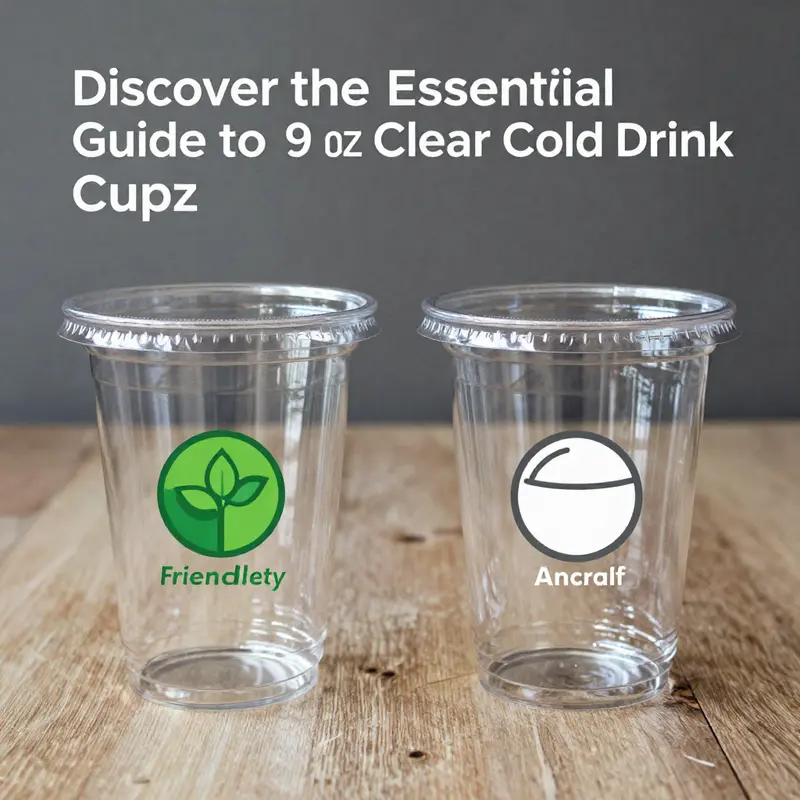
Across bustling cafes, busy events, and convenience stores, the 9 oz plastic clear cold drink cup stands as a symbol of modern convenience. These cups have become indispensable in the food and beverage industry through their unique blend of visual appeal, durability, and practicality. Their clear design offers an unambiguous look at the beverage inside, drawing in consumers who appreciate the vibrant colors and textures of iced teas, fruit juices, and bubble teas. At the same time, the cups are engineered to deliver leak-resistance and long-lasting performance without adding weight to the carrier. Beneath the surface of these widely used drinkware pieces lies a sophisticated balance between material science and economic practicality, one that is intricately tied to considerations about sustainability, consumer safety, and cost viability.
The foundation of these cups is built upon robust and food-grade plastics, primarily PET and PP. Each material offers distinct benefits: PET provides unmatched clarity and lightweight strength, while PP contributes enhanced heat resistance for cases where cool drinks might experience mild temperature variations. In this sense, the cups are meticulously designed to maintain a balance between durability and the preservation of the drink’s refreshing temperature. Their molecular structure ensures that even if handled roughly during busy service, they do not easily succumb to deformation or breakage. Simultaneously, these materials are selected to prevent any chemical interference with the beverages, provided they are used within their recommended operating conditions. This blend of performance and safety has made the 9 oz clear plastic cup a trusted choice in diverse environments.
A key advantage that these cups offer is their exceptional durability and leak-protection. The engineering behind the product has been honed to ensure that a secure seal is provided by the dome lids designed with smooth and tapered straw holes. This design not only makes it easier to insert a straw safely but also plays a pivotal role in minimizing the risks of spills during transport. The leak-proof nature of the sealed design enables these cups to travel through the logistics chain—from vendors to consumers—with minimized concerns about product spoilage. For busy service establishments, this reliability helps maintain a steady stream of customer satisfaction and trust. Each detail, from the material selection to the shape of the lid, is carefully considered to produce a cup that meets high standards for daily usage.
Equally impressive is the cup’s superior insulation. The low thermal conductivity of plastic materials, particularly PET, acts as a subtle yet effective barrier against rapid temperature changes. Even when a cold drink is exposed to slightly elevated ambient temperatures, the cup’s design helps maintain the beverage’s chill for longer periods. This is particularly important for drinks such as iced coffee, smoothies, or layered bubble teas where sustaining the visual and physical integrity of the drink is essential. Maintaining a cool temperature ensures that every sip is as refreshing as the first. In addition, the insulation properties also contribute to reducing energy consumption in scenarios where the maintenance of low drink temperatures is desired over longer periods.
Beyond its functional attributes, the clear design of the cup creates an engaging visual experience for the consumer. The transparency of the plastic allows the rich hues of beverages to be fully appreciated, providing a direct line of communication between the product and its audience. The visible clarity invites comparison, aids in quality control, and gives a distinct visual cue that enhances the overall enjoyment of the drink. In many retail and hospitality environments, this property becomes an added value. Consumers are more inclined to purchase a beverage when they can see that it is fresh, well-prepared, and aesthetically pleasing. This effect is particularly noticeable with layered drinks that have intricate color separations, as the visual allure of the drink becomes an integral part of the consumption experience.
The lightweight nature of these cups adds another compelling advantage. Weighing significantly less than alternatives like glass or metal, these cups are optimized for portability. This feature reduces the overall logistical burden during packaging and transportation, ultimately leading to cost savings for businesses that must continuously ship large volumes. The ease of transport also translates into convenience for consumers who value products that are hassle-free in everyday situations—from carrying a refreshing drink during a long commute to managing multiple beverages during a social outing. As an extension of this convenience, the cups have been engineered for compatibility with automated machinery in high-volume food services, ensuring that efficiency is maintained at every step of production and delivery.
Economic factors are a driving force behind the widespread adoption of 9 oz plastic cups, particularly in contexts that demand both high performance and cost efficiency. Their low production cost makes them an ideal choice for fast-paced markets where disposable packaging is essential. High-volume orders can be procured at competitive prices, a factor that appeals to businesses looking to minimize overhead while still providing quality packaging. This cost-effectiveness is amplified by the scalability of the manufacturing process. Manufacturers can cater to a wide range of order sizes, enabling both large chains and small cafes to access the same high-quality product without breaking the bank. The adaptability of pricing models based on order volume permits a balanced approach where budget constraints do not compromise functionality.
Despite their notable advantages, these plastic clear cold drink cups are not without limitations. One of the most critical challenges is their impact on the environment. As disposable items, they contribute significantly to the volume of plastic waste generated every day. Recycling rates for these types of plastics are often lower than desired, and inappropriate disposal practices have led to widespread concerns regarding environmental pollution. The persistence of plastic in the natural ecosystem poses a threat to wildlife and contributes to long-term issues like “white pollution.” For businesses and consumers alike, this environmental burden highlights the need for more sustainable practices. Manufacturers have begun exploring recyclable or even biodegradable alternatives, and some innovators offer eco-friendly packaging solutions such as those outlined in discussions on eco-friendly packaging solutions, though significant work remains to mitigate the overall environmental impact.
The environmental concerns also extend to the realm of potential chemical leaching when the cup is exposed to conditions outside its ideal usage. Although these cups are designed for cold beverages, accidental exposure to hot liquids can result in degradation of the plastic material. Elevated temperatures may promote the release of chemical additives, such as BPA or phthalates, particularly when the cup is made from lower-grade plastics or has sustained damage over time. This inadvertent chemical migration raises questions about long-term consumer safety and the potential cumulative effects on health. In light of such issues, strict adherence to recommended usage parameters is essential. Manufacturers emphasize that these cups are intended solely for cold beverages, reinforcing the importance of proper handling and storage to prevent any risk of contamination.
Another limitation centers on the cup’s limited reusability, which ties directly into broader concerns regarding hygiene and waste management. While some high-quality plastics can withstand multiple washes, the majority of 9 oz clear plastic cups are engineered for single use. Over time, repeated cleaning efforts can wear down the surface of the cup, leading to microscopic scratches. These tiny crevices serve as potential reservoirs for bacteria and mold, posing health risks that are difficult to fully eliminate. Although economic considerations often favor disposability, consumers and business owners must balance these short-term benefits against the potentially higher hygiene risks of reusing single-use products. As awareness of these concerns grows, there is an increasing emphasis on the development of designs and materials that can either be safely reused or recycled at the end of their lifecycle.
The debate surrounding single-use plastic products is complex, as it encompasses issues of functionality, cost, and sustainability. In markets where efficiency and safety are paramount, these cups remain a critical component despite their drawbacks. Businesses must weigh the immediate benefits of leak resistance, visual appeal, and cost savings against long-term environmental responsibilities. The challenge lies in striking a balance that addresses immediate operational needs while paving the way for sustainable innovation. The industry is actively exploring new methods to reduce the environmental footprint of these products. Advances in material science are steering efforts toward biodegradable polymers and enhanced recycling processes that may soon offer a compromise without sacrificing functionality.
Customization is another area where these cups have experienced significant evolution. Many businesses now have the option to personalize the design of their cups, incorporating brand logos, color schemes, or even thematic elements for seasonal promotions. This level of customization not only caters to aesthetic and marketing goals but also creates a more engaging consumer experience. By aligning the physical appearance of the cup with brand identity, companies create a visual narrative that reinforces consumer loyalty and differentiates their product in a competitive market. The custom printing technologies available today enable intricate designs that maintain the clear and transparent quality of the base plastic, ensuring that the visual allure of the beverage is preserved.
The evolution in design has also sparked improvements in usability and ergonomics. Modern versions of the 9 oz cup now feature dome lids with vented designs that facilitate easier sipping without compromising the secure seal. This careful engineering ensures that the drink remains contained even when the cup is jostled or tilted. The ergonomic design extends to the overall shape of the cup, which is crafted to fit comfortably in the hand while also being aesthetically pleasing on display. Such improvements have been a boon for high-volume food service providers, who appreciate the enhanced user experience that comes with a thoughtfully designed product. These innovations represent the industry’s response to the dual demands of functional performance and consumer engagement.
Further industry trends indicate a growing consumer consciousness regarding packaging waste and the environmental impact of disposable plastics. As public awareness increases, both manufacturers and retailers are pushed to adopt greener practices. Some companies now offer a line of 9 oz cups that are certified as recyclable or are made using recycled materials, reducing the overall environmental burden. The transition toward sustainable practices requires not only changes in material composition but also a reimagining of the entire lifecycle of the product—from production and distribution to disposal and recycling. The conversation around sustainability in the context of disposable drinkware is gaining momentum and is likely to shape future standards across the industry.
In parallel with environmental and health considerations, businesses must deal with the intricacies of consumer behavior and regulatory mandates. Food safety regulations set forth strict guidelines regarding the use of chemicals in food contact materials, which directly impacts the production and usage of these cups. Companies invest significantly in ensuring that their products meet or exceed these standards. Compliance with such regulations not only safeguards public health but also boosts consumer confidence in disposable products. Understanding and adhering to these guidelines is a critical component of responsible manufacturing and marketing practices, as evidenced by the detailed protocols established by regulatory authorities. For readers interested in the regulatory framework, further insights are available via the U.S. Food and Drug Administration’s guidelines on food contact materials (https://www.fda.gov/food/food-contact-materials).
The cumulative impact of these advantages and limitations shapes a complex narrative around the seemingly simple 9 oz plastic clear cold drink cup. On one hand, its clarity, durability, insulation properties, and economic viability have made it a go-to solution for a variety of beverage service contexts. On the other, the environmental ramifications, potential chemical risks, and limited reusability present ongoing challenges that require innovative solutions. Industry leaders are actively engaged in research aimed at mitigating these issues. The goal is to achieve a harmonious balance where consumer convenience is met with sustainable practices. For many businesses, the decision to use these cups is governed by operational imperatives, but there is also a rising trend of integrating eco-friendly strategies into traditional processes. This dual focus is central to the future development of disposable packaging technology.
Looking at the broader picture, the evolution of the 9 oz plastic clear cold drink cup is part of an ongoing dialogue about material efficiency and waste reduction. Manufacturers are increasingly exploring alternative materials and design modifications that could extend the lifecycle of these products, making them safer and more environmentally responsible. The design enhancements not only address immediate functional issues but also open up pathways for future innovation, such as smart packaging technologies that could incorporate tracking for recycling purposes or self-sanitizing surfaces. As these advancements gain traction, they promise to transform consumer expectations and industry practices alike. Maintaining a rigorous focus on safety, cost, and design will continue to drive evolution within this sector, ensuring that the cups remain relevant in a fast-changing market.
In summary, the 9 oz plastic clear cold drink cup is a multifaceted product that encapsulates both innovation and challenge. The cups have successfully met the demands of modern beverage service through their superior transparency, leak-proof construction, and cost-effective production. At the same time, they prompt us to think critically about environmental sustainability, consumer safety, and the future trajectory of disposable packaging. Businesses must navigate these complexities by making informed choices, embracing sustainable practices, and investing in research and development. The journey to balance immediate convenience with long-term responsibility represents both an ongoing challenge and a promising opportunity for the sector. As technology evolves and consumer values shift, these cups will likely continue to evolve, reinforcing the importance of thoughtful design and ethical production practices in every stage of their lifecycle.
Final thoughts
Plastic clear cold drink cups in the 9 oz size are more than just a simple packaging choice; they are a pivotal component of effective beverage service. By understanding their features, exploring market trends, and weighing their advantages against limitations, businesses can make strategic decisions that enhance their customer experience and operational efficiency. As sustainability becomes increasingly important, opting for recyclable or biodegradable options can further align your brand with eco-conscious consumers.