
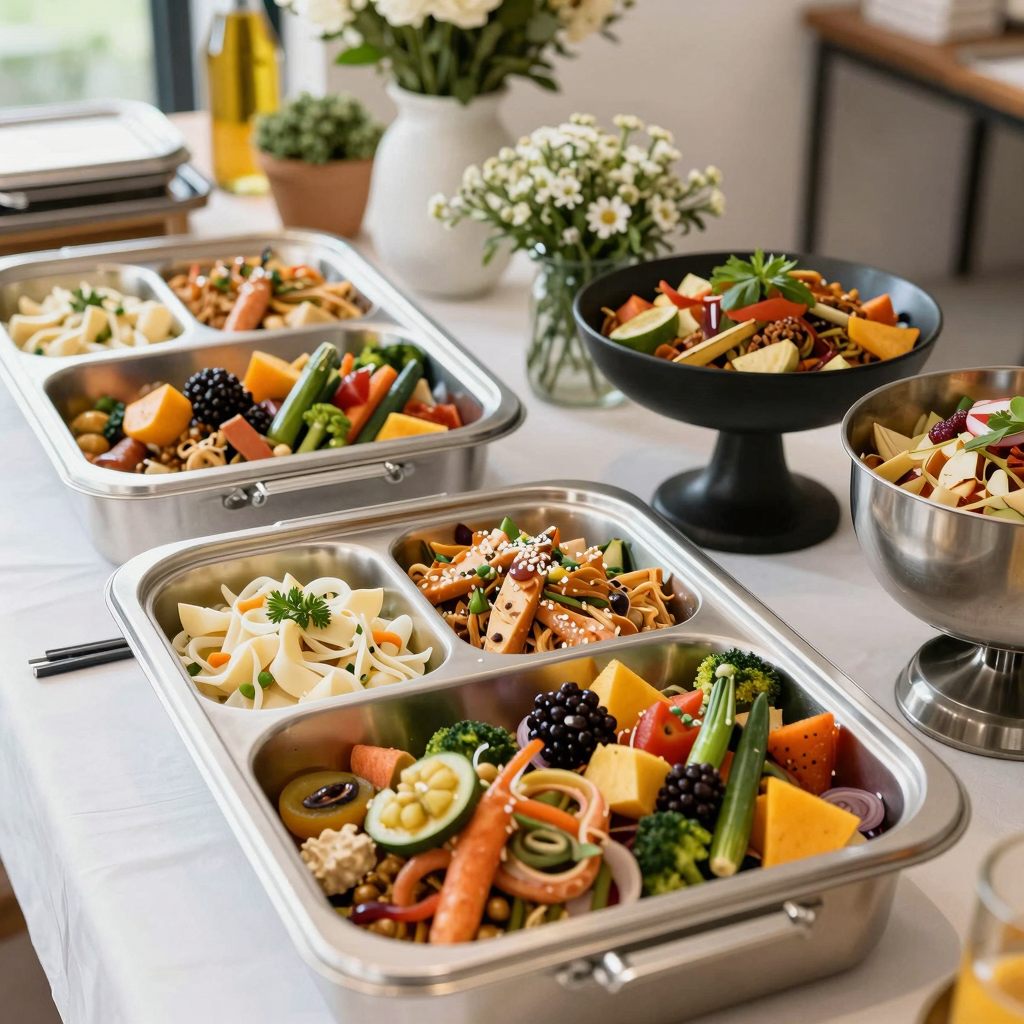
Introduction to Large 3 Compartment Food Containers
In today’s fast-paced food service industry, large 3 compartment food containers have become a staple for bubble tea shops, restaurants, and catering services. These containers play a vital role in ensuring that food is not only well-presented but also securely packaged. With the ability to separate various food components, they cater to diverse menu items while enhancing the overall dining experience. Whether it’s a restaurant serving a three-part meal or a catering service that wants to maintain food integrity during transportation, 3 compartment containers are an essential tool for success.
The benefits of using large 3 compartment food containers are manifold. They streamline meal preparation processes, allow for thoughtful portion control, and help to minimize waste-all while maintaining a high standard of food presentation. Their design also prevents cross-contamination, keeping flavors distinct, which is especially important for catering events where various dishes are served. As you explore the world of large 3 compartment food containers, you’ll discover how these innovative solutions can satisfy the demands of your food service operations. Learn more about their impact on meal prep and service efficiency and understand their importance in food quality and customer satisfaction.
Key Benefits of Large 3 Compartment Food Containers
Utilizing large 3 compartment food containers can greatly enhance efficiency and customer satisfaction across various food service sectors. Here are some key advantages:
- Cost-Effectiveness: These containers reduce overall packaging costs by combining multiple food items into one unit, minimizing waste while maximizing your investments in disposable products. For more on cost-benefit solutions, see this analysis on disposable containers.
- Convenience: Perfect for takeout and catering, these containers simplify meal preparation and serving, allowing you to pack complete meals in one go-efficiently reducing cleanup time.
- Portion Control: The three compartments make it easy to serve balanced portions, appealing to health-conscious customers and supporting portion management in busy environments.
- Aesthetic Appeal: A well-presented meal enhances the dining experience, with separate compartments keeping food visually appealing and preventing sogginess.
Explore more about the benefits of food containers in our detailed blog post.
Eco-Friendly Practices in Disposable Food Containers
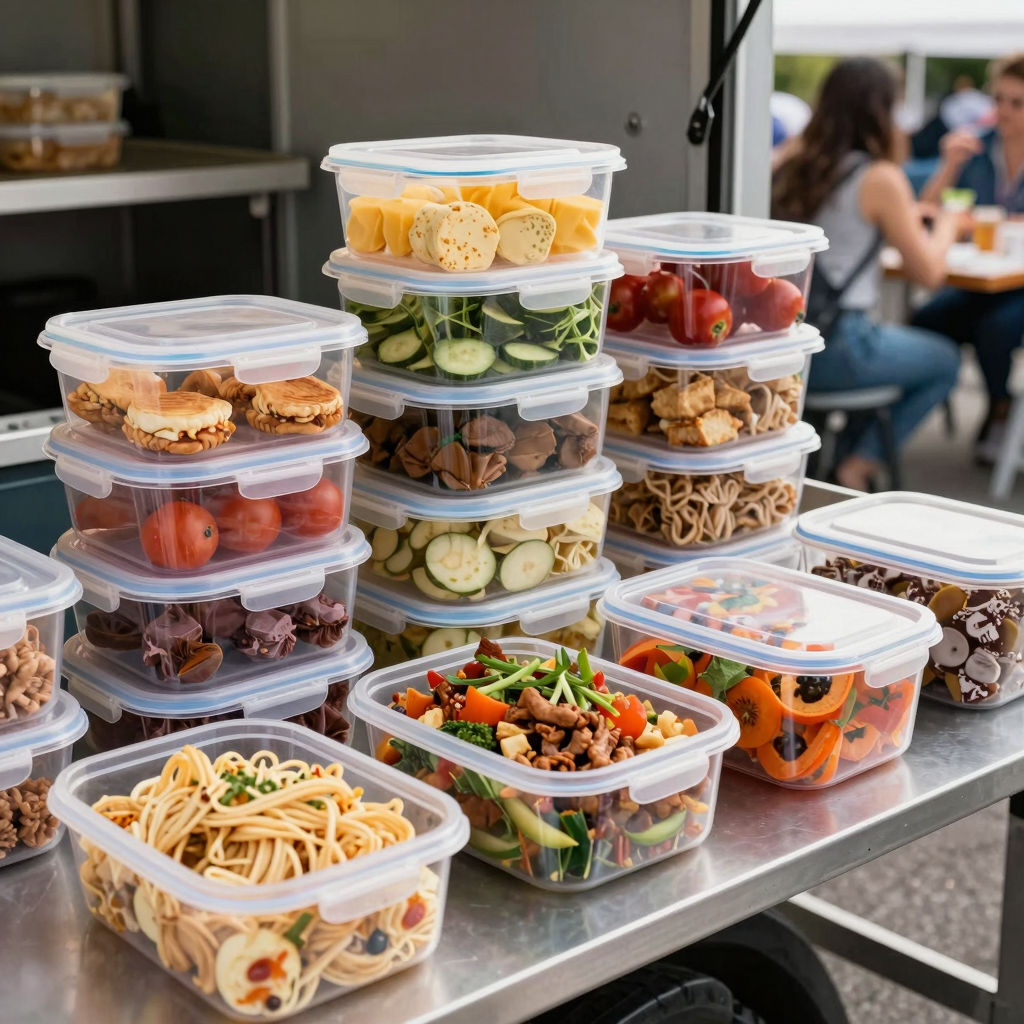
In a world increasingly concerned about environmental sustainability, the transition to disposable food containers made from sustainable materials presents noteworthy benefits. Containers produced from biodegradable substances significantly reduce plastic pollution and lessen the burden on landfills. Unlike conventional plastic containers, which can take hundreds of years to decompose, sustainable options break down naturally, contributing to a healthier ecosystem and a more sustainable future. This shift not only meets consumer demand for environmentally responsible products but also aligns with global efforts to combat climate change and protect our planet’s resources.
For businesses, particularly bubble tea shops, food trucks, and catering services, adopting eco-friendly packaging not only enhances brand image but also appeals to a growing demographic that prioritizes sustainability. Containers crafted from natural fibers, such as bamboo or wheat straw, are compostable, enhancing soil quality and promoting biodiversity. This means that when these containers reach the end of their lifecycle, they enrich the earth rather than contribute to pollution.
At Green Dispopack, we prioritize eco-friendly practices in our manufacturing processes, ensuring that every container we produce adheres to strict sustainability standards. We utilize innovative, eco-conscious materials and methods designed to mitigate environmental impact. For instance, our containers are created from renewable resources and are often recyclable or compostable. Our commitment to circular economy principles encourages us to innovate continuously, striving to reduce waste and source ingredients responsibly.
By choosing our large three-compartment food containers made from sustainable materials, businesses not only fulfill their operational needs but also take a proactive stance on environmental stewardship. Together, we can make a tangible difference, promoting sustainability in the food service industry and beyond.
This commitment is echoed in our dedication to researching and implementing advanced biodegradable packaging solutions that meet rigorous environmental standards. Explore how our sustainable practices can elevate your establishment and contribute responsibly to a greener planet.
Current Trends in Large 3-Compartment Disposable Food Containers
The market for large 3-compartment disposable food containers is witnessing significant growth, driven by evolving consumer preferences and the increasing need for convenience. As of 2023, the global disposable food containers market is estimated at approximately $54.09 billion, with projections suggesting an ascent to $83 billion by 2032. This indicates a robust compound annual growth rate (CAGR) of about 8.2% for the overall disposable food container segment, particularly highlighting the demand for multi-compartment options.
Key Factors Driving Growth:
- Rising Demand for Convenience:
- The modern consumer is increasingly opting for ready-to-eat and takeaway meals. The convenience offered by multi-compartment containers allows for efficient packaging of main dishes, sides, and desserts in one container, making them an ideal choice for busy lifestyles.
- Shifts in Lifestyle and Eating Habits:
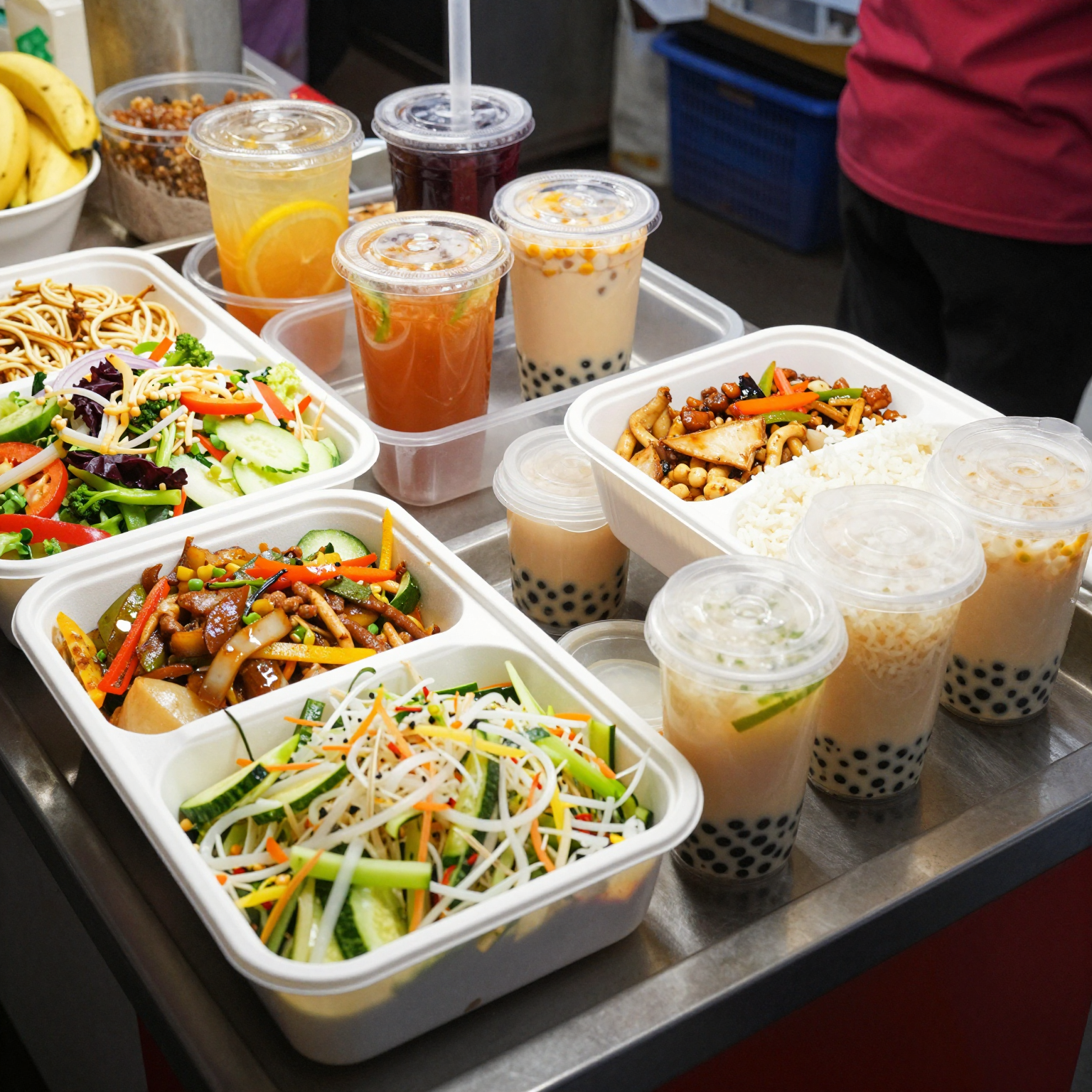
- Changes in lifestyle, including an uptick in fast food consumption and meal delivery services, have dramatically influenced packaging needs. Catering services and food trucks are particularly leveraging this trend, as they can offer diverse meal options without requiring multiple containers.
- Health and Hygiene Considerations:
- Post-pandemic, there has been a heightened focus on hygiene, propelling the use of single-use disposable containers. Shop owners in the bubble tea sector, alongside caterers, can tap into this trend by ensuring their food containers are not only functional but also adhere to health standards.
- Environmental Consciousness:
- There’s a growing demand for eco-friendly disposable containers that minimize environmental impact. Businesses are increasingly considering biodegradable or recyclable materials for their packaging solutions. Catering services and bubble tea shops that adopt sustainable practices may benefit from enhanced customer loyalty.
Opportunities for Bubble Tea Shops and Catering Services
-
Market Adaptation:
Catering services can provide an array of meal prep solutions using 3-compartment containers, allowing for customizable meal options. Meanwhile, bubble tea shops can innovate by incorporating snacks and pastries in larger compartments alongside bubble tea, offering value-packed orders. -
Targeted Marketing Strategies:
Focusing marketing efforts on the convenience of multi-compartment packaging can attract health-conscious customers seeking balanced meal options. Furthermore, aligning the packaging style with brand aesthetics can enhance product appeal. -
Collaboration and Partnerships:
Businesses in the bubble tea and catering industries could benefit from partnerships that allow for co-branded meal combo offerings, utilizing these large 3-compartment containers to create unique customer experiences.
As the market continues to evolve, staying abreast of these trends can help businesses in these sectors capitalize on growth opportunities that are not only profitable but also align with changing consumer behaviors. For more insights on effective packaging solutions, learn more here and explore options that suit your business needs.
Comparing Disposable Food Container Materials
In the food service industry, choosing the right disposable food containers is crucial for both efficiency and sustainability. Below is a comparison of three common materials used for disposable food containers: plastic, biodegradable, and sustainable paper.
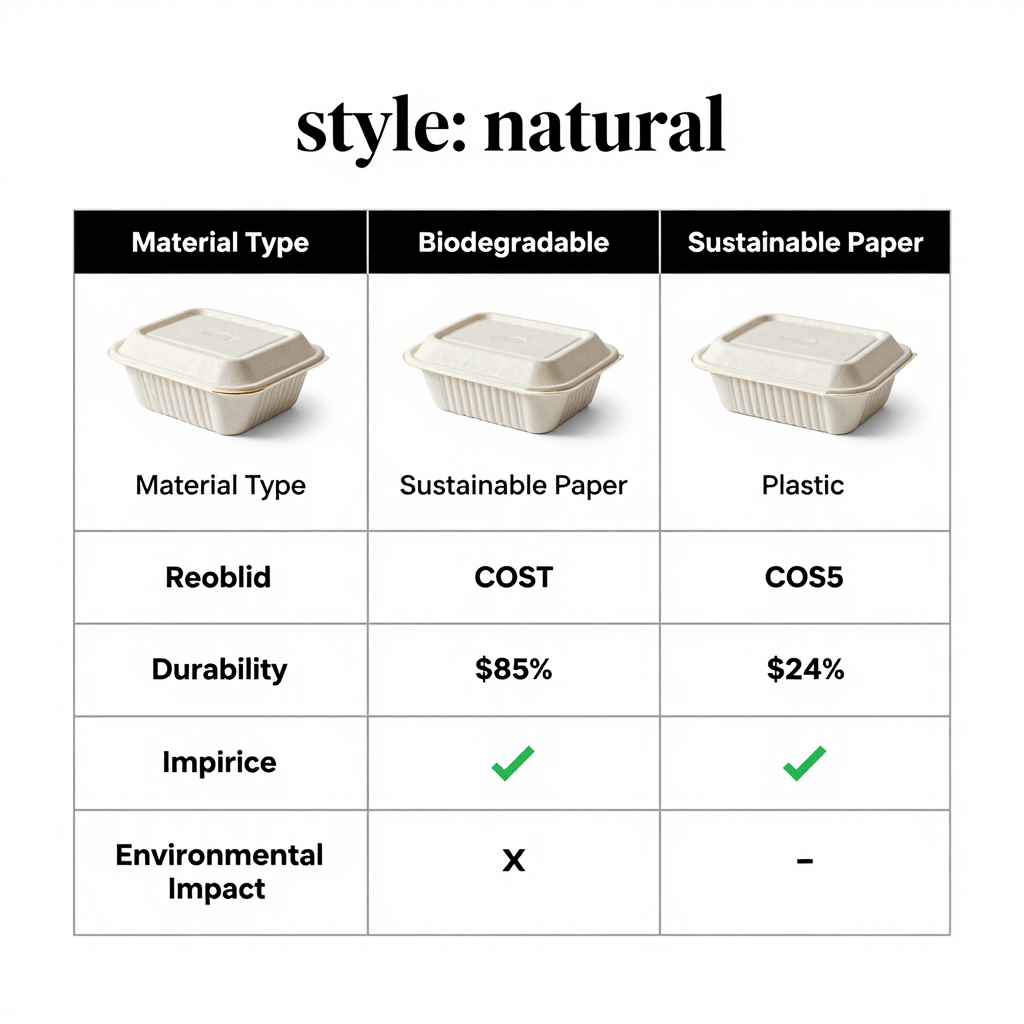
The table provides an overview of each material’s properties, helping businesses like bubble tea shops, restaurants, food trucks, and catering services make informed choices that align with their sustainability goals.
- Durability: Plastic is highly durable, while biodegradable materials offer moderate durability but decompose over time. Sustainable paper has lower durability but is eco-friendly.
- Cost: Plastic ranges from $0.05 to $0.20 per unit, biodegradable containers cost between $0.15 and $0.30, and sustainable paper varies from $0.25 to $0.40.
- Environmental Impact: Plastic has a high environmental impact due to persistence in landfills, biodegradable materials are moderate, and sustainable paper is low since it’s made from renewable resources.
For more insight on various disposable food container options, learn more about custom plastic forming machines and explore the benefits of eco-friendly packaging.
Safety and Compliance for Disposable Food Containers
When it comes to disposable food containers, particularly in the context of restaurants and food service providers, adhering to safety standards and compliance measures is not just a regulatory obligation-it’s paramount for ensuring customer health and maintaining a reputable business.
Importance of Food Safety Standards
Restaurants, bubble tea shops, food trucks, and catering services must prioritize food safety by selecting disposable containers that meet established guidelines. The FDA (Food and Drug Administration) oversees the safety of materials that come into contact with food, emphasizing that all packaging must withstand intended use without contaminating food or altering its composition. Learn more about FDA regulations on food packaging safety.
Key Regulations
-
FDA Regulations:
Disposable food containers must comply with FDA regulations, which dictate the materials used for food contact. For instance, any plastic or paper used must not contain harmful additives. Violations can lead to significant fines and legal issues. -
Local Health Regulations:
Each state or locality may have distinct health codes that govern food service operations, including specific requirements for hygiene and safety in food packaging. It’s crucial for businesses to stay informed about these regulations, as they can vary widely. -
Biodegradable and Compostable Standards:
Increasing consumer demand for eco-friendly options has led to regulations around biodegradable disposables. Ensuring compliance with these can benefit brand reputation and customer loyalty.
Best Practices for Compliance
- Regular training for staff on handling disposable food containers to minimize risks.
- Periodic audits of suppliers to ensure that containers meet safety standards.
- Implementation of a system for tracking compliance with food safety regulations and timely updates on changes in legislation.
Investing in compliant disposable food containers is not only a legal necessity but also a means to enhance consumer trust in your brand. By prioritizing safety, restaurants not only protect their customers but also strengthen their market position. For more information on selecting safe disposable products, you can explore this comprehensive guide.
When choosing large 3 compartment food containers, always consider the safety and compliance aspects to guard your business against potential risks and enhance the overall dining experience for your customers.
“Since we started using the large 3 compartment food containers from Green Dispo Pack, our service has improved dramatically! Our customers love how each drink is packaged securely and stylishly, without compromising on quality. It’s made a real difference in our operations and we can’t recommend them enough!”
- Sarah, Owner of Bubble Bliss Tea
In conclusion, large 3 compartment food containers offer unparalleled benefits for any food service business. They are designed to keep your meals organized and visually appealing, ensuring that each portion is perfect without any mixing of flavors. These containers not only enhance the overall presentation but also promote freshness and help maintain the quality of your food. Ideal for restaurants, food trucks, and event planners, investing in durable and sustainable options can significantly improve customer satisfaction.
Don’t miss the opportunity to elevate your food service experience! Visit our website and explore our range of high-quality, environmentally-friendly disposable food containers. Together, let’s make your meals not just delicious but also beautifully presented. Learn more about our 3 compartment food containers here and take your business to the next level!
The food service disposable market has shown significant growth in recent years, driven by various factors such as the rise of online food delivery services and increased consumer awareness regarding hygiene. Here are some key insights:
Growth of Disposable Container Usage in the Food Service Industry
-
Market Size Forecasts:
-
2024: Estimated at USD 66.51 billion
-
2025: Anticipated to reach USD 59.7 billion
-
2032: Expected to grow to USD 88.5 billion
-
2033: Projected to expand to USD 101.56 billion
-
2034: Forecasted at USD 73.2 billion
-
CAGR (Compound Annual Growth Rate):
-
The market is expected to grow at a CAGR of approximately 5% to 5.8% from 2025 to 2033, driven by increased demand in segments like quick-service restaurants and wider hygiene considerations among consumers.
-
Market Drivers:
-
Expansion of online food delivery services.
-
Growth in consumer awareness around hygiene.
-
Shift towards eco-friendly disposable options, as sustainability becomes increasingly important.
This data can be very relevant for stakeholders in the food service industry, such as Bubble Tea Shops & Beverage Chains, Restaurants, and Food Trucks & Catering Services, as it highlights the demand trends for disposable containers.