
In today’s dynamic beverage industry, hard plastic disposable cups have emerged as essential tools for businesses like bubble tea shops, restaurants, and catering services seeking convenience without sacrificing quality. Their robust design and efficient cost make them appealing for serving both cold and hot beverages. This article will delve into the properties and material composition of these cups, examine current market trends impacting their popularity, explore their environmental implications, highlight various applications across different sectors, and analyze the regulatory landscape influencing their future. Understanding these facets allows you to make informed choices about these versatile cups that can enhance your operational efficiency.
Under the Surface of Hard Plastic Disposable Cups: Properties, Materials, and Market Realities
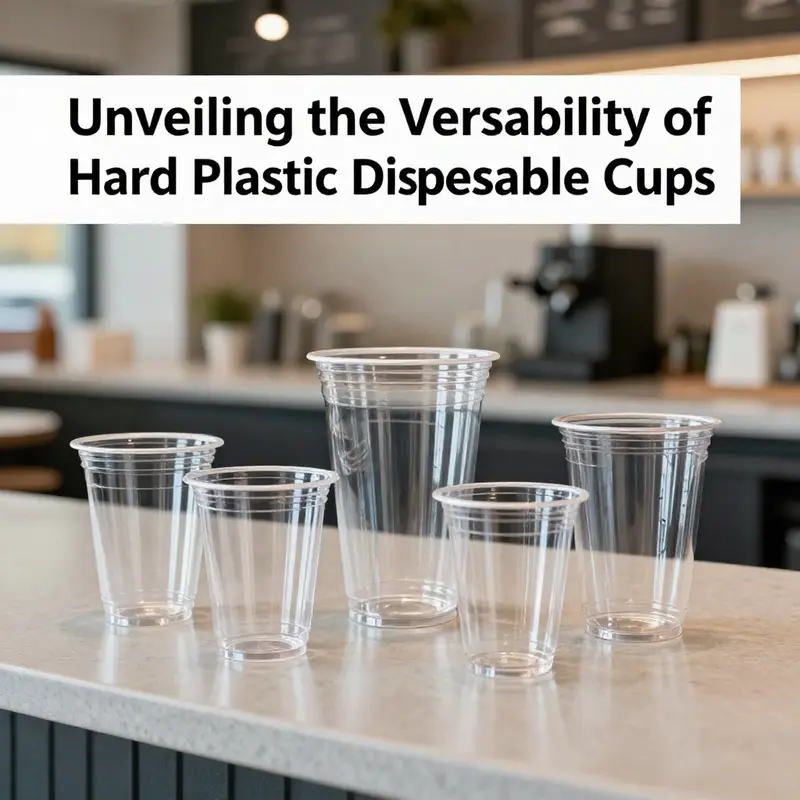
The everyday cup in a busy service environment carries more weight than its simple form suggests. In a dining scene that blends speed, convenience, and consistency, hard plastic disposable cups have earned a steady place because they deliver reliability when it counts: they resist tipping, keep drinks at stable temperatures, and stack neatly for efficient storage. Yet behind that straightforward utility lies a material story that influences safety, performance, and the broader choices businesses face as environmental and regulatory pressures tighten. To understand how these cups fit into a modern beverage landscape, we must peer into their core materials, how those materials behave under real-world conditions, and the trade-offs that come with using them in place of alternative packaging.\n\nThe most common hard disposable cups are built from a small family of plastics that differ in heat tolerance, rigidity, and potential for interaction with food or drinks. Among these, polypropylene stands out as the workhorse for hot beverages and everyday cold drinks alike. PP is favored for its balance of clarity, rigidity, and relatively high heat resistance. In practical terms, many PP cups can tolerate temperatures that reach or exceed the range of hot beverages, typically around 100 to 120 degrees Celsius. That resilience helps prevent deformation when a cup holds a hot coffee or tea, and it also allows occasional microwave reheating of the beverage, when manufacturers specify that use. The ability to withstand heat without collapsing or softening makes PP a practical choice for take-out service, where customers expect a cup that will not leak or buckle during transit.\n\nBut even within a single material family, there are caveats. The chemical stability that makes PP relatively safe and stable also hinges on its resilience to repeated exposure and to certain kinds of food stimuli. When the cup is reused—which, for disposable cups, is generally discouraged—there is a real risk of wear. Repeated handling can abrade the surface, create micro-cracks, and alter how the material interacts with the beverage it contains. In addition, although polypropylene is less prone to leaching than some other plastics, there is still a possibility of minor additive migration if the cup holds acidic or fatty foods for extended periods or is subjected to repeated cycles of heating and cooling. For most single-use applications, this risk remains low enough to allow convenient service, but it is a reminder that “disposable” carries implicit boundaries around safety and reuse.\n\nA second material sometimes encountered in hard disposable cups is a form of polyethylene terephthalate, or PET. PET provides excellent clarity and strength, which can be appealing for cups that emphasize a transparent or clean aesthetic. However, PET’s heat resistance is generally more limited than PP’s. When hot liquids are involved, PET cups can deform or soften more readily, and in some circumstances there is concern about the potential release or migration of substances when the cup encounters temperatures near the upper end of its tolerance. For hot beverages, this material profile suggests a tighter boundary on use and a careful evaluation of performance guarantees from manufacturers. In contexts where cold drinks predominate, PET’s stiffness and translucence can be an advantage, but the same low-to-moderate heat tolerance remains a practical constraint.\n\nPolystyrene is another material that appears in the hard cup family, though its role differs in practice. Many polystyrene-based cups belong to heavier, more fragile designs or to foam variants used for insulation. The core drawback here is heat sensitivity: polystyrene kinds soften when exposed to heat, making them less suitable for hot beverages. In addition, polystyrene can be a vehicle for the migration of certain chemicals under particular conditions, especially when fatty or acidic beverages are involved. The health considerations associated with these monomers have led many operators to move away from PS for hot beverage applications, favoring materials with higher heat resistance and clearer safety profiles. In many retail and food-service environments, PS serves niche roles or is replaced by alternatives with more favorable performance and safety credentials.\n\nA practical consequence of these material choices is how consumers and businesses read safety labels and manage pressure for reuse and recycling. The bottom of a cup often carries a recycling symbol and a resin code. The resin-code system helps users and waste-handling facilities sort cups for recycling and disposal. In the framework of the core materials discussed, the codes most commonly encountered include PET (code #1), HDPE (code #2), and PP (code #5). This labeling is not merely bureaucratic; it guides decisions about reprocessing, potential reuse, and the suitability of a cup for certain temperatures or food contents. It also informs consumer expectations about the products they are using. For example, cups labeled as #1 PET are typically not designed for reuse or high-heat applications, while #5 PP cups are recognized for better heat tolerance but still generally intended for single-use. In practical terms, this means kitchen staff and customers must respect the intended life cycle of each cup to minimize safety risks and material waste.\n\nHealth hazards and practical recommendations flow from these material truths. A universal tenet is simple: disposable cups are designed for single use. Reuse, especially across multiple cycles or with high-temperature contents, erodes the protective barriers that make these cups reliable for a one-time serving. The degradation can enable micro-scale abrasion and the release or migration of substances that, while unlikely to pose immediate risk in standard single-use conditions, become more plausible when misuse occurs. The guidance is equally clear about heating: while PP cups may be marketed as microwave-friendly in some cases, caution is warranted. Filling any disposable cup with boiling liquids or subjecting it to microwaves beyond manufacturer instructions can cause deformation, leaks, or the release of substances into the drink. An informed approach is to treat these cups as single-use items that perform best within their temperature envelope and to favor dedicated heat-safe containers when higher-temperature handling is needed.\n\nBeyond these material and health considerations lies a broader market and policy context that shapes how hard plastic cups are produced, sold, and used. In the supply chain, the demand for high-volume, customizable, rigid cups persists for cold-drink and hot-drink service alike. For businesses that rely on promotional activity or branded experiences, suppliers can offer production runs with significant minimum order quantities and options for flexible printing and lid-equipped variants. The ability to deliver large lots with consistent performance helps chains manage stock, ensure uniform customer experiences, and control costs when service volumes are predictable. Yet the very scale that supports these operational benefits also highlights environmental considerations. A growing share of waste from single-use cups ends up in landfills or incineration, depending on local waste-management infrastructure. Even as some markets experiment with enhanced recycling schemes or deposits, the ecological footprint of disposable cups remains a point of tension. The broader push to reduce single-use plastics—illustrated by policy developments in several countries—presses operators to weigh alternatives and to explore reuse models or compostable or paper-based substitutes where feasible. A notable regional approach under discussion is to implement pricing or container-deposit schemes that nudge consumers toward reusable options, recognizing that the most meaningful environmental gains arise not from one product alone but from the system around consumption, disposal, and recovery.\n\nAgainst this backdrop, a natural tension emerges: the hard plastic cup offers durability, predictable performance, and cost advantages that are highly valued in fast-paced service. These are balanced against evolving expectations about sustainability, recyclability, and the lifecycle of packaging materials. To navigate this landscape, operators are increasingly asked to consider not only the immediate functional requirements of a cup—heat tolerance, leakage resistance, lid compatibility, stackability—but also the downstream implications of material choice. The decision often hinges on a nuanced assessment of where a given service context sits on the spectrum from convenience to environmental responsibility. In outdoor settings, for instance, the need for a leak-resistant, sturdy cup that can withstand rough handling and heat transfer without warping tends to favor hard plastics. In contrast, venues seeking to project a green or eco-conscious image may move toward alternatives with lower perceived environmental impact or invest in systems that enable reuse or enhanced compostability.\n\nThese considerations also intersect with consumer expectations and education. Patrons increasingly recognize that the disposable nature of many cups means attention to recycling streams and responsible disposal is essential. A well-designed cup program includes clear labeling, accessible recycling or composting streams, and a willingness to adapt as local infrastructure evolves. For managers evaluating options, the terrain is not simply about material performance in isolation but about how a given cup aligns with operational workflows, customer expectations, and the overarching sustainability narrative of the business. In this sense, the hard plastic cup is less a solitary product and more a node in a broader network of materials, processes, and policies that shape how beverages are enjoyed and how waste is managed.\n\nIn closing, the properties and material compositions of hard plastic disposable cups reveal a balance of strengths and boundaries. Polypropylene’s heat resistance and rigidity make it a reliable choice for hot and cold beverages alike, while PET and polystyrene offer their respective advantages and constraints. The labels and safety considerations underscore a simple, practical rule: use these cups as intended, one time, and with temperature ranges that keep the material’s performance within tested limits. The market context—driven by volume, customization capabilities, and a shifting regulatory and environmental landscape—continues to shape decisions, nudging some operators toward alternative packaging or new reuse models. It is a story of durability meeting responsibility, of convenience dancing with caution, and of a beverage service world that must balance immediate service quality with the longer arc of environmental stewardship. For readers who want to explore alternatives that align with sustainability goals while preserving the practical benefits of a well-designed cup, consider eco-friendly options in the paper-based space as a viable path forward: eco-friendly custom paper coffee cups with lid. This link points to a category that many in the industry are watching as part of a broader transition away from traditional hard plastics when the goal is to reduce environmental impact without sacrificing user experience. The chapter that follows will delve into life-cycle considerations, testing methodologies, and the practical implications of shifting from rigid plastic to cascaded packaging solutions, including how recycling infrastructure, consumer behavior, and policy incentives interact to drive real change in the packaging ecosystem.
Hard Cups in a Changing Market: Growth, Regulation, and the Push Toward Sustainable Innovation in Disposable Plastics
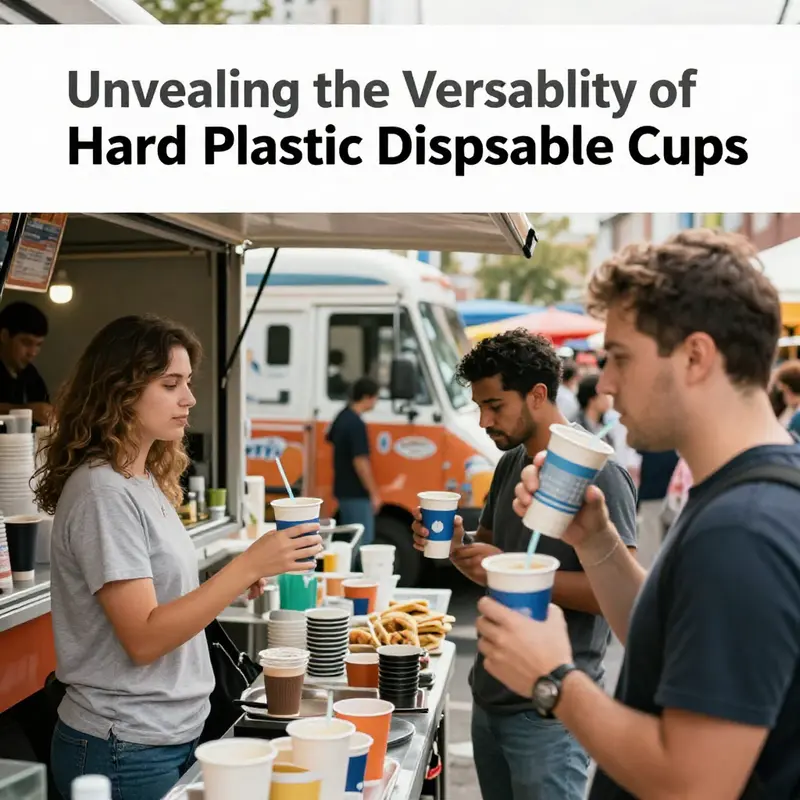
The story of hard plastic disposable cups is following a trajectory shaped by volume and value alike. On the surface, the market continues to expand, supported by the frictionless convenience of a single-use container that can hold hot or cold beverages, travel well, and fit a wide range of service models from quick-service restaurants to outdoor events. Yet beneath this growth lies a shifting landscape of regulation, consumer expectation, and material science that is reshaping how manufacturers, buyers, and brands think about a simple cup. While the base materials—primarily polypropylene and polystyrene—offer durable performance, heat tolerance, and cost efficiency, their long-term viability is now tied to progress in sustainability and resilient supply chains as much as to the rigidity of a cup’s walls. The forecast reflects both continuity and change: from a global market size of about 343.4 billion dollars in 2026 to roughly 375.8 billion by 2034, a compound annual growth rate near five percent, the arithmetic of demand remains compelling. It is the quality of that demand—the demand for reliability, safety, and responsibility—that is becoming decisive for market leadership.
In large, mature markets, regulatory pressure is no longer an occasional factor; it is a steady drumbeat. The European Union’s Single-Use Plastics Directive has accelerated a decline in conventional plastic cup usage, nudging manufacturers toward alternative formulations and packaging architectures. The regulatory horizon is not limited to Europe. In other regions, policymakers are exploring model programs that conceptualize cups as more than a passive container—turning them into assets within circular economy ecosystems. Even where outright bans or restrictions are gradual, the direction is clear: governments want less waste, more recycling, and more accountability in the lifecycle of packaging. This creates a dual dynamic for producers. First, there is a cost of compliance—new materials, testing protocols, and process reconfigurations to meet compostability or recyclability standards. Second, there is an opportunity to reframe the product category itself, not as a disposable afterthought but as a participant in a system that can reduce environmental footprint while preserving the conveniences that customers expect.
Consumer behavior mirrors this regulatory cadence. Across developed markets, more than six in ten consumers express a willingness to pay a premium for environmentally friendly packaging. This does not merely translate into a preference for “greener cups” but into a broader expectation that brands align packaging choices with values like sustainability, transparency, and social responsibility. The result is a market where product development must blend durability with responsible materials and clear end-of-life pathways. It is not enough to claim recyclability; consumers look for credible, verifiable routes for cups to re-enter the value chain, whether through formal recycling streams or reusable-and-refill programs that reduce single-use volumes.
The material science playing field reflects the tension between performance and sustainability. PP cups offer superior heat resistance, with little risk of deformation at temperatures approaching 130°C, and they are compatible with microwaving in some use cases. PS cups, while often cheaper and easier to mold, present greater challenges in the sustainability dialogue due to recycling and end-of-life concerns. This duality forces manufacturers to make tradeoffs between heat retention, user experience, and environmental impact. For some use cases—hot beverages in dense service environments—the stability and resilience of hard plastics remain compelling. For others—rapidly expanding take-out and delivery channels in which curbside or on-the-go disposal rate spikes—the pressure to pivot toward biodegradable options, paper-based structures, or bioplastics is mounting. While a subset of producers is exploring bioplastics such as PLA or PBAT blends, these materials bring additional costs and process considerations. Bioplastics can be 20–30 percent more expensive than traditional plastics, and the development path toward scale often requires new supply chains, certifications, and performance validations to match the reliability customers expect.
Emerging regional dynamics further color the market’s outlook. Asia-Pacific remains the largest and fastest-growing arena, driven by rapid urbanization, a booming café economy, and expanding food-delivery networks. In parallel, regulatory advances and consumer consciousness in Europe are accelerating the shift toward alternatives, even as demand for reliable, drop-safe, and brand-affirming cups persists. North America presents a blended picture: a robust café culture supports steady growth, while cities experiment with reusable cup programs and take-back platforms that aim to reduce single-use waste without eroding service speed or convenience. In China, the disposable cup market has already shown substantial momentum, buoyed by the growth of the new-tea and specialty coffee sectors and the sheer scale of daily beverage service. A market size tally around ¥185 billion in 2023 signals not only current demand but a platform for ongoing expansion as consumer habits crystalize around convenience, speed, and value.
From a supply chain perspective, the economics of hard plastic cups remain highly sensitive to the price of base polymers, particularly PP and PS. Crude oil price fluctuations ripple through production costs, influencing margins for manufacturers of all sizes. This volatility, coupled with occasional disruptions in raw material supply, drives a strategic shift toward regionalization and greater domestic manufacturing capacity. In many markets, this translates into an industry structure that favors larger, automated producers able to leverage economies of scale and maintain price discipline in a volatile environment. The balance between scale advantages and the agility required to meet localized demand is becoming a defining feature of competitive strategy. Companies are pursuing smarter manufacturing, tighter inventory management, and more robust demand forecasting, often aided by digital technologies that enhance visibility across the supply chain.
However, the long-term trajectory is not simply about cost containment. The market is increasingly aligned with circular economy principles that reimagine the cup’s lifecycle. A future that many players envision involves closed-loop systems, where cups are collected, cleaned, and reintroduced into production streams or redirected to appropriate recycling channels. In practice, this requires coordinated actions across product design, waste management infrastructure, and consumer engagement. It also opens up opportunities for new business models, such as platform-based procurement and city-wide return schemes, which can deliver sustained demand while lowering environmental impact. The strategic emphasis is shifting from a one-off sale to ongoing value creation through responsible packaging networks, enhanced traceability, and accountability for post-consumer outcomes.
Amid these shifts, product innovation remains a vital differentiator. Beyond the basic function of containment, cups are increasingly designed with features that reinforce brand identity and user comfort. Ergonomic grips, improved heat-retention properties, secure lid systems, and aesthetic customization are shaping how cups are perceived and used. The intersection of packaging with data technology is another frontier. Some brands are exploring digital touchpoints embedded in cups—QR codes or NFC chips that provide loyalty rewards, track usage patterns, and facilitate targeted marketing. This digital integration adds a new layer of value to a disposable item, transforming it from a mere container into a dynamic conduit for customer engagement and data-driven decision making.
In this evolving landscape, the role of suppliers and manufacturers is both tactical and strategic. On one hand, there is the practical need to secure reliable, cost-effective supply of polymers and finished cups that meet safety standards and consumer expectations. On the other hand, there is a strategic imperative to invest in materials science, process engineering, and sustainability credentials that resonate with regulators, retailers, and end users. The soft power of sustainability—credibility with consumers, ESG alignment for investors, and compliance with increasingly stringent standards—compounds the commercial incentives to innovate. Against this backdrop, market leaders are likely to win not merely on price or convenience but on a coherent package of responsible materials, transparent lifecycle information, and dependable performance in real-world service conditions.
For readers seeking a broader view of how the market is evolving, the literature emphasizes a long-term shift toward circular models and data-enabled supply chains. Companies are encouraged to pursue partnerships that extend beyond the product itself—linking packaging design with waste collection infrastructure, recycling streams, and consumer education campaigns. Such collaborations can help rebalance the economics of single-use packaging, turning a traditionally linear value chain into a more resilient, feedback-rich system. The promise of circularity is not a distant ideal; it is increasingly embedded in procurement criteria, corporate ESG programs, and regulatory roadmaps that prize transparency and accountability in packaging choices.
The interlocking dynamics of growth, regulation, and sustainability paint a nuanced picture for hard plastic disposable cups. The category’s core advantages—durability, heat tolerance, and cost efficiency—remain compelling for many use cases, particularly in high-volume service settings and events where reliability matters. Yet the incoming era demands a more deliberate approach to which cups are chosen, how they are manufactured, and what end-of-life options accompany every purchase. Markets will reward those who pair strong performance with credible environmental stewardship, robust risk management, and adaptable production ecosystems. In this sense, the cup is increasingly a proxy for a broader strategy: a testing ground for how fast-moving consumer goods can remain convenient while aligning with a sustainable, responsive economy.
To illustrate the practical tension and opportunity in current practice, consider a consumer shift toward eco-focused alternatives within the same decision framework. While a growing fragment of the market seeks out compostable or bio-based options for some applications, there remains a sizable segment for traditional hard plastics where performance and cost are non-negotiable. In this context, the most resilient players are those who can offer credible pathways toward lower environmental impact without sacrificing reliability. This includes clear labeling on end-of-life options, validated recycling streams, and, where possible, modular packaging systems that accommodate reuse or return. The art of balancing performance with environmental responsibility is not a single product choice but a strategic posture that informs material selection, design, manufacturing, and post-consumer engagement.
As the industry looks ahead, one guiding principle stands out: value is increasingly defined by lifecycle integrity as much as by price and convenience. The market will continue to grow, but the growth will be characterized by smarter packaging choices, higher transparency, and closer alignment with policy goals and consumer values. The convergence of material science, digital technology, and circular economy thinking is redefining what a hard plastic disposable cup represents in the modern economy. It is no longer just a functional shell for beverages; it is a component of an interconnected system where performance, accountability, and sustainability are inseparable elements of success. Readers and practitioners who embrace this integrated view are best positioned to navigate the coming years, leveraging both the stability of traditional strengths and the transformative potential of new materials, data-enabled operations, and waste-reduction strategies.
For those seeking a consolidated, data-informed view of the market landscape and its drivers, a leading industry analysis provides a comprehensive framework about size, regional dynamics, and the balance of regulatory and consumer pressures shaping the future. The report highlights the global scale of demand, the regional shifts that redefine competitive advantages, and the technology-led innovations that enable better performance with a lower environmental footprint. It also underscores the importance of establishing credible end-of-life channels and collaborative ecosystems that can realize the circular economy vision in a practical, scalable way. In this context, the hard plastic disposable cup market is not merely a packaging category but a barometer of how consumer goods can evolve to meet the needs of a more sustainable, data-driven, and connected world.
Internal link for related reading: as packaging options diversify, many suppliers are exploring alternatives that align with sustainability goals across the value chain. For an example of eco-friendly paper cup solutions that illustrate this broader trend, see the resource on eco-friendly paper cups with lids, which discusses design considerations and lifecycle thinking that can inform hard plastic packaging strategies as well. eco-friendly paper cups with lid.
External reference for further analysis: industry researchers project continued expansion in the hard plastic disposable cup market, while also emphasizing the pivot toward circular economy models and material substitution. For authoritative, up-to-date analysis on market trends and economic factors affecting hard plastic disposable cups, see Grand View Research’s market overview. https://www.grandviewresearch.com/industry-analysis/hard-plastic-disposable-cup-market
Beyond Convenience: Reconsidering the Environmental Footprint of Hard Plastic Disposable Cups
The familiar creak of a plastic cup being set down, the clink of a cap, the quick sip and the inevitable discard often gloss over the broader consequences that carry far beyond a single purchase. Hard plastic disposable cups, typically made from petroleum-based polymers such as polypropylene or polystyrene, are engineered for durability and convenience. Yet their very design—for short-term use and long-term residence in ecosystems—ensures their environmental footprint stretches far beyond a momentary caffeine fix or a takeaway smoothie. To grasp the true cost, we must trace a line from raw resource extraction to production, use, and eventual fate. This is not merely a matter of trash volume; it is about resource intensity, emissions, and the complex paths waste can take after the last drop is poured. The story begins with the materials themselves. Polypropylene and polystyrene are derived from non-renewable fossil fuels. Their creation demands energy, often in the form of high-temperature processing, and ranges across refining, polymerization, and expansion into final shapes. In every stage, energy use translates into greenhouse gas emissions and a spectrum of pollutants that can affect air and water quality near factories and along transport routes. These are not abstract numbers. They hail from real-world operations that frequently occur far from consumer hands, yet they are felt downstream in local air sheds, soils, and water bodies where life depends on clean air and water. The environmental narrative extends beyond the factory floor to the aisle where cups travel from warehouse to restaurant, from event to curbside pickup. Transportation adds another layer of fossil energy use and emissions. Even as efficiency improves, the sheer volume of cups moved daily around global supply chains compounds the climate impact. Once a cup finally serves its purpose, the end-of-life question becomes decisive. Hard plastic cups are not easily recycled in practice. They are small, lightweight items that become heavily contaminated by residual food and drink, which makes the sorting and cleaning processes more complicated and less cost-effective. Recycling infrastructure often treats them as low-value material, leading to a situation where the majority end up in landfills or as litter. In landfills, these plastics persist for centuries, sometimes thousands of years, undergoing physical and chemical changes that do not translate into safe, rapid degradation. The result is long-term pollution that can alter soil structure and groundwater chemistry. When plastic cups escape collection systems and enter the environment, they fragment into microplastics. These tiny particles disperse through waterways, soil, and sediments and are now found in remote ecosystems as well as urban rivers. Wildlife can ingest them, leading to physical harm or entanglement, and there is growing concern about the potential for microplastics to move up the food chain and into human diets. These environmental dynamics are not isolated. They interact with broader trends: rising plastic consumption, growing demand for convenience in food service, and the persistent challenge of designing systems that can handle high volumes of single-use items efficiently and responsibly. A foundational piece of the discussion is lifecycle analysis, which attempts to weigh the total environmental burden of a product from cradle to grave. In some analyses, reusable options, if used sufficiently, can outperform single-use plastics in overall impact. A 2019 Greenpeace study argued that, when considering the full lifecycle, the environmental burden of producing reusable cups can be lower than that of single-use plastic cups, despite the higher energy input initially. The caveat is crucial: the break-even point—how many times a reusable cup must be used to offset its initial energy and resource costs—depends on factors such as cleaning efficiency, water use, and the durability of the material. Reusable designs require robust return, washing, and distribution systems to realize their potential. They also demand behavioral changes from consumers and operators alike. The broader implication is that the environmental calculus cannot rely on a single metric or a quick comparison of per-use energy. It must account for how people actually use cups, how often items are reintroduced into service, and how communities organize waste collection and recycling. The conversation about end-of-life options has grown increasingly nuanced. Biodegradable or compostable plastics, often marketed as eco-friendly alternatives, seem attractive in theory but can be misleading in practice. Their performance hinges on specialized industrial conditions, such as controlled composting facilities with precise temperature and microbial activity. Outside those facilities, some biodegradable products may degrade slowly or not at all, leaving behind fragments and potential additives that complicate recycling streams. In other words, a well-meaning substitute may not deliver the expected environmental gains unless supported by appropriate infrastructure and consumer behavior. It is here that policy conversations gain urgency. Some regions have begun to implement strategies that reduce reliance on single-use cups. For example, pricing and regulatory schemes that encourage reusable containers, or that make waste streams more efficient through standardized recycling practices, can shift both supply and demand in meaningful ways. These policy moves are not merely punitive; they aim to reconfigure incentives so that business models align with waste reduction, resource stewardship, and cleaner supply chains. In parallel, the design of cups themselves matters a great deal. Companies and communities alike are exploring monomaterial approaches, simpler labeling, and easier separation within recycling streams. From a design perspective, fewer polymers and fewer composite components mean fewer barriers to recycling. Clear labeling helps waste managers identify the most appropriate processing path, whether mechanical recycling, chemical recycling, or composting in industrial facilities where applicable. The conversation about design and policy naturally flows into consumer choices and the role of corporate procurement. In the restaurant and catering sectors, there is growing interest in shifting from hard plastics to alternative materials that offer comparable performance while reducing environmental risk. Paper-based, plant-based, or recycled-content options are receiving more attention as viable avenues when properly matched with lifecycle considerations and end-of-life infrastructure. For practitioners and researchers, the practical takeaway is not about rejecting plastic technology altogether but about choosing the right tools for the right contexts and investing in systems that maximize circularity. When it comes to outdoor events, quick-service settings, and delivery-focused operations, the stakes are high. The density of cups in these environments makes the efficiency of collection, sorting, and processing even more critical. The social dimension should not be overlooked: consumer acceptance, behavior, and education play a central role in any transition toward more sustainable cup solutions. If people do not see the benefit or if the alternatives impose new burdens, implementation stalls. In this context, the availability of convenient, eco-friendly options becomes part of the solution. For instance, there are feasible pathways to integrate more sustainable cups into menus and retail offerings while maintaining the user experience that customers expect. As part of this shift, some providers offer eco-friendly paper cup options with lids that can satisfy convenience needs without locking users into a plastic-based system. For readers curious about such alternatives, several suppliers emphasize reuse-friendly designs and compostable or recyclable components that fit within established waste streams. A practical example is the emergence of packaging formats that emphasize recyclability and simple material composition, which can ease the load on municipal recycling facilities and encourage higher capture rates. This is not a distant future scenario; it is a present-day consideration for operators who want to align performance with responsibility. The overarching narrative is a balance: the convenience that hard plastic cups deliver must be weighed against their long-term environmental costs, and the path forward lies in a combination of design improvements, infrastructure development, and behavioral shifts. It is not enough to claim that one solution is superior in all cases. Instead, stakeholders must assess context, local waste management capabilities, and the relative efficiency of reuse programs. When feasible, reusables can reduce the cumulative environmental burden, especially in settings where cups are used repeatedly and washing and logistics are efficiently managed. Yet this potential depends on system design, including how often cups are returned, cleaned, and redistributed. In places where such systems are not yet mature, enhancing recycling streams and reducing contamination can yield meaningful gains without sacrificing the user experience. To that end, educational campaigns that explain why certain cups should be recycled or properly returned can influence user behavior and improve outcomes. In a market that continues to prize speed and cost-effectiveness, the tension between immediate convenience and longer-term sustainability remains acute. The environment does not reward simple comparisons; it rewards holistic approaches that consider source materials, energy use, transport footprints, and end-of-life realities. The end of the cup’s life should be seen not as a single endpoint but as part of a circular loop that reconnects waste to resources, whether through improved recycling, more resilient materials, or higher rates of reuse. For organizations seeking practical steps, collaboration across supply chains—design teams, waste managers, policymakers, and consumer outreach—can yield a more cohesive strategy. In practical terms, this means selecting materials with lower embodied energy, favoring monomaterials that simplify recycling, investing in clean and efficient washing or cleaning logistics for reusables, and supporting community-scale or facility-scale composting where appropriate. It also means advocating for policy frameworks that value both environmental performance and consumer convenience, so the transition does not impose disproportionate costs on any single stakeholder. As the conversation evolves, it is vital to maintain a balanced message: hard plastic cups offer undeniable advantages in certain contexts, but their environmental costs demand thoughtful mitigation. The path forward is not an all-or-nothing choice; it is a layered strategy that blends improved materials, smarter design, better waste infrastructure, and informed consumer behavior. For those who want to explore more about the options available in sustainable cup design and to see how alternatives are positioned in the market, a relevant resource offering eco-friendly packaging choices can be found here: eco-friendly paper cup with lid. While the specifics vary by region and facility, the underlying principle remains consistent: reducing the footprint of disposable cups requires a concerted effort that spans production, consumption, and disposal. In closing, the environmental impact of hard plastic disposable cups is a multi-layered issue that demands a nuanced, context-aware response. It invites operators to reimagine what is possible—maximizing reuse, improving recycling, embracing more sustainable alternatives, and aligning customer expectations with responsible practices. The journey toward less pollution and more resource resilience is a collective one, and every choice, from cup material to cleaning frequency to waste sorting, contributes to the broader outcome of cleaner air, safer waters, and healthier ecosystems. External resource: https://www.greenpeace.org/international/issues/plastic-pollution/
Hard-Wired Convenience: How Hard Plastic Disposable Cups Power Service, Hygiene, and Branding Across Industries
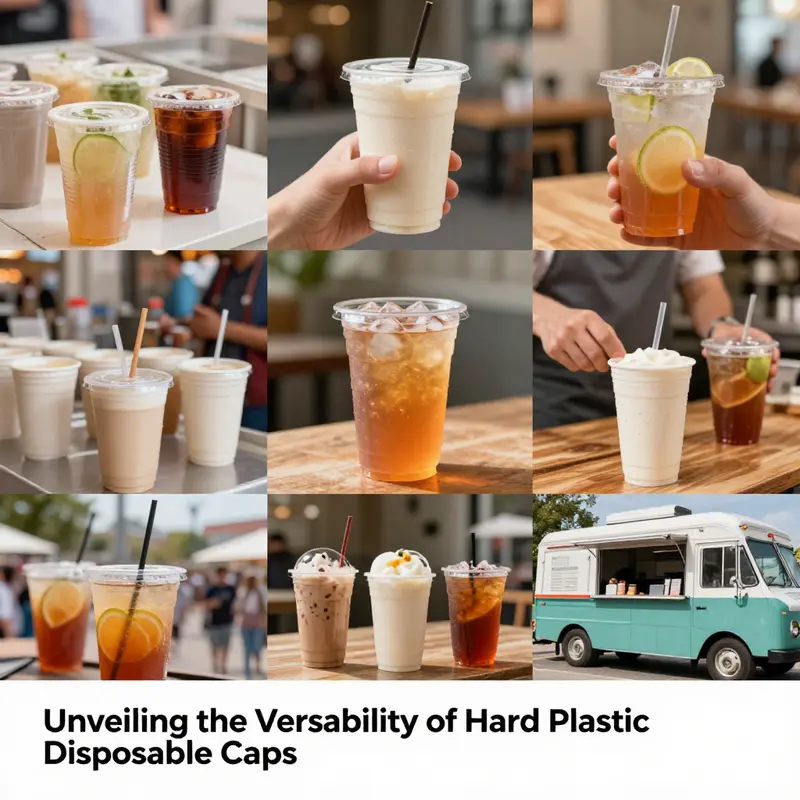
Hard plastic disposable cups have long occupied a quiet but indispensable niche in the world of service and hospitality. They are not flashiest items on the shelf, nor do they depend on elaborate design to prove their value. Instead, their strength lies in a straightforward combination of durability, heat resistance, and cost efficiency. In a sector where speed, reliability, and hygiene determine the rhythm of a workflow, hard plastic cups—mostly fashioned from polypropylene (PP) or polystyrene (PS)—provide a dependable backbone. The polypropylene variety, in particular, earns praise for heat tolerance, with capabilities that can reach up to roughly 130°C. This makes them suitable not only for cold drinks but for hot beverages as well, from coffee and tea to broths and soups that travelers or event attendees might crave. The practical advantage is tangible: a cup that remains intact and leak-free during transportation, even when handled by hurried staff or hurried customers on the move. In fast-paced environments such as quick-service restaurants, campus dining halls, vending machines, and outdoor events, this reliability translates into fewer spillages, less waste, and a faster turnover of drinks at the point of sale.
The choice of material is more than a matter of heat resistance. It also intersects with safety considerations and consumer expectations. PP, as opposed to some older plastics, tends to avoid certain leachables under typical serving temperatures and storage conditions, which is a key consideration for hot beverages and consumer health. Meanwhile, PS cups offer a straightforward, crisp aesthetic and a rigid shell that helps protect beverages during transit. The trade-offs between PP and PS often come down to use-case specifics: PP is favored when hot drinks are common and the need for microwave compatibility arises, whereas PS might be preferred for leaner cost structures in cold beverage applications. Each material carries its own profile of durability, insulation, and recyclability implications, which in turn influence how venues choose to inventory and deploy their cup stock across daily operations.
Beyond raw materials, the supply and customization landscape for hard plastic cups reflects a broader convergence of efficiency, branding, and logistics. In a typical procurement scenario, a supplier may offer a range of PP cups designed for cold drinks and a separate subset optimized for hot drinks. The more heat-tolerant PP cups allow operators to serve beverages that require near-boiling temperatures without compromising structural integrity or safety. When a business seeks to align its cups with corporate branding or event-specific promotions, there is often an option for flexible printing or labeling. While the core function remains utilitarian, a branded cup can serve as a microscopic billboard, reinforcing recognition and a sense of consistency across the consumer experience. However, the decision to customize is balanced against volume commitments, production lead times, and the practical realities of stock management in busy eating spaces. In many cases, suppliers set minimum order quantities that ensure manufacturing efficiency, enabling cost-effective production at scale while presenting branding opportunities for promotional campaigns or seasonal themes. In such arrangements, a business might plan ahead for peak periods, seasonal events, or nationwide rollouts, aligning cup specifications with other disposable service ware in a coordinated packaging strategy.
The application spectrum for hard plastic cups is broad and reveals how a single, well-engineered tool can span multiple environments while maintaining a consistent standard of hygiene. In the food and beverage industry, these cups are ubiquitous vessels for cold soft drinks, iced beverages, and water bottles that accompany meals on the go. They are also employed for hot beverages, where heat resistance and a measured insulation profile help protect hands from scalding while preserving the beverage’s aroma and temperature as it travels from counter to customer. The transport and leakage resistance of rigid cups support a model of service that values speed without sacrificing confidence in the containment of liquids. In many stores and cafes, these cups are used in quick-serve formats, vending channels, and convenience retail settings, where the combination of low cost per unit and high-volume throughput makes them a practical mainstay.
Catering and hospitality contexts reveal another layer of utility. Disposable cups become a hygienic, single-use solution that reduces post-event cleaning needs and labor costs. In large-scale events such as conferences, weddings, or hotel hospitality suites, cups are integrated into a broader ecosystem of disposable service ware designed to streamline service flow. Branding opportunities, achieved through simple, cost-effective customization, help venues extend their identity beyond menus and signage. Even in outdoor environments where weather, wind, and rough handling can challenge the integrity of other serving options, hard plastic cups deliver consistent performance. The rigid construction resists impacts and damp conditions that might otherwise cause brittle breakage in thinner materials, ensuring beverage service remains uninterrupted in crowded lines or on rainy days.
In healthcare and medical settings, a more conservative narrative emerges. Here, hard plastic cups support hygiene and patient safety through single-use, non-sterile applications such as water dispensing or non-fluid sampling tasks in controlled environments. The emphasis is less on marketing and more on reliability, ease of use, and predictable disposal. Medical-grade or BPA-free variants may be chosen to align with institutional policy and patient safety standards, particularly when cups are used in patient rooms, clinics, or research laboratories. In this space, material composition and surface finish become important factors, shaping decisions about chemical compatibility with cleaning agents and compatibility with lab protocols. Although health-focused contexts may often lean toward glass, ceramic, or more specialized disposables for certain tasks, the bottom line remains: a clean, single-use cup minimizes cross-contamination risks and supports efficient workflow in busy healthcare settings.
Industrial and workplace environments have their own logic for adopting hard plastic cups. In employee break rooms, cafeterias, or on-site catering services, reliability and ease of disposal drive operational choices. When staff face mid-shift breaks or energy-sapping shifts, cups that remain sturdy under varied temperatures and handling conditions help maintain a smooth service rhythm. The pragmatic benefits extend to storage and logistics as well. Rigid cups stack neatly, resist crushing, and tolerate a range of environmental conditions encountered in manufacturing floors, warehouses, and remote shift locations. In facilities that emphasize safety, cups that are BPA-free or meet specific chemical-resistance standards help reassure workers who may use drinks during long shifts or in variable temperature settings. The outcome is not merely convenience but a contribution to workplace hygiene, efficiency, and morale.
The personal care and beauty sector also intersects with these cups in sometimes surprising ways. In spa or salon environments, disposable cups may be used to serve water or herbal infusions during treatments, aligning with high hygiene standards and the guest experience. The single-use discipline reduces the risk of cross-contact and simplifies service flows in treatment rooms and waiting areas. Some practitioners even repurpose cups for non-beverage uses in a treatment context, such as holding small quantities of liquids or gels during demonstrations or skincare protocols. This flexibility underscores a broader point: the role of hard plastic cups extends beyond the obvious beverage service. They function as adaptable tools that fit within the choreography of service, safety, and client experience across diverse professional landscapes.
The sustainability conversation around hard plastic cups is both necessary and evolving. While these cups offer undeniable convenience, the environmental footprint of disposable containers continues to provoke scrutiny. The life cycle—from resin production to final disposal—carries implications for energy use, emissions, and waste management. In response, manufacturers and researchers are pursuing several trajectories. One path emphasizes the development of materials with improved recyclability and reduced toxicology concerns. Another explores bio-based or compostable alternatives, sometimes framed as enhancements to conventional plastics or as staged replacements that fit specific use cases. In practice, many operators balance the benefits of durability and hygiene with responsible waste management, seeking suppliers who can provide clear recycling pathways or compatible collection programs. Policy shifts in several regions—alongside consumer demand for greener choices—have accelerated this transition, encouraging businesses to rethink how single-use items fit within broader sustainability goals. The tension between the immediate operational advantages of hard plastic cups and the longer-term imperative to reduce single-use waste remains a central dynamic shaping procurement decisions and product development.
This balancing act—between performance, cost, branding potential, and environmental responsibility—drives a practical narrative for managers, supply chain teams, and marketing professionals alike. The decision to deploy hard plastic cups across an operation is rarely about a single factor. It involves an integrated view of throughput in busy service points, the reliability of shipping and handling in transit from supplier to venue, and the ease with which a hospitality or retail operation can integrate disposable cups into its branding and customer experience. In markets where labor costs are high or where speed of service is paramount, the reliability and fast turnover afforded by rigid cups can translate into measurable gains. In contrast, regions with strong consumer demands for sustainable packaging may push toward alternative materials or enhanced recycling programs, inviting a nuanced assessment of total cost of ownership and lifecycle impacts.
The research landscape reflects this complexity. Market analyses underline that while hard plastic cups retain a robust foothold in many everyday contexts, there is a clear industry-wide push toward sustainability. This includes not only the exploration of biodegradable materials but also innovations in recycling streams and label-free or reduced-labor disposal processes. In many cases, operators factor in the end-of-life options for their cups as a criterion in vendor selection, seeking transparent information about material composition, recyclability, and compatibility with local waste management infrastructures. The result is a market that remains practical and widely accessible while gradually integrating more sustainable practices where feasible. For readers seeking a broader understanding of these market dynamics and forecasts extending into the mid- to late-2020s and beyond, authoritative market insights offer a valuable lens into how demand, policy, and technology will shape the future of plastic containers, including hard plastic cups.
To illustrate how the broader packaging ecosystem interacts with consumer expectations and operational realities, consider the dimension of customization. While the core function of a cup is simple, the opportunity to imprint logos, colors, or event-specific messaging has tangible business value. A single well-timed branding effort can reinforce a campaign, support a franchise-wide standard for service wear, or unify a temporary promotion across multiple locations. The practical logistics of customization—printability, lead times, and inventory planning—are factors operators must weigh, especially in environments that rely on consistent, rapid service. In this context, the choice between a plain, unbranded cup and a customized variant becomes another facet of a broader strategy aimed at integrating product design with customer experience, without compromising the efficiency and hygiene that underpin successful service delivery.
Ultimately, the chapter on hard plastic disposable cups across industries is a study in durable utility meeting evolving values. The cups’ rigid, leak-resistant shells enable quick-service formats to perform with confidence, while their material choices and manufacturing versatility allow for a spectrum of use cases—from hot coffee in a bustling transit hub to cold beverages in a packed outdoor festival. The interplay between performance, safety, and branding demonstrates how seemingly ordinary tools can shape and support human interactions in service settings. As the industry navigates ongoing conversations about waste, recyclability, and broader environmental responsibility, hard plastic cups will likely continue to adapt—whether through smarter waste management, improved material science, or more thoughtful integration into branded service experiences. In the end, their ubiquity speaks to a simple truth: when reliability, cleanliness, and speed matter, a well-made plastic cup remains an essential instrument in the daily choreography of modern commerce.
External resource for further market context: https://www.fortunebusinessinsights.com/plastic-containers-market-108274
Internal link for related product category and customization discussion: disposable custom double-wall hot paper cups with lid
Hard Plastic Cups in a Regulated Era: Balancing Durability, Cost, and a Winding Path Toward Sustainability
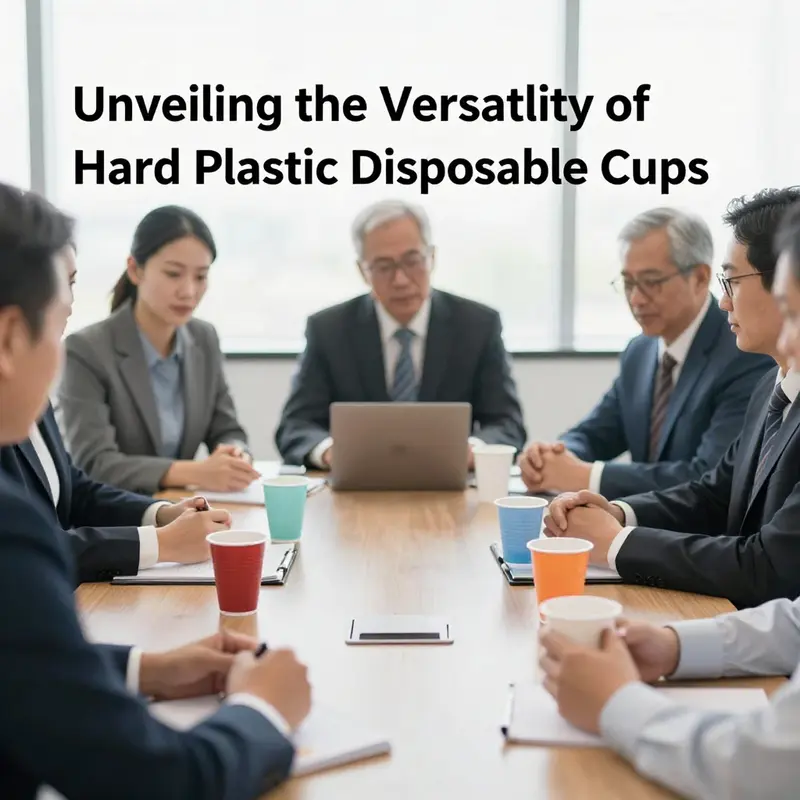
Hard plastic disposable cups sit at a complex crossroads where the demands of everyday service meet the imperatives of environmental stewardship. The chapter that follows examines how regulatory measures, market dynamics, and ongoing material innovations shape the fate of these durable, low-cost vessels. It is a narrative that recognizes why hard plastic cups emerged as a staple in fast service, outdoors, and institutional settings, even as policymakers, recyclers, and consumers push for better end-of-life outcomes. In this landscape, the cups themselves are not merely passive containers; they are components in a broader system of production, consumption, and waste management that requires both resilience and adaptability from everyone involved in the supply chain. The enduring appeal of hard plastic cups—clarity, impact resistance, and economical scalability—remains compelling, but their future depends on how effectively the industry aligns performance with responsibility as regulations tighten and consumer expectations evolve.
At the core of material choice for hard plastic cups are common plastics such as polypropylene (PP) and polystyrene (PS). Each material carries a different profile of strengths and limitations. PP cups are prized for their heat tolerance, withstanding temperatures that approach or exceed typical hot beverages and even enabling microwave use in some cases. This makes PP an attractive option for serving hot coffee, tea, or soups, especially in venues where speed and reliability are essential and where the cup may encounter varied service temperatures. PS cups, while rigid and lightweight, often show limits when exposed to high heat, and their recyclability varies by jurisdiction. The market often negotiates these material trade-offs by balancing consumer experience—for instance, the crisp feel of a rigid cup and the visual clarity of a transparent vessel—with lifecycle considerations. In practical terms, the choice between PP and PS is not merely a material decision; it is a strategic one that influences supply chain stability, manufacturing footprint, and the ability to meet evolving regulatory expectations.
Regulatory landscapes around the world are tightening the screws on single-use plastics, especially those that are difficult to recycle or dispose of in a way that minimizes environmental harm. In the European Union, the Single-Use Plastics Directive has targeted a range of disposable plastic items, including certain rigid cups, by pushing manufacturers toward alternatives such as plant-based bioplastics or compostable materials. While these measures challenge traditional hard plastics, they also spur innovation in compatible, recyclable designs and better post-consumer collection. Across the United States, a growing patchwork of state and municipal regulations has aimed to reduce plastic waste from food service products, pushing operators to rethink packaging strategies and to invest in systems that support reuse or improved recycling. Beyond the West, policies in other regions emphasize the concept of extended producer responsibility, design-for-recyclability, and the scaling of deposit-like or return schemes to foster a more circular approach to cup lifecycle.
In principle, such regulatory pressure accelerates a shift toward sustainability without erasing the practical value that hard plastic cups offer. They remain preferred in many settings due to their durability, lightweight nature, and cost efficiency, particularly for cold beverage dispensing, outdoor events, and high-volume take-out services. Yet the credibility of hard plastics within a sustainable framework relies on end-of-life performance. Recyclability varies by material and by municipal capabilities, and even when recycling infrastructure exists, collection rates and contamination issues can hinder outcomes. The current dynamic, therefore, hinges on a combination of improved product design and stronger system-wide waste management. As producers seek to maintain performance, they also invest in designing cups that are easier to separate, identify, and process in recycling streams. This includes considerations about liner materials, barrier properties, and surface finishes that may complicate or simplify recycling depending on local facilities. The net effect is that the future of hard plastic cups is being written not only in courtrooms or council chambers but in the calcualtions of engineers, recyclers, and transporters who must keep the pieces of the system moving in harmony.
From a market perspective, the current materials—predominantly PP and PS—still deliver the required clarity, impact resistance, and stackability that hospitality and fast-service operations rely on. The regulatory push, however, is nudging the industry toward diversification. In some markets, substitutes such as high-quality bioplastics, compostable papers, or other engineered materials are being explored to complement or eventually replace traditional rigid cups in specific applications. This transition is not uniform; in many environments, the need for hot liquids or robust display in self-serve contexts makes hard plastic cups a sensible baseline, while the push to reduce waste encourages hybrid solutions and closed-loop recycling concepts. The tension is constructive: it motivates better product stewardship, more accurate labeling, and clearer consumer guidance about disposal options.
Manufacturing and supply chain considerations add further nuance. Regional suppliers and contract manufacturers often weigh the economics of hard plastics against regulatory compliance costs and import/export dynamics. A notable example in the broader market is the emergence of customizable, sealed beverage cups that respond to the modern consumer demand for portability and hygiene. In these cases, suppliers may offer a range of PP-based cups with print-ready surfaces and caps designed for spill resistance, all while adhering to evolving standards for material safety and recyclability. The decision to stock and customize such cups involves more than a per-unit price; it encompasses lead times, minimum order quantities, and the feasibility of aligning with local recycling streams. The reality is that hard plastic cups are not a single, monolithic product but a family of options whose attractiveness fluctuates with regulatory clarity, consumer behavior, and logistical efficiency. Even when a region supports strong cold-beverage performance, the same region’s waste management infrastructure will largely dictate how effectively those cups can be reclaimed and redirected from landfills.
Technological and material innovations are responding to these pressures in two complementary directions. First, there is work on enhancing the recyclability of hard plastics through design and formulation changes that maintain performance while reducing downstream sorting complexity. These efforts include optimizing barrier properties to extend shelf life without creating new hurdles for recycling facilities. Second, researchers and manufacturers are examining hybrid or bio-based materials that can offer similar heat tolerance and rigidity while providing improved end-of-life behavior. Although these advances do not yet guarantee a wholesale shift away from traditional hard plastics, they establish a credible pathway toward products that can satisfy the same performance criteria with better environmental credentials. In practice, this means that a supplier can offer PP-based cups that perform robustly under hot-fill or micro- waved conditions, but with surface treatments or additives that enhance compatibility with recycling streams, or that enable easier separation at the end of the product’s life.
Consumers, too, are playing a critical role in shaping the adoption curves of hard plastic cups. In many consumer environments, the emphasis remains on convenience, hygiene, and predictable experience. The presence of a rigid cup that can hold up to a busy service cycle without buckling or leaking is a practical advantage, particularly for outdoor events, drive-thru sites, and education or healthcare institutions. Yet the same consumers are increasingly aware of environmental issues and are more likely to support venues that offer recycling options, return programs, or a choice of more sustainable alternatives. This disconnect—where the best short-term performance can be at odds with long-term waste outcomes—has spurred operators to seek clearer communications about disposal and to invest in reusable options where feasible. In some markets, the regulatory climate itself nudges both operators and consumers toward such practices by introducing fees, deposits, or restrictions that make single-use options less attractive economically and more burdensome from a policy perspective.
Within this evolving context, revisiting the economic calculus behind hard plastic cups is essential. Even as governments seek to reduce waste, the persistence of durable, low-cost cups means they will remain a staple for certain applications for the near term. Supply chain resilience, especially in times of disruption, adds to the appeal of robust, easy-to-transport cups that survive the rigors of shipping and handling. The potential for customization—whether for branding or for functional features such as tighter seals or easier stacking—is another reason hard plastics will endure in specific segments. The challenge is to reconcile these operational benefits with the rising expectations for circularity and responsible end-of-life management. This tension invites a reimagined lifecycle that emphasizes better design for recyclability, stronger producer responsibility, and more effective consumer engagement around disposal choices.
A practical consequence of regulatory and consumer shifts is that manufacturers, distributors, and retailers must anticipate changes in demand patterns. Some regions may see a slower decline in hard plastic cup usage, tempered by targeted adoption of more recyclable or compostable alternatives in outlets that actively promote sustainability. Other regions could experience more abrupt shifts as policies accelerate, driving early uptake of reusable systems or service models that reduce disposable cup consumption. The regional variability means that producers cannot rely on a single global script; instead, they must tailor product portfolios to local capabilities, while maintaining the core performance characteristics that customers expect. In this sense, the future of hard plastic cups is not a binary transition but a spectrum of strategies that combine durability with responsible end-of-life practices, flexible manufacturing, and clear, consumer-facing information about disposal and recycling.
As the market moves forward, one can anticipate a broader ecosystem approach. In practice, this means more emphasis on closed-loop programs, where cups are collected, cleaned, and re-entered into a usable stream. It also means investments in education about recycling and the development of standards that help consumers recognize which cups can be recycled locally. The regulatory impetus will likely intersect with corporate sustainability initiatives, driving suppliers to publish clearer lifecycle data and to pursue certifications that validate recyclability and reduced environmental footprints. The path ahead is not a single technology fix; it is a coordinated push across materials science, policy, logistics, and consumer behavior that will gradually dilate the space in which hard plastic cups can operate responsibly.
To illustrate how these dynamics play out in practice, consider the broader supply and customization environment that shapes many regional markets. A supplier in a major manufacturing hub may offer a range of PP-based cups suitable for hot and cold beverages, with flexible printing options to support corporate branding, and with caps or lids designed to minimize leakage in take-out contexts. Yet the same supplier must remain mindful of evolving packaging regulations and the perimeters of local recycling facilities. The result is a portfolio that emphasizes reliability, cost containment, and a willingness to adapt to regulatory changes at short notice. In parallel, retailers and foodservice operators are increasingly evaluating whether to invest in reusable cup programs or to explore more sustainable single-use solutions that are designed for easier end-of-life processing. The interplay between regulatory imperatives, consumer preference, and material capabilities thus remains the defining feature of this chapter’s focus.
For readers seeking a broader perspective beyond the immediate regulatory and material considerations, it is worth noting the ongoing market forecast for disposable cups and lids through the next decade. The trajectory points to a significant expansion in total market value driven by convenience, urbanization, and the persistence of take-out culture, while simultaneously pressing for sustainable design and improved recycling performance. Innovations in bio-based materials and hybrid formulations hold promise for narrowing the performance gap between traditional hard plastics and more sustainable alternatives. In the near term, the best path for hard plastic cups appears to be a balanced approach: preserve the durability and cost benefits that make them indispensable in many contexts, while accelerating recyclability, improving end-of-life management, and embracing design strategies that support a circular economy. The outcome will depend on how effectively policymakers coordinate with industry players and how well the supply chain harmonizes product design with waste-management capabilities.
As this chapter connects to the broader article, readers can explore related discussions on eco-friendly packaging and recyclable solutions in related product categories through a pertinent resource that highlights the trade-offs between convenience, branding, and sustainability. For deeper exploration of alternative packaging formats and recycling-enabled options, see this internal page: eco-friendly paper cold beverage cups with lid.
External perspectives on market projections and regulatory contexts can be found in industry analyses that synthesize regulatory trends, material science advances, and consumer adoption patterns. A comprehensive external reference is the Grand View Research report on Disposable Cups and Lids Market Size, Trends, and Forecast (2026–2033), which provides a broad framework for understanding how policy, technology, and consumer behavior are expected to shape the disposable cup landscape: https://www.grandviewresearch.com/industry-analysis/disposable-cups-lids-market.
Final thoughts
In conclusion, hard plastic disposable cups stand as a versatile and practical choice for businesses in the beverage industry. While they offer unparalleled convenience and cost-effectiveness, it is crucial to balance their use with responsible environmental practices. Emerging trends and regulatory measures are shaping the future of these cups, pushing operators toward innovative and eco-friendly alternatives. By understanding these dimensions, businesses can navigate the challenges and opportunities presented by hard plastic disposable cups, ensuring that they align with consumer expectations and sustainability goals.