
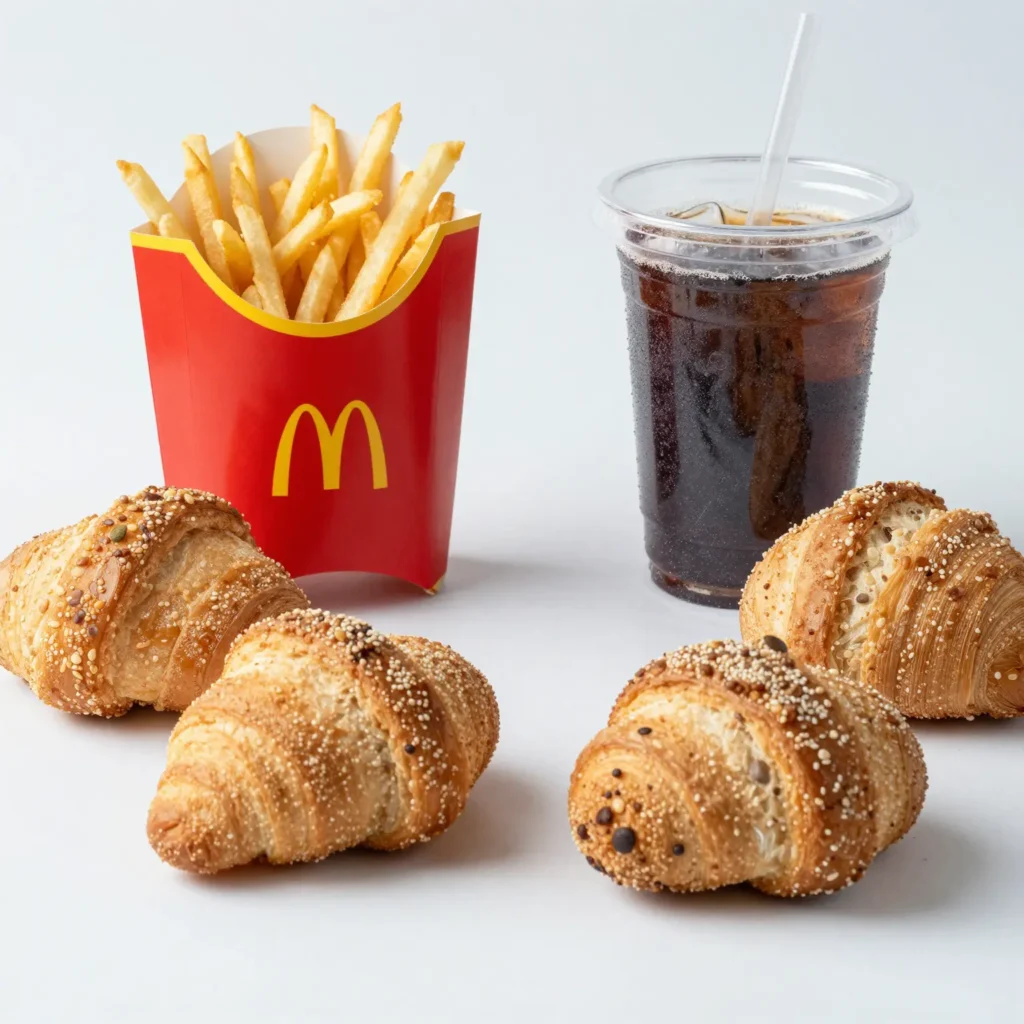
As consumers increasingly demand convenience and quick meals, the alarming reality is that many fast food items contain plastic, a fact that many might find surprising. This rising trend not only affects the quality of food but also poses health risks and environmental challenges, especially for businesses like bubble tea shops and beverage chains that rely heavily on disposable tableware and packaging solutions. Studies have shown that microplastics can infiltrate fast food items, raising serious concerns about what we ingest with every meal. With customers now more aware of the potential dangers lurking in their favorite snacks, establishments that prioritize safe and eco-friendly practices could stand out significantly in a competitive market. By seeking alternatives to plastic-laden packaging solutions, fast food vendors can not only enhance their food quality but also contribute positively to the environment.
This shift towards sustainability is crucial for not just restaurants and food trucks but also for event planners and corporate procurement teams. Choosing biodegradable options for their disposable packaging can ensure they remain on the right side of this growing concern. Join us as we delve into the plastic problem in the fast food industry and explore effective solutions that can benefit your business and the planet.
Common Fast Food Items That May Contain Plastic
As the fast food industry continues to evolve, concerns over food safety and quality have come to light. One of the most alarming issues is the potential presence of plastic in food. Here’s a list of common fast food items that may inadvertently contain plastic, along with statistics and explanations highlighting the prevalence of this issue.
-
Burgers
Plastic contamination can occur during preparation when burger patties are cooked on grills or in contact with plastic-wrapped packaging. Recent studies have shown that fast food burgers can contain microplastics, raising significant health concerns.
Learn more about sustainable packaging options. -
Chicken Nuggets
These popular items may be exposed to plastic during production, frying, or packaging. They are commonly found to contain synthetic particles, especially if packed in plastic containers that degrade over time. -
Fries
French fries are often cooked in oil that may be contaminated with plastics due to improper storage and handling of the frying oil. This can lead to microplastics making their way into this beloved side dish. -
Fish Sandwiches
Fish products in fast food chains may carry the risk of plastic contamination, particularly through the fishing nets that break down into larger bodies of water, and consequently into food supply chains. -
Soft Drinks
Research suggests that even beverages from fast food outlets can contain microplastics, primarily from plastic bottles or cups that leach chemicals into the liquids they hold.
The Statistics Behind Plastic Contamination
- Plastic in Food Sources: According to various studies, it is estimated that microplastics are found in over 90% of the world’s tap water, leading to concerns about their prevalence in food sources, including those from the fast food sector.
- Health Concerns: Agencies are increasingly concerned about the potential health risks associated with plastic particles, which have been detected in human tissues and are linked to various health issues, making this a pressing public health matter.
Addressing these issues requires a shift toward more sustainable packaging solutions, such as those offered by companies like Green Dispo Pack. Their commitment to eco-friendly products is beneficial for our health and the environment. Explore their range of paper cups for a safer alternative.
With growing awareness, it’s crucial for fast food chains and consumers alike to prioritize plastic-free solutions to safeguard against contamination. Making informed choices about packaging can help reduce the risks associated with plastic in our food supply.
As the call for healthier food options grows louder, exploring eco-friendly alternatives is not just good for the planet, but essential for public health as well.
Comparison of Safety Standards in Disposable Tableware
When evaluating disposable tableware for food service, it’s essential to understand the safety standards, biodegradability, and materials used. Below is a table comparing three common types of disposable tableware: paper plates, sugarcane plates, and plastic plates.
| Type | Materials Used | Biodegradability | Safety Standards |
|---|---|---|---|
| Paper Plates | Waste paper pulp | Generally biodegradable | FDA approved for food contact, BPA-free |
| Sugarcane Plates | Bagasse (sugarcane pulp) | Completely biodegradable | FDA approved, compostable, no harmful chemicals |
| Plastic Plates (PET) | Virgin plastic (PET) | Not biodegradable | FDA approved for food contact, recyclable (depends on local facilities) |
Details About the Tableware
- Paper Plates: Made from waste paper, they are an eco-friendly option that helps reduce paper waste. These plates comply with food safety regulations and are often BPA-free.
- Sugarcane Plates: Also known as bagasse plates, these are made from the leftover pulp after sugar extraction. They are fully biodegradable and compostable, making them an excellent choice for environmentally-conscious businesses.
- Plastic Plates (PET): Commonly used in many fast-food settings, these plates are not biodegradable, but they are recyclable. However, they must conform to strict FDA regulations to ensure safety in food service.
Conclusion
In choosing disposable tableware, it is important to consider not just the convenience but also the safety and environmental impact of the materials used. Many establishments are moving towards sustainable options like sugarcane plates due to their biodegradability and safety certifications. For further details on eco-friendly packaging solutions, visit our paper packaging category.
Understanding the Health Risks of Microplastics in Food
In recent years, concerns regarding microplastics in our food supply have skyrocketed, drawing attention from health experts and researchers. Microplastics-tiny plastic particles less than 5 mm in size-are often ingested through contaminated food and beverages. Understanding their health implications is crucial for consumers and businesses, especially for those in the food service industry like bubble tea shops, restaurants, and catering services.
The Prevalence of Microplastics
Studies estimate that the average adult ingests approximately the equivalent of one credit card worth of microplastics each week. This ingestion predominantly occurs through food and drinking water. (Stanford Medicine) emphasizes the urgent need for further investigation into how these particles might affect human health.
Potential Health Risks
Health experts are increasingly vocal about the unknown effects of microplastics on human health. Some of the most frequently cited concerns are:
- Gastrointestinal Issues: Research indicates that microplastics may interfere with digestive processes, leading to gastrointestinal discomfort.
- Inflammation: There are studies linking microplastics to increased inflammatory responses within the body, suggesting potential long-term implications for digestive health and overall inflammation levels.
- Hormonal Disruption: Chemicals associated with microplastics, such as additives and contaminants, may disrupt endocrine functions, impacting hormone balance.
- Accumulation in Organs: Ongoing research noted by (BBC Future) indicates that microplastics have not only been found in the digestive system but also accumulate in other tissues, raising concerns about long-term health implications.
Protective Measures for Businesses
As the food industry grapples with these findings, it’s imperative for businesses to take proactive measures:
- Increase Awareness: Educate staff and consumers about the presence of microplastics in food items and their potential health impacts.
- Sourcing Solutions: Businesses can opt for packaging made from natural materials that are less likely to contribute to microplastic pollution, such as sugarcane tableware.
- Regular Monitoring: Keep abreast of research findings and guidelines from health agencies like the EPA to better understand the risks associated with microplastics and compliance in packaging and sourcing.
Conclusion
The health effects of microplastics found in food remain an emerging area of research, but the potential risks necessitate urgent attention from the food service industry. A collective effort towards educating stakeholders and opting for sustainable packaging can significantly mitigate these issues. By prioritizing safety and sustainability, businesses can safeguard their reputation while contributing to public health.
Eco-Friendly Alternatives to Traditional Fast Food Packaging
As the demand for sustainability continues to rise, businesses like bubble tea shops and food trucks are seeking eco-friendly alternatives to traditional packaging. The shift from plastic to sustainable materials not only aligns with consumer preferences but also addresses safety, performance, and environmental impact.
Biodegradable Packaging
Biodegradable materials can be effortlessly broken down by natural microorganisms, turning into water, carbon dioxide, and biomass, thus minimizing the long-term environmental footprint. Options such as biodegradable paper bowls and sugarcane containers are gaining traction in the food service industry due to their responsible disposal capabilities and functionality.
Paper and Cardboard Solutions
Transitioning to paper and cardboard packaging not only improves recyclability but also reduces reliance on single-use plastics. For example, eco-friendly paper bags and take-away boxes are perfect for food trucks and catering services, offering both safety and aesthetic appeal. They are sturdy and can accommodate various food items while ensuring that they remain safe for consumers. Consider products like Kraft paper boxes and paper lids for an environmentally conscious approach.
Plant-Based Plastics
Another rising alternative is plant-based plastics made from renewable resources, offering similar durability to traditional plastics without the environmental drawbacks. While they still require proper composting or recycling to break down effectively, they pose fewer challenges compared to standard plastic.
Ensuring Safety and Performance
It’s crucial for food businesses to choose packaging solutions that maintain the quality and safety of their products. Most eco-friendly options are tested for performance and comply with health standards, offering a level of reliability that consumers expect. This commitment to safety extends not only to food integrity but also to public health concerns associated with traditional plastic usage.
Importance of Sustainability
Sustainability in packaging is not just a trend; it’s an essential aspect of modern business practice. By opting for eco-friendly alternatives, businesses can significantly reduce their carbon footprint and promote a positive brand image. Consumers today are increasingly conscious of their purchases and actively support brands that prioritize environmental responsibility. Making sustainable packaging choices is a step toward a greener future and can set your business apart in a competitive market.
Incorporating these eco-friendly alternatives into your fast food packaging strategy isn’t just beneficial for the planet – it could also enhance your brand’s appeal among environmentally conscious customers.
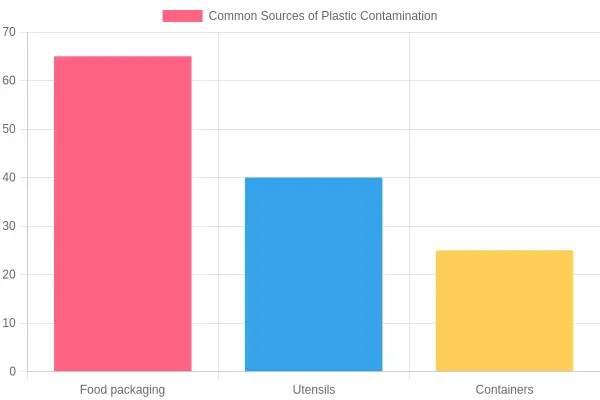
The Dangers of Plastic Consumption in Fast Food
Plastic consumption has become an alarming concern, particularly in the food industry, as it can infiltrate the very items we consume, especially in fast food. With packaging and processing methods increasingly reliant on plastic materials, it is essential for businesses to recognize the potential health implications associated with this issue.
One insightful perspective comes from a recent article by Bioengineer.org, stating:
“Ingesting polystyrene nanoplastics can disrupt glucose homeostasis and trigger indicators of liver injury, emphasizing the health risks posed by common plastic materials in food.”
This highlights the critical need for bubble tea shops, restaurants, food trucks, and catering services to consider the type of packaging used for their offerings. Awareness and action regarding the materials used in foodware can profoundly impact both health and environmental sustainability.
For those in the food service industry, adopting biodegradable or environmentally friendly alternatives, such as paper bowls and sugarcane containers, can not only reduce pollution but also address health concerns linked to plastic consumption.
The importance of delivering safe, wholesome food extends beyond taste; it incorporates the health of the individuals consuming it. Therefore, addressing the dangers of plastic in food consumption should be a priority for all businesses in the food sector.
The Rise in Consumer Demand for Eco-Friendly Packaging
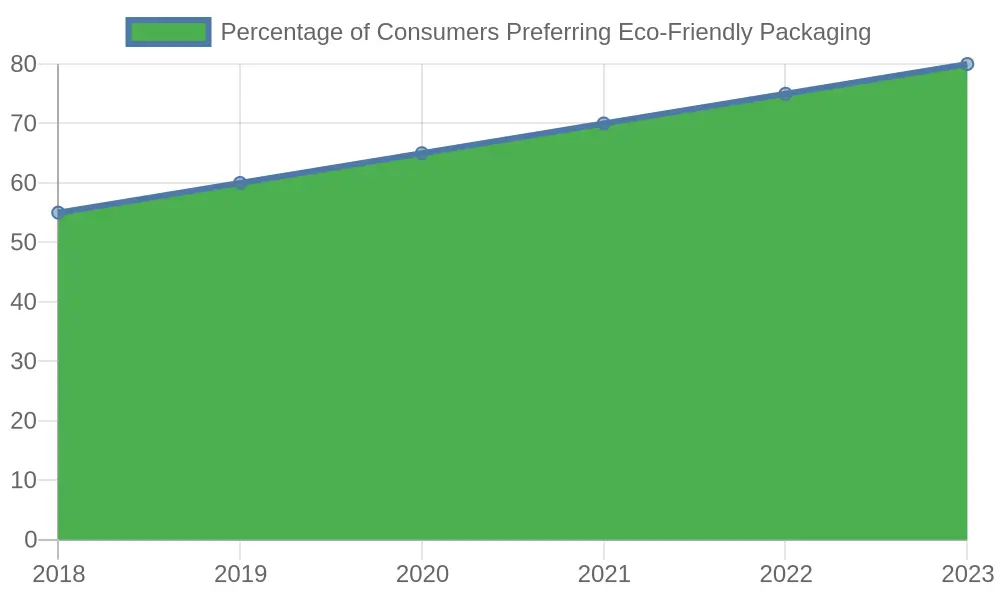
The fast food and beverage industries are experiencing a significant shift as consumers increasingly prefer eco-friendly packaging options. In recent years, awareness of environmental issues has led to a rising demand for sustainable practices, particularly in food service.
This chart illustrates the notable increase in consumer preference for eco-friendly packaging from 2018 to 2023:
Consumer Preference Data:
| Year | Percentage of Consumers Preferring Eco-Friendly Packaging |
|---|---|
| 2018 | 55% |
| 2019 | 60% |
| 2020 | 65% |
| 2021 | 70% |
| 2022 | 75% |
| 2023 | 80% |
The trend highlights that in 2023, 80% of consumers are willing to support brands that adopt eco-friendly packaging. This growing interest reflects an urgent need for food service businesses to transition to sustainable materials.
For businesses looking to adapt, consider exploring our range of eco-friendly paper packaging that can cater to this evolving consumer expectation.
In conclusion, the growing concern surrounding plastic use in fast food packaging is becoming increasingly urgent. As highlighted in various studies, the intersection between fast food and plastic pollution not only affects our environment but extends to our health as well. With rising awareness regarding these issues, it’s imperative for businesses within the food service industry-such as bubble tea shops, restaurants, food trucks, and catering services-to consider more sustainable alternatives.
At Green Dispopack, we offer a wide range of high-quality disposable tableware solutions that meet both eco-friendly standards and the needs of your business. Our products, from paper cups and sugarcane tableware to innovative packaging options like sugarcane cups and paper bowls, are designed to help reduce plastic waste while maintaining functionality and style.
We encourage you to explore our comprehensive product line and consider partnering with us to make a positive impact on the planet while satisfying your customers’ expectations. Let us help you transition to greener alternatives today! Visit our website to discover our full range of solutions and join the movement towards a more sustainable future.
Take the first step now and revolutionize how you serve your products-your commitment to sustainability can start today!