
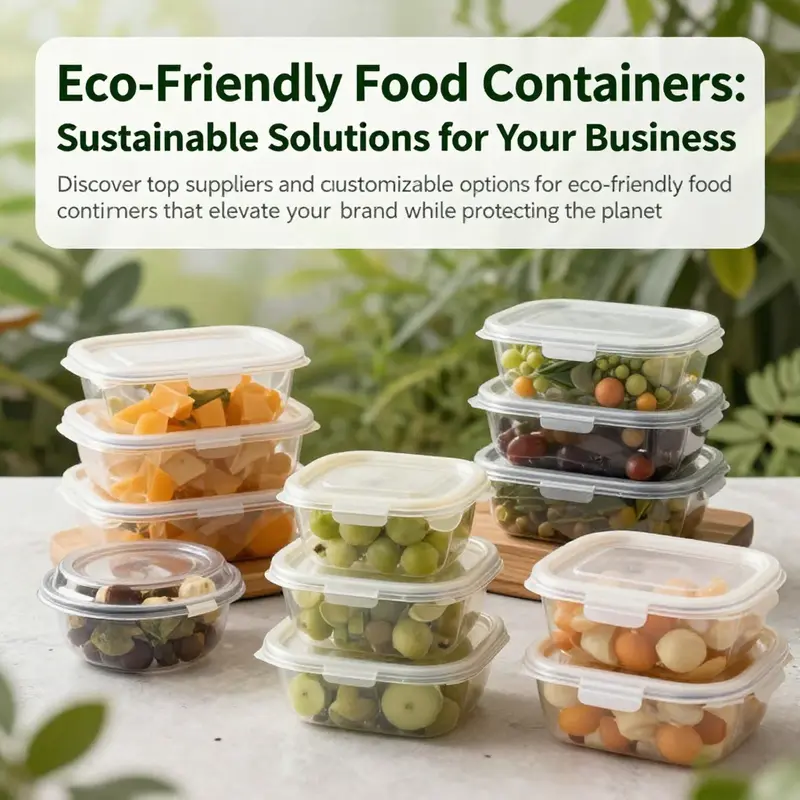
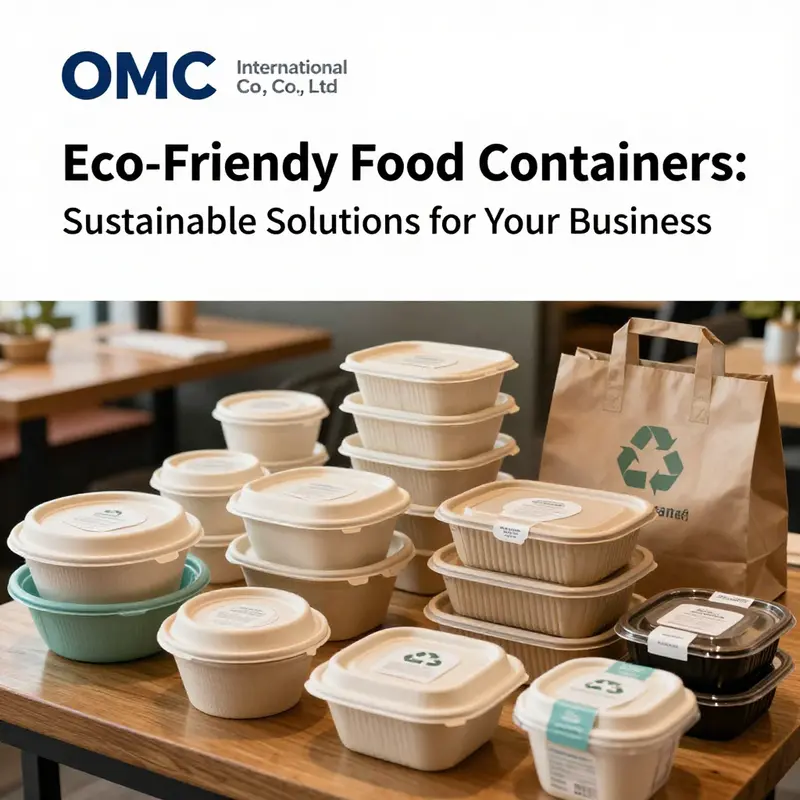
In today’s eco-conscious market, food businesses are increasingly prioritizing sustainable practices. Eco-friendly food containers not only minimize environmental impact but also align with customer values, enhancing brand loyalty. This article explores key suppliers in eco-friendly food container wholesale, including OMC International and HKTDC Sourcing, delving into customization options to meet specific needs and examining pricing strategies that accommodate various budgets. Each chapter builds on these aspects, guiding businesses like bubble tea shops, restaurants, food trucks, and corporate procurement teams towards informed decisions in their sustainability journey.
null
null
Platform to Pantry: How HKTDC Sourcing Accelerates Eco‑Friendly Food Container Wholesale
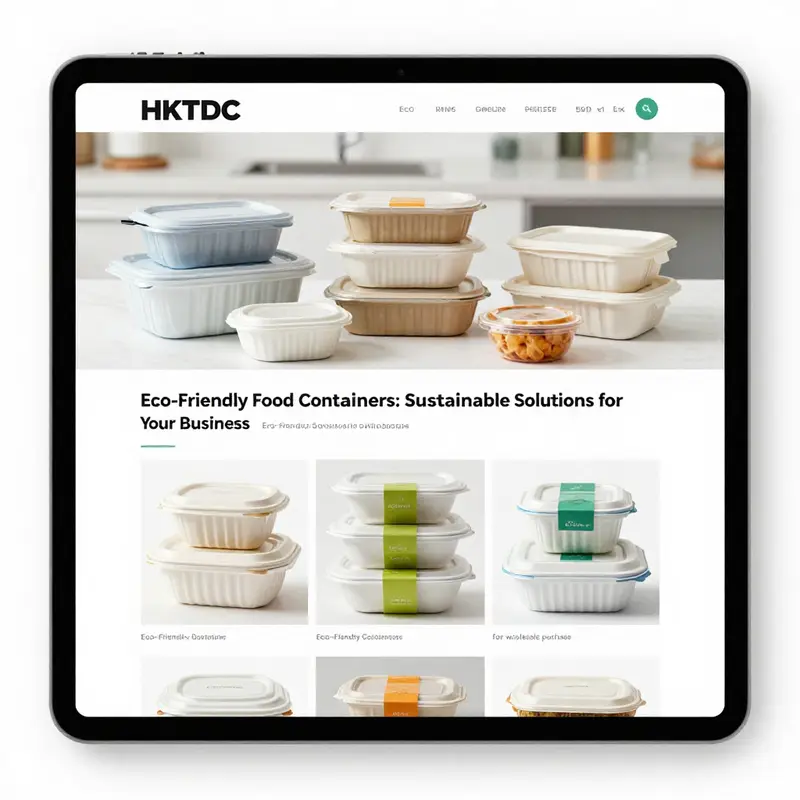
A reliable supply chain for eco‑friendly food containers starts long before the first order is placed. It begins with a platform that can illuminate options, verify capabilities, and streamline communication across borders. HKTDC Sourcing offers such a pathway for brands and buyers who want to scale sustainable packaging without sacrificing reliability or speed. The platform functions as more than a directory; it serves as a dynamic marketplace where suppliers of eco‑friendly disposable food containers present their profiles, products, and production capabilities in a way that helps buyers compare alternatives quickly and confidently. In an era when environmental responsibility is a strategic differentiator, this kind of sourcing hub can be the difference between a rushed, low‑quality rollout and a thoughtfully planned program that aligns with environmental goals and business realities. The beauty of HKTDC Sourcing is in its balance between breadth and trust: a wide enough pool to cover diverse materials and designs, yet curated enough that buyers can identify partners who understand the scrutiny that comes with large‑scale, exit‑to‑enter policies, and consumer expectations around sustainability.
The first thing most buyers notice on the platform is the breadth of material categories and design approaches that suppliers showcase. Eco‑friendly disposable food containers arrive in a spectrum that includes compostable papers and pulp products, recyclable plastics, and biodegradable compounds that leave a lighter footprint without compromising performance. Buyers can filter by material, biodegradability, recyclability, and even by specific packaging sizes. This means a casual search for “eco containers” can evolve into a precise shortlist of suppliers who offer the exact formats needed for a given channel—whether it is a quick‑service restaurant, a coffee shop to‑go program, or a catered event with a tight sustainability brief. The ability to drill down by size—say, 500 ml, 750 ml, or 1000 ml—and by sealing method, lid type, and printing capability is transformative for procurement teams. It shifts the discussion from vague sustainability goals to concrete, verifiable options that meet both performance standards and branding requirements.
As buyers scroll through supplier profiles, the value of the platform becomes clearer: access to production realities, certifications, and lead times all in one place. Profiles typically outline the factory capabilities, minimum order quantities, post‑production testing practices, and available customization options. For buyers seeking to maintain strict quality control, this visibility matters as much as price. While price is important, a well‑documented lead time, reliable packaging formats, and consistent output are equally critical when planning a wholesale rollout that spans multiple outlets or regions. The platform thus supports a procurement approach rooted in due diligence. Sellers who display certifications, sample availability, and clear production workflows earn credibility at a glance and invite buyers to move from inquiry to negotiation with confidence.
One of the strongest practical features of HKTDC Sourcing is the direct inquiry mechanism. Buyers can reach out to multiple suppliers with a single message or tailor inquiries to specific projects. This makes it easier to request samples, ask customization questions, or negotiate terms without lengthy back‑and‑forth across disconnected channels. The ability to request preproduction samples and to receive detailed follow‑ups from suppliers accelerates decision cycles. For a wholesale buyer, this can translate into faster prototyping of new packaging concepts for seasonal menus, promotions, or limited‑edition collaborations. In this sense, HKTDC Sourcing becomes not just a price comparison tool but a collaborative space where product development can be accelerated with verified partners who are prepared to support iterative testing and refinement.
A crucial design consideration that buyers encounter on the platform involves balancing performance with environmental impact. The term eco‑friendly is broader than a single material or process; it encompasses end‑of‑life scenarios, printing and labeling requirements, barrier properties, and consumer expectations for safety and convenience. On HKTDC Sourcing, buyers can observe how suppliers address these concerns through described capabilities such as compostable coatings, barrier protection for hot foods, and compatibility with common recycling streams. Some suppliers also highlight their ability to produce containers that align with specific regional regulations or certification programs. This level of transparency helps buyers steer away from suppliers that rely on green claims without substantiating evidence, and it supports a sourcing process that is both ethical and efficient. For brands chasing a consistent global footprint, the platform’s ability to surface suppliers with compatible regional certifications and production standards becomes particularly valuable, enabling smoother cross‑border integration of packaging supply.
The journey from platform search to purchase on HKTDC Sourcing often follows a practical arc. It begins with an assessment of the core material families and their relative strengths for particular application contexts. Paper and pulp products tend to offer favorable compostability and a natural aesthetic, which many cafés and casual dining concepts favor for brand storytelling. Biodegradable plastics and compostable bioplastics—while still controversial in some markets—can offer moisture resistance and mechanical strength necessary for hot foods and longer shelf life. Recyclable plastics provide clear end‑of‑life pathways in regions with robust recycling infrastructure. On the platform, buyers can compare not just the materials but also the design options—whether the containers are foldable, stackable, or tailored with custom lids and insulation features. The ability to view range breadth in a single session helps procurement teams map a multi‑item assortment that can scale from a few hundred to millions of units without sacrificing consistency.
To proceed from inquiry to order, many buyers on HKTDC Sourcing take advantage of the platform’s orchestration features. They identify a short list based on fit, then initiate contact to solicit quotes, request samples, and discuss customization. The sample process is particularly important for wholesale operations because it provides a tangible sense of how the packaging performs under real world conditions: heat retention, grease resistance, slip resistance in handling, and the tactile experience of the lid closure. These aspects can influence a buyer’s decision as much as price or lead time. Customization capabilities—brand printing, logos, color schemes, and even geometric shapes—are commonly listed on supplier profiles. Engaging suppliers for preproduction samples can help validate that the final product meets the required finish, print fidelity, and sealing integrity before large‑volume commitments are made. In other words, the platform helps turn a potential supplier relationship into a reliable, scalable supply line that honors both sustainability commitments and business realities.
Another advantage of utilizing HKTDC Sourcing is the opportunity to align purchasing with broader sustainability initiatives. Many wholesale buyers have internal programs that emphasize lifecycle thinking, supplier diversity, and local sourcing where feasible. The platform’s breadth allows them to identify partners across a region or a continent who can supply consistent packaging for multiple channels, from quick‑service to catering. In doing so, buyers can consolidate orders to reduce the complexity of logistics, simplify compliance checks, and negotiate favorable terms across a larger, more interoperable supplier base. With sustainability increasingly embedded into procurement policies, the ability to verify certifications and monitor supplier performance becomes not just a risk management exercise but a strategic advantage. The platform’s transparency supports a proactive approach: it invites suppliers to demonstrate their commitments to ethical sourcing, material safety, and responsible manufacturing practices, and it empowers buyers to document due diligence in a way that resonates with investors, auditors, and customers alike.
In practice, a typical scenario might unfold as follows: a mid‑sized food service brand plans a nationwide rollout of eco‑friendly takeout packaging. The team defines key criteria—biodegradability where feasible, minimal plastic content, and a design that fits a particular 750 ml to 1000 ml range with reliable sealing. They search on the platform for suppliers who offer these capabilities, then compare product specifications and certifications side by side. They send inquiries to two to four shortlisted suppliers to request pricing, lead times, and sample availability. Once samples arrive, they test them in kitchen conditions, perform a quick consumer handling test, and evaluate branding options for imprinting. After a few rounds of refinement, they narrow to a preferred supplier who can provide preproduction samples and a clear path to scalable production. The result is a controlled, transparent procurement process that reduces risk, accelerates go‑to‑market timing, and preserves the environmental commitments that the brand champions.
The value proposition of HKTDC Sourcing for eco‑friendly food container wholesale also rests on the ability to search with regional nuance. Asia, with its vast manufacturing base, hosts a wide array of packaging specialists who bring different strengths to the table—from rapid prototyping capabilities to large‑volume automation and innovative material blends. Buyers who approach the platform with regional constraints—such as specific labeling requirements, import duties, or packaging standards—can identify suppliers who already understand these contexts. This reduces the friction often encountered in cross‑border packaging supply, including miscommunications about labeling, allergen information, or regulatory disclosures. For teams that manage multiple markets, the platform’s ability to surface suppliers with cross‑regional experience helps ensure that packaging design and production remain coherent across geographies, while still allowing local adaptations when necessary.
As with any major sourcing decision, due diligence remains essential. The platform helps, but it does not replace the need to verify a supplier’s capabilities in person or through independent audits when required. Buyers should still request sample testing data, confirm the presence of third‑party certifications, and discuss the supplier’s contingency planning for supply disruption, raw material shortages, or shifts in regulatory landscapes. The combination of platform transparency and hands‑on verification forms a robust approach to building a resilient eco‑friendly packaging supply chain. In a marketplace where sustainability is increasingly a core selling point, the capacity to source responsibly, at scale, and with precise design control is a strategic asset. HKTDC Sourcing provides the scaffolding for this capability, connecting brands with a network of manufacturers who understand both the environmental objective and the operational discipline required to meet wholesale demand.
For readers seeking a concrete example of how one might translate these platform insights into action, consider exploring a representative product that illustrates the kind of packaging often featured on the platform. A disposable 700 ml kraft paper bowl with a take‑out lid—designed for versatility and ease of branding—embodies the type of solution many wholesale buyers look for when they plan multi‑channel food service campaigns. This category of product typically appears in supplier catalogs with details on material composition, lid compatibility, and printing options, and it serves as a practical touchstone for the discussion of material performance and brand presentation on a large scale. See a representative product example here: disposable-700ml-kraft-paper-bowl-take-out-octagonal-rectangle-paper-bowl.
Ultimately, the decision to source eco‑friendly food containers through HKTDC Sourcing rests on the alignment of platform capabilities with business objectives. It offers a structured, transparent, and scalable pathway to identify qualified suppliers, compare offerings, trial samples, and finalize agreements that support a sustainable packaging program. Buyers benefit from the clarity of supplier profiles, the efficiency of direct inquiries, and the confidence that comes from verifying material safety and production reliability. The platform’s regional focus does not constrain ambition; rather, it amplifies it by enabling brands to secure a steady stream of compliant, high‑performing packaging that can travel across markets with consistency. In a landscape where consumer expectations and regulatory demands continue to evolve, having a dependable, well‑curated source for eco‑friendly containers is not a luxury—it is a core operational capability. The HKTDC Sourcing ecosystem makes that capability accessible, repeatable, and scalable for wholesale needs.
External resource for further perspective: for a comprehensive directory of verified suppliers and up‑to‑date listings, you can consult the official HKTDC Sourcing page dedicated to Eco‑Friendly Disposable Food Containers Suppliers: https://www.hktdc.com/eco-friendly-disposable-food-containers-suppliers
null
null
From Scale to Sustainability: Pricing, Materials, and Product Variety in Eco-Friendly Food Container Wholesale
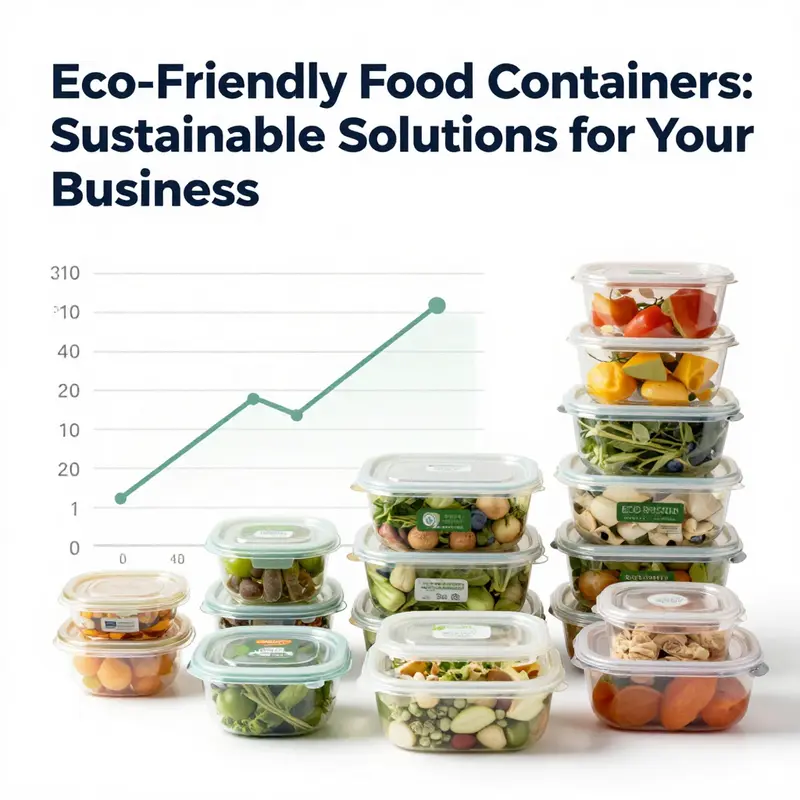
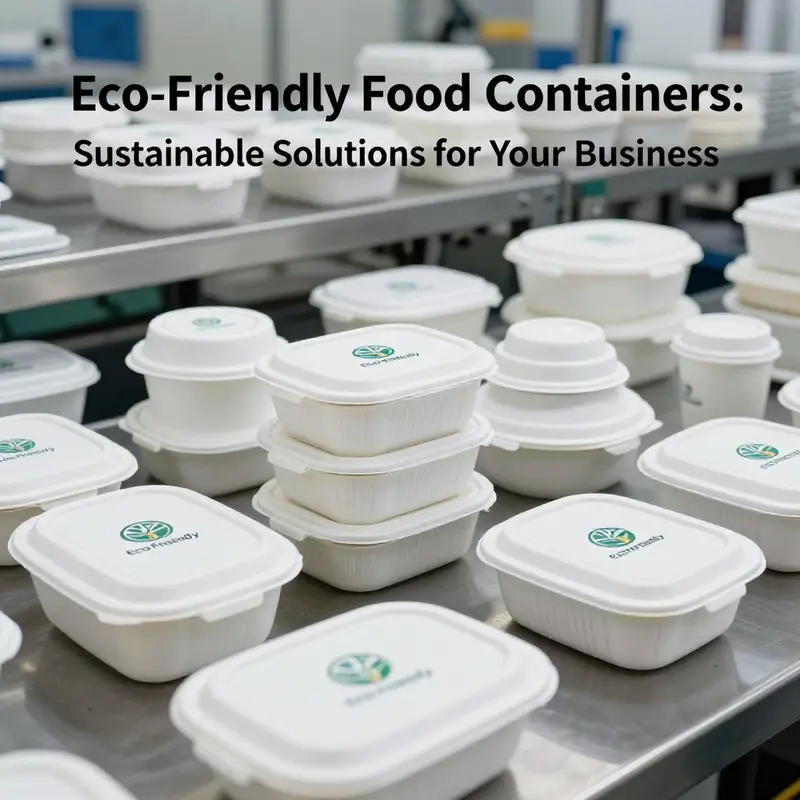
The wholesale market for eco friendly food containers sits at the intersection of cost discipline, environmental responsibility, and supply chain capability. Buyers from meal prep operations, restaurants, and retailers increasingly expect partners who can deliver not only a broad array of materials and shapes but also reliable performance at scale. The pricing conversation has evolved from a simple unit cost toward a holistic assessment of raw material dynamics, manufacturing efficiency, traceability, and the long term value of sustainable branding. In practice, the most effective pricing strategies balance near term affordability with the strategic advantages that come from certified sustainability, dependable delivery, and the ability to customize.
To understand pricing in depth, one must first examine the cost structure. The cost of raw materials remains the single largest variable in this market and fluctuates with commodity cycles, seasonality, and shifts in demand for compostable versus recyclable solutions. Containers built from compostable polymers offer the strongest environmental credentials but often carry higher material prices than recycled board or kraft based alternatives. The premium for compostable options reflects not only end of life performance but also the broader production economics of these materials. Some suppliers blend biodegradable polymers with conventional resins to achieve practical performance while maintaining a degree of compostability. Buyers who choose these blends typically justify the higher price by aligning with certifications that verify compostability within defined timeframes and conditions. The financial case then extends beyond the sticker price to considerations such as waste reduction, consumer perception, and eligibility for sustainability linked incentives or certifications that can unlock favorable terms on shelves and menus.
For many large buyers, the strategic case rests on value rather than cheapest price. A supplier with a vertically integrated manufacturing footprint—home to automated lines capable of converting hundreds of thousands of units monthly—can often offer more predictable pricing and shorter lead times. The advantage here is not only throughput but also process control. When the same facility handles design, production proofs, manufacturing, and final testing, the risk of miscommunication or quality gaps drops markedly. This is especially important for applications such as leak proof delivery containers or microwave safe options where material behavior under heat, pressure, and moisture must remain consistent across thousands of cycles. In such contexts, a slightly higher per unit price can translate into lower total cost of ownership through reduced returns, fewer complaints, and stronger service levels.
The choice of material structure matters for both price and performance, and buyers today are offered a spectrum of options. Paper based containers, including kraft and other high strength boards, often present lower material costs with robust barrier properties when treated or laminated with bio based coatings. They appeal to brands seeking a natural aesthetic and straightforward compostability, provided the coatings do not compromise end of life outcomes. On the other end of the spectrum, fully biobased polymers deliver compostability and lower carbon footprints in some life cycle analyses, yet operate at higher price points and sometimes with restrictions in high heat contexts. The decision often hinges on the intended use case, regulatory constraints, and the customer base. A premium takeaway concept may justify a compostable option to satisfy consumer expectations and certification regimes, even if the unit price climbs.
As buyers evaluate price, they frequently weigh the long term brand value that sustainable packaging can confer. Certifications and audits extend beyond legal compliance; they function as market signals that encourage retailers and foodservice partners to support the brand story. Quality management systems, safety certifications, and third party verifications provide credible assurances about production quality, safety, and process discipline. When a supplier can present a complete dossier—material composition, supplier traceability records, production lot codes, and independent test results—buyers can justify a premium not as a loyalty expense but as a strategic investment in trust, risk mitigation, and regulatory readiness. In practice, this transparency fosters confidence for large volume orders, where the cost of noncompliance or recalls could be substantial.
Product variety reflects another axis of value. The market now demands a wider choice of sizes, configurations, and durability features that support diverse foodservice models—from high volume delivery to gourmet ready meal packaging. The shape and stackability of containers influence warehouse handling, transport efficiency, and consumer convenience. Some suppliers emphasize stackable, space saving designs to reduce shipping and storage costs for meal prep companies, while others focus on microwave safe or leak proof formats to support rapid service in takeout contexts. This variety is not only about the containers themselves but also about the ecosystem that surrounds them. Complementary sustainable accessories such as compostable cutlery, water based adhesives, and biodegradable laminates enable an end to end packaging solution that reduces the need for mixed material compatibility trouble and simplifies end of life sorting. For a buyer pursuing a greener footprint, the ability to source a coherent set of packaging components from a single partner reduces logistics complexity, lowers risk, and helps ensure consistent performance across product families.
Yet the path to the right mix of price and variety is seldom linear. Greenwashing remains a persistent concern, and buyers must scrutinize supplier claims with discipline. A credible supplier will provide traceability, third party testing, and clear documentation on end of life behavior. They will be prepared to share supplier certifications, raw material declarations, and batch level data that demonstrate consistent performance under specified conditions. The ability to verify compostability through recognized standards ensures claims are credible rather than marketing rhetoric. These due diligence practices intersect with minimum order quantities and service levels. A supplier might offer a wide catalog, but if lead times are erratic or MOQs are prohibitive for a smaller buyer, the perceived value of a low price evaporates quickly. For procurement professionals, the challenge is to recognize the balance between scale driven pricing and the flexibility required for niche applications, pilot programs, or seasonal campaigns. It is here that strategic sourcing becomes critical. The most effective partnerships are those that pair scalable capacity with robust sustainability credentials, while also giving customers a practical path to test new formats through samples and preproduction runs.
Technology and platform dynamics play a meaningful role in shaping pricing and product access. Online marketplaces and B2B platforms that facilitate verified supplier ecosystems can help buyers compare material families, test performance through samples, and negotiate terms with confidence. They can also provide protective payment mechanisms and clear refund policies that reduce the perceived risk of large orders. Within this context, a prudent buyer will look for partners that can demonstrate long term capacity, a track record of quality control, and a transparent approach to cost components—from base resin or fiber costs to coatings, inks, and adhesive systems. The transparency aspect extends to supply chain governance, including responsible sourcing of materials and adherence to environmental and social governance expectations. A well informed buyer will require documentation showing the origin and chain of custody of materials, as well as data from independent tests that confirm the intended end of life outcomes under real world conditions.
From a practical standpoint, the pricing dialogue for eco friendly containers must account for demand volatility and seasonality. Demand for takeout packaging often spikes during holidays, promotional campaigns, or large scale catering events. Suppliers mitigate these dynamics through flexible manufacturing schedules, diversified product lines, and regional production hubs that reduce transportation distances. Regions with established, vertically integrated networks—especially in areas with dense logistics and skilled labor—offer economies of scale that help stabilize prices across typical order quantities. The trade off between customization and speed is real. Customization programs, pre production samples, and final inspection checks all carry development costs that must be reflected in MOQs and unit pricing. Yet once a program moves from pilot to production, continuous improvements in process efficiency, yield optimization, and waste minimization can drive down unit costs over time. Buyers who adopt collaborative supplier relationships, focusing on joint process improvements and shared data analytics, often realize more favorable pricing trajectories than those who pursue transactional, one off purchases.
In parallel with pricing, product variety continues to expand as manufacturers adopt more modular design principles. Standard containers now coexist with interchangeable lids, stackable bases, and liner systems designed to optimize moisture control and barrier properties. The result is a family of packaging options that can be tailored to different restaurant concepts, delivery models, and consumer expectations. For example, a fast casual chain might prefer a set of microwave safe, leak resistant containers with compatible lids and a system that uses water based inks and natural coatings, all ordered through a single channel. A more artisanal concept might opt for kraft based bowls with natural textures and lids that preserve aroma while enabling responsible disposal. The ability to align product choice with brand storytelling is a powerful lever for growing the market share of eco friendly packaging in a competitive landscape.
Strategic execution in this market benefits from a disciplined view of total cost of ownership, including not only the unit price but also the post sale value delivered by service capabilities. Quality assurance, on time delivery, responsive returns processing, and clear documentation of materials and testing results contribute to total value. Buyers who insist on consistent performance are not simply purchasing a widget; they are investing in a packaging program that supports customer experience, regulatory readiness, and reputation. The most successful wholesale partnerships in eco friendly packaging combine high quality materials with scalable production, transparent sourcing, and a shared commitment to reducing environmental impact. In practice, this may translate into a program where a supplier provides a range of compostable or recyclable options, ready to ship inventory, and a structured testing workflow that enables a buyer to sample, approve, and ramp up within a defined timeline.
To illustrate these principles in a real world frame, consider a buyer who operates a national meal prep and delivery network. This buyer seeks a single partner capable of supplying multiple container formats to support different menus and service channels. The procurement team aligns pricing, delivery windows, and quality assurances with the companys sustainability goals. Their evaluation includes material performance under heat and moisture, shelf life implications, and the end of life pathway for each option. The supplier proposes a tiered pricing model that recognizes the economies of scale realized through continuous production, while offering customization options such as logo imprinting, color matching, or lid integration that do not disrupt the production flow. The result is a streamlined supply arrangement that reduces complexity and enhances accountability. While the upfront unit cost may be higher for the customized option, the program enables a consistent brand experience and reduces logistical and regulatory risk across thousands of locations.
In summary, pricing and product portfolio decisions in eco friendly food container wholesale hinge on a nuanced balance of scale, sustainability, and service. The most resilient programs are built on transparent cost structures, credible environmental claims, and a product family that supports diverse use cases without fragmenting the supply chain. Buyers who pursue a strategy that combines scalable capacity with credible certifications and thoughtful product variety are best positioned to deliver value to both the bottom line and the planet. The practical implications are clear: choose partners who can prove the sustainability of their materials, demonstrate process stability, and respond quickly with flexible terms and reliable delivery. The market rewards those who invest in trust, not merely in turnover.
The conversation about eco friendly packaging in wholesale is not a one time decision but an ongoing program. The right combination of price discipline and product diversity can unlock a resilient supply chain that adapts to regulatory changes, shifts in consumer expectations, and the evolving economics of materials. While each buyer’s needs differ, the guiding principle remains consistent: align procurement with sustainability commitments, embrace transparent cost structures, and cultivate partnerships that can scale responsibly. A sound approach treats packaging decisions as integral to brand performance rather than isolated logistics, ensuring that every container carried through the supply chain reinforces the story of environmental stewardship while protecting the bottom line.
For readers seeking a concrete touchpoint that demonstrates how customizable kraft packaging can be implemented within a coordinated packaging program, consider one representative example of the octagonal kraft paper packaging family. It shows how a single design language can extend across multiple product formats, helping to unify a brand’s environmental narrative while delivering practical benefits in storage, transport, and disposal. octagonal kraft paper packaging
In addition to these considerations, wholesale buyers should remain aware of the broader sourcing landscape. Platforms and marketplaces that connect buyers with verified suppliers offer a way to compare material families, request samples, and benchmark pricing across regions. They also provide safeguards such as protected payments and clear refund guarantees, helping to reduce the risk of large orders. For context on the scope and structure of the wholesale microwavable container segment, a widely used reference in global sourcing is available online through major B2B platforms. External resources can illuminate current price bands, volume discounts, and the practical realities of resin or fiber costs. External reference: https://www.made-in-china.com/products/wholesale-microwavable-different-sizes-plastic-lunch-box-food-container
Final thoughts
Eco-friendly food containers are not just a trend; they represent a commitment to sustainability that resonates with consumers. By partnering with reputable suppliers like OMC International and utilizing platforms like HKTDC Sourcing, businesses can access a wide range of options tailored to their specific needs. The importance of customization and strategic pricing cannot be overlooked, as they play a crucial role in making sustainable choices accessible and affordable for various businesses. Embracing these eco-friendly options not only enhances brand image but also contributes positively to environmental stewardship.