
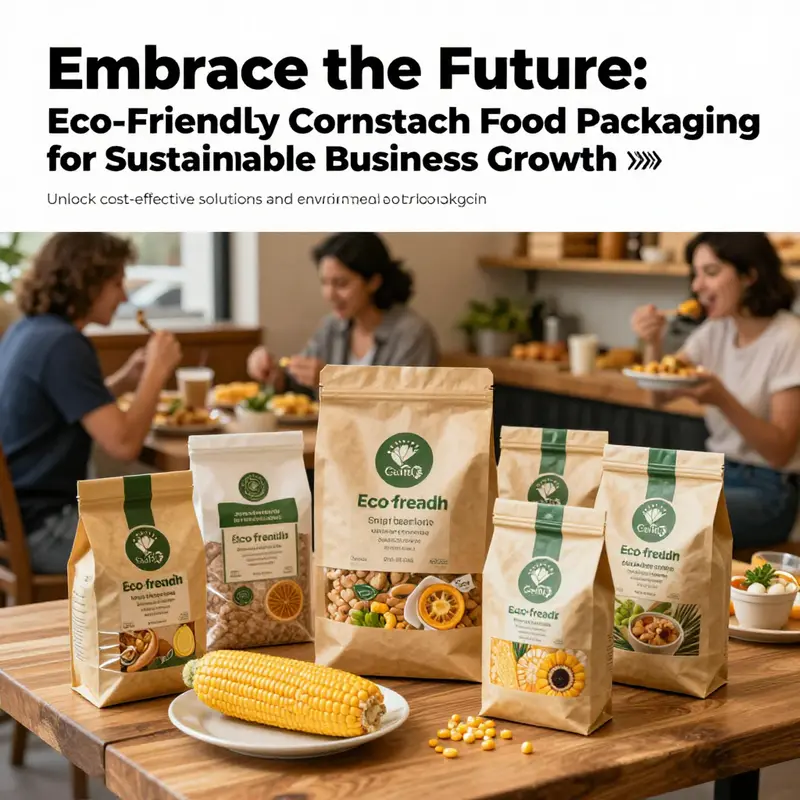
As environmental awareness rises and consumers increasingly prefer sustainable choices, eco-friendly cornstarch food packaging emerges as a vital solution for businesses across various sectors, including bubble tea shops, restaurants, food trucks, catering services, event planners, and corporate procurement teams. Crafted from renewable cornstarch, this innovative packaging not only reduces carbon emissions but also enhances food safety and operational efficiency. In this discussion, we will delve into the latest innovations in cornstarch packaging, understand its economic implications, explore its significant environmental benefits, analyze current market trends, and address the challenges to adoption while providing viable solutions. Each chapter will uncover a facet of how embracing eco-friendly packaging can not only contribute positively to the planet but also enhance your brand image and operational success.
From Starch to Sustainability: Innovations Redefining Eco-Friendly Cornstarch Packaging
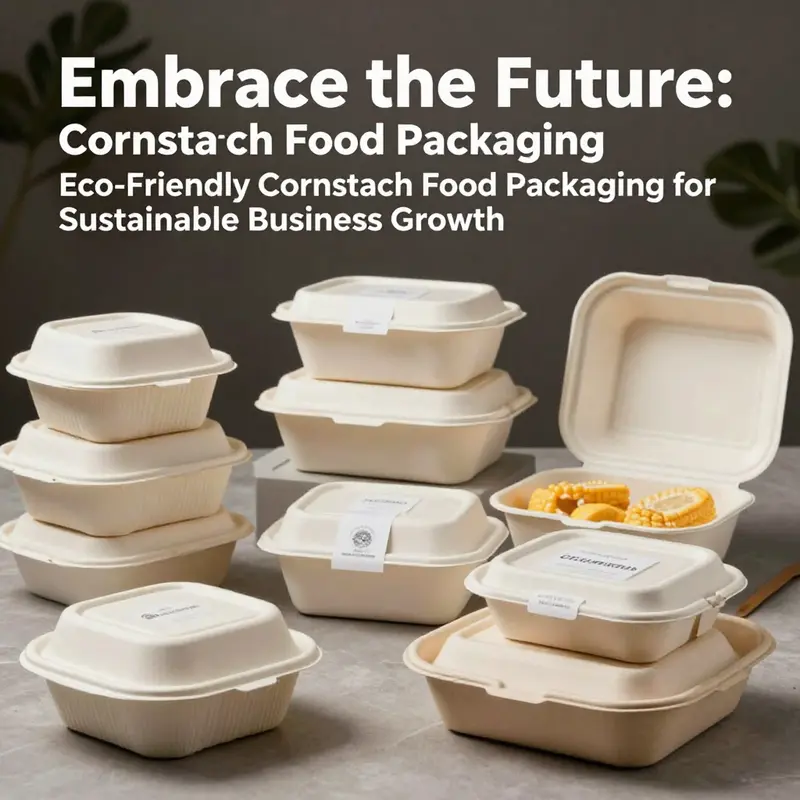
Across kitchens, delivery hubs, and retail storefronts, the shift away from petroleum-based plastics toward bio-based solutions is accelerating. Eco-friendly cornstarch packaging, rooted in renewable feedstocks and driven by a growing demand for circular-economy solutions, stands at the forefront of this transformation. At the core lies polylactic acid (PLA) derived from cornstarch, a material that can be processed into a robust bioplastic with a smaller environmental footprint than conventional plastics. As research and industry practice converge, PLA from renewable starches is increasingly capable of withstanding a broader range of temperatures and food types, expanding its applicability from simple snacks to more complex meals that travel through hot, cold, and moisture-rich environments. Yet the real promise of these innovations is not a single breakthrough but a suite of interconnected improvements that together redefine how food packaging can protect both product and planet.
One of the most impactful evolutions is the refinement of PLA’s thermal and mechanical performance. Early bioplastics often struggled with heat resistance and barrier properties, which limited their use for hot foods or liquids. Modern advances address these limitations through improved processing techniques and the judicious blending of cornstarch-based polymers with other biobased materials. By tuning crystallinity and blending ratios, manufacturers can achieve materials that resist deformation under hot holding conditions while maintaining the compostable attributes that matter for end-of-life stewardship. This parallel track of material science and supply-chain adaptation enables a wider array of containers—whether a clamshell, a multi-compartment tray, or a simple takeaway box—to safely cradle hot entrees, sauces, or desserts without compromising structural integrity or safety.
A parallel but equally consequential shift is in container design. Multi-compartment configurations, which organize meals into distinct portions, are becoming more common as demand for versatility in takeout and delivery grows. These designs optimize portion control, improve presentation, and reduce the need for separate wrap components that add weight and waste. Collapsible or stackable formats further enhance efficiency for kitchens and distributors by cutting storage space and shipping volume. In practice, such modular arrangements enable operators to tailor packaging to diverse menu items—salads with dressing, noodles with sauce, or soups with sides—without resorting to petroleum-based alternatives. The result is a more flexible, cost-aware packaging system that aligns with the varied rhythms of a modern foodservice operation.
Microwave and freezer compatibility is another critical frontier. The ability to withstand reheating in a microwave without warping or releasing undesirable odors is essential for consumer convenience and food safety. Freezer resilience, likewise, reduces waste by preserving quality over longer storage. Beyond basic functionality, emerging designs also offer embossed branding opportunities that withstand thermal cycles. The implication is a packaging format that can carry brand messages and visual identity without sacrificing the material’s environmental advantages. In a market where branding and sustainability are increasingly intertwined, this feature supports both consumer experience and corporate reputation.
Equally transformative is the expanded use of cornstarch not just as a primary packaging matrix but as a cushioning material in its own right. Traditional packing materials such as plastic bubble wrap and foam inserts contribute significantly to the environmental burden of shipments. Expanded cornstarch offers a compelling alternative: lightweight, biodegradable, and sturdy enough to resist shocks during long-haul transport. These cushioning peanut substitutes combine biodegradability with antistatic properties, reducing the risk of static discharge for sensitive items and cutting overall package weight. Such characteristics translate into tangible environmental benefits, including lower transportation emissions and improved cost efficiency associated with lighter shipments. Compliance with international eco-certifications ensures that these materials meet stringent safety and environmental benchmarks, reinforcing confidence among both businesses and their customers.
The broader adoption of these innovations depends on smart design features that streamline both use and logistics. Secure snap or hinge closures in clamshell containers make packaging reliable for hot foods, while moisture-resistant linings help preserve contents and reduce leaks. Stackable geometries optimize cold-chain management in busy kitchens and during delivery, where space is at a premium. These design choices support operational efficiency by simplifying packing workflows, speeding up handoffs, and reducing the likelihood of product damage in transit. Collectively, they illustrate how form and function are evolving together to deliver practical advantages that extend beyond environmental benefits alone.
Certifications play a crucial role in validating safety and sustainability. Today’s cornstarch-based packaging often carries BPA-free, food-grade, and compostability credentials. These assurances address regulatory expectations and consumer concerns about exposure to synthetic additives and the end-of-life fate of packaging. For operators, certifications translate into clearer vendor qualification paths, safer handling practices, and clearer messaging for green branding initiatives. In this context, sustainability becomes a competitive differentiator that complements performance. The compatibility of these materials with industrial composting processes further reinforces the circularity narrative: after use, packaging can return to the soil or composting stream rather than lingering as waste. This circular logic is central to how cornstarch packaging is positioned in a market increasingly committed to reducing single-use plastics.
As demand for responsible solutions grows, so too does the emphasis on scalable sourcing and customization. Bulk supply platforms enable food businesses to procure cornstarch-based packaging in adjustable sizes and configurations, with options for customization that preserve both function and aesthetics. The ability to tailor compartment layouts, closure mechanisms, and branding elements without compromising environmental standards helps brands align packaging with menu architecture and service models. A practical example of this design thinking can be seen in modular packaging designs that emphasize adaptability and efficiency in a compact footprint. For instance, consider a packaging solution that offers an octagonal or multi-faceted format designed to optimize stacking and shelf appeal while maintaining a compostable profile. This approach demonstrates how design, material science, and sustainability converge to meet real-world needs. disposable-octagonal-box-restaurant-food-kraft-paper-packaging.
The sourcing landscape for cornstarch packaging, while still evolving, reflects a growing interest in transparency and traceability. Platforms that connect buyers with producers emphasize not only price and availability but also the provenance of starch sources, the energy profile of manufacturing, and the compatibility of packaging with regional composting infrastructure. In practice, buyers can negotiate adjustable compartment sizes, seek compatibility with existing operational workflows, and request branding that aligns with sustainability storytelling. The resulting ecosystem supports a more resilient supply chain where environmental performance is integral to procurement decisions rather than an afterthought. This shift also aligns with broader regulatory trends that seek to minimize single-use plastics through standards that reward compostable and bio-based alternatives.
The conversation around innovations in cornstarch packaging is inseparable from the broader goals of the circular economy. When end-of-life options are clearly defined, and composting pathways are accessible, packaging ceases to be a static consumable and becomes a contributor to nutrient cycles. In this light, the most impactful innovations are not a single invention but a constellation of improvements: materials that resist heat and moisture, designs that maximize utility while minimizing waste, cushioning solutions that replace plastics without compromising protection, and certifications that enable consumer confidence. Taken together, they point toward a future in which food packaging is simultaneously high-performing, affordable, and environmentally responsible. This is the promise that guides ongoing research and industry practice as it adapts to diverse foodservice contexts—from quick-service counters to full-service operations and everything in between.
For readers seeking concrete examples of scalable packaging options that embody these principles, industry sources highlight the range of possibilities available through bulk suppliers and customization programs. These channels enable businesses to align packaging choices with menu formats, delivery models, and sustainability commitments without sacrificing operational efficiency. In the end, the goal is not merely to replace plastic with a bioplastic but to reimagine packaging as an active participant in sustainability—one that supports safe, convenient, and appealing food experiences while steering the industry toward a healthier planet. External references provide additional context on the evolving market and technical advances that are shaping this transition: https://www.alibaba.com/product-detail/Corn-Starch-Biodegradable-Disposable-Dinnerware_1600579384843.html
Green by the Ledger: The Economic Trajectory of Eco-Friendly Cornstarch Food Packaging
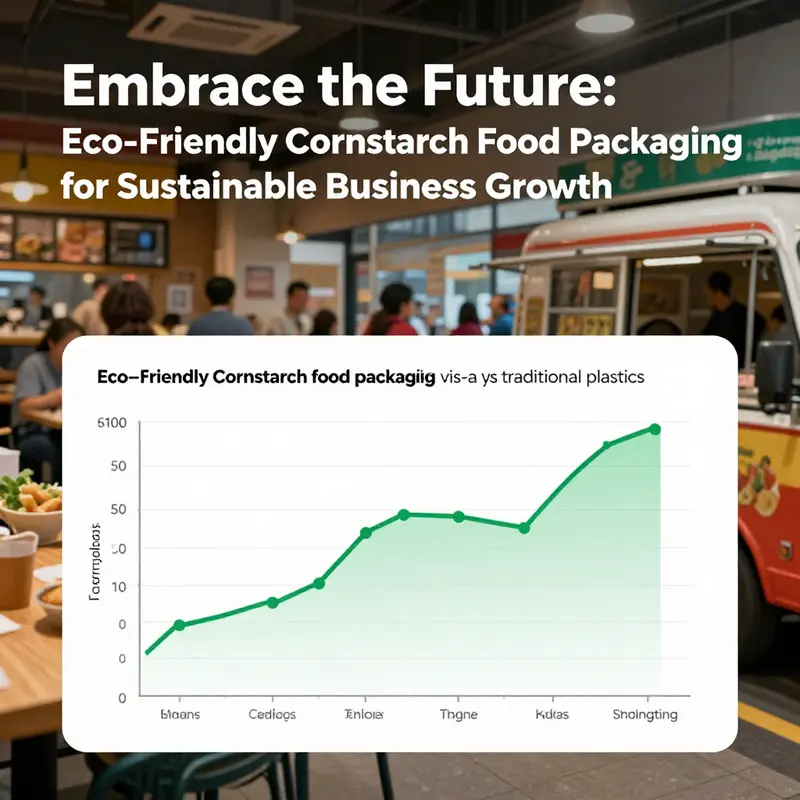
Over the past decade, a quiet recalibration has occurred in the packaging industry. Eco-friendly cornstarch-based materials, once a niche choice for sustainability-forward brands, are now pressing into mainstream procurement budgets. The underlying economic logic is straightforward: if a material can substitute for petroleum-based plastics while offering comparable performance, the real questions become cost, reliability, and value beyond the price tag. The conversation shifts from whether this is possible to how it will affect margins, brand perception, and regulatory alignment over time. In short, the economics of cornstarch packaging hinge as much on market demand and waste-management policy as on raw-material costs, and this nexus is where businesses must look for triggers of growth or caution.
Cost dynamics form the backbone of this evolution. The initial premium for cornstarch-based packaging reflects the premium on sustainable raw materials and the specialized machinery required to process a naturally inert agricultural feedstock into a versatile bioplastic. Yet the premium is narrowing as production scales expand and as process technologies improve. In wholesale channels, bulk pricing for cornstarch lunch containers can drop to remarkably low levels when demand reaches high volumes—figures around two cents per unit for very large orders demonstrate how scale can transform economics. Such pricing makes sustainable options competitive with traditional packaging for large food-service operators, from national quick-service concepts to large-scale catering and delivery services. The critical point is not merely the price per unit, but the cost trajectory: lower input costs, faster cycle times, and the ability to consolidate orders across menus and service formats. As a result, the upfront cost math shifts from a hurdle to a planning variable that businesses can manage through volume forecasts, supplier partnerships, and design optimization.
Brand value is the subtle currency that can magnify these savings into measurable returns. As environmental awareness deepens, more consumers express willingness to pay for products and services that align with sustainable values. A global consumer study by a leading market research firm indicates that a significant majority of shoppers are inclined to support brands with credible environmental commitments. This willingness translates into higher customer retention, better conversion rates, and the opportunity to differentiate in crowded markets. The ability to customize packaging without sacrificing performance creates an additional branding channel. When a restaurant or retailer can pair a visually appealing, functional container with a clear sustainability story, the perceived value can exceed the raw materials cost. In practice, this means that the business case for cornstarch packaging includes not just price-per-unit arithmetic but also the incremental revenue and loyalty that accrue from green branding. A practical illustration of the broader packaging ecosystem is visible in supply lines that offer customizable, compostable options alongside standard shapes. For instance, a disposable kraft paper bowl page illustrates the kind of scalable, eco-conscious packaging choices that complement cornstarch-based alternatives and can be integrated into branding strategies through simple design changes. See the example here: disposable kraft paper bowl take-out.
Operational economics also come into sharper relief as compostable and recyclable materials become closer substitutes for traditional plastics in day-to-day logistics. The shared properties that make cornstarch packaging attractive—microwave safety, freezer resilience, moisture resistance, and reliable seal integrity—help reduce reliance on secondary packaging and cut storage footprints. When packaging can withstand the microwave, it minimizes the need for alternative containers during reheating, and when it is fully compostable under industrial conditions, it aligns with municipal waste streams designed to recover energy and nutrients rather than simply fill landfills. In many cases, these operational efficiencies translate into tangible cost savings: lower waste-management costs, fewer returns due to packaging failure, and simpler handling protocols across kitchens, distribution centers, and retail outlets. This is not just about cost avoidance; it is about aligning packaging decisions with corporate sustainability goals and regulatory expectations, which increasingly rewards early adopters with smoother compliance and fewer penalties.
On a macro scale, the rise of cornstarch and other bio-based packaging forms a ripple effect through the economy. Demand for corn as a feedstock supports rural economies by stimulating farming, supply chains, and downstream manufacturing and recycling industries. The broader bioplastics sector has already shown measurable economic contributions in major markets, reflecting job creation and investment in agricultural processing, polymer science, and waste-management infrastructure. While the exact figures vary by region and policy environment, the trend is unmistakable: greener packaging drives new industrial pathways, technology transfer, and regional development beyond the final product itself. This macroeconomic lens helps explain why governments and industry coalitions advocate for standards that foster safe, scalable, and transparent biobased packaging. The long-run economic case rests on stable demand, resilient supply chains, and regulatory clarity that reduces uncertainty for producers and purchasers alike, enabling sustained capital expenditure in equipment, logistics, and product development.
The regulatory landscape reinforces the business case in meaningful ways. As jurisdictions tighten restrictions on single-use plastics, businesses with alternatives that meet safety and compostability standards gain not only competitive advantages but also predictability in waste-management planning. When packaging is designed to be compostable under industrial conditions, municipalities can restructure their collection and processing systems to optimize throughput and diversion rates. For food-service operators, this translates into compliance certainty and the ability to align packaging choices with corporate sustainability reporting and investor expectations. Such alignment matters because it affects the cost of capital, supplier diversity, and risk management strategies. In this context, cornstarch packaging becomes part of a broader strategic move toward circular economy models, where the lifecycle impacts of materials are accounted for in procurement, logistics, and end-of-life stewardship. This is not a marginal improvement; it represents a reconfiguration of supply chains toward resilience and value capture across the product’s entire lifespan.
For businesses contemplating adoption, the economics are less about choosing a single packaging type and more about orchestrating a portfolio of sustainable options that matches product characteristics, service models, and consumer expectations. The scalability of cornstarch-based solutions matters here. Large-volume operations can leverage volume-driven pricing, while smaller enterprises can still access flexible, cost-competitive options through modular packaging designs and vendor partnerships that support customization without sacrificing efficiency. The potential for branding and packaging design to command higher perceived value further strengthens the return profile. Yet this path requires careful supplier engagement, quality assurance, and a clear understanding of waste-management infrastructure in the operating region. The balance of upfront investment, ongoing material costs, and the strategic value of green branding creates a nuanced financial picture—but one that is increasingly favorable as technology, scale, and policy converge.
The broader narrative of this economic trajectory is not merely about the price per unit or the convenience of recycling. It is about a transformation in how supply chains are organized, how consumer expectations shape product design, and how policy incentives steer investment toward sustainable manufacturing ecosystems. The evidence of changing market dynamics is evident in pricing signals, consumer attitudes, and the steady growth of biobased material categories within manufacturing and logistics networks. In this sense, eco-friendly cornstarch packaging is less a niche option and more a component of a broader strategy for durable competitiveness, grounded in environmental responsibility and supported by solid financial logic. As businesses continue to optimize for scale, reliability, and branding impact, the economic case for cornstarch packaging will likely become even more robust, reinforcing the alignment between profitability and planetary health.
External resource: https://www.alibaba.com/product-detail/Corn-Starch-Biodegradable-Disposable-Dinnerware_1600579384843.html
Field to Footprint: The Environmental Promise of Cornstarch-Based Food Packaging
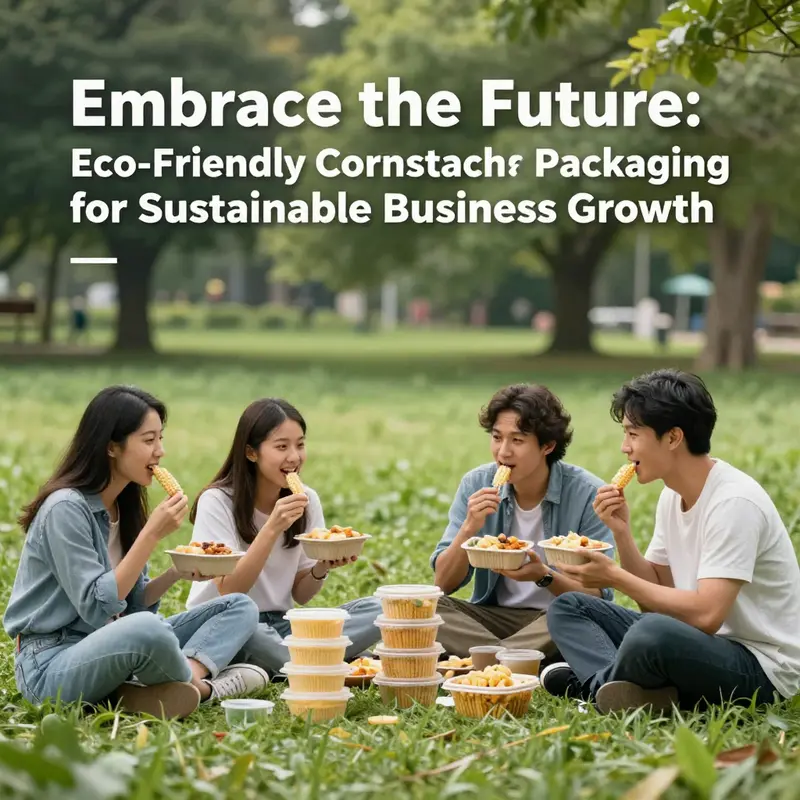
Cornstarch-based food packaging sits at the intersection of farming and industry, offering a practical path toward reducing the environmental footprint of modern dining. It treats packaging as a material with a lifecycle that begins on the farm and ends in a managed disposal stream rather than in a landfill. At its core, this approach relies on cornstarch, a carbohydrate polymer derived from agricultural crops. By using a renewably grown feedstock, packaging producers reduce dependence on finite fossil fuels and shift energy and emissions profiles toward more sustainable outcomes. This shift translates into a lifecycle perspective that can lower overall carbon footprints when all stages are considered. While no material is perfect, cornstarch-based packaging signals a meaningful reorientation in how goods are designed, produced, used, and returned to the earth.
The environmental appeal rests most clearly on biodegradability and compostability. Unlike conventional plastics, which can persist for decades, cornstarch polymers are designed to break down under appropriate conditions. In industrial composting facilities they typically degrade into water, carbon dioxide, and biomass within weeks to months. This process supports a circular economy by returning organic matter to soil rather than accumulating as long term waste. Yet realizing this potential requires accessible composting infrastructure and clear disposal guidance, a system that is expanding but not universal.
From an energy perspective, the production of cornstarch-based packaging often requires less processing energy than fossil based plastics, contributing to lower greenhouse gas emissions during manufacture. The use of agricultural feedstocks can also support rural economies and provide markets for crop byproducts, encouraging soil health and water stewardship alongside manufacturing. The footprint of the material thus reflects both production efficiency and sustainable farming practices.
The agricultural origin invites additional considerations. When starch is sourced from well managed crops, it can align with sustainable farming practices such as crop rotation and soil conservation. By creating demand for crops that can be harvested year after year and processed into packaging, cornstarch-based solutions offer farmers a steady market that rewards responsible cultivation. This link between farming and packaging fosters a sense of stewardship: more sustainable farming can yield a more favorable environmental profile for the packaging that relies on those crops.
For businesses the environmental benefits extend beyond a single product lifecycle. As sustainability awareness grows, brands embracing compostable packaging can gain a competitive edge in green branding and regulatory readiness. Certifications such as BPA-free and food-grade standards can reassure customers that safety and environmental integrity travel together. In regions where policymakers target single-use plastics, cornstarch packaging can help organizations stay ahead of regulatory curves while signaling a long-term commitment to responsible operations. The alignment between consumer expectations and policy trajectories is not incidental; it reflects a structural shift in how packaging is conceived, evaluated, and managed across the supply chain.
Yet the story is not without challenges. The viability of cornstarch packaging relies on a functioning ecosystem that can process compostable materials efficiently. Industrial composters, municipal waste programs, and consumer disposal behavior all influence whether a given item completes a circular journey. In places where composting is limited or where contamination with non compostable waste is common, environmental gains may be reduced. This reality underscores the importance of clear labeling, consumer education, and robust waste-management infrastructure as essential complements to material innovation. It also highlights the value of a holistic approach to sustainability that couples material design with collection, sorting, and processing systems that make composting practical and scalable.
The broader ecosystem of eco-friendly packaging also invites comparisons with other sustainable options, including alternatives designed for cushioning and shipping. Cornstarch can be engineered into packing peanuts and other protective materials that replace non-degradable variants. This extension demonstrates a coherent strategy: reduce petroleum-based reliance not only in primary packaging but throughout the entire packaging and shipping matrix. If retailers and logistics providers adopt this broader approach, the cumulative environmental impact grows, with fewer plastic streams entering waste circuits and more organic matter returning to the soil. Taken together these elements illustrate how cornstarch-based packaging can function as a practical, scalable, and responsible choice for a wide range of food service contexts—from quick-service operations to hospitality and catering, where the speed of service must harmonize with waste management.
In practice the benefits are strongest when the full life cycle is considered. Renewable feedstocks, biodegradability, and compostability converge most effectively when paired with transparent product labeling, consumer education, and clear end-of-life pathways. Certifications and standards play a critical role here, providing credibility and guidance for businesses seeking to communicate environmental performance to customers and regulators. When a product is clearly identified as BPA-free, food-grade, and compostable in appropriate facilities, the consumer experience becomes more predictable and the business case for sustainability more compelling. The net result is a packaging option that not only reduces environmental harm but also strengthens brand equity, aligns with evolving policy, and encourages a circular narrative that connects farmers, manufacturers, waste managers, and households in a shared commitment to a healthier planet.
From a strategic perspective, the environmental benefits of cornstarch packaging are most powerfully realized when companies adopt a design-forward mindset. This means selecting packaging that balances functional requirements—such as moisture resistance, microwave- and freezer-safety, stackability, and secure closures—with end-of-life considerations. It means choosing materials that can be efficiently processed in industrial composting streams and that minimize energy use during production. It also means communicating clearly with customers about disposal options, offering guidance on how to help ensure that a given item completes its compostable life rather than becoming contamination in a recycling or landfill stream. In this sense, cornstarch packaging becomes part of a broader cultural shift toward responsible consumption and waste reduction, rather than a single tactic within a fragmented sustainability program.
For readers seeking a concrete example of how these principles translate into real-world options, consider the growing range of cornstarch-based packaging solutions that provide both practicality and environmental alignment. A practical takeaway is to examine the design features that support a smooth life cycle: robust closures that prevent leaks, rigid structures for shipment, and multi-compartment configurations that optimize portion control while minimizing material usage. Alongside the primary containers, cornstarch-based alternatives extend into cushioning and protective materials, replacing synthetic plastics with naturally derived equivalents that still deliver reliable performance in shipping and handling. These linked choices help businesses reduce overall waste streams and reinforce a more sustainable logistics workflow.
To see a real-world packaging option that embodies these principles, explore the broader ecosystem of eco-friendly kraft paper packaging, which often complements cornstarch-based systems with sustainable, renewable, and recyclable components. For example, a notable reference point within practical material choices is a disposable octagonal box packaging solution designed for restaurant use. It demonstrates how design efficiency, material compatibility, and consumer convenience can converge in a single package, aligning with environmental goals and business needs. For further reading on this category, you can consult the resource tied to octagonal kraft paper packaging. https://greendispopack.com/product/disposable-octagonal-box-restaurant-food-kraft-paper-packaging/
In sum, eco-friendly cornstarch food packaging offers a compelling environmental package: renewable sourcing that lowers fossil-fuel dependence, designed biodegradability and compostability that support circular waste streams, and energy and farming system benefits that collectively reduce the overall environmental footprint. The real value emerges when this material choice is embedded in an ecosystem of waste infrastructure, consumer awareness, and transparent labeling. When these conditions are met, cornstarch packaging becomes more than a substitute for plastic; it becomes a catalyst for a more resilient, sustainable food system. External resources and industry examples can illuminate the practical paths forward and the opportunities for scaling these solutions across diverse food service settings. External reference: https://www.alibaba.com/product-detail/Biodegradable-recyclable-corn-starch-packing_1600573482221.html
Market Currents and Circular Prospects in Eco-Friendly Cornstarch Packaging
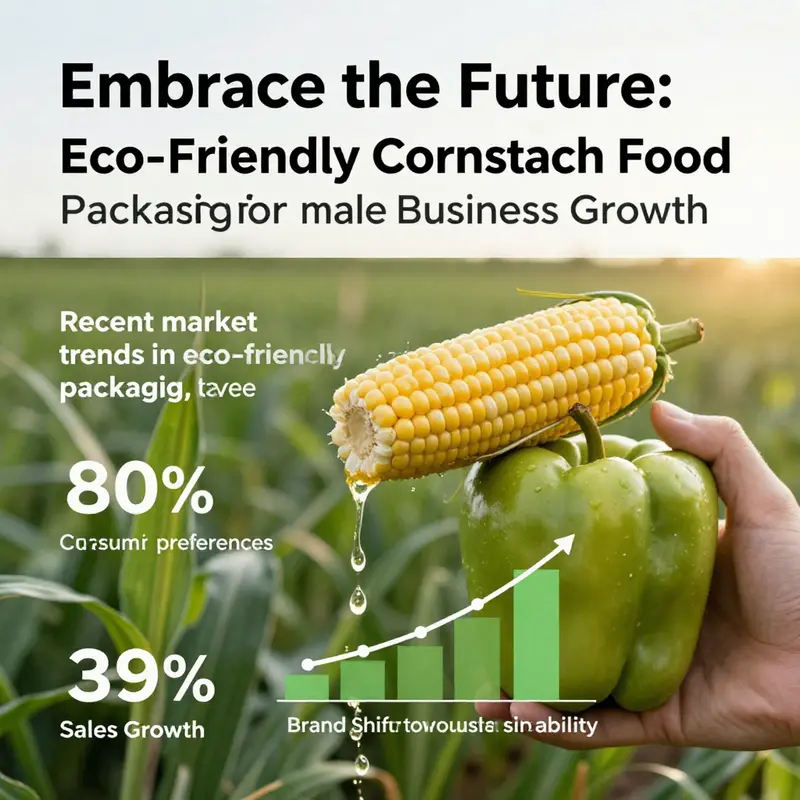
Markets are shifting not merely because of green ideals but because policy, price, and performance converge. In the realm of food packaging, the rise of eco-friendly cornstarch solutions is sweeping through cafes, restaurants, and delivery networks with a momentum grounded in both regulation and real-world utility. Policymakers around the globe are tightening controls on single-use plastics, nudging chefs and operators to rethink disposables. At the same time, consumer expectations are evolving. Diners increasingly scrutinize packaging choices, judging brands by transparency, recyclability, and the ability of a product to fit into a broader sustainability program. The result is a marketplace where materials like cornstarch, which can be converted into polylactic acid (PLA) and other bio-based formats, sit at a critical crossroads of environmental stewardship and practical performance. The narrative is not purely about replacing petroleum-based plastics; it is about reimagining what packaging can do for food safety, logistics, and brand storytelling.
From a market perspective, the near-term trajectories reinforce the sense that eco-friendly cornstarch packaging is entering a growth phase. Forecasts for 2025 through 2031 show a tangible, if measured, expansion. One recent projection estimates the market will rise from about USD 308.9 million in 2025 to roughly USD 413.6 million by 2031, a compound annual growth rate (CAGR) close to 4.99%. While the global market in 2024 and the longer-range 2033 horizon are often cited with varying figures, the direction is clear: incremental gains are being underpinned by demand for safer, compostable, and more versatile disposables. The wider packaging landscape is gradually embracing bio-based alternatives as reliable equivalents to conventional items such as foam clamshells, while also offering competitive performance in durability and temperature tolerance. This mix of demand drivers helps explain why next-generation materials—primarily PLA and related bioplastics derived from cornstarch—are becoming mainstream choices rather than niche options.
The innovations underpinning these materials are not abstract. In 2026, a broad shift is underway as foodservice operators—from mid-sized diners to delivery hubs—adopt bio-based formats that deliver durability, moisture resistance, and predictable barrier properties. The design emphasis is on creating packaging that can withstand the full cycle of a practical food service workflow: hot items, cold items, and everything in between, without compromising integrity or presentation. The materials themselves are designed to be compostable under industrial conditions and, in some cases, biodegradable in environments suitable for composting streams. These capabilities align well with contemporary expectations for compostability and safety, and they help address concerns about contamination, food protection, and waste management.
A notable aspect of this market evolution is accessibility. The emergence of ready-to-use formats and specialized suppliers has democratized access to bioplastic packaging that might once have seemed attainable only to larger players with extensive procurement teams. Even smaller and medium-sized enterprises can source standardized, scalable solutions and customize sizes, shapes, and branding without sacrificing compliance or performance. The proliferation of suppliers mirrors a broader shift toward supplier ecosystems that can deliver both the material and the finished packaging solution in one cohesive package. This is especially important for operations that require reliable batch-to-batch consistency, predictable lead times, and the ability to scale quickly as demand fluctuates.
Consumer and brand expectations are a powerful accelerant in this space. Brands that adopt sustainable packaging are not just reducing environmental impact; they are communicating a commitment to stewardship. The packaging life cycle is increasingly viewed through a circular lens. The focus extends beyond single-use items to circular strategies—designing packaging with reuse, refilling, or returns in mind. In practice, this translates into packaging that can be sorted, collected, and reprocessed with minimal contamination, while still delivering the performance needed for hot, cold, and packaged foods. For cornstarch-based options, this means a careful balance of compostability standards, food safety compliance, and practical resistance to moisture and grease.
Certifications play a central role in translating these promises into trusted choices for buyers and regulators alike. The market is supported by guidelines that emphasize BPA-free construction, food-grade safety, and compostability certifications aligned with industrial facilities or home composting where applicable. Adherence to these standards helps mitigate risk for operators who must meet both local disposal infrastructure requirements and brand commitments to customers. The regulatory environment, while varying by region, increasingly rewards packaging that reduces environmental impact and aligns with circular economy principles. In this context, cornstarch-based packaging is positioned not only as an eco alternative but as a strategic instrument for risk management and reputational capital.
Beyond the technical and regulatory dimensions, the economic considerations are nuanced but favorable for adoption. Material costs, process compatibility, and supply chain reliability influence the pace of uptake. As manufacturers refine extrusion, molding, and converting techniques, the resulting products offer improved barrier performance against moisture and oils, while remaining microwave-safe and freezer-friendly for many applications. The compatibility with standard food service workflows helps minimize resistance and training needs for kitchen staff. In practice this means a smoother transition from traditional plastics to bio-based alternatives, with fewer disruptions to service levels and customer experiences. Yet, costs remain a factor for some operators. The story here is not a one-size-fits-all solution but an evolving spectrum of options—where high-volume, standardized formats meet bespoke, brand-aware solutions through adjustable compounding and customization.
On the sourcing front, platforms that connect buyers with producers of cornstarch-based packaging have helped expand access. These channels provide bulk supplies with adjustable compartment sizes, scalable pricing, and even opportunities for branding. The trend toward customization is significant; it enables operators to tailor packaging to specific menu items, portion sizes, and service models. At the same time, the underlying material science continues to evolve. Researchers and manufacturers are exploring enhancements in crystallinity, barrier layers, and surface treatments that improve moisture resistance without compromising compostability. Such advances are crucial for expanding the viability of cornstarch-based containers for items with higher moisture or grease exposure, like sauces or fried foods, and for ensuring microwave and freezer compatibility across more product categories.
The market dynamics also reflect a broader shift toward transparency and responsible sourcing. Consumers increasingly expect to see clear labeling about end-of-life options and explicit statements about the compostability of packaging streams. Brands that articulate a coherent waste management plan and demonstrate measurable improvements in packaging sustainability tend to strengthen customer loyalty and attract eco-conscious segments. In turn, retailers and food service operators gain a competitive edge by aligning with regulatory trends and consumer values, which can translate into favorable long-term cost structures and reduced risk from potential regulatory penalties or bans on non-compliant packaging.
For kitchens seeking efficient, ready-to-deploy eco packaging, options that bundle design with material performance are particularly compelling. A practical example of the expansion in packaging formats is the availability of disposable, easily customizable boxes and bowls that maintain structure during transport, support varied portion sizes, and fit into standard prep and delivery workflows. The idea is not to replace one material with another in a vacuum, but to integrate cornstarch-based solutions into a scalable, end-to-end packaging strategy. This often entails pairing clamshells, lunch boxes, and multi-compartment meal containers with corresponding cushioning and protective packaging for shipping. By doing so, operators can optimize both the safety of their foods and the efficiency of their logistics, while presenting a consistent message about sustainability to customers.
A practical takeaway in this evolving landscape is the importance of aligning sourcing decisions with the broader goals of a brand’s sustainability program. For example, while large orders often emphasize cost per unit, smaller orders may prioritize customization and branding alignment. The ability to adjust compartment sizes, integrate branding, and maintain a predictable price curve across orders supports strategic planning for menus, promotions, and seasonal offerings. The convergence of customization, performance, and scale is what makes cornstarch-based packaging more than a niche option; it positions it as a viable, long-term component of modern food service operations.
From a practical standpoint, operators can look for packaging solutions that balance durability with compostability. For items that require heat resistance and moisture management, look for products designed to minimize leakage and sag under load while remaining compatible with industrial composting streams. For cold or frozen items, the material’s performance should be tested to ensure it withstands condensation and maintains structural integrity. The best choices deliver consistent results in real-world conditions—whether the food travels across town in a delivery vehicle or sits in a customer’s refrigerator before consumption.
In terms of messaging and engagement, brands that embrace circular economy thinking can weave this narrative into their packaging designs. The language around end-of-life options, the use of renewable feedstocks, and the potential for compostability can become a distinguishing feature. There is also value in highlighting the supply chain transparency that comes with domestically or regionally sourced cornstarch-based materials. When customers understand where their packaging comes from and how it ends its life, they gain confidence in the entire brand experience. Operators should be mindful of regulatory differences and ensure that their packaging claims align with the appropriate compostability standards for their markets. This careful alignment reduces the risk of misinterpretation and helps sustain consumer trust over time.
For readers exploring the practicalities of market choices, consider how packaging formats can harmonize with operations while reinforcing sustainability promises. A convenient entry point is to examine existing products and formats that are designed to integrate with common kitchen workflows while delivering reliable performance. The availability of options like disposable octagonal boxes in kraft paper packaging demonstrates how the market is expanding beyond simple replacements to broader packaging ecosystems that support branding and logistics in parallel. This approach illustrates how the market is moving toward holistic solutions rather than isolated product substitutions. For more information on readily deployable packaging formats, you can explore a representative catalog entry such as the disposable octagonal box in kraft paper packaging.
External resource for broader context: https://www.researchandmarkets.com/reports/654788/newest-eco-friendly-food-packaging-explained-technical-details
Internal resource for practical sourcing and design options (anchor text): disposable octagonal box in kraft paper packaging provides a concrete example of how packaging formats are expanding in this space and demonstrates how design and material choice can align with sustainability goals while remaining suitable for commercial kitchens.
Bridging Promise and Practicality: Overcoming Hurdles in Eco-Friendly Cornstarch Packaging Adoption
The shift toward eco-friendly cornstarch packaging promises a quieter geography of consumption and waste, where a renewable feedstock can stand in for finite fossil resources. Yet across kitchens, storefronts, and delivery corridors, the path from intention to impact is lined with friction. The same strengths that make cornstarch-based packaging appealing—their biodegradability, compostability under proper conditions, and compatibility with food safety standards—also illuminate the challenges that businesses must navigate to achieve scalable adoption. Understanding these hurdles is not a rejection of the material’s potential; it is a map for turning environmental ambition into reliable, everyday practice.
Cost is often the first and loudest hurdle. Cornstarch-derived polymers currently carry a higher price tag than conventional petroleum-based plastics. The raw materials themselves can be more expensive, and the equipment and processes required to produce consistently high-quality, compostable packaging are still maturing. For small restaurants, cafés, and caterers operating on tight margins, the extra cost must be weighed against a relatively uncertain return. If waste management costs decline only slowly or if consumer demand for green packaging does not translate into premium pricing or higher volume, the financial math can feel daunting. Yet cost dynamics are not fixed; they shift with scale, optimization, and policy signals that reward sustainable choices. When producers invest in more efficient supply chains and when governments offer incentives or subsidies, the price gap begins to close. The economic story is not purely a market story; it is also a policy and logistics story that hinges on how well the system rewards environmental performance.
Performance under real-world conditions presents another axis of complexity. In controlled lab or trial kitchen environments, cornstarch packaging can exhibit respectable rigidity, moisture control, and integrity. In practice, however, hot sauces, greasy foods, or extended storage can stress the material. High temperatures can soften or deform containers, reducing seal quality and increasing the risk of leaks. Weekend catering orders or busy weekday rushes can push packaging past its optimal window, producing sogginess or compromised structural strength. Even when the packaging remains intact, consumer experience matters: container aesthetics, heat tolerance, and the ability to keep foods at the intended temperature influence satisfaction as much as the product’s post-use end-of-life story. These performance realities do not negate the material’s value; they simply demand smarter design and more robust testing to align performance with the varied contexts of food service.
A further challenge lies in understanding what “biodegradable” or “compostable” actually means for disposal. The environmental benefits of cornstarch packaging presuppose access to appropriate disposal streams, ideally industrial composting facilities that can process the material within a reasonable timeframe. When such infrastructure is scarce or unevenly distributed, the packaging may end up in conventional landfills where decomposition is slow and the environmental gains are muted. Misalignment between labeling and disposal options fuels frustration and undermines trust. Consumers who see a “compostable” label may assume it will disappear in a home compost pile or in ordinary trash, when the reality is often more nuanced.Clear, accurate disposal instructions and consistent labeling are essential to ensure the material’s end-of-life trajectory matches its design intentions. Without this alignment, even well-intentioned choices can become part of a system that fails to deliver the anticipated environmental dividend.
Labeling and consumer perception compound the challenge. Greenwashing remains a real risk in a market where sustainability claims can be vague or overstated. When terms like biodegradable or compostable are deployed without context or verification, confusion ensues. Consumers may conclude that “green” packaging is universally better for the planet, leading to misinformed disposal behaviors. The social dimension of adoption, therefore, hinges on transparent communication and credible certification. Clear standards and third-party verification help restore confidence, ensuring that the packaging’s environmental benefits are both real and measurable over the product’s life cycle.
Resource competition is another subtle yet significant concern. Large-scale corn cultivation for packaging materials intersects with broader debates about food security and land use. Even as we prioritize alternative crops and non-food-grade feedstocks, the risk remains that agricultural resources could be diverted from food production to packaging. This tension necessitates thoughtful agricultural planning and investment in diversified supply chains, including non-food-grade starches, improved processing efficiency, and shorter, more sustainable procurement routes. The aim is not to displace food production but to reduce plastic waste while maintaining a resilient, ethical food system.
Against these challenges, several solutions emerge when we view adoption as a multi-stakeholder enterprise rather than a single-product problem. Technological innovation continues to push the envelope of what cornstarch-based materials can achieve. By refining formulations, manufacturers can enhance heat resistance and moisture barriers through natural additives or thin, compostable coatings. Some approaches combine cornstarch with other bio-based polymers or incorporate micro-structured barriers that preserve integrity without compromising compostability. The result is a class of materials that remains compatible with industrial composting while delivering improved performance in hot, greasy, or storage-intensive contexts. These advances do not alter the fundamental sustainability profile; they extend it by expanding the conditions under which the packaging can reliably perform. This alignment between performance and end-of-life sustainability is central to broader adoption in busy food service environments.
Economic incentives, policy frameworks, and market signals can reshape cost dynamics in meaningful ways. Subsidies, tax incentives, and grants aimed at sustainable packaging can offset higher upfront costs and accelerate investment in scalable production. When policymakers connect packaging choices to lifecycle benefits—reduced landfill volumes, lower emissions, and improved urban air quality—the economic calculus for businesses shifts. Even modest incentives can move projects from pilot to standard practice, especially for small and medium enterprises that operate with thinner margins. Financing models that spread the cost over time or that tie supplier criteria to sustainability targets can also help retailers and operators purchase with confidence.
Infrastructure development is the backbone of true disposal realism. Expanding industrial composting programs at city and regional levels creates reliable pathways for end-of-life processing. Certification schemes and labels—designed to reassure both businesses and consumers—offer transparent benchmarks for compostability and safety. When a packaging product bears a credible certification, it signals more than compliance; it communicates a promise of consistent performance and responsible waste management. Such certifications also help differentiate products in a crowded market, guiding procurement decisions toward materials with demonstrable environmental credentials.
Public education plays a decisive role in shaping behavior and expectations. Effective outreach clarifies disposal methods, explains why compostability matters, and demonstrates how consumer actions influence outcomes. Reassurance hinges on practical guidance—how to separate streams, what to expect in composting facilities, and how to recognize legitimate compostable labeling. When the public understands the conditions under which cornstarch packaging performs best, it reduces confusion and enhances the collaboration between manufacturers, waste managers, and retailers. This shared literacy is a critical complement to material science and policy levers.
In this ecosystem of challenges and solutions, design choices at the point of purchase can illustrate the practical alignment of sustainability and utility. For example, consider the spectrum of packaging options that businesses weigh when preparing for delivery or takeout. A simple, reliable package that signals compostability while meeting spill resistance and stackability can serve as a practical benchmark for procurement teams. As buyers explore multiple packaging options, the choice of minimalist, compostable packaging like disposable octagonal Kraft paper packaging box provides a tangible example of how sustainable design meets real-world constraints. This kind of option, paired with clear disposal guidance and verified certifications, helps bridge the gap between intent and impact. disposable octagonal Kraft paper packaging box acts as a reference point for discussions about performance, cost, and end-of-life pathways, illustrating how thoughtful packaging design can advance sustainability without sacrificing reliability.
The path forward requires sustained collaboration among material scientists, packaging designers, suppliers, waste managers, policymakers, and business operators. Innovation must be paired with practical deployment strategies that address cost, performance, infrastructure, and consumer behavior. When these elements align, cornstarch-based packaging can move from niche experimentation to mainstream practice, delivering tangible reductions in plastic waste and carbon emissions while remaining compatible with bustling, service-driven food systems. In this sense, adoption becomes not a one-off swap but a process of continuous improvement, guided by data, verified standards, and transparent communication.
External resources help ground this ongoing effort in broader policy and practice. For a wider context on how compostable materials fit into sustainable waste management, see the EPA overview of cornstarch-based materials as a sustainable alternative to Styrofoam: https://www.epa.gov/sustainable-management-plastics/cornstarch-based-materials-sustainable-alternative-styrofoam.
Final thoughts
Transitioning to eco-friendly cornstarch food packaging presents an opportunity not only to mitigate environmental impacts but also to align your business strategy with consumer expectations. The comprehensive exploration of innovations, economic implications, environmental benefits, market trends, and the addressing of challenges all underscore the growing significance of this sustainable alternative. As regulations tighten around single-use plastics and consumer demand for sustainable practices increases, embracing cornstarch packaging can elevate your brand image, drive cost savings, and contribute to a healthier planet. The time to make the switch is now, and your business can lead the charge toward a sustainable future.