
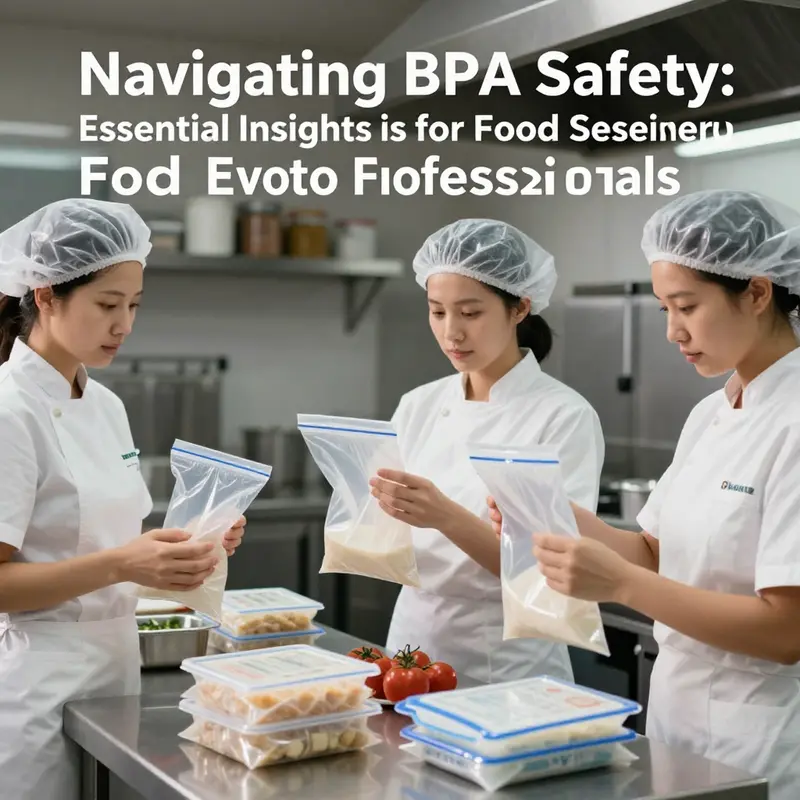
As beverage chains, restaurants, food trucks, and catering services navigate the complexities of food safety and consumer health, understanding the implications of BPA (Bisphenol A) in plastic food storage is crucial. BPA is a chemical commonly found in plastics and has been associated with various health risks, prompting many manufacturers to offer BPA-free alternatives. However, just because a plastic product is labeled as BPA-free does not ensure it is entirely safe. This article provides an in-depth look at the safety of plastic food storage bags, the potential health risks associated with alternatives, regulatory standards that govern the use of these materials, and the importance of consumer awareness. With this knowledge, food service professionals can make informed decisions to protect their patrons and their businesses.
Unpacking BPA, BPA-Free Labels, and the Hidden Chemistry of Plastic Food Storage Bags
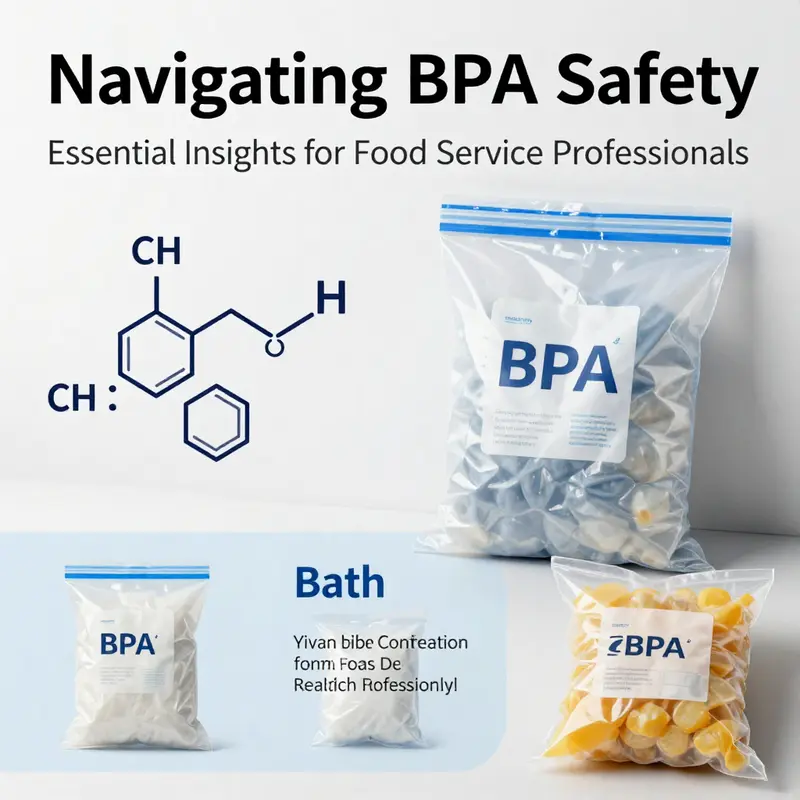
Bisphenol A, or BPA, sits at the center of a long-standing debate about everyday plastics and health. It is a chemical used to manufacture certain types of plastics and resins, prized for durability, clarity, and heat resistance. In many household containers, BPA has helped create materials that withstand the rigors of daily use. Yet the same properties that make BPA convenient also raise questions about safety. When containers are heated, damaged, or repeatedly recycled, BPA can migrate from the plastic into food or beverages. Once inside the body, BPA can mimic estrogen, a hormone that regulates many physiological processes. This interference with the endocrine system has prompted concern about reproductive health, developmental outcomes in children, metabolic balance, and even cancer risk in some contexts. Regulatory bodies have weighed these concerns and set limits based on laboratory data and risk assessments. In practice, many people interpret these findings through a precautionary lens, seeking alternatives that reduce exposure while still meeting practical needs for preserving freshness, preventing leaks, and minimizing waste.
In response, manufacturers and regulators have introduced BPA-free labels and certifications as a practical guide for consumers. When a plastic food storage bag is labeled BPA-free, it signals that the bag’s formulation does not rely on BPA to impart its core properties. The shift toward BPA-free options has been powered both by regulatory changes and by consumer demand for safer everyday products. The materials most commonly used in BPA-free bags include polyethylene (PE) and polypropylene (PP). PE is widely used for general-purpose storage bags and is inherently BPA-free. PP is another common option, well-suited for cold storage and, in many cases, for short-term hot storage scenarios. These polymers provide a reassuring baseline: the absence of BPA does not automatically guarantee complete safety from all potential chemical concerns, but it does remove the most scrutinized component of BPA-containing plastics.
Nevertheless, the conversation does not end with the label itself. A crucial caveat in today’s market is that “BPA-free” does not guarantee that no chemical with potential endocrine-disrupting effects is present. Manufacturers sometimes substitute BPA with other bisphenols, such as BPS or BPF, which can exhibit similar hormonal activity in some test settings. While the risk profile of these substitutes is not identical to BPA, the possibility of exposure to these or related compounds remains a topic of ongoing research. In practical terms, this means consumers should look beyond a single label and seek additional assurances. Third-party certifications, especially those tied to food contact safety, can provide an extra layer of scrutiny. Certifications that indicate adherence to established safety standards or independent testing can help distinguish bags that have undergone rigorous evaluation from those that rely on marketing claims alone.
A clear pattern emerges when evaluating safety: material choice matters, labeling matters, and exposure conditions matter even more. Polyethylene bags, whether labeled BPA-free or not, generally present a lower risk profile for BPA exposure because PE-based formulations do not rely on BPA for their basic properties. PP shares a similar safety narrative; it is widely used for both cold and warm storage and is broadly recognized as food-contact safe when manufactured to proper specifications. Yet even within these materials, factors such as heat, abrasion, and repeated use can influence the degree to which any embedded chemicals migrate into food. This is why some health guidance emphasizes practical storage habits: avoid using bags for hot foods unless the packaging is explicitly designed for heat, avoid rubbing or tearing bags in ways that could create micro-channels, and favor sterilization and proper disposal practices after use.
The broader science also points to the value of transparency. When labels are paired with reputable certifications, consumers gain access to information about what happens to a bag under real-world conditions. For instance, third-party testing can reveal whether a bag truly contains no BPA and whether substitutes like BPS or BPF are present in trace amounts. It can also validate that the bag’s materials meet food-contact safety standards and that the product has undergone procedures designed to minimize leaching under typical household temperatures. Informed choices grow from a combination of label literacy and an appreciation for the conditions under which storage bags are used most often. If a bag is kept in a warm kitchen or exposed to repeated cycles of freezing and thawing, even BPA-free products may behave differently than expected, underscoring the importance of material science in everyday life.
The safe use of plastic bags for food storage also interacts with broader regulatory and consumer guidance. Agencies that oversee food-contact materials emphasize that safety is a continual process, not a single milestone. The idea is to minimize risk by combining cautious labeling, robust testing, and consumer education. In practice, this means choosing bags made from well-characterized materials such as PE or PP, seeking third-party verification, and adopting storage practices that reduce thermal stress. It also means recognizing that no single product can be entirely risk-free in all contexts, and that ongoing research into alternative materials—such as plant-based polymers and biodegradable blends—reflects a broader move toward safer, more sustainable options. For people who want to delve deeper, the guidance from health authorities and researchers points toward a layered approach: verify BPA-free claims, check for independent safety certifications, and be mindful of how heat and time can influence leaching.
To illustrate how these considerations translate into everyday decisions, consider the scenario of preparing meals for a busy week. A BPA-free bag can perform effectively for storing chilled leftovers, but heat exposure alters the dynamic. If the bag is used to warm food in a microwave or placed directly into a hot dish, the risk of chemical migration increases, and the safest course is to transfer contents to a heat-appropriate container, ideally glass or ceramic, before reheating. This practical approach aligns with a broader precautionary mindset—one that weighs convenience against the potential for chemical exposure, even when the primary culprit (BPA) has been eliminated. In essence, a BPA-free label is a meaningful signal, but it is not a universal guarantee of safety under all conditions. The path to safer daily use lies in combining careful material selection with informed handling practices and a skeptical eye toward marketing claims that may outpace scientific consensus.
For readers who are curious about packaging options beyond traditional plastics, a note on kraft paper bowl packaging illustrates how different materials handle heat and contact with food. While not a direct substitute for plastic bags in every scenario, these packaging choices reflect a broader industry trend toward materials that balance performance with safety and environmental considerations. This example helps ground the discussion in tangible choices and highlights the importance of evaluating packaging material properties in context rather than relying solely on labels.
In closing, the landscape around plastic food storage bags is shaped by a mix of chemistry, regulation, and consumer behavior. Not all plastic bags contain BPA, and many BPA-free products are true to their labeling with favorable safety profiles for typical, non-heated home use. Yet the existence of alternative bisphenols and the influence of heat, wear, and aging mean that “BPA-free” should be one part of a broader safety strategy. Consumers can increase confidence by selecting bags with independent safety certifications, sticking to recommended uses, and staying informed about evolving research. As the science around endocrine-disrupting chemicals continues to develop, adopting a cautious, evidence-based approach to everyday containers remains a prudent path for safeguarding health while continuing to enjoy the practical benefits of modern packaging.
For authoritative guidance, see the FDA’s overview on BPA: FDA guidance on BPA. For readers exploring packaging options that go beyond plastics, the related kraft paper packaging example can be viewed here: wholesale-custom-print-kraft-paper-food-storage-salad-noodle-bowl.
Beyond the Label: What BPA-Free Plastic Food Bags May Really Hold
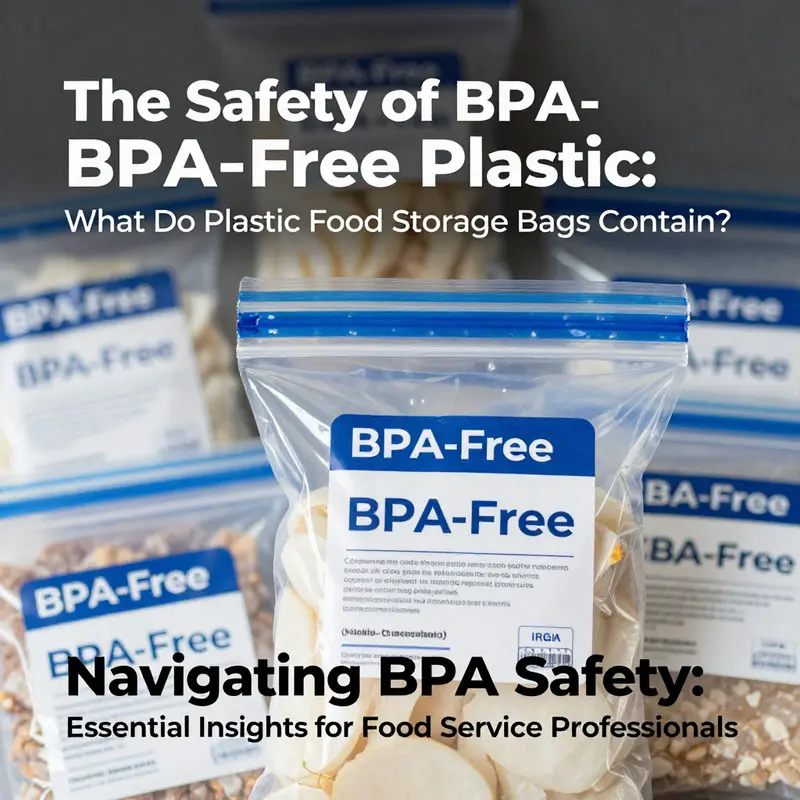
BPA-free on a plastic food storage bag means one chemical was omitted. It does not promise the bag is free of all hazards. Manufacturers removed Bisphenol A because of strong evidence it disrupts hormones. But the gap left by BPA has often been filled by other chemicals. Some of these replacements are structurally similar to BPA. Others are less studied, but may still migrate into food under common conditions.
When a bag is labeled BPA-free, you can reasonably assume it contains no bisphenol A. That reduction matters. Exposure to BPA has been linked to a range of health concerns, and removing it reduces at least one proven risk. Yet labeling can create a false sense of safety. Producers frequently swap BPA for alternatives such as BPS, BPF, or chemically distinct substitutes like TGSA, D-8, and PF-201. Several of these replacements have shown biological activity in laboratory tests, suggesting they may also interfere with hormones or cell processes.
Laboratory research has raised caution flags. A notable study examined how a set of BPA alternatives migrates from packaging and affects human ovarian cells. Researchers observed changes like abnormal fat accumulation and disruption of genes involved in cell growth and DNA repair. Those findings stop short of proving harm to people, but they underscore that substitutes can carry risks similar to the original chemical. This is not purely academic. Migration of chemicals from plastic increases with heat, acidity, and wear. Microwaving or reheating food in plastic can accelerate release. Scratched, stretched, or old bags are also more likely to leach substances.
Experts in environmental health emphasize that BPA-free does not equal inert. A pediatric environmental health specialist cautioned that plastics labeled BPA-free can still be chemically active, especially when exposed to heat. The implication is straightforward: how you use storage bags affects safety. Cold, short-term use carries far less risk than long-term storage or frequent heating.
Regulatory oversight plays a role. In some regions, regulators require testing for specific chemicals in food-contact materials. But the testing list varies, and many newer alternatives are not yet fully evaluated under existing rules. This regulatory gap allows materials into the market without a broad safety profile. Third-party certifications provide an extra layer of assurance. Certifications such as NSF or approvals that reference food-contact safety standards give consumers more confidence. They indicate the product has been tested against recognized benchmarks for migration and suitability with food.
If you want practical steps now, follow a few simple rules. Avoid heating food in plastic bags. Transfer leftovers to glass before reheating. Remove labels, stickers, and excess packaging before storing food. Choose single-use bags for short-term cold storage, not for repeated reuse. Inspect bags for damage and discard any that are worn. Where possible, use containers designed for food contact with explicit certification.
For those seeking alternatives to plastic, glass is the most straightforward choice. It is nonporous and less chemically reactive. Glass containers outperform plastic in repeated heating and cold-to-hot transitions. If glass is impractical, consider durable, certified food-grade alternatives or compostable paper-based packaging when appropriate. Paper bowls and food boxes with a food-safe lining can be useful for short-term storage or takeaway. For instance, a disposable kraft paper bowl designed for food packaging can be a good single-use option when you want to avoid plastic entirely. https://greendispopack.com/product/disposable-kraft-paper-bowl-for-food-package-with-lid/
Consumers should also push for stronger safeguards. Demand that manufacturers disclose the chemicals used in food-contact plastics. Advocate for testing that covers whole classes of chemicals, not just a single well-known compound. Encourage regulators to require safety data for BPA alternatives before they reach mass-market use. Until that level of oversight is routine, the cautious approach is to assume a bag labeled BPA-free may still contain other active substances.
In day-to-day practice, minimize contact between fatty, acidic, or hot foods and plastic. These conditions promote chemical migration. Use cold storage for short durations if plastic bags are the only option. For long-term storage, pick glass or certified food-grade containers. If you reuse plastic bags, avoid repeated exposure to oils and heat and replace them frequently. When you buy storage bags, look beyond the BPA-free claim. Check the packaging for statements about food-contact safety and third-party testing. Certifications or compliance with recognized standards matter more than a single, marketable phrase.
Finally, stay informed. New research continues to clarify how alternatives behave and which compounds raise real concerns. Laboratory studies, such as those showing cellular effects from several substitutes, are early warnings. They do not mean every product is unsafe. But they do signal the need for prudence. Consumer choices can reduce unnecessary exposure. Choosing certified containers, avoiding heating in plastic, and favoring inert materials when reheating are small behavioral shifts. Combined, they reduce the chance that packaging will transfer unwanted chemicals into your meals.
The takeaway is clear: BPA-free narrows one risk, but does not eliminate all risk. Look for third-party food-contact approvals. Favor glass for reheating and long-term storage. Treat BPA-free plastics with caution when heat, acidity, or reuse are involved. And support policies and transparency that require thorough testing of replacements. The safest path is a mix of informed buying, simple handling habits, and alternatives that reduce reliance on plastics whose long-term safety has not yet been fully established.
For further reading on the laboratory research that raised these concerns, see the McGill University study that investigated effects of BPA alternatives on human cells: https://doi.org/10.1093/toxsci/kfaf096
Beyond BPA in Plastic Food Bags: Hidden Chemicals, Health Implications, and Safer Everyday Choices
The everyday convenience of plastic food storage bags has shaped modern kitchens, but the promise of safety is more complex than a simple BPA-free label. The chapter you hold in your hand must be read with two lenses: what BPA itself can do to the body, and what might replace it in today’s supply chains. The science is nuanced. BPA, or bisphenol A, has been shown to migrate from food contact materials into food and drinks in minute amounts. Regulatory bodies have set exposure limits, and agencies in Europe and elsewhere continue to monitor levels in consumer products. Yet a growing body of research indicates that even trace amounts of BPA can interact with the endocrine system, the body’s network of hormones that governs development, reproduction, and metabolism. A notable wave of studies from the late 2010s onward found that many plastics released estrogenic chemicals under normal use conditions, signaling that safety cannot rest on a single chemical badge alone. This backdrop invites cautious thinking about what lies beneath the BPA label and how to navigate storage choices in daily life.
The business response to BPA concerns has largely been to replace BPA with alternatives such as BPS and BPF. At first glance, a switch to these substitutes would seem to solve the problem. However, mounting research suggests that BPS and BPF are not necessarily safer. In laboratory settings, these substitutes often exhibit estrogenic activity comparable to BPA, raising concerns that simply exchanging one chemical for another may not reduce risk in meaningful ways. For people who store a wide range of foods, from acidic dressings to fatty leftovers, the question becomes whether any substitute can be trusted to behave differently in the mouth of a heated, fatty, or acidic environment. The migration dynamics depend on temperature, fat content, acidity, and the duration of contact with food. In practical terms, that means hot soup poured into a bag, or a bag used repeatedly for fatty leftovers, creates a different chemical story than a cold, dry snack stored briefly. The migration process is not a single event but a continuum of exposure that can accumulate over days, weeks, and years.
Beyond BPA and its immediate substitutes, another family of chemicals often creeping into the discussion is PFAS, the so-called forever chemicals. PFAS can appear in various packaging layers and coatings, sometimes as contaminants or as functional components designed to resist moisture and heat. These substances are persistent in the environment and have been linked to a range of health concerns, including immune and developmental issues, and potential cancer risks. In some contexts, PFAS exposure can coexist with BPA-related concerns, compounding the challenge for consumers who rely on plastic bags to keep foods fresh. The idea that a single material can be entirely drift-free of risk begins to look increasingly outdated when PFAS, microplastics, and other additives enter the conversation. Microplastics, too, emerge as a part of the risk calculus. As plastics age, wear, or are heated, tiny particles can shed into food. While the full health implications of microplastics circulating through human tissues are still being studied, the possibility of exposure through common storage practices adds another layer to the decision matrix for households.
The evidence is not just about what migrates from bag to food, but about the long arc of exposure that can unfold over a lifetime. Endocrine disruption, even at low levels, has the potential to influence development, reproductive health, and metabolic processes. This understanding underscores why some researchers advocate for precautionary approaches, especially for vulnerable populations such as pregnant individuals, infants, and individuals with hormonal sensitivities. It also explains why regulatory agencies call for ongoing surveillance and for transparent testing that covers a broad spectrum of chemicals, not just BPA. The current landscape thus presents a tension between convenience and precaution: bags and films offer undeniable ease, but the full spectrum of chemical exposure may extend beyond the most widely known culprit.
From a consumer perspective, how should one interpret BPA-free labeling amid this broader scientific context? A BPA-free claim is not a green light to assume total safety. The literature and regulatory commentary suggest that BPA-free does not guarantee the absence of other potentially harmful endocrine disruptors. This is not a call to panic, but a reason to seek packaging that has earned additional third-party verification for food contact safety. When products carry credible certifications, they demonstrate compliance with recognized safety standards that extend beyond a single chemical designation. In the kitchen, that might translate into choosing packaging and storage options that have been evaluated for a wider set of chemical risks and for resilience under common culinary conditions, such as microwaving, reheating, or freezing.
Practical precautionary measures can be integrated into daily routines without sacrificing convenience. First, minimize the use of plastic bags for hot or fatty foods. Heat and fat are known to increase the likelihood of chemical migration, and the combination presents a higher exposure potential. Second, consider alternatives such as glass, stainless steel, or silicone for primary storage, especially for meals prepared ahead and reheated. These materials tend to be inert or more stable under typical kitchen temperatures and are easier to clean and inspect visually for wear. Third, do not reuse single-use bags for new foods, particularly if the bag has previously stored hot foods or fatty items. Each reuse can alter the barrier properties and increase opportunities for migration.
Fourth, be mindful of the broader chemical landscape. When a product advertises BPA-free status, look for additional cues such as certifications from independent bodies that assess food contact safety and material composition. While third-party labels do not guarantee absolute safety, they provide a higher level of assurance than marketing phrases alone. Finally, when in doubt, prioritize non-plastic storage options for high-risk foods and situations. The goal is not to achieve a perfect zero-exposure world but to reduce cumulative exposure across meals, days, and seasons.
In this framework, a shift toward safer daily choices becomes a matter of habit rather than a one-time purchase decision. The broader health conversation around plastic storage underlines how interconnected everyday actions are with long-term outcomes. A single bag, used correctly and sparingly, might represent a small part of a person’s total exposure. Yet the same bag, used imprudently across a lifetime, becomes part of a larger pattern. If we think of exposure as an orchestra rather than a solo instrument, the instruments include BPA and its substitutes, PFAS, microplastics, and other additives that influence the way chemicals behave in the body. The chorus of evidence suggests that reducing reliance on plastics for food storage or at least limiting heat and fat contact can contribute to a more favorable exposure profile over time.
For readers seeking tangible, actionable pathways, a well-informed move is to explore packaging and storage ecosystems that emphasize safer materials. In practice, this means embracing alternatives to single-use plastics when possible and choosing materials that stand up better to the realities of kitchen life. It also means recognizing that the safer choice is not a rigid rule but a spectrum. A person might choose BPA-free bags for cold, non-fat foods but reserve glass or stainless steel for hot soups and leftovers. Pairing such strategies with aware labeling and a habit of avoiding reheating foods in plastic can yield meaningful reductions in exposure without abandoning everyday practicality. When discussing safer storage habits, the conversation often circles back to accessibility and cost. But many communities are expanding access to safer options, and the cumulative benefit across households is substantial.
In closing, the question of whether plastic food storage bags contain BPA is part of a larger inquiry into the safety of modern materials used in food contact. The answer is not a simple yes or no. BPA itself migrates in small amounts, and its substitutes, PFAS, and microplastics complicate the risk landscape. The regulatory environment continues to evolve, with ongoing research pushing for broader assessment panels and more robust safety standards. Consumers can respond with informed choices, favoring third-party certified products, reducing heat exposure, and opting for more durable, inert storage options when feasible. By weaving these practices into daily life, individuals can maintain the convenience of modern packaging while steering toward a lower cumulative exposure to a complex mix of chemicals. For readers who want to explore practical alternatives that align with this safer approach, a closer look at eco-friendly, paper-based or other non-plastic options can serve as a valuable complement to stainless steel and glass solutions. This bridge between everyday convenience and long-term health considerations is where continued education and mindful decision-making can make a real difference in daily routines.
External context and ongoing research continue to shape this field. For regulatory insights and evolving assessments of chemical food contact safety, see EFSA’s ongoing work on Bisphenol A in food: https://www.efsa.europa.eu/en/press-news/press/news230419. Additionally, readers may find it helpful to compare the broader debate around BPA-free plastics and alternative materials through resources that discuss how different chemicals behave under heating and storage conditions. For more practical options that align with a safer storage mindset, consider exploring accessible, eco-friendly paper-based packaging and storage solutions such as disposable cups and lids designed with safety in mind, including options that minimize plastic use. disposable-eco-friendly-custom-paper-coffee-cups-with-lid
How Regulations, Labels, and Certifications Shape the Safety of BPA‑Free Food Storage Bags
Plastic food storage bags sit at the intersection of daily convenience and regulatory oversight. Understanding what the label “BPA‑free” actually signals requires a look beyond marketing and into the systems that govern food contact materials. Regulatory frameworks set the rules for allowable materials, testing methods, and documentation. These frameworks do not simply ban single chemicals; they define how manufacturers must prove safety, what limits apply to chemical migration into food, and what assurances consumers can reasonably expect when they choose a BPA‑free bag.
In the United States, the U.S. Food and Drug Administration (FDA) is the primary agency that evaluates plastics intended for food contact. Under Title 21 of the Code of Federal Regulations, the FDA lists permitted substances, conditions of use, and maximum migration levels. A film used to make a food bag must be composed of substances previously reviewed or otherwise authorized for contact with food. The process relies on scientifically measured migration tests, which simulate realistic food contact conditions. These tests estimate how much of any constituent chemical could transfer from the plastic into food under defined temperatures and times. When a supplier claims a bag is “food‑grade,” they are asserting compliance with these rules and that the bag will not leach chemicals at levels that raise safety concerns.
“BPA‑free” is a narrowly focused claim. Bisphenol A, or BPA, was historically used in polycarbonate and certain epoxy resins. Concerns about its endocrine‑disrupting potential pushed regulators, manufacturers, and consumers to seek alternatives or to eliminate BPA where possible. Importantly, many flexible storage bags are already made from polyethylene (PE) or polypropylene (PP) films. Those resins typically do not contain BPA, so a BPA‑free sticker can be a reassurance rather than a revelation. Nevertheless, that reassurance can be misleading when consumers equate it with overall chemical safety.
Regulators in other jurisdictions take a broader approach. The European Union’s REACH framework evaluates substances for a wide range of potential hazards, including endocrine disruption and toxicity. The European Food Safety Authority (EFSA) issues scientific opinions and sets migration limits for substances used in food contact materials. In practice, this means manufacturers aiming to sell across markets often design formulations that meet the strictest applicable standards. That harmonization is beneficial for consumers, but it does not eliminate all unknowns. New additives, alternative monomers, and plasticizers continually enter supply chains. Some of these have not been as extensively studied as BPA, yet they may behave similarly in biological systems.
Testing and third‑party verification are critical tools to bridge the gap between a simple label and meaningful safety. Regulatory compliance is necessary, but voluntary certifications add another level of scrutiny. Certifications from recognized bodies test materials under a variety of conditions. They examine overall migration, specific migrant levels, and suitability for repeated use or heating. Look for documentation or certification marks that reference testing standards. Such records should specify the test conditions and the particular regulations addressed. A credible declaration will reference the standard used, the testing laboratory, and the scope of the assessment.
Material choice matters. Low‑density polyethylene (LDPE) and high‑density polyethylene (HDPE) are commonly used for flexible bags. They are widely regarded as appropriate for food contact when produced to food‑grade standards. Polypropylene offers higher temperature resistance and may be preferred for applications involving brief heating. Each resin type has a different profile for additives and potential migrants. Understanding the base polymer helps interpret what a BPA‑free label actually means. It also helps predict behavior under stressors like heat, sunlight, or aging.
Heat and mechanical stress change risk profiles. Migration testing often simulates worst‑case conditions. Still, real‑world use can produce different results. Microwaving, prolonged heating, repeated reuse, and abrasion can accelerate breakdown and increase the likelihood of chemical transfer. That is particularly relevant for single‑use bags repurposed repeatedly. The regulatory tests are designed to be conservative, yet consumer behavior can push materials beyond the scenarios covered by standard protocols.
A practical approach for consumers balances trust in regulation with informed caution. First, verify that packaging identifies the material and claims compliance with food contact regulations. Second, seek products with third‑party testing or certification that clearly specify the test scope. Third, consider the intended use: storage at room temperature, refrigeration, freezing, or heating. Foods with high fat content can draw out lipophilic additives more readily than watery foods. Finally, consider alternatives when appropriate. For some uses, certified compostable containers or durable non‑plastic options may provide advantages.
Regulatory systems evolve. As scientific understanding of low‑dose effects and novel chemicals grows, agencies update lists and guidance. A product that met standards years ago may no longer reflect current expectations. Responsible manufacturers maintain records, update formulations, and disclose testing results. When labels appear vague or unsupported, treat them with skepticism and seek documentation. A brief claim without evidence is not the same as regulatory compliance.
There is also a role for broader supply‑chain transparency. Declarations of conformity, certificates, and safety data sheets help trace what went into a material and how it was validated. For products sold in multiple regions, documentation should indicate which regulatory regime was addressed. Clear paperwork reduces uncertainty about whether a BPA‑free bag was manufactured to meet FDA, EU, or other national standards.
Finally, remember that alternatives and complements to plastic exist for many applications. For disposables and take‑away food packaging, certified paper bowls and compostable options provide a different risk profile. When non‑plastic choices make sense, they can reduce exposure to plastic additives while supporting waste management goals. For example, biodegradable paper bowls designed for food service are available with food‑contact compliance and compostability in mind. If you are considering alternatives, look for products that disclose food‑contact certification and end‑of‑life instructions, and evaluate them based on your needs.
In short, “BPA‑free” answers one narrow question. Regulatory standards, testing, and certification answer many more. Relying on labels alone leaves gaps. Look for materials identified by resin type, verified by recognized testing, and matched to intended uses. When doubt remains, choose certified alternatives or materials with a long history of safe food contact. For an example of a certified non‑plastic option for take‑away foods, consider a biodegradable eco‑friendly take‑away bowl available from suppliers focused on compostable packaging: https://greendispopack.com/product/biodegradable-eco-friendly-take-away-odm-oem-round-kraft-paper-bowl/.
For further detail on U.S. regulatory requirements for food contact substances, consult the FDA’s official guidance and lists of authorized materials: https://www.fda.gov/food/food-contact-materials/federal-regulations-food-contact-materials
Beyond BPA-Free: Reading Labels and Navigating Safety in Everyday Food Storage
Concern about what touches our food has risen as science links kitchen artifacts to chemical exposure. The everyday plastic bags and containers we rely on to refrigerate, portion, and transport meals sit at the intersection of convenience and health anxieties. Consumers want reassurance that what’s labeled BPA-free truly protects them, yet the landscape is not as simple as a single chemical ban. The conversation now hinges on transparency, risk, and practical choices that fit real-life routines. In this evolving dialogue, awareness is not a one-time check but an ongoing evaluation of what we store, how we store it, and under what conditions. When a label promises safety, it should also invite scrutiny about what else might be present and how it behaves under typical use. That mindset—from cautious optimism to critical appraisal—helps anchor decisions in everyday life rather than in abstract alarms or marketing promises.
A key tension in consumer thinking is the difference between labeling and chemistry. Products marketed as “BPA-free” do not automatically equate to universally safe plastics. Removing BPA from the mix is meaningful, but it can usher in other substances intended to substitute for BPA. Some of these substitutes, such as certain bisphenol analogs, have earned attention for their potential to disrupt hormones in ways that resemble BPA’s effects. The concern is not simply about a single chemical but about a family of additives that can alter how the body responds to hormones, especially during sensitive windows of development or in people who consistently handle the materials over years. Consequently, a BPA-free claim should be read as an incomplete promise rather than a full guarantee of safety. This understanding aligns with the broader scientific conversation that cautions against assuming that “no BPA” means “no risk.”
The caution is reinforced by research that emphasizes context. The same bag or container that is BPA-free may still release measurable traces of other substances under realistic conditions. Exposure can hinge on factors like temperature, duration of contact, and the fat content of the food. Fats and oils can facilitate the leaching of additives from plastics. Heat—whether from a hot dish, a microwave, or even a hot car door on a sunny day—can accelerate any material’s tendency to migrate into food. The cumulative effect of these micro-leachings, though tiny per event, can become meaningful across years of daily use. The public discourse, including analyses published in reputable outlets, has repeatedly stressed that no label should be taken as a blanket certificate of safety. The practical implication for households is simple: minimize exposure whenever feasible and diversify storage methods when possible.
Another layer of complexity arises from the fact that the regulatory and testing landscape is not perfectly harmonized across regions or brands. In response, many consumers look for third-party endorsements that go beyond a manufacturer’s internal testing. Certifications that are widely respected in the food-contact arena can offer a higher degree of reassurance. These include independent testing standards and conformance with established guidelines for materials that come into contact with food. When a product carries such certifications, it signals that the material has been vetted for more than just basic compatibility. It does not erase all risk, but it does help narrow the field to options that have undergone external scrutiny. For people who store or thaw meals repeatedly, such scrutiny can be a meaningful safeguard worth prioritizing in the shopping process. In this sense, awareness translates into a more discerning approach to labels, rather than a blanket rejection of plastics altogether.
Practical risk reduction also emerges from simple everyday habits. For instance, avoiding heating plastics in microwaves, ovens, or on direct heat can substantially limit any potential migration of substances into food. When possible, transferring leftovers to glass or ceramic containers for reheating provides a familiar and often safer alternative. Even when using BPA-free bags, it is wise to minimize prolonged storage of highly fatty foods or highly acidic foods in plastic. Storing meals in the refrigerator for shorter periods and rotating containers can reduce exposure simply by reducing dwell time. Finally, when choosing storage options, look for products that explicitly state food-contact safety and carry recognized certifications rather than relying on a single label. The aim is not perfection but a chain of informed decisions that lowers risk without sacrificing practicality.
In the broader landscape of consumer choices, packaging alternatives also matter. The shift toward more sustainable or less plastic-reliant solutions intersects with the BPA conversation in meaningful ways. Some households adopt reusable glass or stainless-steel containers for primary storage, while others explore paper-based or compostable options for certain applications. The dialogue around substitutes is not limited to plastics alone; it increasingly includes a broader portfolio of materials and practices that can reduce overall exposure. For families balancing budget, convenience, and safety, the real value lies in practical literacy—understanding what labels mean, recognizing that substitutes may carry their own questions, and selecting storage strategies that fit daily life while prioritizing health and peace of mind.
This educational arc—recognizing the limitations of “BPA-free” claims, understanding the potential of substitutes, and embracing safer handling habits—can be reinforced through accessible examples from everyday life. For instance, many households are turning to alternative packaging solutions for certain meals and ingredients. Among these, disposable Kraft paper-based options are commonly used for take-out and quick-service settings, offering a different accessibility profile than plastic bags. While not a direct substitute for every storage need, they illustrate the broader point: expanding the range of materials used in daily routines can reduce cumulative exposure and broaden the safety net. When considering these alternatives, consumers can evaluate factors such as durability, moisture handling, and compatibility with different food types. For those curious about practical implementations, resources outlining the characteristics and applications of such paper-based options provide useful context. The goal is not to eliminate risk entirely but to diversify tools and strategies used to protect what we eat.
From a public-health perspective, education about BPA safety concerns is most effective when it emphasizes critical thinking and empowerment. Consumers should be encouraged to ask informed questions: What precisely is in these products beyond BPA? How do usage patterns change risk? Are there certifications that verify safety for food contact? How does heat, time, and the nature of the food influence potential leaching? Answering these questions requires access to credible information and the willingness to adjust habits as new evidence emerges. It also requires clear labeling and transparent communication from manufacturers, so that the consumer’s next shopping decision is guided by evidence rather than vague assurances. As the science continues to evolve, the public conversation benefits from a steady cadence of updates, practical tips, and, crucially, a nuanced understanding that “BPA-free” is a meaningful but partial step toward safer practice.
In sum, consumer awareness around plastic food storage and BPA safety has shifted from a single-label focus to a broader, more nuanced assessment of materials, substitutes, and real-world use. The path toward safer storage is not a single choice but a sequence of informed habits and transparent certifications. It calls for recognizing the limits of any one label, appreciating the value of independent testing, and adopting storage routines that minimize exposure without compromising convenience. By embracing this informed approach, households can navigate a complex landscape with confidence and clarity, making everyday decisions that align with both practicality and health.
Final thoughts
The discussion surrounding BPA in plastic food storage bags is more than just a conversation about chemicals; it’s about the safety and well-being of your customers. As food service professionals, it’s essential to stay informed about what products you use and their potential risks. By prioritizing BPA-free products backed by certifications and engaging in continuous consumer education, businesses can ensure their patrons feel safe and confident in their food choices. Being well-informed not only protects customer health but also fosters trust and credibility in your brand.