
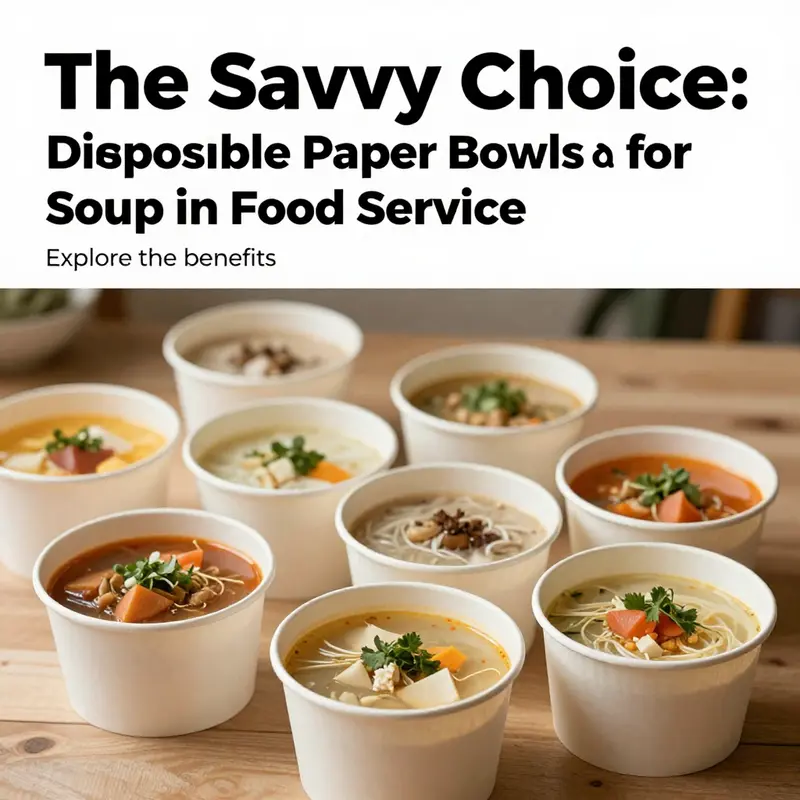
Disposable paper bowls are becoming indispensable tools in the food service industry, answering demands for convenience, sustainability, and versatility. Their ability to hold both hot and cold items makes them perfect for everything from steaming soups to chilled desserts. As businesses from bubble tea shops to catering services seek efficient, eco-friendly options, understanding the technical specifications, innovations, and economic aspects of these bowls can offer significant advantages. The upcoming chapters delve deeply into each facet, analyzing demand trends, performance parameters, ecological improvements, and purchasing strategies that can empower culinary professionals. Join us as we explore how disposable paper bowls can enhance food service operations while aligning with business goals and environmental responsibilities.
Soup in a Sustainable Cup: An Integrated View of Demand, Design, and Delivery for Disposable Paper Bowls in Food Service
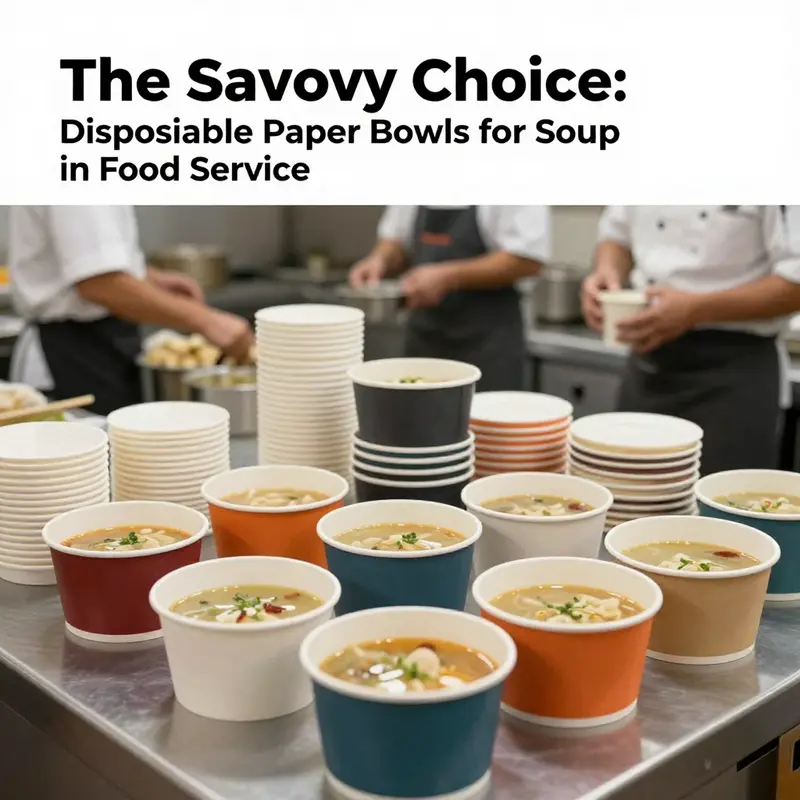
The rise of disposable paper bowls for soup marks more than a simple convenience upgrade for takeout and delivery. It reflects a convergence of operational pragmatism, consumer expectations around hygiene, and a public-facing commitment to sustainability. In the bustling environments of fast-food chains, quick-service restaurants, and independent takeout spots, these bowls do more than hold liquid. They stabilize temperature, reduce labor, and frame a brand promise that a restaurant can deliver hot, comforting food with minimal fuss and maximum consistency. To understand why the demand for disposable paper bowls—especially those designed for hot soups and other steaming dishes—continues to expand, we must thread together the realities of kitchen workflow, the physics of heat and containment, and the evolving ethics of waste and resource use. The narrative is not merely about material choice; it is about how a single, seemingly modest item integrates into a broader system of service, sustainability, and customer experience.
At the core of operational efficiency lies the humble yet indispensable thermal performance of these bowls. In fast food and quick-service settings, the moment a bowl is filled with hot soup or ramen, the container’s ability to insulate becomes a frontline determinant of service speed and customer satisfaction. A superior insulating design minimizes heat loss, keeps steam within the vessel long enough for the diner to enjoy the meal without the soup cooling too quickly, and reduces the need for additional warming steps or oversized cups that complicate stacking and carrying. Lightweight construction supports rapid assembly and high-volume service, a critical factor during lunch rushes and peak periods. At the same time, a spill-resistant fit between bowl, lid, and sleeve minimizes mess in crowded service lines and during transit, a safety and cleanliness upgrade that operators value as highly as price per unit.
The materials chosen for these bowls—recycled kraft paper, bamboo pulp fiber, or bagasse-derived alternatives—play a central role in both performance and branding. Recycled kraft paper and bamboo pulp fibers are renewable and commonly designed to meet strict food-contact safety standards. For many operators, the appeal is twofold: a credible sustainability story and reliable performance under heat. When empirical tests show resistance to temperatures up to 120°C and compatibility with hot liquids, operators feel confident that the bowl will perform without compromising structural integrity during bustling mealtime windows. Yet material choice is not a binary decision between “eco” and “sturdiness.” Advances in coatings—ranging from water- and oil-resistant layers to compostable barriers—have allowed designs to straddle the line between practical performance and responsible end-of-life disposal. The evolution of these coatings is the quiet backbone of modern soup service, enabling containers to resist leakage while still aligning with compostability goals where infrastructure permits.
From a design perspective, the evolution of shapes and sizes mirrors the diversity of soup culture itself. In many markets, bowls span a spectrum from compact, appetizer-sized 300–350 ml portions to generous, family-style portions of 1,000–1,300 ml. The most common configurations accommodate a full portion of hearty soups, noodle bowls, or chili, with 750–850 ml bowls serving as a practical standard for single-portion meals in both dine-in-to-go and catering contexts. The inclusion of lids adds a layer of hygiene and portability that is especially prized by delivery services and event catering. Lids not only prevent spills but also help retain heat and protect the food from external contaminants during transport. The flex between lid-enabled designs and open bowls offers operators a toolkit to tailor packaging to specific delivery models, weather conditions, and customer expectations. For some outlets, the ability to customize the exterior surface with branding or product messaging—while maintaining the integrity of the container—becomes a differentiator in a crowded market.
The wear-and-tear on a busy kitchen line has always made packaging a secondary concern until it becomes a liability. In the case of soup bowls, the container must withstand not only heat but also the logistics of stacking, wrapping, and moving through crowded service areas. Durable construction supports brisk turnover by reducing breakage and minimizing the need for staff to handle fragile components during high-volume periods. A reliable, secure fitting with the lid reduces the risk of leaks that would otherwise force staff to waste minutes cleaning and replacing compromised portions of meals. In a world where every second saved translates to greater throughput and happier customers, the value proposition for sturdy, well-designed disposable paper bowls becomes clearly economic as well as hygienic.
Catering and event services illuminate another dimension of demand. Large-scale events, corporate gatherings, and mobile food stalls rely on containers that can be produced in bulk, stacked efficiently for storage, and transported with minimal labor. The hygienic advantages of disposable bowls—especially when paired with compatible lids—translate into smoother workflows and less post-event cleanup. The ability to deliver clean, consistent presentations in a portable format supports brand fidelity across venues and distances. For caterers who must scale from dozens to thousands of servings, the predictable performance of these bowls reduces risk and ensures that every diner experiences the same warmth and comfort, regardless of where they enjoy their meal.
A growing thread in the narrative of demand is the expansion of eco-friendly and truly compostable options. The market has responded with a range of biodegradable and recyclable alternatives designed to align with sustainability goals. Bagasse-based products, derived from sugarcane fiber, illustrate how renewable agrifiber can deliver comparable insulation and strength with the added benefit of compostability in appropriate facilities. While compostability promises end-of-life benefits, actual outcomes depend on local waste infrastructure. In some regions, curbside composting and industrial facilities enable composting of bagasse and PLA-coated vessels; in others, recycling streams are the dominant end-of-life pathway. This nuance matters because the environmental benefits claimed at the point of sale hinge on the availability of appropriate disposal channels. Operators thus face a practical question: how to balance the ideal of sustainability with the realities of local waste systems and consumer behavior?
Product specifications reflect these trade-offs, presenting a broad spectrum of options that can be matched to application, climate, and service model. A typical range extends from 300 ml to 1,300 ml, with materials including food-grade paperboard and barrier coatings that protect against water and oil ingress. For soups that sit long enough to lose heat, or for dishes with higher fat content, the thickness of the wall, the presence of an insulating sleeve, and the integrity of the coating all influence performance. The coatings—whether polyethylene-based or more advanced, compostable polymers—determine water resistance and grease protection, which in turn influence the ability to stack and transport without compromising cleanliness or shape. Designers and procurement teams weigh these details in concert with cost and supplier reliability because each choice has downstream effects on kitchen operations and customer perception.
Cost considerations remain a practical truth in any procurement decision. Bulk pricing can begin at modest levels, with MOQs set to align with typical restaurant ordering cycles and seasonal demand. The business calculus often rests on a simple balance: the per-unit price must be weighed against the savings generated in labor, waste handling, and the perceived value of a well-insulated, leak-resistant experience. For many operators, even a fractional improvement in temperature retention or decrease in spillage can translate into meaningful gains in customer satisfaction and repeat business. That same calculus must account for the end-of-life outcomes, as customers increasingly interpret packaging choices as reflections of a company’s values. In markets with strong consumer emphasis on sustainability, the appeal of eco-friendly packaging, even at a modest premium, can contribute significantly to brand affinity and market share.
The sourcing ecosystem for disposable bowls has grown into a robust, multi-channel landscape. Operators can access a wide array of sizes, materials, and finishing options through a network of established suppliers. They can request samples, compare certifications, and verify whether a given product aligns with safety standards and environmental claims. This ecosystem also supports customization, allowing operators to imprint logos, color schemes, or messaging that resonates with their branding strategy. In many cases, suppliers offer flexible payment terms and multiple methods of transaction, which can ease the procurement flow for smaller independents and larger groups alike. The ability to tailor orders—whether by volume, coating type, or lid inclusion—helps businesses align packaging with both operational realities and marketing objectives.
A practical question for any operator is how to navigate the tension between convenience, performance, and sustainability in a responsible way. On the one hand, the need to keep soups hot, prevent leaks, and enable fast service is non-negotiable. On the other hand, consumer expectations are increasingly colored by environmental awareness. In addressing this, many businesses pursue a layered strategy. They select materials that offer credible performance while aiming for compostable or recyclable pathways where feasible. They invest in staff training to ensure proper handling and disposal, and they communicate transparently with customers about the packaging’s intended end of life. They also look for packaging that is easy to store, stack, and transport, because efficiency here reduces waste and operational friction. In sum, the conversations around disposable paper bowls are not simply about a container; they are about how a service model harmonizes with ecological responsibility, customer expectations, and operational practicality.
To tie these threads into a practical lens for readers who may be considering procurement decisions, it helps to imagine a day in a typical service environment. A line cook or prep staff member, working through a busy lunch shift, fills a hot soup into a bowl, places a lid, and slides the container into a bag with a sleeve. The customer picks up the order and carries it to a seat or out the door, trusting that the bowl will stay intact and the soup will remain hot. The packaging design thus becomes a silent partner in the dining experience, shaping not only physical outcomes but also the narrative a brand presents about care, efficiency, and responsibility. The best packaging feels almost invisible in use—firm enough to handle busy operations, protective enough to prevent leaks, and aligned with a broader commitment to sustainability that customers can recognize and appreciate.
In this landscape, a practical takeaway for operators is to view packaging choices as strategically linked to menu, service model, and waste infrastructure. If a venue emphasizes speed and reliability in delivery, an insulating, leak-resistant design with a compatible lid may yield the most tangible benefits. If the emphasis is on sustainability and brand storytelling, exploring compostable or bagasse-based options, combined with clear disposal guidance for customers, can enhance the corporate narrative while supporting appropriate end-of-life pathways. For caterers and mobile vendors, the ability to source boxes that stack neatly, travel well, and present a uniform, attractive silhouette in a crowd becomes a differentiator that can justify collaboration with partners who share a commitment to quality and responsibility. In every case, the packaging choice is a lever that influences cost, speed, safety, and reputation, all at once.
As the market continues to evolve, the next frontier appears to be more granular alignment between product design and waste management infrastructure. Deeper collaboration with recycling and composting facilities, clearer labeling about material compostability, and ongoing improvements in barrier coatings could further enhance the environmental performance of disposable bowls without sacrificing the critical functional attributes that service teams rely on daily. The industry’s trajectory suggests that demand will remain robust, not merely as a matter of habit or convenience, but as a component of a broader system in which operation, experience, and ecology reinforce one another. The result is a packaging ecosystem that supports fast, reliable soup service while inviting customers to participate in more responsible consumption patterns, whether through selective disposal, recycling, or composting pathways where available.
For readers seeking a concrete example of a sourcing pathway that aligns with these principles, consider exploring a dedicated product page that offers a disposable kraft paper bowl with lid crafted for hot-serve applications. The link provides a representative view of how such a container is positioned in the market, including design features, sizing options, and the balance of performance and sustainability a modern operator expects. This resource can help procurement teams compare options, assess compatibility with their menu and service model, and articulate a clear rationale to stakeholders about why a particular packaging choice supports both efficiency and environmental goals. disposable kraft paper bowl with lid.
In summary, the demand for disposable paper bowls for soup in food services reflects a nuanced blend of practicality and responsibility. It requires designers to deliver containers that keep soups hot and intact, while ensuring handling is straightforward for staff and friendly to the customer’s experience. It invites operators to think about the life cycle of packaging—from sourcing and production to use and end-of-life—so that the choices made at the counter echo a broader commitment to efficient operation and sustainable practice. The trajectory is not a single trend but a constellation of influences: heat retention, leak resistance, portability, branding flexibility, and the evolving landscape of environmental stewardship. When these elements come together, disposable paper bowls do more than serve soup; they help shape how the food service industry delivers warmth, care, and reliability in a world increasingly attentive to the costs—and the responsibilities—of our everyday packaging decisions.
External resource: https://www.amazon.com/dp/B0B8FJZKX9?th=1
Heat, Leaks, and Lifecycles: The Technical Story of Disposable Paper Bowls for Soup
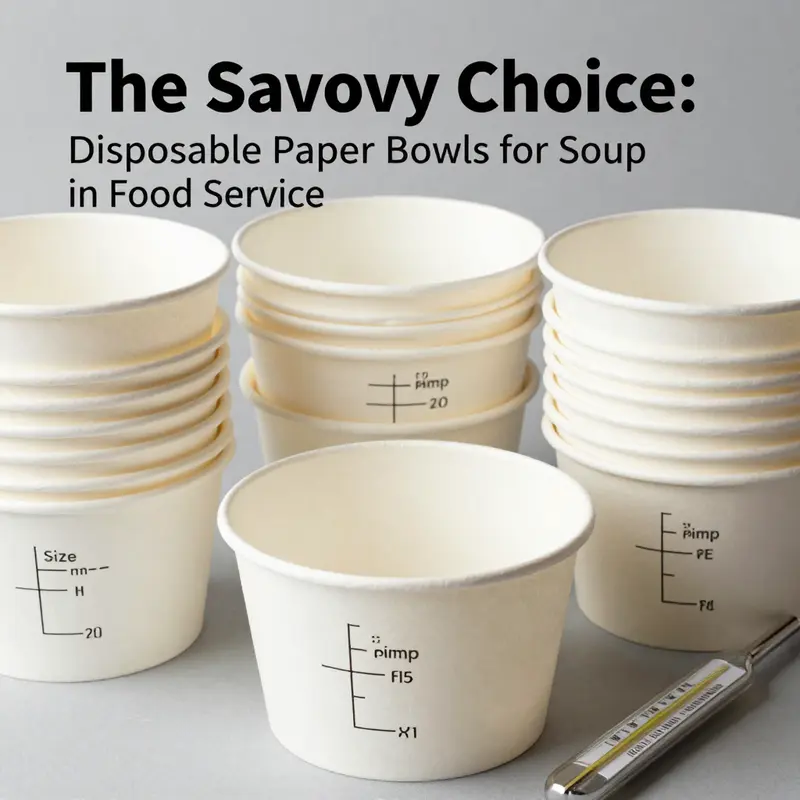
The performance of a disposable paper soup bowl rests on the interplay of barrier materials, board construction, and ergonomic design. The inner coating must resist moisture and steam, the walls must stay rigid under weight, and the overall form must stay portable and safe in busy service lines. Common coatings include PE and PLA, with PE offering durable moisture barriers and PLA offering compostability under proper facilities. The choice affects not only performance but end-of-life handling, requiring operators to align with local waste streams. Wall construction may use double-layered board or internal air gaps to reduce heat transfer. At service speed, a well-designed bowl resists leaking, minimizes heat transfer to the exterior, and maintains shape when stacked or bagged. Microwave compatibility is often limited to explicit labeling. The environmental story is nuanced: some coatings compost industrially; others are not accepted in municipal programs. Ultimately, a good bowl delivers safety, reliability, and branding flexibility without sacrificing hygiene or cost efficiency. The broader takeaway is that these small containers are engineered as containment systems, balancing barrier performance with practical use in the fast-paced world of takeout.
Beyond the Lid: How Eco-Friendly Innovations Are Redefining Disposable Paper Bowls for Soup
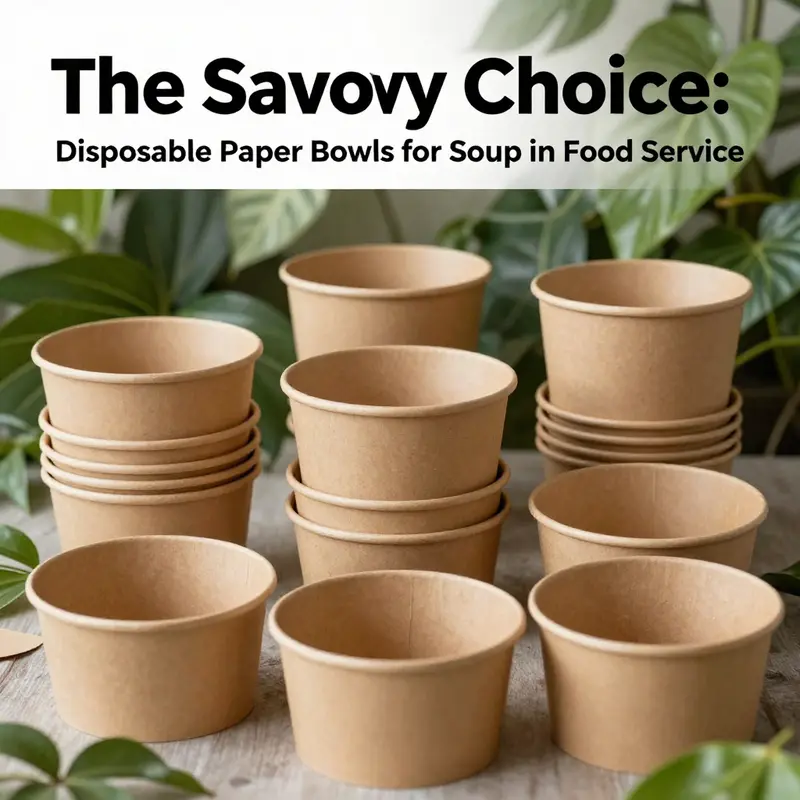
From the first steam rising above a hot bowl to the final receipt crumple at a takeout counter, disposable paper bowls for soup have quietly moved from convenience items to critical elements of sustainability in food service. The evolution is not merely about keeping broth from staining the table; it is about rethinking materials, coatings, and designs so that the bowls themselves become part of a circular economy rather than a single-use artifact. The modern soup bowl must perform under heat, survive the rigors of delivery, keep contents secure, and, just as importantly, align with a growing demand for materials that come from renewable sources and return to soil or re-enter recycling streams after use. In this landscape, innovations are less about flashy claims and more about a cohesive chain of material choice, manufacturing practice, end-of-life management, and the storytelling that brands can leverage to communicate responsibility to customers who value both flavor and footprint.
Advances begin with the raw materials themselves. A shift toward 100% natural, renewable inputs marks a decisive move away from petroleum-based plastics and traditional wood pulps toward biotech-assisted or agro-industrial byproducts. Sugarcane bagasse, the fibrous residue left after juice extraction, stands out for its abundance and its compatibility with hot-food packaging. It is not merely a filler; it is a feedstock with inherent heat tolerance and mechanical resilience. When processed into pulp, bagasse fibers can form bowls that are microwave-safe and heat-resistant to levels in the range of typical soup temperatures, while maintaining structural integrity when loaded with a full serving. Bamboo pulp fiber is another compelling option, offering a similar sustainability profile with rapid renewability and a natural affinity for forming robust, smooth surface finishes. Bowls built from these materials tend to demonstrate superior performance compared to traditional all-paper variants, especially in hot applications where moisture transfer and fat migration can compromise shape or integrity. The practical effect for operators is meaningful: more confident serving of soups with less risk of softening or leakage, even in a brisk carry-out environment, and a tangible statement about responsible sourcing that resonates with eco-conscious diners.
The environmental advantages extend when these natural materials are paired with coatings that preserve functionality without compromising compostability. The industry has historically faced a tension between moisture resistance and end-of-life outcomes. Some early eco-friendly options relied on coatings that could hinder composting or recycling. Today, though, advances in plant-based or biodegradable coatings have begun to tilt the balance back toward both performance and sustainability. Polylactic acid, or PLA, is one such coating that aligns with compostable goals while maintaining the liquid barrier necessary to prevent seepage from hot soups and broths. PLA coatings can keep oils and water away from the paper, reducing the risk of soggy bottoms and spill-through during transportation. Crucially, these coatings can be formulated to degrade under industrial composting conditions within a reasonable timeframe, addressing a common concern that green packaging may be too fragile for the real-world demands of takeout and delivery. The result is a bowl that can hold up to a hot, potentially oily interior, while still offering a clear, practical end-of-life pathway that respects the environment.
Alongside material choices and coatings, the structural design of the bowl has grown more sophisticated without sacrificing user convenience. Double-wall kraft paper bowls, for instance, deliver an excellent combination of heat insulation and strength. The double-wall configuration creates a barrier that minimizes heat transfer to the external surface, helping to prevent surface burns for diners and reducing the burn risk for staff handling the containers. It also enhances rigidity, allowing the bowl to resist deformation during stacking, transport, and stacking in crowded service environments. A thoughtful design further considers compatibility with common food-service equipment. Bowls engineered to withstand higher temperatures can be used with induction-based warming or finishing processes without warping, a feature that supports both operational efficiency and consumer confidence. At larger capacities, well beyond a single serving—the same principles apply: thickened walls, reinforced rims, and precise tolerances that preserve roundness and ease of use even when loaded with thick soups, stews, or hot noodle broths. In this sense, the modern eco-friendly bowl becomes an instrument of reliability as much as a statement of responsibility.
The visual and tactile design language of these bowls has not been neglected in the name of sustainability. Brands are increasingly leveraging the surface to tell a sustainability story through print-ready, digitally deployable branding. Digital printing enables consistent, high-impact visuals that communicate certifications and commitments directly on the vessel. The material itself is not simply a container; it becomes a moving advertisement for a brand’s environmental ethics. To support this, manufacturers offer a range of configurations—from bowls with matching paper flat lids that provide spill-proof transport to modular, stackable designs that maximize storage efficiency in kitchens and warehouses. The stackable form is more than a space saver; it reduces handling time and minimizes the likelihood of damage during storage, both of which contribute to lower waste and better product integrity. For operators, this means a more predictable product lifecycle, less waste due to damaged stock, and a more efficient supply chain that can scale with demand—especially during peak service periods when the need for reliable packaging becomes a strategic advantage.
A growing segment of the industry emphasizes end-of-life considerations that align with the circular economy. Recyclability remains a core goal, but so does adaptability for composting, depending on local waste infrastructure. The ideal scenario features a bowl that is either compostable in industrial facilities or readily recyclable within a community’s existing systems. The packaging ecosystem also increasingly embraces arguable certifications and third-party verifications that reassure operators and consumers alike that the materials used do not harbor contaminants and that the bowls can be disposed of responsibly after use. Sustainability, in this sense, is not a marketing veneer but an operational standard—embedded in the supply chain, backed by testing, and reinforced by in-market practice. This holistic approach to end-of-life that looks beyond disposal toward recovery is essential for growth in markets where customers demand measurable environmental performance as a condition of purchasing.
Within this broader shift, business models for soup bowls have evolved to support high-volume, customizable solutions that still honor sustainability goals. Suppliers are responding to demand shifts by offering scalable options suitable for both small cafés and vast chains. The aim is to reduce friction in procurement while ensuring that sustainability claims are verifiable through appropriate certifications and consistent product performance. Several frameworks guide purchase decisions, from material sourcing traceability to coating compliance and end-of-life pathways. The practical implication is that operators can choose from a spectrum of options, from traditional, well-known capacities to larger, more ambitious formats that accommodate family-style servings or multi-dish meals. Pricing remains a factor, of course, but the value proposition is increasingly defined by reliability, ease of use, and alignment with corporate sustainability goals. In a market where diners often equate packaging with brand stewardship, the packaging itself becomes a touchpoint for trust and loyalty.
The discourse around disposables for hot foods, particularly soup, benefits from a focus on practical demonstrations of performance. For a bowl to be considered truly reliable, it must withstand the rigors of a busy service—from rapid filling and sealing to the jostling of curbside pickup, all without compromising contents or user experience. The combination of natural materials with robust, heat-resistant coatings offers a solution that checks all boxes. In practice, a bowl produced from a renewable pulp and lined with a thin, plant-based coating demonstrates not just temperature resilience but also a consistent barrier against liquid permeation. This is crucial when soups are thick or emulsified and when delivery times extend beyond the brief moment between kitchen and customer. The design must also consider the consumer’s experience at the table or in transit: a bowl that holds heat without becoming dangerously hot to touch, a lid that seats securely to prevent spills, and a form that feels comfortable to grip even when the broth is heavy with noodles and vegetables. These considerations translate into a more positive dining experience and, ultimately, a stronger case for choosing sustainable packaging over conventional plastics.
For brands investigating practical demonstrations of how these innovations translate into real-world results, consider the range of design and packaging variants that are already shaping the market. There are bowls that pair with corresponding lids, delivering spill-proof performance during delivery and reducing contamination risk. There are also modular designs that optimize stacking, enabling facilities to store greater quantities without sacrificing shelf space. In the broader narrative, these variations enable operators to calibrate their packaging to match the specific demands of their product line, whether that means a hearty ramen bowl meant to be consumed piping hot or a lighter soup prepared for a quick lunch rush. The overarching trend is clear: as materials become more sustainable and production processes more efficient, packaging decisions can be both more ethical and more economical for businesses that understand the value of a bowl that performs under pressure.
Within this evolving ecosystem, it is worth noting an integrated approach to sourcing and procurement. Modern platforms now provide access to suppliers capable of delivering bulk orders with customizable branding, while maintaining a focus on certifications that reassure buyers about food safety and environmental claims. The appeal of such platforms lies not only in the raw economics of scale but also in the ability to align packaging with a brand’s sustainability narrative. For companies seeking to tell a coherent story about their product, a single, well-designed, eco-friendly bowl can serve as a consistent element across different menus, markets, and delivery channels. This coherence reinforces the perception that a business takes seriously its responsibility to customers and to the planet, while still delivering the practical benefits that today’s takeout culture demands.
For readers who want to explore specific design variants and technical specifications, a practical example of the kind of innovation in play can be found in the industry’s wider ecosystem. A reputable source highlights a 1400ml double-wall kraft paper bowl that is heat resistant up to 120°C, FSC-certified, and capable of customization for branding. While such examples are useful for illustrating the direction of travel, the core takeaway is consistent: sustainable materials, smarter coatings, and stronger geometries coalesce to deliver packaging that supports hot foods like soup without compromising on environmental responsibilities. In a landscape where customers increasingly expect brands to defend environmental commitments with concrete products and verified processes, these innovations are more than a trend; they are a competitive necessity.
To connect this discussion with practical purchasing and sourcing considerations, there is a continuum from research and development to mass production and distribution. Operators are encouraged to assess not just the immediate price per unit, but also long-term lifecycle costs, including waste disposal, potential recycling compatibility, and consumer reception of a brand’s sustainability message. While some markets may favor fully compostable options that align with industrial facilities, others may prioritize recyclability due to local waste-management infrastructure. The best decisions come from understanding not only the product’s performance in the pot and on the shelf but also the local context in which it will be disposed of. When manufacturers integrate traceability with transparent certifications, the packaging choice becomes a manageable part of a business’s broader environmental strategy rather than an isolated cost center.
For those who want to explore concrete examples of industry packaging design and customization, the following internal resource offers a window into practical designs and user-friendly configurations: Disposable 700ml Kraft Paper Bowl Take Out Octagonal Rectangle Paper Bowl. This example illustrates how a single form can carry a distinctive shape while preserving performance, enabling operators to differentiate their takeout offerings through visual appeal, branding, and reliable containment. It also demonstrates how a well-chosen bowl can streamline kitchen operations, reducing the likelihood of leaks during transport and ensuring that customers receive a product that matches the expectations set by the brand’s environmental commitments. Beyond aesthetics, the underlying material and coating choices in such a design reflect a careful balance between compostability, heat resistance, and practicality in high-volume settings.
Looking ahead, the trajectory of eco-friendly innovations in disposable paper bowls for soup suggests continued refinement of materials and production methods that harmonize with circular economy principles. As manufacturers experiment with new natural fibers, more efficient mechanical processing, and alternative plant-based coatings, the baseline performance for hot liquids will likely improve even further. Quality control will increasingly hinge on standardized testing for heat resistance, barrier properties, and end-of-life outcomes, ensuring that a bowl can perform in a busy service while offering a credible route to recycling or composting. Consumers who care about the origin of their food and the fate of the packaging they discard will reward brands that demonstrate consistency across sourcing, manufacturing, and disposal stages. The result is not simply a greener product; it is a more resilient system of food packaging that supports the needs of modern dining—where speed, convenience, and responsibility intersect.
External reference for further context on heat resistance and eco-friendly coatings can be found in external industry literature and supplier documentation. For a detailed case study of a heat-resistant, eco-friendly paper bowl and its certifications, consult the Alibaba listing Dayu heat-resistant paper bowl 1400ml, eco-friendly, recyclable. This resource highlights how double-wall construction, heat tolerance, FSC certification, and customization options come together to address contemporary packaging challenges in hot-food service: https://www.alibaba.com/product-detail/DayuHeat-ResistantPaperBowl1400ml_1600587729516.html?spm=a2700.details.0.0.1c3b3d95ZKvQlU&src=detail
Cost, Capacity, and Compliance: The Economics of Sourcing Disposable Paper Bowls for Soup
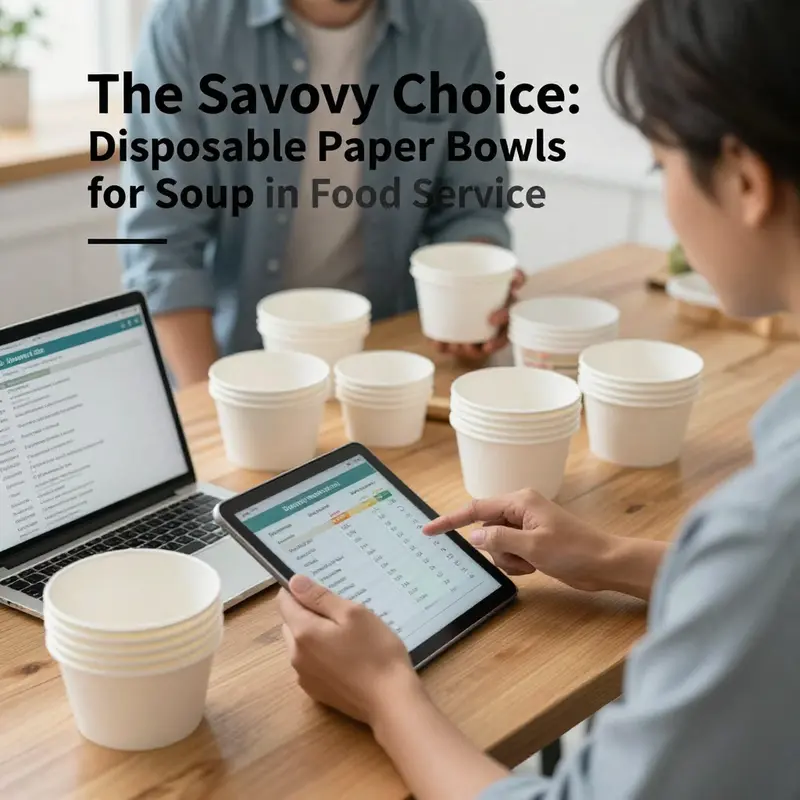
Viewed through an economic lens, sourcing disposable paper bowls for soup becomes a study in price signals, reliability, and the hidden costs of convenience. The decision extends beyond the sticker price of a single unit. It includes how quickly a supplier can scale to demand, how stable the material supply is during spikes, and how the packaging holds up under heat and transit.
Region and production geography shape everything from unit costs to lead times. In the global market, China has emerged as the dominant producer of disposable paper bowls, with particular belts in southern provinces specialized in eco-conscious packaging. Through economies of scale, mills and converters in these hubs can combine kraft-based materials with double-wall insulation or compostable linings at prices that Western buyers often cannot match at the same volume. This regional specialization lowers marginal costs, but it also concentrates supply risk in distant corridors, making the reliability of freight and port operations a critical part of the cost picture.
Pricing and bulk purchasing demonstrate the inverse relationship between volume and unit cost. For large orders, the unit price can fall meaningfully as volume crosses thresholds. For example, an 8-ounce kraft paper soup bowl might be quoted around 0.045 USD per piece when orders range from fifty thousand to under a million pieces. The same supplier may offer roughly 0.032 USD per piece when orders exceed one million units. Such price dynamics incentivize brands to forecast demand carefully and align procurement calendars with production cycles, while still guarding against overstock that could tie up cash in slow-moving inventory. It also shows that customization, especially branding through logos or colors, can be integrated without crippling the economics if the supplier’s in-house design teams and digital proofing systems streamline the process.
Lead times further color the math. Paper-based disposables tend to move faster from order to shipment than more complex or heavier alternatives, typically in the range of fifteen to thirty days. This faster turnover reduces working capital needs and allows for more responsive menus and seasonal promotions. Logistical proximity to major logistics hubs in southern China enhances reliability; shipments can be routed as Free On Board (FOB) from key ports, with shipping lanes feeding distribution centers near large metropolitan areas. Proximity matters because delays in customs clearance, port congestion, or vessel layups can erase modest time savings on the front end. A supplier’s ability to offer predictable schedules, backed by transparent lead times and real-time communication, becomes as valuable as price alone.
Choosing suppliers is not a matter of choosing the cheapest quote. A practical framework weighs price against minimum order quantities, quality assurance, and long-term fit with a brand’s sourcing profile. Operational reliability includes consistent production capacity, the ability to meet rush orders, and a track record of on-time delivery. Technical capability covers material safety, coating performance, and the feasibility of customizations, such as embossed logos or color-matched prints. Sustainability credentials matter increasingly, both to satisfy regulators and to align with consumer demand for greener packaging. Buyers often verify certifications, test results, and sample performance under hot-fill conditions. A thoughtful supplier evaluation balances short-term savings with long-run trust in supply continuity and product safety.
Market dynamics show a clear shift toward biodegradable and compostable packaging. Buyers are prioritizing eco-friendly certifications and coatings that reduce reliance on conventional plastics without compromising heat resistance or moisture barriers. PLA-coated options, or even PE-free designs, can offer a meaningful differentiation while meeting regulatory expectations in many markets. The sustainability premium is not merely philanthropic; it can translate into stronger brand equity and access to channels that insist on responsible packaging. Yet the economic benefit depends on the total value proposition: lower waste disposal costs for customers, reduced risk of leak-related complaints, and the ability to price the bowls in ways that cover the incremental materials investment. In practice, procurement teams weigh not only the sticker price but also the lifecycle costs of the packaging, including disposal and recycling considerations for clients who track sustainability metrics across their supply chains.
From the brand side, customization is both a design choice and a financial decision. Most suppliers can accommodate logo printing, color customization, or lid options through in-house teams that support digital proofs and smart production planning. This capability adds brand value without a dramatic rise in unit cost if the orders are large enough to justify the tooling and setup. The economics improve when the customization is part of a broader package, such as a coordinated takeout kit that includes matching lids, sleeves, and box packaging. The availability of samples, often free with the buyer covering shipping, reduces the risk of investment in a particular design. The minimum order quantities for such items tend to be high, but the long-term branding payoff can be substantial for chains and events that emphasize consistent packaging aesthetics across outlets. For brands exploring scalable branding options and wholesale customization, consider disposable wholesale custom logo-printed kraft paper soup bowl. This approach keeps the process tangible and grounded in real-world demand, linking the decision to concrete outcomes rather than abstract ideas.
Beyond price and lead time, the sourcing equation includes inventory strategy and the potential for supplier collaboration. Firms increasingly adopt supplier evaluation dashboards that monitor operational reliability, technical capability, and sustainability credentials over time, rather than one-off procurement cycles. A mature program might combine multiple suppliers to hedge risk, schedule rolling orders to align with promotional calendars, and maintain buffer stock against disruptions. Suppliers that can demonstrate transparent traceability—from raw material origin to finished product—tend to earn trust more quickly. In this environment, negotiating terms that support long-term partnerships often yields better pricing, more favorable payment terms, and earlier access to new eco-friendly coatings or liner materials that enhance performance without compromising safety. The result is a sourcing ecosystem where cost control, risk management, and corporate responsibility reinforce one another rather than compete for scarce attention.
External dimensions of this landscape include currency movements, global freight rates, and regulatory shifts that influence both the price and availability of these commonplace items. As volumes grow and brands demand more customized options, the economics becomes a story of how well the supply network can translate abstract sustainability goals into tangible product features without eroding margins. In practice, the best buyers build ongoing dialogue with suppliers, share demand forecasts, and participate in pilot programs that test new materials or coatings before a wide rollout. The commercial value comes from alignment: the supplier’s capacity to deliver consistent quality, the buyer’s readiness to commit to longer-term contracts, and the market’s hunger for responsible packaging that matches modern dining expectations without sacrificing performance. When the balance is right, a simple soup bowl becomes a quiet, recurring contributor to profitability, customer satisfaction, and brand integrity across channels.
External resource: https://www.hiroindustrial.com/.
Final thoughts
In summary, disposable paper bowls for soup not only enhance the operational efficiency of food service businesses but also align perfectly with the growing trend towards sustainability. As the industry continues to evolve, investing in these versatile and eco-friendly solutions can save time, support environmental initiatives, and meet customer expectations. By understanding their demand, technical strengths, eco-innovations, and economic implications, businesses can make informed choices that not only satisfy their operational needs but also contribute positively to their brand image. The future of food service is not just in what you serve but also in how you serve it—starting with the essential disposable paper bowl.