
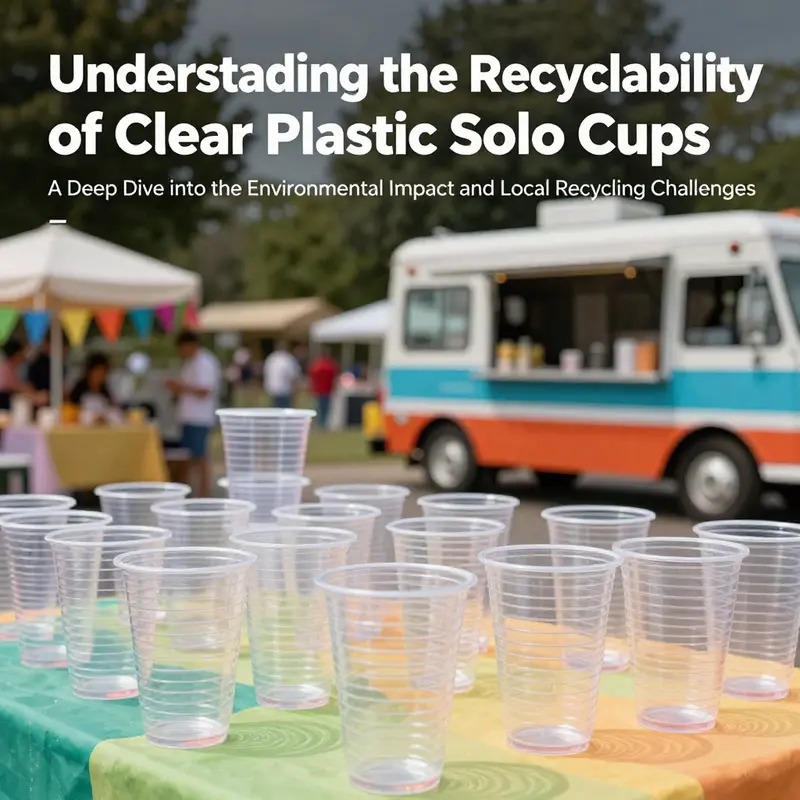
Clear plastic solo cups are staples in the beverage industry, from bubble tea shops to catering services. However, questions around their recyclability have emerged, impacting sustainability goals across these sectors. Understanding the recyclability issues associated with these cups is vital for businesses that prioritize eco-friendly practices. In this article, we will explore the recyclability challenges faced by clear plastic solo cups, the role of local recycling facilities, and the broader environmental impact of recycling or disposing of them. Each chapter aims to shed light on these intertwined topics, helping you make informed choices for your operations.
Clear, Contested, and Complicated: Navigating the Real Recyclability of Clear Plastic Solo Cups
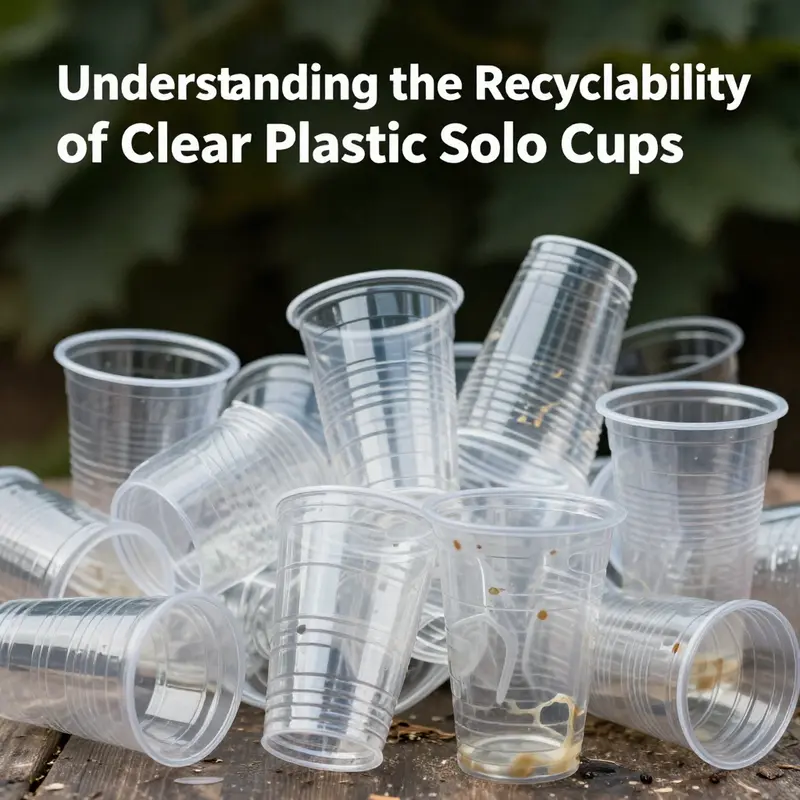
Clear plastic Solo cups carry an aura of simplicity and convenience, a staple of parties, picnics, and quick-service beverages. They are made to be light, transparent, and inexpensive, a trifecta that has helped them proliferate in homes and venues across the country. Yet beneath that gleam lies a network of challenges that complicate their fate at the recycling bin. This chapter does not pretend that the answer is straightforward. It traces how a material that is technically recyclable in theory finds itself stranded in practice, a casualty of thin walls, multi-material coatings, fluctuating facility capabilities, and a consumer environment that lacks consistent guidance. In doing so, it reveals why the question “are clear plastic Solo cups recyclable?” often yields a cautious, conditional answer rather than a clean yes or no.
At the core of the recyclability issue is material composition. Clear cups are typically associated with a few common plastic families, most notably polypropylene (PP, often cataloged as #5) and, in some instances, polystyrene (PS, often cataloged as #6), with PET (#1) appearing in some variations as well. Each material brings its own stream into the recycling ecosystem, and each faces its own set of hurdles when it comes to processing, cleaning, and reusing. The public narrative tends to treat plastics as a monolith, but recyclers see a mosaic in practice. The glass-clear appearance of these cups is achieved with polymers that, when fed into a recycling line, behave very differently from their bulk, more rigid cousins. The challenge is compounded when cups are designed for single-use, thin walls, and are often coated with a slim polyethylene (PE) layer to repel liquids and prevent seepage. That coating, while functionally essential for consumer experience, becomes a stubborn barrier in the separation and recovery process. A multi-material structure complicates what many facilities are built to do: sort, wash, regranulate, and repurpose plastic into a product of equal value.
The result of these material realities becomes visible in the actual throughput of the recycling system. A 2024 EPA report underscored a stark constraint: only about 30 to 40 percent of U.S. curbside recycling facilities are equipped to process PP and PS plastics, largely due to contamination concerns and the lack of established markets for recycled products. This is not a small variance; it signals a systemic gap between what the polymer science promises and what the recycling infrastructure can reliably deliver. The practical implication is somber: even when a consumer dutifully places a clear Solo cup into a recycling bin, the cup frequently travels off its intended path, ending in landfill or incineration where there is no opportunity to recover embedded energy or components in any meaningful way. A broader, historical perspective shows a similar uncertainty. Industry data over the years has indicated that about half of Material Recovery Facilities (MRFs) in the United States accept plastic cups for recycling. That acceptance varies not only by region but by the day, the season, and the particular facility’s equipment lineup and market conditions. When cups are accepted, they are often downcycled rather than recycled back into new cups, slipping into products like park benches, carpet fibers, or other consumer goods whose materials degrade in value with each processing loop. These dynamics reveal a cycle of progress and limitation: the system has the capacity to process some of these streams, but the likelihood of maintaining the original product’s quality through one or more recycling cycles remains low.
Delving deeper into the technical and logistical culprits clarifies why those numbers matter so much. Foremost is contamination. Cups used for beverages accumulate residues of oils, sugars, milks, and other organic matter. Even with a quick rinse, traces remain that can compromise the quality of the recycled stream. If a cup is not sufficiently clean, it may be rejected at the MRF, or it can contribute to fouling that makes the entire bale less marketable. In addition, the thin walls characteristic of single-use cups mean they are easily damaged during handling, processing, or transport, compounding the risk of contamination and reducing the value of the resulting material. The friction between a consumer expectation of convenience and the practicalities of proper waste handling is stark here: a single action—rinsing a cup—becomes the hinge on which the fate of a valuable resource turns. The situation becomes even more complicated when chemical coatings come into play. The thin PE layer that provides liquid resistance can hinder the separation of layers in multi-material cups. Recyclers seek streams that are as pure as possible, and a multilayer format disrupts that purity. It is not just about removing the cup from the waste stream; it is about preventing the formation of composites that are difficult to recycle into a single, high-value product.
The mechanical realities of reprocessing also shape the prospects for circularity. A recent 2025 study in the Journal of Polymer Science reported a troubling statistic: recycled PP from single-use cups exhibited a roughly 60 percent reduction in mechanical strength after a single reprocessing cycle. That degradation limits where recycled PP can be used, steering it away from high-performance applications and toward lower-value products. Such material attrition compounds the financial and logistical challenges faced by recycling facilities. If the recycled stream cannot produce a material with comparable performance, the incentive to invest in sorting and processing that stream diminishes. This in turn feeds back into the system’s willingness to process these plastics in the first place, reinforcing a cycle of selective acceptance and selective leakage of cups into the waste stream.
Policy landscapes across municipalities often mirror these technical complexities. Many local recycling centers explicitly state on their websites that plastic cups, including clear Solo cups, are not accepted. The reasons are clear: these centers have finite budgets, limited space, and a need to optimize their operations around streams with stable markets and predictable performance. When cups are accepted, the results can be inconsistent from one community to the next, with some areas reporting successful recovery while others report persistent contamination and rejection. It is this patchwork of acceptance and rejection that fuels consumer confusion. Labels on cups may vary across brands and even across batches, and without universal labeling standards, a consumer cannot reliably determine if a cup is “recyclable” in their own town. The lack of standardized labeling and inconsistent regional policies complicates something as simple as deciding where to put a cup after its first use. In effect, the optimal outcome for many clear Solo cups is not a high-value recycling loop but a carefully managed, sometimes inconvenient, end-of-life plan that aligns with local infrastructure.
The consumer experience, understandably, becomes a source of further friction. People want to do the right thing, but with mixed messages and the absence of consistent guidance, many default to disposal in the general waste stream. A portion of households are fortunate enough to live in areas that offer drop-off locations or special collection events specifically for hard-to-recycle plastics. These options provide a more viable pathway for items that do not fit neatly into curbside recycling, including a range of flexible packaging and multi-material products. However, those programs are not universal, and participation often requires additional effort, odd hours, or a willingness to carry items to a distant facility. The sheer friction of these logistics reduces the likelihood that a typical consumer will engage with them consistently, which further diminishes the chance that a clear Solo cup will re-enter the economy as a high-quality material.
All of these realities point toward a simple but sobering conclusion: the best environmental outcome, in many cases, is not to rely on the recycling system to redeem a clear plastic Solo cup after a single use. While it is technically feasible in some contexts to recycle PP or PS cups, the practical likelihood of shaping a cycle that returns a cup to its original form is low. The outcomes favor downcycling into products that do not demand the same material precision, or, in the worst case, disposal in landfills. In light of these uncertainties, the best path forward for households and organizations is to adopt a precautionary approach that emphasizes reduction and reuse where possible. This means rethinking consumption patterns and embracing reusable alternatives that deliver the same social conveniences without creating the same downstream waste problem. It also means designing events and venues with waste streams that support more robust recycling or composting where appropriate, including clear signage and accessible collection points that guide participants toward the right disposal options.
To illustrate the practical implications of these insights, consider the lifecycle from use to end-of-life. A consumer reaches for a clear Solo cup to drink water, soda, or a cold beverage. The cup’s thin walls yield a convenient, molded-fit product that feels light and disposable in a moment of need. After use, the cup is rinsed or not, placed in a recycling bin, and travels to a local recycling facility or a drop-off site. If the facility is equipped to handle PP or PS streams and if the cup is sufficiently clean, the material can be processed, washed, and pelletized. But here the success rate is never guaranteed. A certain portion of cups will be rejected for contamination, and some will be downcycled into other products rather than returned to the same grade of material. The end result is that many cups travel through a system that is optimized for other plastics or other product categories, rather than the original cups. And even when a cup is accepted, the economic and performance realities of reprocessing mean that the cup’s end-of-life product is unlikely to be a fresh cup at scale. The prospect of a full circular loop—where a used cup becomes a new cup of the same specification—is therefore more aspirational than routine.
In the face of this reality, what can shoppers, hosts, retailers, and policymakers do to tilt the balance toward more sustainable outcomes? First, they can check local guidelines and remain aware that even within a given city, households may encounter different rules for curbside recycling versus drop-off programs. Second, they can invest in the simple act of rinsing and emptying cups before disposal, reducing the contamination load on the recycling stream. Third, they can prioritize reusable options where feasible, selecting durable cups for frequent gatherings and providing clear, accessible setups for washing and storing these items between uses. Fourth, they can support or advocate for waste-management improvements, including better labeling standards that reduce consumer confusion and more robust markets for recycled plastics, particularly PP and PS streams that can justify the infrastructure investments at MRFs. Finally, they can explore alternatives to plastic cups altogether, such as paper-based or compostable options where appropriate, or even a mixed-use approach that leverages more sustainable disposables when they are paired with take-back or composting programs.
The broader question—whether clear plastic Solo cups are recyclable—has to be understood as part of a larger conversation about how communities design and manage material systems. The answer is not a single, universal directive but a spectrum of realities defined by material properties, facility capabilities, and local policies. The takeaway is not a dismissal of recycling as a concept, but a sober recognition that the path for these cups is narrower than consumers may assume. The practical implication for individuals is straightforward: where possible, reduce reliance on single-use cups and favor reusable vessels. Where disposal is unavoidable, align with local programs, seek out drop-off or special collection opportunities, and accept that the end-of-life journey for many cups may involve downcycling rather than a direct return to the original product.
For readers who want to explore alternatives and broader waste-management strategies, an additional resource that frames the conversation around more sustainable cup systems is available. This resource highlights the shift toward recyclable pulp-based cups and other formats designed to fit more seamlessly into established recycling streams and markets. It offers a practical lens for organizations seeking to redesign menus, packaging, and service models around materials that maximize recovery and minimize leakage into landfills. By linking the issue of clear Solo cups to a broader suite of packaging choices, readers can begin to see how small shifts in product design, procurement, and event logistics can aggregate into meaningful environmental benefits. If you are seeking a concrete example of such an alternative, you can explore their catalog page on eco-friendly recyclable pulp-based options, which illustrates how producers and retailers are moving toward materials that align more closely with existing recovery infrastructure and consumer expectations. eco-friendly recyclable pulp cups.
In sum, the recyclability of clear plastic Solo cups is a nuanced problem rooted in material science, processing realities, and human behavior. The pathway to a more circular approach is not guaranteed, but it is achievable through a combination of better design, smarter waste management, and a cultural shift toward reuse and responsible disposal. The EPA’s latest assessments point to essential leverage points—improving sorting capabilities, expanding market demand for recycled PP and PS, and encouraging standardized labeling—that, if acted upon, can gradually expand the viable recycling options for these cups. The next chapter will examine how design choices, consumer habits, and policy instruments intersect to shape the practical outcomes of these materials in the circular economy. The overarching message remains clear: while clear plastic Solo cups are technically recyclable in theory, the reality of their recovery depends on a coordinated system that prioritizes cleanliness, sorting efficiency, material compatibility, and, crucially, an appetite for reuse that reduces waste before it becomes the end-of-life question it often becomes.
External resource for additional context: EPA Plastics Recycling and Waste Management.
Local Gatekeepers, Global Impact: The Real Recycling Path of Clear Plastic Solo Cups
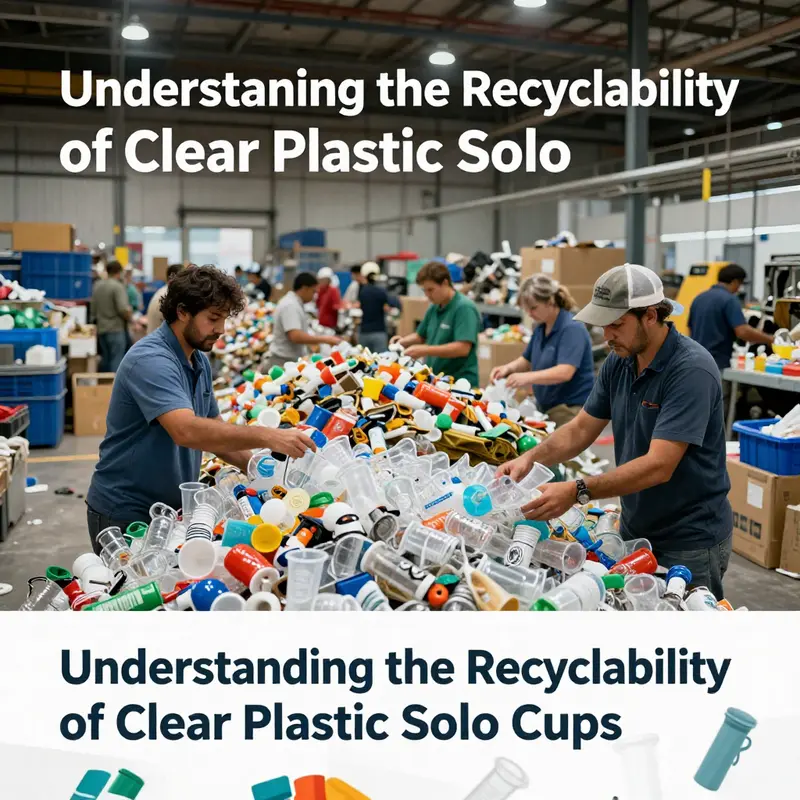
Clear plastic Solo cups exist in the spotlight of gatherings and fingerprints, yet their fate after the last clink of ice is not a simple matter of recycling willingness. The question—are these cups recyclable?—unfolds into a complex conversation about local infrastructure, material science, and the economics of waste processing. In many households, a cup tossed into the blue bin feels like a straightforward act of responsibility. But the truth is shaped far more by the community you live in than by the cup itself. Local recycling programs, the machines that sort trash, and the markets for recycled material all collaborate to decide whether a clear cup becomes a resource rather than a remnant of consumption. This is the chapter where the quiet details of local facilities illuminate a much larger story about recyclability in a real, everyday context.
To begin with, the material reality of clear Solo cups complicates the recycling equation. Clear cups are often associated with polystyrene, a plastic labeled #6. Polystyrene has long been praised for its light weight and low cost, but those very traits complicate recycling. In some cases, clear cups labeled as “clear” may come from sources that use different resins, including #1 polyethylene terephthalate (PET) or even #5 polypropylene (PP). The result is a spectrum of products that share a transparent appearance while diverging in chemical composition and recycling viability. The broader takeaway is not a uniform answer but a spectrum of possibilities that depends on the cup’s exact plastic family and the local system that processes it.
Even when a cup’s material is technically recyclable in theory, the practical path to reusing that material is rarely straightforward. A central barrier is contamination. Food and liquid residues are extremely common on cups used at parties, picnics, and fast-paced events. When a piece of plastic is contaminated, many facilities simply cannot process it without jeopardizing the integrity of the entire batch. Washing facilities can remove some residue, but not all, especially in high-volume streams where cups arrive mixed with food packaging or other refuse. Contamination may trigger additional handling costs, reduce the quality of the recovered plastic, or lead to outright rejection at the point of intake. The result is a landscape where a cup’s recyclability becomes a function of the cleanliness expectations set by the local program, the timing of collection, and the capacity to separate, wash, and bale the material for reuse.
Another hurdle is the physical form of the cup. The slender, lightweight geometry can pose sorting challenges at Material Recovery Facilities (MRFs). Sorting lines rely on a mix of mechanical, optical, and air-based processes to separate plastics by resin type and by product category. A small, curved rim or a thin wall can create misclassification or even mechanical jams. In some instances, cups may blow off conveyors or collect in the wrong scrap stream, contaminating more valuable plastics such as PET. The sorting machinery is designed to maximize throughput and efficiency, and while improvements in optical sorting and shredding have advanced the field, the cup’s shape and weight still complicate the job.
Industry data reflect these real-world frictions: roughly half of U.S. MRFs reportedly accept plastic cups for recycling. This statistic is not a universal endorsement of cups everywhere; it’s a candid snapshot of a fragmented system. Even in markets where cups are accepted, the journey does not end with a clean return to a new cup. More often than not, the material is downcycled into products with shorter lifespans, such as park benches or carpet fibers, rather than being reclaimed into new cups. Downcycling preserves some value but does not close the loop in the way a true circular economy would demand. The practical consequence for consumers is clear: acceptance varies by town, and even when accepted, there is no guarantee of a second life as a cup.
Given these realities, the most pragmatic approach for individuals who want to navigate this terrain is twofold: awareness and action grounded in local guidelines. The first step is to verify what your municipality actually accepts. Programs differ widely, and some communities have specific drop-off locations or events dedicated to hard-to-recycle plastics, including polystyrene products. It is not uncommon for a cup thrown away in one town to be recyclable in the neighboring jurisdiction, depending on the local facility’s capabilities and policies. The second step is to minimize contamination and optimize the material’s chances of processing. A simple ritual of rinsing cups can help, though it does not guarantee acceptance. Keeping cups clean reduces the burden on sorting facilities and improves the quality of any recovered material, which can tip the balance in a facility’s decision to process polystyrene plastics. Yet even with best practices, the bottom line remains imperfect: some cups will end up in landfills, particularly in regions where the local system lacks the necessary support or capacity to handle PS or PET cup streams.
The environmental calculation does not end with whether a cup can be recycled in a given city. The broader context includes the resource intensity of producing cups, their distribution, and the energy required to collect, sort, and reprocess them. In the life cycle of a typical single-use cup, energy and materials are invested in making the product, transporting it to events or retail locations, and eventually transporting and processing it at a facility that may or may not accept the material. When a cup is downcycled into a bench or carpet fiber, the material experiences one more life cycle, but that life is not the same as manufacturing a fresh cup with the same resin. The systemic challenge is that a product designed for low cost and convenience often encounters a recycling system that struggles to transform it into something equally valuable when it becomes waste. This mismatch between design intent and end-of-life options is a recurring theme in conversations about single-use plastics.
In this context, the guidance often pointed by stewardship advocates and waste professionals alike is forward-looking and practical. The safest, most responsible choice at many gatherings is to reduce reliance on single-use plastics, or to opt for reusable options when feasible. A durable, dishwashable cup used multiple times can dramatically reduce overall waste and the energy footprint associated with production, transport, and end-of-life handling. For those events where disposables seem unavoidable, exploring alternatives that align better with current recycling infrastructure can make a meaningful difference. The shift toward reusable cups does not require a dramatic lifestyle change; it can be integrated into event planning with attention to storage, cleaning logistics, and user-friendly handling. The goal is not perfection in every instance but a sustainable pattern that lowers waste and reduces the number of cups reaching the end of life.
From a policy and practical perspective, local guidance can be a bridge between ideal recycling outcomes and real-world behavior. Community education about what is accepted, how to prepare items for recycling, and where to drop off problematic materials can improve processing efficiency and reduce contamination. For those who seek more concrete local information, Earth911’s recycling search serves as a practical, user-friendly tool to identify nearby facilities, programs, and drop-off opportunities. This resource does not promise universal acceptance but offers a realistic map of what exists in each town and how residents can participate more effectively. You can explore the local landscape here: Check Your Local Recycling Guidelines.
As you reflect on the local realities of clear plastic Solo cups and their place in a recycling system, consider emerging avenues that reimagine how such cups are designed, marketed, and disposed of. Sustainable packaging now increasingly explores materials that blend recyclability with practicality, aiming to reduce the friction between consumer habits and the capacity of waste management systems. In this evolving landscape, one promising direction is to diversify away from traditional single-use plastics toward materials designed with end-of-life considerations in mind. For instance, there are pulp-based, recyclable alternatives that offer different handling characteristics and may be accepted by a broader range of facilities. These options retain the functional benefits of cups for serving beverages while aligning more closely with what many recycling programs can process. To learn about one such alternative, you can explore a broadly framed option here: eco-friendly recyclable pulp cups.
The essential takeaway is that the recyclability of clear plastic Solo cups is not a universal attribute but a local negotiation. It hinges on the resin used, the cup’s geometry, the contamination level, and the operational realities of nearby facilities. When communities invest in clearer labeling, better separation technologies, and more robust take-back options for hard-to-recycle plastics, the odds improve that a cup may reenter the cycle rather than the landfill. Until then, a practical approach for households and event organizers is to prioritize reuse, educate participants about proper disposal, and consult local guidelines to understand the options available in their area. The cup’s external shine does not guarantee a closed loop, but informed choices can move the needle toward a more circular practice.
External resource: Earth911 – Check Your Local Recycling Guidelines: https://www.earth911.com/
The Thin Barrier: Unpacking the Recycling Reality of Clear Plastic Solo Cups
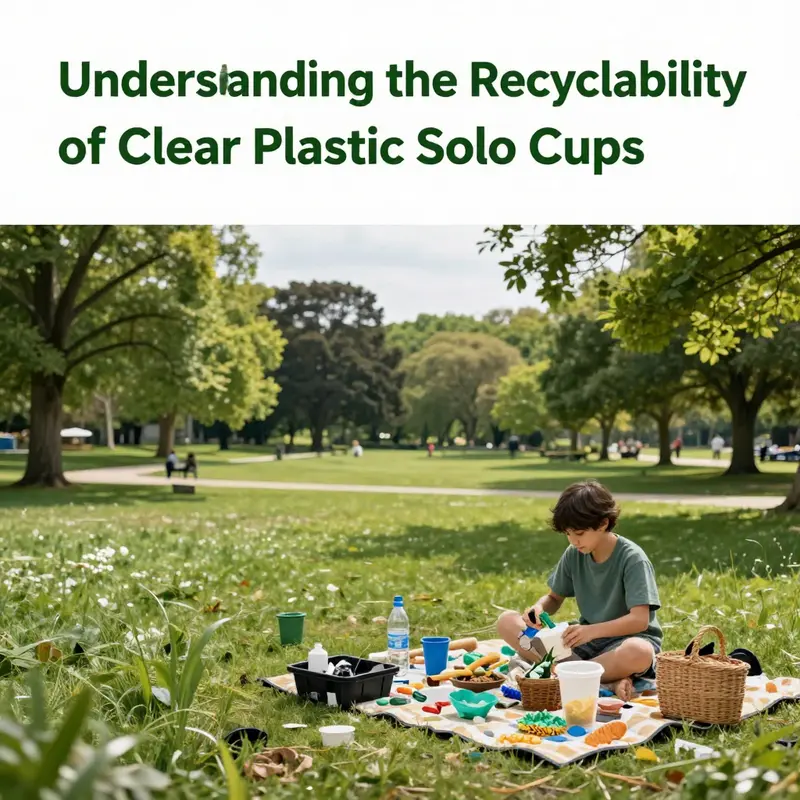
Clear plastic Solo cups have become a quiet emblem of convenience, the kind of item you grab without a second thought and then forget about once the party ends. They are small, light, and ubiquitous in settings from backyard barbecues to bustling stadium concourses. Yet beneath their everyday familiarity lies a set of complex environmental questions that few users ever confront. These cups are typically made from plastic polymers that are technically recyclable. In practice, however, the story diverges sharply from the theory. Many municipalities exclude plastic cups from curbside programs, and those that do accept them may still face challenges that deter widespread recovery. In the most basic terms, the issue is not the material alone but the circumstance in which the material enters the waste system and the economics that govern its fate after use. When a cup is emptied and rinsed, it might still be contaminated with food or beverage residue, and the cup’s slender form can trick or jam sorting machinery within Material Recovery Facilities (MRFs). The result is a recycling ecosystem that treats clear Solo cups as a problematic item rather than a routine feedstock for circularity.
The scientific premise is straightforward: many Solo cups are made from polypropylene, identified by the number 5 in the resin identification code. Polypropylene is technically recyclable and is valued for its durability, chemical resistance, and relatively low density. But a label alone does not guarantee recovery. The physical realities of recycling logistics—such as the cup’s thin walls, conical shape, and the scattered streams of liquid and food residue they often carry—complicate the work of reclaiming the material. In practice, curbside programs differ dramatically from one jurisdiction to another. Some programs explicitly reject plastic cups, citing the poor economics of processing such small, contaminant-prone items. Others will take them only if they are thoroughly cleaned and sorted into the right stream, a demand that many households struggle to meet consistently. The net effect is a patchwork system in which the same cup can be recycled in one city yet be effectively stranded in another. Industry data reflects this variability: a considerable share of MRFs in the United States does not accept plastic cups, and among those that do, the recovered PP may be downcycled rather than remanufactured into new cups. A practical takeaway for the consumer is simple but consequential—your local recycling guidelines matter greatly for whether a clear cup can re-enter a closed loop or end up as a lower-value product.
To understand the landscape, it helps to examine the broader recycling context. The global recycling rate for plastics remains stubbornly low, a fraction that sits well below ten percent in many assessments. This means that the majority of plastic waste, including single-use cups, ends up in landfills or is incinerated, with emissions and long-term environmental costs that ripple across landscapes. Even in places where it is technically possible to recover polypropylene cups, the recycled material often cannot be fed back into the same food-contact applications. The process yields a form of recycled PP that typically finds use in non-food-grade items, such as construction materials, fibers for textiles, or consumer goods that carry less stringent safety standards. In other words, the loop that would return a PP cup to its original form is not guaranteed by the recycling system alone.
A critical insight comes from looking at the energy and resource inputs associated with recycling. The act of collection, transport, cleaning, separation, melting, extruding, and reforming plastics into new products consumes energy and water. Even when recovery occurs, the end product is not a pristine, food-safe material ready to re-enter the marketplace as a cup. Instead, it often meets new constraints and standards that limit its use to non-food applications. This reality compounds the cost-benefit calculus that communities perform when deciding how to handle post-consumer cups. In some environments, the environmental advantage of recycling may be overshadowed by the energy demand and emissions associated with the process, particularly if the cups are not efficiently sorted or are contaminated beyond a manageable threshold.
The research landscape adds further nuance through targeted studies and industry analyses. A notable strand of evidence comes from Greenpeace East Asia, which has explored the comparative environmental impacts of disposable and reusable cup systems. In their analysis, the environmental case for reusable polypropylene cups improves markedly when the cups are used many times and when collection and cleaning are tightly managed. Specifically, their findings indicate that reusable PP cups must be used at least ten times to surpass the environmental burden of a single-use PP cup. The threshold drops when you compare reusable cups to paper cups with PP lids, with the reuse benchmark near twenty uses in those comparisons. And in controlled environments—such as concerts or sports events where cups are systematically collected, washed, and redistributed—the environmental advantage of reusables can emerge after only a few uses, even as low as three. These figures underscore a pivotal point: the environmental performance of clear PP cups hinges not on the material alone but on the context of use, handling, and the fidelity of recycling or reuse systems surrounding them. The broader implication is that stopping at the material level risks obscuring the larger systemic leverage points that actually reduce environmental impact.
The core barrier, then, is a consumption model that privileges convenience over circularity. The single-use culture fragments the value chain and complicates the economics of recycling. When a cup is discarded after a brief moment of use, the opportunity to reclaim and restore that material into a high-value product diminishes. Contamination worsens the challenge. A cup that has carried beverage or food residues is a signal that more energy and water will be spent to sanitize it to a level acceptable for reuse or safe for high-value recycling. Some municipalities have responded with clearer guidance on cleaning expectations, but even thorough rinsing cannot guarantee acceptance where sorting systems are not designed to handle the unique geometry of a cup. The size and shape of a Solo cup can lead to sorting inefficiencies and misrouting within the belt lines of MRFs, increasing the likelihood that a cup will be diverted to landfill rather than recovered.
There is another layer worth acknowledging. Even when a cup is accepted by a recycling facility, the economics of recycling plastic cups remain challenging. The market value of polypropylene recovered from used cups is relatively low, which discourages investment in the specialized handling required to prevent contamination and breakage. In such a market, downcycling—where plastic is transformed into lower-value products like carpeting fibers or park benches—becomes the standard rather than true upcycling back into new cups. This reality contrasts with expectations many consumers hold from the circular economy narrative: that recycling simply returns a resource to the same product. The mismatch between user expectations and on-the-ground capabilities helps explain why many cups do not reappear as cups in the supply chain.
Given this reality, practical advice for individuals and institutions is both pragmatic and ethical. The first step is to verify local guidelines. Some communities offer drop-off locations or special events for hard-to-recycle plastics, including clear cups. In other areas, the advice may be to avoid single-use cups altogether in favor of reusable alternatives. The decision often depends on the scale of use and the efficiency of the local recovery system. For organizers of events, the case for reusable cup programs becomes stronger with reliable collection, efficient washing, and redistributable inventory. In these controlled settings, the environmental payoff can be substantial, often measured in reductions in waste sent to landfills and lower overall emissions compared with disposable alternatives. To help communities move toward that outcome, it is helpful to acknowledge the existence of viable packaging options that can be leveraged to close the loop, including cups designed for repeated use and those manufactured with end-of-life recovery in mind.
For readers who want to explore tangible options in packaging design and reuse pathways, there are product lines and solutions focused on reusability and refillability. Some producers design cups with standardized shapes and lids that facilitate washing and redistribution in event settings, enabling a higher reuse rate and a reduction in waste. Additionally, there are commercially available options aimed at minimizing the energy intensity of cleaning cycles, using materials and coatings that improve wash efficiency and extend the life of the product. While these alternatives still sit within a broader behavioral shift toward reuse, they offer a practical bridge from the current recycling bottlenecks toward a more circular approach. In this sense, the challenge is not simply to recycle more cups but to rethink how we measure and value material recovery in everyday contexts.
A subtle but important dimension of the discourse concerns consumer responsibility and the social norms that shape waste outcomes. Clear cups are often part of casual, social scenes where people are less mindful of disposal consequences. The decision to rinse, scrape, and sort may be overlooked in the rush of a busy event or that moment of celebration at a party. Yet those tiny choices accumulate into meaningful environmental effects. Education and clear signals from venues, retailers, and city programs can help shift behavior. More precise labeling on packaging, clearer separation guidance at point-of-use, and accessible recycling infrastructure all contribute to reducing contamination and raising the probability that cups are handled appropriately after use.
From a design perspective, the conversation also touches on the aesthetics of the product and the messages conveyed by packaging. The blue-hued clarity of a PET or the milky translucence of a PP cup can influence how people perceive their waste stream. When a product carries a conspicuous message about recyclability, it can foster a false sense of security that everything will simply be recycled. The reality is more nuanced. If the local system does not support efficient recovery, the perceived recyclability does not translate into environmental benefit. This tension underscores the importance of honest communication about limitations and realistic expectations. It also highlights the opportunity for brands, event organizers, and governments to collaborate on standardized, practical pathways to improve outcomes—pathways that emphasize reuse, improved contamination control, and the development of recyclable or compostable alternatives where appropriate.
In closing, the environmental story of clear plastic Solo cups is not a simple inventory of materials or a single policy prescription. It is a window into how waste moves through a complex network of production, consumption, collection, and processing. The story reveals that while polypropylene is technically recyclable, the practical recycling of clear Solo cups faces systemic hurdles: contamination, small size, sorting challenges, uneven acceptance, and a market that does not always reward recovered PP with high-value applications. The Greenpeace analysis adds a crucial dimension to this understanding by quantifying the conditions under which reuse can outperform single-use consumption, and by highlighting that meaningful gains are most likely when reuse systems are well-managed and extended to practical, real-world contexts such as events. This is not to disparage the idea of recycling but to acknowledge that recycling alone cannot solve the problem if the infrastructure and cultural practices that enable true circularity remain underdeveloped. The path forward, then, requires a blended strategy: advocate for reuse where feasible, support improved recycling streams where recovery is possible, and recognize when alternatives may offer a clearer environmental advantage. Consumers can contribute by choosing reusable options whenever practical, seeking out venues and programs that invest in efficient collection and cleaning, and staying informed about local policies. Businesses and policymakers, for their part, can drive change by aligning product design with end-of-life realities, investing in waste reduction programs, and communicating transparently about the limits and potential of different disposal pathways. By approaching the issue with humility about current capabilities and ambition for better systems, society can move toward a future in which clear cups contribute to a genuinely circular economy rather than becoming a persistent symbol of disposable culture.
For readers seeking a broader perspective on the trajectory of disposable cups and the road to elimination of single-use plastics, the following external resource provides a comprehensive lens on the policy and practical shifts needed to reimagine cups as non-disposable items: https://www.greenpeace.org/asia-east/press/57492/circular-cups-the-way-forward-to-eliminate-disposable-plastic-cups/ . And for readers curious about design and packaging options that align with reuse and responsible end-of-life pathways, a practical example from the packaging sector is helpful: eco-friendly-printed-logo-cold-beverage-cup-paper-cup-with-lid.
Final thoughts
Understanding the recyclability of clear plastic solo cups is essential for businesses committed to sustainability. While issues such as contamination and local facility capabilities pose significant barriers to recycling, every step taken toward informed decision-making can contribute to a greener future. Choosing alternatives, engaging in proper waste sorting, and advocating for better recycling practices can enhance your establishment’s eco-friendliness. Remember, sustainability is not just about reducing waste; it’s about fostering a culture that prioritizes environmental responsibility.