
Introduction
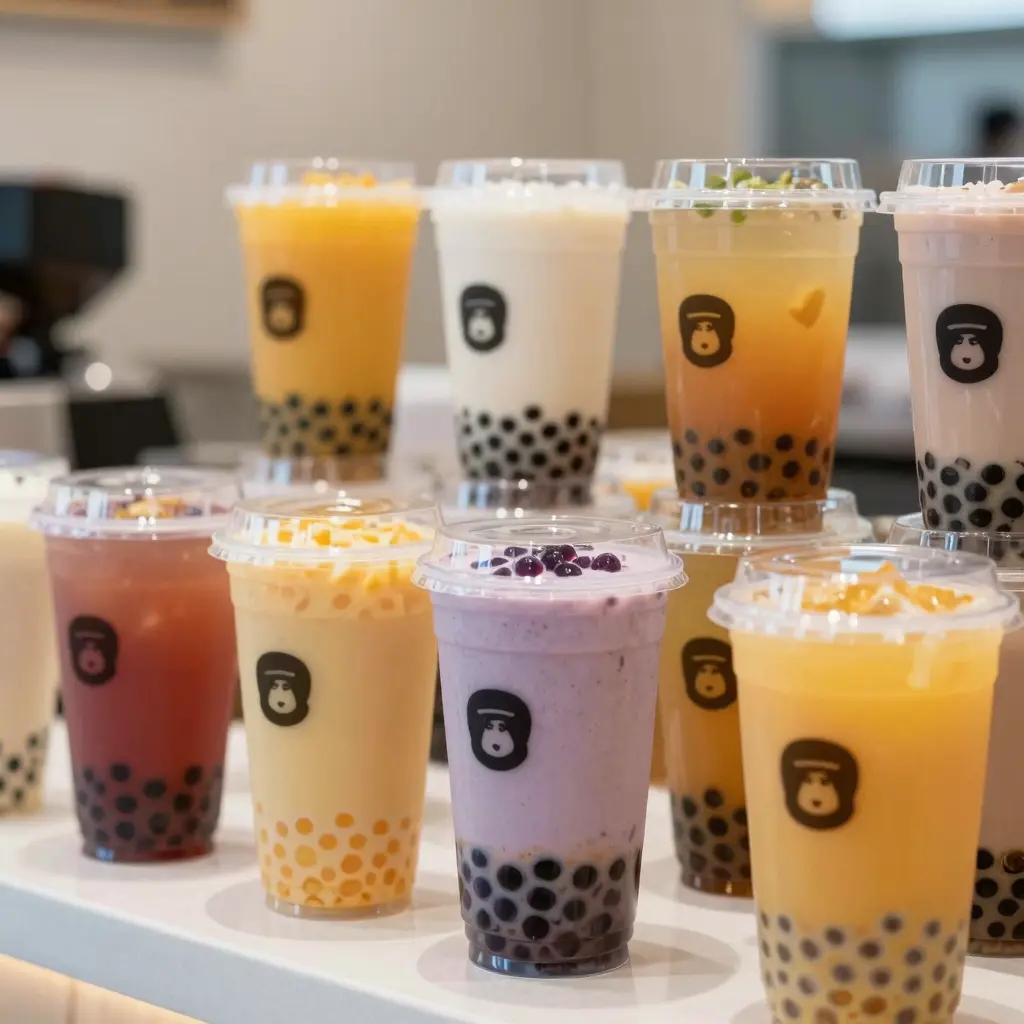
In the bustling world of the beverage industry, particularly within bubble tea shops and restaurants, the role of food-grade plastic containers is paramount. These containers not only provide a safe and hygienic way to serve delicious drinks but also significantly influence customer satisfaction and brand perception. Targeting bubble tea shop owners, restaurant managers, food truck operators, catering services, event planners, and corporate procurement teams, understanding the nuances of food-grade materials can make all the difference. The quality of a container can enhance the overall presentation of beverages, ensuring that every sip is as enjoyable as the first. Additionally, safe food storage and transport affect the taste and texture of products, making it essential to pay attention to the standards that govern food-grade plastics. As we delve into the discussion surrounding safety standards and product options, it’s crucial to highlight the wide range of available food-grade plastic containers tailored for different business needs. To discover various paper packaging options, and understand the importance of choosing the right materials for your beverage creations, let’s embark on this journey together!
Overview of Food-Grade Plastics
Food-grade plastics are materials that have been deemed safe for use in contact with food and beverages, serving a critical role in the food service and packaging industries. These plastics are designed to meet stringent safety standards, ensuring that they do not leach harmful substances into food products. Understanding what food-grade plastics are, along with their types and importance, is essential for any establishment involved in food preparation and service.
Definition of Food-Grade Plastics
Food-grade plastics are officially certified materials that comply with international regulations regarding food safety. This classification ensures that they are suitable for use in food packaging, preparation, and storage. These materials undergo rigorous testing and assessments to confirm that they will not contaminate food products, making them a reliable choice for eateries, catering services, and food production facilities.
Types of Food-Grade Plastics
Various types of food-grade plastics exist, each suited for different purposes:
- High-Density Polyethylene (HDPE): Known for its strength and durability, HDPE is resistant to many chemicals and is commonly used for containers and bottles.
- Low-Density Polyethylene (LDPE): Flexible and lightweight, LDPE is often used for bags and wraps. It is considered safe for food contact.
- Polypropylene (PP): This plastic resists heat and is often used for containers that require durability and transparency, such as inline packaging.
- Polyethylene Terephthalate (PET): A common choice for beverage bottles, PET is lightweight, shatterproof, and 100% recyclable.
- Polystyrene (PS): This is often used for food containers and disposable tableware but is less desirable due to its potential to leach chemicals.
Importance of Food-Grade Plastics in Food and Beverage Establishments
The significance of food-grade plastics cannot be overstated; they are essential for:
- Safety and Compliance: These materials meet rigorous safety standards, preventing the transfer of harmful chemicals to food products. This is vital for maintaining consumer health and meeting industry regulations (learn more about food safety standards).
- Quality Preservation: Food-grade plastics help maintain the integrity of food, protecting it from spoilage and contamination during storage and transportation.
- Cost-Effectiveness: Given their durability and versatility, food-grade plastics are often more affordable compared to alternative materials, making them an economically sound choice for restaurants and food vendors.
- Sustainability: Many food-grade plastics are recyclable or made from renewable resources, aligning with the growing demand for eco-friendly products in the food industry (explore sustainable packaging options).
In conclusion, food-grade plastics play an indispensable role in the food and beverage sector, ensuring safety, quality, and efficiency. As the industry evolves towards more sustainable practices, selecting appropriate food-grade materials remains critical for businesses aiming to thrive in a competitive market.
Comparison of Food-Grade Plastic Containers
| Material | Properties | Safety Rating | Typical Uses |
|---|---|---|---|
| PET | – Lightweight – Good clarity – Strong barrier against moisture and gases – Recyclable (#1) |
Generally safe for food contact, but avoid high temperatures (e.g., not suitable for microwave use) | Beverage bottles, salad containers, dairy packaging |
| HDPE | – High strength-to-density ratio – Resistant to impact and chemicals – Durable and flexible – Recyclable (#2) |
Safe for food storage, can withstand high temperatures | Milk jugs, detergent bottles, food containers |
| PLA | – Biodegradable and compostable – Made from renewable resources (corn starch) – Weaker moisture and oxygen barrier – Not as heat-resistant as PET or HDPE |
Considered safe for food contact; however, best suited for short-term use | Disposable cutlery, cups, and containers, especially for cold items |
Safety Standards for Food-Grade Plastic Containers
When it comes to food-grade plastic containers, safety is non-negotiable. These products must comply with stringent regulations set by the U.S. Food and Drug Administration (FDA) to ensure that they do not impart harmful substances into food. Here’s a closer look at these safety standards and how they protect consumers in various industries, including bubble tea shops, restaurants, and catering services.
FDA Regulations
The FDA classifies materials that contact food into various categories, establishing guidelines that manufacturers must follow. To qualify as food-grade, a plastic container must:
- Be made from approved materials: The FDA has a list of polymers approved for food contact, ensuring they are safe for consumer use.
- Undergo rigorous testing: Materials must demonstrate their inability to leach harmful chemicals into food. This includes assessments for thermal stability, migration testing, and overall safety evaluations.
- Bear specific labeling: Food-grade containers typically feature recycling codes indicating their safety status. The most common include numbers 1 (PET), 2 (HDPE), 4 (LDPE), and 5 (PP).
Consumer Protections
These regulations are crucial for consumer safety, especially for businesses that rely on food packaging. By adhering to FDA guidelines, companies like Green Dispopack can assure their customers that their products are not only safe but also sustainably sourced.
Here’s how FDA standards protect consumers:
- Prevent Chemical Leaching: Safety tests ensure that chemicals do not migrate from the container to the food, which might lead to toxicity.
- Quality Assurance: Regular updates and strict regulations by the FDA ensure that manufacturers maintain high standards, leading to safer food storage.
- Consumer Awareness: By educating consumers to look for FDA-approved labels, individuals can make informed choices about the containers used for their food products.
Conclusion
In conclusion, the FDA regulations for food-grade plastic containers are comprehensive and focus on ensuring the safety and well-being of consumers. For businesses in the food industry, including food trucks and corporate procurement teams, familiarity with these standards not only enhances operational safety but also builds consumer trust. Choosing the right containers can significantly impact both food quality and customer satisfaction, making compliance with these regulations essential for long-term success. For more information on environmentally friendly food packaging options, check out Green Dispopack’s sustainable offerings.
Benefits of Using Food-Grade Plastic Containers
When it comes to serving food and beverages, food-grade plastic containers offer a plethora of benefits. Here are some prominent advantages that make them a popular choice for bubble tea shops, restaurants, food trucks, and catering services:
-
Safety: Food-grade plastic containers are designed and tested to meet stringent safety standards. They are less likely to leach harmful substances into food and beverages, ensuring safe consumption. This is particularly important for beverages like bubble tea, where quality and flavor must be preserved. You can learn more about safety standards.
-
Durability: Made from high-quality materials, food-grade plastic containers are not prone to breaking, unlike glass. Their durability makes them ideal for busy environments in restaurants or food trucks where items could get knocked over or dropped.
-
Lightweight: These containers are lighter than glass or metal counterparts, making them easier to transport, stack, and store. This characteristic aligns well with the fast service needs in the food industry.
-
Cost-Effectiveness: Food-grade plastic containers are generally more affordable than glass or other materials. This allows businesses to save money, especially when purchasing in bulk. It also means that businesses can offer competitive prices without compromising on quality.
-
Non-Reactive: Food-grade plastics do not react with acidic foods or beverages, preserving their taste and quality. This makes them perfect for storing sauces, marinades, and beverages.
-
Eco-Friendly Options: Many modern food-grade plastic containers are now made from recycled materials or are recyclable themselves, making the switch an environmentally friendly option. Businesses can promote sustainability while maintaining practicality in their service.
With these compelling benefits, it’s no wonder that food-grade plastic containers are preferred in the food and beverage industry, especially in settings like food trucks and catering. They blend safety, durability, and cost-effectiveness while addressing the ever-increasing demand for practical packaging solutions.
“Ensuring that food packaging materials do not pose health risks to consumers is crucial, as they directly contact food products. Rigorous testing protocols are necessary to guarantee safety.”
Ensuring food safety is not just about what’s inside the packages; it’s also about the materials used to package the food. This underscores the importance of selecting high-quality, food-grade plastic containers to maintain the integrity and safety of the food, especially in the beverage industry. For those looking for quality options, check out our extensive range of food grade plastic containers.
Eco-Friendly Food-Grade Plastic Options
As businesses strive to meet sustainability goals, eco-friendly food-grade plastics have emerged as a viable solution in the food packaging industry. These options not only align with environmental values but also retain the safety and functionality required for food service businesses, such as bubble tea shops, restaurants, and food trucks.
Types of Eco-Friendly Plastics
-
Biodegradable Plastics: Made from renewable resources, biodegradable plastics break down naturally through the action of microorganisms over time. This includes materials such as polylactic acid (PLA), which is derived from corn starch. These options significantly reduce the amount of plastic waste that ends up in landfills. Learn more about biodegradable plastics.
-
Compostable Plastics: Similar to biodegradable options, compostable plastics meet higher standards as they decompose into non-toxic components and help enrich soil quality. Products made from sugarcane or other plant-based materials often fall under this category. Sugarcane tableware is a popular item among restaurants looking to enhance their sustainability practices. Explore the range of sugarcane products available.
-
Recycled Plastics: Utilizing post-consumer recycled plastics adds a layer of sustainability by reducing the demand for virgin plastic production. Many brands are now offering food-grade packaging made from 100% recycled materials, allowing businesses to maintain quality and safety standards without compromising on eco-friendliness.
Benefits of Eco-Friendly Plastics
- Reduced Environmental Impact: Eco-friendly plastics decompose naturally or are derived from renewable sources, thereby lessening their environmental footprint compared to traditional petroleum-based plastics.
- Consumer Appeal: Operating with sustainable materials can increase customer loyalty as consumers become more eco-conscious and prefer brands that showcase their commitment to environmental processes.
- Compliance with Regulations: As more regulations on plastic usage emerge globally, switching to food-grade sustainable options ensures compliance and mitigates future risks.
Sustainable Practices
Incorporating eco-friendly food-grade plastics is just one aspect of a larger strategy towards sustainability. Businesses can complement this by implementing waste reduction practices, promoting recycling programs, and engaging with suppliers who prioritize sustainability. By making these transitions, food services not only contribute positively to the environment but also position themselves as innovators in a rapidly evolving market.
For more options on packaging that supports a sustainable mission, check out our collection of eco-friendly paper packaging.
Overall, utilizing sustainable food-grade plastics empowers businesses toward not only meeting environmental standards but also enhancing their brand image, attracting an eco-conscious customer base. By adopting these practices, they can lead the charge in transforming the food service industry’s approach to packaging.
Consumer Preferences for Packaging in the Food and Beverage Industry
Understanding consumer preferences regarding packaging types is crucial for businesses in the food and beverage sector. Recent findings highlight a significant shift towards environmentally friendly options. Here is a breakdown of current preferences among consumers:
| Packaging Type | Percentage Preference |
|---|---|
| Sustainable Packaging | 25% |
| Biodegradable Packaging | 15% |
| Plastic Packaging | 30% |
| Traditional Cardboard Packaging | 30% |
Insights and Trends
- Sustainable Packaging: A growing segment, accounting for 25% of consumer preferences, emphasizes eco-friendliness. Learn more about paper packaging options.
- Biodegradable Options: Steadily gaining traction, with 15% of consumers preferring biodegradable packaging.
- Plastic and Cardboard: Both traditional and plastic packaging hold equal shares at 30%, reflecting the ongoing debate between convenience and sustainability.
Visual Representation
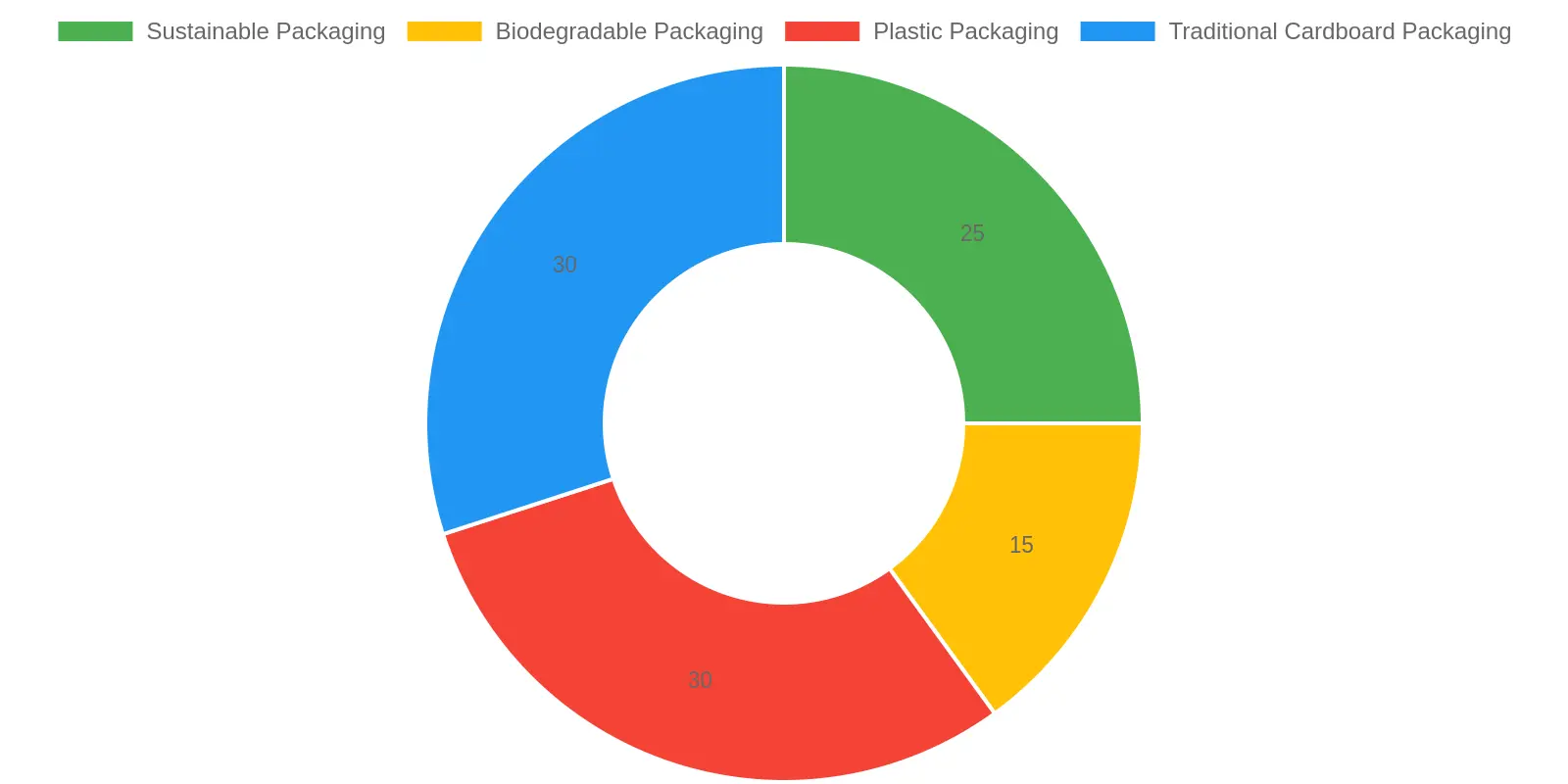
This chart illustrates the distribution of preferences for various packaging types, helping businesses tailor their offerings to meet consumer expectations.
Engaging with these trends will not only enhance customer satisfaction but also align products with sustainable practices, critical for brand loyalty in today’s eco-conscious marketplace.
- For more eco-friendly options, check out sugarcane tableware.
Conclusion
In today’s fast-paced food service industry, the importance of choosing reliable disposable tableware and packaging solutions cannot be overstated. Whether you’re running a bubble tea shop, a food truck, or an event catering service, high-quality disposable items ensure not only operational efficiency but also the safety and satisfaction of your customers. Selecting dependable suppliers helps guarantee compliance with health regulations and enhances the overall customer experience by facilitating a seamless service process.
As eco-conscious trends continue to rise, focusing on sustainable materials like sugarcane and bioplastics is becoming a standard rather than an exception. These eco-friendly solutions not only align with consumer expectations but also represent a smart business strategy that can differentiate your service in a competitive market. By investing in quality disposable tableware, you can significantly reduce labor costs, minimize maintenance needs, and foster a positive image of your brand, appealing to an increasingly conscientious clientele.
So, if you’re looking to enhance your operation’s efficiency and sustainability, check out our range of disposable tableware and packaging solutions today. Trust in our commitment to quality and eco-friendliness to elevate your business to new heights!