
Introduction
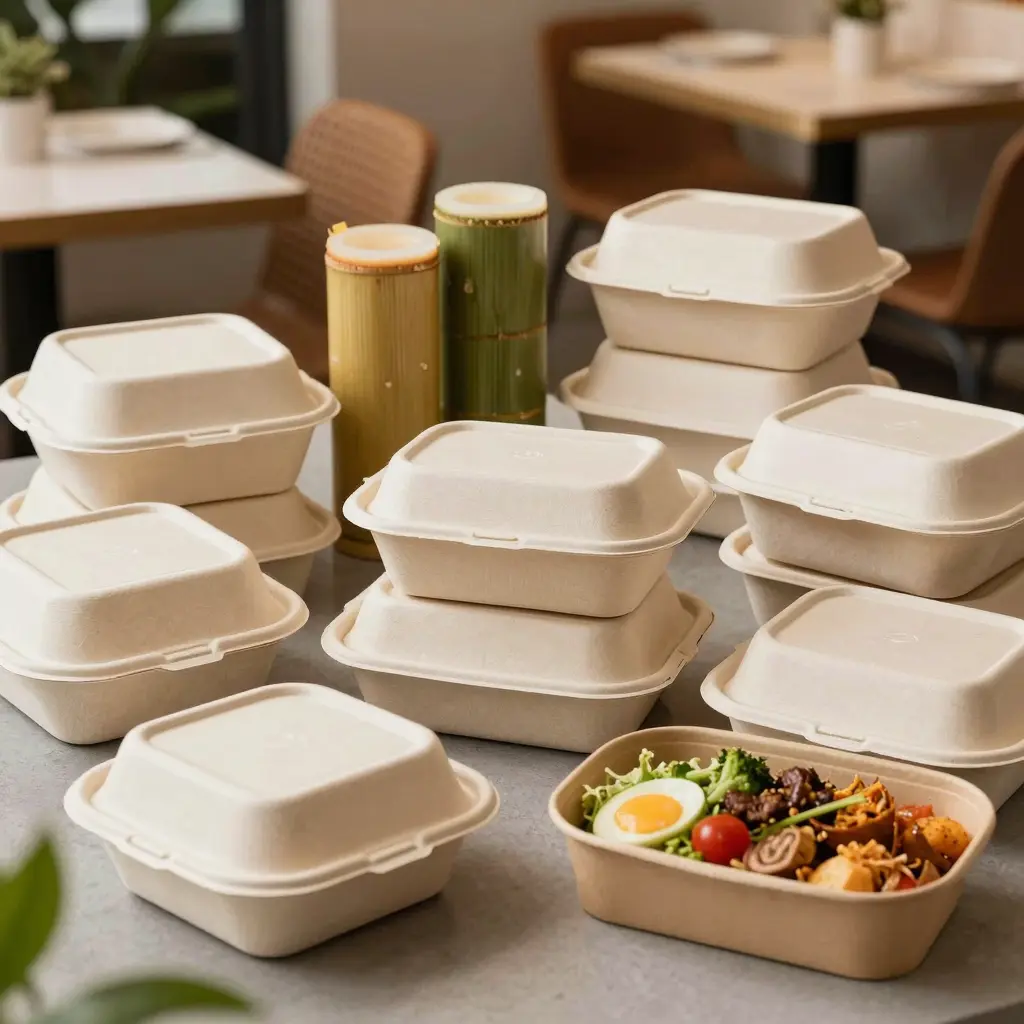
In the fast-paced world of food service, particularly within bubble tea shops and restaurants, disposable food containers play a pivotal role. Their convenience and versatility not only streamline operations but also enhance customer experience by providing safe and portable food options. These containers are essential in maintaining food hygiene, ensuring that each drink and dish is served in a clean and secure manner. Moreover, with increasing awareness regarding environmental issues, the shift towards eco-friendly disposable food containers is becoming indispensable. Today, restaurants and food vendors are not just looking for efficient packaging solutions, but they are also keen on minimizing their ecological footprint. From recyclable materials to biodegradable options, these innovative containers help businesses adapt to sustainable practices while still delivering delicious offerings to customers. As we explore the importance of disposable food containers, it becomes clear that they are not merely a convenience but a critical component of responsible and effective food service operations. If you’re looking for sustainable options for your business, consider the range of eco-friendly disposable containers to make a positive impact.
Benefits of Using Disposable Food Containers for Food Service Businesses
Using disposable food containers in your food service business can bring a multitude of advantages. Here are the main benefits that you should consider:
-
Cost-Effective: Disposable food containers are typically less expensive than reusable alternatives when you factor in the costs of cleaning and maintaining them. By choosing these containers, you can save not only on purchasing them but also on labor costs related to sanitation and storage.
-
Convenience: These containers offer an easy solution for packaging and serving food. They are lightweight, easy to handle, and require no cleaning, which makes them perfect for busy environments like food trucks and catering services.
-
Hygiene: Maintaining high food safety standards is crucial. Disposable containers prevent cross-contamination and reduce the risk of foodborne illnesses. As highlighted in studies, their single-use nature supports maintaining hygiene standards in food handling. You can read more about these benefits from Disposable Bazaar.
-
Eco-Friendliness: Many disposable food containers are now made from sustainable materials, making them a better choice for the environment. Options like sugarcane and paper containers ensure that your business can operate in an eco-friendly manner while still meeting your food service needs.
-
Marketing Opportunities: Disposable food containers can be customized and branded, offering an additional marketing platform for your business. This versatility can enhance your brand visibility at events and in everyday service.
-
Variety of Options: With various styles and sizes of disposable containers available, you can easily find the right fit for your menu items, whether you’re serving hot soup or cold drinks. Check out our range of disposable packaging options to find the perfect containers.
In conclusion, integrating disposable food containers into your food service operations can significantly enhance your business efficiency while ensuring customer satisfaction.
| Material | Durability | Cost | Eco-friendliness | Typical Uses |
|---|---|---|---|---|
| Plastic | High durability, moisture-resistant, and heat stable | Low to moderate | Low – not biodegradable, potential pollution | Common for cold drinks, takeout containers, lids |
| Biodegradable (e.g., Bagasse) | Moderate durability, strong and moisture resistant | Moderate | High – compostable, renewable resource | Food containers, bowls, clamshells, eco-friendly packaging |
| Paper | Moderate durability, weaker when wet unless coated | Low to moderate | Medium – recyclable and biodegradable if uncoated | Cups, bags, trays, sleeves, lightweight containers |
| Foam (Polystyrene) | High durability and thermal insulation | Low | Low – non-biodegradable, difficult to recycle | Takeaway containers, food trays, insulated cups |
This table highlights the key differences among popular materials used for disposable food containers. Choosing the right material depends on your specific needs, balancing durability, cost, and sustainability. For environmentally friendly options, biodegradable materials like bagasse are ideal, especially for foodservice businesses aiming to reduce plastic waste. Explore paper packaging solutions and sugarcane tableware for green alternatives that align with sustainable practices.
Safety Standards for Disposable Food Containers
Ensuring the safety of disposable food containers in restaurants and food service businesses is paramount for protecting customer health and maintaining the integrity of the food served. Different standards govern the use of these products, ensuring they are safe for food contact and comply with health regulations. Below are key safety standards and their importance:
Key Safety Standards
-
FDA Compliance: In the United States, the Food and Drug Administration (FDA) regulates food contact materials. All disposable food containers must be made with materials that are confirmed as safe for food contact and free from harmful chemicals.
-
EU Regulations: Similar standards are enforced in the European Union, ensuring that packaging materials do not release harmful substances into food. Compliance with these regulations is critical, especially for restaurants serving international or health-conscious customers.
-
Materials Specification: Containers constructed from materials like bagasse or other biodegradable options must adhere to certain performance and safety metrics, particularly when used for hot items. For instance, bagasse containers are gaining popularity due to their environmentally friendly properties and ability to withstand high temperatures, thus ensuring food safety.
-
Temperature Tolerance: Properly designed disposable containers should withstand various temperature conditions, crucial for maintaining food safety. Specific materials are recommended based on whether they will hold hot, cold, or frozen food items.
The Importance of Compliance
Selecting compliant disposable food containers is not merely a regulatory requirement; it significantly impacts customer safety and satisfaction:
- Health Protection: Non-compliant containers can leach harmful substances into food, posing health risks. Using products that meet established safety standards helps protect diners from foodborne illnesses.
- Quality Assurance: High-quality food containers support the preservation of taste and freshness. For example, buying from suppliers that emphasize safety compliance can ensure that food maintains its intended taste and texture during transport.
- Brand Reputation: Businesses that prioritize safety and compliance enhance their brand image. Customers today are increasingly aware of food safety issues; thus, choosing compliant products reinforces a restaurant’s commitment to quality and sustainability.
In conclusion, the selection of disposable food containers that adhere to established safety standards is essential for any food service operation. It impacts not only legal compliance but also customer trust and the overall quality of the dining experience. Ensuring that your packaging choices are compliant can promote a safer and more enjoyable dining experience for all patrons.
For a wide range of compliant disposable food containers, check out our collection of paper packaging options that meet these stringent safety criteria.
Eco-Friendly Practices in Disposable Food Containers Production
In recent years, the demand for eco-friendly practices in the production of disposable food containers has surged, especially among event planners and catering services looking for sustainable options. Here are some innovative trends that are shaping this industry in 2023.
Innovations and Trends
- Sugarcane and Pulp Paper Products: Companies are increasingly turning to sugarcane as a biodegradable alternative to plastic. Sugarcane pulp containers are not only sustainable but also provide strong performance for food packaging. Innovations in this area include the development of molded pulp containers that mimic traditional plastic containers without the associated environmental impact.
- Learn more about sugarcane-based tableware.
-
Compostable Solutions: Many manufacturers are now offering compostable food containers that break down into organic material without harming the environment. This is vital for the catering industry as it aligns with the waste reduction goals of many events.
-
Enhanced Recycling Capabilities: With regulatory reforms nudging companies towards greener practices, more disposable food containers are being produced with high recyclability in mind. Paper products, in particular, are making strides in this direction, incorporating recycled fibers and lessening reliance on virgin materials.
- Explore eco-friendly paper packaging options.
- Trends towards Customization: Customizable options in food packaging are also making waves. Event planners can now choose packaging that reflects their brand while still adhering to eco-friendly practices. This trend combines marketing with sustainability, offering appealing packaging that resonates with consumers’ growing preference for environmentally friendly products.
Market Growth
The eco-friendly food packaging market is projected to reach a staggering USD 288.33 billion by 2031, driven largely by regulatory shifts and the ongoing consumer preference for recycled materials. As event planners, catering services, and even food trucks become more aware of their environmental impact, adopting these sustainable products is becoming a critical component of their business strategy.
Conclusion
These trends highlight a significant shift in the way disposable food containers are produced and consumed, underscoring a collective movement towards sustainability in the food service industry. As you plan your next event or menu, consider the positive impact of switching to eco-friendly disposable containers.
Customer Testimonial About Disposable Food Containers
At Bubbly Tea Cafe, we understand that our customers expect nothing less than perfection when enjoying their bubble tea. Here’s what one of our regulars had to say about our choice of disposable food containers:
“I always appreciate how well the bubble tea from Bubbly Tea Cafe is packaged. The disposable containers not only keep my drink secure but also help maintain its freshness. I love that they prioritize quality, making every sip a delight!”
- Happy Customer, Bubbly Tea Cafe
Using reliable disposable food containers has made a significant difference in our business. It ensures that we serve our clients with the highest standards, reducing the risk of leaks and maintaining the integrity of our beverages. If you’re looking to improve your service, consider enhancing your packaging choices as well. For options that suit your establishment, check out our paper bowl collection.
Word Count: 158
Choosing the Right Disposable Food Containers
Selecting the appropriate disposable food containers is a pivotal step for any food service provider, from bubble tea shops to event planners. The right containers not only enhance presentation but also maintain the integrity of your food. Here are key factors to consider:
Size Matters
When choosing disposable containers, size will depend on your food offerings. Here are a few guidelines:
- Portion Control: Ensure that containers align with the typical portion sizes of your menu items. From small sauces to large entrees, having a variety of sizes is essential.
- Buffer Space: Leave enough room for sauces or sides without spilling. Overfilling can lead to messes and customer dissatisfaction.
- Stackability: Consider how easily containers can stack for efficient storage and transportation. This is particularly important for food trucks and catering services.
Material Choices
The material of the container can significantly impact your brand and the food inside. Here’s a breakdown of popular materials:
- Paper: Eco-friendly options like kraft paper bowls or containers offer sustainability without compromising on performance. Great for hot foods and cold desserts alike. Check out our paper bowl selection for various options.
- Plastic: Durable and versatile, plastic containers are often microwave safe and can securely hold liquids. However, consider environmental impacts when opting for plastic materials.
- Sugarcane: Made from renewable resources, sugarcane containers are compostable and sturdy. They are excellent for both hot and cold foods. Explore sugarcane food containers to see great eco-friendly choices.
Purpose and Functionality
Understanding the purpose of your containers will guide you in making the right decision:
- Delivery vs. Dine-in: If your food is often delivered, opt for leak-proof containers to ensure customers receive their meals intact. Meanwhile, dine-in options might emphasize aesthetics more, with stylish designs enhancing the dining experience.
- Temperature Resistance: Certain foods require containers that can withstand heat. For example, soups and hot desserts need containers that are heat-resistant. Our guide on disposable soup containers can be useful here.
Price and Quality
Balancing cost with quality is essential. While cheaper options may seem appealing, investing in high-quality containers prevents customer complaints and ensures a good impression.
Conclusion
Choosing the right disposable food containers involves considering size, material, functionality, and cost. By focusing on these factors, you can ensure your food stays fresh, appealing, and ready for consumption, delighting your customers each time. Remember, the right container is more than just packaging; it’s about enhancing your food service’s reputation!
User Preferences for Disposable Food Containers
In today’s market, the choice of disposable food containers is heavily influenced by user preferences, which stem from convenience, sustainability, and health considerations. Below is a chart depicting the preferences among various types of disposable containers based on recent studies and surveys.
Chart Overview
- Paper Cups
- Plastic Containers
- Sugarcane Boxes
- Other Eco-Friendly Options
Insights from Research
- Sustainability Concerns: Many consumers prefer eco-friendly options like sugarcane boxes as they are biodegradable and come from renewable resources. This reflects the growing trend towards environmentally conscious buying habits.
- Ease of Use: Plastic containers still retain a significant audience due to their convenience and durability, particularly in the food service industry.
- Health Considerations: Concerns about chemicals leaching from containers, particularly plastic or certain paper products, are growing, leading to a shift towards alternatives such as sugarcane or bamboo products.
For businesses in the food and beverage industry, understanding these preferences can help in selecting packaging that meets consumer demands and aligns with environmental values. Explore our sustainable packaging options to find the perfect containers for your needs!
Conclusion
As we’ve explored throughout this article, disposable food containers are not only a practical choice for businesses like bubble tea shops, restaurants, and food trucks, but they also align with current trends towards sustainability and hygiene. These containers provide numerous benefits, such as convenience, cost-effectiveness, and enhanced hygiene, which are vital for any food service operation. As highlighted by recent industry trends, over a third of new beverage product launches focus on environmentally friendly packaging, indicating a shift towards sustainable practices that meet consumer demand. Investing in disposable food containers can also cut down on health risks by reducing cross-contamination-something crucial in today’s food environment.
For those in the food service industry, the right disposable containers can make all the difference. Whether you’re looking for sugarcane food containers or paper bowls, Green Dispopack has you covered.
Consider our diverse offerings to enhance your operational efficiency while providing quality service to your customers. Make the switch to greener, disposable solutions today and take your food service to the next level!
Explore our extensive catalog and find the perfect fit for your business needs.