
Introduction
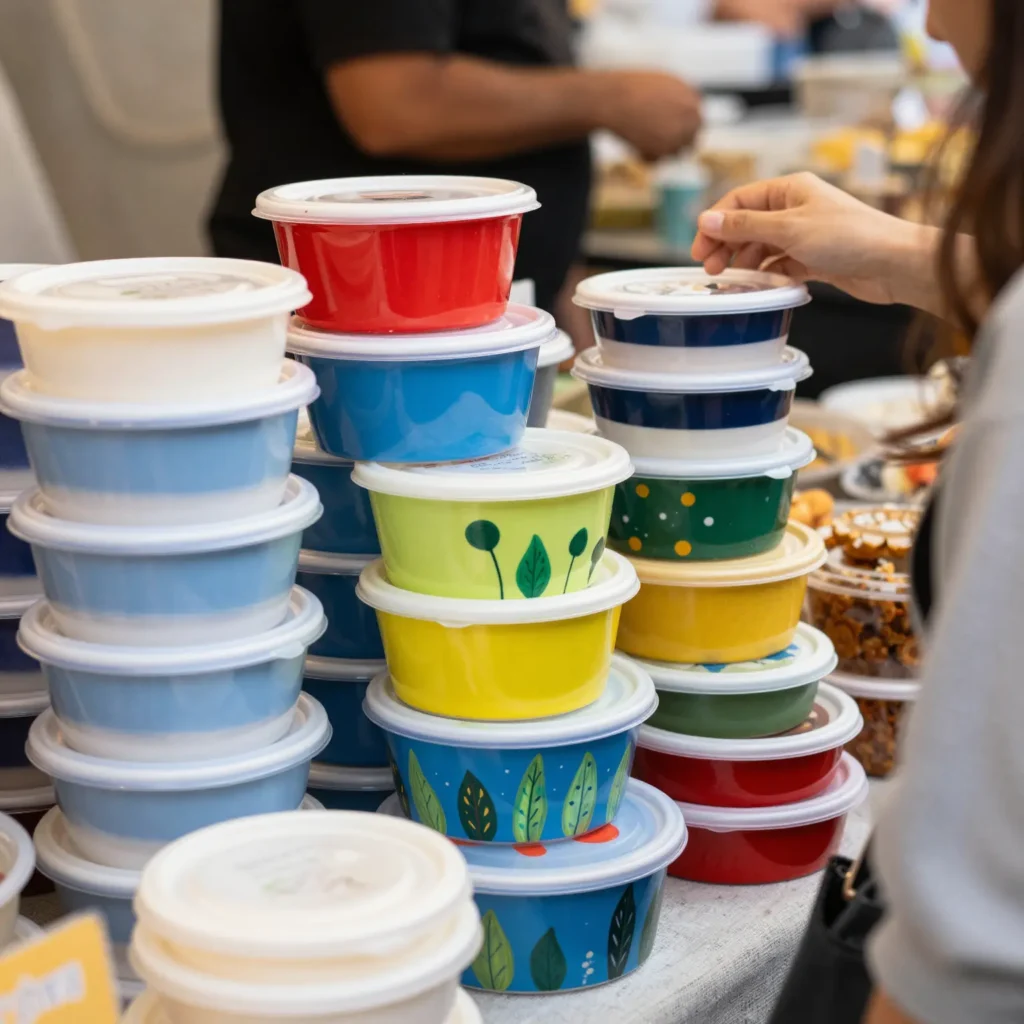
In today’s bustling food industry, the visual presentation of products often tells a story as powerful as the flavors themselves. For operators of bubble tea shops, food trucks, and corporate procurement teams, painting plastic food containers offers a unique opportunity to elevate brand identity and enhance customer engagement. A vibrant, well-designed container not only catches the eye but also reinforces a brand’s commitment to creativity and quality. As dining experiences evolve, so too does the importance of appealing to the aesthetics of presentation. Whether you are serving up colorful bubble teas or delicious street food, the right packaging can set you apart in a competitive market.
Colorful food containers not only provide practicality but also serve as a canvas for showcasing brand colors and themes, thereby making your offerings instantly recognizable. Incorporating distinctive designs can transform regular take-out items into attention-grabbing art pieces that customers want to share with their friends on social media. With the growing focus on ecological sustainability, it’s equally important to consider packaging solutions that align with eco-friendly practices-many of which are available at Green Dispo Pack. Discover how painting your plastic food containers can not only beautify your service but also resonate with environmentally conscious consumers.
Benefits of Painted Plastic Containers
In the competitive world of food service, especially for bubble tea shops and beverage chains, the presentation of your products plays a crucial role in attracting customers. Painted plastic food containers offer a multitude of benefits that go beyond mere functionality. Let’s explore why you should consider painted containers for your business.
Branding Opportunities
One of the most significant advantages of using painted plastic containers is the opportunity for branding. By customizing your containers with your logo, colors, and design elements, you create a cohesive visual identity that customers can easily recognize. This can enhance brand recall and encourage customer loyalty. Here are some ways painted containers can boost your branding:
- Eye-catching Designs: Custom designs can catch the attention of potential customers, making your products more appealing.
- Social Media Marketing: Impressive container designs make for great social media content. Customers love to share aesthetic food and beverage setups, which can organically promote your brand.
- Event-Specific Themes: For promotions or special events, you can easily create themed containers to match specific occasions, making your offerings feel unique and tailored.
Aesthetic Appeal
Painted plastic containers are not only about branding; they also add a touch of artistic flair to your food presentations. A vibrant, well-designed container can enhance the overall dining experience. Here are some benefits to consider:
- Enhanced Presentation: A beautifully painted container can elevate the aesthetic of your dishes, making even simple offerings look gourmet.
- Color Psychology: Different colors can evoke different emotions. Bright colors can stimulate appetite and create a joyful eating atmosphere, which is essential for beverage chains and restaurants aiming to create memorable experiences.
- Differentiation: In a market flooded with similar products, unique, painted containers allow you to stand out from the competition, giving you an edge.
Practical Considerations
Aside from branding and aesthetics, painted plastic containers offer practical benefits as well:
- Durability: Plastic containers are lightweight yet robust, making them ideal for transit and takeaway services. The paint can enhance their appeal without compromising durability.
- Easy Maintenance: Painted surfaces typically withstand washing, allowing you to reuse containers while maintaining their appealing appearance.
In summary, painted plastic food containers are an exceptional choice for restaurants and beverage chains looking to enhance their brand presence and overall aesthetic. With opportunities for unique designs and practical advantages, they can help your business thrive in a competitive environment. For a great selection of food containers, check out our paper bowl collection or explore other paper packaging options.
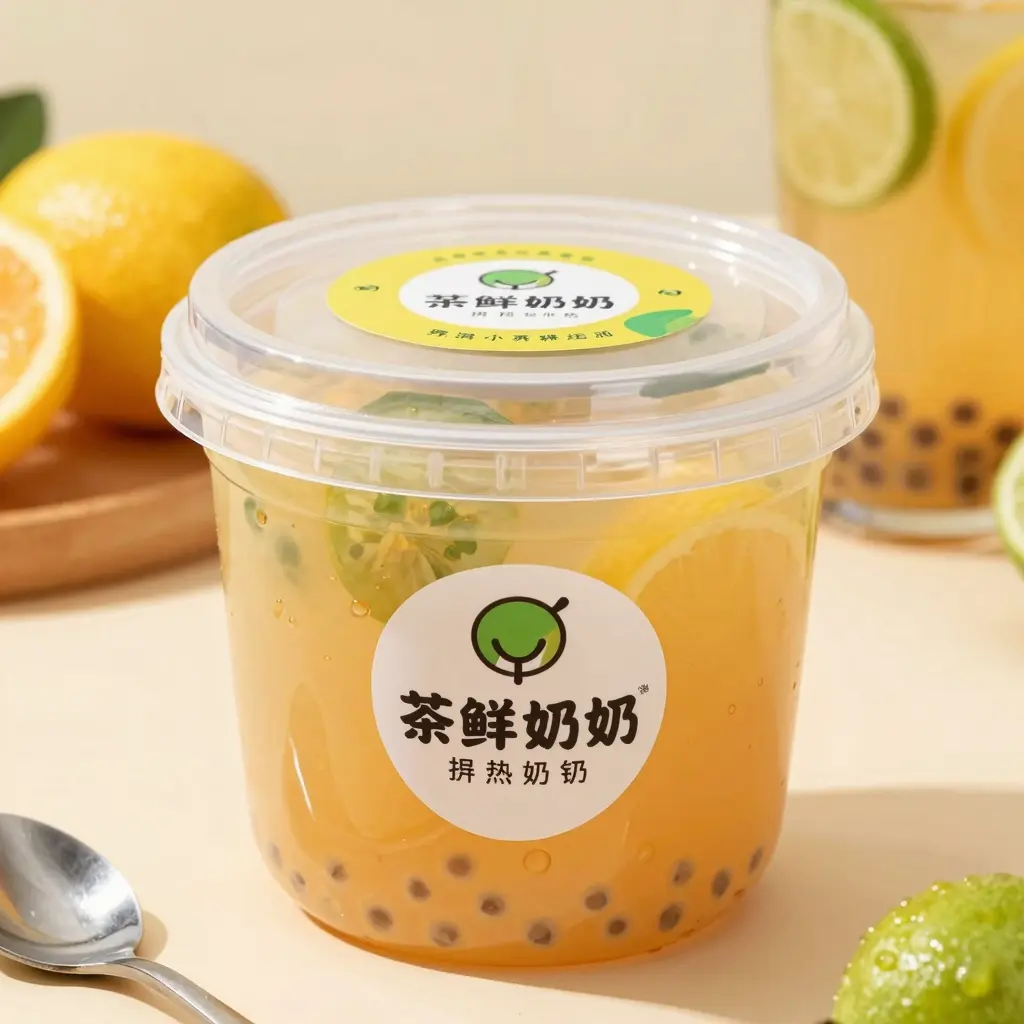
Materials Needed for Painting Plastic Food Containers
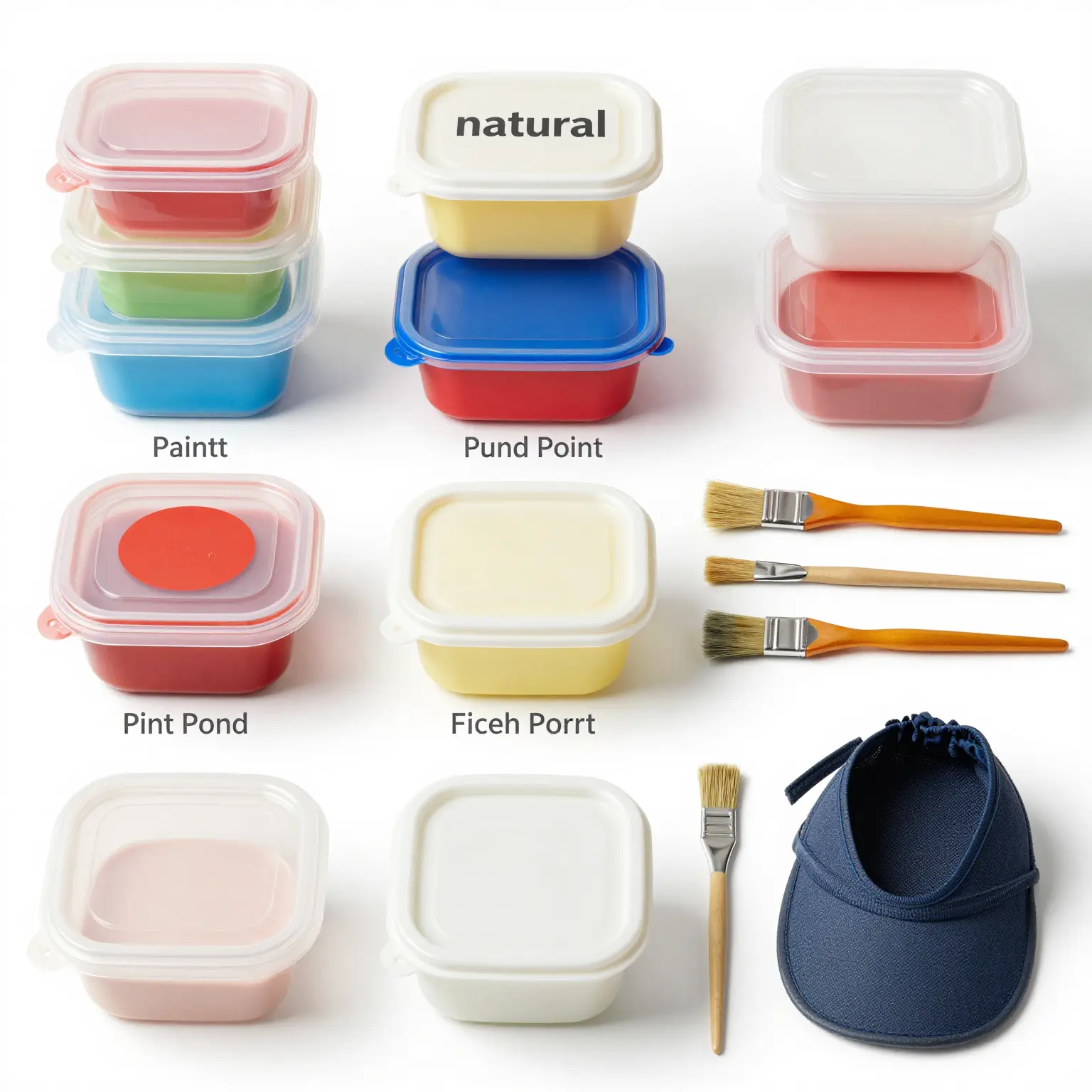
When it comes to painting plastic food containers, choosing the right materials is essential for achieving a durable and aesthetically pleasing result. Below, you’ll find a comprehensive list of supplies that will guide you through the painting process effectively.
Paint Types
- Acrylic Paint: Ideal for detailed designs; easy to work with and dries quickly. Make sure to choose a type that is specifically formulated for plastic.
- Spray Paint: Provides an even coat and is great for larger surfaces. Look for spray paints labeled as suitable for plastic to ensure better adhesion.
- Chalkboard Paint: A fun option that transforms containers into writable surfaces, suitable especially for labeling.
- Plastic-Bonding Primer: This is vital as it prepares the surface and enhances the adhesion of subsequent paint layers.
Brushes and Tools
- Paintbrushes: Use a variety of sizes for details and larger areas. Soft-bristle brushes work best for smooth finishes.
- Foam Brushes: Great for achieving an even coat with minimal brush strokes.
- Spray Can Nozzle Extensions: For better control when using spray paint.
Surface Preparation Supplies
- Soap and Water: Basic cleaning solution to remove any grime or grease from the containers.
- Isopropyl Alcohol: Helps in further cleaning and ensures the paint adheres well.
- Sandpaper: Lightly sanding the surface can improve paint adhesion.
Protective Gear
- Gloves: Protect your hands from paint and chemicals.
- Mask: When spraying paint, wear a mask to avoid inhaling fumes.
- Apron or Old Clothes: Wear something you don’t mind getting paint on.
Additional Supplies
- Clear UV-Resistant Sealer: Applying a clear coat can protect your painted containers from UV rays and prolong the life of your artwork.
- Drop Cloths or Newspaper: Protect your workspace from spills and drips.
For a selection of eco-friendly packaging options suitable for your food containers, check out our sugarcane tableware.
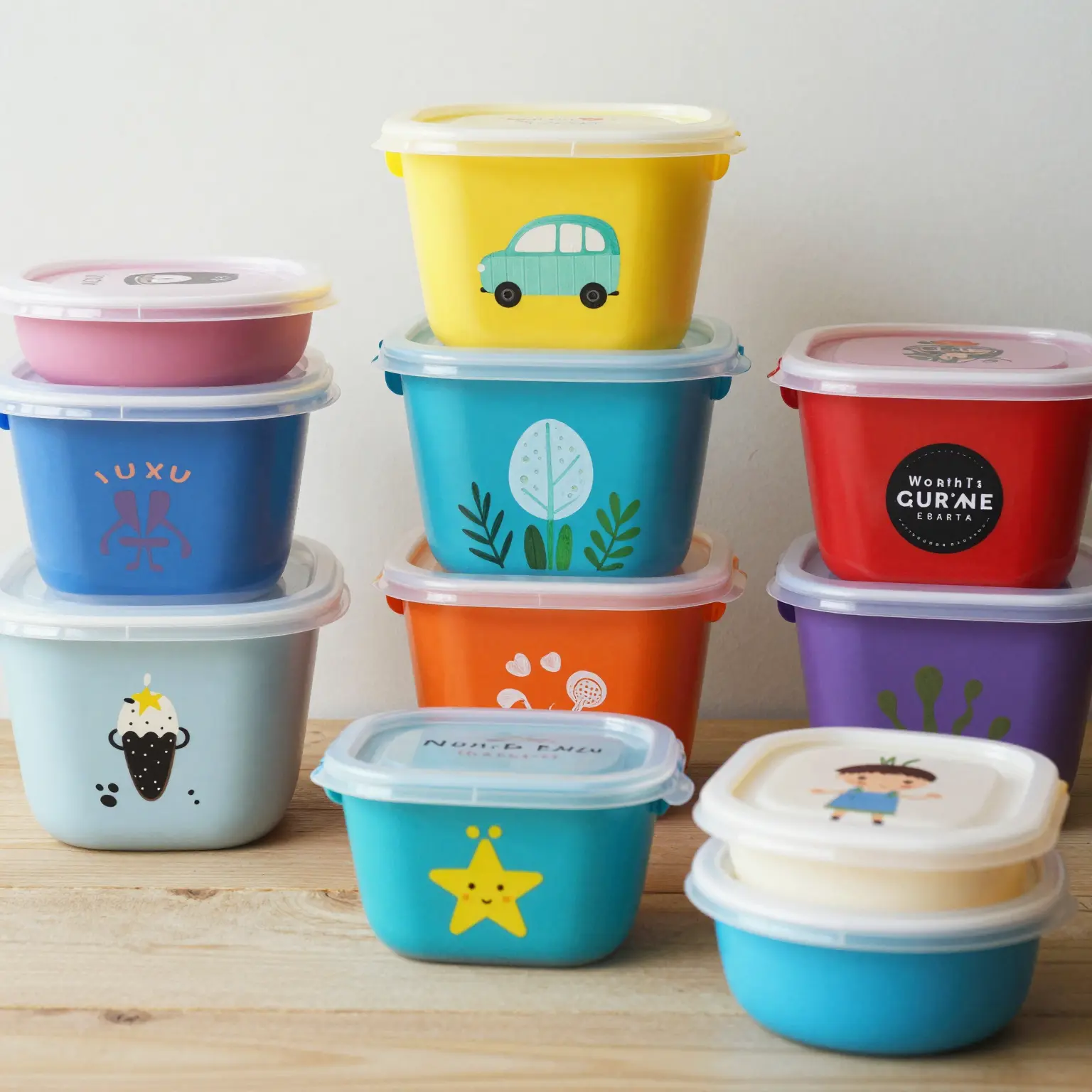
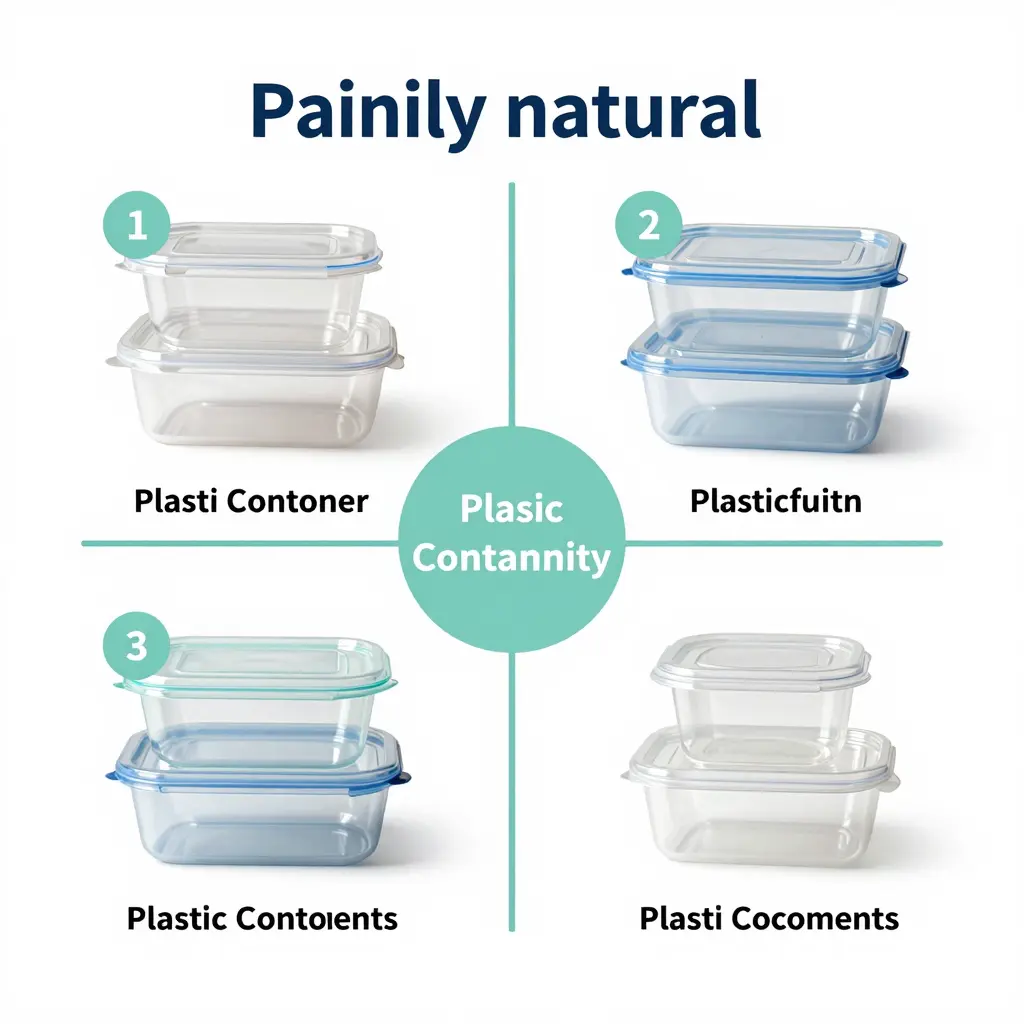
This image showcases a variety of painted plastic food containers, perfect for inspiring creativity in your business!
Step-by-Step Guide to Painting Plastic Food Containers
Painting plastic food containers can breathe new life into them, offering an engaging way to customize your packaging for events, restaurants, and more. Here’s a detailed guide on how to get the best results while ensuring durability and a finished look that your customers will love.
1. Gather Your Materials
To kick off your painting project, gather the following materials:
- Plastic food containers (clean and dry)
- Plastic-compatible paint, such as spray paint or acrylic paint
- Primer (optional but recommended for better adhesion)
- Paintbrushes or spray gun (depending on your paint type)
- Masking tape (to isolate areas you don’t want to paint)
- Protective gloves and masking for your workspace
For recommendations on suitable paint products, you can check here.
2. Preparation of Containers
Proper preparation is essential for achieving a flawless finish:
- Clean the Containers: Wash the plastic containers thoroughly to remove any food residue, oil, or dirt. Let them dry completely.
- Sand the Surface: Lightly sand the area you want to paint with fine-grit sandpaper. This helps the paint adhere better.
- Apply Primer (optional): If using a primer, apply a thin, even coat and let it dry as per the instructions on the product. This step can enhance paint adhesion and durability.
Consult this link to explore options further.
3. Painting the Containers
Now that your containers are prepped, it’s time to paint:
- Choose Your Technique: You can either spray paint for even coverage or use a brush for detailed work. Ensure you are working in a well-ventilated area.
- Apply the Paint: Start with a thin layer, moving in a consistent direction. Allow the paint to dry according to the manufacturer’s guidelines. Usually, this can take anywhere from 15 to 30 minutes.
- Add Additional Coats: Depending on the paint type and color vibrancy desired, you might need to apply multiple coats. Ensure each coat is dry before applying the next.
4. Drying Time and Curing
Once you’ve finished applying the paint, allow the containers to dry completely:
- Initial Drying: Leave the painted containers in a dry, dust-free area for at least 24 hours.
- Curing Time: For the best results, let the painted surfaces cure for a few days before using them to ensure maximum durability and prevent chipping.
5. Final Touches
Once dried, you might want to add extra embellishments or sealer:
- Add Designs: If you wish to create custom designs, consider using stencils or adhesive decals.
- Seal the Paint (Optional): For increased durability, apply a clear spray sealant once you are satisfied with the paint job. This is especially useful if the containers will be exposed to moisture.
Conclusion
Painting plastic food containers isn’t just an aesthetic choice; it can enhance branding and give your packaging a unique flair. Ensure you follow the preparation, application, and drying steps thoroughly for the best results. For further packaging needs and ideas, visit Green Dispo Pack.
Safety Standards for Decorating Food Containers
Painting food containers may enhance their aesthetics and brand visibility, but it is crucial to ensure that the materials used comply with safety standards and regulations. Here is a summary of key regulations that your business should be aware of while decorating food containers:
1. LFGB (German Food and Feed Code)
The LFGB establishes safety guidelines for food-related products in Germany and has significant implications for food safety. Compliance ensures that any decorative paints or coatings are safe for food contact and do not contaminate food.
- Implication: Mandatory compliance for all food packaging and decorative items to ensure they do not pose health risks.
- Learn more about LFGB standards.
2. CCCR (Consumer Chemicals and Containers Regulations)
This regulation from China stipulates that all chemicals and materials used in food contact products must report safety compliance. It covers the labeling and testing of materials to ensure safety for consumers.
- Implication: All products entering the Chinese market must meet these certification requirements.
- Explore more on CCCR regulations.
3. FSSAI (Food Safety and Standards Authority of India)
FSSAI outlines various food safety rules, including guidelines for food-grade materials. It specifically includes regulations for recycled materials, ensuring they are safe for consumer use.
- Implication: Registration and compliance are mandatory for businesses in India to verify that food containers meet safety standards.
- Check FSSAI guidelines here.
Visual Summary of Safety Regulations
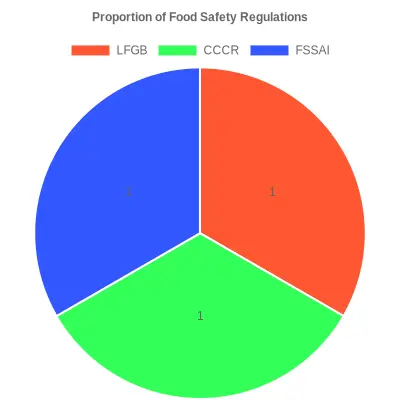
To provide a clearer understanding of these regulations, refer to the infographic below that illustrates the significance of each standard and their proportionate importance in food safety compliance.
Conclusion
Maintaining safety standards while decorating food containers is fundamental for businesses in the food service industry. By adhering to LFGB, CCCR, and FSSAI regulations, not only do you enhance consumer trust, but you also ensure that your products are safe and compliant with international norms. Understanding these guidelines will equip your bubble tea shop, restaurant, food truck, or event planning service with the knowledge to select safe decorative practices while serving delicious food.
Feel free to check out our range of paper bowls and other packaging solutions for your needs!
| Paint Type | Pros | Cons |
|---|---|---|
| Acrylic Paint | – Waterproof and durable | – May require priming for best adhesion |
| – Non-toxic options available | – Can be less flexible, risk of cracking on bends | |
| – Easy to clean when dry | – Not always suitable for high-temperature exposure | |
| Enamel Paint | – Hard, glossy finish that lasts | – Longer drying time |
| – Good resistance to chemicals and moisture | – Strong fumes during application, requires ventilation | |
| – Often food-safe when fully cured | – Can chip if not applied correctly | |
| Spray Paint | – Provides an even finish, great for detailed work | – Can overspray; requires masking |
| – Quick drying time | – Strong fumes, requires safe outdoor or well-ventilated area | |
| – Good for complex shapes | – May require multiple coats for full coverage | |
| Chalk Paint | – Matte finish, good for aesthetic appeal | – May need a sealer to protect against spills |
| – Easy to apply and manipulate | – Not as durable as other options when exposed to water | |
| – Non-toxic options available | – Can come off with scrubbing or washing | |
| Specialty Plastic Paint | – Designed specifically for plastic | – Can be expensive compared to regular paints |
| – Excellent adhesion without primer | – Availability may be limited at local stores | |
| – Often comes in various finishes | – May require a specific method of application |
Common Mistakes to Avoid When Painting Plastic Food Containers
Painting plastic food containers can be a rewarding way to customize your packaging for branding or event purposes. However, there are several common pitfalls to avoid to ensure your project is successful. Here’s a list of common mistakes:
1. Not Cleaning the Surface Thoroughly
Before painting, it’s essential to clean the plastic surface to remove any grease, dust, or residue. Failing to do this can result in poor paint adhesion. Use warm soapy water, rinse thoroughly, and make sure the container is completely dry before proceeding.
2. Skipping the Primer
Using a suitable primer specifically designed for plastic can greatly enhance paint adhesion. Skipping this step leads to chipping, peeling, or flaking paint. Brands like Krylon offer products specifically for plastic surfaces.
3. Choosing the Wrong Paint
Using regular acrylic or oil-based paint can lead to issues as they might not adhere well to plastic. It’s best to select paint that’s either specifically made for plastic or is suitable for all surfaces.
4. Applying Too Thick a Layer
Thin, even layers are key when painting plastic. Applying too much paint at once can lead to dripping and uneven coverage, resulting in a less professional appearance. Allow each layer to dry completely before adding another.
5. Forgetting to Seal the Paint
Once your paint job is complete, sealing it with a clear polyurethane sealer can provide additional protection against scratches and wear. This is especially important for containers that will be washed or used frequently.
6. Ignoring the Curing Time
Be patient and allow the paint to cure fully according to manufacturer instructions. Rushing this process might jeopardize the finish, causing smudges or damage to the paint.
7. Using the Wrong Application Tools
Different painting tools can lead to different results. For fine detail, a brush may work best, while a spray paint applicator can help achieve an even finish. Choosing the wrong tool can cause uneven paint application.
8. Not Considering Food Safety
Always ensure the materials you use are safe for food contact, especially if the containers will be used for food storage. Paints that are toxic or not food-safe can pose health risks.
By avoiding these common mistakes, your painted plastic food containers will not only look great but also function effectively for your needs. For more tips on packaging solutions for your business, check out our selection of paper packaging options.
Conclusion
In today’s competitive market, branding is not just a luxury; it’s a necessity. Painting plastic containers for your beverage or food products serves as an effective branding strategy that can significantly enhance customer engagement. When your customers see elegantly designed, vibrant containers, it doesn’t just hold their beverages; it symbolizes quality and care, leaving a lasting impression in their minds. This is particularly crucial for bubble tea shops, beverage chains, restaurants, food trucks, catering services, event planners, and procurement teams who want to stand out in a crowded space.
By choosing to incorporate distinctive designs and colors on your containers, you not only improve the aesthetic appeal but also foster a deeper connection with your customers. Bright and creative packaging can play a pivotal role in promoting your brand identity while increasing repeat business. Consider utilizing our diverse range of products, from sugarcane cups to paper bowls, to elevate your branding and meet your customers’ needs effectively.
Embrace the possibilities that specialized packaging offers; your brand and your bottom line will thank you!
Enhancing Your Brand with Painted Plastic Containers
Painting plastic food containers is a creative strategy to elevate your brand’s visibility and attractiveness. Many businesses, especially in the food and beverage industry, have found that custom-painted containers draw attention and enhance customer experiences.
“Painting our plastic containers not only brightened up our product presentation but also reinforced our brand identity. Customers often compliment the vibrant colors and unique designs, making our bubble tea stand out in the crowded market. We’ve seen an increase in sales since we started customizing our containers!”
- Sarah L., Owner of Sunny Bubble Tea Shop
By painting your containers, you can not only showcase your products but also create a memorable brand image that connects with your audience. If you’re interested in exploring various container options for your business, check out our paper packaging solutions or take-away box selection.
The combination of creative designs and practical product offerings can ensure that your business stands out.