
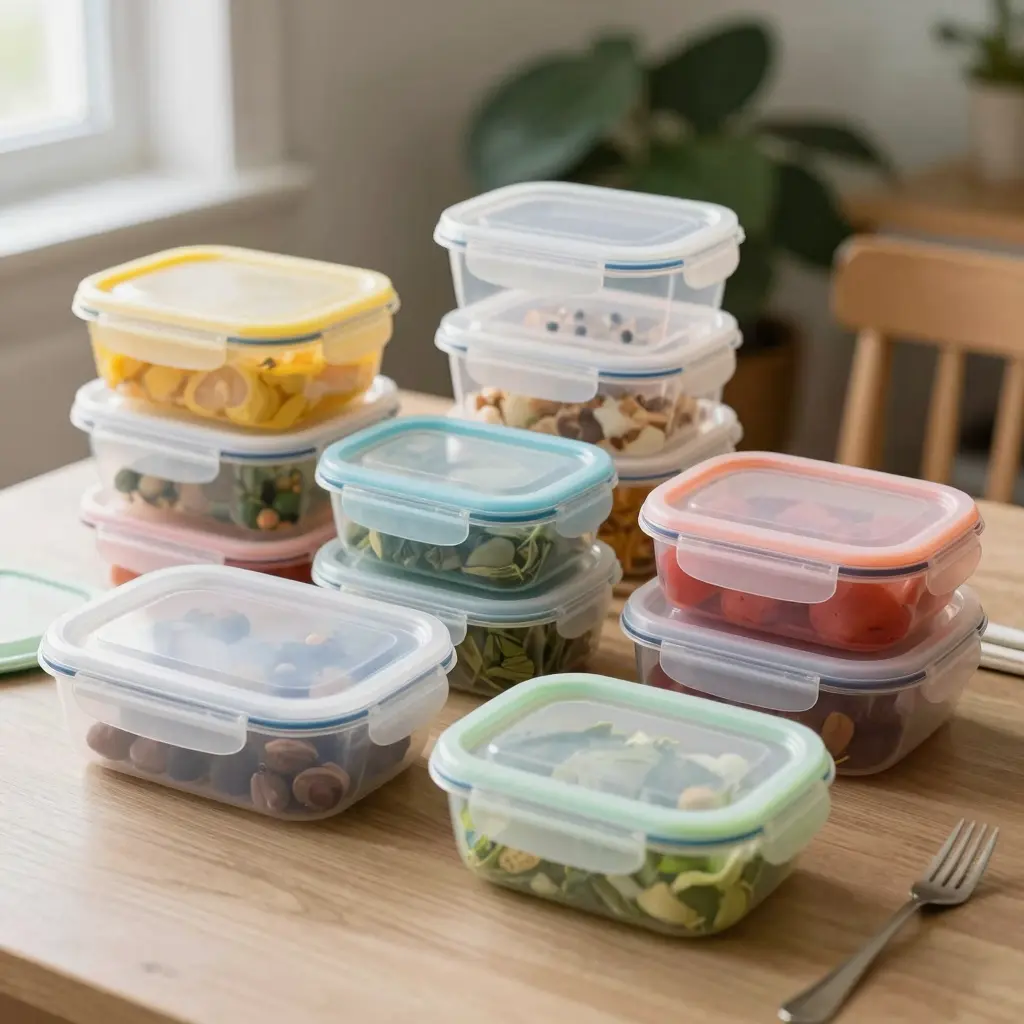
Selecting the Right Plastic Food Container Sizes for Food Service Businesses
In the fast-paced world of food service businesses, the significance of selecting the appropriate plastic food container sizes cannot be overstated. Whether you own a bustling bubble tea shop, a trendy restaurant, or a catering service, the right containers play a crucial role in ensuring food safety, presentation, and customer satisfaction. Takeout packaging has become increasingly important in today’s delivery-driven environment, with disposable containers serving as a vital component of your service offering. The size and type of container you choose can affect everything from portion control to waste management, making it essential to consider these factors carefully. Event planners must also pay attention to the nuances of food packaging, as well-suited containers will not only keep food fresh and secure but also enhance the aesthetic appeal of their presentations. Choosing the right plastic food containers helps align with the growing demand for sustainability and convenience in the food sector. Therefore, having a clear understanding of available options, such as disposable containers and takeout packaging, can make all the difference in delivering an exceptional customer experience.
Types of Plastic Food Containers
In the food industry, the selection of plastic food containers is essential for various uses. These containers come in different shapes and sizes, making them suitable for several applications ranging from take-out orders to meal prep for catering services. Here’s a detailed overview of the most common types:
1. Stackable Containers
Stackable containers are designed for space-saving storage. They are ideal for both commercial kitchens and home storage, as they can be stacked on top of each other without taking extra space. These containers often come in sizes ranging from small (8 oz) to large (64 oz), allowing flexibility depending on the food portioning needs. They are particularly popular in restaurants and food prep areas where efficiency is key. Their lids usually snap on securely, ensuring they are suitable for take-out orders to prevent spills during transport.
2. Compartmented Containers
Compartmented containers are especially useful for meals that include a variety of items, like salads, rice bowls, or bento-style meals. These containers often feature multiple sections, enabling different foods to be stored together without mixing. Typical sizes for these containers vary from 12 oz to 32 oz, providing ample space while keeping dishes organized. Their design is perfect for enhancing food presentation and is widely embraced by catering services and food trucks. For more about compartmented options, check out this insight on compartmented containers.
3. Round and Square Containers
Round plastic containers tend to be favored for liquids and salads, while square containers are often used for items like pasta or entrees. Sizes can range from tiny (4 oz) suitable for sauces to larger (48 oz) containers suitable for main courses. Their ability to be easily sealed with tight-fitting lids makes them desirable for food safety.
4. Beverage & Cup Containers
Though often overlooked, beverage containers are crucial in establishments such as bubble tea shops and coffee shops. They range in size but are typically categorized by their volume capacity, from 16 oz to 32 oz. Many are designed with lids that either seal tightly for on-the-go beverages or have straw holes, making them suitable for hot and cold drinks.
Conclusion
Choosing the right type of plastic container tailored to your needs can vastly improve efficiency in food preparation and presentation. Whether you select stackable, compartmented, or standard round containers, understanding the sizes of plastic containers and their specific applications ensures that your food service remains organized and professional. To explore more of our products, visit our paper bowl selection for additional sustainable options that complement plastic containers well.
When investing in plastic food containers, consider your specific applications and choose sizes that best suit your operations, ensuring both functionality and appeal to your customers.
| Size | Typical Applications | Advantages | Ideal Uses |
|---|---|---|---|
| 8 oz | Sauces, dressings, toppings | Compact size, easy to store, portion control | Serving small portions, takeout for snacks |
| 16 oz | Soups, salads, side dishes | Stackable, versatile for various food items | Meal prep, catering, quick-service meals |
| 32 oz | Entrees, large salads, meal prep | Durable, suitable for microwaving and freezing | Takeout orders, delis, bulk food storage |
Quick Summary of Container Sizes
- 8 oz Containers: Great for portion control, often used for sauces or dressings. They are widely utilized in food trucks and small takeout meals.
- 16 oz Containers: Ideal for a variety of food items like soups and salads. These containers are popular in meal prep and catering services due to their versatility.
- 32 oz Containers: Perfect for larger servings such as entrees or bulk meal prep. Common in delis and larger takeaway orders, they also accommodate leftovers well.
Advantages of Plastic Food Containers in the Food Service Industry
- Durability: Made from tough materials like PP and PET, they withstand transport and reduce breakage risks, essential for restaurants and catering.
- Convenience: Lightweight and stackable, they save space and are easy to handle.
- Hygiene: Ensures safe storage and transport of food, supporting health standards in food service environments.
This table provides an effective reference for food service operators looking to select the appropriate container size for their specific applications. To explore more about related products for your food service needs, you can check out paper packaging options or explore the range of sugarcane tableware.
Container Size Considerations for Food Businesses
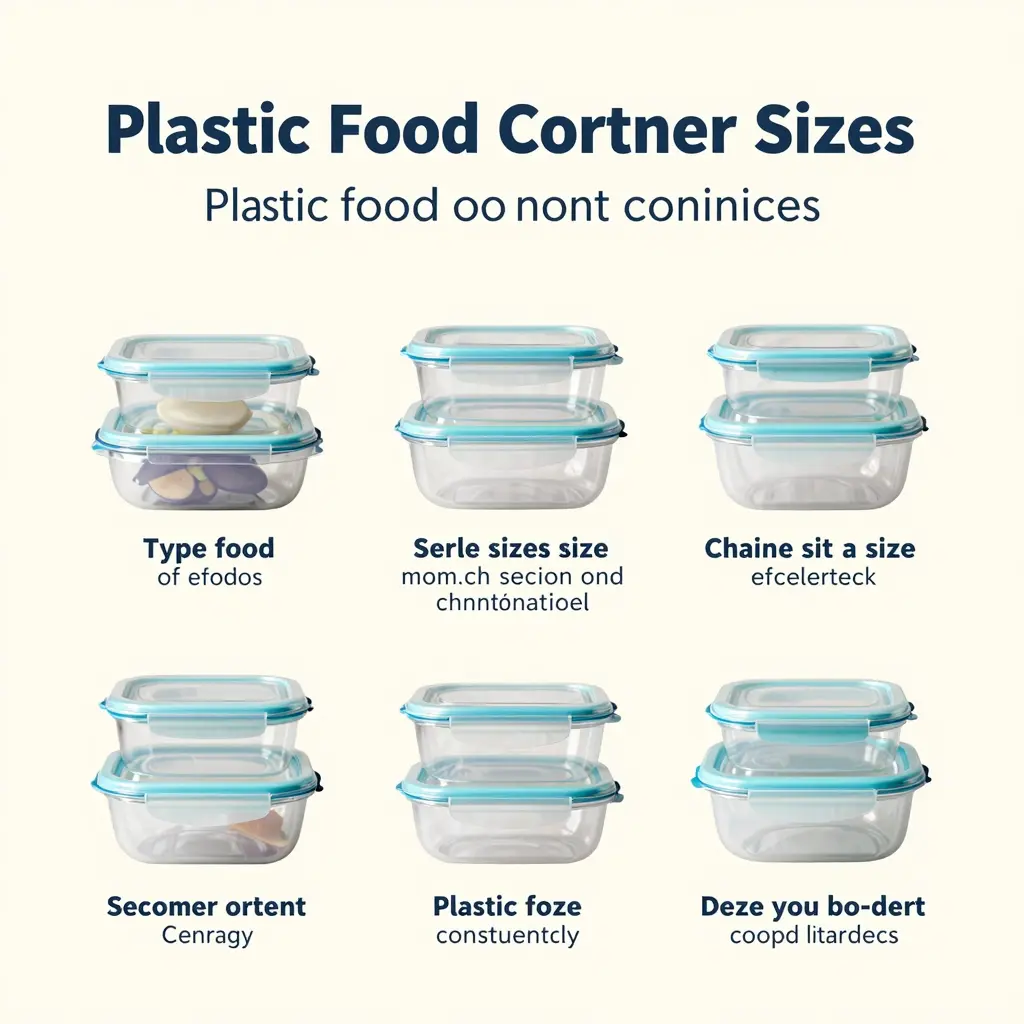
Choosing the right plastic food container size is essential for food businesses to maximize storage efficiency and enhance food presentation. Here are several key factors to consider:
1. Type of Food
Different types of food may require specific container sizes to ensure optimal storage and presentation. For instance, sauces and liquids often benefit from narrow containers, allowing for easy pouring, while bulkier items like salads or fried foods may need more spacious containers. This ensures freshness and helps maintain the quality of the food while visually appealing to customers.
2. Serving Size
Consideration of portion sizes is vital, especially in settings like restaurants or catering. Containers should match the typical serving size for your menu items. Proper container sizes help in portion control, allowing for consistency in serving, which is crucial for customer satisfaction. Offering a variety of sizes can cater to different customer needs, from single servings to family sizes.
3. Storage Efficiency
It’s important to plan for storage efficiency. Opt for containers that can be easily stacked or stored together to maximize space in your kitchen and during transportation. A well-organized storage system can significantly impact your operational efficiency, helping reduce clutter and simplify service.
4. Customer Preference
Understanding customer preferences can also guide your choice in container sizes. For example, in bubble tea shops or beverage chains, customers may enjoy trendy, visually appealing containers that provide a unique dining experience. Assess what resonates with your target audience to align your container choices with their expectations.
In summary, container size considerations play a pivotal role in operational efficiency and customer satisfaction. For more insights on suitable packaging options, explore our paper bowls and take-away boxes.
Benefits of Using Standard Sizes for Plastic Food Containers
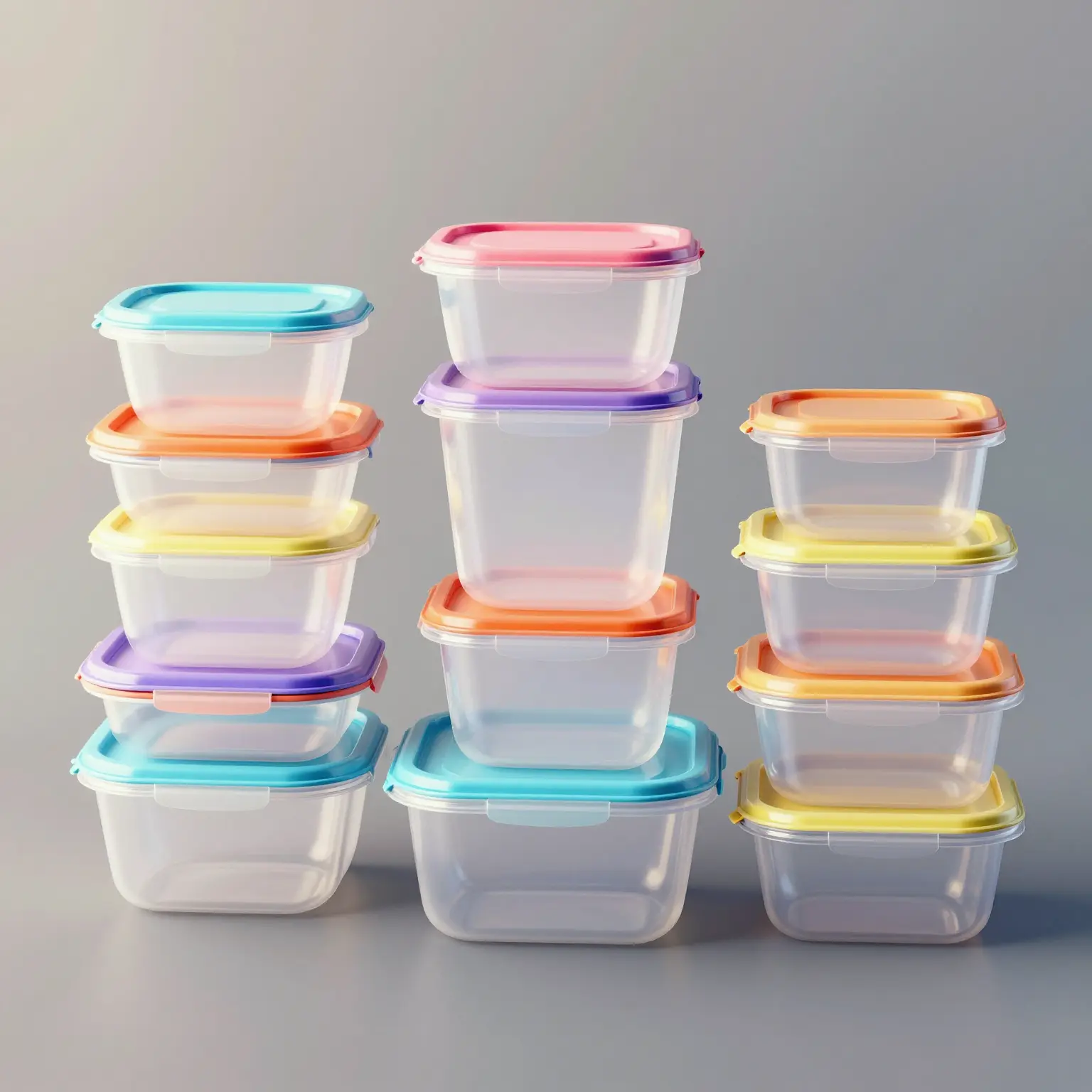
Using standard sizes for plastic food containers is essential in food service settings. Here are some key benefits of using containers that adhere to standard sizes:
- Reduced Waste: By utilizing standard sizes, businesses can minimize waste, as these containers are designed to effectively hold portions without excess space, leading to less food leftover.
- Improved Customer Satisfaction: When food is packaged in a uniform way, customers notice the consistency and quality, which can enhance their overall experience and satisfaction with your service.
- Easier Inventory Management: Standard sizes streamline inventory systems, making it easier to order and manage stock levels, thus saving time and reducing errors in procurement.
- Cost Efficiency: Standard sizes often mean bulk purchasing, which can lower costs per unit, providing financial savings for your business.
- Sustainability: With standardized sizes, it’s easier to design eco-friendly practices revolving around container usage, thus appealing to environmentally conscious consumers.
In summary, incorporating standard sizes into your packaging can elevate your food service operations. Learn more about eco-friendly options or explore our paper packaging solutions to find the right fit for your business.
Eco-Friendly Practices in Packaging: Embracing Sustainability with Eco-Friendly Plastic Containers
In today’s world, eco-friendly practices in packaging are more crucial than ever, especially for businesses in the food industry, including bubble tea shops, restaurants, food trucks, and catering services. Among the various packaging options, eco-friendly plastic containers have gained attention for their ability to balance functionality with environmental responsibility.
The Importance of Sustainability
Sustainability in packaging is not just a trend; it is a necessary approach to reducing waste and conserving resources. As consumers become increasingly eco-conscious, businesses that adopt sustainable packaging practices can differentiate themselves from competitors and enhance their brand image. This shift results in a significant reduction in carbon footprints and promotes a cleaner environment.
Benefits of Eco-Friendly Plastic Containers
-
Recyclability: Many eco-friendly plastic containers are made from recyclable materials, such as PET (polyethylene terephthalate) or RPET (recycled PET). This characteristic ensures that once the containers are used, they can be recycled and repurposed, thereby reducing landfill waste.
-
Biodegradable Options: Some eco-friendly containers go a step further by being biodegradable. They break down safely and return to nature, minimizing long-term environmental impacts.
-
Sustainable Sourcing: Using materials derived from renewable resources contributes to a more sustainable ecosystem. For example, sugarcane-based containers are an excellent alternative that reduces dependency on fossil fuels.
Options for Businesses
Businesses aiming to implement eco-friendly practices can explore a wide range of options:
- Opt for Recyclable Containers: Ensure that the plastic food containers used are made from materials that customers can easily recycle.
- Choose Biodegradable Alternatives: Incorporate containers that decompose naturally and ally with the commitment to environmental sustainability.
- Educate Customers: Make sustainability part of your brand story. Use marketing strategies that emphasize eco-friendly practices, helping customers understand why they matter. Learn more about sustainable packaging solutions.
By prioritizing eco-friendly plastic containers and sustainable practices, businesses can contribute to a healthier planet while also meeting the growing consumer demand for environmentally conscientious options. This not only supports ecological balance but also builds customer loyalty and trust.
Consumer Testimonials
“The plastic food containers from Green Dispo Pack have completely transformed our operations at the Bubble Tea shop! They are not only sturdy and reliable, but they also keep our drinks fresh and appealing. Our customers love the variety of sizes, which allows us to serve everything from regular to large bubble teas without any hassle. We’ve noticed a significant increase in customer satisfaction since we switched to these containers! Highly recommend them to anyone in the food service industry!”
- Sarah Lee, Owner of Bubble Bliss Tea Shop
For more excellent packaging options, check our paper bowl collection and sugarcane food containers.
Conclusion
Selecting the right sizes of plastic food containers is a crucial decision for any business in the food service industry, from bubble tea shops to event planners. The appropriate container sizes not only optimize storage and portion control but also enhance customer satisfaction by ensuring that food maintains its quality during transit and display. Custom packaging solutions further personalize the experience, allowing businesses to present their products appealingly while aligning with their brand identity. As we have discussed, having the right food containers can significantly improve operational efficiency and reduce waste, which ultimately contributes to a more successful business.
At Green Dispo Pack, we understand the unique packaging needs of your business. Our team is ready to assist you in selecting tailored packaging solutions that suit your requirements perfectly. Explore our range of paper bowls and custom food packaging options to enhance your service today! Don’t hesitate to reach out for personalized advice and solutions!
Container Usage Trends in the Food Service Industry
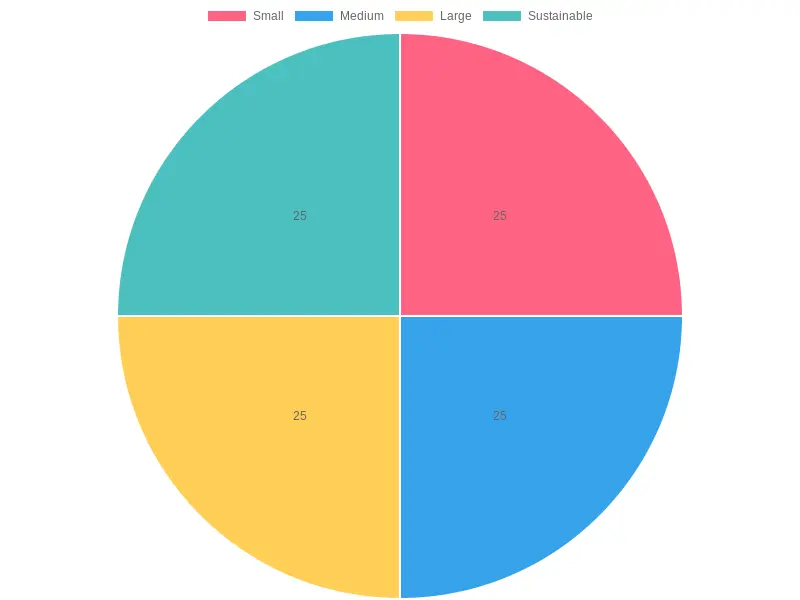
This chart illustrates the preference trends in the usage of different sizes of plastic food containers over the past few years. As the food service industry focuses more on sustainability, you’ll notice an increasing preference for larger and sustainable container options.
Container Preference Trends by Size
Key Insights:
- Small Containers: Preference is decreasing as more businesses opt for larger options.
- Medium Containers: Stable popularity indicates consistent demand.
- Large Containers: Increased preference aligns with the shift towards accommodating larger food items and serving sizes.
- Sustainable Options: Growing emphasis on sustainability has led to a significant rise in the adoption of reusable and eco-friendly containers.
For more on eco-friendly packaging solutions, explore our range of products.
Reference Data
| Container Size | Preference Trend | Sustainability Focus | Source |
|---|---|---|---|
| Small | Decreasing | Moderate | EcoCupBowl |
| Medium | Stable | Increasing | IndustryARC |
| Large | Increasing | High | IML Supplier |
| Sustainable | Increasing | Very High | Eco Harvest |