
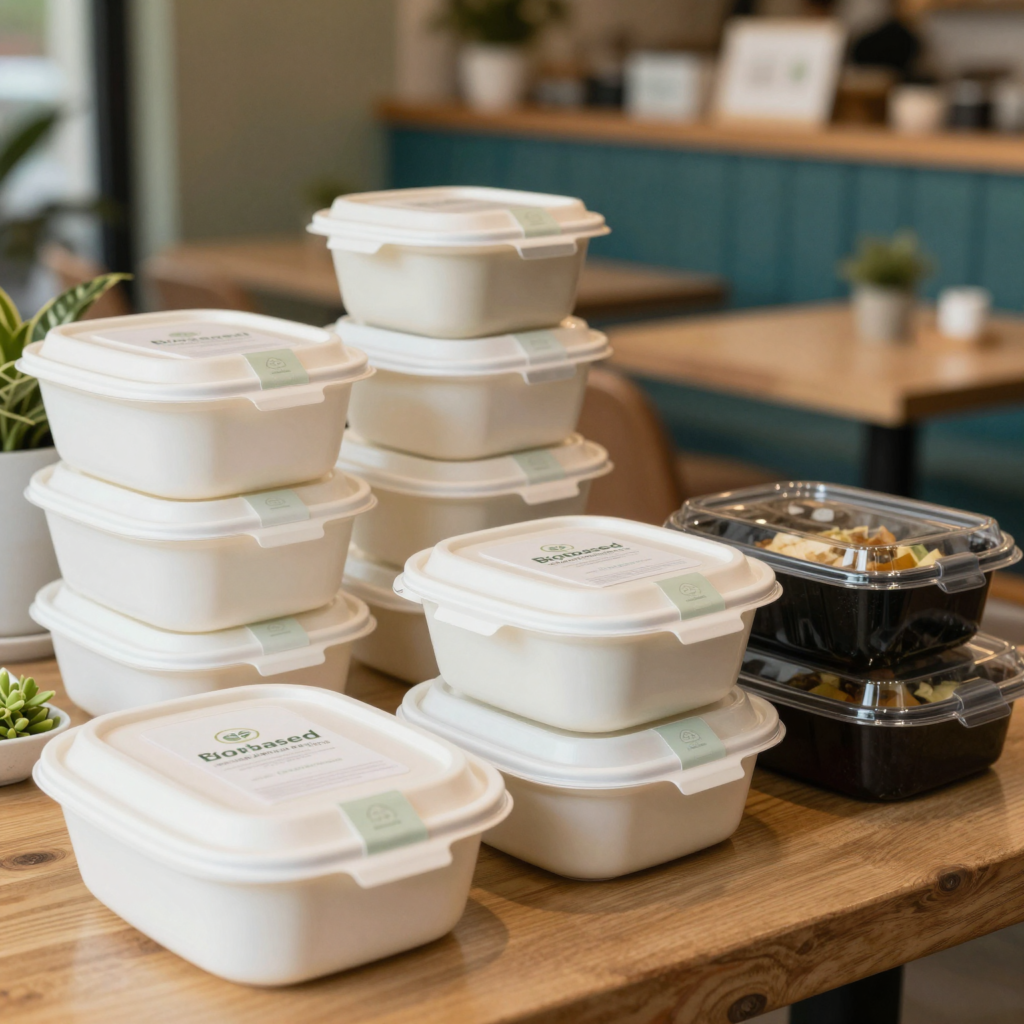
In recent years, the demand for sustainable packaging solutions has skyrocketed, particularly among bubble tea shops, restaurants, food trucks, and event planners. This shift is not just a passing trend; consumers are increasingly seeking brands that care about the planet, and businesses are responding to this call by adopting eco-friendly practices. With this rise in environmental consciousness comes the need for sustainable packaging options that can meet the demands of both functionality and responsibility.
Enter biobased plastics-these innovative materials are making waves in the food container manufacturing industry. Unlike traditional plastics derived from fossil fuels, biobased plastics are produced using renewable resources, making them a greener alternative. They not only reduce carbon footprints but also align with the growing commitment to sustainability in food service sectors. As more establishments strive to lessen their environmental impact, the incorporation of biobased plastics into their packaging solutions not only helps them achieve this goal but also resonates with environmentally-conscious consumers.
Learn more about how biobased plastics can transform your business model and enhance your brand’s sustainability by exploring our detailed articles on plastic packaging food containers and custom plastic forming machines.
Benefits of Biobased Plastic Food Containers
- Eco-Friendliness: Made from renewable materials like corn or sugarcane, these containers are biodegradable, reducing waste and environmental impact.
- Safety Standards: Biobased plastics meet strict FDA safety regulations, ensuring that they are safe for food contact.
- Durability: Resistant to cracks and breaks, biobased plastic containers are strong and reliable for both hot and cold foods.
- Flexibility: These containers can be molded into various shapes and sizes, making them versatile for different culinary needs.
- Cost-Effectiveness: Though initially higher in price, they can save costs in waste management and align with sustainable business practices.
- Consumer Appeal: Growing awareness about sustainability makes these products attractive to eco-conscious consumers.
For more insights on biobased packaging solutions, learn more here.
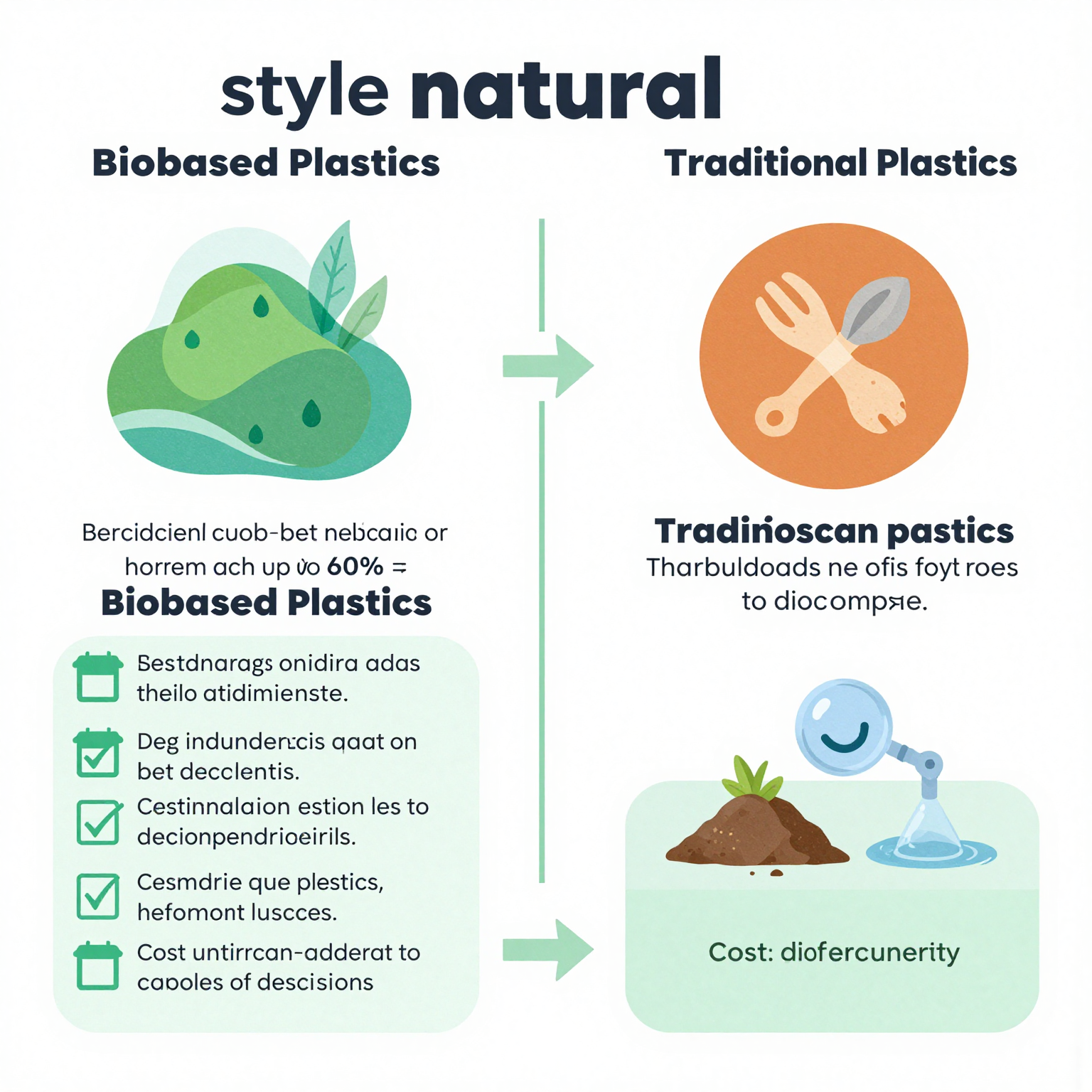
Comparison Table of Biobased Plastics and Traditional Plastics
| Feature | Biobased Plastics | Traditional Plastics |
|---|---|---|
| Environmental Impact | Reduce carbon emissions by up to 60% compared to traditional plastics. Some are biodegradable, further reducing waste. (Biobased Plastics Analysis) | Take hundreds of years to decompose. Only 14% is recycled, contributing to pollution and waste (The Impact of Traditional Plastics). |
| Durability | Generally durable but may vary based on the formulation. Some grades are less durable than traditional plastics. (Durability Comparison) | Highly durable, often used in packaging for its strength and longevity. |
| Cost | Often more expensive to produce upfront due to raw materials, but costs may decrease as technology improves and production scales. | Generally less expensive due to established extraction and production processes. |
Visual Comparison
For more information on biobased plastic solutions that are environmentally friendly, check out this relevant article!
Manufacturing Process of Biobased Plastics
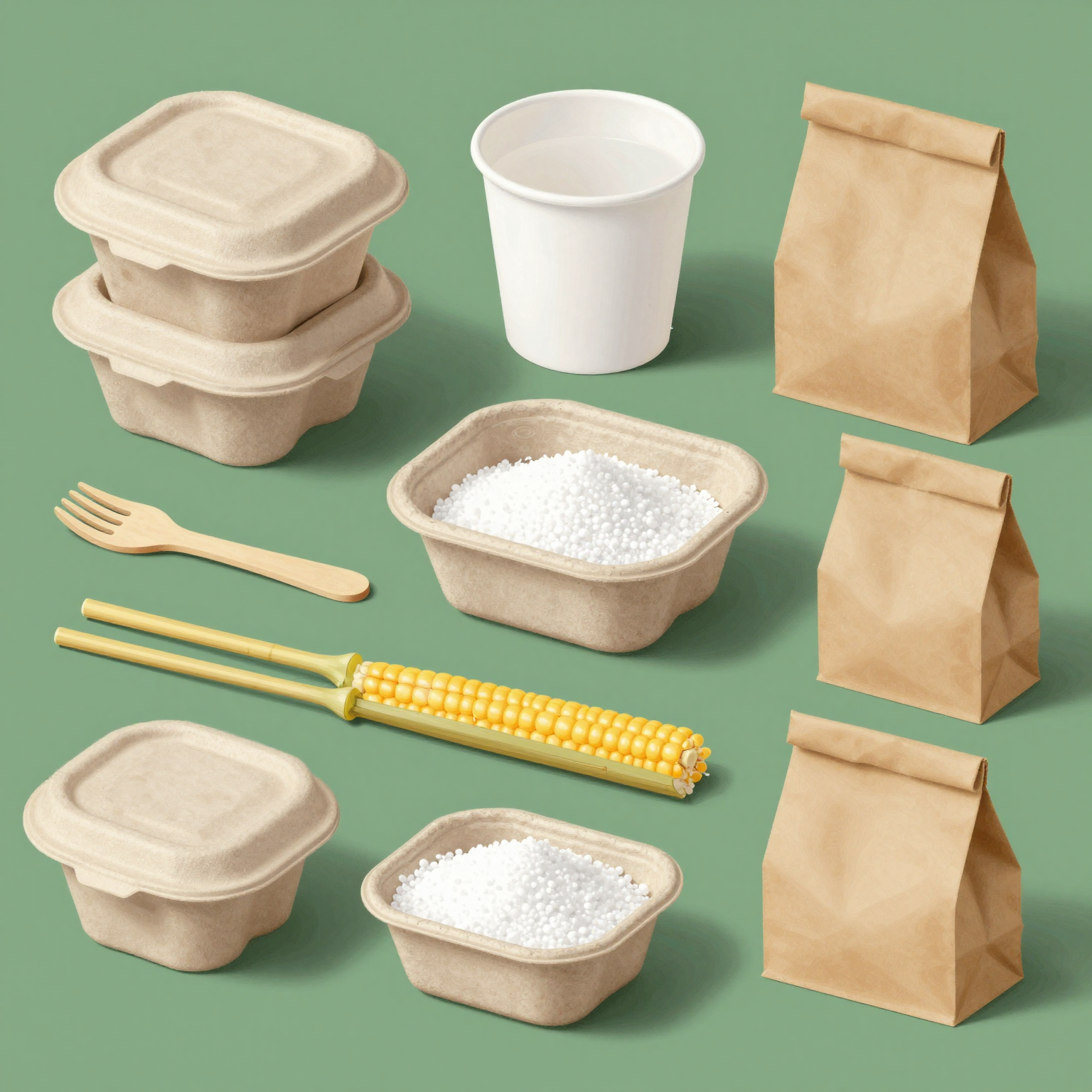
Biobased plastics are crafted through innovative processes that not only prioritize sustainability but also adhere to stringent safety standards. The journey of these eco-friendly materials begins with renewable resources, often derived from plants such as corn, sugarcane, or potatoes. Here’s a closer look at how biobased plastics are manufactured, emphasizing the practices that make this process environmentally friendly and safe.
1. Raw Material Sourcing
The manufacturing of biobased plastics starts with the selection of raw materials. Unlike traditional plastics made from fossil fuels, biobased plastics are sourced from agricultural feedstocks. This shift reduces carbon emissions and supports sustainable farming practices.
2. Polymerization Process
Once the renewable materials are obtained, they undergo a polymerization process where simple sugars or starches are converted into polymers. This is often achieved through fermentation, where microorganisms transform sugars into bioplastics like polylactic acid (PLA). Notably, this step is considered eco-friendly as it utilizes biological processes, minimizing the energy consumption compared to petroleum-based plastics.
3. Safety Standards in Manufacturing
The safety of both workers and consumers is paramount in the production of biobased plastics. Manufacturers are required to follow stringent safety standards to avoid hazards associated with chemicals and machinery used in the process. Regular audits and certifications ensure compliance with regulations that safeguard health and the environment. For instance, adherence to ISO safety standards is essential to maintain high-quality production.
4. Minimizing Waste and Pollution
Biobased plastics manufacturing also incorporates eco-friendly practices aimed at minimizing waste. Closed-loop systems are increasingly adopted to reduce emissions and ensure waste products are reused or recycled within the production cycle. Additionally, manufacturers often implement water management strategies to conserve this critical resource and protect local ecosystems.
5. Continuous Improvement and Innovation
The biobased plastics sector is committed to ongoing innovation. Companies are continuously seeking methods to enhance the sustainability of their products, from implementing cleaner technologies to exploring new materials that can further reduce environmental impact.
In conclusion, the manufacturing process of biobased plastics is a testament to balancing eco-friendliness with safety standards. For businesses such as bubble tea shops, restaurants, and food trucks that aim to adopt more sustainable practices, choosing biobased plastic containers is a step toward a greener future. Learn more about our eco-friendly packaging options.
Importance of Safety Standards in Biobased Plastic Food Containers
The production of biobased plastic food containers is gaining momentum due to increasing demand for sustainable and environmentally friendly products. However, the safety of these containers is paramount, especially for restaurants and food service businesses that prioritize customer health and food safety.
Regulatory Compliance
Safety standards in the production of biobased plastics ensure that these materials are safe for food contact. The U.S. Food and Drug Administration (FDA) has established strict regulations that manufacturers must adhere to maintain compliance. For instance, as of 2023, the FDA’s guidelines emphasize material safety, manufacturing processes, and labeling requirements for biobased plastic containers, which must be met to sell these products in the U.S. market (FDA Guidelines). This compliance not only protects consumers but also enhances the credibility of businessessource.
Benefits of Biobased Plastic Containers for Restaurants
Restaurants stand to gain significantly from adopting biobased plastic food containers. These containers are made from renewable resources like corn and sugarcane, making them both biodegradable and an excellent option for reducing plastic waste (Restaurant News). By complying with safety standards, restaurants assure their customers that their food is kept in safe, non-toxic materials, which helps in building customer trust and loyalty.
Conclusion
Adopting biobased plastic food containers not only aligns with environmental sustainability goals but also adheres to required safety standards. For restaurants and food service businesses, this practice leads to enhanced brand reputation, reduced waste, and compliance with food safety regulations-making it a smart choice in today’s environmentally conscious market.
“Since we started using Green Dispo Pack’s biobased plastic food containers, we’ve seen a remarkable improvement in both the quality of our takeout orders and the response from our customers. Their service is impeccable, always ensuring we meet our needs promptly. We couldn’t be happier with our decision!”
- Alex, Owner of Sip & Savor Cafe
Market Trends for Biobased Plastics
The bioplastics sector has shown remarkable growth over the past five years, reflecting an increasing consumer demand for sustainable alternatives in the food service industry.
The chart below illustrates the market value of biobased plastics from 2018 through 2023, showcasing a steady increase in value, indicating the rising relevance of these materials in various industries including beverage chains, restaurants, and catering services.

Market Growth Data (in USD Billion)
| Year | Market Value (USD Billion) |
|---|---|
| 2018 | $14.0 |
| 2019 | $15.5 |
| 2020 | $17.0 |
| 2021 | $18.0 |
| 2022 | $21.0 |
| 2023 | $25.3 |
With an anticipated growth rate of 15.6% CAGR projected for 2023, biobased plastics are not merely a trend but a significant shift towards more sustainable packaging solutions. For food businesses looking to enhance their eco-friendly credentials, switching to bioplastic options is a sensible and necessary choice. To explore more about sustainable products, check out our article on custom plastic forming machines for disposable bowls.
Cost-Effectiveness of Biobased Plastic Food Containers
Choosing biobased plastic food containers offers significant cost-effectiveness for businesses such as bubble tea shops, restaurants, and food trucks. Here’s why:
1. Bulk Buying Potential
Biobased plastics, made from renewable resources like corn or sugarcane, can often be purchased in bulk since demand is increasing. Bulk purchasing not only lowers the per-unit price but also helps businesses manage inventory more efficiently. By buying in larger quantities, they can take advantage of discounts, reducing overall costs.
2. Longevity & Durability
Though they are designed to be biodegradable, many biobased containers can still endure longer usage, particularly in optimal conditions. For example, a recent study found that biobased plastic containers have production costs of $2.5 – $4.0 per kg compared to traditional plastics at $1.2 – $1.5. However, the long-term savings from reduced waste disposal costs and environmental compliance often outweigh the initial outlay.
3. Reduced Waste Generation
Using biobased containers contributes to a decrease in the amount of plastic waste. These containers are often compostable or biodegradable, leading to lower waste disposal costs in the long run. By reducing landfill contributions, businesses not only support environmental goals but also align with sustainable practices expected by today’s consumers.
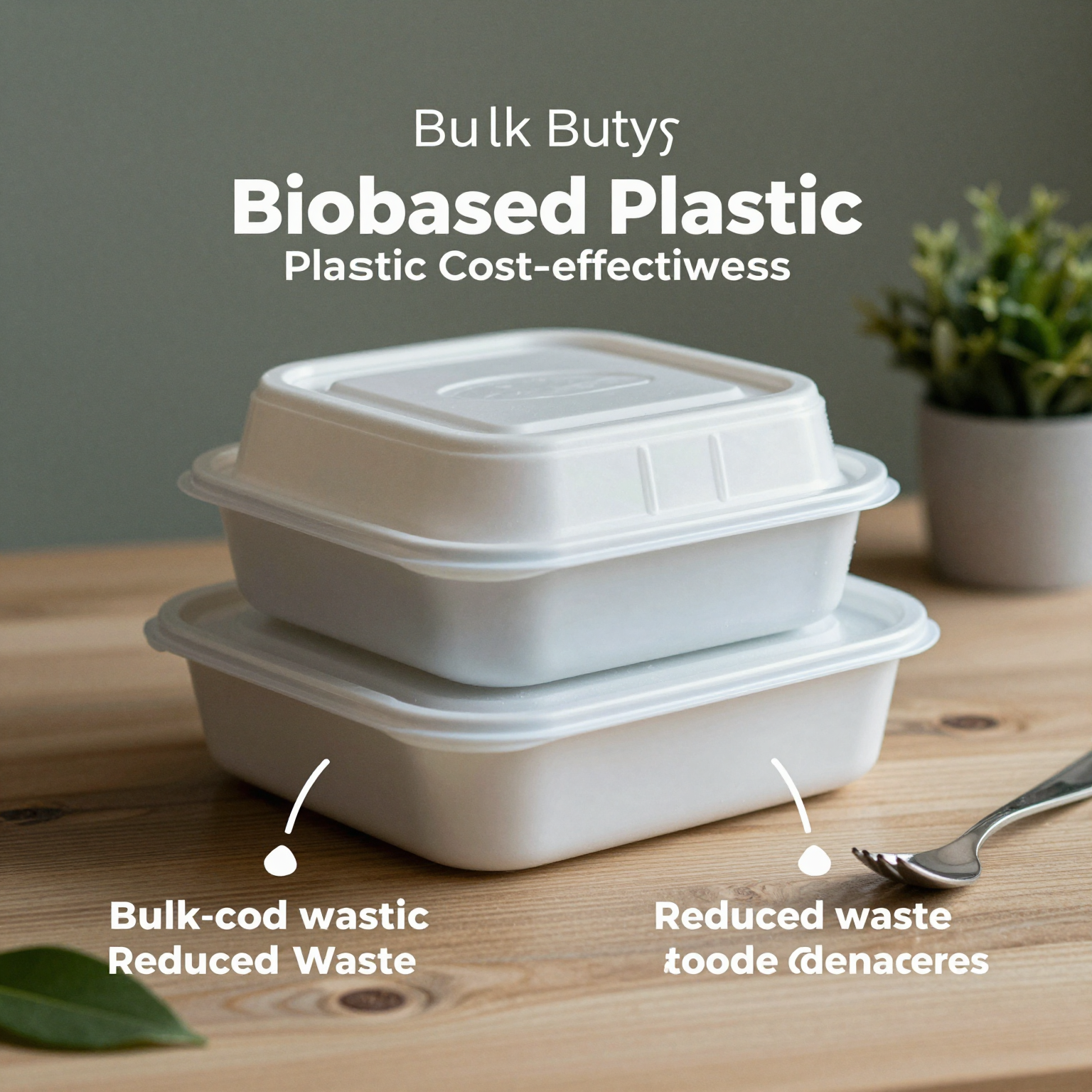
For a more in-depth exploration of container options, check out more insights about biobased materials. This choice shows how sustainability can lead to profitability, making biobased plastic food containers a savvy investment for any food-related business.
As we move towards a greener future, the choice of biobased plastic food containers is not just about convenience-it’s about quality, safety, and sustainability. At Green Dispo Pack, we pride ourselves on providing food service professionals with superior packaging options that meet strict safety standards while being environmentally friendly. Whether you’re running a bustling bubble tea shop or organizing a corporate event, our biobased plastic containers are designed to cater to your needs, ensuring that your business stands out and stays compliant with safety regulations.
Choosing us means partnering with a company that supports you every step of the way, from design to delivery. We understand the unique challenges facing restaurants, food trucks, and catering services, and we’re here to provide customized solutions that make a difference. Don’t compromise on quality-let our team help you make the switch to biobased containers that reflect your commitment to sustainability and customer satisfaction.
Contact us today for a tailored quote and see how we can support your business with our innovative products. Learn more about our biodegradable packaging options! We look forward to being part of your eco-friendly journey!